Photo credit: Skull Crush Inc./Youtube
Trading down can feel smart in the moment. Maybe the cheaper gun seems close enough. Maybe the newer one has better specs. Maybe the owner wants cash left over for ammo, optics, or something else in the safe. On paper, the trade looks practical.
Then the shooting starts, and the difference shows up. The old gun felt better, ran smoother, held value better, or simply inspired more confidence. These firearms are the kind that make owners realize too late that “close enough” is not always close at all.
Browning Citori
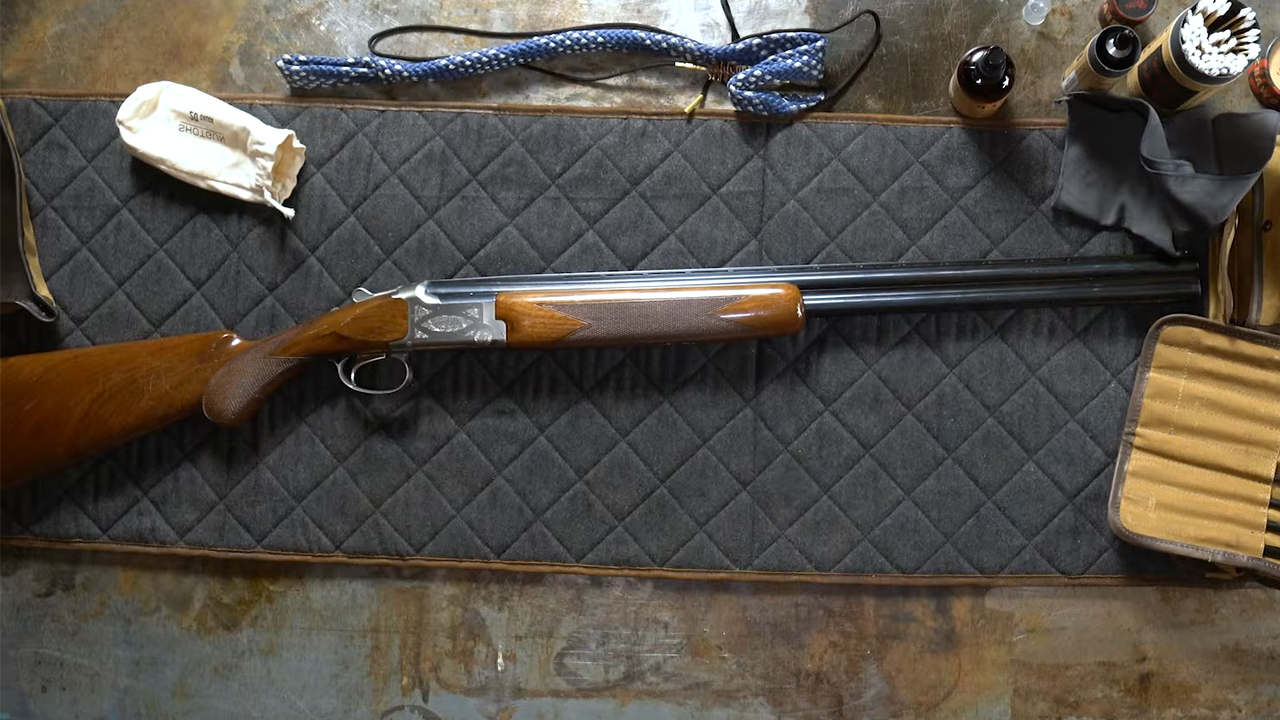
The Browning Citori is one of the easiest guns to regret trading down from because over-unders reveal shortcuts fast. A cheaper double might look fine in the rack, but after enough rounds, the stiff opening, rough triggers, poor balance, or questionable long-term durability can start showing. That’s when the Citori starts looking better in hindsight.
A good Citori feels solid in a way budget over-unders often don’t. It locks up with confidence, swings naturally for many shooters, and has enough history behind it to feel like a shotgun worth keeping. It works for clays, upland hunting, and general field use depending on model. Trading one for a cheaper double may free up money once, but the regret tends to settle in every time the replacement doesn’t feel as good.
SIG Sauer P226
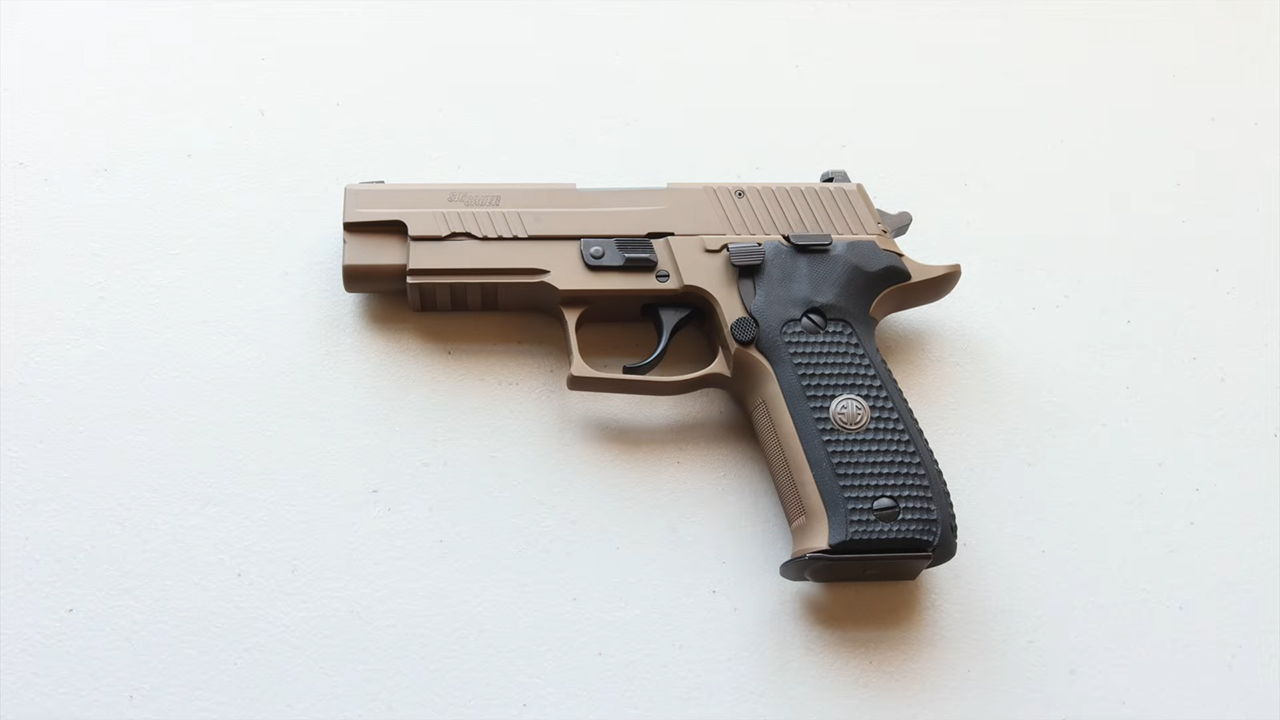
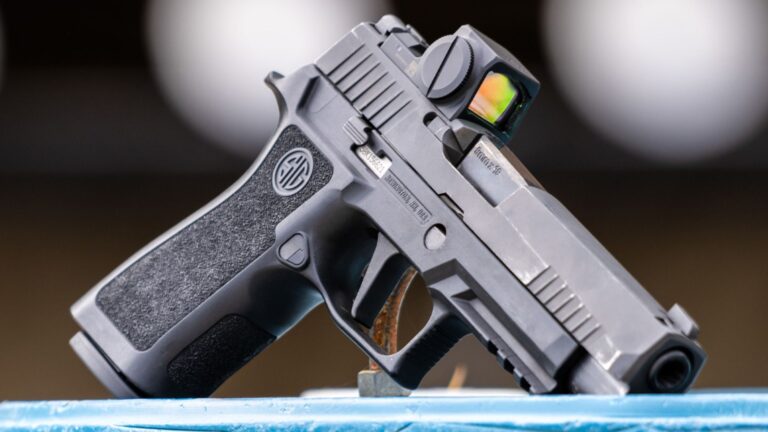
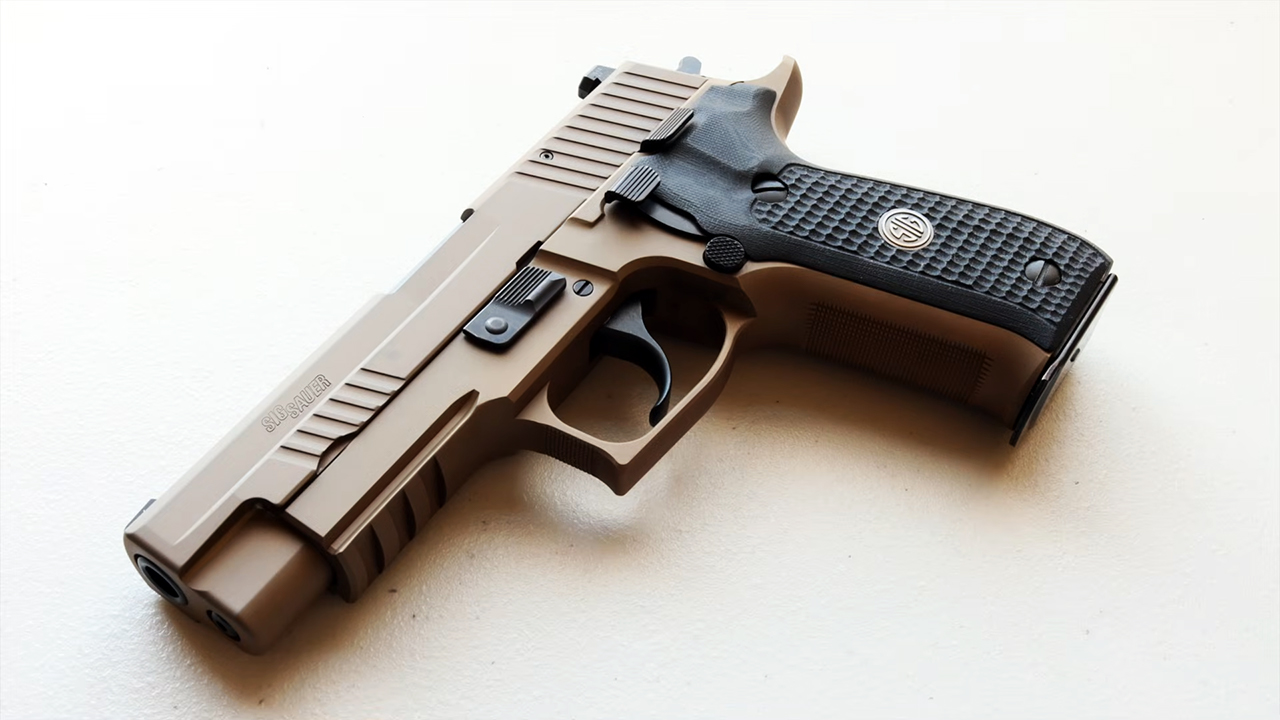
The SIG Sauer P226 makes owners regret trading down because it has a shooting feel that cheaper service pistols rarely duplicate. It’s heavy, metal-framed, DA/SA, and more expensive than many polymer options, which can make a trade seem logical at first. Lighter and cheaper sounds practical.
Then the owner remembers how the P226 handled recoil. The metal frame settles the pistol, the trigger system rewards practice, and the gun feels serious in the hand. A cheaper replacement may be easier to carry or simpler to explain, but it often won’t feel as refined during range work. The P226 is not the answer for every role, but once someone learns it, trading down can feel like giving up confidence for convenience.
Winchester Model 70 Classic

The Winchester Model 70 Classic is a rifle that can make cheaper replacements feel thin. Controlled-round feed, the three-position safety, and traditional hunting-rifle balance all give it a confidence that many lower-priced rifles don’t quite match. A budget rifle may shoot well, but it may not feel as settled.
That’s where regret starts. The Model 70 Classic feels like a rifle built for long-term ownership, not one bought to get through a season. It shoulders well, feeds with authority, and carries a reputation that still matters to serious hunters. Trading one for a cheaper rifle with a rougher stock, less confidence in the action, or weaker long-term value can sting. Sometimes the older rifle was worth more than the cash difference.
Smith & Wesson Model 686

The Smith & Wesson Model 686 is a hard revolver to trade down from because it combines strength, refinement, and shootability so well. A cheaper .357 Magnum may still fire the same cartridge, but that does not mean it feels the same. Trigger quality, balance, lockup, sights, and recoil control all matter.
The 686 handles .38 Special beautifully and .357 Magnum with enough weight to keep practice realistic. The stainless L-frame feels sturdy without becoming oversized, and the adjustable sights make it useful across different loads. Trading down to a rougher revolver can make the old Smith seem better every range trip. A good .357 is not only about power. It’s about control and trust, and the 686 delivers both.
Beretta 686 Silver Pigeon I
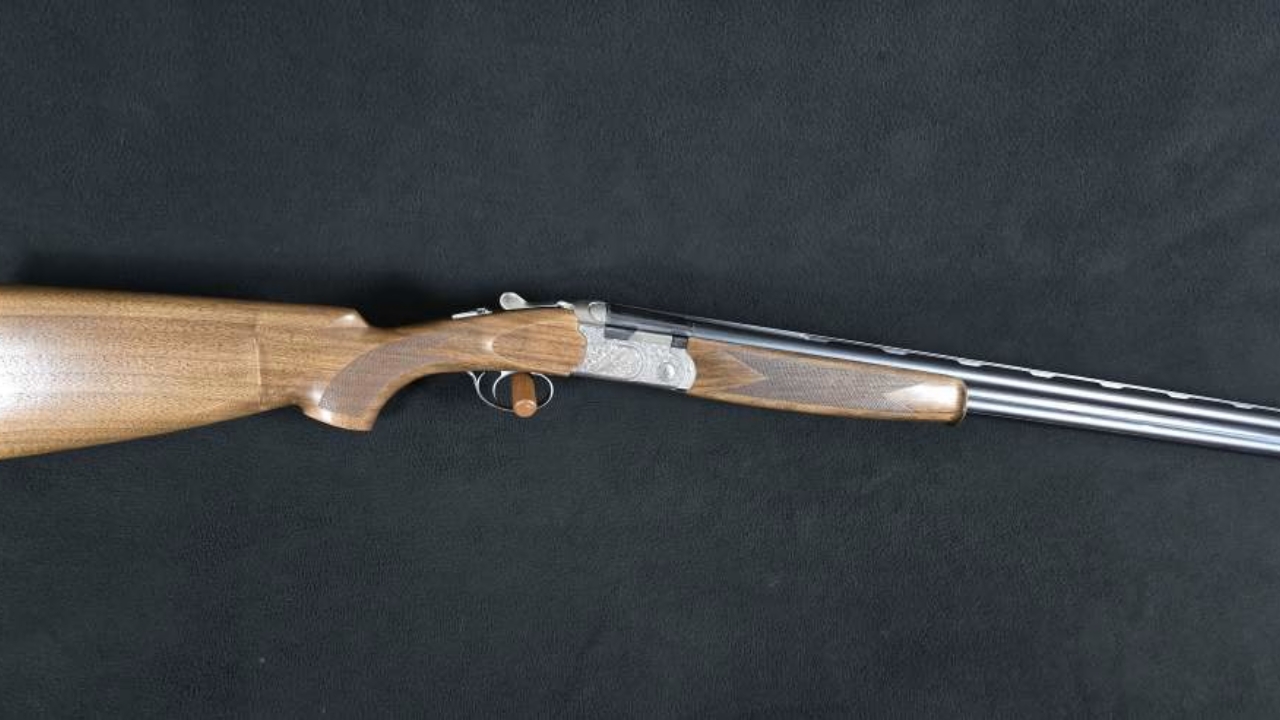
The Beretta 686 Silver Pigeon I is another shotgun that makes trading down feel painful. It’s not the fanciest over-under Beretta makes, but it sits in a sweet spot where quality, handling, and long-term trust all meet. A cheaper over-under can look similar until the shooter spends real time with it.
Fit and feel are the difference. The Silver Pigeon has a refined field personality that budget doubles often lack. It opens and closes with confidence, balances well, and has enough proven reputation to justify its price for many shooters. Trading down may seem harmless if the replacement has the same gauge and barrel length, but shotguns are not spec sheets. If the cheaper gun doesn’t swing the same, the regret shows up quickly.
HK USP
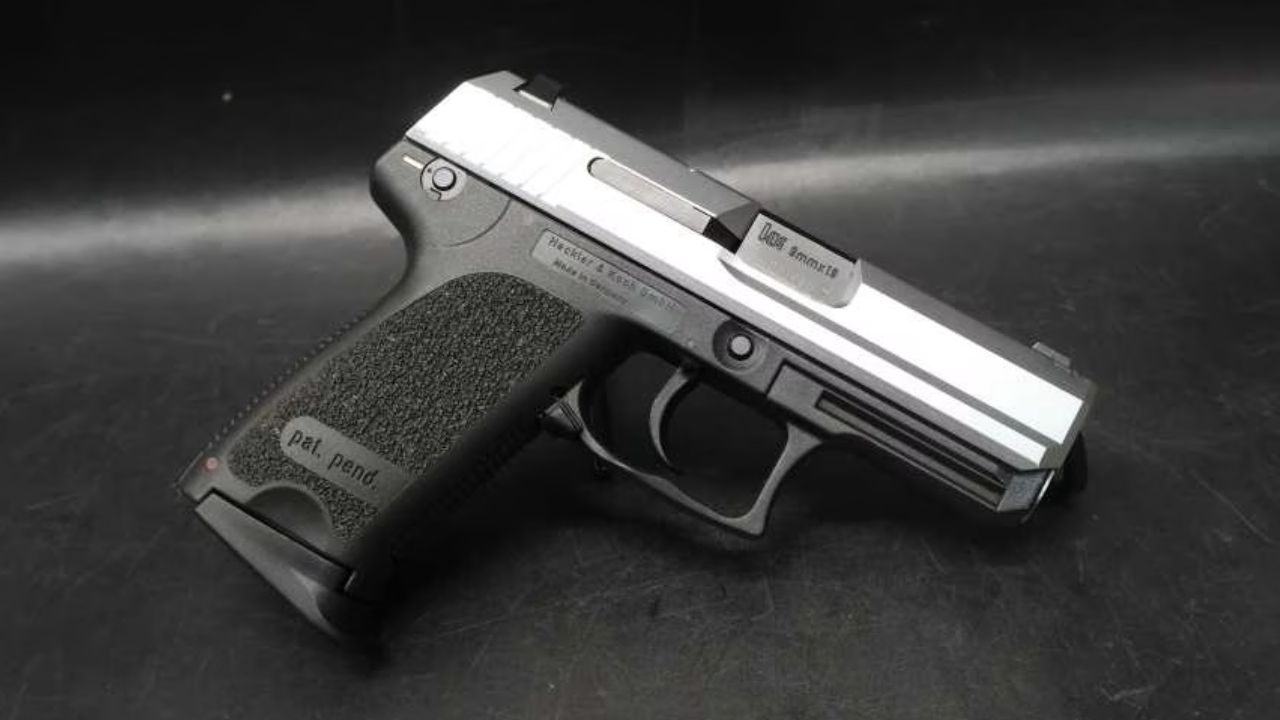
The HK USP makes owners regret trading down because its overbuilt feel is hard to replace with cheaper polymer pistols. It may look chunky now, and it lacks many modern features buyers expect, but it still carries a level of durability and confidence that cheaper pistols often don’t offer.
A lower-priced replacement may have better capacity, better ergonomics, or an optics-ready slide, and those things can matter. But the USP’s strength is the way it feels like it was built for hard use. The controls, frame, and overall build give it a serious personality. Owners who trade one for something lighter and less expensive may not miss it immediately. They usually start missing it when the new gun feels less substantial.
Remington 700 BDL
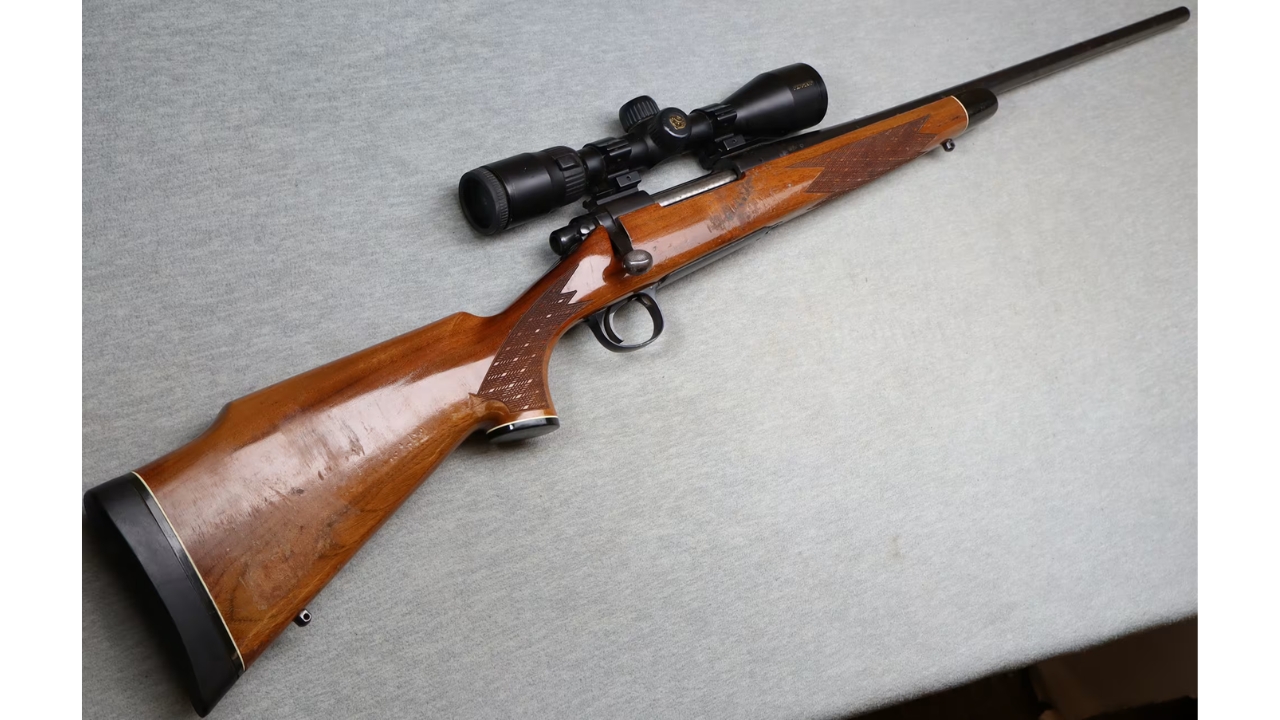
The Remington 700 BDL can make owners regret trading down because it has a traditional rifle feel many budget bolt-actions lack. Walnut, blued steel, a hinged floorplate, and the familiar 700 action give it a sense of permanence. A cheaper synthetic rifle may shoot fine, but it may not feel like something worth keeping.
That matters more over time. The BDL balances well, carries deer-camp character, and has massive aftermarket support if an owner ever wants to improve it. Production era and condition matter, but a good one has a quality that stripped-down rifles often miss. Trading down to a lighter, cheaper, hollow-feeling rifle can feel sensible until the owner realizes the old BDL made every hunt feel a little more serious.
Colt Gold Cup

The Colt Gold Cup is the kind of 1911 that makes cheaper replacements feel like compromises. A basic 1911 can still be fun, and some affordable ones run well with the right magazines. But the Gold Cup’s target-focused feel, trigger, sights, and Colt identity give it a different kind of pull.
Trading down may make sense if the owner wants a rougher range gun or needs cash, but the regret often comes later. A cheaper 1911 may need upgrades to feel close, and by then the savings disappear. The Gold Cup is not a defensive workhorse for everyone, but as a range pistol, it has a special place. Once someone gets used to a refined 1911, a lower-tier version can feel like a reminder of what they gave up.
Sako 85

The Sako 85 makes trading down painful because it gives hunters a refined rifle experience that budget guns rarely duplicate. A cheaper rifle may shoot accurately, and that is important, but the Sako’s smooth action, excellent trigger, stock feel, and overall quality make the whole process better.
Hunters who trade one for a lower-priced rifle may tell themselves accuracy is all that matters. Then they notice the rougher bolt, cheaper stock, less confidence in feeding, or plain lack of pride in ownership. The Sako 85 feels like a rifle meant to be kept and hunted with for decades. It is not cheap, and it does not need to be. Trading down can make an owner realize too late that refinement was part of the value.
Beretta 92X Performance
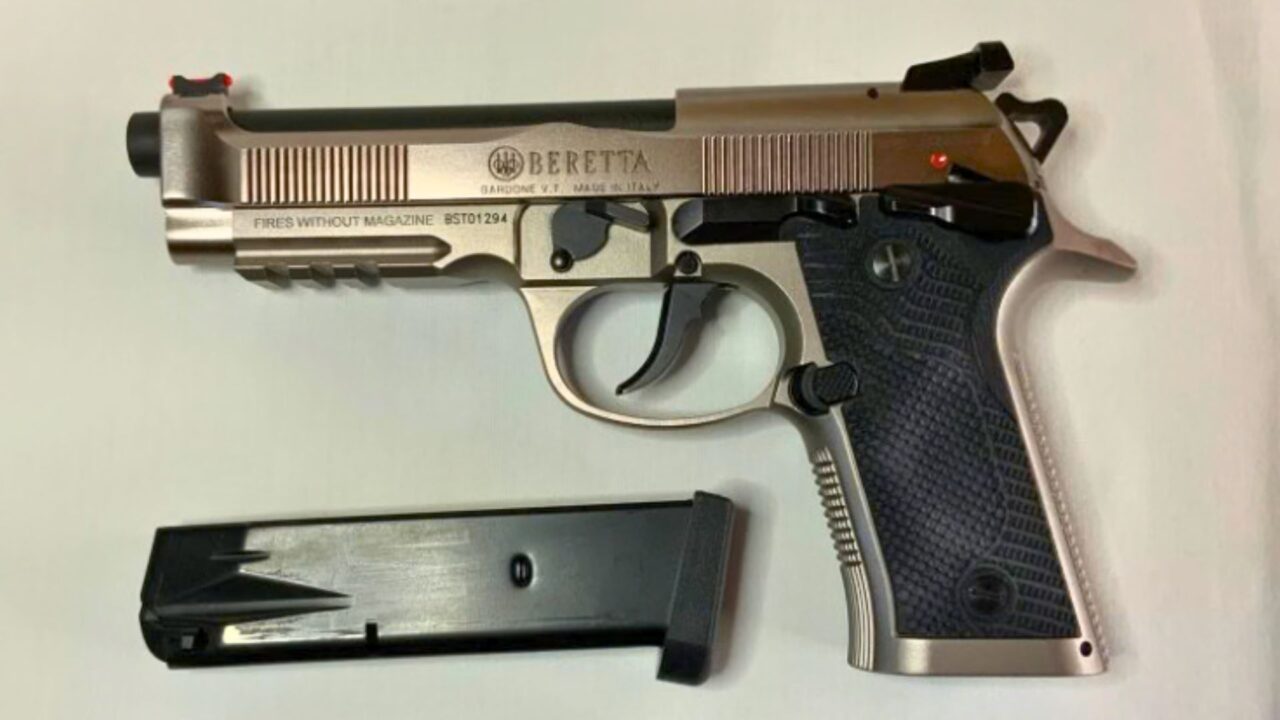
The Beretta 92X Performance is a pistol that makes cheaper range guns feel less satisfying fast. It is heavy, steel-framed, and built around shootability. A lower-priced full-size 9mm may be perfectly functional, but it probably won’t have the same calm recoil impulse, trigger feel, or planted tracking.
That difference matters for serious range time. The 92X Performance is not a casual carry pistol, and it isn’t trying to be. It is made for shooters who want control, speed, and confidence with a full-size handgun. Trading down to a lighter polymer pistol may save money, but it can also make the range experience feel less rewarding. Some guns earn their cost every time the sights lift and settle back down.
Browning BLR Lightweight Stainless
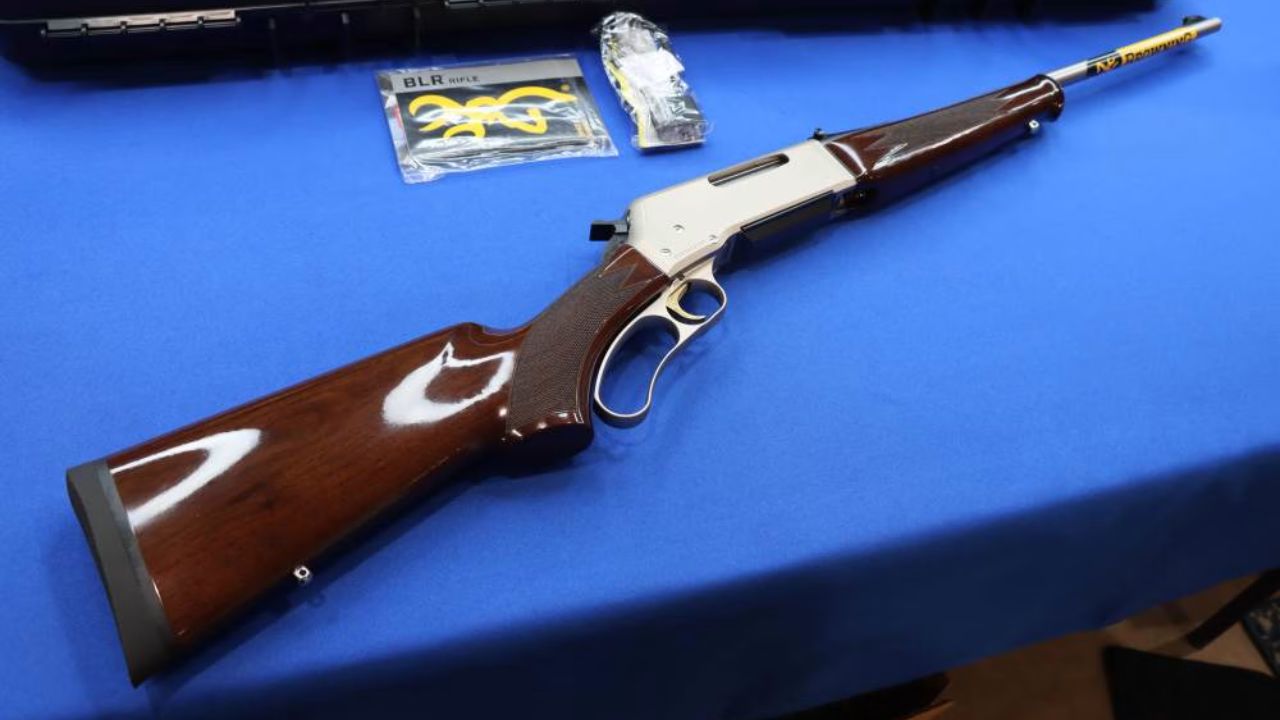
The Browning BLR Lightweight Stainless is easy to miss after trading down because it fills a lane few rifles do. A cheaper bolt-action may shoot well, but it won’t offer the same lever-action handling with modern cartridge capability. That blend is the BLR’s whole appeal.
The rotating bolt and detachable magazine allow pointed-bullet cartridges, while the lever action keeps the rifle fast and handy. The stainless version adds weather resistance, making it even more practical for real hunting. Trading down to a basic bolt gun may seem reasonable if the owner only looks at accuracy and cost. But in mixed terrain, where quick handling and reach both matter, the BLR can feel much harder to replace than expected.
Smith & Wesson Model 41
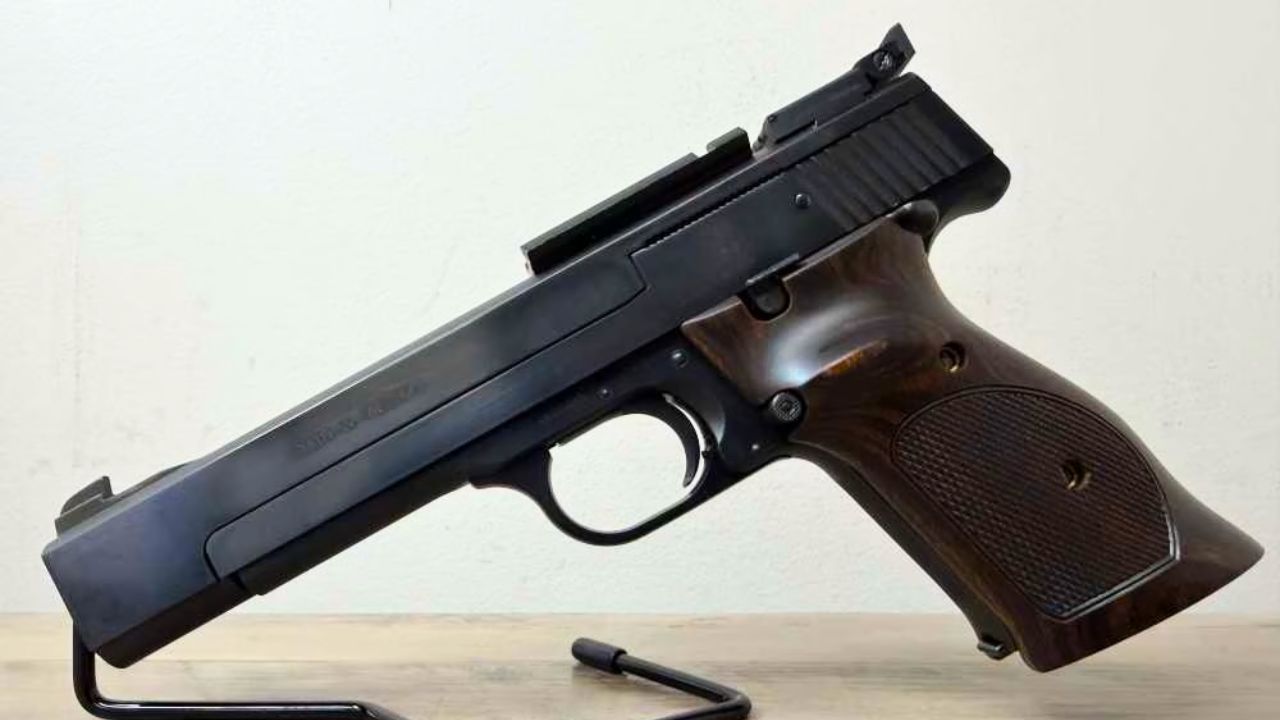
The Smith & Wesson Model 41 makes owners regret trading down because rimfire pistols are not all the same. A cheaper .22 can still be fun, but the Model 41 brings a level of trigger quality, balance, sights, and accuracy that makes practice feel serious. It turns .22 LR into precision work, not just casual plinking.
That’s why trading one for a less expensive rimfire can sting. The replacement may be lighter, newer, or more tactical-looking, but it may not reward careful shooting the same way. A Model 41 is expensive for a .22, but owners usually understand the price once they shoot one enough. Giving that up can make every cheaper pistol feel a little rougher than it did before.
Weatherby Mark V

The Weatherby Mark V makes trading down hard because it has a strong identity. The action, Weatherby styling, magnum heritage, and overall feel give it more presence than most ordinary hunting rifles. A cheaper rifle may be accurate and practical, but it likely won’t feel like a Mark V.
That is where regret comes in. The Mark V is not necessary for every hunter, and some models are more rifle than many people need. But owners who appreciate the strength and history of the platform often miss it badly after trading down. A lower-priced rifle can do the job, but it may not carry the same confidence or pride. Some guns are not only tools. They are part of why the hunt feels special.
Ruger Red Label

The Ruger Red Label can make owners regret trading down because American-made over-unders with that kind of character are not easy to replace. It was not perfect, and some shooters prefer Browning or Beretta doubles, but the Red Label had a practical, sturdy appeal that made it memorable.
Trading one for a cheaper over-under may look sensible until the replacement feels clumsy, rough, or less durable. The Red Label was built for real field use, with enough weight and strength to handle steady shooting. It may not have had the refined feel of higher-end doubles, but it had more personality than many budget options. Owners who let one go often realize later that “less expensive” did not mean “same enough.”
Kimber 84M Classic

The Kimber 84M Classic is a rifle that can make hunters regret trading down because light rifles with real character are not common. Many cheaper lightweight rifles feel hollow, whippy, or too stripped down. The 84M Classic gives a trim controlled-round-feed action, traditional styling, and graceful carry weight in one package.
It does demand good shooting form, as light rifles always do. But once an owner understands its balance, it becomes hard to replace with something cheaper. A bargain lightweight rifle may save money and still shoot fine, but it may not carry the same way or feel as carefully built. Trading down from an 84M Classic can make a hunter realize the old rifle’s best quality was not only weight. It was the way that weight was handled.
Like The Avid Outdoorsman’s content? Be sure to follow us.
Here’s more from us: