
Pronghorn aren’t hard to kill because they’re tough. They’re hard to kill because access, tags, and pressure can stack the deck against you fast if you pick the wrong state. For new pronghorn hunters, the best odds usually come down to three things: draw accessibility, healthy populations, and terrain that lets you see animals instead of guessing where they are. The states below consistently give newcomers a fair shot—not necessarily at giants, but at real tags, real animals, and hunts that don’t require a decade of preference points to experience. If you want to learn pronghorn behavior, practice glassing, and actually get in the field without burning years waiting, these are the states that make that possible.
Wyoming

Wyoming is the gold standard for newcomer pronghorn hunters, and it’s not even close. The state holds the largest pronghorn population in the country and offers more tags than anywhere else. For nonresidents especially, Wyoming’s draw system includes both preference point and random draw components, which means first-time applicants still have legitimate odds of drawing. Many units also offer leftover tags in good years. Terrain across much of the state is classic pronghorn country—open, glassable, and forgiving for learning animal movement. You’re not relying on timber or tight cover; you’re spotting animals from distance and planning stalks. That visibility is huge for beginners. Add in strong public access and predictable pronghorn behavior, and Wyoming becomes the easiest place to get your first real pronghorn experience without feeling lost.
Colorado

Colorado quietly offers some of the best pronghorn odds for new hunters, especially residents and first-time nonresidents who apply smart. The state manages pronghorn well and regularly issues tags in plains and eastern units where populations are stable. Many of these areas feature large tracts of public land mixed with agricultural ground, which creates strong pronghorn density and predictable movement. Colorado’s terrain is ideal for learning how pronghorn use visibility, wind, and distance. For newcomers, that means more chances to glass, stalk, and understand mistakes in real time. The draw odds in many units are reasonable, and leftover licenses are not uncommon. You’re unlikely to feel overwhelmed by terrain or pressure, making Colorado a strong training ground for first-time pronghorn hunters.
Montana

Montana is another strong option for newcomers because of its general-season structure and widespread pronghorn distribution. Many units offer good odds without requiring years of point accumulation, especially for residents. Nonresidents can still access pronghorn through combination licenses that include antelope tags in certain regions. The state’s mix of prairie, breaks, and rolling grassland gives hunters room to learn how pronghorn move across open country. Public access can be patchy in some areas, but Montana’s Block Management Program helps bridge that gap by opening private land to public hunting. For new hunters, Montana offers a realistic learning curve: enough animals to stay encouraged, enough space to avoid crowding, and enough visibility to understand what went right—or wrong—on a stalk.
New Mexico

New Mexico stands out because it doesn’t use preference points at all. Every applicant goes into the same draw pool every year, which gives newcomers a legitimate chance from day one. Pronghorn populations are solid in many parts of the state, and units are often wide-open and easy to glass. That makes New Mexico especially appealing for hunters who don’t want to wait years just to get started. Terrain tends to be flat to rolling, with long sightlines and predictable pronghorn patterns around water and feed. The downside is competition—because odds are equal, demand can be high—but the upside is fairness. For newcomers willing to accept some draw uncertainty in exchange for immediate opportunity, New Mexico is one of the best places to roll the dice.
South Dakota

South Dakota offers strong pronghorn opportunities for new hunters, particularly residents, thanks to manageable draw odds and healthy herds in western parts of the state. The terrain is classic pronghorn country—open grassland, rolling prairie, and big skies that make spotting animals straightforward. Public land access is more limited than in some western states, but pronghorn often concentrate in visible areas that make efficient use of small access points. South Dakota’s seasons are structured in a way that keeps pressure reasonable, which helps newcomers avoid crowded hunts. For first-timers, the state offers a good balance of opportunity, animal numbers, and terrain that rewards patience and glassing rather than advanced backcountry skills.
North Dakota
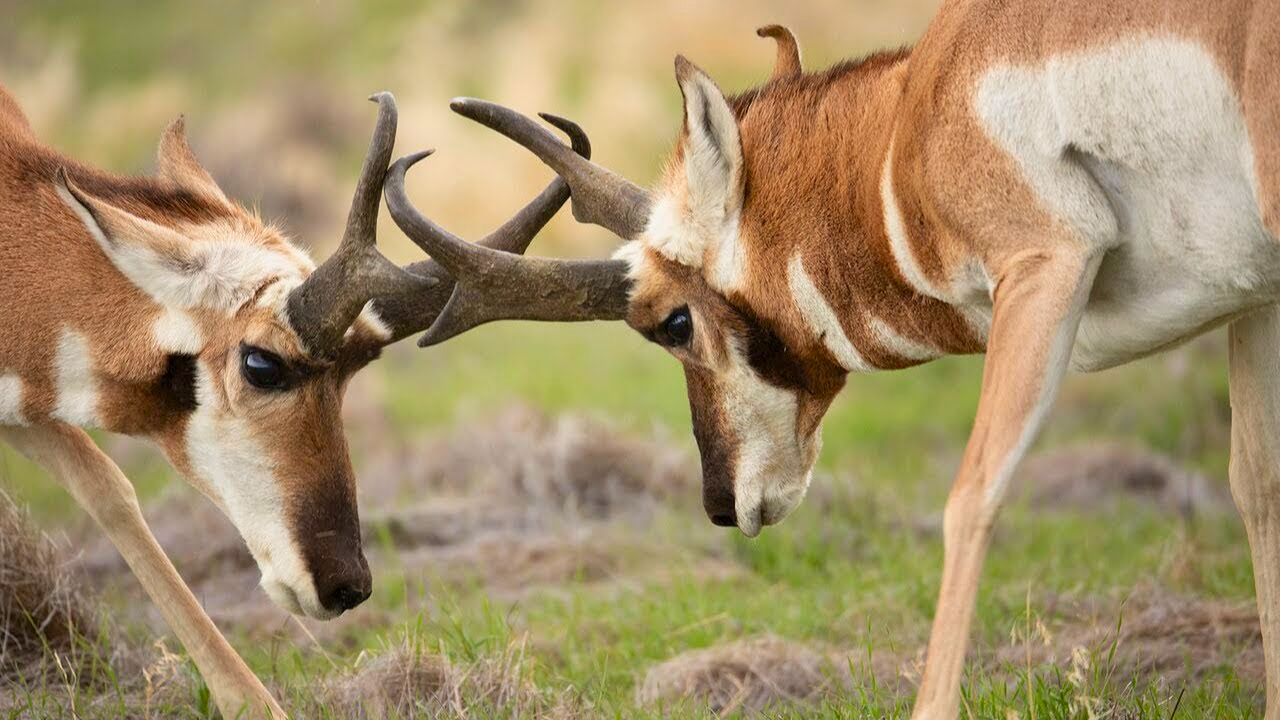
North Dakota is often overlooked, but it can be a great starting point for pronghorn hunters, especially residents. Draw odds are generally favorable, populations are stable, and terrain is straightforward to hunt. The state’s pronghorn live in open country where glassing is effective and movement patterns are easy to observe. Public land is limited, but pronghorn frequently use large, open areas where permission-based access can be productive. For newcomers, North Dakota offers low-pressure hunts where expectations are realistic and learning comes fast. You’re not competing with hordes of hunters, and you’re not dealing with extreme terrain. That simplicity makes it a solid place to build confidence.
Nebraska

Nebraska offers pronghorn opportunities that are especially friendly to residents and first-time applicants. The state’s western regions hold solid pronghorn numbers, and draw odds are often reasonable. Nebraska’s terrain is ideal for beginners—wide-open, gently rolling, and easy to glass effectively. While public land is limited, pronghorn behavior tends to concentrate animals in visible patterns around water and agriculture. Nebraska’s hunts are often straightforward and less intimidating than those in larger western states. For newcomers who want a practical, no-frills introduction to pronghorn hunting, Nebraska fits the bill.
Kansas

Kansas has a smaller pronghorn population, but that can actually benefit newcomers. The limited number of units and controlled tag allocation keep pressure low and expectations realistic. Draw odds for residents are generally strong, and the terrain is easy to learn quickly. Kansas pronghorn live in open, agricultural landscapes where visibility is excellent and movement is predictable. For new hunters, the simplicity of the environment makes it easier to focus on fundamentals like wind, distance, and patience. Kansas isn’t a destination for record-book animals, but it’s a solid place to learn the process without feeling overwhelmed.
Oklahoma

Oklahoma offers limited but accessible pronghorn hunting opportunities, primarily for residents. The state’s small pronghorn population is tightly managed, which keeps hunt quality high. Draw odds are often favorable, and terrain in pronghorn units is open and easy to navigate. For newcomers, Oklahoma’s pronghorn hunts are short, focused, and efficient. You won’t spend days hiking without seeing animals. Instead, you’ll learn to glass effectively and plan stalks in a controlled environment. That makes Oklahoma a surprisingly good learning ground for first-time pronghorn hunters.
Arizona

Arizona can be newcomer-friendly if expectations are realistic. The state offers some of the best pronghorn genetics in the country, but draw odds can be tougher than in northern plains states. That said, Arizona’s random draw component still gives first-time applicants a chance. When you do draw, the experience is exceptional. Terrain is open, populations are well-managed, and pronghorn behavior is easy to observe. For newcomers willing to accept lower odds in exchange for high-quality hunts, Arizona can be a rewarding entry point—especially if you apply broadly and treat it as a long-term opportunity.
Nevada

Nevada doesn’t offer a ton of pronghorn tags, but its point system includes a random element that keeps newcomers in the game. Pronghorn populations are stable in certain units, and terrain is classic high desert—open, dry, and easy to glass. Nevada hunts tend to be straightforward once you’re in the field, with clear sightlines and minimal vegetation. For new hunters who understand the odds and apply strategically, Nevada can provide a clean, educational pronghorn experience when the draw hits.
Idaho

Idaho offers pronghorn hunting primarily through controlled hunts, but odds can still favor newcomers in certain units. The state’s pronghorn live in open, agricultural-adjacent terrain that’s easy to hunt and learn. Public access varies, but pronghorn tend to use visible travel corridors that make scouting effective. Idaho’s seasons are structured to limit pressure, which helps first-timers stay focused rather than rushed. For newcomers who do their homework and apply carefully, Idaho offers manageable hunts with good learning potential.
Utah

Utah’s pronghorn opportunities are limited, but draw odds for some units remain approachable, especially for residents. The state’s pronghorn habitat is open and easy to glass, which benefits new hunters. Utah also emphasizes ethical harvest and careful management, resulting in predictable animal behavior and low-pressure hunts. For first-timers who draw, the experience is controlled and educational rather than chaotic. Utah rewards patience and planning, making it a reasonable option for newcomers who don’t mind applying over a couple of seasons.
Oregon

Oregon offers pronghorn hunting opportunities that are often overlooked by nonresidents. Populations are concentrated in eastern parts of the state, where terrain is open and accessible. Draw odds can be reasonable, and pronghorn behavior is consistent and easy to observe. Oregon’s units are often lightly pressured compared to more famous pronghorn states. For newcomers, that means less competition and more room to learn. It’s not the first state most people think of, but it’s a solid option for hunters willing to look beyond the obvious choices.
New Mexico

New Mexico deserves a second mention because it remains one of the fairest systems for newcomers year after year. No points, equal odds, and consistent pronghorn management keep it accessible. Hunters who apply regularly eventually draw, often sooner than expected. For anyone starting from zero, New Mexico remains one of the most honest entry points into pronghorn hunting in the country.
Like The Avid Outdoorsman’s content? Be sure to follow us.
Here’s more from us:


