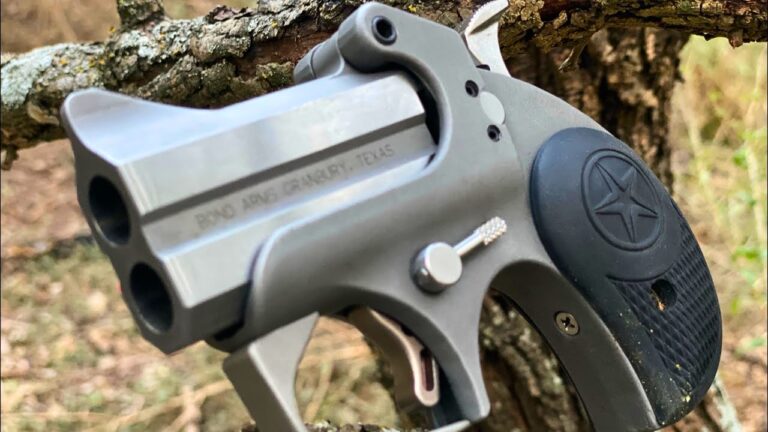
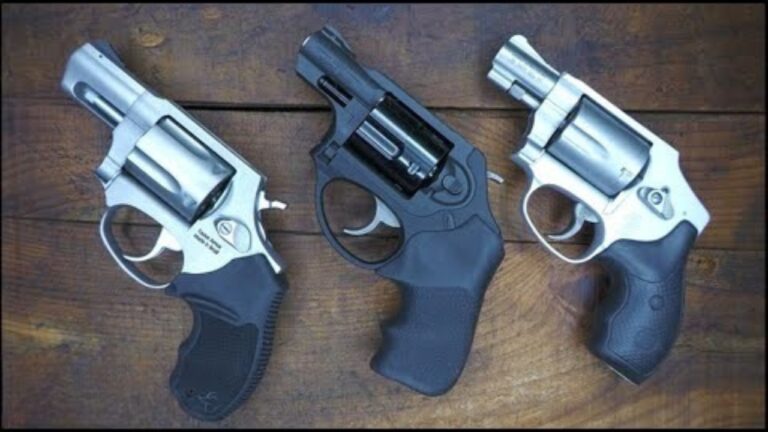
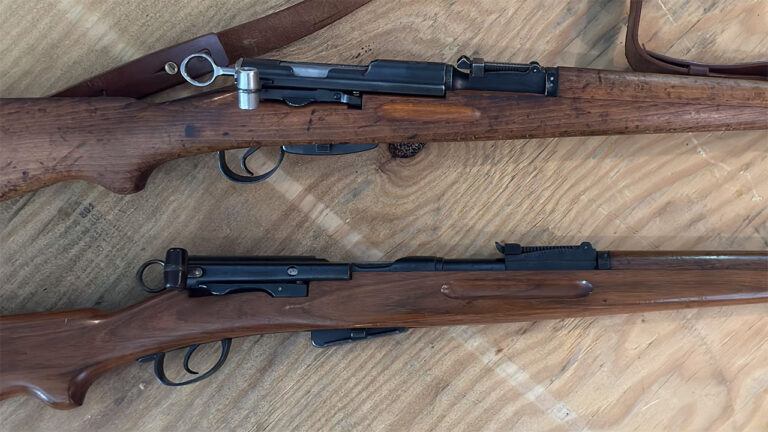
Photo credit: Yonder Oak/YouTube
You’ve probably noticed it: a brand can live on reputation for a long time, even after the product starts drifting. Sometimes it’s a factory move. Sometimes it’s a cost-cutting run that never gets fully corrected. Sometimes it’s a new model pushed out the door before it’s fully baked. And because most shooters buy on name recognition, the slide happens quietly—until enough people start comparing notes at the range or in the deer camp.
This isn’t about dogpiling. It’s about knowing which era you’re buying, what to inspect, and which models earned their scars the hard way. These are brands that hit rough stretches, often during transitions, and what you should keep in mind before you lay cash down.
Remington
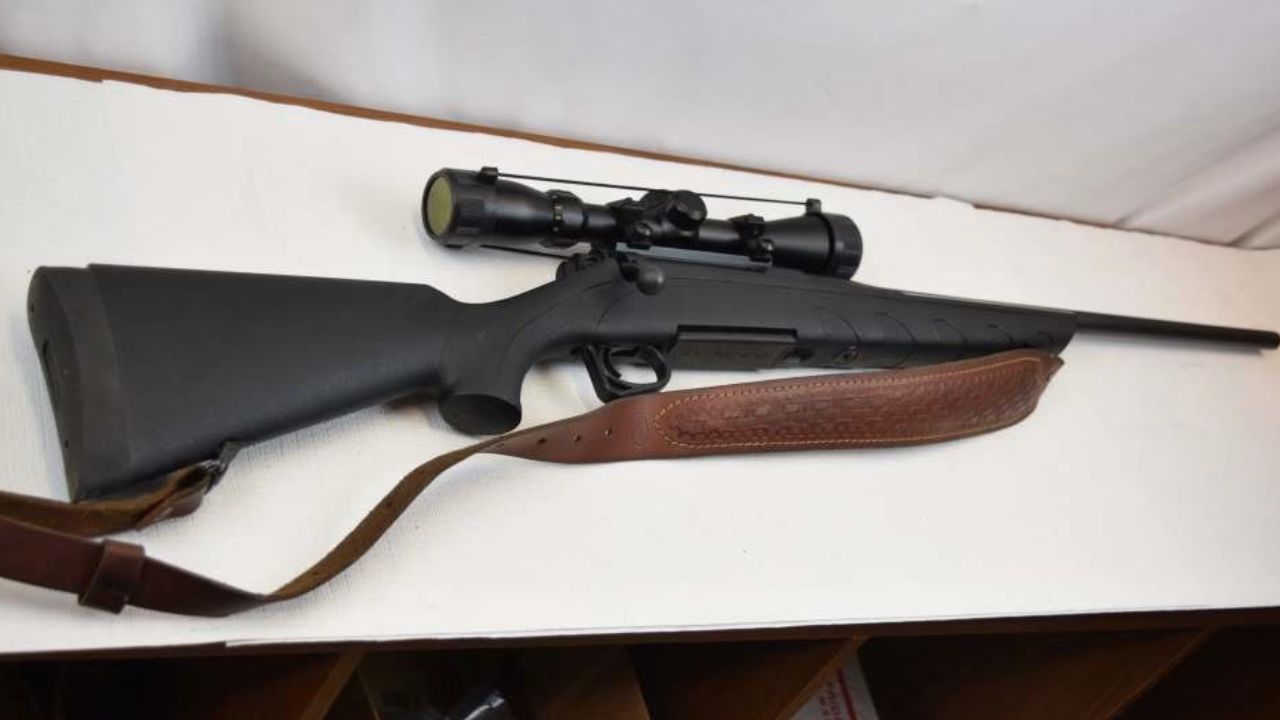
You don’t have to dig far to find why Remington’s reputation got complicated. Plenty of shooters still swear by older Model 700 rifles and the classic 870 Wingmaster, but later runs—especially the 870 Express era—left a lot of people dealing with rough finishes, spotty fit, and more tinkering than they expected.
Remington’s newer ideas didn’t always help. The R51 pistol rollout became a cautionary tale, and the Model 700 name took heat because people expected perfection from a flagship bolt gun. If you’re shopping used, you pay attention to production era, smooth bolt travel, clean crown, and consistent extraction. If you’re buying new-production Remington-branded guns, you treat it like any other purchase: inspect the individual sample, not the logo.
Marlin
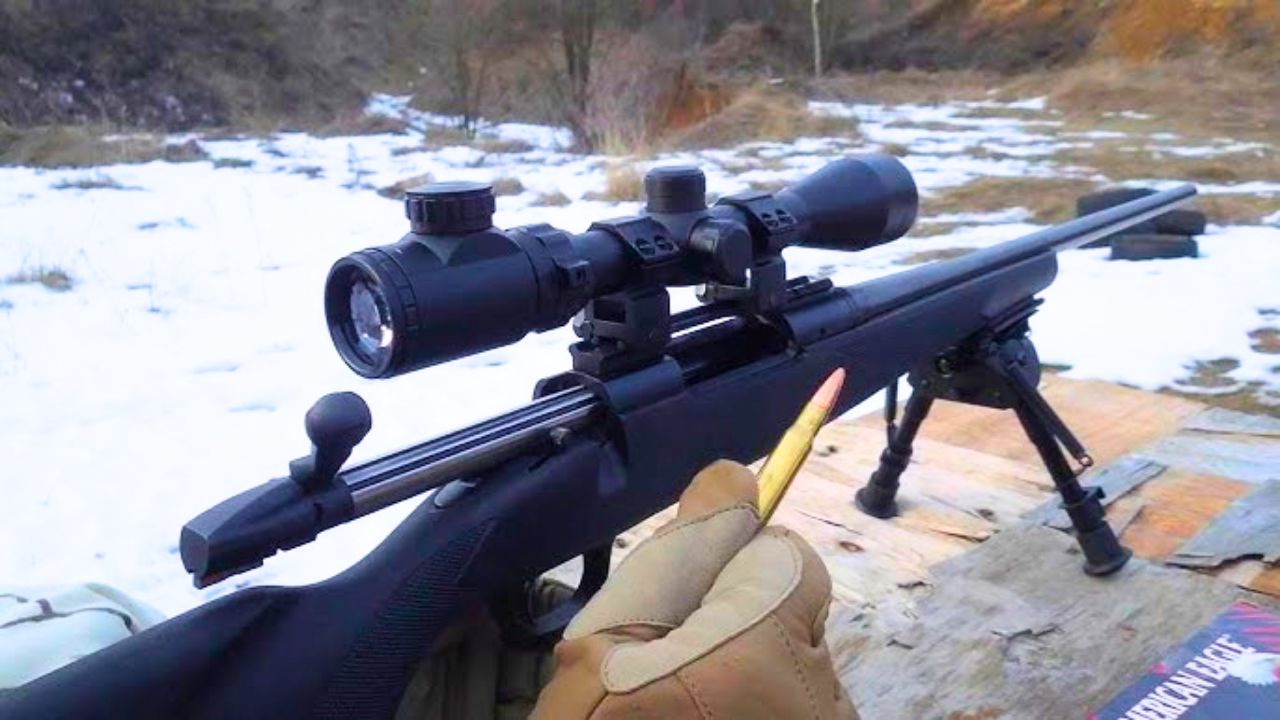
Marlin is a great example of how a strong name can carry mixed reality for years. Older “JM-stamped” 336 and 1895 rifles built a reputation for smooth actions and solid accuracy. Then the brand went through a turbulent period where some rifles showed uneven wood-to-metal fit, rough machining, and sights that needed more attention than a lever gun buyer expects.
That stretch is why you still hear people talk about “Remlin” years later. If you’re looking at a Marlin 1894 or 336 on the rack, you check the basics: straight sights, clean muzzle crown, consistent cycling, and proper screw fit that hasn’t been buggered. The good news is that more recent production has improved a lot, but the used market still has every era mixed together. Your eyes and hands matter more than the rollmark.
Colt

Colt’s name is heavy, and that’s part of the problem. A Colt 1911 has expectations attached to it before you even load a magazine. Through different eras, you can find excellent guns and also runs that felt more “riding the brand” than pushing quality forward. You see it in inconsistent triggers, sharp edges where there shouldn’t be, and finish choices that didn’t match the price tag.
If you’re shopping Colt pistols like the Government Model, Commander, or Defender, you pay attention to the basics: extractor tension, slide-to-frame feel, and how cleanly the gun feeds your chosen ammo. On rifles, the AR market moved fast while Colt’s identity shifted around it. Colt still makes good firearms, but you’re smart to buy the specific example in front of you, not the idea of Colt that lives in your head.
Winchester

Winchester’s story has more chapters than most. “Pre-64” Model 70 rifles became the measuring stick, and the changes after 1964 are still argued about because the shift was that noticeable to traditionalists. Even when later versions improved, the brand’s reputation stayed split between eras, not models.
On lever guns like the Model 94, you also see collectors and hunters separating production periods by fit, finish, and overall feel. Modern Winchester-branded rifles can be excellent, but the used racks are a mix of decades, factories, and expectations. If you’re looking at a Model 70, you check trigger feel, bedding consistency, and how the bolt cams. If it’s a Model 94, you watch for timing, carrier wear, and whether it cycles smoothly without forced speed. Winchester can still deliver, but you shop by era.
Kimber
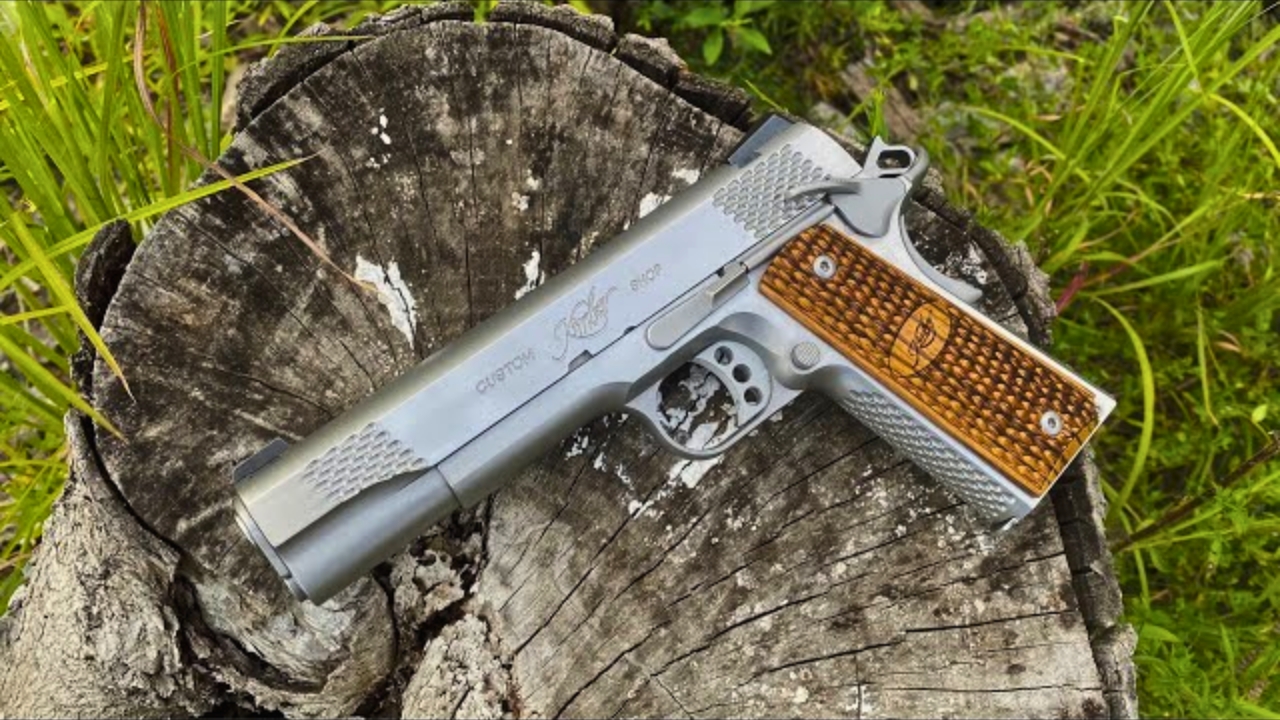
Kimber built a massive following in the 1911 world, then learned how fast that crowd turns when something feels off. Plenty of Kimber Custom II and Stainless II pistols run great, but Kimber also shipped enough guns that needed break-in excuses, extractor attention, or magazine voodoo that shooters started getting skeptical.
Kimber’s smaller experiments didn’t help the conversation. The Kimber Solo, for example, built a reputation that depended heavily on ammo choice and individual samples. If you’re buying a Kimber 1911, you check feed ramp finish, extractor tension, and how the gun cycles with your intended carry load. You also avoid chasing “tight” like it’s a virtue. A carry gun that runs cleanly matters more than a slide that feels like it’s on glass. Kimber makes good pistols, but it’s a brand where inspection and real testing pay off.
Taurus
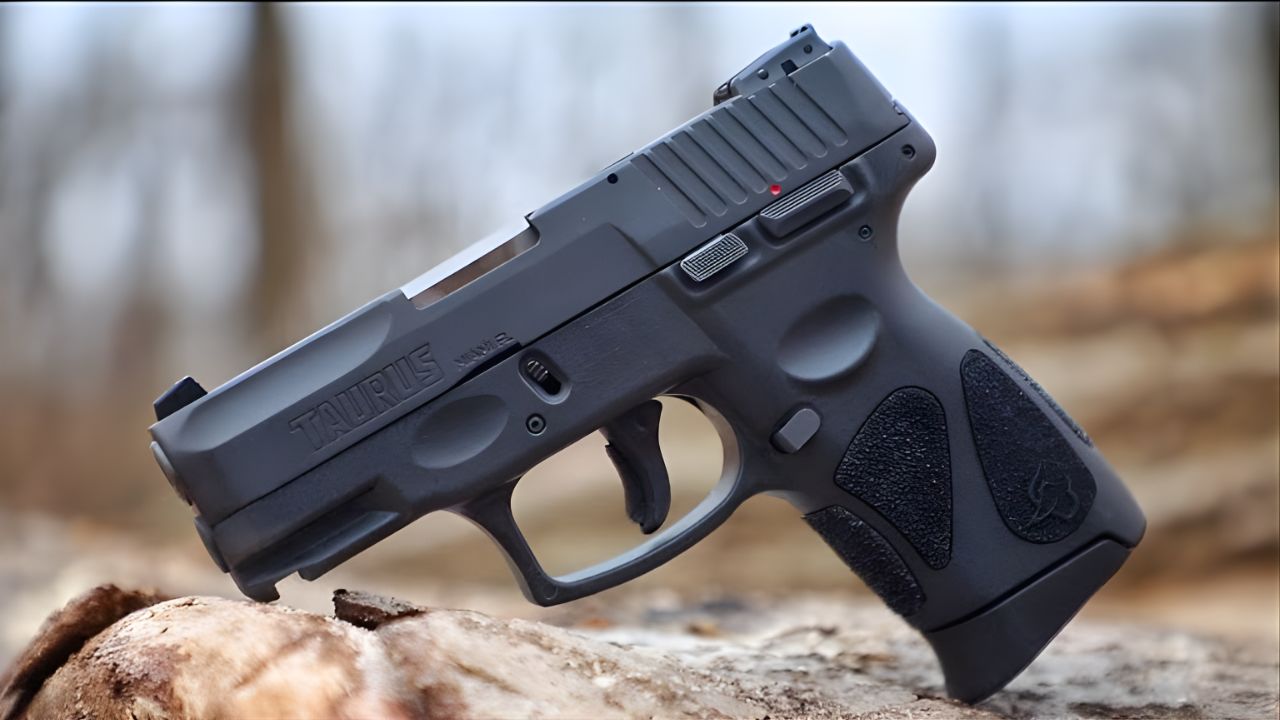
Taurus has always lived in a strange space: popular models, aggressive pricing, and a long-running argument about consistency. Some Taurus pistols, like the PT-92, earned a loyal following. Others built a reputation for being hit-or-miss depending on the production window and the specific gun.
Recent standouts like the G2 and G3 series brought a lot of buyers in because they offered real features for the money. The caution is that price-tier guns can have wider variance, and that shows up in triggers, sights, and long-term durability. If you’re buying a Taurus, you inspect the individual sample hard: consistent trigger reset, clean mag fit, reliable slide lockback, and solid ejection. You also commit to a real shakedown with your carry ammo. Taurus can be a smart buy, but you don’t skip the verification.
SIG Sauer

SIG’s modern era is full of big wins and a few loud stumbles. The P365 became a benchmark micro-compact, but early chatter around striker drag and break-in quirks reminded everyone that new designs can have real growing pains. The P320 story brought even more scrutiny, and the brand spent years living under a microscope because trust is hard to rebuild once questions start.
None of that means SIG can’t build a great pistol. It means you treat your purchase like a working tool. If you’re buying a P320 or P365, you confirm reliability with your magazines and your chosen load, verify sight stability, and pay attention to consistent ejection. SIG’s higher-end guns like the P226 and P229 still carry respect, but the lesson is the same: don’t assume a logo guarantees a perfect sample. A fast, modern production cycle can create uneven stretches, even for premium brands.
Smith & Wesson

Smith & Wesson has put out some of the most carried pistols in America, and it has also had periods where the product felt a step behind the market. Early M&P triggers had plenty of shooters swapping parts or chasing upgrades right away, and that created a perception problem because people expected more out of a duty-focused line.
Then you’ve got the budget-era baggage. Pistols like the Sigma series did what they were meant to do at a low price, but they also trained shooters to associate the brand with heavy triggers and “good enough” decisions. If you’re buying an M&P9, M&P Shield, or older metal guns like the 5906, you check consistency: trigger feel, reset, and reliable feeding with your carry ammo. S&W’s current guns can be excellent, but the used market blends every era together. You buy the sample, not the memory.
Ruger

Ruger is broadly respected, but it’s also had moments where fast growth and new launches created stumbles. Early-production issues and recalls on models like the LCP and SR9 are part of that history, and they matter because Ruger sells to a massive slice of everyday shooters who expect reliability with minimal fuss.
Ruger’s strength is that it tends to respond and correct, but you still see “production window” differences across years. If you’re buying an LCP, LC9, or a Mini-14, you inspect function like you would on any high-volume brand: consistent cycling, reliable lockback, and magazines that seat cleanly. Ruger also lives in the rimfire world, where guns like the Mark series and 10/22 have huge aftermarket footprints. That means used guns can be modified in ways that cause problems. You check for home gunsmithing before you blame the factory.
Springfield Armory

Springfield’s catalog has some long-running sellers, but it’s also had moments where a popular product got dinged hard in the public eye. The XD-S recall period is one example that stuck, mostly because carry gun buyers have long memories. A carry pistol is supposed to be boring, and anything that interrupts that vibe lingers.
Springfield’s rifle side has had waves too. The Saint line brought a lot of new buyers in, and the AR market is brutal when it comes to comparing details like staking, gas system behavior, and parts quality. If you’re buying an XD, XD-M, XD-S, or Hellcat, you verify reliability with your magazines and carry load, and you pay attention to consistent ejection and lockback. Springfield sells a lot of guns, which means the story gets shaped by volume. You reduce risk by testing thoroughly.
Bushmaster

Bushmaster’s name used to mean a certain kind of “everyman AR,” and then the brand got pulled into corporate turbulence that affected everything from perception to product support. Different ownership eras, factory changes, and shifting priorities created a market where “Bushmaster” could mean very different things depending on when it was made.
If you’re looking at a Bushmaster XM15, you treat it like any used AR: check gas key staking, castle nut staking, extractor spring setup, and overall cycling behavior with standard brass-cased ammo. You also pay attention to parts compatibility if you plan to upgrade. A lot of older Bushmasters run fine, but the brand’s later years left buyers uncertain about consistency and long-term support. That uncertainty is the slip. The rifles didn’t all turn bad overnight, but the trust got harder to defend.
DPMS
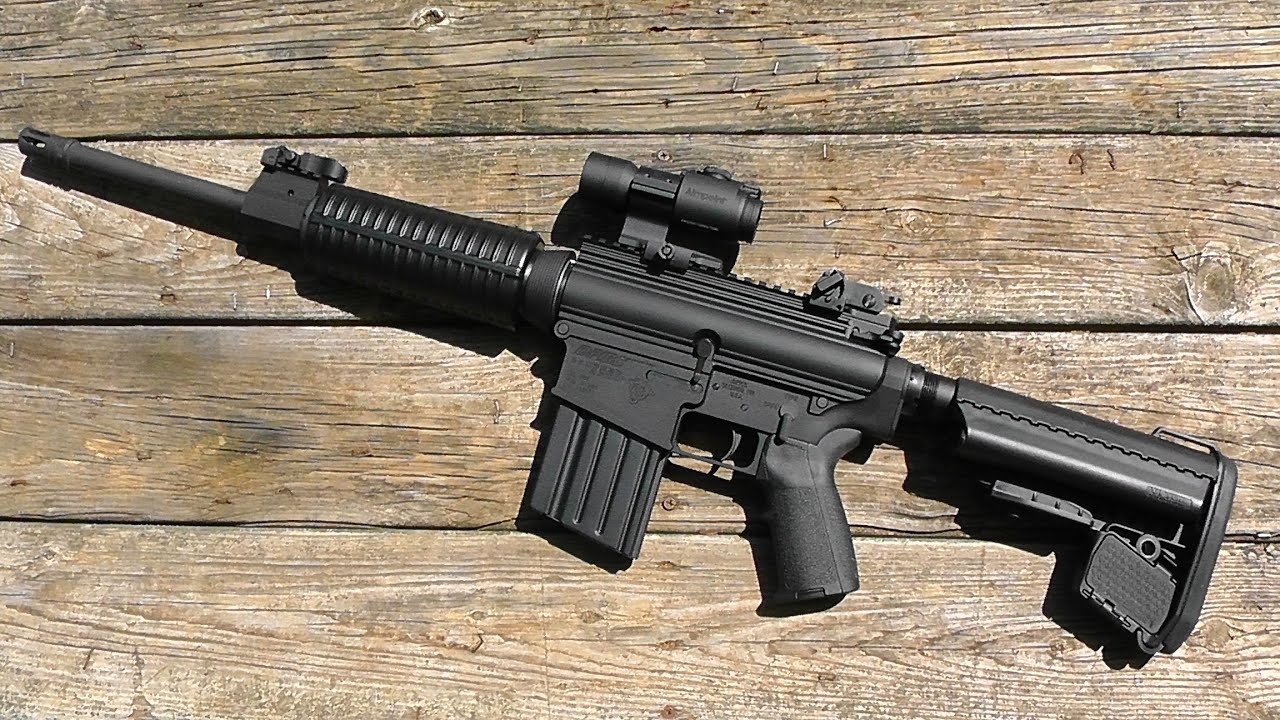
DPMS was once a common entry point into AR-15 ownership, especially with models like the Panther and Oracle. Then corporate reshuffling and consolidation left the brand in a weird spot where availability and support became part of the buying decision. When shooters can’t easily tell what era a gun comes from, confidence drops, even if the rifle in front of them runs.
If you’re shopping a DPMS Oracle or a DPMS GII-pattern rifle, you inspect carefully and plan ahead. Check the bolt, extractor, and gas system behavior, then confirm magazines and ammo run clean. With GII variants, you also think about parts sourcing, since proprietary patterns can complicate future repairs. DPMS made rifles that worked for a lot of people, but the brand’s drift created uncertainty that you still see in resale value. You can still find a solid DPMS, but you buy with open eyes.
Thompson/Center
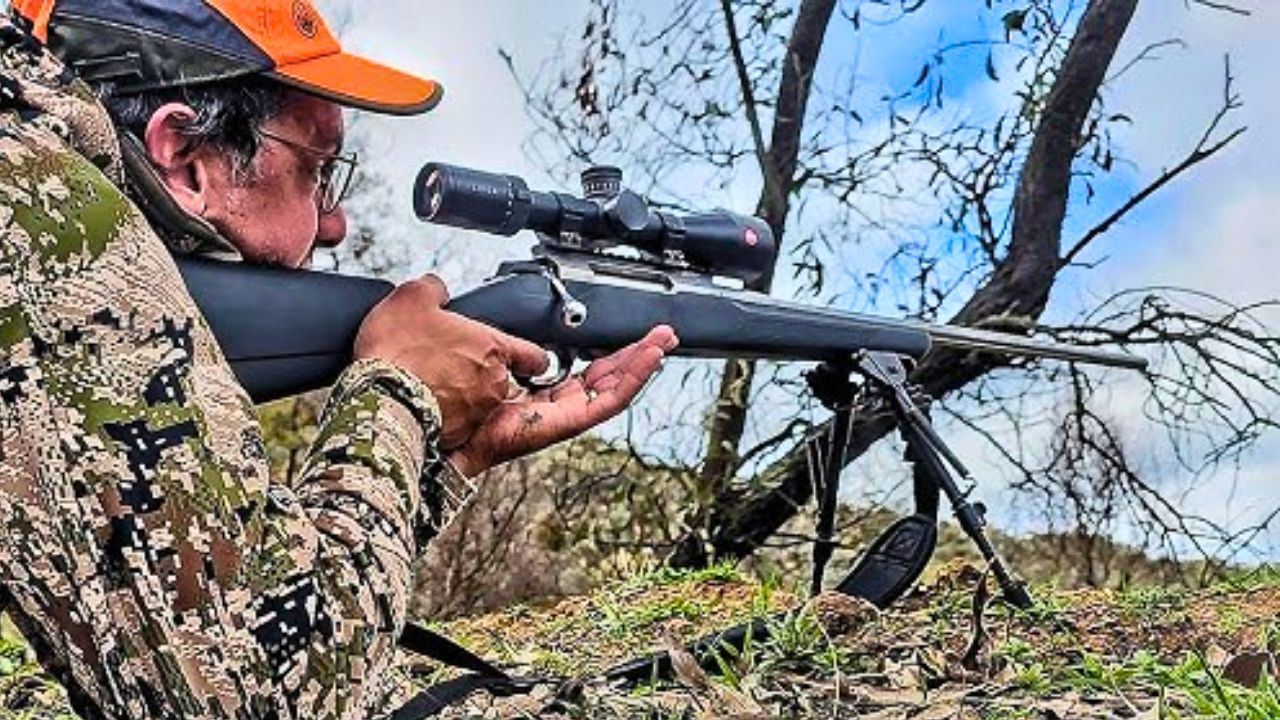
Thompson/Center is a brand a lot of hunters remember fondly because its guns were tied to real seasons and real use. The Contender and Encore platforms built a cult following, and many of the muzzleloaders earned a place in the woods. The “slip” wasn’t always the product. It was the brand’s shrinking presence and the uncertainty that comes when a company’s long-term direction feels unstable.
If you’re buying a T/C Encore, Contender, or a T/C muzzleloader like the Omega, you’re often shopping used, which puts more pressure on inspection. You check lockup, hinge pin wear, barrel fit, and whether the gun has been altered by an unknown hand. The gun can be excellent, but support and parts availability matter for a system-based platform. Thompson/Center stayed respected, then gradually got harder to rely on as a living, supported brand.
H&R 1871

H&R built a reputation on affordable, practical single-shots, and the Handi-Rifle became a workingman’s tool. It also became a brand many people stopped paying attention to until it quietly faded out of the mainstream market. That disappearance is its own kind of slip, because a brand that isn’t actively supported turns every used purchase into a more cautious decision.
If you’re looking at an H&R Handi-Rifle or Topper, you inspect lockup, firing pin function, and barrel fit. You also check the extractor or ejector behavior, because those small parts matter a lot on a break-action you’re going to rely on. These guns can still be great for a truck rifle or a farm gun role, but you’re not buying into a growing ecosystem anymore. You’re buying a specific tool, and you’re responsible for confirming it’s sound.
Para Ordnance

Para Ordnance was once a major name in double-stack 1911s, and that idea shaped what the 2011 world eventually became. The brand also went through uneven stretches where fit, finish, and consistency became part of the conversation, especially as the broader 1911 market got more competitive and shooters got pickier.
If you’re looking at a Para P14-45, P16-40, or one of the smaller Para carry guns, you inspect it like a serious pistol, not a nostalgia piece. Check feeding with your magazines, confirm extractor tension, and pay attention to slide travel and lockup feel. Para’s later corporate life ended with the brand being folded into a larger company structure, which changed parts and support realities. Some Paras run great and are worth owning. The catch is that you’re often dealing with mixed-era production and mixed aftermarket history, so you verify everything.
Charter Arms
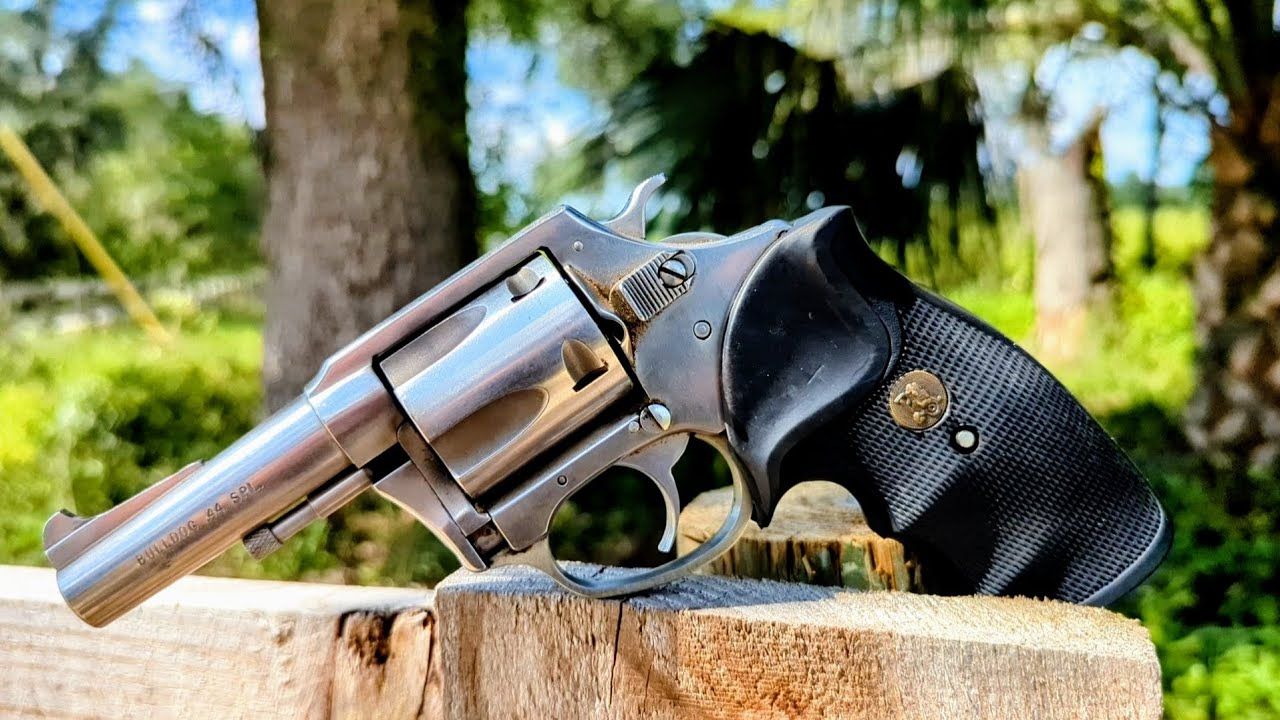
Charter Arms has lived through multiple reputation cycles, and that’s why it belongs in this conversation. The brand makes revolvers people want to like because they’re compact and priced within reach, but certain periods created a “buy carefully” mindset due to finish quality, timing concerns, and general consistency questions that came and went over the years.
If you’re buying a Charter Undercover, Bulldog, or Professional, you inspect timing, cylinder lockup, and trigger return with real attention. You also check the forcing cone area and overall fit around the crane. Revolvers don’t hide problems the way some semi-autos can. If something is off, you’ll feel it. Charter can build a revolver that does what you need, especially in a straightforward carry role, but it’s a brand where you don’t skip hands-on inspection.
Like The Avid Outdoorsman’s content? Subscribe to our newsletter so you never miss an article.
Here’s more from us: