Photo credit: Harry Collins Photography/Shutterstock.com
When guys complain that “you can’t draw anything anymore,” they’re mostly talking about a handful of states where tags flat-out can’t keep up with interest. Point creep, OTC tags disappearing, and lotteries with single-digit odds are all symptoms of the same thing: way more people chasing a limited pile of licenses.
The states below aren’t the only tough draws in the country, but they’re clear examples where tag demand has outpaced opportunity enough that agencies are changing systems, adding lotteries, or quietly tightening screws to keep pressure under control.
Colorado

Colorado used to be the fallback state: tons of elk, OTC tags, and decent odds if you weren’t picky. That’s changing fast. Nonresident archery elk is moving from OTC to a draw, and the state has been tinkering with quotas and allocations specifically because demand on certain units blew past what the old system could handle.
On the deer side, point creep is the rule, not the exception. Some hunts that took one point a few years ago now take several, as more people stack points than there are decent tags to absorb them. Hunters are feeling that reality when they watch their odds get worse even while they keep “doing everything right.”
Idaho

Idaho is the poster child for tag demand getting out of hand. Nonresident deer and elk tags used to be first-come, first-served on December 1—and they started selling out in hours, then minutes, with online queues stacked tens of thousands deep. One recent season saw around 80,000 people chasing roughly 28,000 nonresident tags.
The state finally pulled the plug on that system. Starting with the 2026 season, nonresidents have to apply in a dedicated draw for general deer and elk, and you have to buy a license just to get in line. That’s a textbook example of demand outrunning supply so badly the agency had to redesign the whole process.
Wyoming

Wyoming still looks friendly on paper, but the numbers tell a different story. General elk tags for nonresidents often take four to seven preference points now, and trophy units can be a decade-plus project. That only happens when the pool of applicants grows faster than tag quotas.
At the same time, the state has been raising nonresident costs and kicking around tag allocation changes to protect resident opportunity. The fact that you’re planning multi-year strategies for “just” a general tag shows how far demand has climbed.
Montana
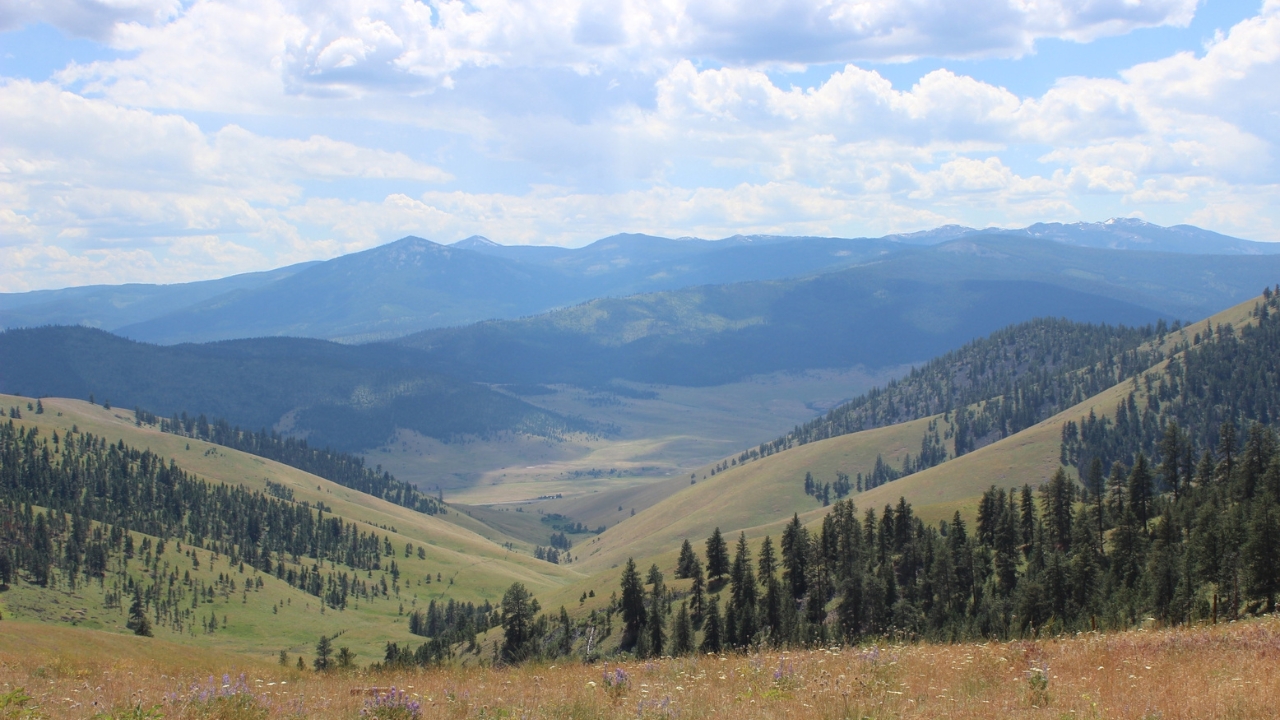
In Montana, nonresidents don’t even get a crack at permits until they clear the combination license draw gate. That combo pool is capped at about 17,000 elk and big-game licenses, and demand’s been high enough that folks now talk about strategy just for clearing that first hurdle.
Pressure has gotten strong enough that the commission recently moved to cap nonresident general deer licenses separately and reduce how many are sold. When a state starts cutting back nonresident general opportunities because the system’s too crowded, it’s a pretty good sign demand has outrun the old structure.
Utah

Utah’s limited-entry game is the classic “lottery dream” story. For some species, applications aren’t just higher than tags—they’re off the charts. One state document notes mountain goat applications exceeded available permits by roughly 68 to 1 for residents and 621 to 1 for nonresidents, and that interest has climbed every year since the draw system started.
That same dynamic plays out across sheep, moose, and premium deer and elk units. When thousands of people chase a handful of tags for decades, the problem isn’t a bad system—it’s sheer demand beating the available opportunity.
Arizona

Arizona is what happens when trophy hype meets limited tags. For top elk units, nonresident odds are often a fraction of 1%—roughly 1 in 300 in some trophy cases—because the number of applicants dwarfs the nonresident quota.
Even where tags are technically “over the counter,” limits and caps show how tight things are. A recent nonresident archery deer OTC release offered 2,785 tags that sold out within minutes, after getting faster every year. When OTC seasons vanish in minutes, you’re not looking at a casual opportunity anymore—you’re watching demand overrun the system.
Nevada

Nevada lives on a pure draw and squared bonus points, and the odds tell you why. Recent numbers for antelope are a good example: roughly 34,992 unique applicants chasing 2,928 tags, for a draw rate around 8%. That’s not a “try again next year and you’re in” situation—that’s structural oversubscription.
Similar patterns pop up across elk and other big game. The state doesn’t even pretend everyone will eventually get the hunt they want; the whole setup is built around managing long odds in a place where tag demand has lived above supply for years.
New Mexico

New Mexico uses a straight lottery system for most big-game species—no points, no “eventually you’re guaranteed.” That only makes sense in a state where more people want tags than the habitat can sustain, season after season.
Nonresidents are capped at a small slice of tags, and the better the elk or deer unit, the more the odds collapse. If you’ve put in for a decade and never drawn there, you’re not cursed—you’re swimming in a pool where opportunity has been smaller than demand since the system started.
Alaska

Alaska looks huge on a map, but the good draw hunts tell a different story. The state relies on lotteries for many moose, sheep, and goat permits, specifically because there aren’t enough controlled-hunt tags to cover everyone who wants to be there.
You can still find room to roam in general areas, but if you’re chasing the better draw hunts, you’re in the same boat as Western elk guys—lots of hopeful applicants, small quotas, and a system set up to ration opportunity in places that simply can’t handle everybody at once.
Oregon
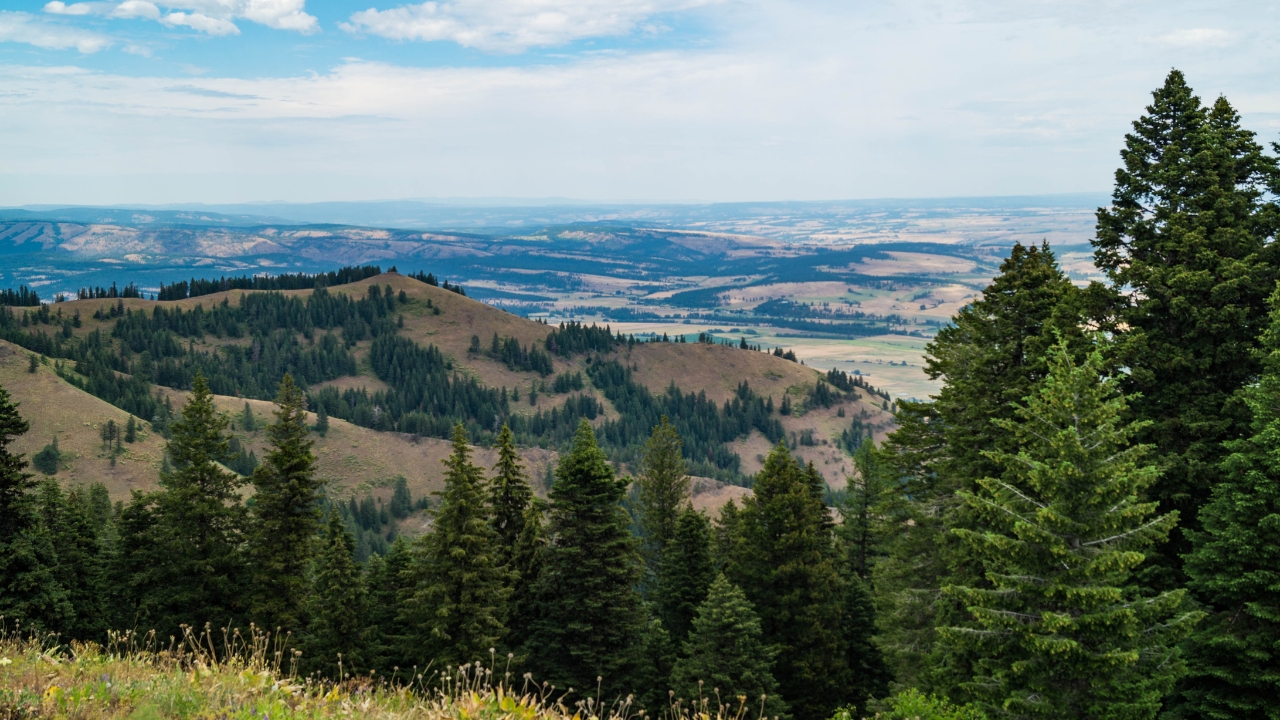
Oregon doesn’t get as much national chatter, but if you’re a nonresident looking at trophy elk, the math is rough. Some breakdowns of Western elk draw odds put Oregon alongside Arizona, Nevada, Utah, Wyoming, and Idaho as states where nonresident odds for top elk hunts sit near or under the 1% mark, driven by heavy application pressure.
That’s not just “tough hunting”—that’s tag demand well past the available supply in the premium units. Residents feel it too when limited-entry hunts and controlled deer seasons become long-term projects instead of something you rotate into every few years.
Kentucky

Kentucky’s elk story is a success biologically and a heartbreaker for draw odds. Recent reports show about 500 elk permits available, with only around 49 of those going to nonresidents—up against more than 36,000 total applications. That’s roughly one tag for every 73 applicants.
The state runs a pure random draw, which keeps it fair but doesn’t fix the math. The herd is strong by Eastern standards; the problem is simple: a couple hundred tags, tens of thousands of people chasing them, and no point system to “age into” better odds.
Pennsylvania

Pennsylvania has turned its small elk herd into a high-profile lottery, and hunters have responded by flooding the system. A recent state wildlife report logged 109,780 elk license applications from about 55,778 individuals for one year’s seasons—a massive pile of entries chasing a relatively tiny license count.
Success is great once you draw, but the majority never see that tag. The structure here isn’t about maximizing hunter numbers—it’s about tightly rationing a rare opportunity. That’s exactly what “demand outgrowing opportunity” looks like on the elk lottery side of the map.
Michigan

Michigan’s elk lottery has quietly become one of the toughest odds games in the country. The DNR openly states that annual elk licenses—roughly 260 in a recent season—are “very small” compared to expected applicants, often topping 39,000–44,000 people.
They’re blunt about it: there’s no guarantee you’ll ever be drawn, no matter how many years you apply. When the agency itself is telling hunters to temper expectations because tag volume will never catch demand, you’re looking at a state where interest has permanently outrun opportunity.
Tennessee

Tennessee’s elk quota hunts look tiny on paper, but the interest is anything but. One recent season saw eight hunters drawn from a pool of more than 25,000 applicants—a lottery long shot by any standard.
All of the elk hunts run through a quota system with tight permit caps, and each application period pulls in a big crowd. Over time, the novelty and limited herd size have created a situation where almost every hunter in line is chasing what’s effectively a once-in-a-lifetime tag.
Iowa

Iowa’s whitetail and elk setups are different from Western systems, but the underlying problem is similar: more people who want in than licenses the state is willing to issue. Nonresident deer and turkey are on quotas, and the regs are clear that when applications exceed those caps, a draw decides who actually hunts.
The state also manages antlerless quotas by county, cutting off sales once the cap is hit. For nonresident deer especially, that’s turned into a yearly scramble with some zones essentially full every season, while plenty of hunters sit at home with preference points and no tag in their pocket.
Like The Avid Outdoorsman’s content? Subscribe to our newsletter so you never miss an article.
Here’s more from us: