Photo credit: u15487/Pixabay.com
A “first dog” needs to be forgiving. Not perfect, but forgiving. You want a dog that handles mistakes without turning into a problem: missed exercise days, inconsistent training early on, visitors coming and going, and an owner still learning body language and structure. Some breeds are amazing… with experienced owners. For a first-timer, those same breeds can feel like you jumped into the deep end without knowing how to swim.
These are 15 breeds that can be incredible dogs, but they’re often a rough first-dog choice unless the owner is ready to take training seriously from day one.
Belgian Malinois
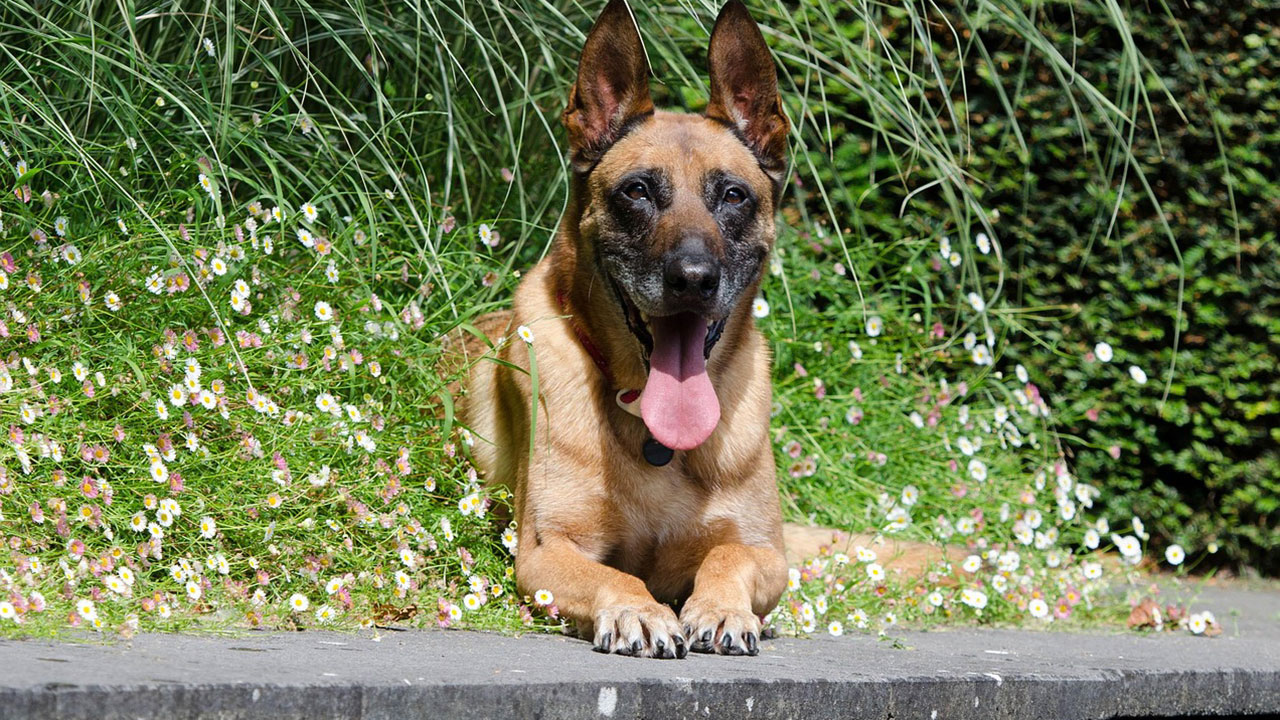
A Malinois is a working dog that wants a job and will invent one if you don’t provide it. That’s the whole issue for first-time owners. They’re intense, athletic, and they don’t tolerate boredom. Without structured training, exercise, and engagement, a Mal turns into a bitey, destructive, overstimulated mess. It’s not the dog being “bad.” It’s the dog doing what it was built to do with no outlet. Experienced owners can shape that drive into something awesome. First owners often get overwhelmed fast, then the dog gets labeled as “crazy” when it’s really just under-managed.
Border Collie
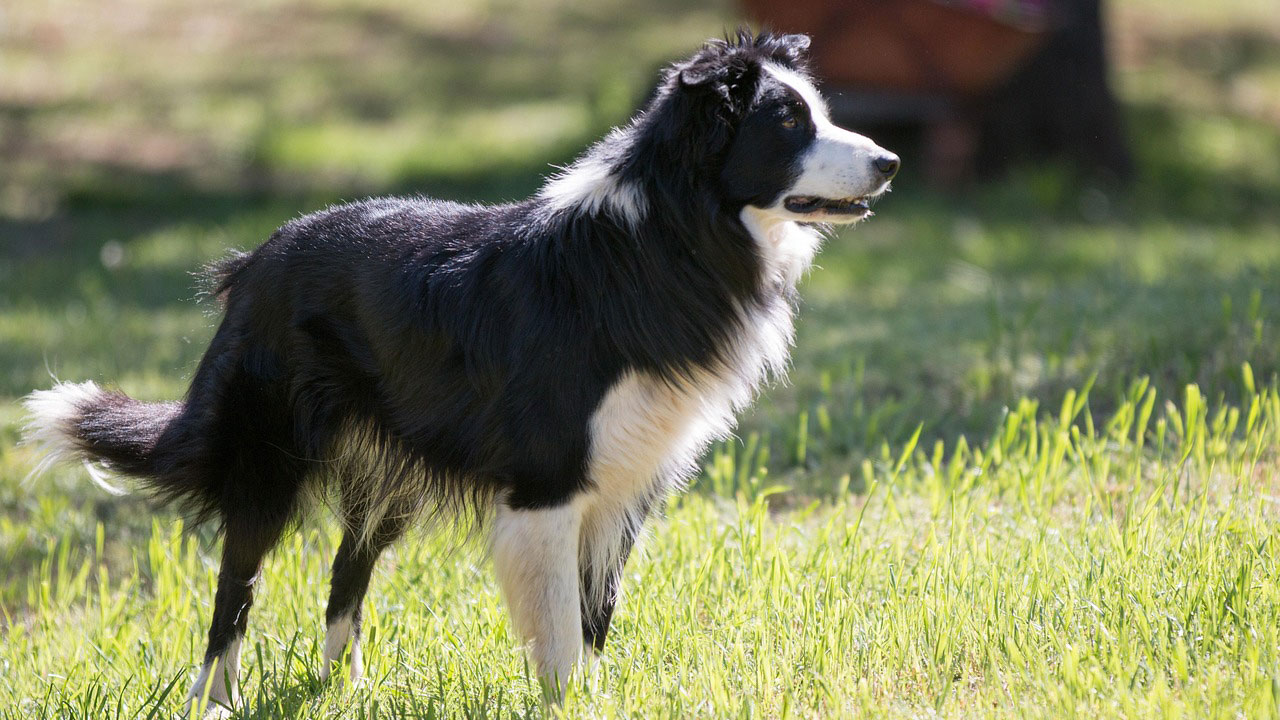
Border Collies are brilliant and loyal, but they can be too much dog for a first-time owner who just wants a friendly pet. They need mental work, not just a walk. Without training and tasks, they can become anxious, obsessive, and reactive. You’ll see herding behaviors show up in ways people don’t expect—nipping heels, controlling kids, chasing bikes, fixation on movement. That’s normal for the breed, but it catches new owners off guard. With an experienced handler, a Border Collie is a machine. With a beginner, it can become a stress case because the dog is smarter than the plan.
Australian Shepherd
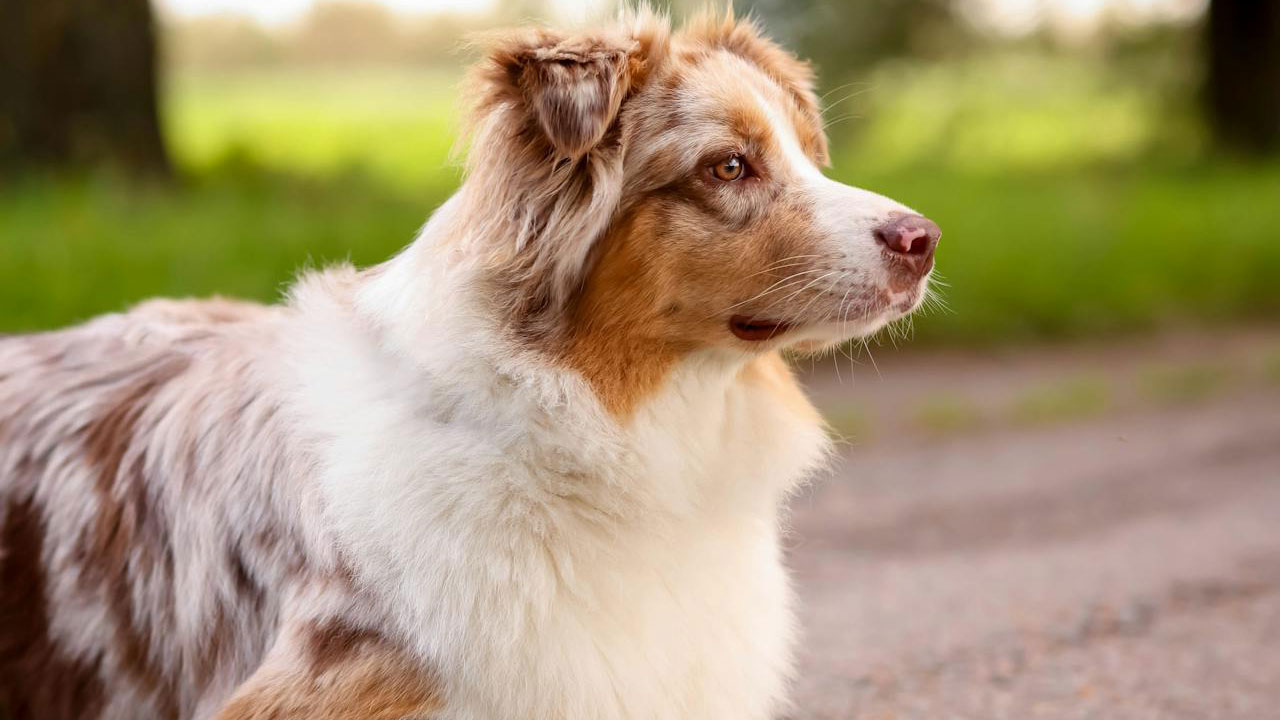
Aussies are great dogs with the right owner, but they’re not always easy “first dogs.” They’re energetic, smart, and they can be protective and reactive if they aren’t socialized properly. A lot of first-time owners underestimate how much structure these dogs need, then they get frustrated when the dog becomes barky, pushy, and restless. Aussies also tend to attach strongly to their people, which is great, but it can turn into separation issues if you don’t build independence early. They’re amazing when handled well. They can be exhausting when you’re learning on the fly.
Siberian Husky
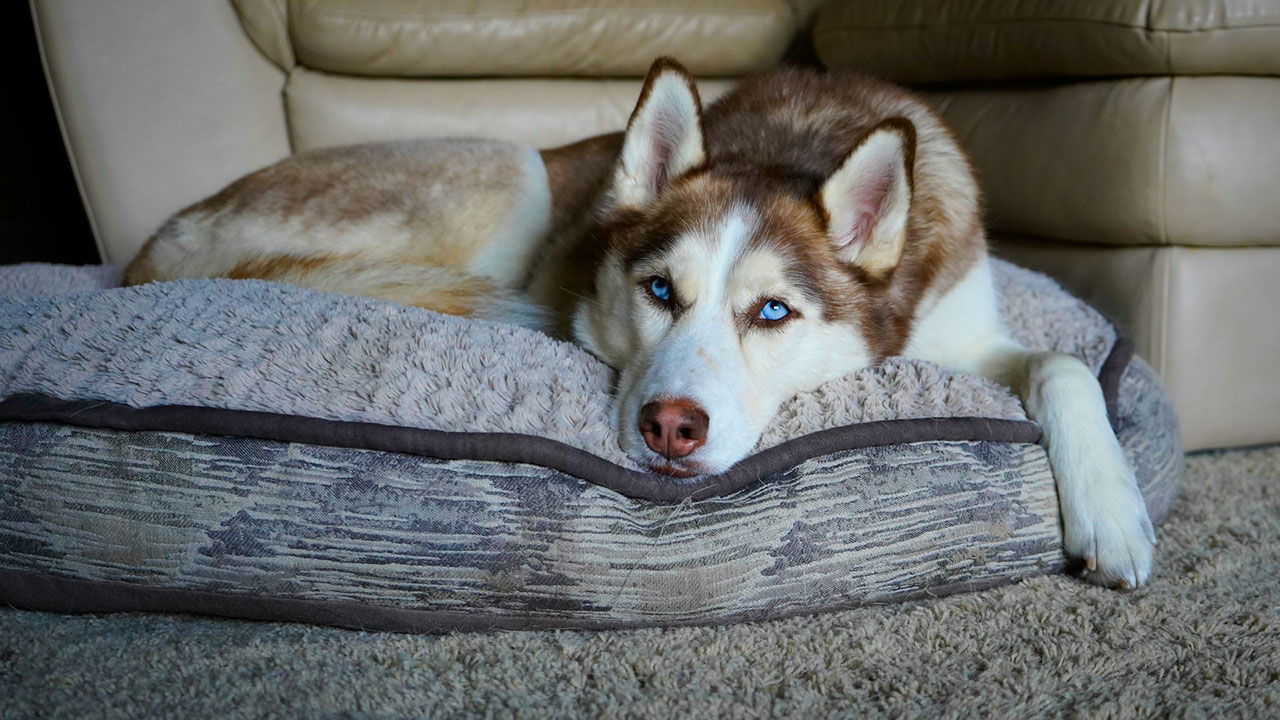
Huskies are funny and beautiful, and that’s why first-time owners keep buying them. Then reality shows up. Huskies are escape artists, they’re stubborn, and they often don’t care about pleasing you the way some breeds do. Training takes patience and consistency, and if you skip exercise, the dog will punish your furniture. Many also have strong prey drive, which can make off-leash and small-animal situations complicated. None of that makes them bad dogs. It makes them a bad first dog for someone who expects easy obedience and calm house behavior without a serious plan.
Shiba Inu
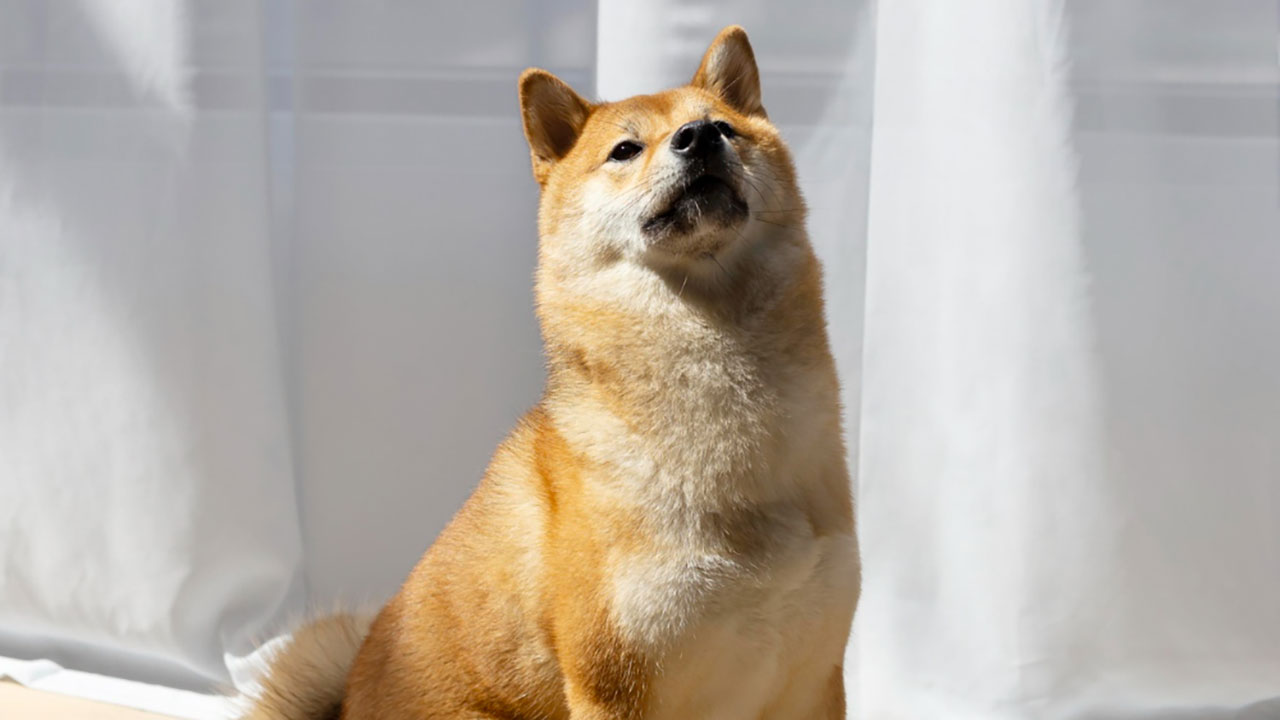
Shibas look like a compact fox and act like they know it. They’re independent, they can be aloof, and they’re not the “I live for your approval” type. That’s tough for first-time owners who assume training will be straightforward. Shibas can also be reactive if socialization is sloppy, and they don’t always tolerate handling the way beginner owners expect. If a new owner tries to force affection or ignores body language, problems can show up fast. Shibas can be great dogs in the right home. They’re a rough first dog for someone who wants eager-to-please and easygoing.
Jack Russell Terrier

Jack Russells are small, but they’re not “easy.” They’re intense, high-energy, and they can be stubborn and mouthy if they aren’t trained and exercised. First-time owners often get fooled by size and think they’re getting a low-maintenance dog. Then the dog turns the house into its personal playground. These terriers were built to work, chase, and problem-solve, and they will absolutely run the show if you let them. With a confident owner and plenty of activity, they’re awesome. As a first dog, they’re often too much personality packed into too little patience.
Weimaraner

Weimaraners are athletic, smart, and loyal, but they can be needy and destructive when they don’t get structure. They tend to attach hard to their owners, and without training, they can develop separation anxiety and chaos behavior. A first-time owner might love the cuddle factor and the looks, then struggle when the dog can’t settle and needs real exercise plus obedience work. They’re also big enough that bad manners aren’t cute. Jumping, pulling, ignoring commands—those become real problems when it’s a strong dog. A Weim can be great, but it’s not a forgiving first-dog experience.
German Shorthaired Pointer
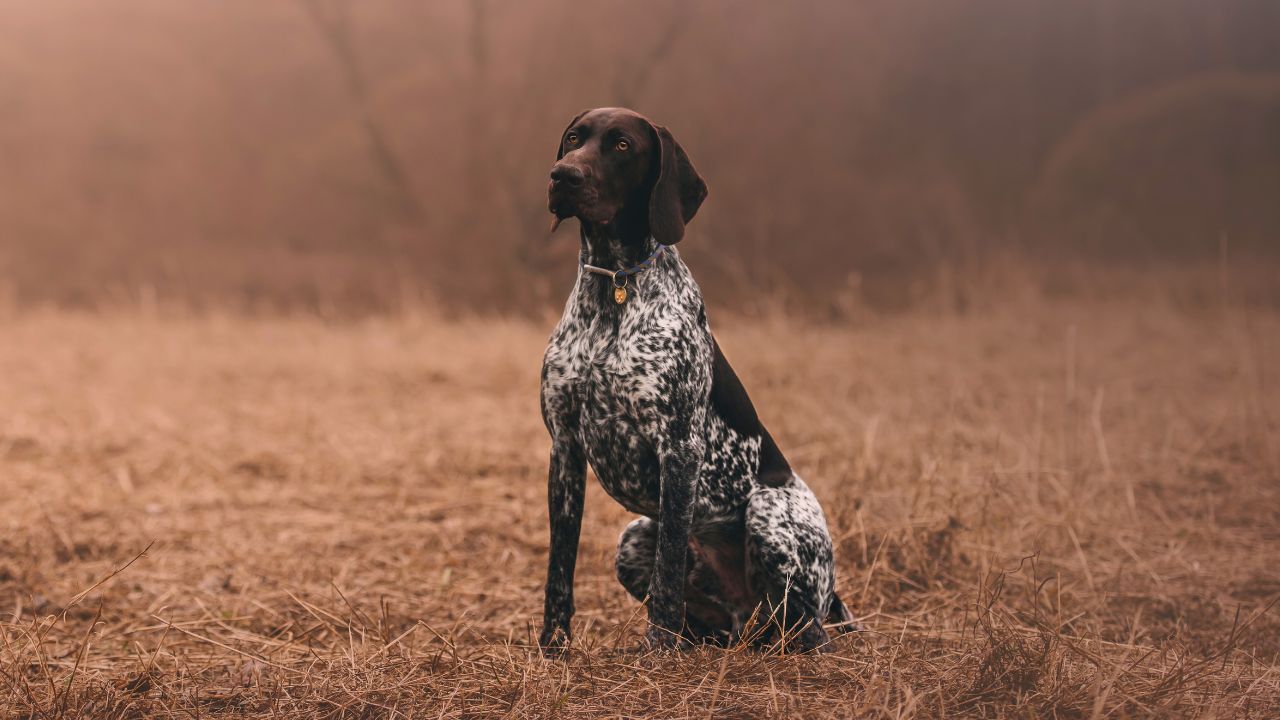
GSPs are incredible hunting and family dogs when their needs are met, but they can be a nightmare for beginners who aren’t ready for daily exercise and structure. They’re energetic, smart, and they’ll find trouble if they’re bored. A lot of first-time owners think a backyard is enough. It’s not. These dogs need to run, learn, and have a purpose. Without that, they become restless, loud, and destructive, and owners start thinking something is wrong with the dog. Nothing’s wrong. The owner just bought a high-performance breed and tried to live like nothing changed.
Catahoula Leopard Dog
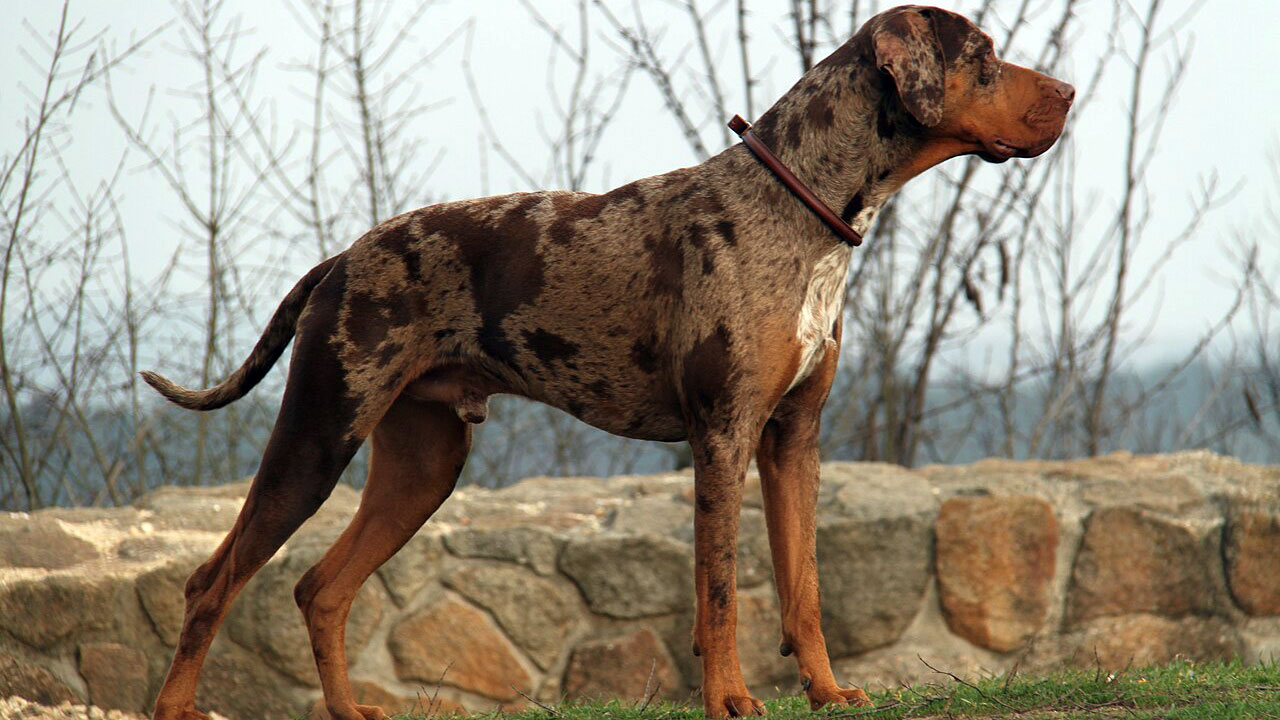
Catahoulas can be tough, gritty, and independent, and they often require confident handling. They can be protective, they can be stubborn, and they don’t always accept sloppy leadership. For a first-time dog owner, that can turn into constant conflict—especially if the dog isn’t socialized properly and learns to make its own decisions. In the right hands, a Catahoula is a capable, loyal dog that can do real work. In beginner hands, it can become reactive and pushy, and once those behaviors settle in, they’re harder to undo than people expect.
Australian Cattle Dog (Blue Heeler)
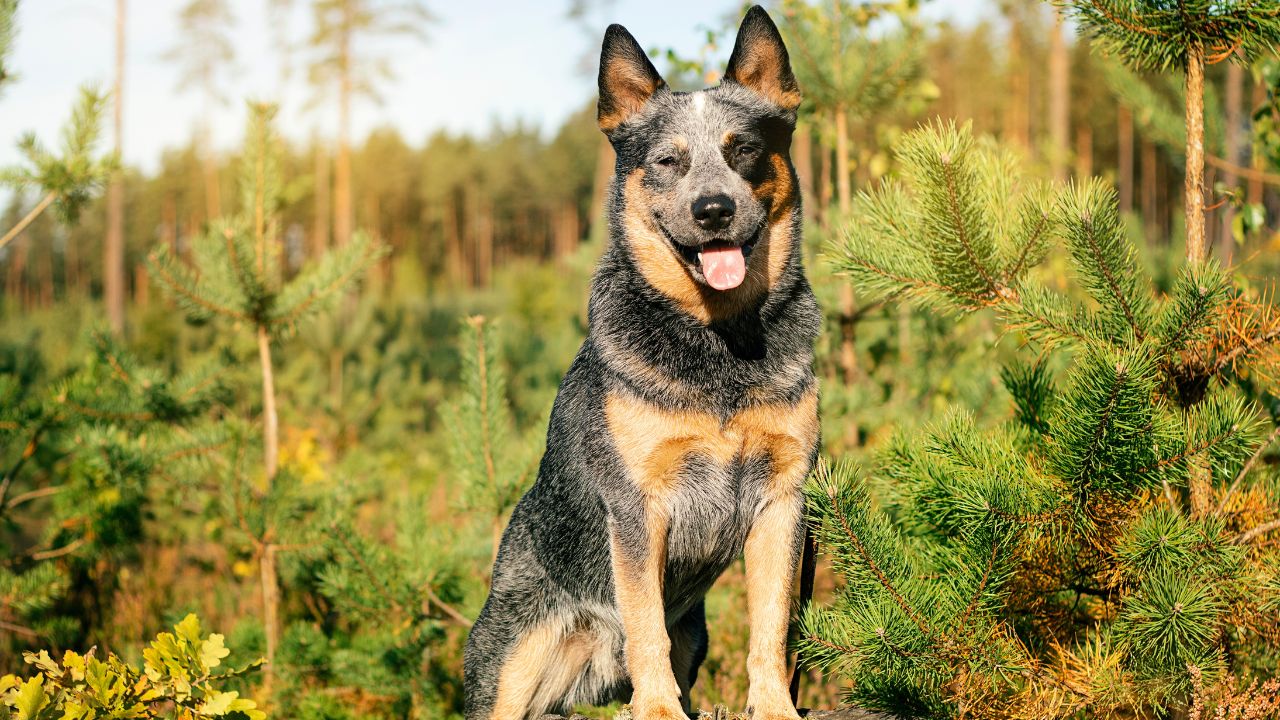
Heelers are smart and hard-working, and that’s exactly why they’re a rough first dog. They’re built to control movement, and that often shows up as nipping, herding kids, and controlling behavior if you don’t train it out early. They also need mental work, not just physical exercise. First-time owners often get surprised by how intense these dogs can be, and how quickly they get frustrated without structure. With experienced owners, Heelers are incredible partners. With beginners, they can become “too much dog” because they’re always looking for a job and always evaluating the rules.
Doberman Pinscher

Dobermans can be great family protectors and incredibly loyal companions, but they’re not always a first-dog easy mode. They’re smart, sensitive, and they need training and socialization that builds confidence instead of fear. A beginner who’s inconsistent or who doesn’t understand dog body language can accidentally create an anxious or reactive dog. Dobermans also aren’t small. If the dog has bad manners, it’s a big problem fast. With a committed owner, they’re excellent. With someone who wants a “cool guard dog” without doing real work, it can go sideways quickly.
Akita

Akitas can be calm and loyal, but they’re independent and not always tolerant of chaotic handling. They can be reserved with strangers and stubborn in training, which frustrates beginners who expect quick obedience. They also require good socialization and management, especially around other dogs. A first-time owner might not see warning signs early and might push the dog into situations that build stress and defensiveness. Akitas are not automatically “bad,” but they’re not forgiving of beginner mistakes. They tend to do best with owners who are confident, calm, and consistent.
Cane Corso
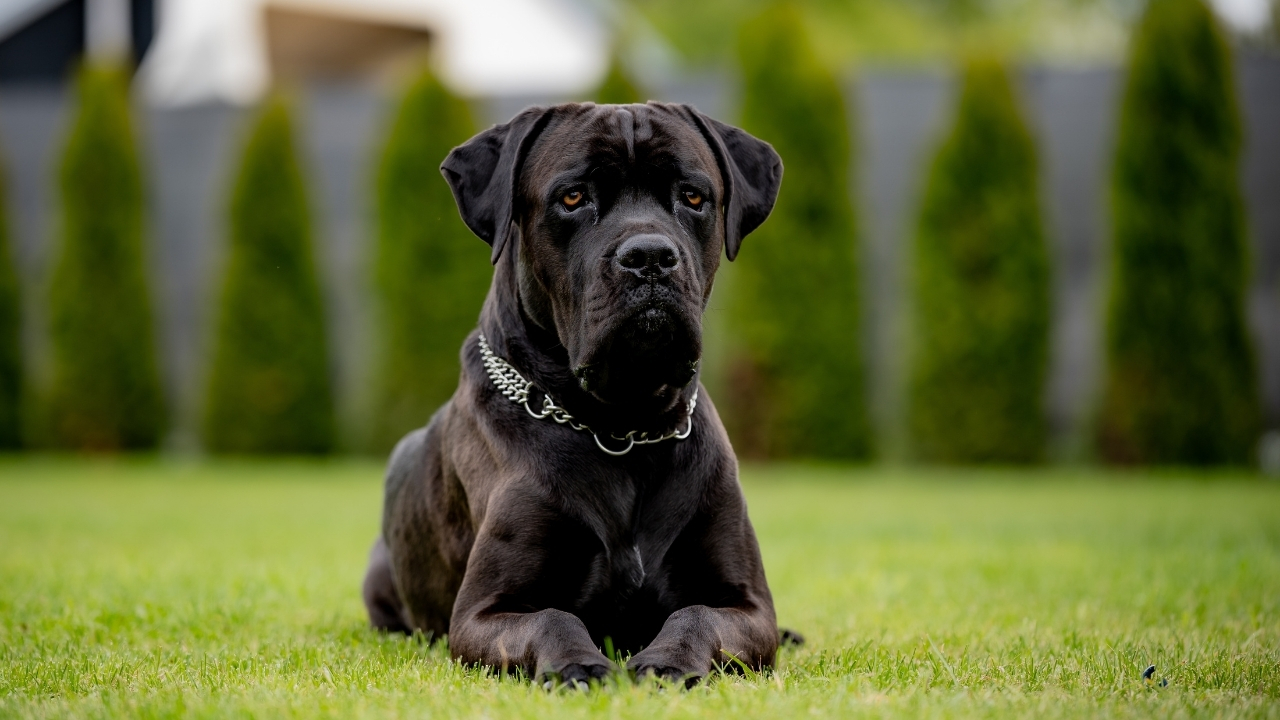
Corsos are powerful dogs with guardian instincts, and they require experienced handling, full stop. A first-time owner who isn’t prepared to train, socialize, and manage a Corso can end up with a dog that’s territorial and unpredictable. These dogs need structure and clear leadership. They also need controlled exposure to normal life so they don’t become suspicious of everything. Beginners often buy a Corso for protection without understanding that bad protection behavior is just aggression with a different label. In the right hands, they’re stable and loyal. In the wrong hands, they become a liability.
Great Pyrenees

Great Pyrenees are sweet in many homes, but as a first dog they can frustrate owners because they’re independent livestock guardians. They don’t always “obey” like a retriever. They make decisions, they bark, and they can be stubborn about boundaries. Beginners often underestimate how much management and training it takes to keep them calm and well-mannered, especially if they’re bored or under-stimulated. They also get big, and big dogs with bad habits are hard to live with. They’re great dogs for the right person, but they’re not always the easiest first-dog learning curve.
Chow Chow

Chows can be loyal and calm, but they’re not typically the “everybody’s friend” dog, and first-time owners often misunderstand that. They need socialization, boundaries, and respectful handling. If a beginner owner forces interactions, ignores warning signals, or fails to teach calm behavior, chows can become defensive. Their coat and teddy-bear look also fools people into treating them like a plush toy, which is a fast path to a bad moment. In a calm, structured home with an owner who respects the dog’s temperament, they can be great. As a first dog for someone who wants easygoing social friendliness, it’s usually a mismatch.
Like The Avid Outdoorsman’s content? Subscribe to our newsletter so you never miss an article.
Here’s more from us: