Photo credit: Goutam Mukherjee/Pexels.com
Most snake problems do not start with some dramatic moment where one is stretched across the driveway in broad daylight and everybody suddenly knows they have an issue. Most of the time, it starts quieter than that. A snake finds cover, food, moisture, or temperature stability close to human activity and slips into a spot nobody pays much attention to until the setup has already been working in its favor for a while. By the time somebody finally sees the snake, the part that matters most has already happened: it got comfortable first.
That is why people miss the early warning stage so often. Snakes are built to disappear into ordinary places. They do not need much room, and they do not need your yard to look wild and neglected to make themselves at home. They just need the right kind of hiding spot near rodents, water, shade, clutter, or structure gaps. Around homes, barns, sheds, and rural property, certain places tend to draw them in before anybody realizes they are there. Here are 15 of the biggest ones to watch.
Under stacked lumber
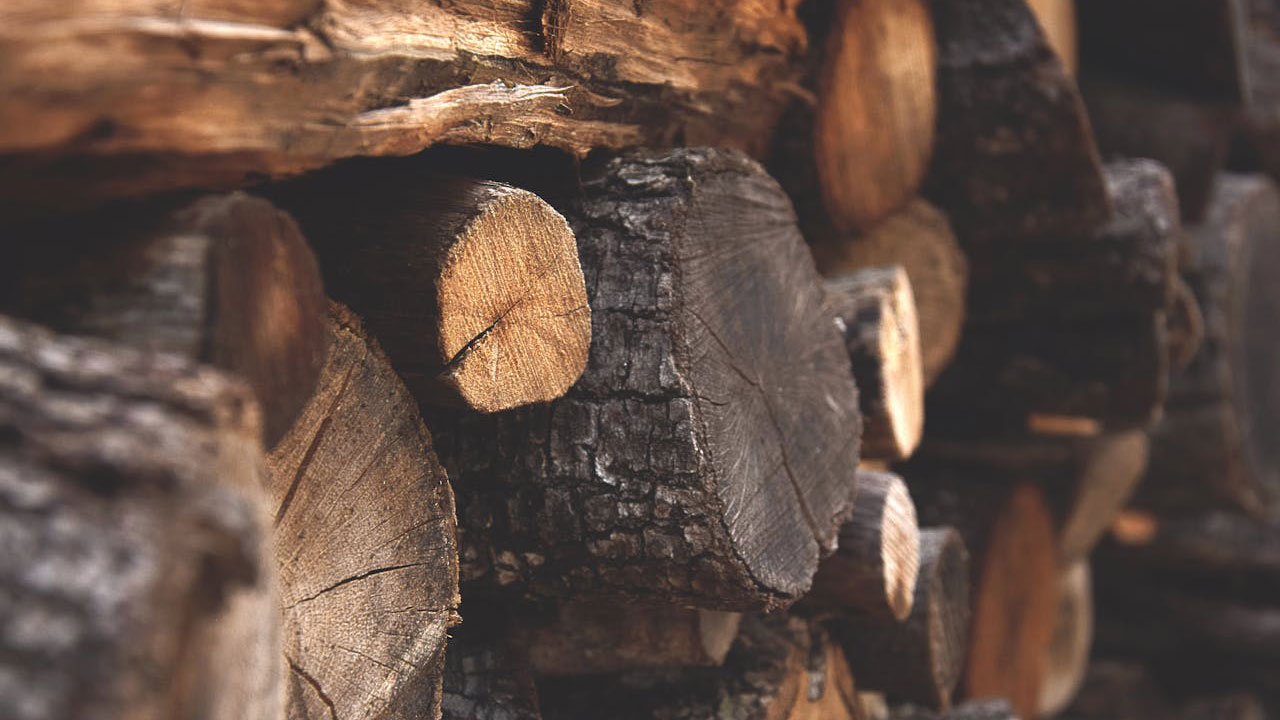
A stacked lumber pile is about as close to a snake invitation as a property can get without hanging a sign. It offers shade, layers of cover, gaps to move through, and protection from wind, predators, and heavy foot traffic. If the stack has been sitting a while, chances are good it also has mice, insects, lizards, or frogs using the same space. That means the snake is not just hiding there. It has a food source built into the setup, which is exactly what turns a temporary stop into a repeated habit.
The problem is that lumber piles often sit untouched long enough for snakes to settle in well before anybody thinks to check. Then somebody finally goes to grab a board and sticks a hand or boot right into a pocket that has been occupied for days or weeks. Around homesteads, builds, burn piles, and extra material stacked behind outbuildings, this is one of the first places I’d expect a snake to get established quietly.
Around feed rooms and grain storage
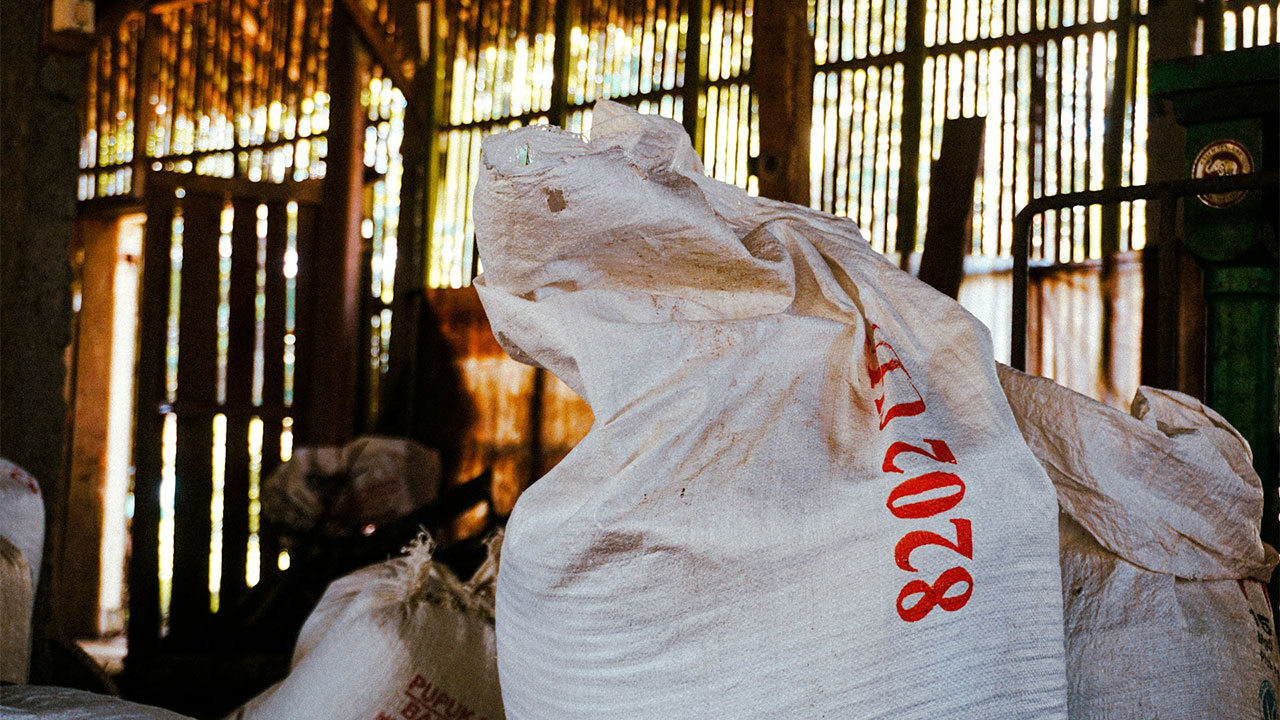
Feed rooms attract rodents, and rodents attract snakes. It really is that simple. Bags of feed, spilled grain, cracked corn, seed, pet food, and all the little bits people overlook around a barn or shed turn that area into a feeding station for mice and rats. Once those small critters start using it regularly, snakes do not take long to notice. A feed room gives them food, dark corners, stable cover, and usually a little less disturbance than the rest of the property.
What makes this one dangerous is how routine it feels. People are in and out of feed rooms every day, so they assume they would know if something was wrong. But snakes do not need much exposure to live there. They stay behind pallets, under low shelving, between stacked bags, along wall edges, or in the cool shadow behind containers. By the time somebody spots one, it may have been hunting that room for quite a while without ever being obvious.
Under porches and steps
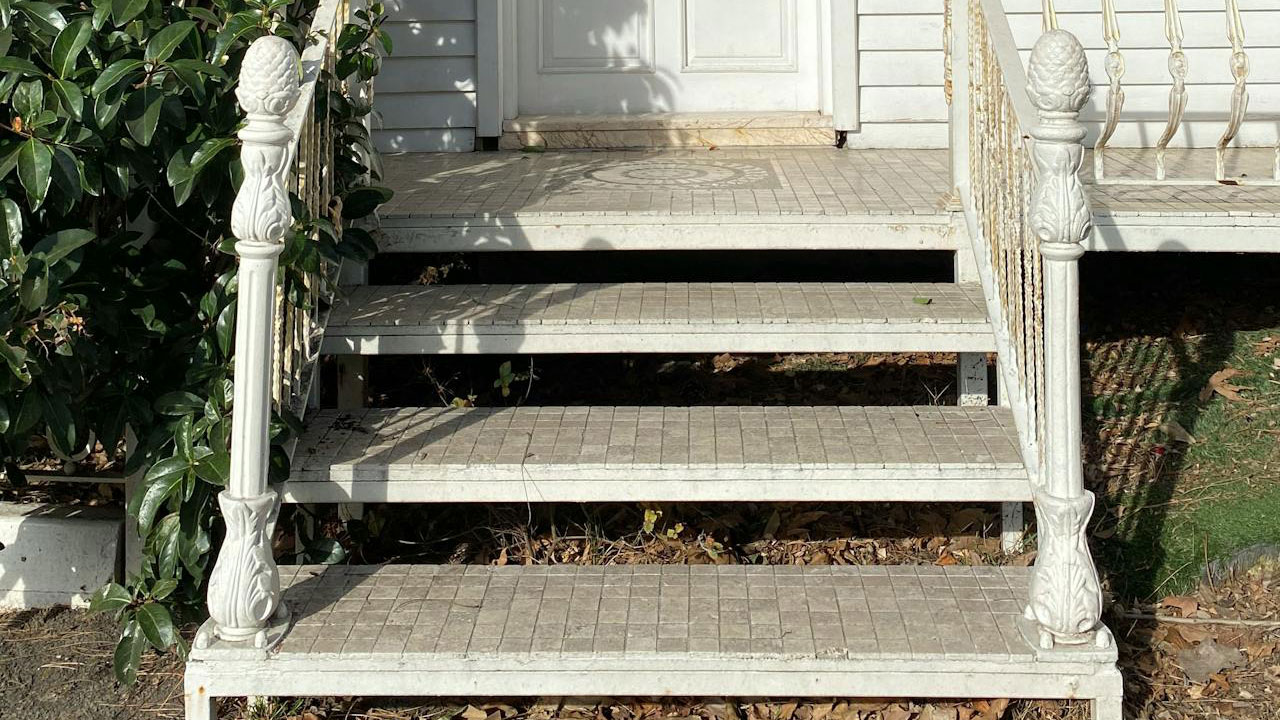
Snakes love crawl-like spaces where they can move out of sight and stay protected from the sun. Under porches and steps gives them exactly that. These areas stay shaded, tend to collect insects and small prey, and are often close to foundation walls, shrub cover, or moisture. If the ground under there stays cool and slightly damp, the appeal goes up even more. Add in the fact that most people rarely inspect underneath unless there is already a problem, and it becomes a perfect staging area.
This is especially common around older houses, cabins, and rural homes with open access beneath stairs or low decks. A snake does not need to live right under the front door forever for it to become an issue. It only needs to treat that space like a reliable daytime hide, and suddenly people are stepping over it, letting dogs sniff around it, or sweeping near it without realizing what is tucked in the shadow a few feet away.
Inside junk piles and scrap corners
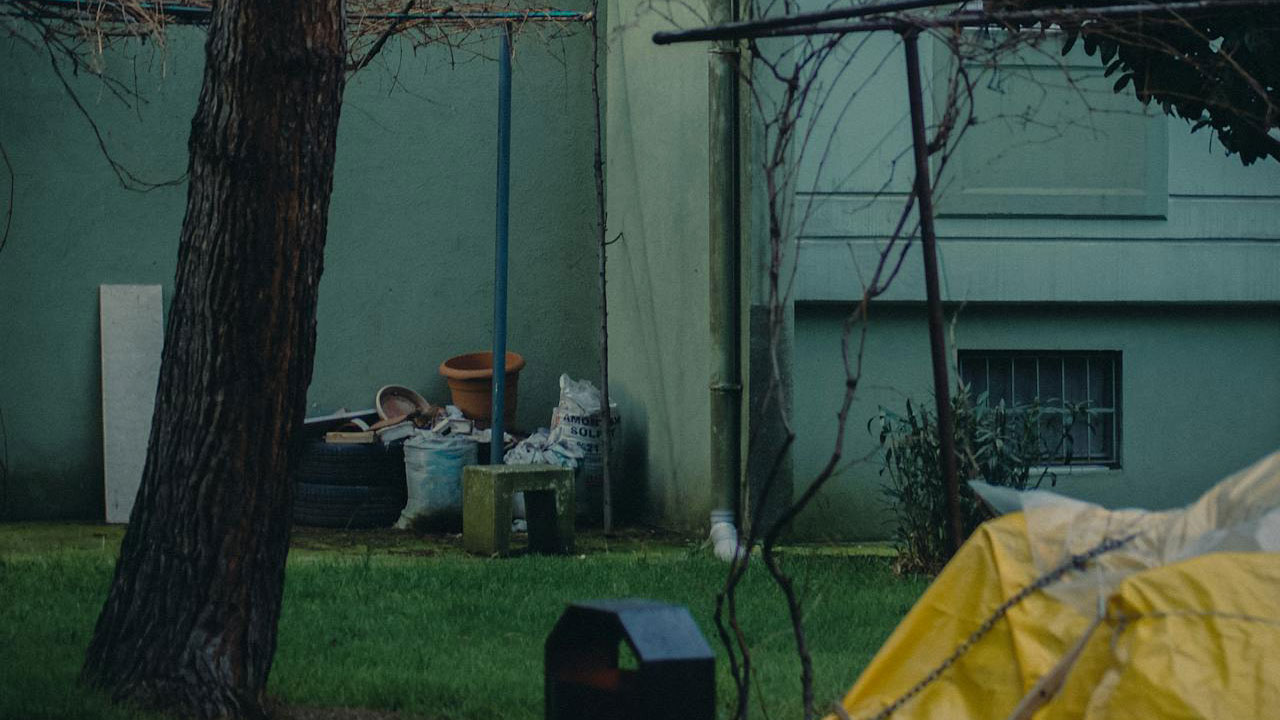
Anywhere stuff gets piled and forgotten becomes snake country sooner than people want to admit. Old tin, buckets, broken equipment, roofing scraps, torn-up fencing, discarded boards, tires, plastic totes, and random farm junk all create layered cover with heat differences and escape routes. That means a snake can stay hidden, adjust to temperature, and move deeper into the pile when disturbed without ever having to leave the spot completely. If rodents or lizards are using it too, the problem compounds fast.
The real danger here is that junk piles develop slowly enough that people stop seeing them for what they are. They become part of the background. Then one day someone needs a part, moves the wrong piece of metal, and gets a whole lot more excitement than expected. Around barns, fence lines, shop edges, and “I’ll clean that up later” zones, this is one of the most reliable early snake hideouts there is.
In rock borders and retaining walls
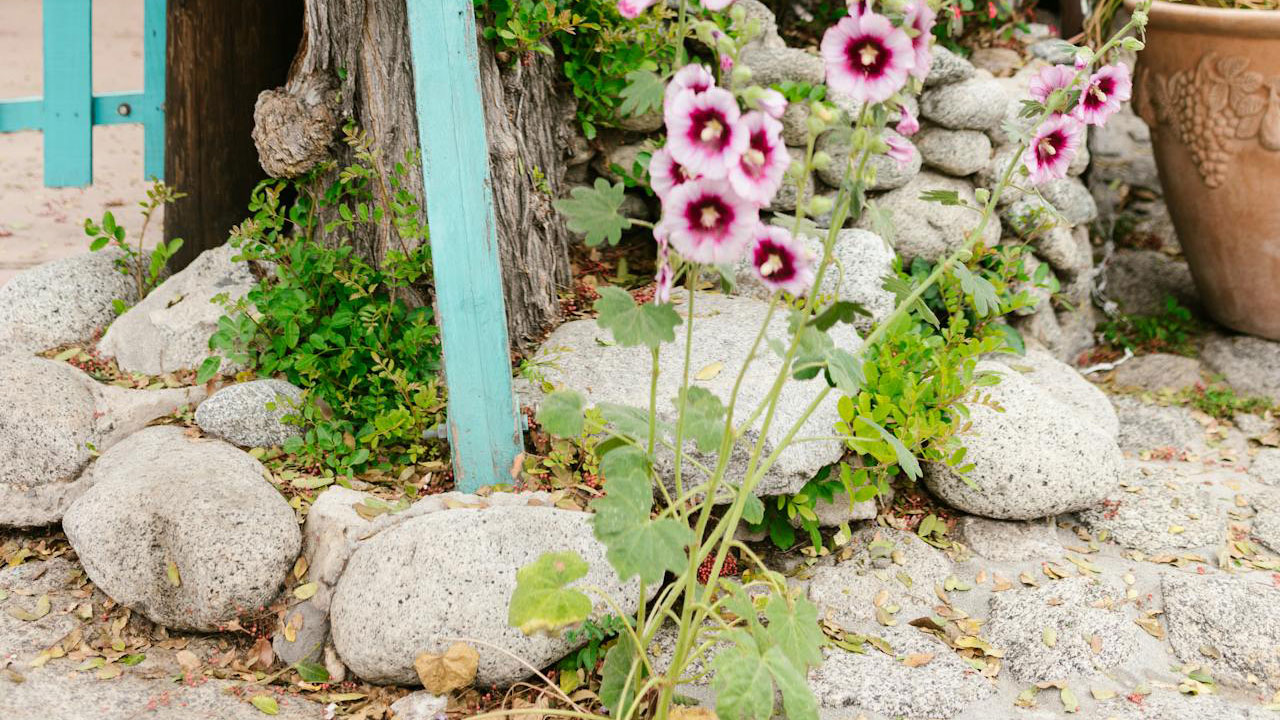
Rock work looks clean and intentional, but snakes do not care whether your landscaping came from a magazine or a pasture cleanup. If the stones create gaps, cool pockets, and sheltered lanes, snakes will use them. Retaining walls, decorative rock edging, loose stone beds, and stacked fieldstone are all good examples. They hold heat differently through the day, give a snake multiple entry and exit routes, and often sit close to flower beds, shrubs, drip lines, or insect-heavy zones where prey already moves.
People miss this because rocks do not look like “clutter” the way a junk pile does. But functionally, for a snake, the effect can be similar. Tight cracks, protected shade, and nearby food make these areas attractive long before anyone starts thinking of them as a problem spot. Around houses and barns, rock features are often one of the quietest ways snake habitat gets built right into the property.
Along foundation gaps
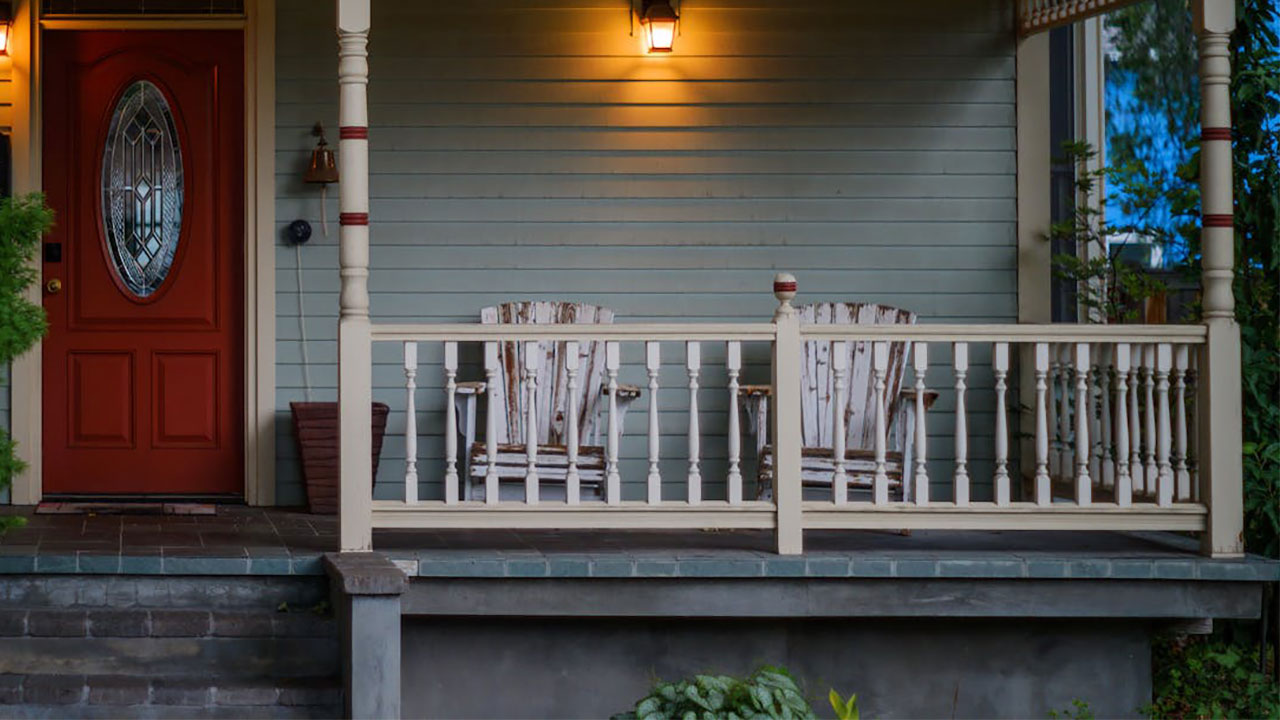
Snakes follow edges naturally, and the line where a structure meets the ground is a big one. Foundations give them a travel route, shade line, and access to cracks, utility penetrations, crawl spaces, and disturbed soil pockets where small animals often move. Even if a snake is not getting into the structure itself, it may still use the foundation edge regularly as a way to travel between cover and feeding spots. That is why people so often see one “out of nowhere” right by the house wall.
The issue gets worse if mulch, weeds, leaf litter, stacked planters, or low shrub growth sit along that same edge. Then the snake has concealment layered right over its route. Homes that seem tidy from a distance can still have plenty of snake-friendly structure close to the wall where nobody kneels down and looks carefully. That makes foundations one of the easiest places for snakes to move in before anybody realizes they have started using the house itself as part of their pattern.
Under HVAC units and utility boxes
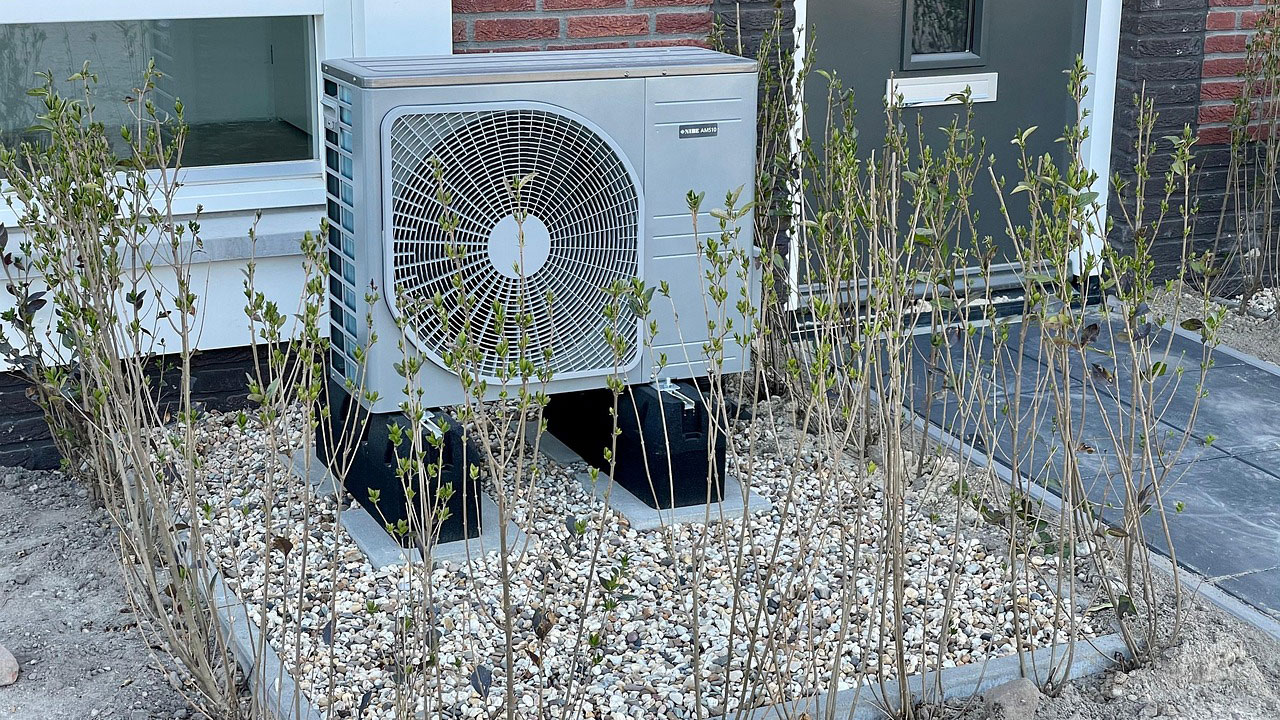
Air conditioner pads, heat pump units, irrigation valve boxes, and other utility structures create exactly the kind of overlooked micro-habitat snakes like. There is shade, temperature buffering, and often a little bit of moisture or insect activity nearby. The grass under and around these units may be harder to mow tightly, which gives even more cover. Since people do not usually stick their face or hands under an outdoor unit unless something is broken, snakes can use those spaces with very little disturbance.
This becomes a real problem because repair time is usually the first time someone gets close enough to find out what has been living there. Same goes for utility boxes in yards and around barns. A snake does not need a huge area. It just needs a protected one that people ignore most of the time. These spots check that box better than most homeowners realize.
Around woodpiles
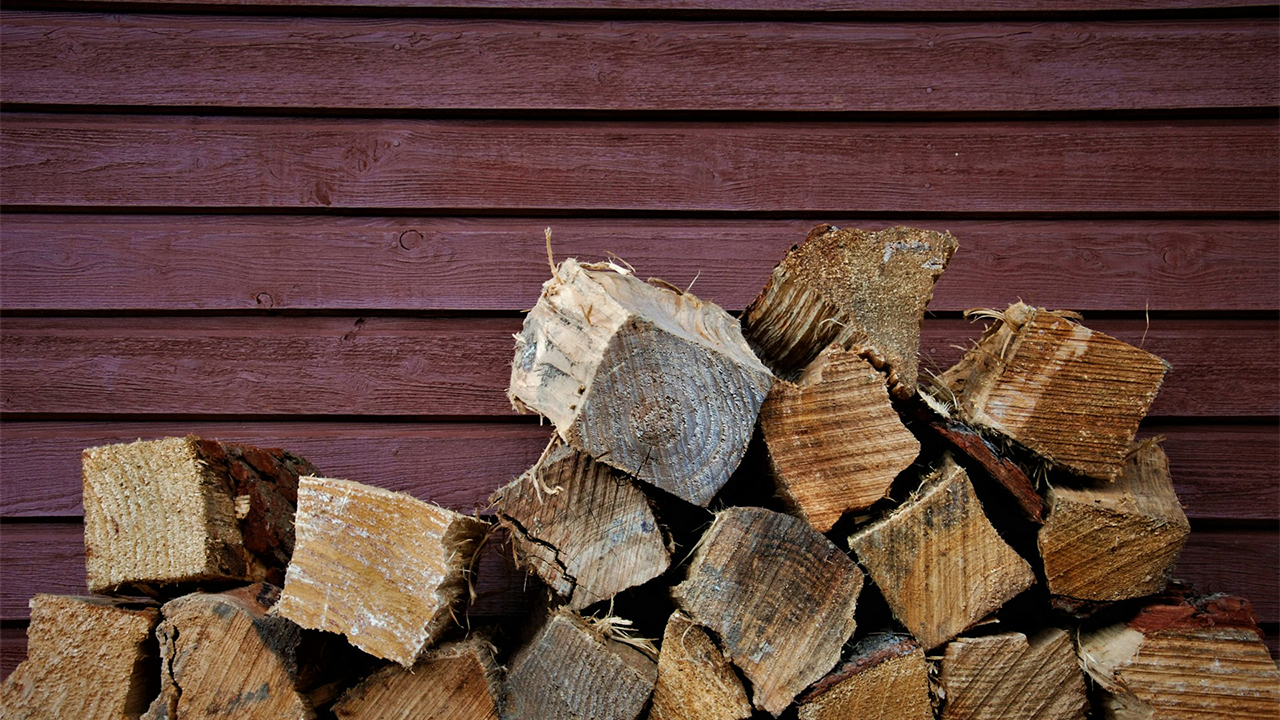
This one is classic for a reason. A woodpile offers shelter, rodents, insects, lizards, and warm-cool transitions depending on the time of day and how the pile is stacked. If it sits near the house, barn, shed, or a fence line, even better from the snake’s point of view. A neat stack is still a stack, and every layer in it creates little protected lanes that a snake can use without staying out in the open.
People usually think about woodpiles only in winter when they are hauling firewood, but snakes may be using them heavily long before cold weather matters. Early morning, warm afternoons, cool nights, and rodent activity all make them attractive. Reaching into a woodpile without paying attention is one of those mistakes people only tend to make once if they get lucky enough to learn the lesson without a bite.
Inside overgrown flower beds
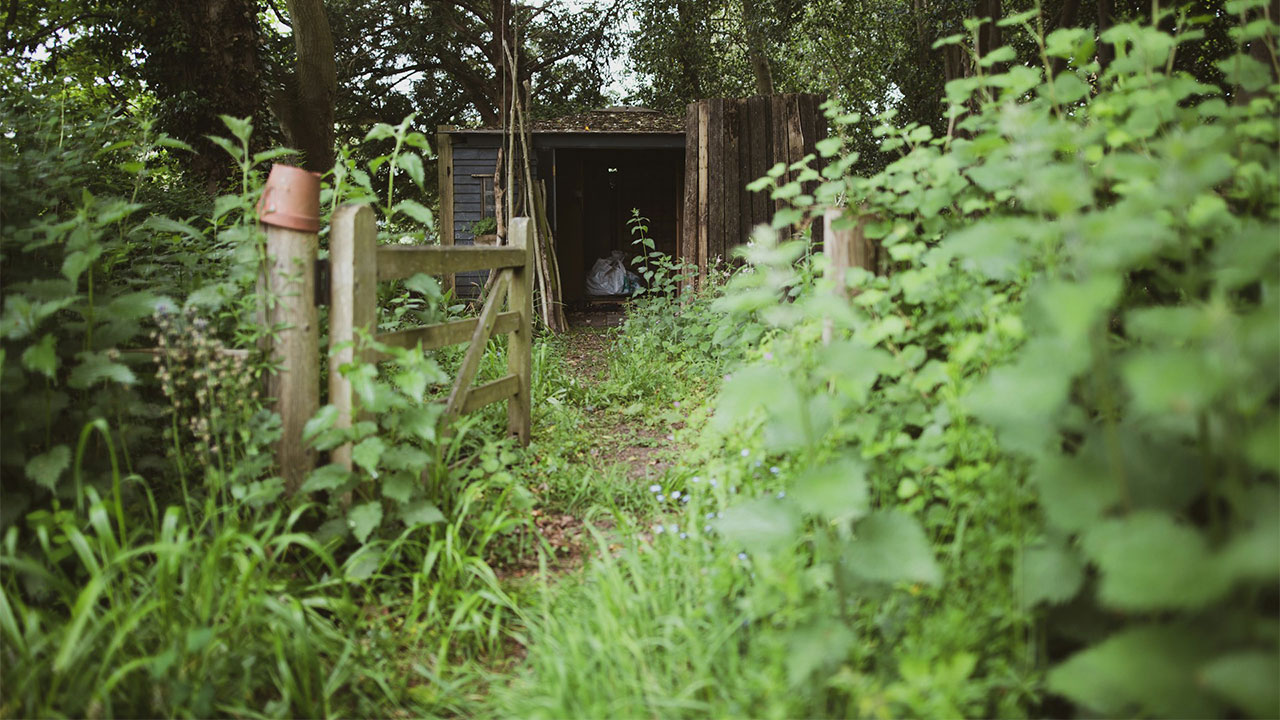
A flower bed does not have to be neglected to hold snakes. Dense plants, ground cover, mulch, edging, moisture from watering, and the insects or frogs that follow all make these spaces more active than people think. Add decorative rocks, solar lights, irrigation tubing, or thick ornamental grasses, and a snake can move through the whole bed without exposing much of itself at all. Beds against the house or near porches are especially good for this because they connect structure to cover.
The problem is that flower beds feel safe because they are domestic. People plant them, weed them, water them, and admire them, so they do not always think like predators or prey when they look at them. But from a snake’s perspective, a thick bed near water and shade is just habitat with human branding on it. It is one of the easiest places for a snake to be nearby without being noticed early.
In tall grass near fences
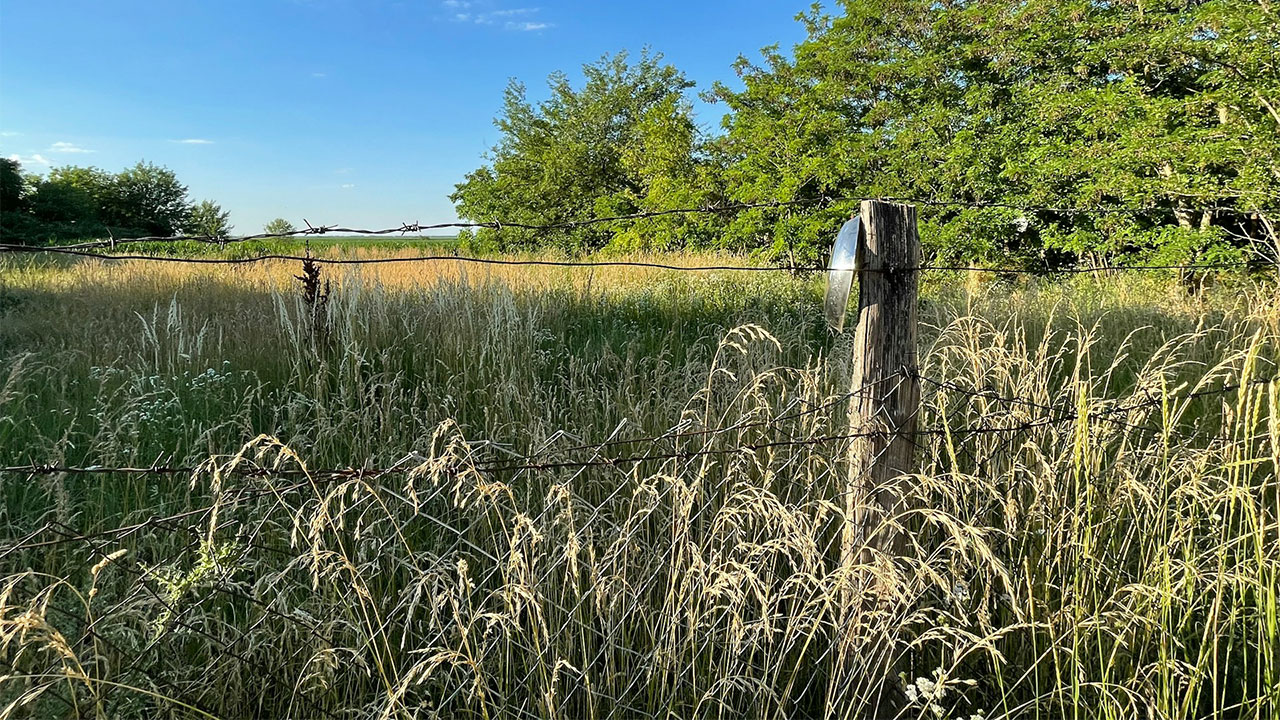
Fences act like travel guides for a lot of wildlife, and snakes are no exception. Tall grass running along a fence line gives them both cover and direction. They can move the edge, duck into thicker spots, and shift between neighboring properties, brush lines, ditches, and outbuildings without staying exposed. If that fence borders pasture, timber, a drainage area, or a neglected strip, odds go up fast that snakes will start using it before anybody realizes how often.
This is one of those spots people overlook because the fence itself becomes the focus, not the base of it. They notice a broken post or sagging wire, but not the tunnel-like feel created by grass and edge cover. Dogs love working fence lines too, which is part of why snake encounters happen there. It is not just a boundary. It is a movement corridor.
Around water troughs and spigots
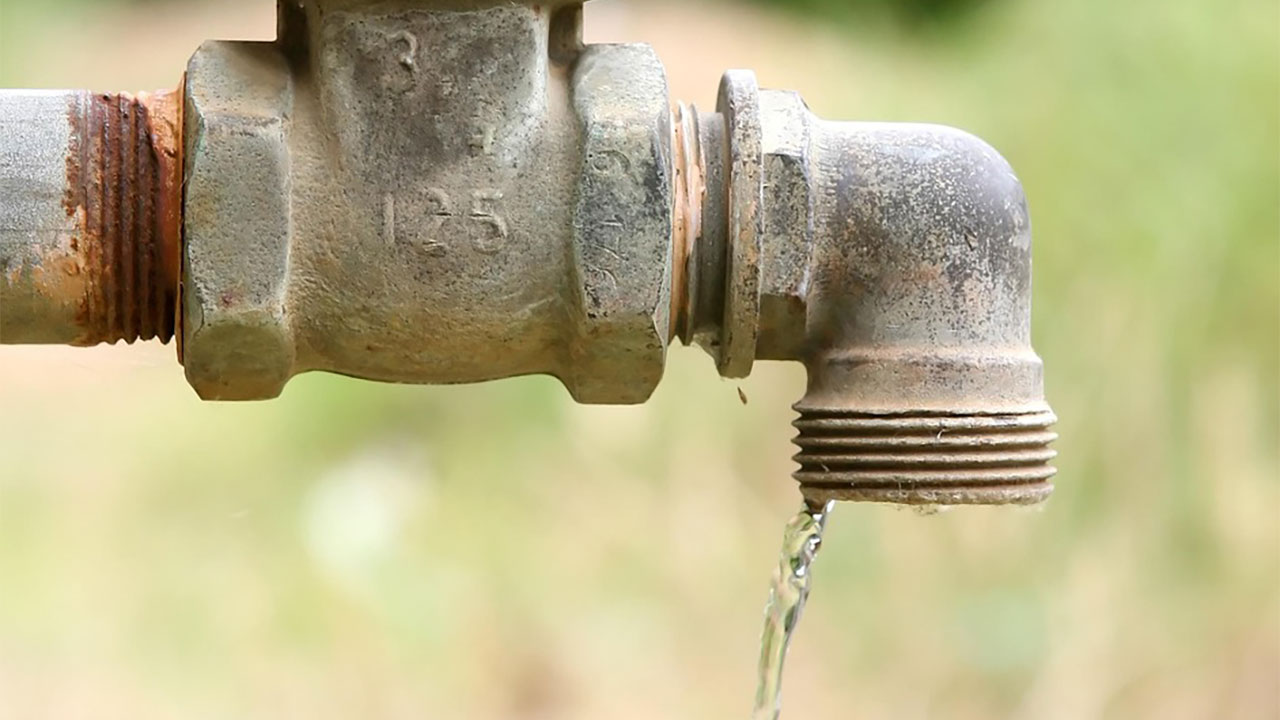
Anywhere that stays damp on a rural property draws life, and snakes usually follow that life. Leaky spigots, trough edges, hose bibs, shaded puddle zones, and watered areas around barns create insect activity, frog activity, and rodent traffic that snakes notice quickly. The water itself matters, especially in hot weather, but the little food chain that builds around consistent moisture matters even more. If the area also has weeds, grass, pallets, or boards nearby, it becomes a strong candidate for regular snake use.
People miss this because water points feel useful and ordinary. You fill buckets, rinse boots, water stock, and move on. But if that spot is always damp and half-shaded, snakes may already be using it as part of a daily pattern. By the time someone spots one coiled under the edge of a trough or slipping behind the hydrant, it may have been there many times without being seen.
Beneath pallets and tarps
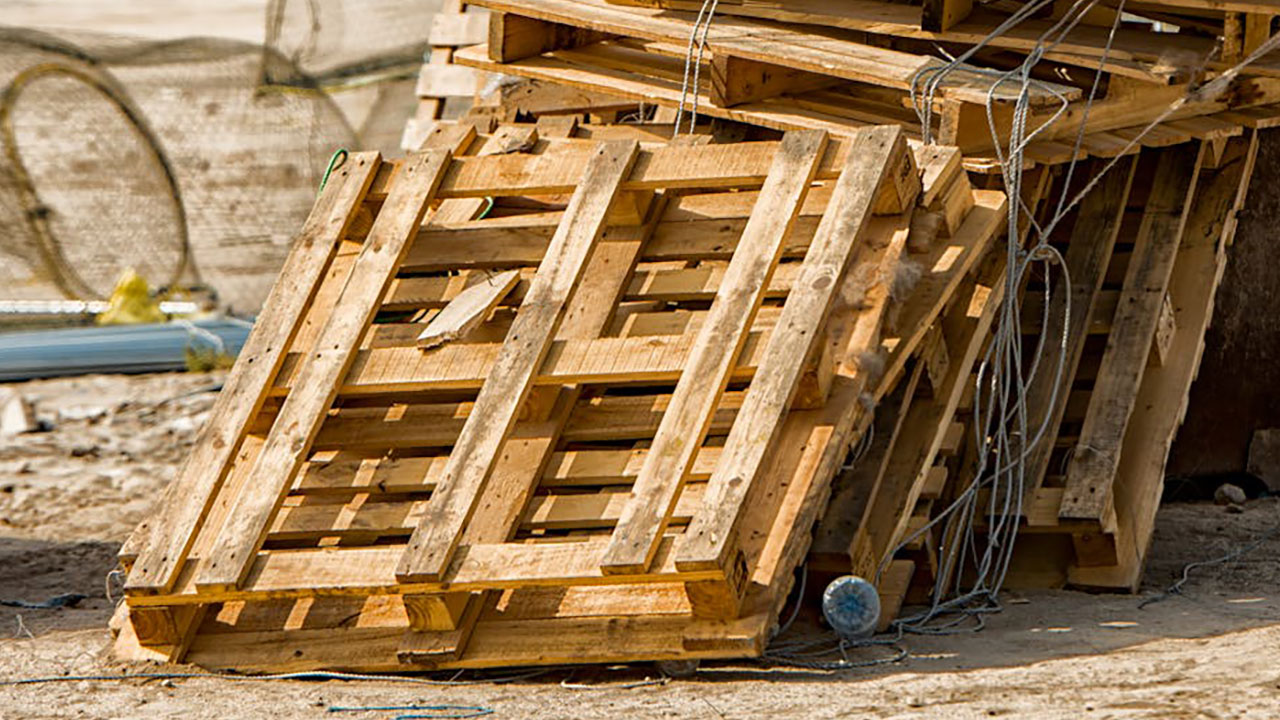
Pallets and tarps are about as snake-friendly as temporary cover gets. Pallets lift things just enough off the ground to create a secure lane underneath, while tarps trap heat, shade, and moisture depending on the weather and material. Put the two together over feed, tools, hay, scrap, or supplies, and you have a low-profile shelter that a snake can use without drawing much attention. If it sits for more than a few days, the odds go up that something will check it out.
This is especially true around barns and work areas where things are always getting covered “for now” and left longer than planned. The first time someone pulls a tarp back or shoves a boot under a pallet is often the first time anyone realizes it has been occupied. These are not dramatic habitat features, which is exactly why snakes use them so well. They blend into the routine of a property.
In hay storage and loose straw
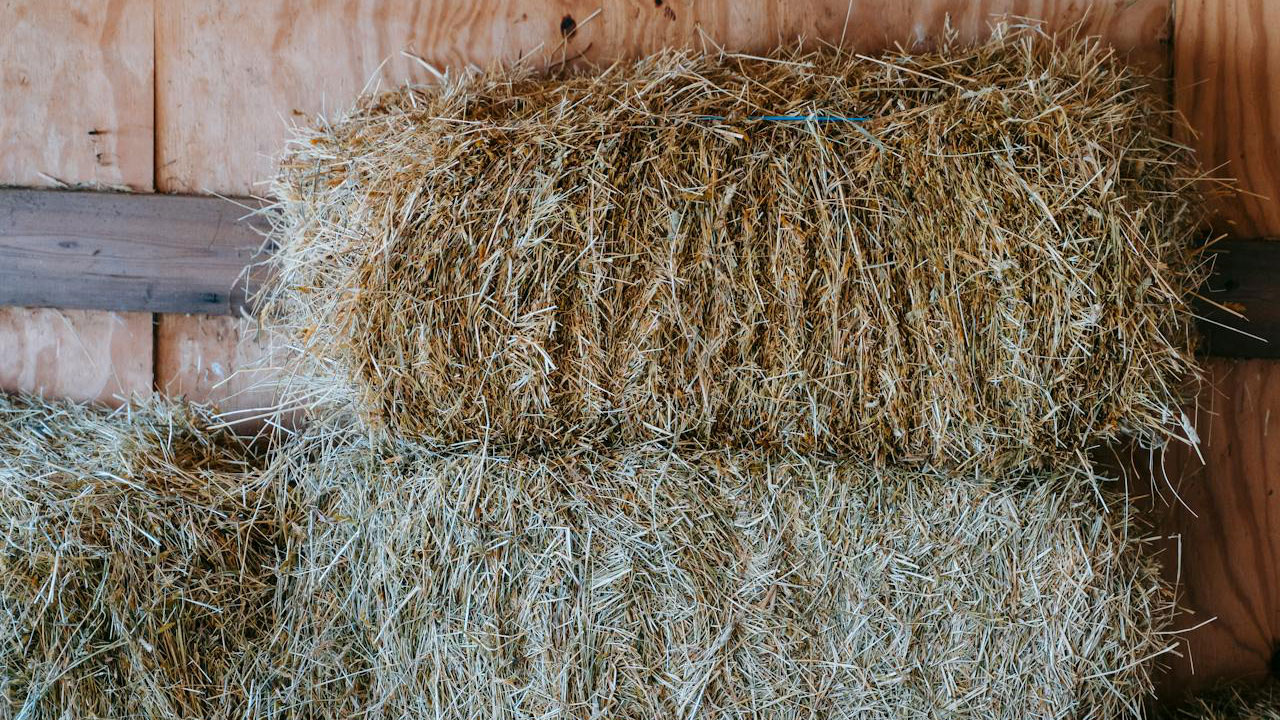
Hay and straw bring more than just feed and bedding onto a property. They bring cover, warmth, insects, and rodents, and that means snakes often show up not long after. Stored bales, especially where older loose hay gathers around the edges or behind stacks, create all kinds of sheltered pockets a snake can use. If the storage area is dim, quiet, and not constantly disturbed, it gets even more attractive.
People usually discover this when moving a bale, cleaning up the backside of a stack, or digging into older material that has sat too long. Around barns and lean-tos, hay storage is one of the most common places for “I had no idea one was in here” encounters. The setup is just too good for snakes to ignore if prey has already moved in.
Around chicken coops
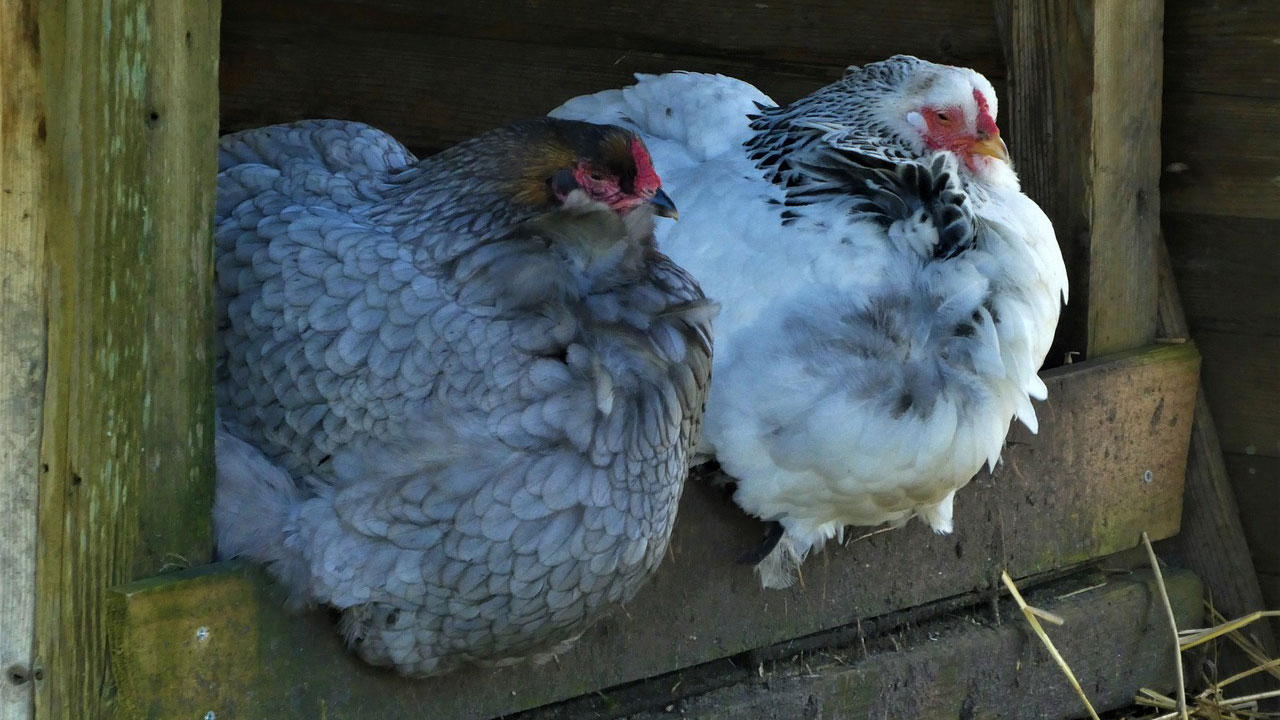
Chicken coops get most people thinking about eggs first and snakes second, but that order is often backwards in the real world. Coops attract rodents from spilled feed, eggs if the opportunity is there, shade under the structure, and all sorts of insect life. Even when snakes are not after eggs or chicks, they are often after the mouse activity that builds around feed and bedding. The underside of a coop, especially if it is raised even a little, can become a regular hiding spot without anybody noticing.
The trouble here is that coops feel like active, watched spaces. But snakes do not need the main floor. They need the edges, the gaps, the clutter behind the bins, the stack of extra bedding, the warm corner under the ramp. Around poultry, snake issues often start quietly and stay that way until production drops, a dog gets interested, or somebody reaches where they should have looked first.
In old equipment that never moves
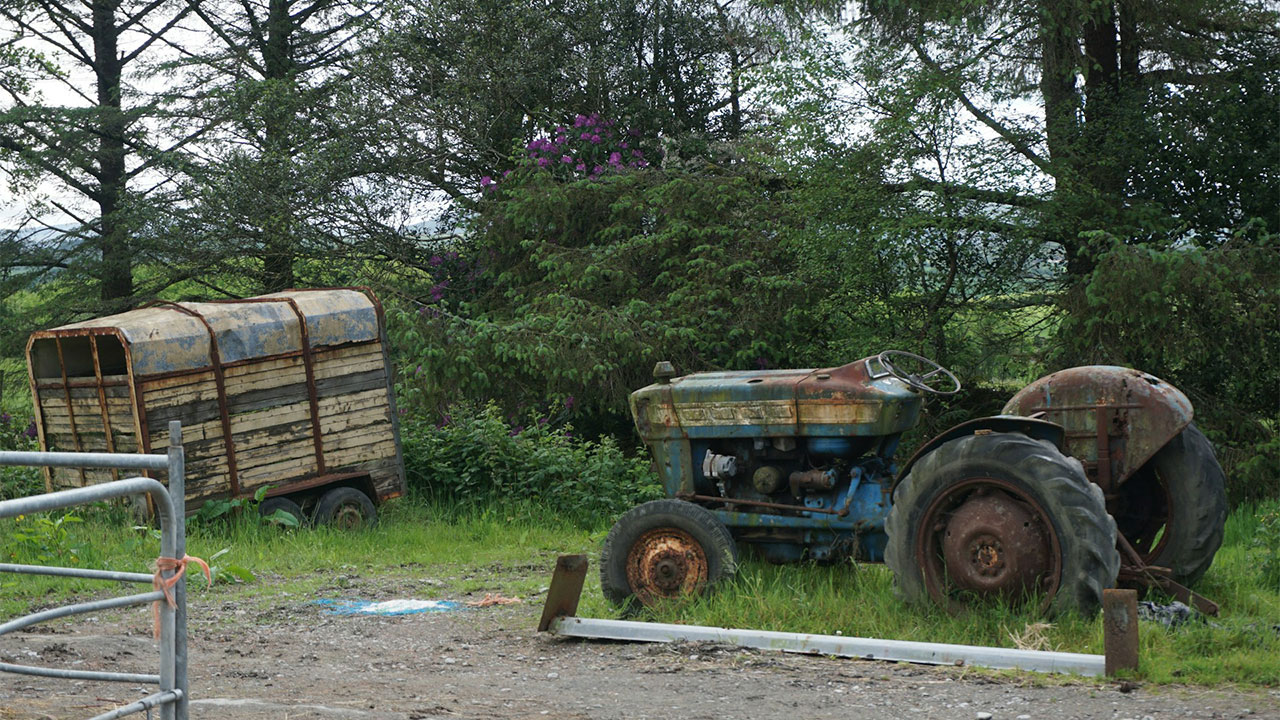
A tractor that gets used every week is one thing. A trailer, mower deck, brush hog, or rusting implement sitting in the same patch of shade for a month is something else entirely. Old equipment creates hard-to-see cavities, cool metal shadow, protected ground contact, and sometimes nests from rodents that moved in before the snake did. Once a piece of equipment becomes part of the landscape instead of part of the workday, snakes start treating it that way too.
This is one of the most common rural blind spots because equipment reads as solid and familiar. But any machine with gaps under panels, tires resting in weeds, or parts low enough to create shelter can start holding wildlife. The first time someone crawls under it, grabs a hitch, checks a tire, or reaches behind a blade housing should not be the first inspection it has had in weeks. Too often, that is exactly what happens.
Like The Avid Outdoorsman’s content? Subscribe to our newsletter so you never miss an article.
Here’s more from us: