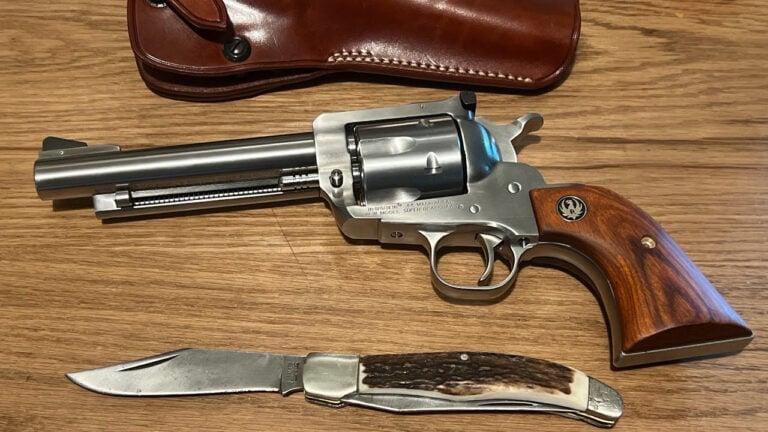
Photo credit: Maine Outdoor Enthusiast/YouTube
The Winchester 94 is one of those rifles that almost feels bigger than the gun itself. Even people who are not deep into lever guns usually know the shape, the name, or the basic idea. It has been tied to deer camps, saddle scabbards, truck racks, family gun cabinets, and the whole image of the American woods rifle for generations. Winchester says the Model 1894 became the best-selling centerfire rifle in U.S. history, which is a pretty wild title for any firearm to hold.
What makes the rifle especially interesting is that a lot of shooters know the legend without really knowing the details. The Winchester 94 was not just another lever gun with a good reputation. It was a John Browning design, it was built for the new smokeless-powder era, and it went on to become one of the most successful sporting rifles ever made. More than 7.5 million have been produced, according to RifleShooter, which helps explain why this gun seems to show up everywhere from hunting stories to family hand-me-downs.
1. It started life as the Model 1894, not the “94”

A lot of shooters casually call it the Winchester 94, but that shorter name came later in common use. Winchester introduced it in 1894 as the Model 1894, and the “94” nickname became the easier, everyday way people referred to it over time. That sounds minor, but it helps place the rifle in its actual era. This thing was born in the 19th century and still managed to stay relevant deep into the modern age.
That older naming also reminds you how long this rifle has really been around. When a gun survives long enough to outlive its own formal naming habits, you know it has become more than just a catalog item. It becomes part of gun culture. That is exactly what happened with the Model 1894. Plenty of rifles sold well. Not many got woven into the language the way this one did.
2. It was designed by John Browning
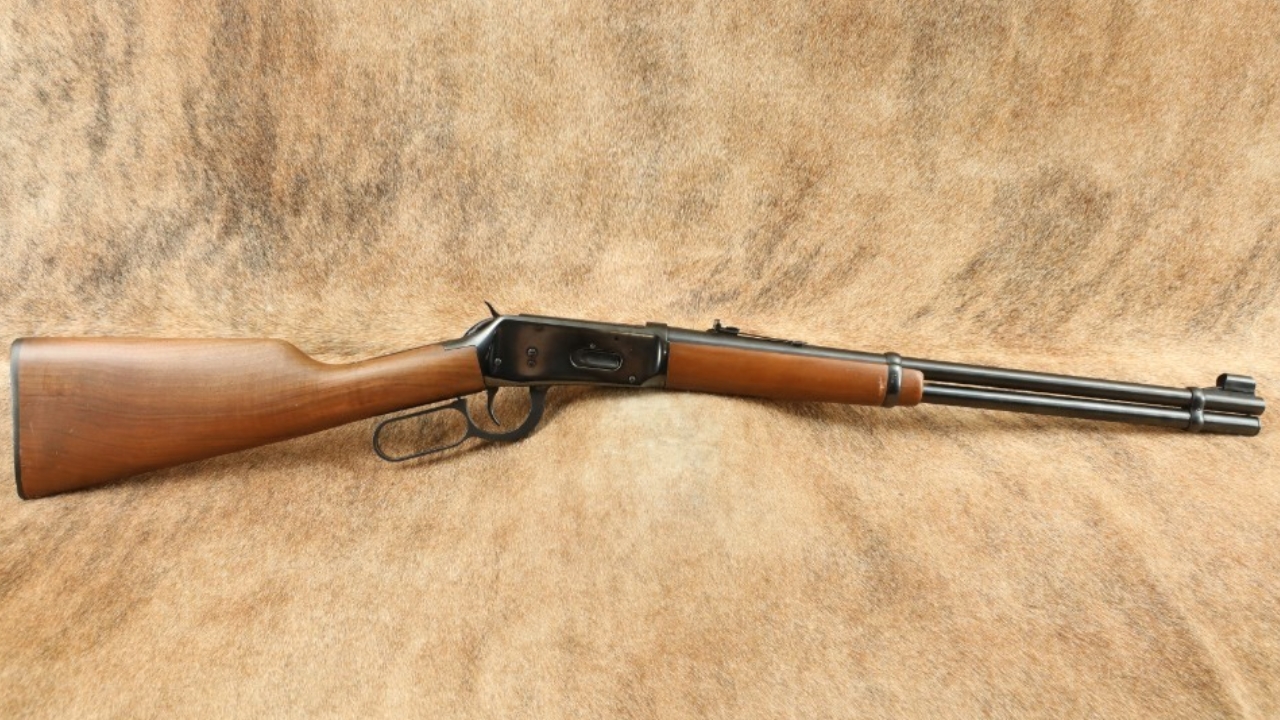
The Winchester 94 was a John Moses Browning design, which already puts it in rare company. Browning designed a ridiculous number of important firearms, but the Model 1894 still stands out because of how well it matched the moment. Winchester needed a stronger sporting rifle for newer ammunition, and Browning gave them one.
That matters because the 94 did not become a classic by accident. It came from one of the sharpest firearms minds ever, and it showed. The rifle was compact, handy, strong, and well suited to the kind of real-world hunting most American shooters actually did. It was not some overcomplicated project piece. It was a practical rifle built by somebody who knew exactly how to make a gun people would keep reaching for.
3. It was the first commercial American sporting rifle built for smokeless powder

This is one of the biggest facts about the Winchester 94, and a lot of shooters still miss it. RifleShooter says it was the first smokeless “high powered” American sporting rifle, and standard histories of the model describe it as the first commercial American repeating rifle built for smokeless powder. That is a huge deal in firearms history.
That point often gets watered down because people focus so much on the gun’s cowboy image. The truth is, the Model 1894 was not a backward-looking relic even when it launched. It was actually part of the next phase. It bridged old-school lever-gun handling with newer ammunition technology, and that helped it stay relevant long after earlier lever actions started to feel tied more closely to the black-powder era.
4. It was not originally a .30-30 rifle

Most people think of the Winchester 94 and immediately think .30-30, but that was not the original chambering. The rifle first appeared in .32-40 Winchester and .38-55 Winchester. The famous .30 WCF chambering arrived soon after, in 1895, and eventually became known to most shooters as the .30-30 Winchester.
That is one of those details that surprises people because the .30-30 and the 94 feel almost inseparable now. But that pairing grew into its fame. It was not there on day one. Once it arrived, though, it became one of the most iconic rifle-and-cartridge combinations in American hunting history. That combination is a big part of why the 94 became the deer rifle so many people picture first.
5. The .30-30’s original name was .30 WCF

Here is a detail a lot of shooters never stop to think about: .30-30 was originally called .30 WCF, which stood for .30 Winchester Center Fire. Winchester introduced that chambering for the Model 1894, and over time the better-known “.30-30” label took over in common use.
That little naming twist matters because it shows how closely the cartridge and the rifle were tied together. The .30-30 became one of the defining American hunting cartridges, and the Winchester 94 was a huge reason why. The gun and the round boosted each other. That is not always how firearm history works, but here it absolutely did.
6. It became the best-selling high-powered sporting rifle in U.S. history

Winchester says the Model 1894 became the best-selling centerfire rifle in U.S. history, and other reference histories note that by 1983 it held the record as the best-selling high-powered rifle in the United States. That is not just “popular.” That is a whole different level.
The reason is not hard to see. The 94 gave people a rifle that carried easily, pointed fast, and made a lot of sense in the thick woods and short-to-medium hunting distances that defined much of American deer hunting. It was not the rifle for every job, but it was a very good rifle for the jobs most people actually had. That is how you stack up sales over generations.
7. More than 7.5 million were made

Production totals for the Winchester 94 are part of what make its story so impressive. RifleShooter says more than 7.5 million have been made. Once you hear that number, a lot starts making sense. That is why the rifle seems to show up everywhere, why so many families have one tucked away, and why it became such a permanent part of American gun culture.
When that many rifles get out into the world, the gun stops being just a product and starts becoming a shared experience. People remember their first deer with one. They remember a grandfather carrying one. They remember seeing one behind the truck seat. The Winchester 94 built not just a sales record, but a giant pile of personal history for millions of shooters and hunters.
8. It was especially perfect for Eastern deer woods

The Model 94’s design made it especially well suited to whitetail hunting in dense cover, and reference histories point specifically to the dense forests of the Eastern United States as a place where it became especially popular. That is a huge piece of the rifle’s identity.
This rifle was handy, light, and fast to shoulder. That matters a lot when shots are quick, lanes are tight, and you are not sitting on some huge open-country field edge. The Winchester 94 fit the kind of hunting a whole lot of Americans actually did, and that gave it a practical advantage that turned into decades of loyalty. It was not trying to be everything. It was just really good at being a woods rifle.
9. Pre-64 rifles are a huge deal to collectors

One of the biggest dividing lines in Winchester 94 talk is “pre-64” versus later production. American Rifleman’s history piece notes that post-1964 cost-cutting changes led to a noticeable drop in enthusiasm from many Winchester fans. That is why pre-64 Model 94s still carry such weight with collectors and traditionalists.
This does not mean every post-64 rifle is junk. It means the 1964 change became a cultural dividing line. Shooters noticed the differences, collectors cared, and the phrase “pre-64” turned into its own badge of desirability. That kind of thing only happens when a rifle has been around long enough, and loved enough, for people to argue over generations of it like they are talking about old trucks.
10. Angle eject changed how people could scope it

One practical change that a lot of newer shooters appreciate is the angle-eject system on later rifles. Traditional top-eject Winchesters were not ideal for mounting optics directly over the receiver. Later angle-eject versions made scope mounting much easier and opened the door for hunters who wanted the 94 feel without giving up conventional optics setups. Reference histories identify angle-eject variants as part of the rifle’s later evolution.
That is one of the ways Winchester tried to keep the rifle relevant as hunting preferences changed. A lot of classic lever guns are fun, but they can fight modern expectations a little. The angle-eject change was a practical answer to that. It let the rifle hold onto its core identity while being a little easier to live with for shooters who were not married to iron sights.
11. There were rare 16-inch “Trapper” style carbines long before modern hype

A lot of people think short “trapper” lever guns are mostly a modern styling idea, but American Rifleman notes that factory 16-inch short carbines existed much earlier and that some of those early “Special Short Carbines” were never even cataloged. They were rare and eventually discontinued in 1933.
That is a cool little piece of Winchester 94 history because it shows the platform was branching into compact, specialized configurations far earlier than a lot of people realize. Those short guns are a reminder that the 94 was not always one plain, fixed concept. Winchester experimented within the line, and some of the more interesting versions have become collector favorites because of it.
12. U.S. production stopped in 2006

For a rifle that seemed almost timeless, the end of U.S. production in 2006 was a big moment. Reference histories note that Winchester-branded rifle production in the United States ceased that year. For a lot of shooters, that felt like the end of an era.
That shutdown matters because the Winchester 94 had come to symbolize a very specific kind of American riflemaking. When production stopped, people suddenly had to think about the rifle as history instead of something that would always just be there. It reminded shooters how unusual the Model 94’s long run had really been.
13. It came back after that

The Winchester 94 did not stay gone forever. Reference histories note that the rifle was reintroduced after the 2006 shutdown, with later production handled by Miroku in Japan and imported under the Winchester/Browning umbrella. Winchester’s current site still lists Model 94 rifles today.
That is important because it shows the demand never really disappeared. The rifle meant too much to too many shooters to just vanish as a memory piece. Bringing it back let newer buyers still get into the platform, even if the production story had changed. That says a lot about the staying power of the design.
14. It helped turn “Winchester” into a generic cultural word for lever rifles

Reference histories say the Model 1894 is one of the rifles most responsible for “Winchester” becoming a catch-all word many people used for lever-action rifles in general. That is a pretty serious cultural footprint for one gun to have.
That is when you know a firearm has crossed into legend territory. The brand name becomes shorthand for the type. People do that only when a product becomes the image in their head of what that thing is supposed to be. The Winchester 94 was not just a successful lever-action rifle. For a whole lot of people, it became the lever-action rifle.
15. Its biggest surprise is how modern it really was for its time
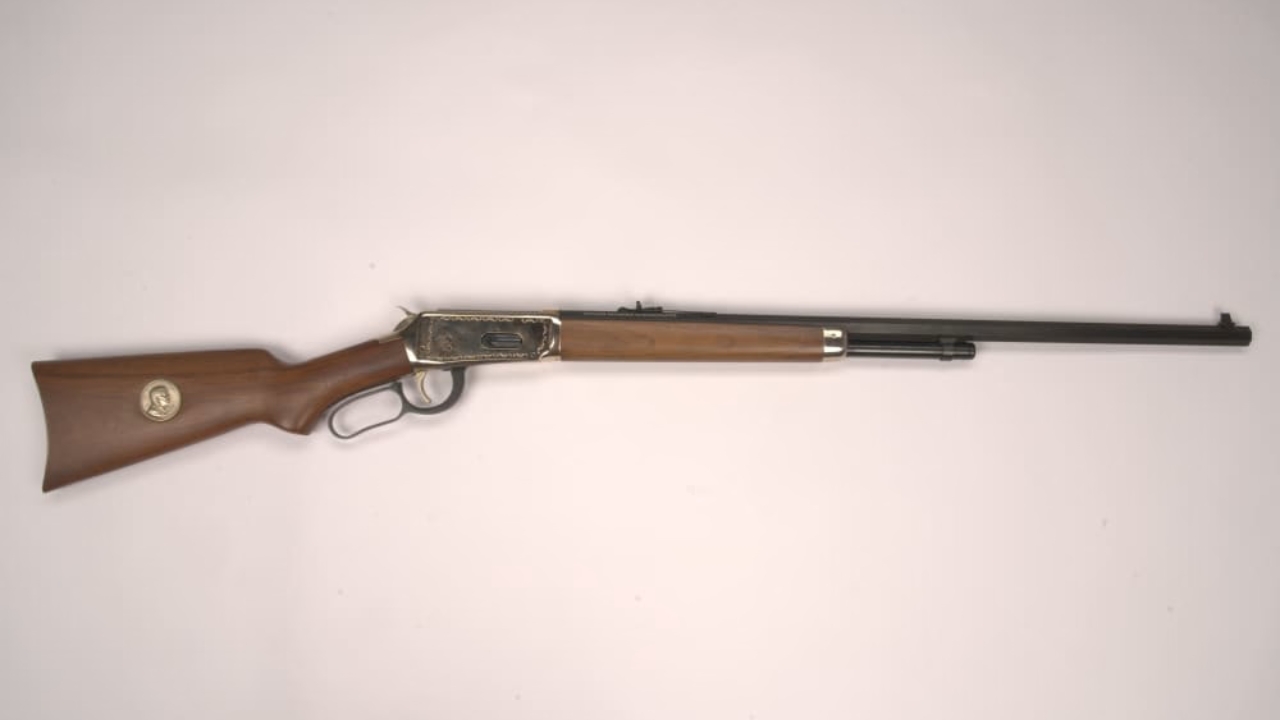
The funny thing about the Winchester 94 is that it gets wrapped in so much frontier and deer-camp nostalgia that people forget how forward-looking it was when it came out. It was introduced in 1894, designed by Browning, and built for the shift into smokeless-powder performance. That is not old-fashioned thinking. That was Winchester positioning itself for the future.
That is probably why the rifle lasted the way it did. The 94 looked classic, handled like a classic, and eventually became a classic, but it was not born outdated. It was born right on time for a major transition in rifle design. That mix of old-school feel and smart engineering is a huge reason the Winchester 94 still carries so much respect.
Like The Avid Outdoorsman’s content? Subscribe to our newsletter so you never miss an article.
Here’s more from us: