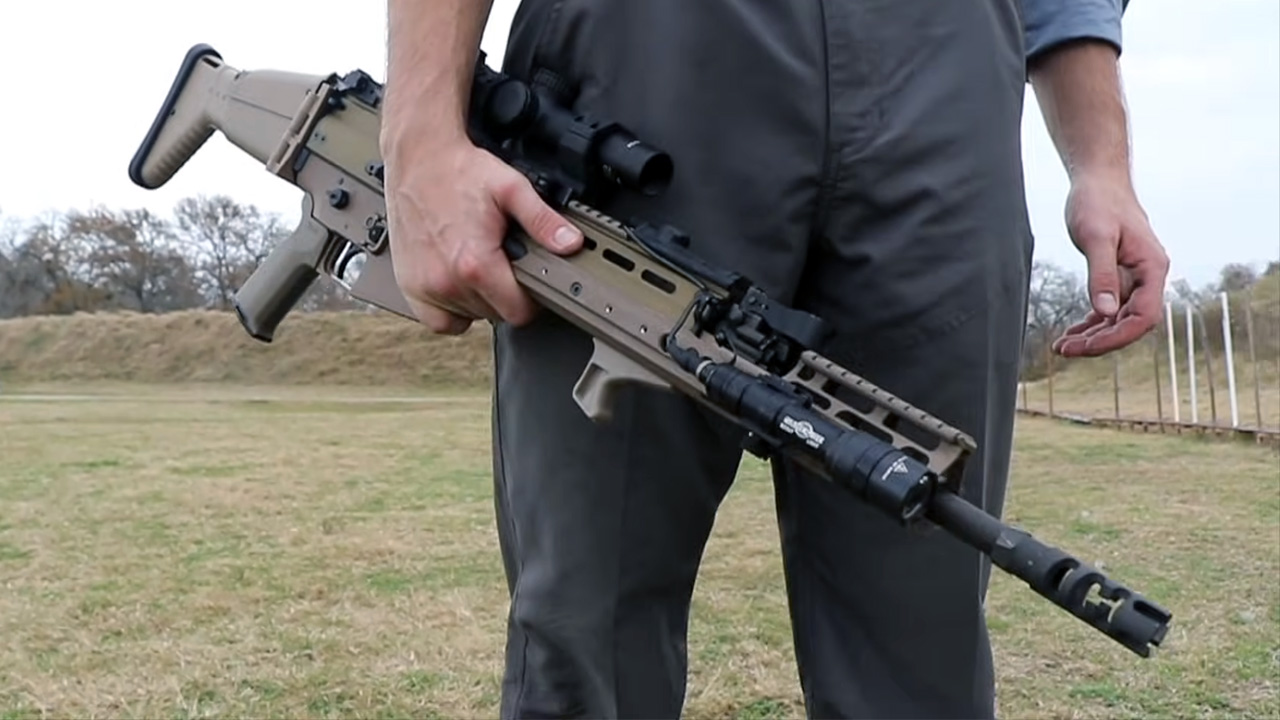
Photo credit: SUNDAY GUNDAY/YouTube
The FN SCAR 17 is one of those rifles that built a serious reputation fast, but a lot of shooters still only know the broad outline. They know it is the 7.62 side of the SCAR family. They know it has military roots. They know it is expensive, distinctive, and carries a lot of weight in the modern rifle conversation. What many people do not realize is how much of the SCAR 17 story is tied to SOCOM requirements, ongoing FN updates, and a design that kept evolving instead of staying frozen in its original form. FN says the SCAR platform has been around since 2008 and that the current commercial series now includes more than 25 upgrades for the U.S. market.
That matters because the SCAR 17 is not just “a cool .308 battle rifle.” It is one of the more recognizable examples of a military-driven platform crossing into the commercial world while still keeping a lot of its original identity. FN’s current SCAR 17S is offered in 7.62×51 mm and 6.5 Creedmoor, while the select-fire military side remains the Mk 17. That split between service roots and commercial refinement is a huge part of what makes the rifle interesting.
1. The SCAR 17 comes from the “Heavy” side of the SCAR family

A lot of shooters say “SCAR” like it is one single rifle, but the platform was split into major branches from the beginning. The SCAR-H, or “Heavy,” is the 7.62×51 mm version, and that is the rifle line the Mk 17 and civilian SCAR 17S come from. The lighter 5.56 version is the SCAR-L.
That split matters because the SCAR 17 was never supposed to be just a bigger version of some civilian sporting rifle. It was part of a modular family built around different mission roles. The 17 side was always the hard-hitting half of the concept, and that is still the lane it occupies today.
2. “SCAR” literally started as a SOCOM project

The name SCAR stands for Special Operations Forces Combat Assault Rifle. That is not a nickname shooters dreamed up later. The rifle family was developed in response to a USSOCOM requirement, and the program was built from the start around special-operations use rather than the general commercial market.
That origin story explains a lot about the gun’s look and layout. The folding stock, ambidextrous controls, modularity, and caliber-specific family structure were all part of a serious requirement, not just styling choices. The SCAR 17 feels purpose-built because it was.
3. The military Mk 17 outlived the Mk 16 in a big way

One of the most interesting SCAR program facts is that the 7.62 Mk 17 ended up being the more durable part of the original U.S. special-operations plan. American Rifleman notes that SOCOM approved the SCAR family for full-rate production in 2010, but the Mk 16 5.56 program was later curtailed while the Mk 17 remained in use.
That says a lot about where operators saw value. The 5.56 side had to justify itself against other rifles already in the system. The 7.62 side filled a more distinct role, which helped the Mk 17 carve out stronger staying power. For a lot of shooters, that is part of why the SCAR 17 has always felt like the more serious and more interesting civilian version too.
4. The civilian SCAR 17S is not some stripped-down budget clone
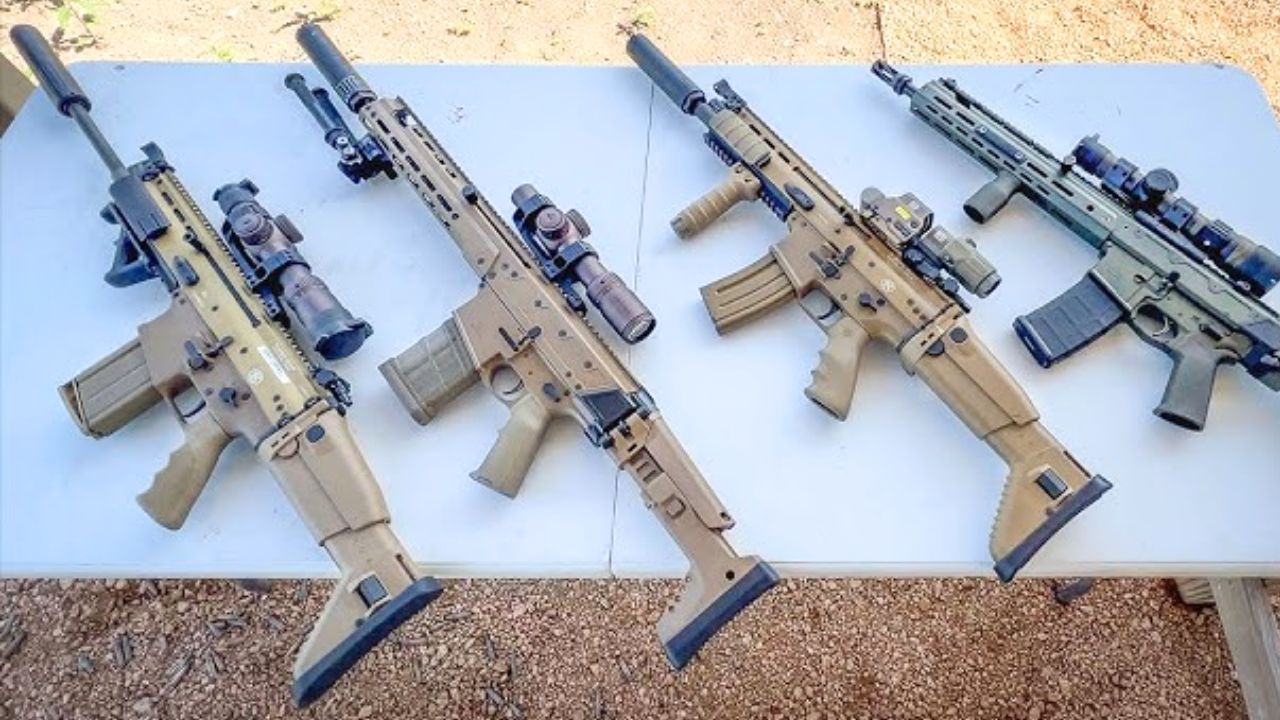
The SCAR 17S is FN’s commercial semiauto version of the military rifle, and FN still positions it as a premium platform rather than some watered-down imitation. The current product page lists features like a monolithic receiver, short-stroke gas piston system, hydraulically buffered bolt carrier, and suppressor compatibility.
That is a big reason the rifle carries the reputation it does. Plenty of military-looking rifles hit the commercial market with the vibe but not the substance. The SCAR 17S built its following partly because people saw it as a real-deal semiauto extension of a service platform, even if the price tag definitely reminds you of that.
5. The current SCAR 17S has more than 25 updates over earlier commercial versions

This is one of the easiest things to miss if you have not kept up with the line. FN says the current SCAR series has “25+ innovative upgrades” for the U.S. commercial market. That means the SCAR 17S sitting in FN’s catalog now is not just a static rerun of what shooters saw years ago.
That is important because the SCAR gets talked about like one unchanging rifle, but FN has clearly kept refining it. So when somebody compares “the SCAR 17” based on older impressions, there is a decent chance they are not talking about the exact same rifle FN is shipping today.
6. FN now offers the SCAR 17S in 6.5 Creedmoor too

A lot of shooters still think of the SCAR 17S as strictly a 7.62×51 rifle, but FN’s current product page lists both 7.62×51 mm and 6.5 Creedmoor for the SCAR 17S. FN also released a 6.5 Creedmoor-focused SCAR 17S DMR configuration in 2023.
That expands the rifle’s identity more than some people realize. The SCAR 17 name is still tied to the 7.62 battle-rifle image, but FN has pushed it further into precision-oriented territory too. That makes the platform broader than the usual “fighting rifle only” reputation suggests.
7. The SCAR 17S is lighter than many shooters expect for a 7.62 rifle

The current FN SCAR 17S is listed at 8.9 pounds on FN’s product page. Older NRCH listings put earlier versions at 8.0 pounds. Either way, the rifle sits in a range that helped it stand out in the 7.62 semiauto space, where weight can climb fast.
That lighter feel is a big part of the rifle’s appeal. Shooters who want .308-class performance without dragging around a full-on heavy precision gun tend to notice that right away. It is one reason the SCAR 17 stayed so attractive for field use and general-purpose use instead of living only as a bench or prone rifle.
8. The charging-handle story changed over time
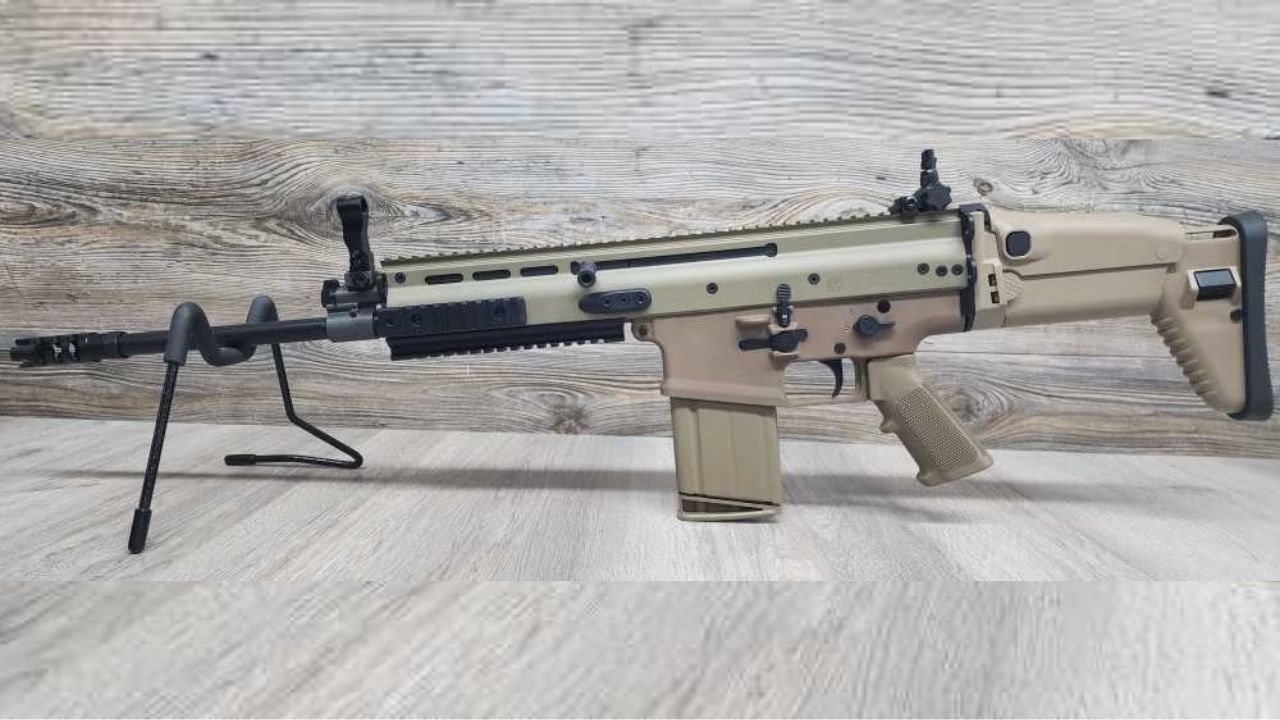
Older SCAR rifles became famous, or infamous depending on who you ask, for a reciprocating charging handle. FN later introduced NRCH, or non-reciprocating charging handle, versions for the commercial line. FN’s discontinued SCAR 17S NRCH page specifically highlights the new bolt carrier assembly with NRCH, and the current SCAR page points to additional upgrades in the latest series.
That is a bigger deal than it sounds. The charging handle was one of the most discussed SCAR characteristics for years. So when FN changed that setup, it was not some tiny background tweak. It was one of the clearest examples of the company responding to how the rifle was actually being used and discussed.
9. It uses a short-stroke gas piston, not direct impingement
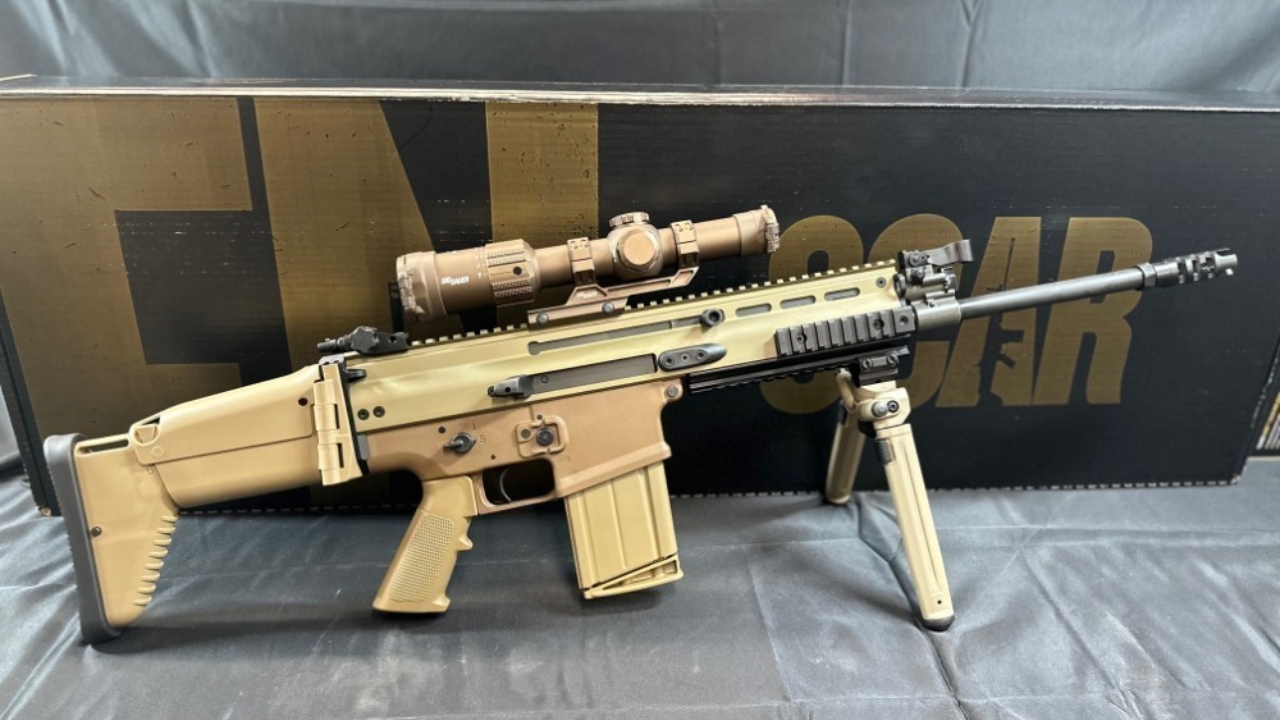
FN lists the SCAR 17S as a short-stroke gas-piston rifle, and that operating system has always been part of the platform’s identity. The SCAR was built around piston operation for reliability and reduced fouling, especially in demanding use.
That helps explain why the SCAR 17 feels like its own category to a lot of shooters. It is not just another AR-10 pattern rifle with different branding. The operating system, receiver layout, and overall feel are distinct enough that most people who shoot one notice it immediately.
10. FN emphasizes the hydraulically buffered bolt carrier as a signature feature
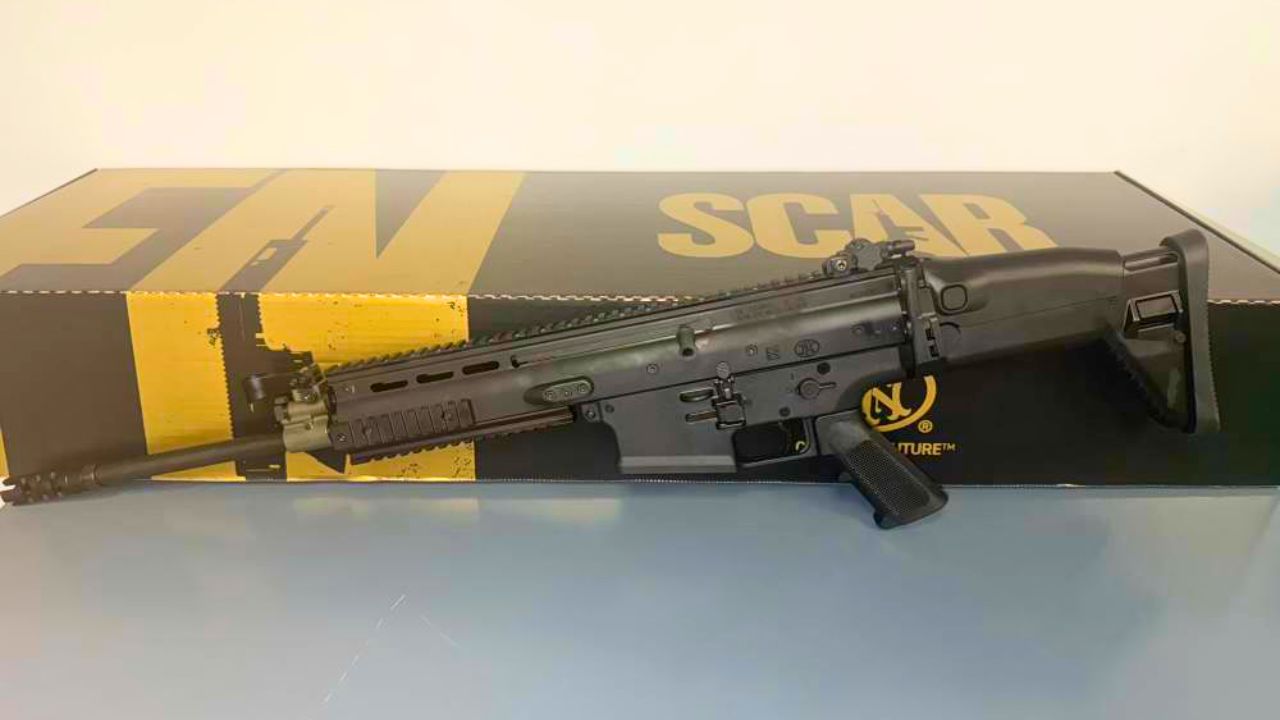
One of FN’s major talking points on the current SCAR 17S is the hydraulically buffered, two-piece bolt carrier, which FN says reduces felt recoil and helps with faster follow-up shots. That is one of the more unusual features on the rifle and one FN clearly sees as central to the platform.
That feature matters because the SCAR 17’s reputation has always leaned partly on being a relatively manageable 7.62 rifle for its size and weight. FN is not treating recoil reduction as a side note here. It is part of how the rifle is sold and understood.
11. The SCAR 17 was built around modular barrels from the start on the military side
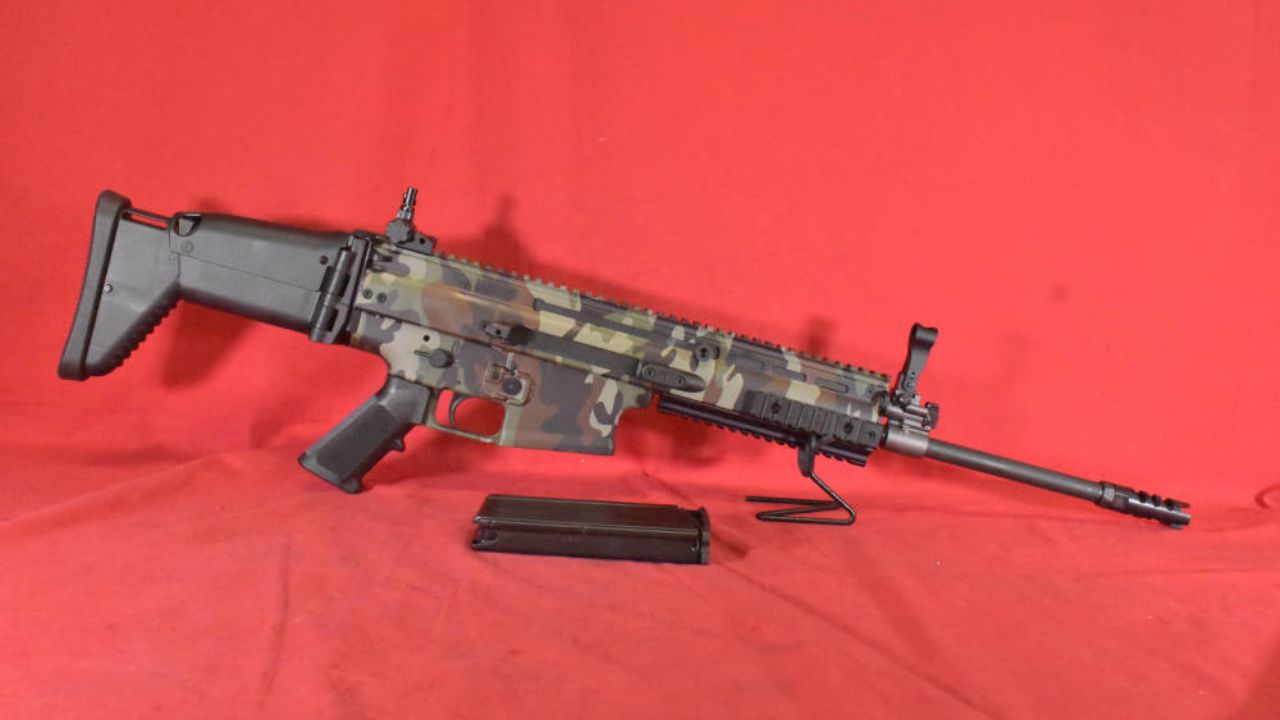
FN’s law-enforcement page for the SCAR 17 says the system features three user-interchangeable, free-floating cold hammer-forged barrels with chrome-lined bore. That reflects the modular mission concept behind the original platform.
That modularity is one of the rifle’s defining ideas, even if the average civilian owner is not regularly swapping barrels like a unit armorer. The SCAR was designed to adapt, and that design philosophy is part of what keeps it interesting even years after launch.
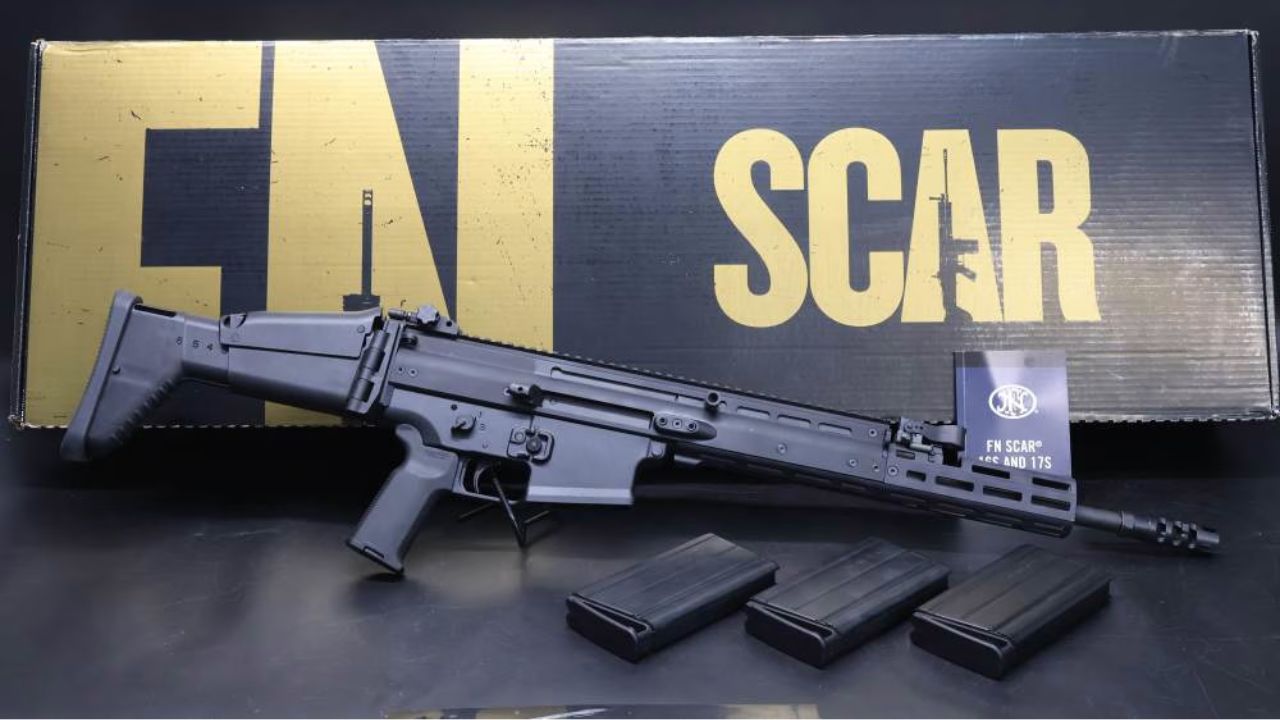
12. It uses proprietary 20-round magazines in 7.62 NATO
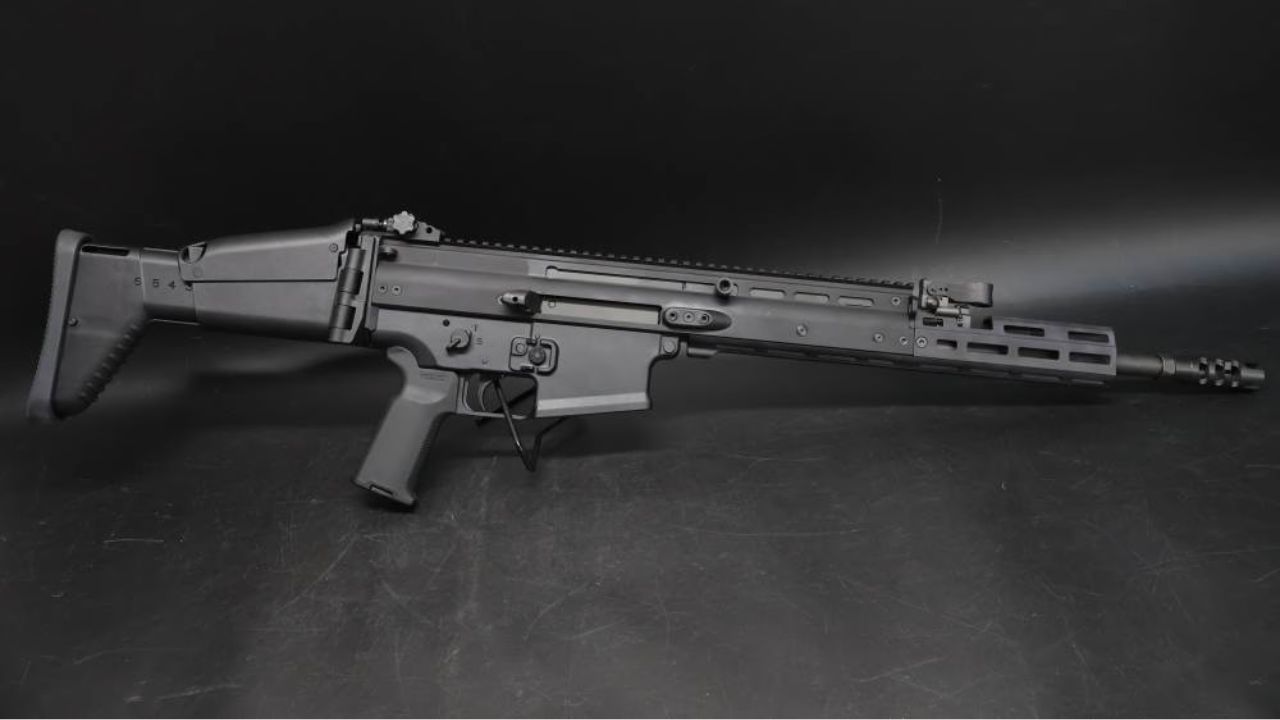
The SCAR-H / Mk 17 side of the family uses proprietary 20-round magazines for 7.62×51 mm rather than standard SR-25/AR-10 pattern mags, according to reference histories. That is one of those details new buyers sometimes discover later than they would like.
That magazine choice has always been part of the SCAR 17 ownership conversation. The rifle offers a lot, but it also asks you to buy into its own ecosystem a little more than some competing .308 semiautos do. That is not necessarily a dealbreaker, but it is definitely part of the SCAR 17 experience.
13. FN is openly marketing it as suppressor-compatible now
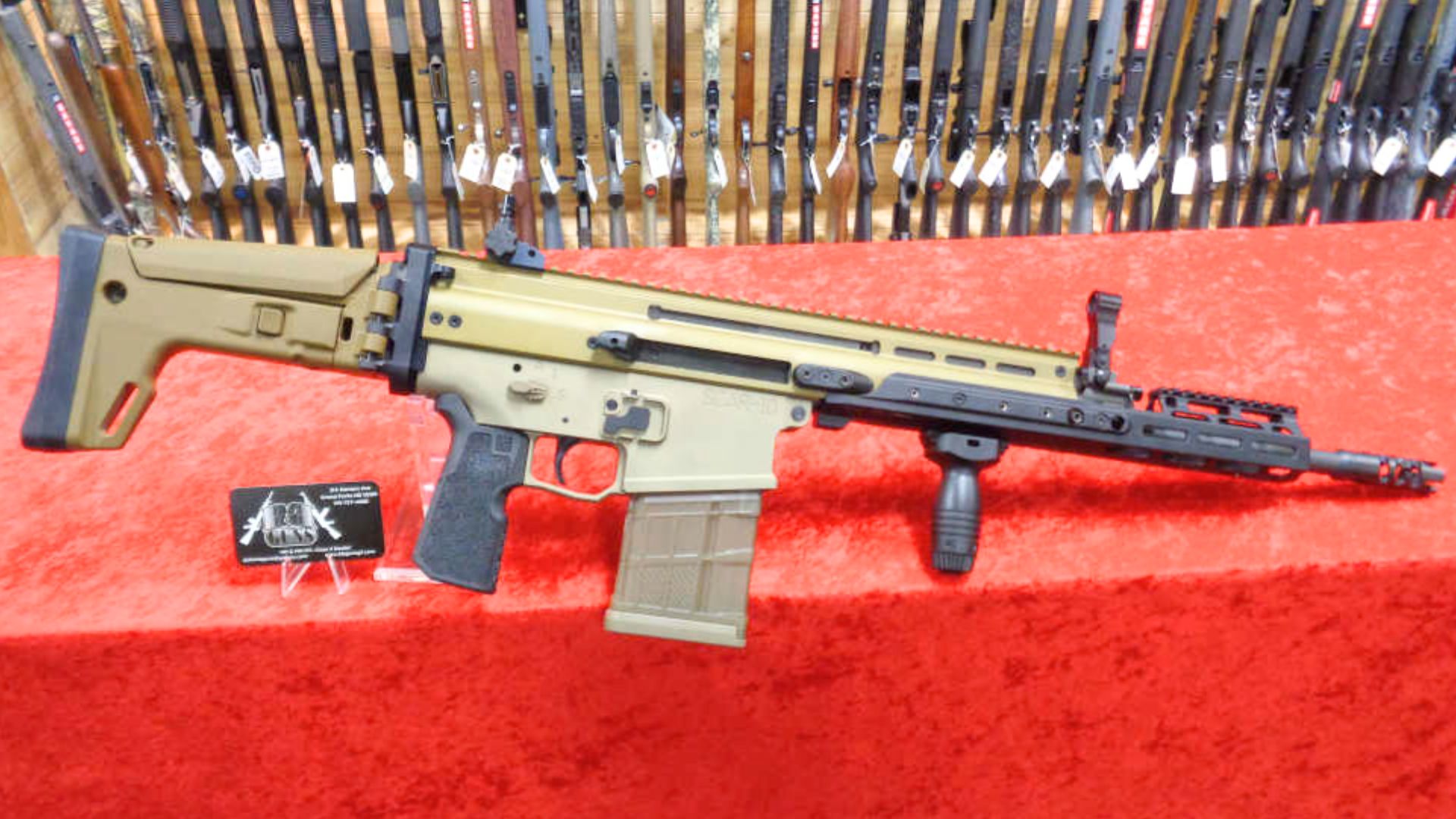
The current FN SCAR 17S page specifically says the rifle is suppressor-compatible with low-backpressure, forward-venting suppressors such as the FN QD762. FN’s homepage also highlights forward-venting suppressor compatibility as one of the updated SCAR series features.
That matters because suppressed use is no longer some niche side topic for modern rifle buyers. FN is clearly treating it as part of the rifle’s expected role. That tells you something about where the SCAR line sits in 2026 versus where many shooters first encountered it years ago.
14. FN says the latest SCAR series is tested to 16,000 rounds
On FN’s homepage, the company says the new SCAR series is tested to 16,000 rounds. That is one of the clearest durability-focused claims FN is making around the current generation.
That kind of number feeds directly into why the SCAR 17 keeps its status. People are not paying SCAR money for vibes alone. A big part of the rifle’s draw is the expectation that it is built to take serious use and still hold up like a premium fighting rifle should.
15. The SCAR 17’s biggest legacy may be that it stayed relevant while a lot of “cool rifles” faded
The SCAR 17 could have easily ended up as one of those rifles that got famous from military buzz, forum hype, and video-game recognition and then slowly drifted out of relevance. That did not happen. FN is still actively updating the commercial platform, still expanding caliber options, and still leaning on the SCAR name as one of its flagship rifle lines in 2026.
That is probably the most interesting fact about the SCAR 17. It was never just a momentary flex rifle. It turned into a durable, premium category piece with real staying power. Plenty of guns become famous. Fewer stay important. The SCAR 17 managed to do both.
Like The Avid Outdoorsman’s content? Subscribe to our newsletter so you never miss an article.
Here’s more from us: