Photo credit: SPN Firearms/YouTube
Kimber is one of those brands that gets people talking before the gun ever comes out of the case. Some buyers hear the name and think custom-shop quality, tight fit, good looks, and a 1911 that feels a step above the ordinary rack guns. Other shooters roll their eyes because they have seen enough picky pistols, break-in excuses, and pretty finishes hiding real compromises.
The truth is not as clean as either side wants it to be. Kimber has made some handsome, accurate, enjoyable pistols. It has also built a reputation that buyers need to understand before spending serious money. If you are looking at one because the ads, the looks, or the name have you interested, these are the things worth knowing first.
Tight Fit Does Not Always Mean Better Reliability
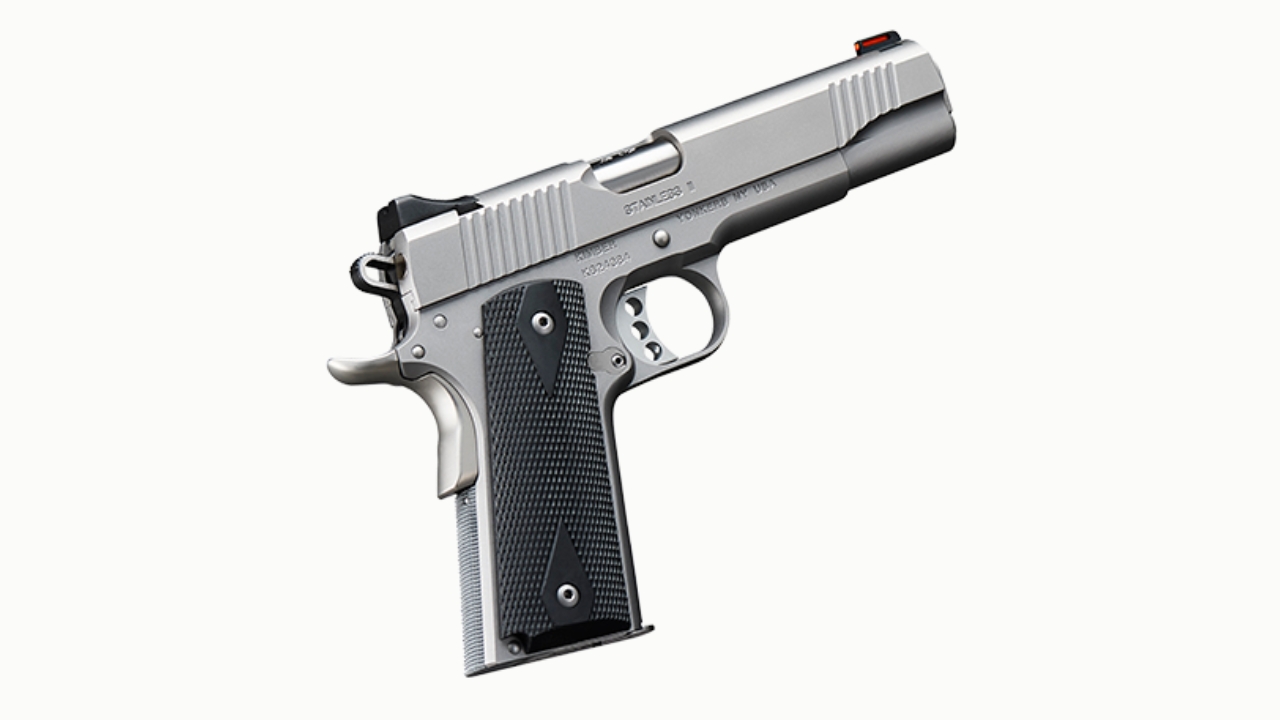
Kimber pistols often feel tight when you rack the slide, and that can impress a buyer at the counter. Tight fit makes a gun feel expensive, especially if you are comparing it with looser service pistols that do not feel as refined in the hand.
But tight can also mean less forgiving. A defensive pistol has to run when it is dirty, dry, hot, or fed different ammo. A close-fit 1911 may shoot well, but it can also be less tolerant of weak magazines, poor lubrication, rough break-in, or ammo it does not like. Pretty slide-to-frame fit does not matter much if the gun starts choking during basic drills.
The Break-In Period Is Not Just Marketing Talk

Kimber has long been associated with the idea that some pistols need a break-in period before they run their best. Some buyers accept that. Others see it as an excuse for a gun that should have worked right from the first magazine.
A little smoothing out is normal with many 1911s, but you should not ignore real malfunctions just because someone says “keep shooting it.” If a Kimber has feeding, extraction, or return-to-battery problems, track them carefully. Use good magazines, proper lubrication, and quality ammo, but do not let the break-in idea talk you out of judging the gun honestly.
Magazines Matter More Than New Buyers Realize
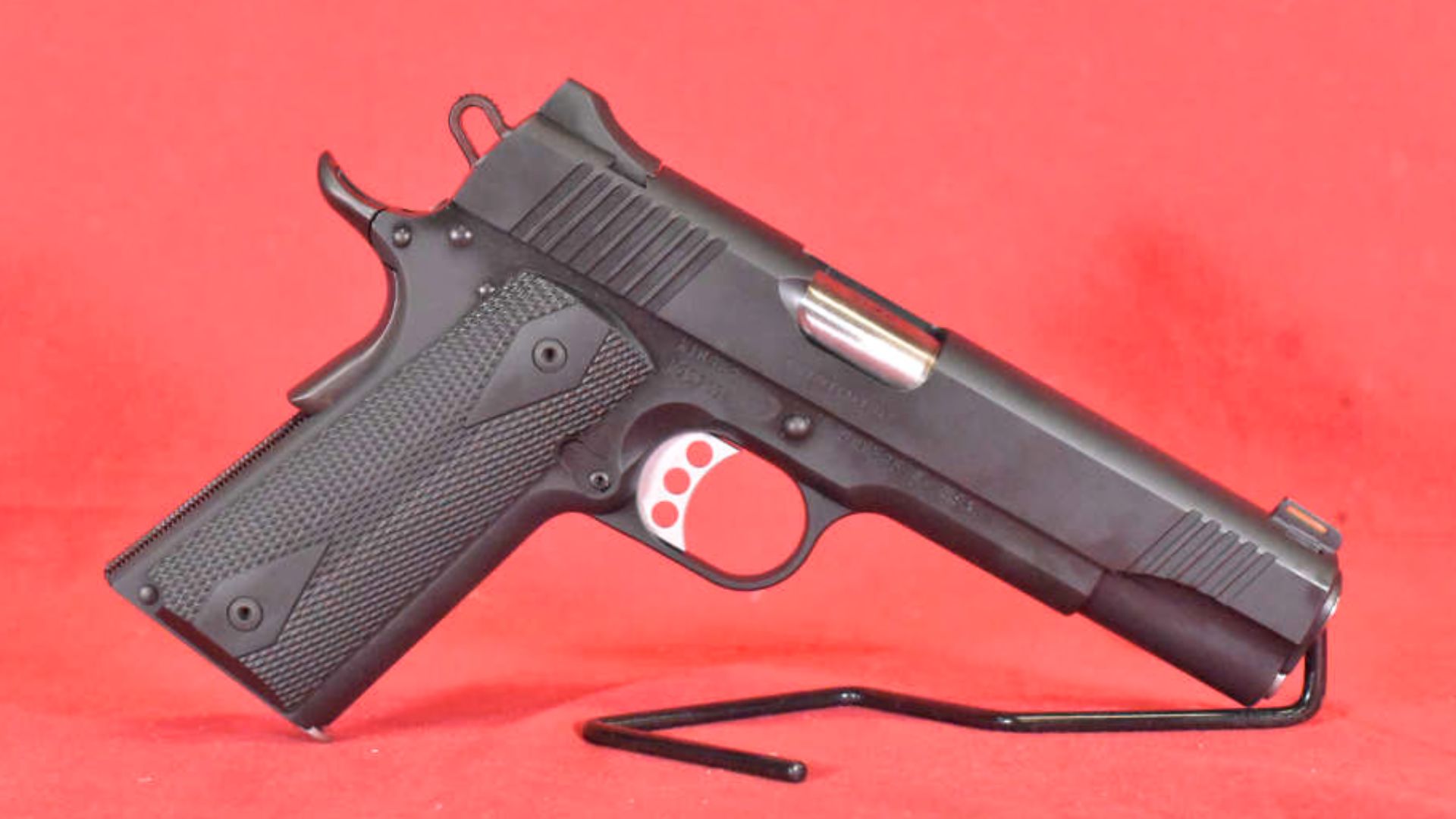
A lot of 1911 issues start with magazines, and Kimber pistols are no exception. New buyers sometimes blame the whole gun when the real problem is a weak magazine spring, rough feed lips, or a magazine design the pistol simply does not like.
That does not mean the gun gets a free pass. A carry pistol should not be fragile about basic feeding. But if you buy a Kimber, you should plan on testing it with proven magazines from the start. Wilson Combat, Tripp, Chip McCormick, and other quality 1911 magazines often make a real difference. The factory magazine may be fine, but it should not be the only one you trust.
Pretty Finishes Can Hide Practical Tradeoffs
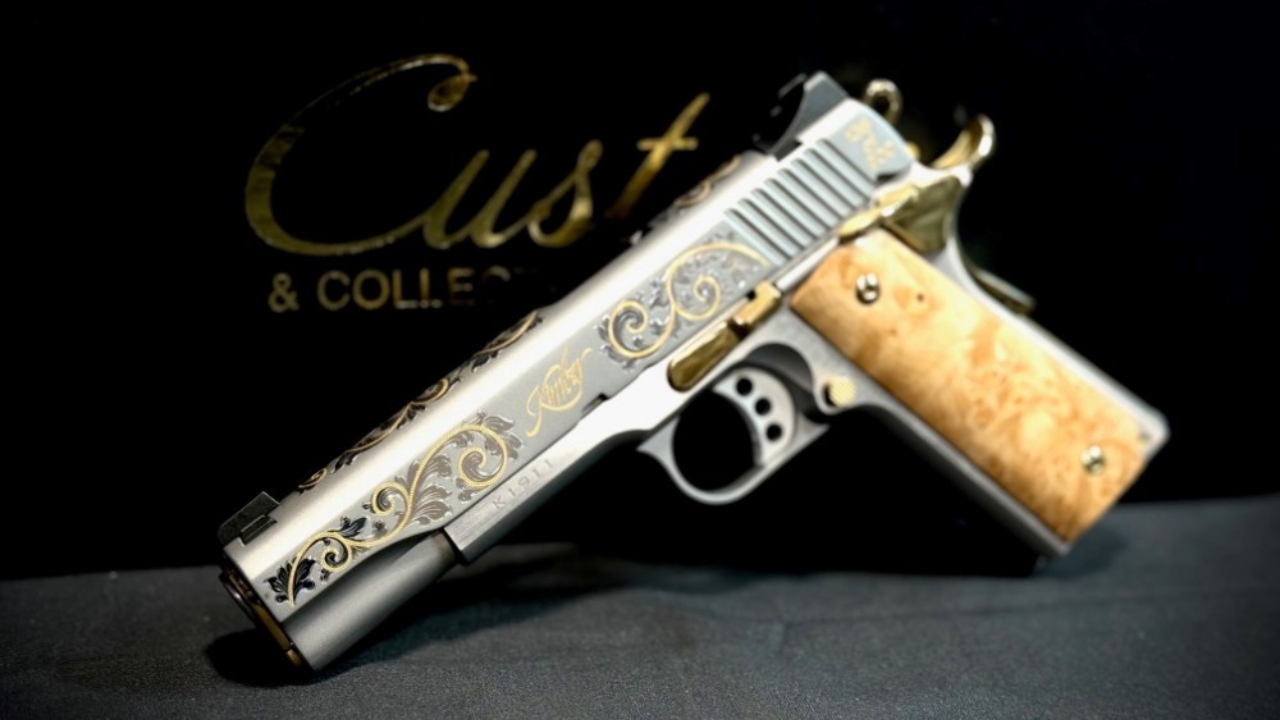
Kimber knows how to make a pistol look good. Stainless slides, two-tone finishes, checkering, wood grips, and clean roll marks all help sell the gun before you ever fire it. That is part of the appeal.
The problem is that a carry or range gun has to live outside the display case. Some finishes wear faster than buyers expect, and sharp edges can become more noticeable after holster time. A gun can look like a premium purchase and still need dehorning, different grips, better sights, or more testing before it feels ready. Looks are nice. They are not a substitute for field confidence.
The Trigger May Feel Great, But That Is Not Everything

One reason Kimber sells is the trigger. A decent 1911 trigger can make a lot of striker-fired pistols feel rough by comparison, and Kimber often gives buyers that crisp 1911 feel right away.
That trigger can make the pistol seem better than it really is during a short range session. Accuracy from a bench or slow fire does not tell you everything about reliability, extraction, reloads, recoil control, or how the gun behaves when dirty. A good trigger is a major advantage, but it should not distract you from the rest of the pistol. A carry gun has to be more than pleasant at seven yards.
Kimber’s Small Pistols Can Be Less Forgiving
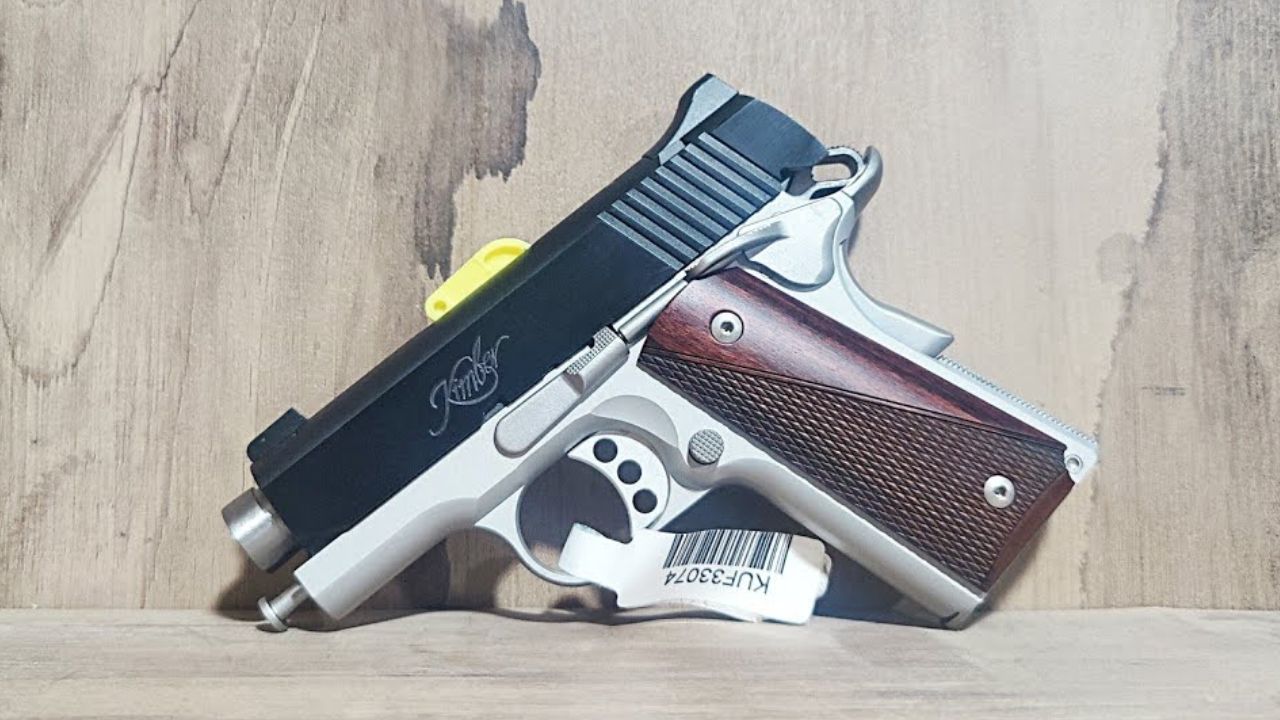
Compact 1911-style pistols look great on paper because they promise the feel of a 1911 in a carry-friendly size. Kimber has sold plenty of small pistols to buyers who wanted exactly that.
The shorter you make a 1911, the less forgiving the system can become. Timing, recoil spring life, magazine design, extractor tension, and ammo choice all become more important. A full-size Government Model has more room to behave. A short Kimber may carry easier, but it can also demand more attention. If you want a compact Kimber for defense, test it harder than you think you need to.
Not Every Kimber Is a Custom Gun

The word “custom” gets thrown around a lot in the 1911 world. Kimber has used model names and features that make some buyers feel like they are getting something close to a hand-built pistol. That assumption can cause disappointment.
Most Kimber pistols are production guns with upgraded features, not true custom builds fitted one at a time by a master pistolsmith. That does not make them bad. It just means you should judge them like production guns. Look closely at extractor tension, barrel fit, safety feel, feed ramp condition, slide stop engagement, and overall function. The name on the slide does not replace inspection.
Price Does Not Always Match Long-Term Trust
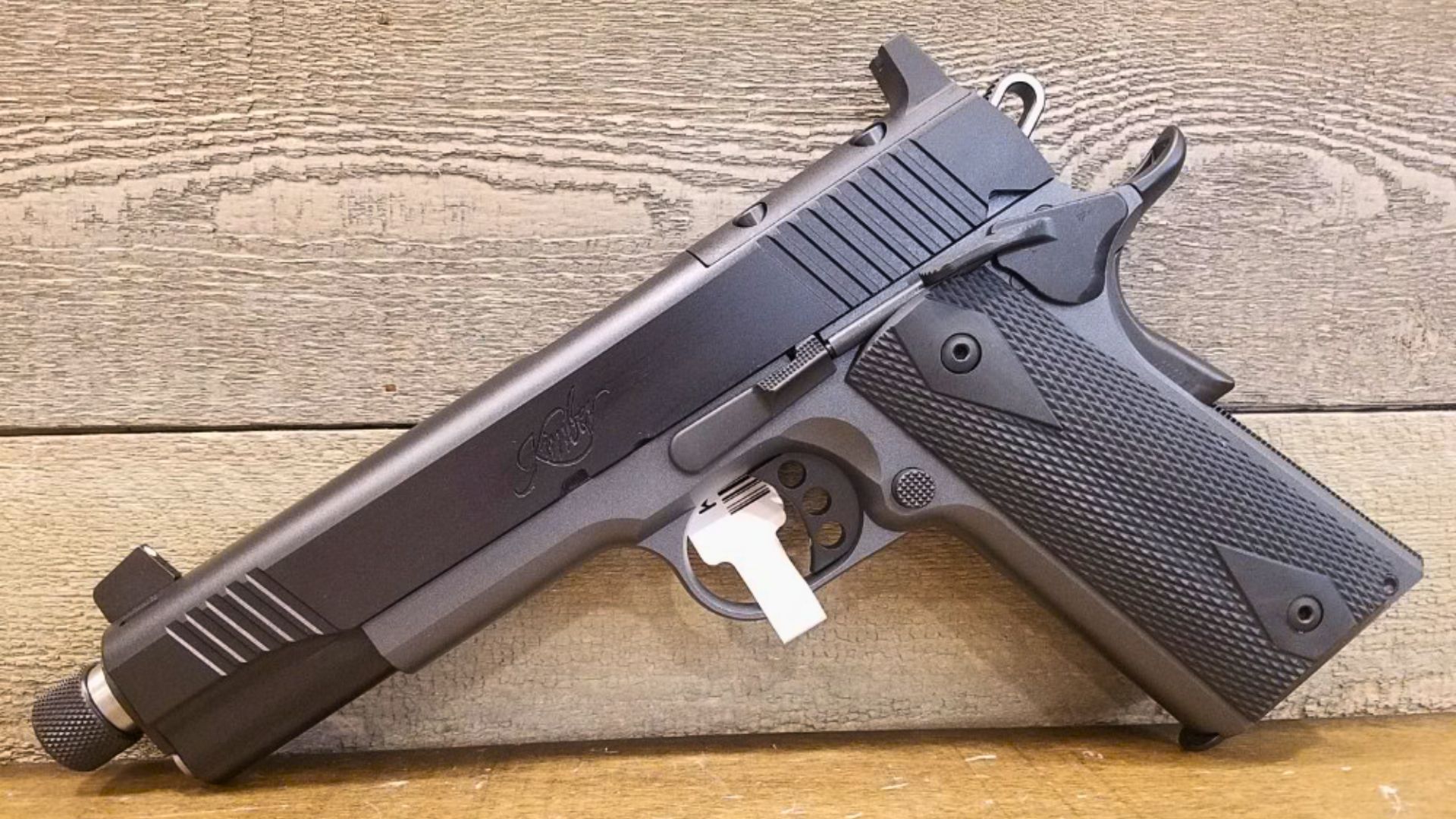
Kimber pistols often sit in a price range where buyers expect a lot. Once you spend that kind of money, you naturally want the gun to feel special. Sometimes it does. Sometimes you realize you paid for styling, features, and brand image more than hard-use confidence.
That is where long-term trust matters. A less expensive pistol that runs perfectly may be a smarter defensive choice than a better-looking Kimber that needs constant attention. If the Kimber is for range use, pride of ownership may matter more. If it is for carry, reliability should be ruthless. The price tag does not make a pistol trustworthy. Round count does.
The Solo Should Make Buyers Cautious

The Kimber Solo is a good reminder that a stylish gun from a respected company can still miss the mark. It looked sleek, felt premium, and promised a refined small 9mm carry option at a time when that market was exploding.
Its reputation never matched the looks. Many shooters found it picky, ammunition-sensitive, and less confidence-inspiring than simpler carry pistols. The Solo does not define every Kimber, but it does show why buyers should be careful with hype. A gun can look expensive, photograph well, and still be the wrong answer once you start relying on it.
Kimber Revolvers Are Their Own Conversation

The Kimber K6s earned attention because it brought six-shot capacity, good sights, and a smooth trigger into a compact revolver. That is a strong pitch, and many shooters genuinely like the gun.
But buyers should not assume every Kimber product carries the same strengths or weaknesses. A K6s is not a 1911, and it should be judged by revolver standards: timing, lockup, trigger consistency, extraction, sight regulation, and how it handles real carry loads. It may be one of Kimber’s better modern ideas, but the name alone still does not do the work. The individual gun matters.
Customer Service Experiences Can Vary

Kimber buyers talk a lot about customer service, and the stories are not all the same. Some owners report smooth warranty help and guns that came back running correctly. Others complain about slow responses, repeat problems, or being told the pistol needed more break-in.
That matters because a premium-feeling gun can still need support. Before buying, it helps to understand that warranty experience is part of ownership. Keep records, document malfunctions clearly, and do not rely on vague complaints if you need service. A company’s reputation is not just about the gun leaving the factory. It is also about what happens when that gun does not perform.
Used Kimbers Need Careful Inspection
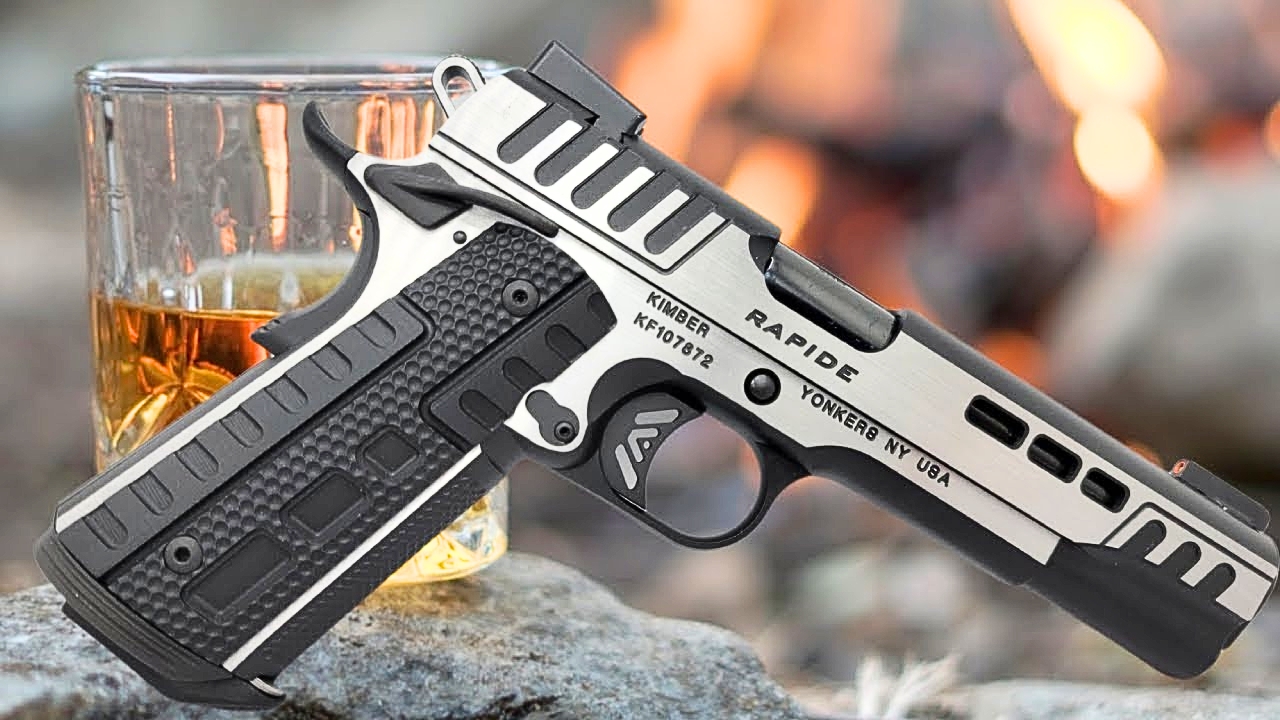
A used Kimber can look like a great deal, especially if it has the finish, sights, and grips you wanted anyway. The trouble is that some used pistols are being sold for a reason. You need to know whether you are buying someone’s safe queen or someone’s headache.
Look for uneven wear, questionable home gunsmithing, damaged feed ramps, extractor problems, loose sights, sloppy safeties, and signs the owner tried to “fix” reliability issues with random parts. A lightly used Kimber can be a smart buy. A problem Kimber can become an expensive lesson fast. With used 1911s, the story behind the gun matters almost as much as the price.
Ammo Choice Can Decide How Happy You Are
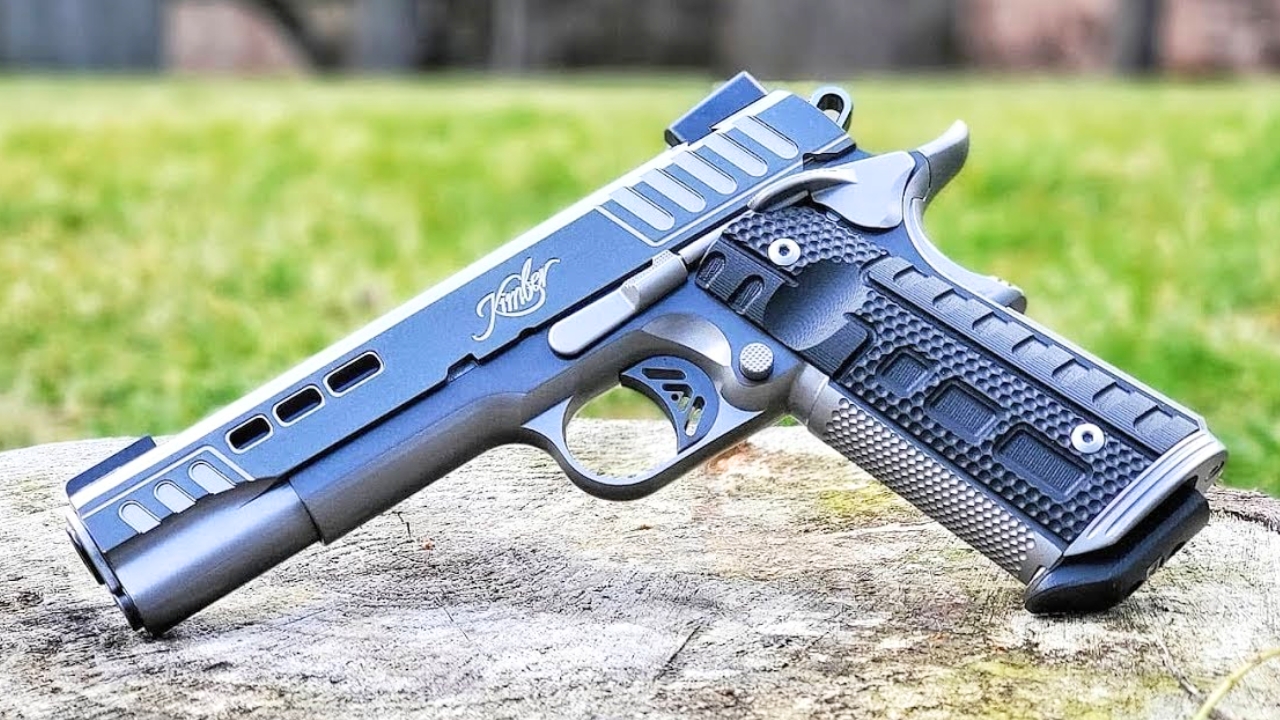
Some Kimber pistols run well with a wide range of ammunition. Others seem to have strong preferences, especially in shorter 1911 patterns or tighter guns. That is not unusual in the 1911 world, but it surprises buyers coming from modern service pistols.
You should test ball ammo, your chosen defensive load, and the magazines you actually plan to use. Do not assume one clean box of range ammo proves everything. Pay attention to feeding angle, extraction, ejection pattern, and whether the slide locks back consistently. If a gun only runs with one load under perfect conditions, that may be fine for a range pistol. It is a problem for carry.
Kimber’s Reputation Is Partly Earned and Partly Inflated
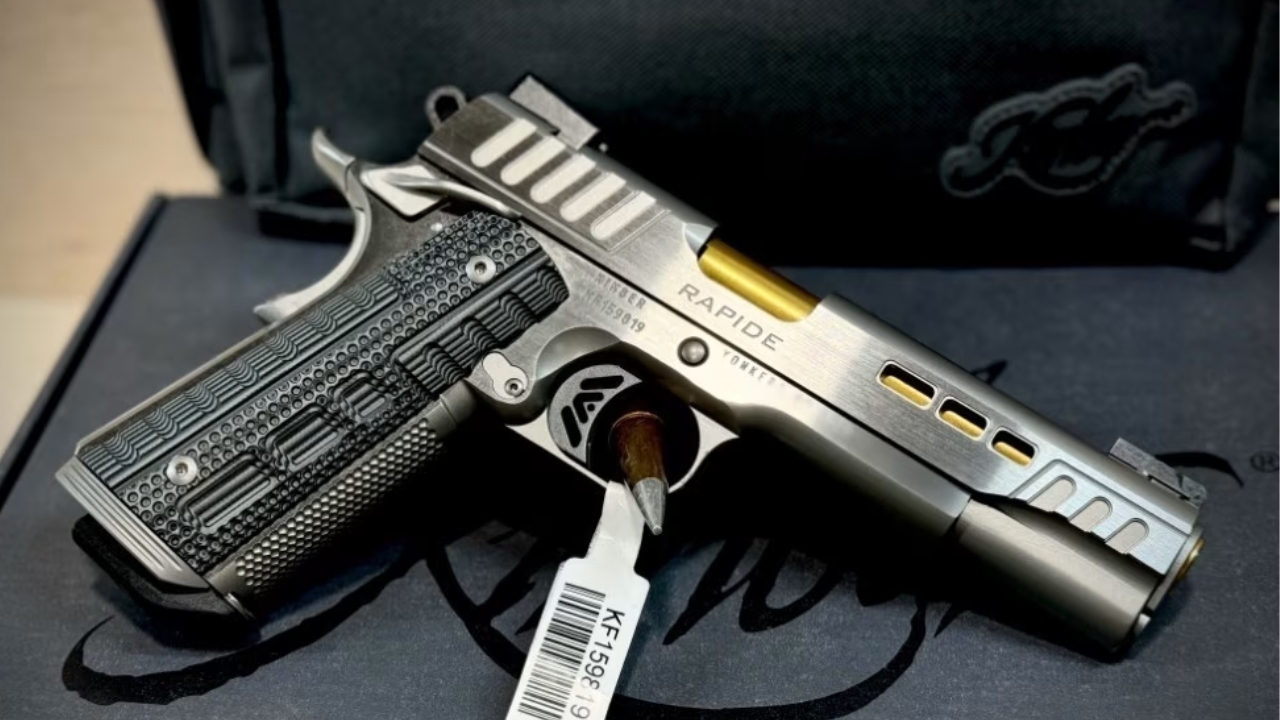
Kimber got popular because it gave buyers attractive 1911s with features that used to require custom work. That was a big deal. Better sights, checkering, beavertail grip safeties, nicer triggers, and sharp looks all helped Kimber stand out.
Over time, though, the reputation got bigger than the reality for some buyers. A Kimber can be a very nice pistol, but it is not automatically better than every Colt, Springfield Armory, Dan Wesson, Smith & Wesson, Ruger, or SIG 1911. The hype gets dangerous when it makes people stop comparing. Buy the gun in front of you, not the idea of the brand.
A Good Kimber Can Still Be Worth Owning
None of this means Kimber should be written off. A good Kimber 1911 can be accurate, good-looking, enjoyable to shoot, and easy to appreciate. Plenty of owners have put years of use on theirs without major problems, and that experience counts too.
The smarter move is going in with clear eyes. Do not buy one because the name sounds custom. Do not ignore malfunctions because it looks expensive. Do not assume every criticism is brand hate either. Test the pistol, use good magazines, keep it lubricated, and judge it by performance. When a Kimber is right, it can be a very satisfying handgun.
Like The Avid Outdoorsman’s content? Subscribe to our newsletter so you never miss an article.
Here’s more from us: