Photo credit: TOPS Knives
A pack knife has to earn its spot. It needs to ride comfortably, do real work, and stay predictable when your hands are cold, wet, or tired. The problem with a lot of “tactical” knives is they’re built to look tough in product photos, not to handle camp chores, food prep, or careful field work. You end up hauling extra weight, extra bulk, and extra sharp corners that don’t help you split kindling, trim cordage, or slice up a summer sausage without fighting the blade.
This isn’t a knock on hard-use knives. Plenty of purpose-built blades are great outdoors. These are the specific “tactical” models that often end up in packs because they look cool, then get ignored because they’re awkward, heavy, or simply shaped for the wrong job.
KA-BAR USMC Fighting Knife (1217)

The classic KA-BAR is iconic for a reason, but “fighting knife” is the key phrase. In a pack, the length and guard can feel clumsy when you’re doing normal tasks like carving tent stakes, trimming cord, or slicing food on a flat rock. It works, but it rarely feels natural.
The grind and geometry aren’t aimed at clean slicing. You can baton it in a pinch, but the overall design is more about durability and thrusting than controlled, efficient cutting. The leather handle also isn’t my first choice for wet-weather trips if you’re hard on gear. If you want one knife in the pack to do most chores, a smaller fixed blade with a simpler handle and better slicing profile usually beats the KA-BAR for real backcountry use.
SOG Seal Pup Elite

The Seal Pup Elite looks like a do-all field knife, but it often disappoints as a pack workhorse. The partially serrated edge and thick stock make it less friendly for food prep and fine carving than you’d expect. It’ll cut, but it doesn’t glide through material the way a good camp knife should.
The biggest issue is that it encourages “tactical thinking” instead of practical thinking. You’re carrying a blade designed around combat-style features when your day is mostly cordage, kindling, and general camp tasks. The handle is comfortable, and it’s not a weak knife, but the edge profile and overall geometry don’t give you that easy, efficient slicing that makes a pack knife feel dependable. You can do better with a simpler, more outdoors-focused fixed blade.
Gerber LMF II Infantry
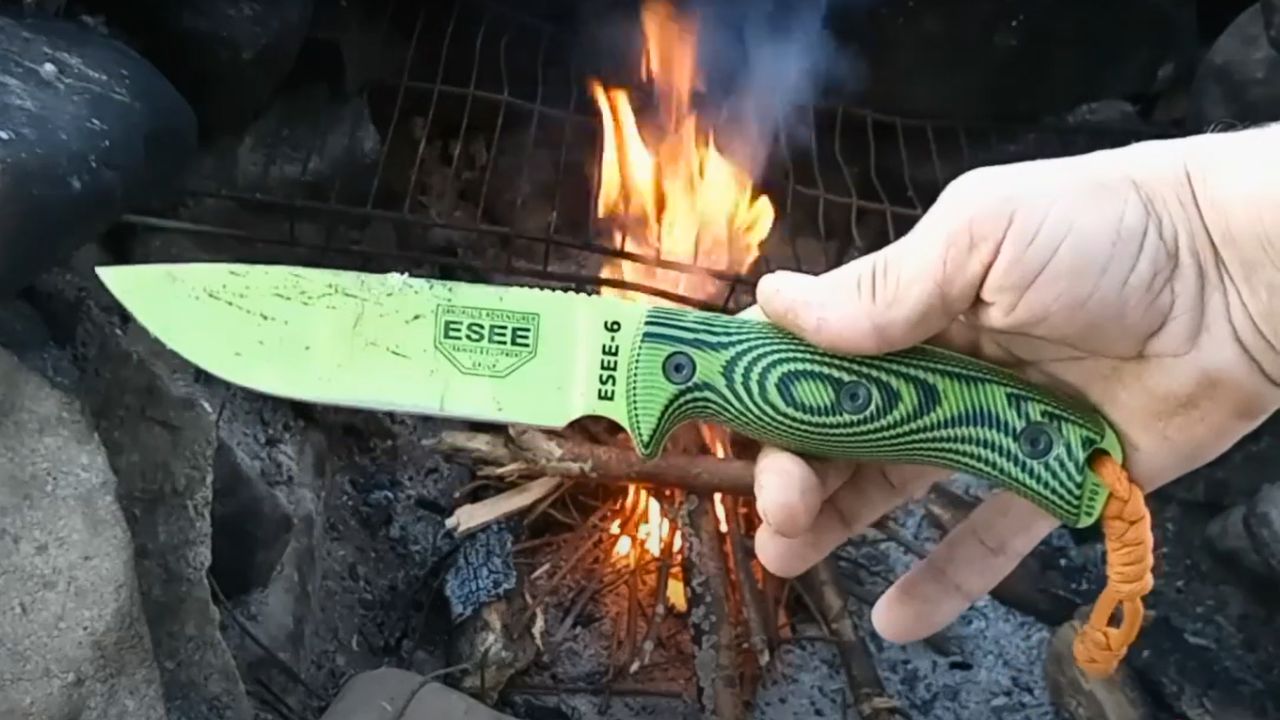
The LMF II was built with a survival/tactical brief, and you feel that in the bulk. It’s heavy, it’s thick, and it takes up space that could be used for actual survival gear—water, insulation, calories. The sheath system also adds size without adding much real field value.
The blade can handle abuse, but it doesn’t reward normal knife work. Thick stock and a wedge-y grind make it more of a splitter and pry tool than a clean cutter. That sounds appealing until you realize a knife isn’t a pry bar, and the chores you do most in camp are slicing chores. If you’re packing one knife and you want it to feel efficient, the LMF II often ends up being the knife you brought “just in case” while a smaller blade does the real cutting.
Gerber StrongArm

The StrongArm is popular, and it’s solid for what it is, but it often doesn’t belong as your primary pack knife. A lot of versions come with a partial serration that’s more tactical flavor than practical advantage for camp tasks. It’s also thick enough that it can feel blunt on food and light carving.
Where it shines is hard-use utility on a belt, not daily pack chores where slicing matters. The sheath is well thought out, but it’s still another bulky system to carry. If you’re building a kit around a “one knife does everything” idea, the StrongArm can leave you wishing you had something slimmer with a cleaner edge and more bite. In the woods, efficiency beats attitude, and this one leans heavy on the vibe.
Cold Steel SRK (Survival Rescue Knife)

The SRK has a strong reputation, and it’s tough, but it’s also a knife that many people over-pack. It’s larger than it needs to be for most camp work, and its thickness can make it feel less precise than a smaller fixed blade when you’re doing close-in tasks.
The SRK is at its best when you’re asking it to take abuse—batoning, chopping light stuff, or rough utility. The problem is that a lot of folks don’t actually do those tasks with a knife very often, especially when they’ve got a small saw or hatchet. As a “tactical” pack choice, it tends to become redundant weight. If you want one knife to do normal chores well, a mid-size slicer usually beats the SRK in real use.
Cold Steel Recon Tanto
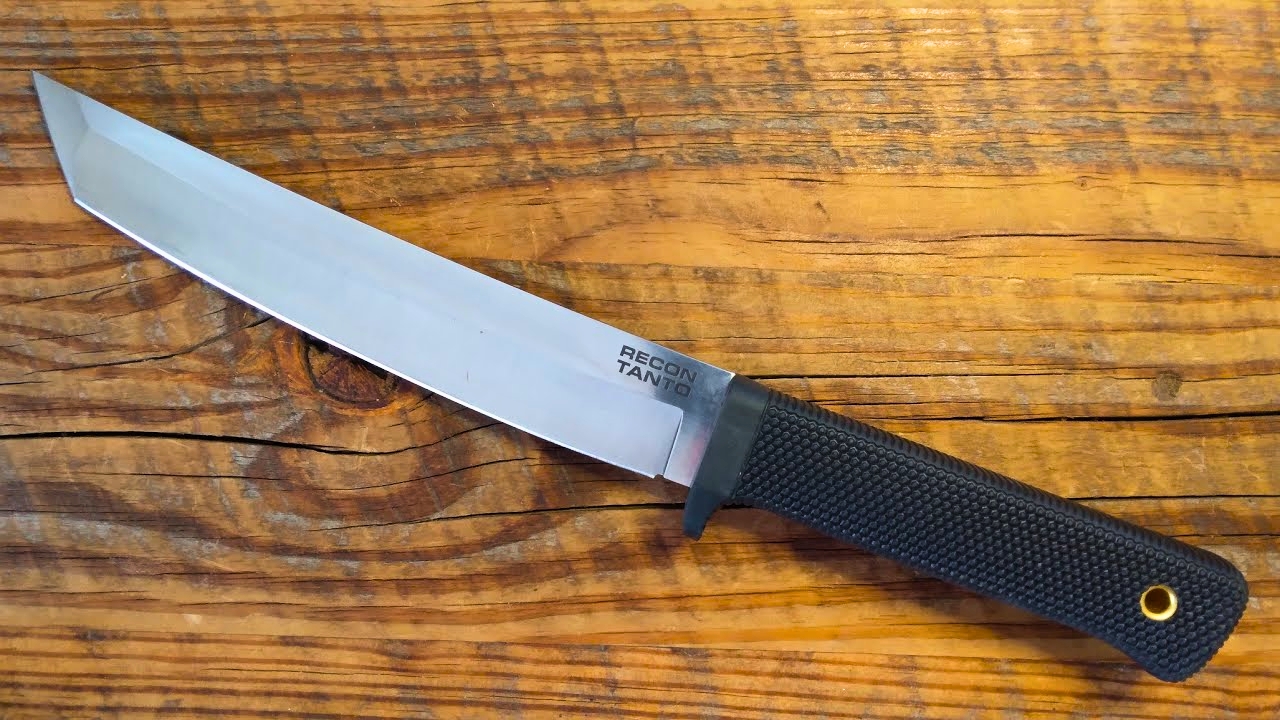
The Recon Tanto is built around a tough point and a shape that’s great for certain uses, but it’s not a natural pack knife. That tanto tip and the abrupt transition in the edge don’t help you with food prep, skinning-style tasks, or controlled carving. You can do it, but the blade shape fights you.
It’s also a knife that encourages the wrong kind of “work.” People see the beefy point and start using it like a pry tool or digging tool, and that’s how you end up with broken tips or damaged edges. In camp, you want a blade that guides good behavior—clean slicing, predictable control, easy sharpening. The Recon Tanto is durable and cool-looking, but its geometry is aimed at toughness first, not everyday outdoor efficiency.
Buck 119 Special

The Buck 119 is a classic, and it’s been carried for decades, but as a pack knife it can feel like a relic of a different era. The long blade and pronounced guard are not ideal for close work. That guard gets in the way when you choke up, and it can make detailed cutting feel awkward.
It’ll do field tasks, but it isn’t optimized for them. For food, it’s long. For carving, it’s long. For general camp chores, it’s longer than it needs to be. And while the 119 isn’t marketed as “tactical” the same way others are, it often gets chosen for that big-knife confidence factor. In a pack, confidence isn’t the goal—usable, efficient cutting is. A shorter drop point usually beats it.
Schrade SCHF9 “Extreme Survival”

The SCHF9 is one of those knives that sells itself on the idea that bigger and thicker equals better. In the pack, that turns into dead weight fast. It’s heavy, it’s bulky, and it’s not pleasant for the small tasks you actually do most often.
The edge geometry tends to be more splitter than slicer, which sounds fine until you’re trying to cut food, whittle, or do any kind of controlled work. The handle is comfortable enough, but the overall package is overbuilt for typical outdoors use. It’s the kind of knife that makes you feel prepared while you’re packing, then makes you feel annoyed when you’re carrying it. Most people end up wishing they brought something lighter and sharper in the cut.
CRKT M16 (larger tactical variants)

The M16 series has been around forever, and some variants are solid, but as a pack knife it’s often more sharp edges than utility. The aggressive handles and tactical profiles can chew up pockets, snag gear, and feel uncomfortable in hand when you’re doing real cutting for more than a minute.
A lot of M16 models also lean into partial serrations and blade shapes that look serious but don’t shine at food prep or controlled slicing. You can make it work, but it’s not a “settle in and do chores” folder. Outdoors, your folder should be comfortable and boring—in a good way. The M16 often feels like a knife designed for a different environment. In a pack, that tends to mean it gets carried more than it gets used.
Smith & Wesson Extreme Ops (CK series)
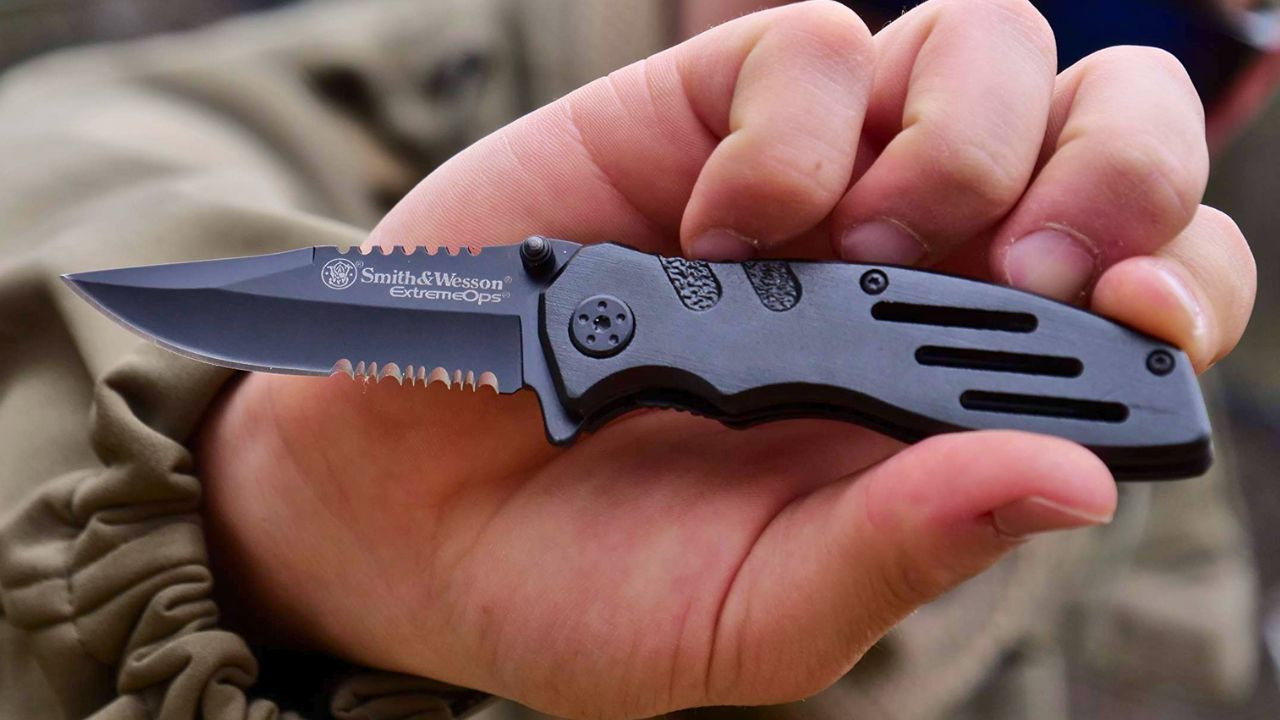
These knives are common, inexpensive, and they look the part—but they often don’t belong in a pack if you care about reliable cutting. Fit and finish can be inconsistent, lockup can feel less confidence-inspiring than better folders, and the edge performance is often nothing special out of the box.
They’re also typically heavy for what they are, with styling that’s more about “tactical” appearance than comfort and efficiency. In real camp use, you notice hot spots in the handle and blade shapes that don’t slice clean. Can it open packages and cut cord? Sure. But a pack knife should be something you trust when you’re actually working. If you end up babying a folder or making excuses for it, it’s not the right knife to bet your trip on.
MTech USA “tactical” fixed blades (common skull/serration models)
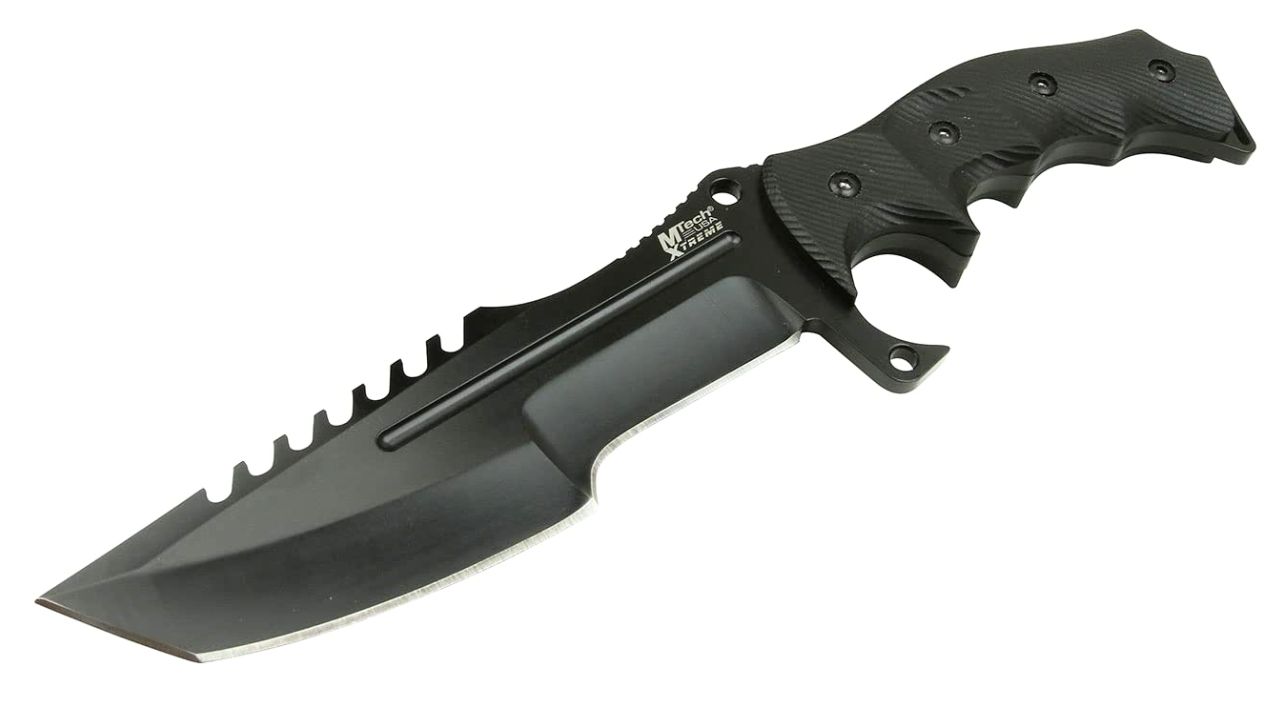
MTech puts out a lot of fixed blades that are all looks—skull graphics, deep serrations, odd grinds, and overly aggressive shapes. The problem is that those choices rarely translate into good cutting. You get thick edges that wedge, serrations that tear, and steel that may not hold up the way you want on a real trip.
The sheaths are often another weak point. A pack knife needs a sheath you can trust not to fail, not to rattle, and not to eat space with bulky straps that don’t secure well. These knives might be fine as a cheap novelty or a glovebox beater, but they don’t belong in a pack where you need predictable performance. Outdoors, you learn fast that “cool” isn’t a feature.
Benchmade SOCP Dagger
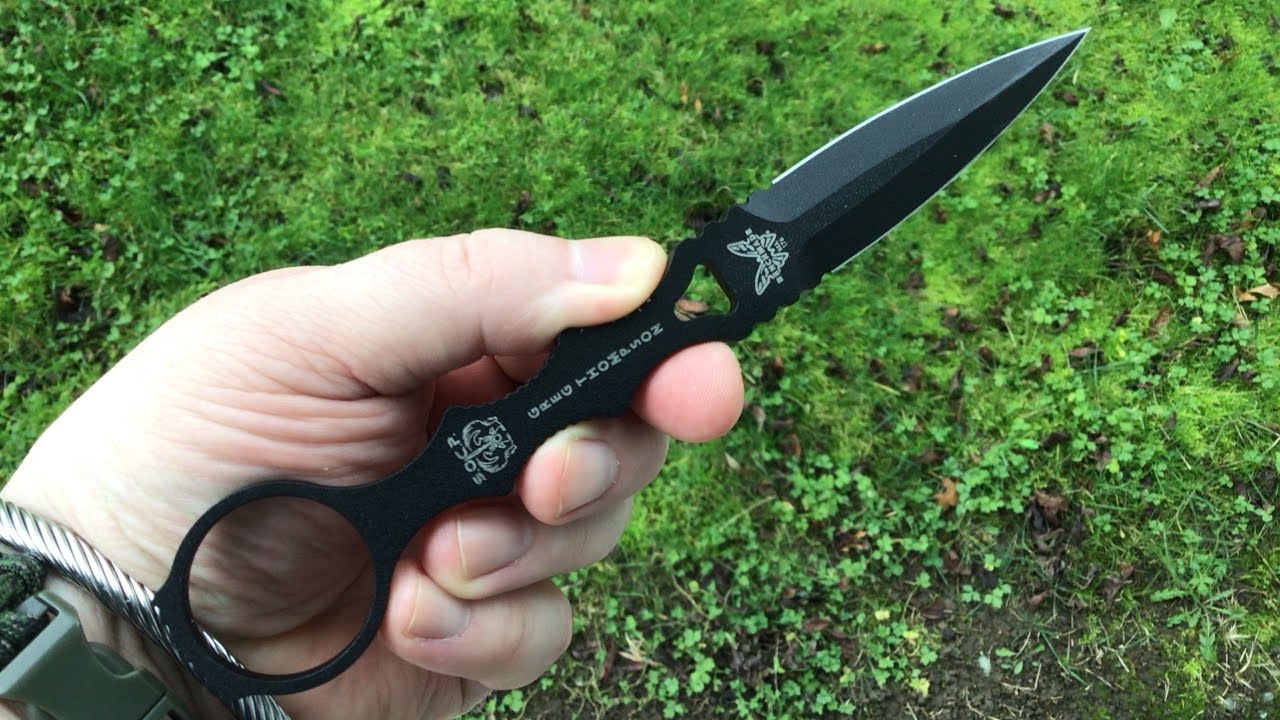
The SOCP is purpose-built, and it’s purpose-built for the wrong purpose in a pack. It’s essentially a dedicated stabbing tool with minimal utility for slicing, carving, food prep, or general camp chores. The handle and ring design are great for retention in its intended role, but they don’t make it a pleasant working knife.
Pack knives should be versatile. They should be safe to use around your body, easy to control, and able to handle boring jobs without drama. A dagger like this doesn’t offer that. It also raises the chance of accidental cuts because the geometry encourages poking, not slicing. If you’re packing one blade for the outdoors, the SOCP doesn’t help you cook, build, repair, or process anything. It’s specialized, and that’s why it doesn’t belong.
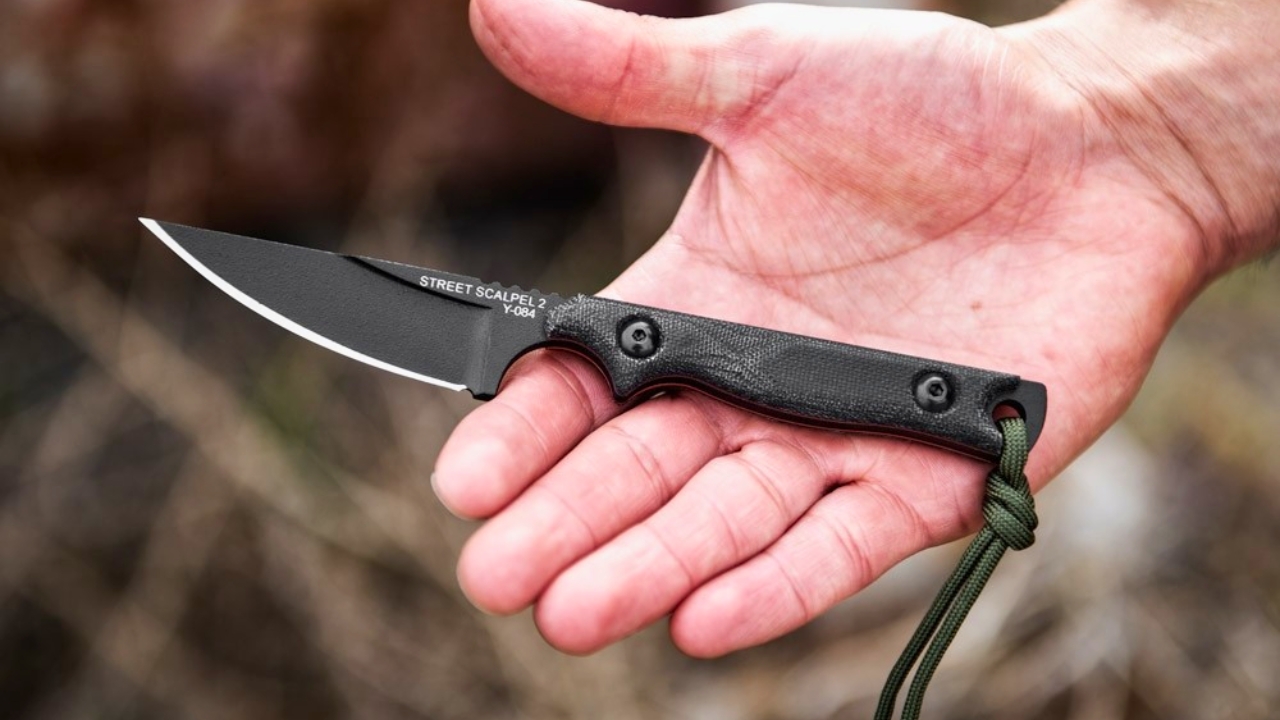
TOPS Street Scalpel 2.0

TOPS makes some great blades, but the Street Scalpel is another one that’s too specialized for pack life. It’s compact and sharp, but the design is focused on defensive use and close handling, not on comfort during longer cutting tasks. That shows up fast when you try to use it like a normal knife.
The blade shape can limit how you slice food or work on wood, and the grip can feel cramped if you’re doing more than quick cuts. In the outdoors, you want a knife that feels natural when you’re making controlled, repetitive cuts. A small fixed blade can absolutely belong in a pack, but it needs to be shaped around utility. The Street Scalpel is a tool for a different job, and it usually ends up riding along unused.
Extrema Ratio Col Moschin

The Col Moschin is high-end and built like a tank, but that doesn’t automatically make it a good pack knife. The thick stock and stout grind favor durability over slicing efficiency, and that can make normal camp chores feel harder than they should. You’re pushing material apart instead of cutting through it cleanly.
It’s also expensive enough that many owners hesitate to truly work it hard. That’s not a character flaw—it’s human nature. A pack knife should invite use, not make you nervous about scuffing a finish. The Col Moschin excels as a hard-use, mission-focused blade, but in the backcountry you’re better served by something lighter, simpler, and more efficient in the cut. Outdoors, performance is measured in chores completed, not in spec-sheet toughness.
Like The Avid Outdoorsman’s content? Subscribe to our newsletter so you never miss an article.
Here’s more from us: