Photo credit: The Avid Outdoorsman
The neighbor was not handling a gun.
He was not cleaning one, carrying one, loading one, or showing one off. He was simply on the other side of a wall when somebody else made a mistake with a firearm.
That is what makes this kind of story so unsettling.
In a Reddit post, a user shared a warning built around one simple rule: if your gun starts to fall, do not try to catch it. Let it hit the ground. Scratches are better than a bullet going somewhere it should not.
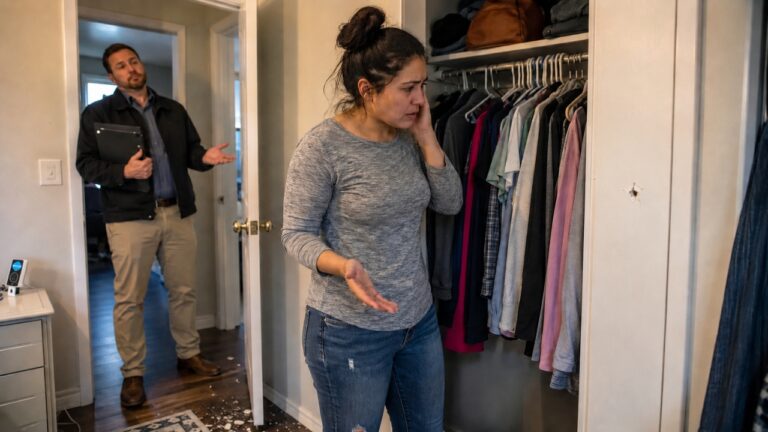
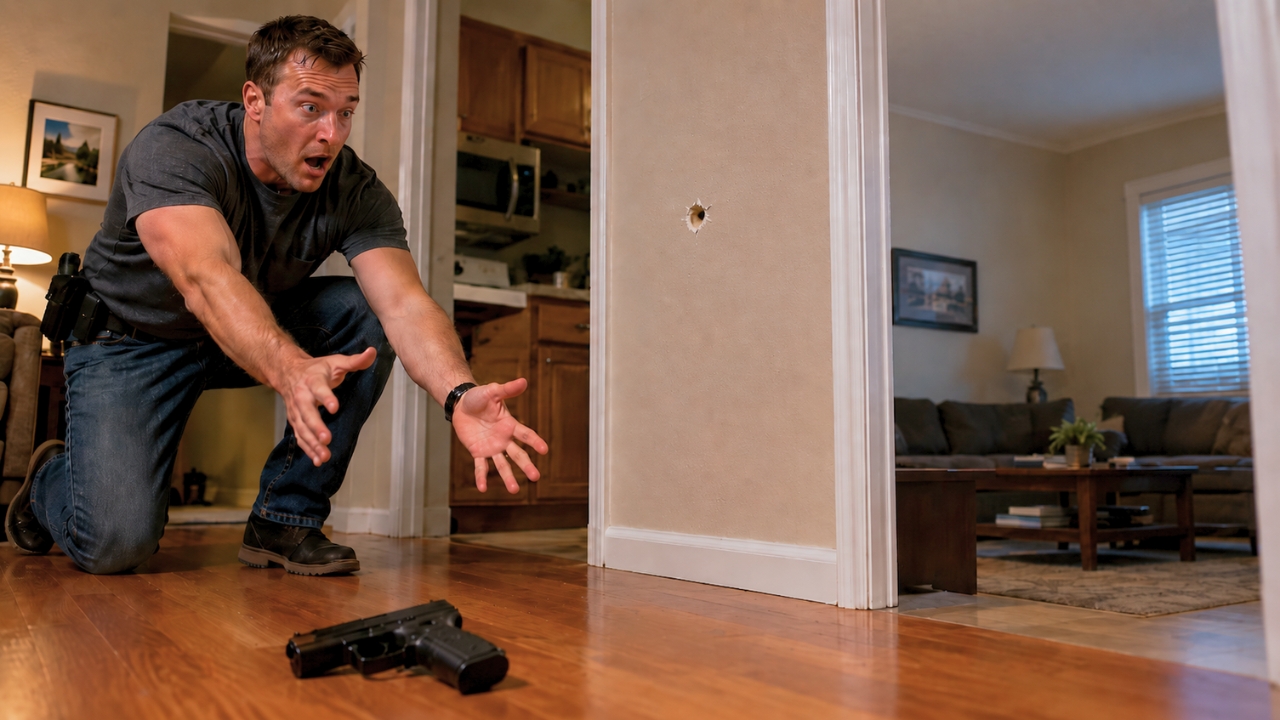
The example in the thread involved an off-duty cop who reportedly tried to catch a dropped gun. During that scramble, the gun discharged, and the round went through the wall and into a neighbor’s ceiling.
That is the part people forget when they treat a negligent discharge like a private mistake. Bullets do not care where the property line is. They do not stop because the person who made the mistake feels bad. They do not know the difference between your apartment, your neighbor’s apartment, the hallway, the ceiling, or the room where somebody else is watching TV.
One bad reflex can put strangers in danger.
Trying to catch a falling gun feels natural if you think about it like any other object. People catch phones, keys, tools, coffee mugs, pocket knives, and everything else they drop. Your hand moves before your brain finishes the thought. That is exactly why the habit is so dangerous with a loaded firearm.
A falling gun is moving unpredictably. It can rotate. It can bounce. Your hand can miss the grip and slap the trigger. A finger can slip into the trigger guard. Clothing or a strap can catch. In the panic of trying to save it, you can do the one thing the gun needed to fire: press the trigger.
That is why the advice is so blunt.
Let it fall.
Nobody likes that advice in the moment. The gun may be expensive. The floor may be concrete or tile. The sights may get dinged. The finish may scratch. The magazine may pop loose. The whole thing may make a horrible sound. But all of that is still better than grabbing at it and sending a round into a wall.
The off-duty cop detail made the story even more frustrating. This was not some brand-new gun owner who had never heard a safety rule. An officer should know better than most people how quickly a firearm mistake can become serious. But training does not erase reflexes unless the person has built the right habit ahead of time.
And the habit has to be: hands off if it falls.
The neighbor’s side of the story is the part that makes it feel bigger than a gun-owner lesson. Imagine sitting in your own place and suddenly finding out a bullet came through from next door. You did nothing wrong. You had no chance to prevent it. You were simply close enough to someone else’s bad handling to become part of the danger.
That is a hard thing to shake.
Apartment walls, duplex walls, hotel walls, and even many interior home walls are not real backstops. Drywall, studs, insulation, and ceiling material are not designed to safely stop rounds. A bullet fired inside a home can cross rooms, enter a neighbor’s unit, or travel into a space no one even thought about during the mistake.
That is why administrative handling at home matters so much.
A gun should not be loose on a table where it can slide. It should not be handled casually while standing over hard floors. It should not be transferred, unloaded, loaded, or reholstered without full attention. If it comes out of the holster, there needs to be a reason. If it is being handled, the muzzle direction matters. And if it starts to fall, the safest answer is still to let it hit the floor.
Modern guns are generally built with drop safeties, but no safety system fixes a finger hitting the trigger during a bad catch. That is the key point. The problem is not always the gun firing because it touched the ground. The problem is the owner trying to keep it from touching the ground and doing something much worse.
The round ending up in the neighbor’s ceiling shows how fast that mistake can spread. One person drops a gun. One hand reaches. One trigger gets pressed. Suddenly, a neighbor has a bullet hole overhead and a story he never asked to be part of.
A scratched pistol would have been annoying.
A bullet through a wall became everyone’s problem.
Commenters mostly agreed with the warning immediately: do not try to catch a falling gun.
Several people said the natural catch reflex is exactly what makes drops so dangerous. A gun owner has to train himself out of that instinct before it ever happens. If the firearm slips, let it fall, step back, and deal with the damage afterward.
Others pointed out that modern pistols are usually drop-safe, but that does not help if a person grabs at the gun and hits the trigger. That was the main distinction in the thread. A gun firing from impact is one issue. A gun firing because someone tried to catch it is a handling failure.
A lot of people focused on apartment and home safety. A discharge indoors can leave the room, the unit, or even the building area where it started. Commenters noted that drywall is not a backstop, and anyone handling firearms at home needs to think about where a round would go if something went wrong.
Some were especially irritated by the off-duty cop part. They felt someone with professional firearms experience should know better, but others pointed out that bad reflexes can beat training if the right habit is not built in.
The strongest advice was simple: protect the trigger, keep the gun holstered when possible, slow down during handling, and if it falls, let it fall. A damaged gun can be repaired. A round through a neighbor’s ceiling can turn one bad reflex into a life-changing mistake.