Photo credit: Milsurp Garage/YouTube
Smith & Wesson is one of those names that gets treated like it has always been there. A lot of shooters know the big pieces: classic revolvers, the Model 29, the M&P line, J-frames, law enforcement history, and the modern M&P9 pistols that still compete hard in the striker-fired market. But the full brand story is bigger than most people realize.
Smith & Wesson traces its roots back to 1852, when Horace Smith and Daniel B. Wesson first partnered in what would become one of the most recognized firearm names in America. The company is now headquartered in Maryville, Tennessee, after spending well over a century tied closely to Springfield, Massachusetts. Smith & Wesson’s current catalog covers revolvers, pistols, rifles, and long guns, but the brand’s identity was built first and deepest around handguns.
1. Smith & Wesson’s First Big Story Wasn’t the Revolver Most People Think Of
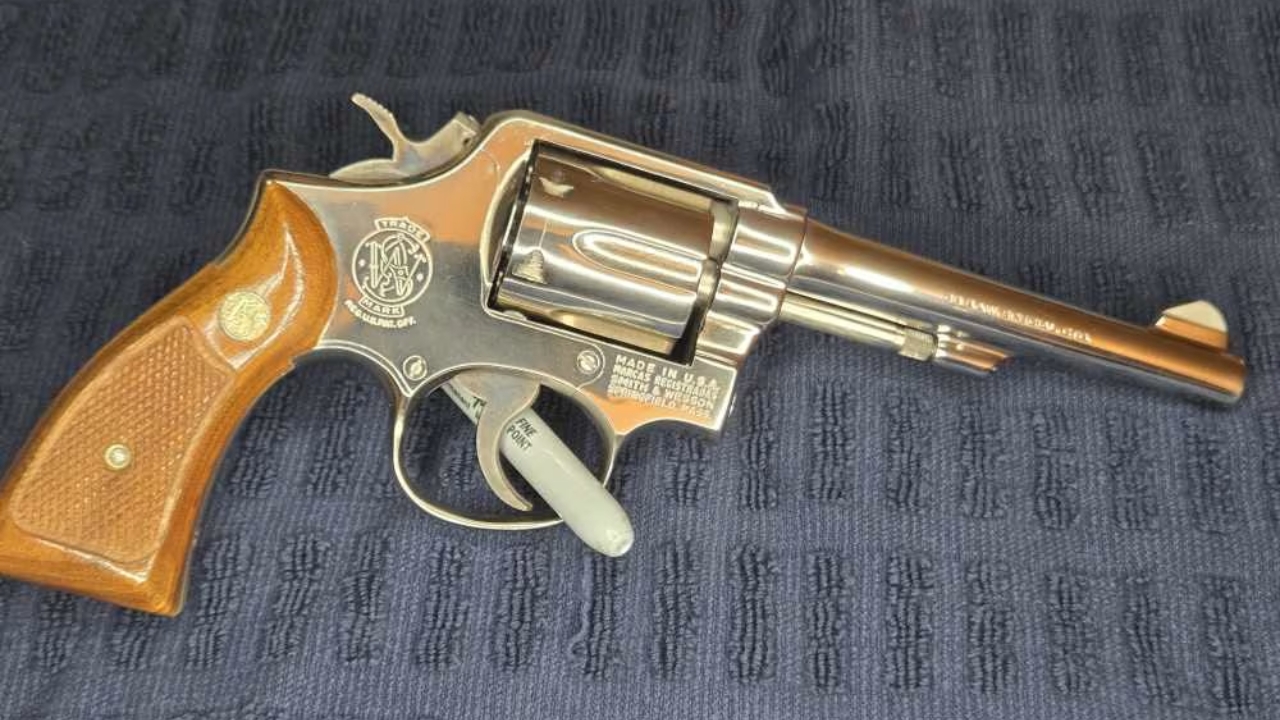
A lot of shooters connect Smith & Wesson with classic double-action revolvers, but the earliest story goes back before the Model 10, Model 19, Model 29, or any of the famous modern wheelguns. Horace Smith and Daniel Wesson were involved in early repeating-firearm development before the later Smith & Wesson revolver empire fully took shape.
That matters because the company’s history is tied into several major branches of American firearms development. The Smith and Wesson partnership eventually intersected with the Volcanic Repeating Arms story, which later connects into the Winchester lineage. That surprises people who think of Smith & Wesson only as a revolver company. Its roots reach into the same early repeating-arms world that helped shape several major American gun names.
2. The Name Has Been Around Since the 1850s

Smith & Wesson is not a modern brand trying to borrow old-fashioned credibility. The company says it has been an industry-leading manufacturer since 1852, which puts it among the oldest and most recognizable American firearm names still active today.
That kind of age gives the brand a different weight. Some companies build reputations over a couple of strong product cycles. Smith & Wesson built its name over generations of revolvers, military sidearms, police guns, civilian carry pieces, hunting handguns, and now modern striker-fired pistols. That history is one reason even people who do not own one still recognize the name.
3. The M&P Name Is Much Older Than the Modern Pistols
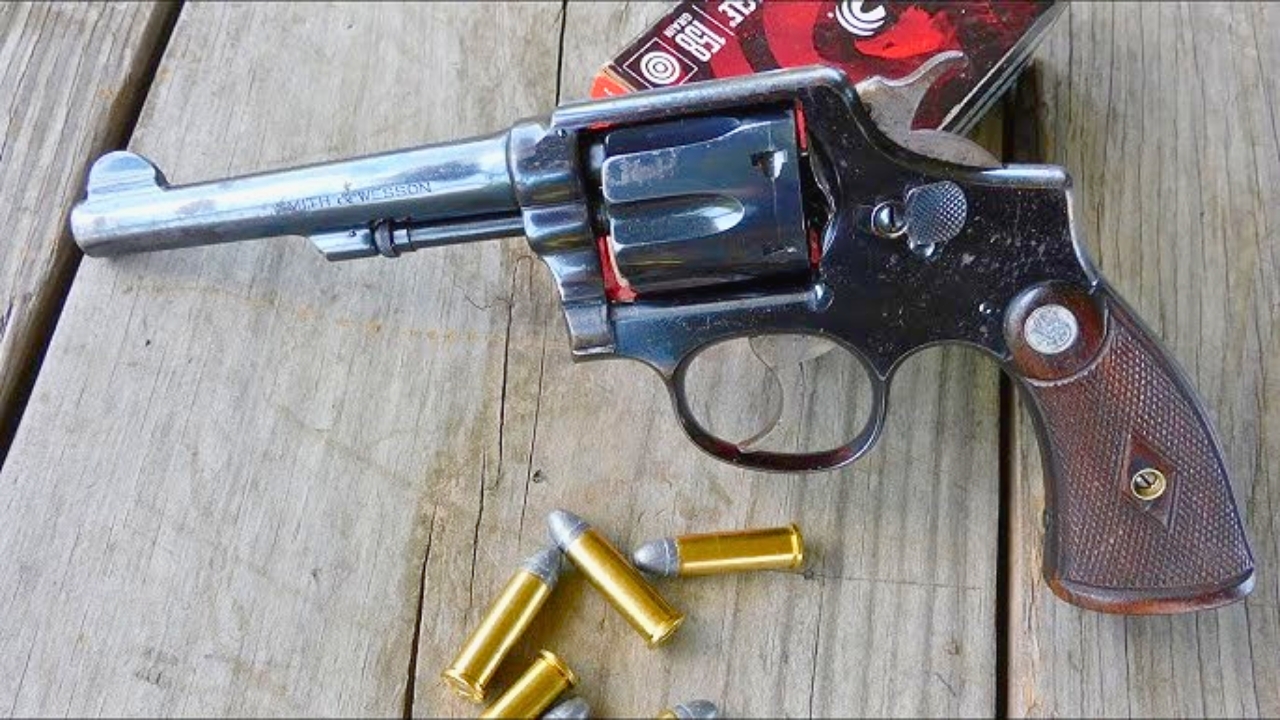
A lot of shooters hear “M&P” and immediately think of polymer-framed striker-fired pistols. That makes sense because the modern M&P line has been a big part of Smith & Wesson’s current handgun identity. But the M&P name goes way back.
Smith & Wesson says the revolver now known as the Model 10 was the first M&P, introduced in 1899. That means the Military & Police name was already famous more than a century before the modern M&P9 showed up in holsters and gun shops.
4. The Model 10 Is One of the Most Important Revolvers Ever Made
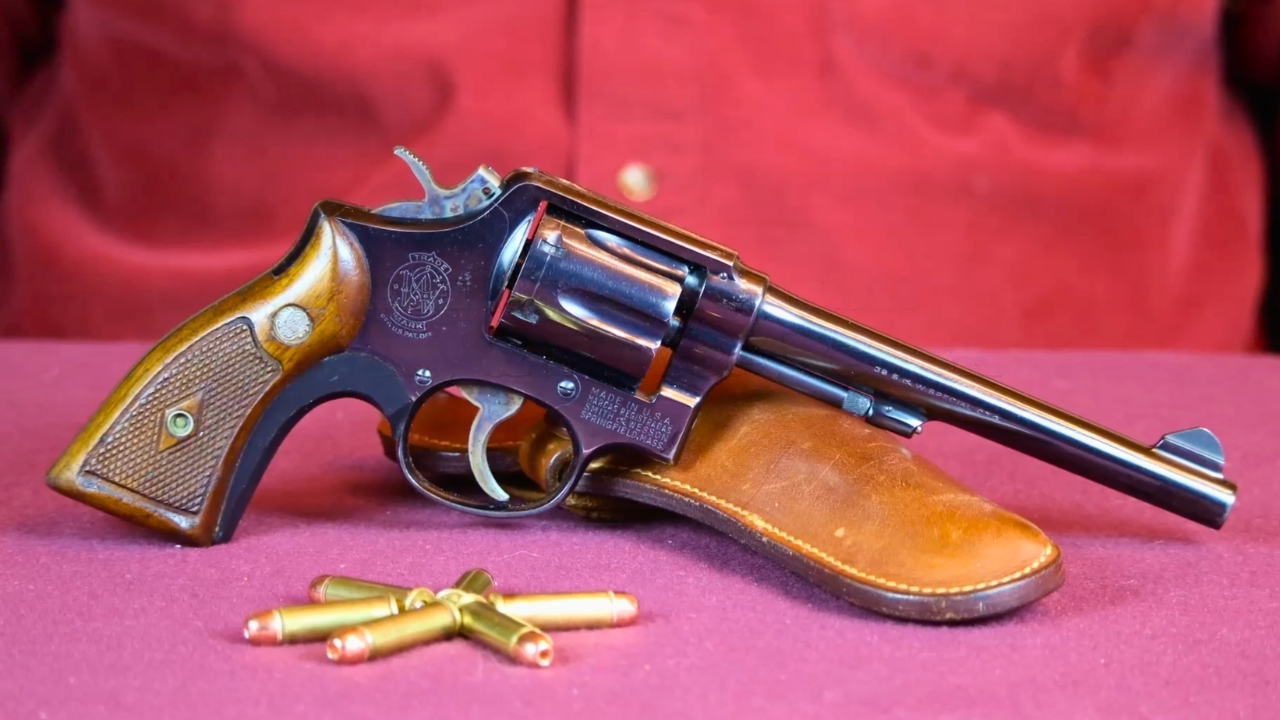
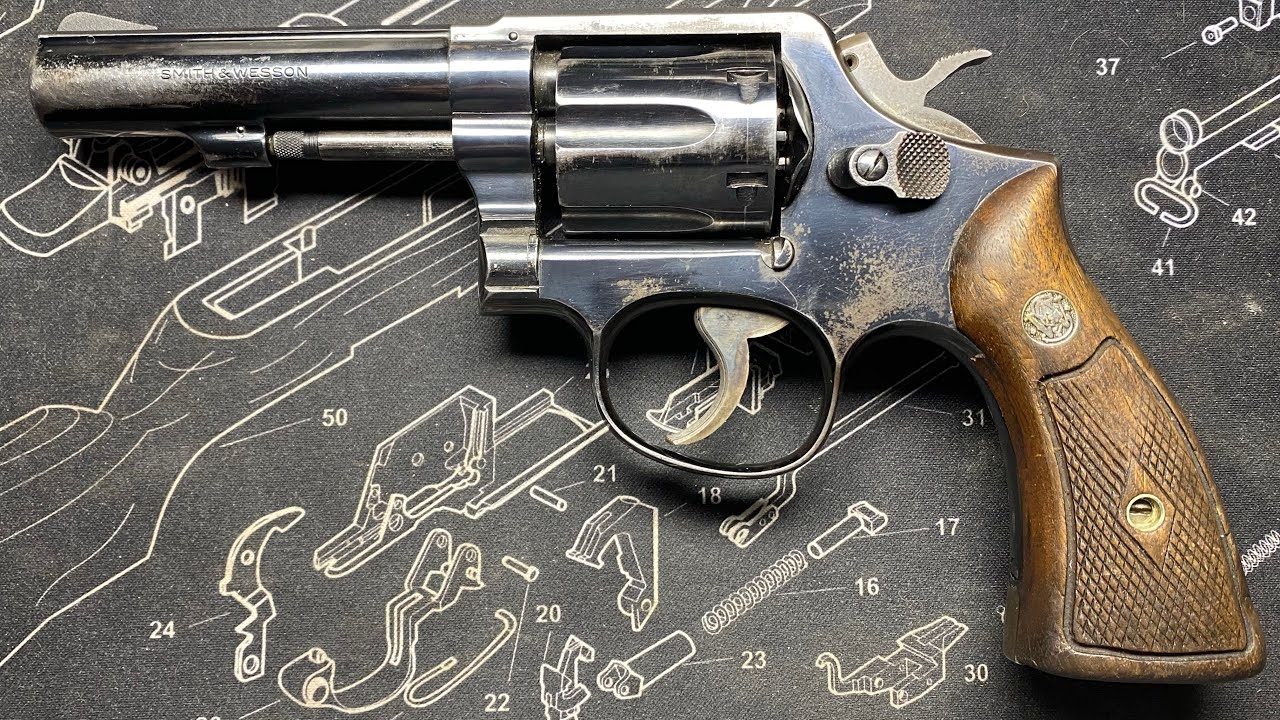
The Smith & Wesson Model 10 may not look exciting to modern shooters, but it is one of the most important revolvers in American history. It began life as the .38 Hand Ejector Model of 1899, became known as the Military & Police, and later received the Model 10 designation.
That revolver helped define the medium-frame double-action police revolver for much of the 20th century. Shooting Illustrated called the M&P revolver, later cataloged as the Model 10, perhaps the most prolific revolver of the 20th century. It may not have the Dirty Harry fame of the Model 29, but it probably mattered more to real working gun history.
5. Smith & Wesson Helped Define the Police Revolver Era

For decades, if someone pictured a police sidearm, there was a good chance they pictured a Smith & Wesson revolver, even if they did not know the model. K-frames like the Model 10, Model 15, Model 19, and related revolvers became deeply tied to American law enforcement.
That kind of institutional trust does not happen by accident. Police departments needed sidearms that were reliable, simple to train with, accurate enough, and durable enough for daily carry. Smith & Wesson filled that lane so completely that the brand became almost shorthand for the American police revolver. Modern semi-autos changed the duty-gun world, but Smith & Wesson helped define the era before that shift.
6. The .357 Magnum Story Is a Huge Part of the Brand

Smith & Wesson did not only make revolvers chambered in famous cartridges. It helped bring some of those cartridge stories to life. The .357 Magnum, introduced in the 1930s, became closely tied to Smith & Wesson revolvers and law enforcement needs during a time when police wanted more power against cars, cover, and criminals using better weapons.
That cartridge changed handgun expectations. It gave revolver shooters much more velocity and authority than standard service rounds of the time. Even today, .357 Magnum remains one of the most respected revolver cartridges around. Smith & Wesson’s role in that magnum revolver world is a major reason the brand still carries weight with wheelgun shooters.
7. The Model 29 Was Famous Before Most People Could Afford One

The Smith & Wesson Model 29 became one of the most famous revolvers in the world because of the 1971 movie “Dirty Harry,” but the gun itself was already serious before Hollywood got involved. It was a large N-frame .44 Magnum revolver, introduced in the 1950s, and at the time it was known as one of the most powerful production handguns available.
The movie turned it into a cultural object almost overnight. American Rifleman noted how Clint Eastwood’s Dirty Harry role kept the Model 29 in the spotlight through multiple films. That kind of pop-culture push made the revolver famous far beyond normal gun circles.
8. The J-Frame Became One of the Most Influential Carry Gun Ideas

Smith & Wesson’s small-frame revolvers became a carry-gun category of their own. The J-frame idea — small, simple, pocketable or belt-carried revolvers — shaped how generations of people thought about concealed carry and backup guns.
Even in the age of micro-compact 9mms, the J-frame still has a place. It is not high-capacity, and it is not easy for everyone to shoot well. But it is simple, compact, and deeply proven. A lot of modern carry guns promise more rounds and easier reloads, but the little Smith snubnose still survives because it fills a role that has not fully disappeared.
9. Smith & Wesson Has Had More Than One Identity Shift

Some gun companies get known for one thing and stay there. Smith & Wesson has had to reinvent itself several times. It went from early revolvers to police revolvers, magnum revolvers, stainless revolvers, semi-auto duty pistols, the Sigma era, the M&P era, and now a broader catalog that includes pistols, revolvers, rifles, carbines, and shotguns.
That kind of change is harder than it looks. A brand with too much history can get stuck. Smith & Wesson has had rough patches and controversial choices, but it has also kept adapting. The modern M&P line is a good example. Instead of relying only on revolver nostalgia, the company built a striker-fired family that still competes in a crowded market.
10. The Modern M&P Line Borrowed a Very Old Name for a New Fight
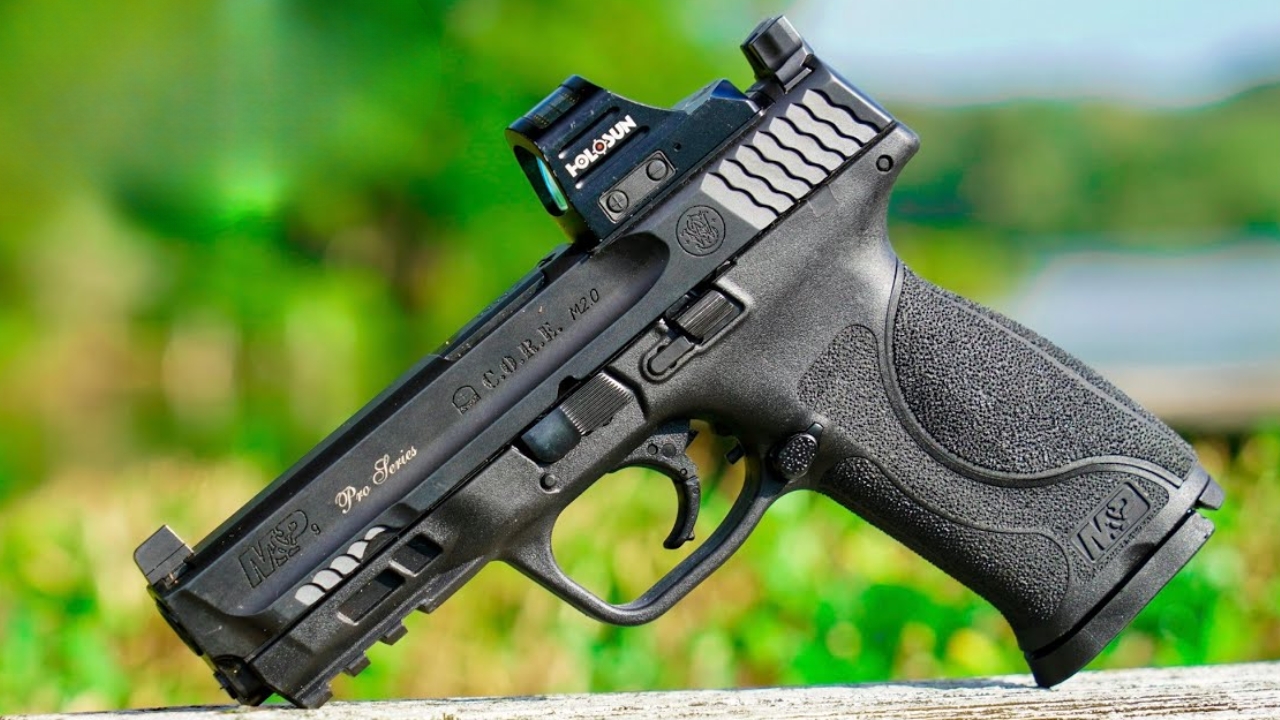
When Smith & Wesson brought the modern M&P pistol line into the striker-fired world, it was not inventing a new identity from scratch. It was reaching back to one of its oldest and strongest names. The M&P name had already stood for Military & Police since the 1899 revolver.
That was smart branding, but it also created pressure. If you put M&P on a modern duty pistol, it needs to feel like a serious working gun. The M&P9 and M&P M2.0 lines helped Smith & Wesson stay relevant against Glock, SIG, Walther, CZ, and others by leaning into ergonomics, duty-size models, optics-ready versions, and broad law-enforcement/civilian appeal.
11. The Shield Was a Bigger Deal Than Some People Remember

The M&P Shield helped define the slim single-stack 9mm carry era. Before today’s higher-capacity micro-compacts became normal, the Shield was one of the easiest recommendations for someone who wanted a thin, reliable, affordable concealed carry pistol.
That pistol changed Smith & Wesson’s modern carry reputation. It showed the company could build something regular people actually wanted to carry every day. The Shield Plus later brought higher capacity into the same general lane, but the original Shield had already done the hard work of making the name trusted among concealed carriers.
12. Smith & Wesson Left Massachusetts for Tennessee

For most of its life, Smith & Wesson was closely tied to Springfield, Massachusetts. That connection was part of the company’s identity. But the company moved its headquarters to Maryville, Tennessee, with AP reporting that the move followed a $125 million plan announced in 2021 and was connected partly to a more supportive regulatory environment.
That move matters because it shows how much the firearms business has changed. Smith & Wesson is still an old American gun name, but it is also a modern corporation making decisions around laws, production, incentives, and political climate. The headquarters move was not just a change of address. It marked a major shift in one of America’s oldest gun brands.
13. The Brand Has Survived Some Real Controversies

Smith & Wesson has not had a clean, easy path. The brand has gone through ownership changes, political backlash, quality debates, product missteps, and industry pressure. Some shooters still remember the late-1990s and early-2000s controversy around agreements with the Clinton administration, which caused serious backlash from parts of the gun community.
That is part of the Smith & Wesson story too. The company did not maintain its position because everyone always loved every decision. It survived because the name was strong, the product base was broad, and the company eventually rebuilt trust with many shooters through guns people actually wanted to buy. Longevity in the gun world usually comes with scars.
14. Smith & Wesson Is Still One of the Broadest Handgun Brands

A lot of companies are strong in one handgun lane. Smith & Wesson is unusual because it remains relevant in several. It still makes classic-style revolvers, modern defensive revolvers, the M&P striker-fired line, Shield carry pistols, metal-frame pistols, performance models, and hunting handguns.
That range matters. A revolver fan can stay inside the brand. A concealed carrier can buy a Shield or M&P Compact. A home-defense buyer can look at a full-size M&P. A hunter can look at large-frame revolvers. Smith & Wesson’s strength is not one pistol. It is the way the company keeps covering different handgun roles without completely abandoning its roots.
15. The Real Story Is How Long the Name Has Stayed Relevant

Most shooters know Smith & Wesson because of one or two guns. Maybe it is the Model 29. Maybe it is the Model 10. Maybe it is a J-frame, a Shield, or an M&P9. But the bigger story is that the brand keeps finding a way to matter.
That is not easy after more than 170 years. Plenty of gun companies had one great era and faded. Smith & Wesson has had several: early revolvers, police revolvers, magnum revolvers, compact carry revolvers, semi-auto duty pistols, and modern striker-fired guns. That is why the name still means something. It is not only old. It keeps showing up in the places shooters still care about.
Like The Avid Outdoorsman’s content? Be sure to follow us.
Here’s more from us: