Photo credit: Mian Ayaz Vlogs/Youtube
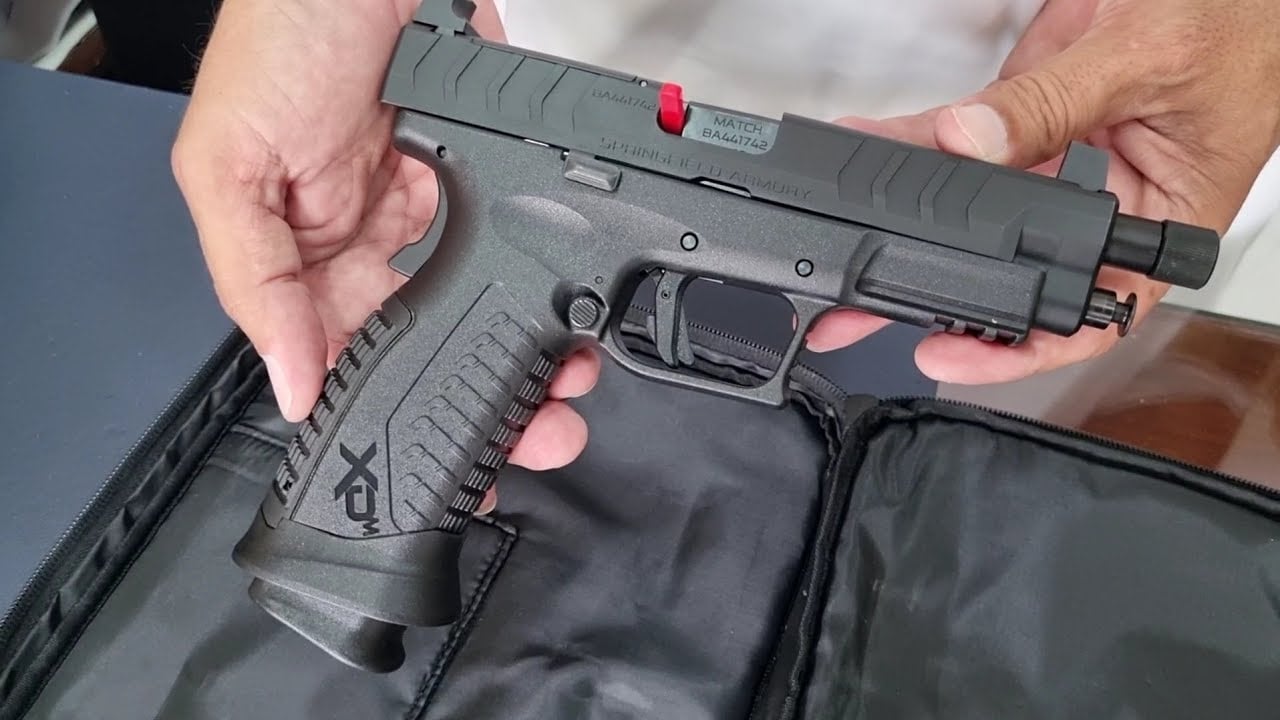
The Springfield XD-M has been around long enough to build a pretty loyal following. It is not the newest striker-fired pistol on the shelf anymore, but plenty of shooters still like it because it feels solid, points naturally for them, and came in a wide range of sizes and calibers over the years. Springfield has marketed the XD-M as a performance-focused update to the original XD line, and the company describes it as a favorite of competitive shooters with a reputation for accuracy, reliability, and shootability.
That said, the XD-M is still a mechanical pistol with its own recurring trouble spots. Most of the common issues are not wildly unusual. They usually involve feeding, ejection, extraction, slide lock, light primer strikes, grip-safety complaints, magazine problems, and aftermarket parts. The grip safety is the one thing that makes XD-series pistols feel different from most striker-fired competitors, and it can absolutely become part of the function conversation if the shooter’s grip is not right.
Failure to Feed
Failure to feed is one of the more common XD-M malfunctions. The slide moves forward, but the next round does not chamber cleanly. The bullet may nose-dive into the feed ramp, hang partway into the chamber, or stop the slide before it fully closes. It can happen with factory ammo, reloads, hollow points, or only with one specific magazine.
The first place to check is the magazine. A weak spring, damaged feed lips, rough follower, dirty magazine body, or poorly seated magazine can all cause feeding problems. Springfield’s XD-M manual specifically tells users to push the loaded magazine firmly into the grip until it is properly seated, which matters because a magazine that is not fully locked in can make the pistol look worse than it is. If the problem follows one magazine, mark that magazine and stop trusting it for serious use.
Failure to Return Fully to Battery
The XD-M can also fail to return fully to battery. The round starts into the chamber, the slide moves forward, but it stops just short of closing completely. Sometimes a tap on the back of the slide finishes the cycle. Other times, the round has to be cleared.
This can come from a dirty chamber, rough ammo, dry slide rails, weak recoil spring, carbon buildup, or a round that is slightly out of spec. It can also show up with reloads that are not sized correctly or hollow points with a shape the pistol does not like. The XD-M is generally not known as a fragile gun, but any striker-fired pistol can stop short of battery when drag builds up in the wrong places. If the problem starts after adding an aftermarket barrel, recoil spring, compensator, or trigger parts, put the factory setup back in and test from there.
Failure to Eject
Failure to eject happens when the pistol fires, but the empty case does not clear the ejection port. It may stovepipe, get trapped by the slide, or interfere with the next round feeding. With the XD-M, this can come from weak ammo, extractor trouble, ejector problems, recoil spring wear, dirty internals, or the shooter not giving the gun a firm enough platform.
The XD-M is usually big enough to be forgiving, especially in the full-size models, but it is still a recoil-operated pistol. If the ammo is soft or the recoil spring is not matched well to the load, the slide may not cycle with enough authority. If the pistol only has ejection trouble with one cheap practice load, start with the ammo. If it happens across several loads and magazines, then the extractor, ejector, recoil spring, and chamber need attention.
Stovepipes
A stovepipe is a specific ejection failure where the empty case gets caught upright in the ejection port. It is usually simple to clear, but it still means the pistol did not finish cycling. On the XD-M, stovepipes usually come from weak ammo, limp-wristing, dirty slide movement, extractor tension, or recoil spring issues.
This is one of those malfunctions where the pattern tells you more than the single stoppage. If it stovepipes once with weak ammo, that is not the same thing as repeated stovepipes with full-power defensive loads. If it only happens with one shooter, grip may be part of the problem. If it happens with several shooters, several magazines, and several loads, the pistol needs inspection instead of excuses.
Failure to Extract
Failure to extract is less common than basic ejection trouble, but it is more serious. The fired case stays in the chamber instead of being pulled out by the extractor. The slide may stop, or it may try to feed a new round into a chamber that still has empty brass sitting inside.
A dirty chamber, rough brass, weak slide movement, worn extractor, chipped extractor claw, or ammo issue can all cause extraction trouble. If the pistol only struggles with one brand of ammo, the load may be the issue. If it leaves brass in the chamber with multiple loads, that points more toward the extractor, chamber, recoil spring, or slide movement. A pistol used for carry, competition, or home defense should not be repeatedly failing to pull cases out of the chamber.
Grip Safety Not Fully Depressed
The grip safety is the XD-M feature that probably creates the most divided opinions. Some shooters like the extra mechanical safety. Others dislike having another part that has to be depressed before the pistol works. Springfield’s manual describes the XD-M’s striker block system as preventing the firearm from firing until the grip safety is depressed and the trigger is pulled.
This can matter if the shooter gets a poor grip under stress, during awkward draws, or while shooting from unusual positions. Some XD owners have reported failures to fire because their grip was too low or not firm enough to depress the grip safety. That is not the gun “jamming” in the normal sense, but it still means the pistol will not fire when expected. Anyone carrying an XD-M needs to practice enough that depressing the grip safety is automatic from the draw.
Slide Manipulation Problems From the Grip Safety
The XD-M grip safety can also affect slide manipulation. On XD-series pistols, the grip safety is tied into the way the gun allows certain movement, and that can surprise shooters who are used to Glocks, M&Ps, or SIGs. If the grip safety is not depressed, the slide may not manipulate the way the shooter expects.
This is not always a malfunction. It is part of the design. But it can feel like a malfunction to someone clearing the gun, press-checking, or trying to run malfunction drills without a proper firing grip. Some critics of the XD platform have specifically pointed to the grip safety as a weak point in awkward handling situations because it can affect operation if the grip is not right. The practical answer is simple: train with the actual pistol, not with habits built around another platform.
Slide Failing to Lock Back
The slide failing to lock back after the last round is another common semi-auto complaint that can show up with the XD-M. Sometimes the magazine follower or spring is not lifting the slide stop correctly. Sometimes the slide stop itself is worn, dirty, or being held down by the shooter’s grip.
With full-size pistols, grip-related slide-lock problems are not as common as they are with tiny carry guns, but they still happen. A high thumbs-forward grip can ride the slide stop and keep it from engaging. If the slide locks back for one shooter but not another, grip is probably the issue. If it only fails with one magazine, the magazine follower or spring deserves the blame. If it fails with every magazine and every shooter, the slide stop system needs inspection.
Light Primer Strikes
Light primer strikes are a known complaint across XD-family pistols, including the XD-M. The trigger breaks, the striker moves forward, and the round does not fire. When the round is cleared, the primer may show a shallow mark. This can come from hard primers, cheap ammo, a dirty striker channel, weak striker spring, or aftermarket trigger and spring parts.
A common recommendation from XD owners dealing with light strikes is to pull the firing pin assembly and clean the firing pin channel thoroughly while keeping that channel dry. That makes sense because oil, carbon, brass flakes, and debris can slow striker movement. If light strikes start after trigger work, spring changes, or heavy lubrication, those changes should be questioned first.
Magazine-Related Problems
The XD-M depends on its magazines as much as any other semi-auto pistol. Bad magazines can cause failures to feed, nose-dives, slide-lock problems, or random stoppages that make the pistol look unreliable. Factory magazines are generally solid, but springs wear out, feed lips get damaged, followers get dirty, and baseplates can get knocked around during hard use.
This is especially worth watching on older XD-M pistols or guns used heavily in competition. A magazine that has been dropped in gravel, loaded for years, or used for thousands of rounds may not behave like a fresh one. If one magazine causes stoppages and the rest run cleanly, the fix is usually not complicated. Mark it, rebuild it, or remove it from serious use.
Aftermarket Parts Causing Reliability Problems
The XD-M has a healthy aftermarket, especially for triggers, springs, barrels, sights, magazine extensions, and competition parts. Some upgrades work well. Others create problems the factory pistol did not have. This is especially true when people start chasing a lighter trigger or softer recoil impulse without testing reliability afterward.
A lighter striker spring can cause light primer strikes. A different recoil spring can affect feeding and ejection. A tight aftermarket barrel can create return-to-battery problems. Magazine extensions can change spring pressure. None of that means the XD-M should never be modified, but every change needs to be proven with the exact magazines and ammo the pistol will be trusted with. A reliable stock pistol can turn picky fast when the wrong parts get stacked together.
Like The Avid Outdoorsman’s content? Be sure to follow us.
Here’s more from us: