Photo credit: Operatoroveralls/Youtube
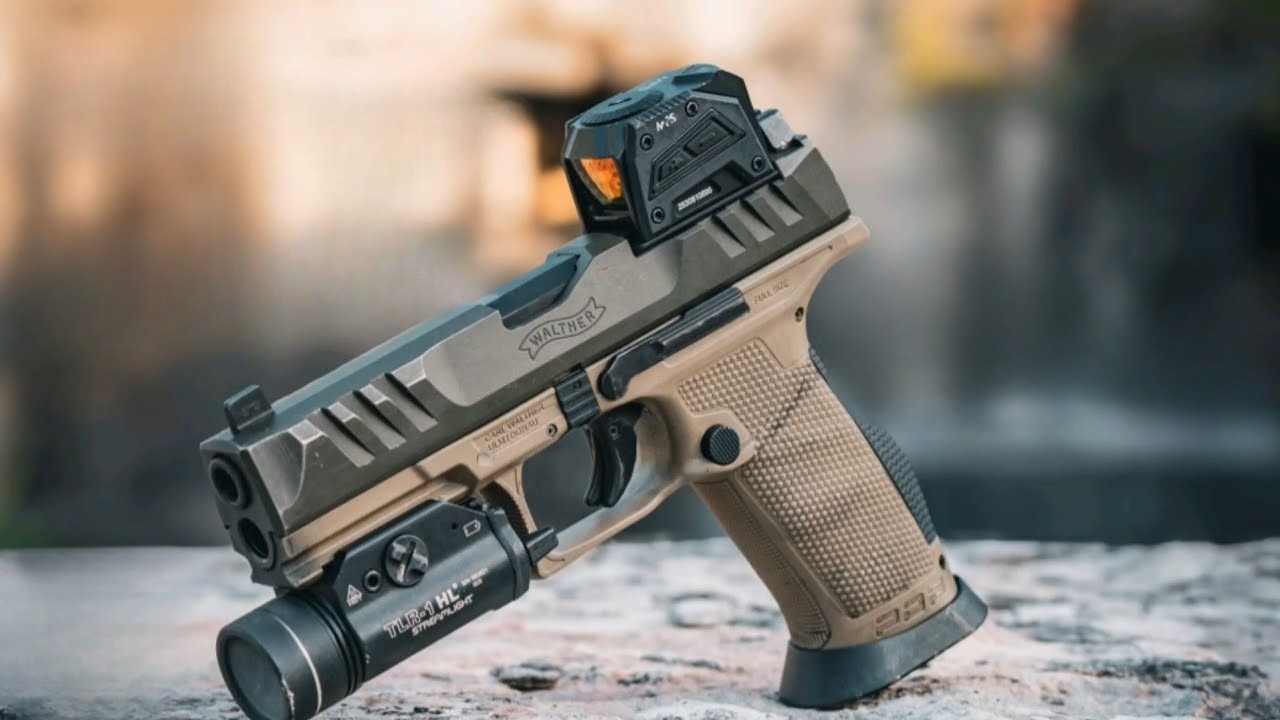
The Walther PDP has built a strong following with shooters who care about grip texture, trigger feel, optics mounting, and out-of-the-box shootability. It is a modern striker-fired pistol that feels like Walther paid attention to the things serious handgun shooters complain about: sight picture, grip shape, slide cuts, and trigger break. For a lot of people, the PDP is one of the better-shooting polymer pistols in its class.
That said, the PDP is still a mechanical pistol, and it can still malfunction. It is not known as a problem gun overall, but the issues that do show up tend to fall into familiar categories: failure to feed, failure to return fully to battery, ejection trouble, magazine-related problems, slide-lock complaints, optic-mounting headaches, and trouble caused by spring or aftermarket-part changes. The PDP usually runs well, but it still needs good magazines, decent ammo, correct optic hardware, and enough testing before it gets trusted.
Failure to Feed
Failure to feed is one of the more common PDP complaints. The slide moves forward, but the next round does not chamber cleanly. The bullet may nose-dive into the feed ramp, get pinched low against the feed ramp and breech area, or stop the slide before the pistol fully closes. Several PDP owner discussions describe rounds hanging up during feeding, especially with certain magazines or loads.
The magazine is the first thing to check. A weak spring, damaged feed lips, dirty magazine body, rough follower, or magazine that is not fully seated can all create feed-angle problems. Ammo can matter too, especially if the pistol runs one load well and struggles with another. If the issue follows one magazine, mark it and remove it from serious use. If it follows one ammo type, test a different load before blaming the pistol itself.
Failure to Return Fully to Battery
Failure to return fully to battery is another PDP issue that comes up often enough to mention. The round starts into the chamber, the slide moves forward, but it stops just short of being fully closed. One PDP Compact owner described the slide stopping about 2 millimeters short of battery after roughly 150 rounds, which is exactly the kind of problem that gets attention because the gun looks almost ready but is not actually locked up.
This can come from a dirty chamber, rough ammo, dry slide rails, weak or overly stiff recoil spring, carbon buildup, or friction from new parts wearing in. It can also happen when someone rides the slide forward during loading instead of letting it go with full spring force. In one PDP owner discussion, commenters pointed out that easing the slide forward can leave the pistol out of battery because the recoil spring needs full movement to chamber properly.
Failure to Eject
Failure to eject happens when the PDP fires, but the empty case does not clear the ejection port. It may stovepipe, get trapped under the slide, or interfere with the next round feeding. With the PDP, this can come from weak ammo, extractor or ejector issues, recoil spring setup, dirty internals, or a grip that lets the frame move too much under recoil.
The PDP is not a tiny micro-compact, so it is usually more forgiving than smaller carry pistols. But it is still recoil-operated. If the slide does not come rearward with enough speed, ejection gets weaker. Soft range ammo can make that worse. If the pistol only struggles with one cheap practice load, start with the ammo. If it has ejection problems with several loads and magazines, then the extractor, ejector, chamber, and recoil spring deserve attention.
Stovepipes
A stovepipe is a specific ejection failure where the empty case gets caught upright in the ejection port. It is usually quick to clear, but it still means the pistol failed to complete its cycle. On the PDP, stovepipes usually come from weak ammunition, limp-wristing, extractor tension, recoil spring issues, or a dirty chamber.
The pattern matters more than the single malfunction. One stovepipe with bargain ammo is not the same thing as repeated stovepipes with full-power defensive loads. If one shooter gets stovepipes and another runs the same pistol cleanly, grip may be part of it. If it happens across different shooters, magazines, and loads, the gun needs inspection instead of excuses.
Failure to Extract
Failure to extract is less common than simple ejection trouble, but it is more serious. The fired case stays in the chamber instead of being pulled out by the extractor. The slide may stop, or it may try to feed another round into a chamber that still has empty brass sitting inside.
A dirty chamber, rough brass, weak slide movement, worn extractor, chipped extractor claw, or ammo problem can all cause extraction trouble. If the PDP only struggles with one brand of ammo, the load may be part of the issue. If it leaves brass in the chamber across several loads and magazines, the extractor and chamber need a closer look. A defensive pistol should not be trusted if it repeatedly fails to pull cases from the chamber.
Magazine-Related Problems
The PDP depends on good magazines, and magazine problems can make the pistol look worse than it really is. Failures to feed, nose-dives, slide-lock failures, and random stoppages can all come from a bad magazine. PDP owners have discussed feed issues where stronger magazine springs were part of the eventual fix, which is a good reminder that spring pressure and follower movement matter.
This gets more important if the pistol is being used with extended baseplates, aftermarket springs, or competition-style setups. A magazine that works fine when downloaded may struggle when packed full. A dirty magazine tube or weak spring can slow the round stack down just enough to create feeding issues. If one magazine causes stoppages and another runs clean, mark the problem magazine and stop using it for serious work.
Slide Failing to Lock Back
The slide failing to lock back after the last round is another common complaint with modern striker-fired pistols, and the PDP is no exception. Sometimes the magazine follower is not lifting the slide stop properly. Sometimes the magazine spring is weak. Sometimes the shooter’s grip is riding the slide stop and preventing it from engaging.
The PDP’s grip and controls can make this more noticeable for some shooters, especially if they use a high thumbs-forward grip. If the slide locks back for one shooter but not another, grip is likely involved. If it only fails with one magazine, that magazine is the likely problem. If it fails with all magazines and all shooters, the slide stop system needs inspection.
Optic-Mounting Problems
The PDP is built around optic use, and that is one of its biggest strengths. But optic-ready pistols can create their own headaches when the dot, plate, screws, or mounting hardware are not right. A loose optic can lose zero. Screws that are too long can interfere with internal parts. An improperly fitted plate can create movement under recoil.
This may not always create a classic feed or ejection malfunction, but it still affects whether the pistol can be trusted. If a PDP runs fine before an optic install and starts acting strange afterward, the optic setup should be checked before chasing more complicated fixes. Use the correct plate, correct screws, correct torque, and then shoot enough rounds to make sure the setup stays tight.
Trigger Reset or Out-of-Battery Complaints
A less common but talked-about PDP concern involves trigger reset behavior if the slide is pushed slightly out of battery and then returns forward. This is not the same as a normal failure to feed or stovepipe, but some shooters have discussed it as a platform concern because the trigger may not behave the way they expect after the slide is disturbed.
For normal use, the practical lesson is not to obsess over internet tests more than live-fire reliability. The pistol should be tested by shooting it with the ammo and magazines you plan to use. But if the trigger fails to reset during actual firing, or if the pistol repeatedly ends up out of battery during normal cycling, that is different. Then the gun needs inspection instead of being written off as a harmless quirk.
Aftermarket Parts Causing Reliability Problems
The PDP has a growing aftermarket, especially for triggers, recoil springs, guide rods, magwells, baseplates, optics, and competition parts. Some upgrades are excellent. Some create problems the stock pistol did not have. That is especially true when people tune the gun for a softer recoil feel or competition use and then expect it to run every load the same way.
A different recoil spring can affect feeding, ejection, and return to battery. Magazine extensions can change spring pressure. Trigger parts can affect reset and ignition. A badly installed optic can create its own reliability headaches. None of that means the PDP should never be modified. It means every change has to be tested with the exact magazines and ammo the pistol will be trusted with. A reliable stock pistol can turn picky fast when the wrong parts get stacked together.
Like The Avid Outdoorsman’s content? Be sure to follow us.
Here’s more from us: