Photo credit: Mikhail Zvyagintsev/Shutterstock.com
Hunters get surprised by cartridges more often than they’d like to admit, and most of the time the trouble starts with bad assumptions. A round that looks powerful on paper can fall apart when angles get steep or shots stretch longer than the hunter planned. Others hit harder than expected up close but struggle when you push them past their comfort zone.
Every experienced hunter has learned the hard way that a cartridge’s reputation doesn’t always line up with how it behaves in the field. These are the calibers that create problems when they’re misunderstood—and the ones responsible for more lost animals than folks want to talk about.
.243 Winchester

The .243 Winchester has filled countless freezers, but it gets misjudged when hunters stretch it beyond its practical limits. Many assume its speed alone will cover any shot, yet light bullets don’t hold energy well once you creep past moderate distances. A buck hit behind the shoulder at 150 yards drops differently than one quartering away at 330.
The cartridge performs well when paired with tough, controlled-expansion bullets, but too many hunters lean on soft designs meant for varmints. When that happens, penetration becomes inconsistent, and wounded deer slip into thick timber fast.
.223 Remington
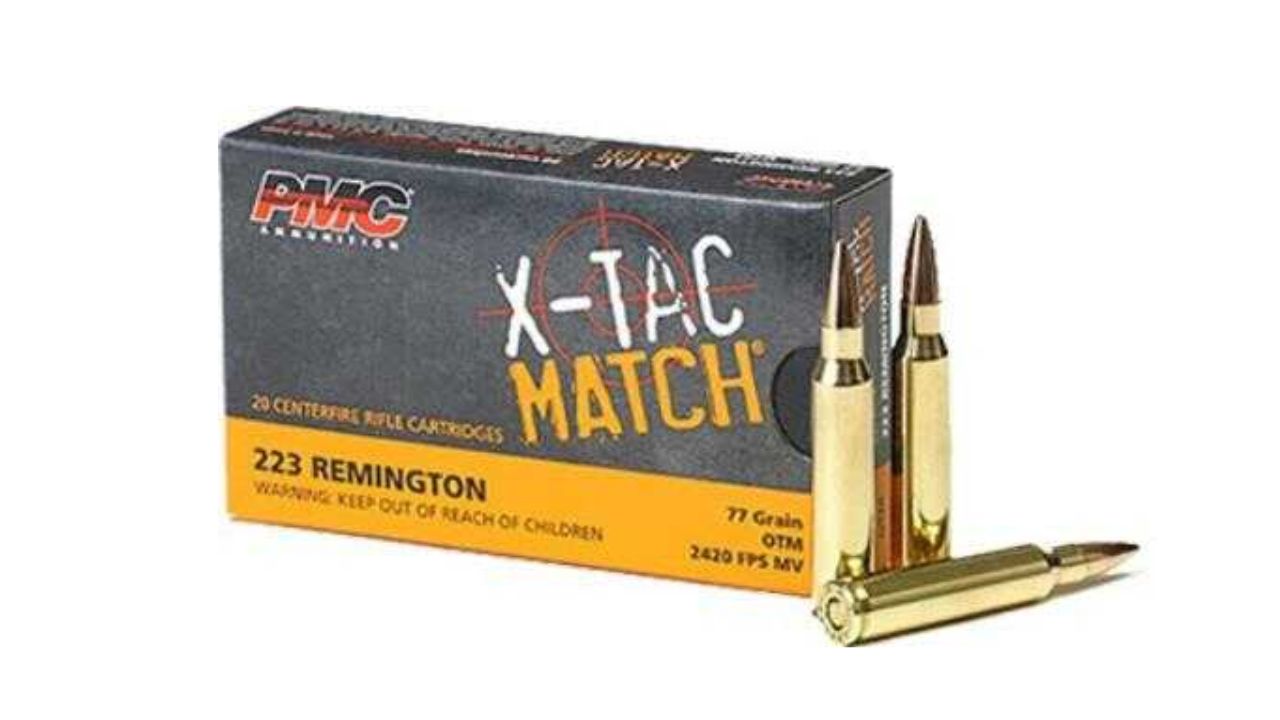
The .223 Remington can take deer cleanly with the right bullets, but it punishes anyone who forgets how narrow that margin can be. Hunters accustomed to coyotes often underestimate the muscle and bone of a mature whitetail. Even bonded bullets need careful shot placement to reach the vitals at angles that aren’t perfect.
Many lost deer come from assuming accuracy will solve everything. The truth is that the .223 can’t bail you out if the shot drifts a few inches or if the deer takes a step at the wrong moment. It works—but only in the hands of someone disciplined enough to stay within its envelope.
7mm-08 Remington
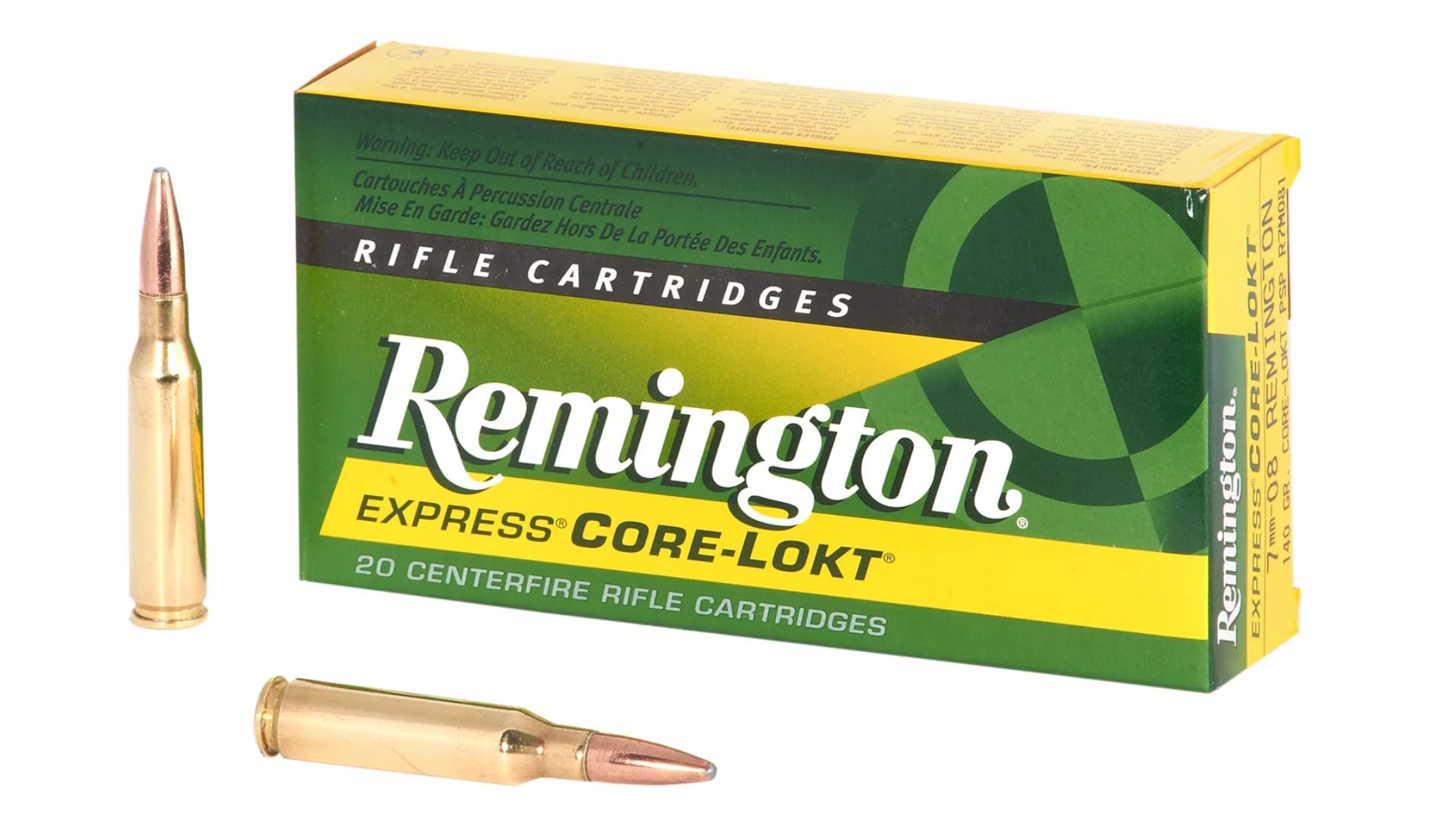
Hunters often think the 7mm-08 hits like a lighter .308, but its performance varies a lot depending on bullet choice. The cartridge shines with strong 140–150 grain bullets, yet many new hunters pair it with lighter projectiles meant for easy recoil. Those bullets can expand too quickly on close shots, especially on bigger-bodied deer.
When you push the 7mm-08 to the edge of its range, marginal hits sometimes look good at first but leave sparse blood trails. The round is capable and proven, but it’s not a cure-all. It needs the right bullet and a shot that respects its limitations.
.30-30 Winchester

The .30-30 has taken more deer than anyone could count, but people still misjudge it every season. Hunters familiar with modern bottleneck cartridges sometimes forget how quickly the .30-30 drops after 150 yards. What feels like an “easy shot” across a cutover can turn into a spine-high hit that doesn’t anchor the deer.
Inside its range, the cartridge is reliable and predictable. Stretch it too far and you’re dealing with low impact velocity and minimal expansion. That’s when deer run farther than expected and tracking becomes a chore, especially in thick November cover.
.45-70 Government
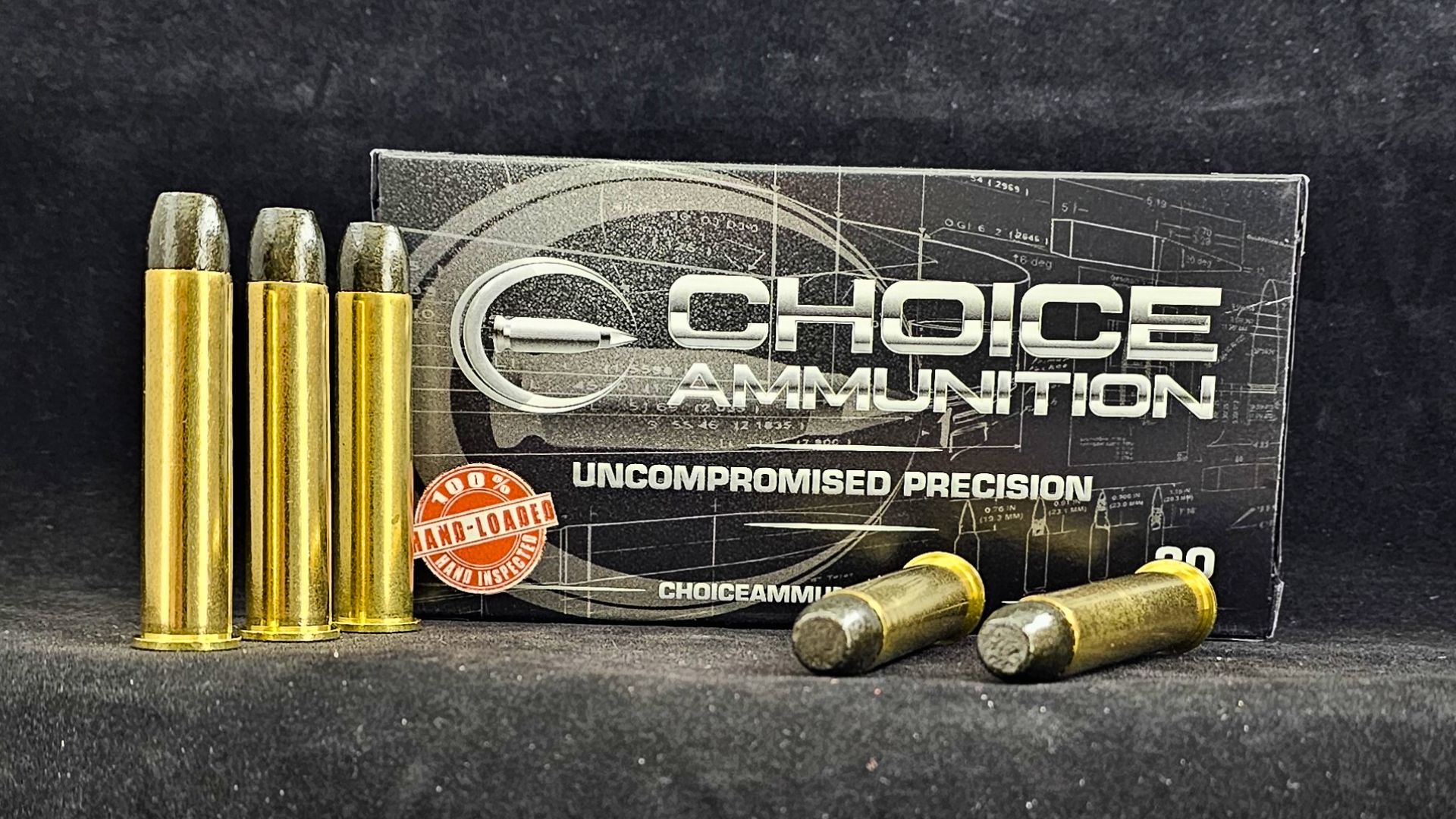
The .45-70 gets misjudged in the opposite direction. Hunters assume its huge bullet solves every problem, but energy doesn’t matter if the bullet isn’t built for the job. Traditional soft-lead loads can flatten out early and fail to penetrate deeply on quartering angles. That leads to difficult blood trails, especially in the brushy timber where the round is popular.
Modern loads fix most of those issues, yet many hunters still rely on outdated expectations. The cartridge works incredibly well when matched with the right projectile, but it isn’t the indestructible hammer people imagine.
.350 Legend

The .350 Legend became popular fast, and that quick rise led to misunderstandings. Hunters often assume it carries the same punch as bigger straight-wall cartridges, but its bullets slow down quickly past 150 yards. Expansion becomes unpredictable when velocity drops too far, especially with lighter loads marketed for low recoil.
When everything is close and angles are clean, the Legend performs well. Problems start when hunters push it across open fields or try to treat it like a bottleneck round. That’s where wounded deer start showing up.
6.5 Grendel
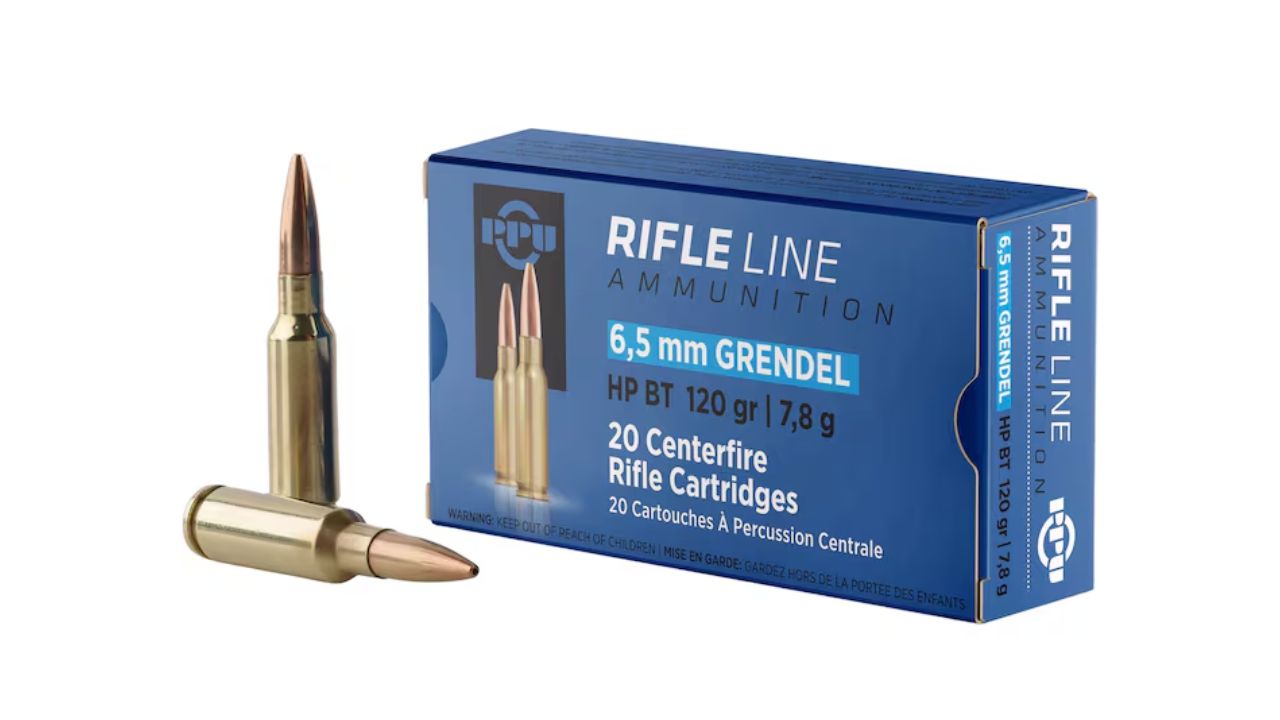
The 6.5 Grendel is a capable cartridge inside its realistic range, but many hunters stretch it simply because they’re shooting an accurate AR platform. With moderate muzzle velocity and light-for-caliber bullets, it doesn’t offer the same margin for error as larger 6.5mm rounds.
Quartering shots can be tricky at distance, and penetration varies with bullet design. The Grendel handles calm, deliberate shooting well, but it struggles when hunters take it into country where shots can run longer than expected.
.257 Roberts

The .257 Roberts has a loyal following, but it’s another round that gets pushed harder than its design allows. Hunters often pick light, flat-shooting bullets and forget that those projectiles lose steam quickly. A deer hit at 80 yards reacts differently than one hit at 260, especially if the impact velocity dips below expansion thresholds.
The Roberts is sweet-handling and pleasant to shoot, yet it demands attention to bullet construction. When hunters choose softer bullets meant for varmints, things can go sideways fast.
.25-06 Remington

The .25-06 is fast and flat, which leads some hunters to believe any hit will perform well. But lightweight bullets moving at high velocity can come apart on close-range shoulders, leaving shallow wounds that don’t anchor deer.
The cartridge works beautifully with tough bullets, especially on longer shots across bean fields or prairies. But when someone pairs it with thin-jacketed projectiles or pushes it too close on bone, the round can surprise them—in the worst way.
.450 Bushmaster
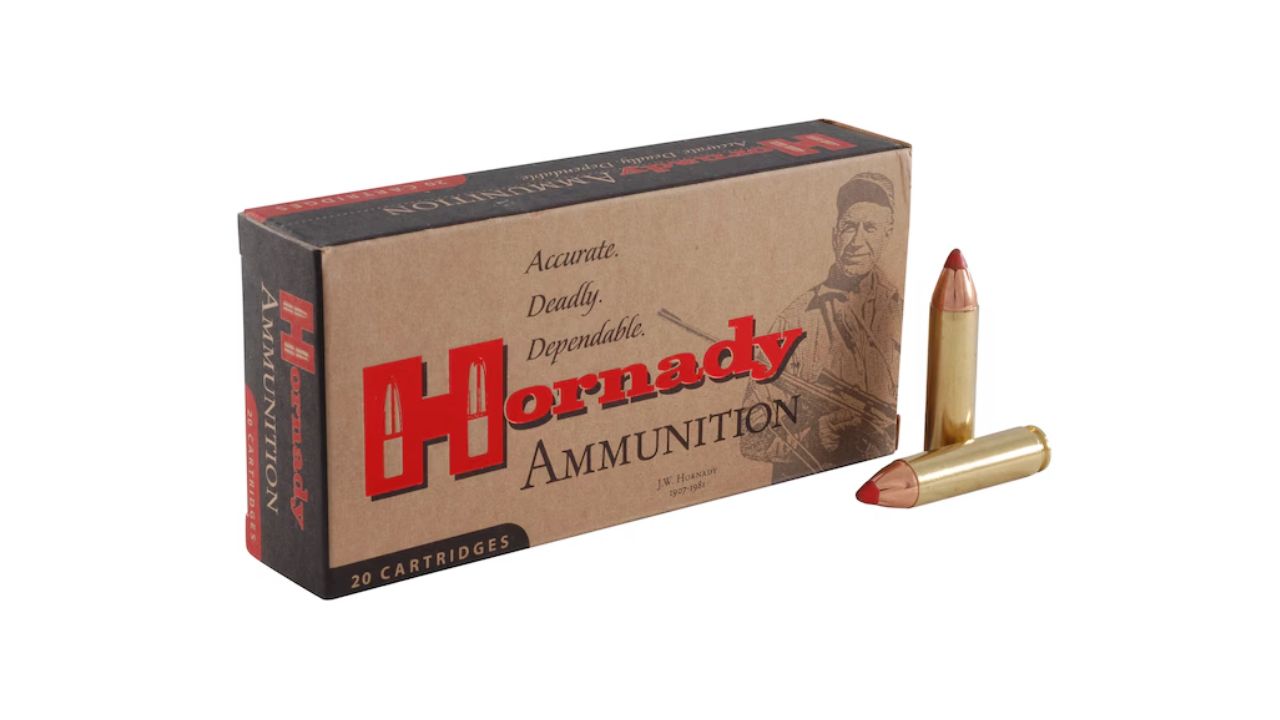
Straight-wall states made the .450 Bushmaster popular, but hunters often overestimate its reach. Heavy bullets drop fast, and when impact velocity dips too low, expansion becomes unreliable. That leads to pass-throughs that leave minimal blood, especially on shots that aren’t perfectly placed.
Up close, the Bushmaster hits hard. Trimmed-down rifles make it handy in blinds. But when hunters try to stretch it beyond intended ranges, wounded deer are far more common than people want to admit.
.280 Remington
The .280 Remington performs well, yet many hunters underestimate how much bullet selection affects results. The cartridge bridges the gap between .270 and .30-caliber rounds, but lighter bullets can behave unpredictably on angled shots.
With heavier controlled-expansion bullets, it performs flawlessly. Issues crop up when hunters try to maximize velocity with lightweight loads that fragment early. That often leads to shallow penetration and long tracking jobs in thick terrain.
6.5 Creedmoor

Despite its popularity, the 6.5 Creedmoor still gets misunderstood. Many hunters assume match bullets will perform the same on game as hunting bullets. They won’t. Match bullets can fail to penetrate on bone, especially on quartering shots.
The Creedmoor works extremely well with proper bullet choice, and hunters who stick to proven designs see excellent results. The trouble starts when someone treats any 6.5 bullet as interchangeable and learns the hard way that it isn’t.
.270 Winchester

The .270 Winchester is powerful and flat-shooting, but hunters sometimes choose bullets that are too fragile for close-range work. High-speed impacts can cause rapid expansion and limited penetration.
When matched with controlled-expansion bullets, the .270 is extremely dependable. But hunters who rely on older soft designs occasionally see wounded deer run farther than expected, especially when the shot lands near the shoulder.
.308 Winchester

The .308 Winchester is versatile, yet hunters misjudge it when they assume all bullets behave the same. Lightweight projectiles meant for target shooting can fail badly on bone, leading to inconsistent performance.
The .308 does its best work with medium to heavy bullets designed for game. When someone loads it with the wrong projectile because “it groups well,” they often end up tracking longer than they planned.
.30-06 Springfield
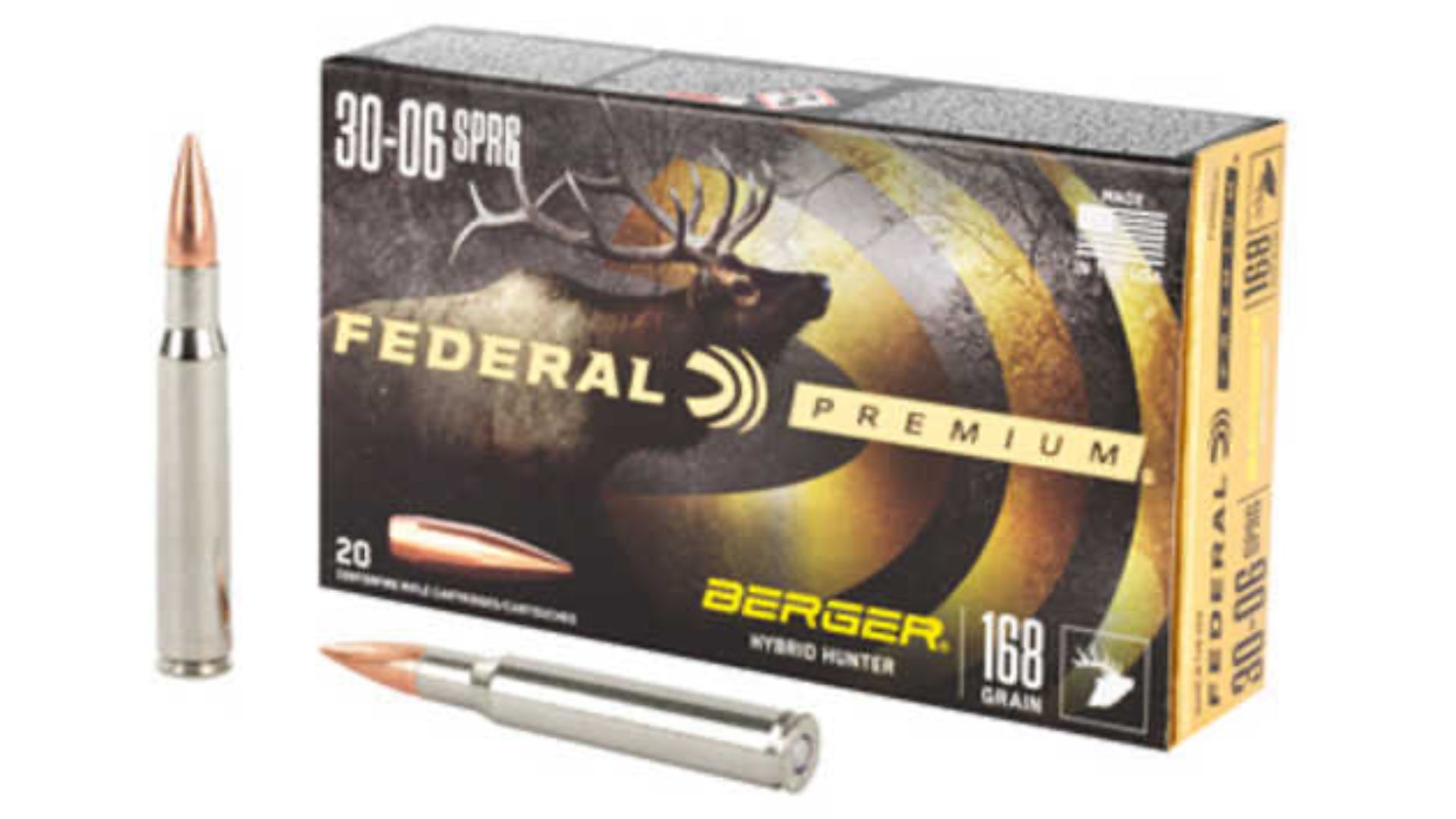
The .30-06 can do almost anything, which leads some hunters to think any bullet choice will work. But poor bullet selection remains a big source of wounded deer. Fast, lightweight bullets can fragment early, especially on steep quartering shots.
With premium bullets, the .30-06 hits with controlled force and deep penetration. But treating it like a cartridge that forgives every mistake often leads to unnecessary losses in the field.
Like The Avid Outdoorsman’s content? Subscribe to our newsletter so you never miss an article.
Here’s more from us: