Photo credit: Springfield Armory
A gun can feel “high end” for all the right reasons—clean machining, tight lockup, slick coatings, smart features, and a trigger that makes you grin. The trap is thinking that first impression tells the whole story. Hard use is heat, carbon, sweat, dust, cheap ammo, fast reloads, and reps that aren’t gentle. That’s when tolerances, springs, magazines, and mounts either keep doing their job—or start asking for attention.
Some firearms don’t actually “break.” They just get pickier. They run great for the first few range trips, then little issues show up once parts wear in, things get hot, and you stop babying them. If you’ve ever chased a mystery malfunction, a wandering zero, or a gun that suddenly feels different at round 800 than it did at round 80, you already know the pattern. Here are specific guns that can give you that premium feel early—then teach you lessons when you run them hard.
Kimber Custom II (1911)

A Kimber Custom II can feel like a serious piece the moment you rack it. The slide-to-frame fit is usually tight, the trigger can feel clean, and the gun has that “well-made steel” vibe that polymer pistols can’t fake. When you’re shooting slow and everything’s clean, it often feels like you bought a pistol that’s a step above.
When you start running drills, tight 1911s can lose their forgiveness. Heat, carbon, and a dry gun can show up as sluggish return to battery, especially if your magazines aren’t top-shelf or your ammo is inconsistent. You also learn fast that a 1911 lives and dies by extractor tension and magazine quality. The gun may still be totally workable, but it stops feeling effortless once you’re pushing volume and speed.
Kimber Micro 9

The Micro 9 looks and feels like a “mini premium” pistol. Nice finish, good lines, familiar 1911 controls, and it carries easy. At the counter it feels refined, and in the first couple hundred rounds it can be a fun little shooter if you’re using ammo it likes.
Hard use is where tiny 1911-style pistols can get moody. Short slides cycle fast, springs work harder, and small timing issues show up sooner—especially if you’re mixing ammo, shooting one-handed, or running the gun dry. In longer range sessions, you can also feel the recoil and grip size start working against you, which makes consistent grip pressure tougher. It’s not that it can’t run. It’s that it asks more of you and your maintenance than the “high end” feel suggests.
SIG Sauer P365

The P365 feels like modern carry done right: great size, strong capacity, good sights, and ergonomics that make you want to practice. It carries like a tiny gun but shoots like it’s bigger than it is—at least at first. That’s why it became a default recommendation for a lot of people.
When you actually run it hard, the micro-compact reality shows up. Small guns cycle fast, and they’re less forgiving of tired hands, imperfect grip, and mixed ammo. Springs and small wear parts matter more in this size class, and you can feel the gun get snappier and less “easy” if you’re doing high round-count days. The P365 can be very dependable, but it rewards you for staying on top of lubrication, recoil spring health, and quality magazines—because hard use doesn’t give micro pistols much margin.
SIG Sauer P320 (full-size/compact)

The P320 often feels high end because it’s modular, smooth, and easy to set up exactly how you want. Different grip modules, different slides, optics-ready options—everything about it feels modern. In normal range use, it can run clean and shoot well enough that you stop thinking about the gun and focus on the work.
When you push volume and speed, the “system” side of the gun matters more. If you’re swapping parts, mixing magazines, or changing recoil setups, you can introduce variables you don’t notice during casual shooting. Under hard use, little things like magazine springs, extractor/ejector consistency, and how dirty the gun gets start to matter. The P320 isn’t automatically fragile—it’s just a platform where your configuration choices can either give you extra reliability margin or quietly take it away when the round count climbs.
Springfield Armory Hellcat

The Hellcat has that polished, ready-to-carry feel: modern styling, good sights, solid capacity, and a size that disappears. It’s a gun that feels like it was designed by people who actually carry. In short sessions, it can feel like you found the sweet spot between concealment and shootability.
When you run it hard, you start paying the micro-compact tax. The gun is light, the grip is short, and recoil management becomes more effort than people expect when they buy it for “serious use.” That matters in drills, because your grip gets tired and your consistency slips. Micro pistols can also be less tolerant of mixed ammo and dry running during longer sessions. The Hellcat can be reliable, but the “premium feel” doesn’t change the fact that hard training stresses small guns faster than midsize pistols.
Ruger LCP II

The LCP II feels slick for what it is: tiny, light, easy to carry, and surprisingly shootable for a pistol that small. It’s the kind of gun that makes you think, “I can actually keep this on me all the time,” which is a real advantage. For a lot of people, that convenience feels like the whole point.
Run it hard and you quickly learn it’s a specialist, not a trainer. Pocket pistols are harsh on hands, sights are small, and recoil control gets harder as speed goes up. That doesn’t mean it won’t function—it means the platform doesn’t stay “easy” when you’re doing real volume. Small guns also have less tolerance for weak grip, tired wrists, and cheap ammo. The LCP II can be a lifesaver role gun, but it’s rarely the gun you want for long drills if you’re being honest about performance.
Remington 870 Express

An 870 still feels like an 870 in the hands—solid, familiar, and confidence-inspiring. Even the Express models often shoulder well and cycle fine at first. It’s easy to think you’ve got a hard-use shotgun just because the design has a legendary reputation.
Hard use is where the details matter. Some Express-era guns can show rough chambers, finish that doesn’t resist rust the way you want, or action bars that feel less smooth once grit and moisture get involved. If you’re shooting a lot and running the gun hard, extraction and cycling consistency become the whole game. The platform itself can be extremely durable, but an Express that’s “fine” on day one can start demanding attention—cleaning, polishing, and corrosion prevention—so it doesn’t turn into a problem halfway through the season.
Mossberg 940 Pro Tactical

The 940 Pro Tactical feels purpose-built: good controls, modern features, and a setup that looks ready for serious use. Early range trips can be great—soft shooting, fast follow-ups, and that satisfying “this is a tool” vibe. It’s easy to assume it’ll keep doing that forever with minimal attention.
Hard use on semi-auto shotguns is all about the gas system and fouling. Long strings, cheap shells, and dirty conditions can stack carbon quickly, and you may notice cycling becoming less consistent if maintenance slips. Shotguns also get bounced around more than people admit—truck rides, wet blinds, dusty fields—so screws, mounts, and accessories can loosen if you don’t keep an eye on them. The 940 can be a strong performer, but it stays “high end” longer when you treat it like a working gun, not a safe queen.
Benelli M2

The Benelli M2 earns its reputation because it feels fast and slick. In a simple configuration, it can run hard and keep going. The “high end” trap usually shows up when you start hanging stuff on it—extended controls, side saddles, optics mounts, and heavy accessories that change how the gun recoils and how you cycle it.
When you run drills hard, added weight and bolt-on gear can introduce reliability headaches that weren’t there in the stock gun. Side saddles and mounts can shift, screws can loosen, and the gun can become less pleasant to run at speed. None of that is a knock on the M2 itself—it’s a reminder that a shotgun is a dynamic machine, and hard recoil punishes weak mounting solutions. A clean, simple M2 stays “high end.” A loaded-down one can start feeling like a project.
FN SCAR 17S

The SCAR 17S feels expensive for a reason. The controls are crisp, the gun has that “serious rifle” presence, and the recoil impulse is unique—smooth in a way that makes you think you’re shooting a refined machine. It’s easy to fall into the idea that the rifle’s price tag guarantees an easy life.
Hard use teaches you to respect what the gun does to optics and mounts. The SCAR’s operating dynamics can be tough on marginal setups, and a scope that seems fine on a different .308 can start having issues here if it’s not truly rugged. You also learn that “high end” doesn’t mean “set it and forget it” when you’re shooting a lot and banging the gun around. The SCAR can be extremely capable, but it demands durable mounting choices if you don’t want a mystery zero shift to ruin your day.
Christensen Arms Ridgeline

A Ridgeline can feel like a custom rifle right out of the box: lightweight, good balance, and that mountain-rifle vibe that makes you want to shoulder it in the store for five minutes. On cold-barrel shots it can shoot impressively, and it’s easy to think you found the perfect “do everything” hunting rifle.
Hard use is where ultralight rifles show their limits. Thin barrels heat fast, and as the barrel warms you can see groups open or point of impact drift, especially if you’re shooting longer strings. Lightweight stocks can also flex or react differently across field rests, which matters when you’re training hard from real positions. None of that makes it a bad hunting rifle—most hunting shots are cold-bore. It just means the premium feel doesn’t guarantee “drill friendly” behavior when you’re running it like a training gun.
Savage 110 Ultralite

The 110 Ultralite feels like a smart modern hunting rifle: light, handy, and built for guys who actually walk. The first impression is usually strong because you can feel the weight savings immediately, and the rifle often shoots well enough to build confidence early.
Hard use exposes the same truth as other ultralights: heat and consistency are the enemy. A light barrel and light stock can change the way the rifle behaves when you push round count, especially off barricades or awkward supports where you’re loading the rifle hard. If you’re sighting in and shooting a couple groups, it feels great. If you’re doing extended practice sessions, you can start chasing impacts that move as the system warms up. The rifle still does its job, but it stops feeling effortless once you treat it like a high-volume shooter.
Kimber Mountain Ascent

The Mountain Ascent feels like premium mountain hunting distilled into a rifle. It’s light in a way that surprises you, and it carries like a dream. On the first few trips, it can make you feel like you finally solved the “carry versus capability” problem.
Hard use is where ultra-lightweight everything makes you work. Recoil feels sharper, which can make follow-through harder during fast practice. The light barrel heats quickly, and the rifle’s behavior can change more than you’d like during longer strings. You also learn that featherweight rifles can be less forgiving of small setup issues—stock fit, sling tension, how you rest it—because there’s less mass to dampen your input. It can be an excellent hunting tool, but it’s not built for the kind of high-round-count abuse that a heavier rifle shrugs off without changing personality.
Ruger Precision Rifle (early generations especially)

The RPR feels like you bought a purpose-built precision system: adjustable chassis, heavy barrel, and an overall “serious” vibe. It’s a rifle that looks and feels like it wants to live on a firing line, and early range sessions can be a blast because the platform is easy to shoot well.
Hard use can turn little interface issues into big distractions. Precision chassis rifles live on fasteners, magazine fit, and consistent torque across the system. After enough shooting, travel, and handling, you can start noticing things loosen if you’re not checking them—especially if you’re running accessories and bipods hard. Magazine consistency matters, too, because small feeding quirks show up when you’re moving fast and cycling aggressively. The rifle can be very capable, but hard use rewards the guy who treats it like a system that needs periodic checks, not a one-time setup.
Springfield Armory SAINT Victor (AR-15)
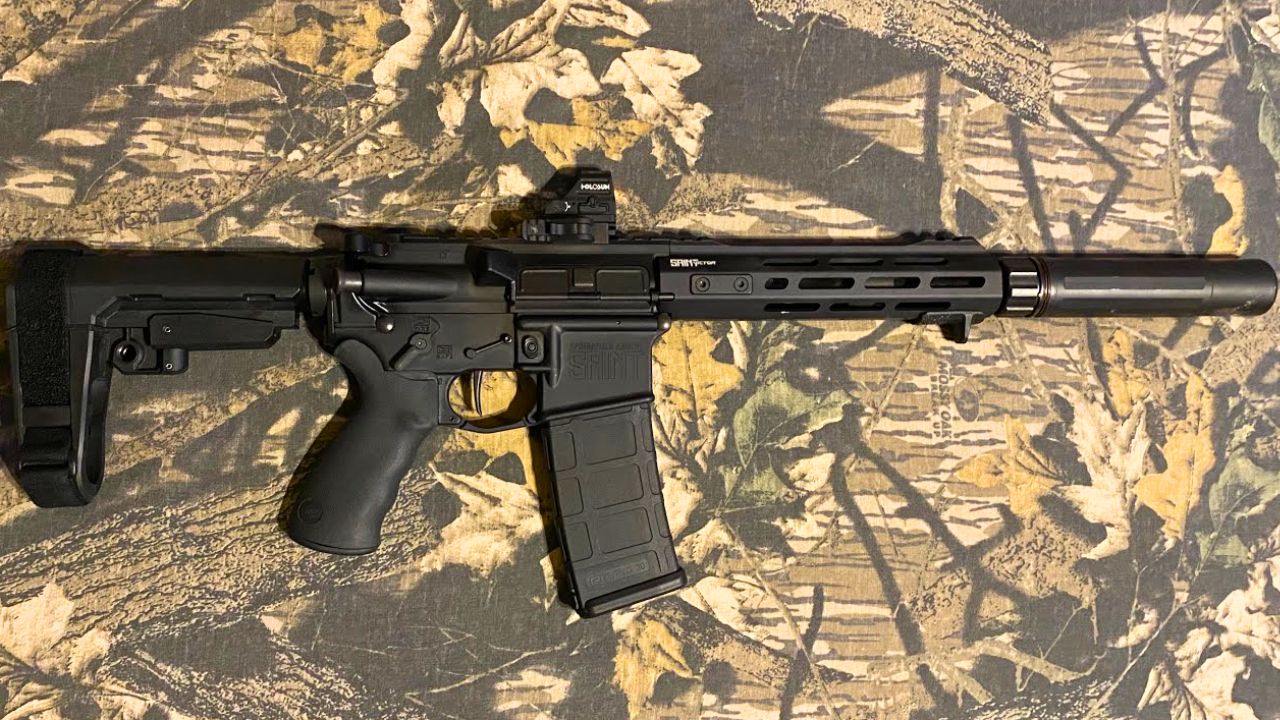
The SAINT Victor often feels like a “step up” AR: lighter, good handling, and a clean feature set. It’s the type of rifle that can feel premium compared to entry-level guns, and it usually shoots soft enough that you want to run it faster than you planned.
Hard use on ARs tends to expose gas and lubrication realities. If you’re running long drills, cheap ammo, or a dirtier environment, you find out fast whether your setup has enough reliability margin. A rifle that feels perfect when clean can start showing sluggish cycling or inconsistent ejection if it’s run dry or gets filthy. That doesn’t mean the Victor is doomed—it means ARs are honest machines. If you want it to stay “high end” through hard training, you keep it wet, use quality mags, and don’t tune it so tightly that it only runs in perfect conditions.
SIG MCX (carbine variants)

The MCX feels premium immediately: solid build, smooth controls, and a recoil impulse that makes you feel like you’re shooting something engineered, not just assembled. It also makes you want to configure it—different stocks, optics, lights, suppressors—because it seems built for that kind of modular life.
Hard use is where you learn that modularity adds variables. More parts, more mounting interfaces, more heat, and more things that can loosen if you don’t keep an eye on them. If you’re running it suppressed, you’re also dealing with extra fouling and heat that can accelerate wear and make maintenance more important. The MCX can be a very capable hard-use gun, but the “high end” feel can trick you into ignoring the basics—tight mounts, fresh springs when needed, and consistent cleaning intervals when you’re pushing round count.
Ruger Mini-14

A Mini-14 can feel classy and refined in a way modern black rifles don’t. The handling is quick, the rifle balances well, and it has that old-school utility feel that makes you think it’s a lifetime gun. For casual shooting and ranch-rifle chores, it can feel like the perfect blend of practical and traditional.
Hard use is where you learn the platform’s quirks. As the barrel heats, some Minis can open up groups more than you’d like, and sustained firing can make the rifle feel less consistent than it did when it was cool. Magazines also matter a lot—good ones keep life easy, questionable ones can turn the gun into a troubleshooting session. The Mini can absolutely be a reliable working rifle, but the “premium feel” doesn’t guarantee the same consistency you’d expect from a heavier, more modern system when you’re running it hard and hot.
Beretta 92FS (especially with “race” parts)

A 92FS feels like a real gun—smooth cycling, steady recoil, and a track record that makes you trust it. In stock form, it’s usually boring in the best way. It’s also a platform people love to tweak, because it responds well to springs and trigger work.
Hard use is where ultra-light springs and “race” setups can stop being fun. If you go too light on hammer springs or start chasing the softest possible feel, you can introduce reliability issues with harder primers or dirty conditions. Under speed, you also find out whether your mags and your extractor setup are truly squared away. The 92 platform can be extremely dependable, but it’s a good example of a gun that stays high end longer when you prioritize duty-grade reliability over the lightest possible trigger. Hard drills punish narrow margins.
Taurus Judge (and similar multi-cartridge revolvers)

The Judge can feel premium in a very specific way: it’s novel, it’s interesting, and it feels like it gives you options. A lot of people pick it up and think, “This solves problems,” because it’s a revolver and it can chamber more than one type of load. That confidence feels high end, even if the gun isn’t priced like a custom piece.
Hard use is where you learn what the design is really optimized for. These revolvers often trade some consistency for versatility, and you can see it in recoil control, accuracy expectations, and how the gun behaves across different loads. Long range sessions can also be rough on the hands, and heavy use will test whether your chosen ammo and your technique stay consistent. It can still have a role, but it’s a classic example of a gun that feels like a magic answer—until you run it hard and realize it’s a compromise machine like everything else.
Like The Avid Outdoorsman’s content? Be sure to follow us.
Here’s more from us: