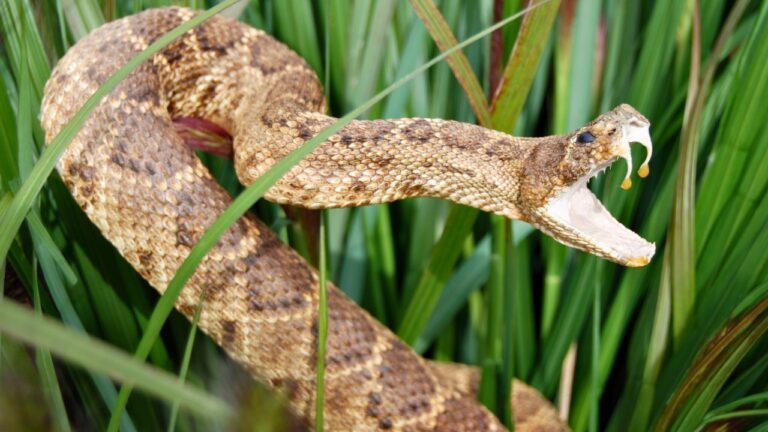
Copperheads are the snakes people live around for years without realizing it. They’re not loud, they don’t usually advertise themselves, and their camouflage is so good that you can look straight at one and still miss it. That’s the real danger with copperheads: not that they’re “aggressive,” but that they’re easy to step near, reach near, or surprise when you’re doing normal yard stuff. They like edge habitat—woodlines, leaf litter, brushy fence rows, creek bottoms, and rock features—and a lot of modern yards back right up to those spots. These 15 states are classic copperhead country where they’re common, but most homeowners only learn that after a close call.
Texas

Texas has copperheads in the eastern half of the state, and they do well anywhere there’s hardwood cover, leaf litter, and prey. A lot of yard encounters happen in older neighborhoods with big trees and deep mulch beds, or on rural properties where woods meet a mowed yard. Copperheads love those transitions because mice, frogs, and lizards work those edges too.
People miss copperheads because they sit still. They don’t always bolt like a rat snake will. If you’ve got a shaded woodpile, a brush line, or a low rock wall near the house, a copperhead can tuck in and disappear. The best way to reduce surprises is keeping leaf litter and clutter down near walkways, sealing gaps around sheds, and not letting rodents set up shop near the foundation.
Oklahoma

Oklahoma is strong copperhead territory, especially in the eastern portion of the state where woods and creeks are common. Suburban growth along wooded corridors means copperheads end up near patios, sheds, and back fences more than people expect. They’ll use tall grass, brush piles, and the edges of landscaping as travel lanes, and they’re perfectly happy staying hidden until you’re too close.
A lot of bites happen during “normal” chores—moving boards, cleaning up debris, reaching into a brush pile, or stepping off a path at dusk. If your yard has a creek, a brushy fence row, or a lot of shade and leaf litter, you’ve basically created copperhead-friendly habitat. Keep access areas clear and don’t let junk pile up along the back edge of the property.
Arkansas

Arkansas has copperheads across a big chunk of the state, and the mix of woods, rocky terrain, and creek bottoms is ideal. They’re common around rural homes and cabins, and also around neighborhoods built near wooded lots. In Arkansas, people miss copperheads because the ground is often the same color as the snake—dry leaves, brown pine needles, and mottled shadows.
They also show up where prey is. If you’ve got mice around a feed room, a shed, or a chicken area, copperheads will patrol the edges. One of the smartest moves is making sure you’re not creating cover within 20 feet of the house: no brush piles against the fence, no stacked boards on the ground, no tall grass along the foundation.
Missouri

Missouri has copperheads in many regions, and they’re a big reason people get bitten while doing yard work. They love wooded edges, rock piles, and brushy creek bottoms, which is basically a description of a lot of Missouri backyards. If your property backs up to timber, the transition zone between mowed grass and leaf litter is where copperheads move and hunt.
The “never notice” part is real because copperheads don’t always flee immediately. They’ll rely on camouflage. That’s why folks step right past one, then turn around and realize it was there the whole time. Use a flashlight at night, keep the perimeter tidy, and be careful around stacked firewood, landscape timbers, and anything that creates low, shaded hiding spots.
Louisiana

Louisiana isn’t just gators and cottonmouths—copperheads are common too, especially in areas with mixed woods and wet edges. They show up near brushy lots, along bayou banks, and in the messy transitions behind homes where tall grass and leaf litter collect. A lot of Louisiana yards have exactly what copperheads like: shade, moisture, and plenty of frogs and rodents.
People miss them because they blend in with pine straw and wet leaves, and because they tend to stay low and still. The biggest risk zones are stacked junk near fences, brush piles, and the edges of sheds and crawls where rodents travel. Clean edges, controlled rodents, and a tidy buffer around the house reduces those surprise encounters fast.
Mississippi

Mississippi has copperheads throughout much of the state, and they’re common around wooded neighborhoods and rural properties. If you’ve got leaf litter under trees, thick mulch beds, or a brushy ditch line near the yard, that’s copperhead habitat. They also like places where yard meets woods with a clear “edge,” because prey animals run those same lines.
A lot of bites come from hands, not feet—people grabbing a piece of tin, lifting a board, moving a flower pot, or reaching into a pile. That’s why “I never even saw it” is the most common story. If you’re in Mississippi, keep things off the ground, store lumber and firewood neatly and raised, and don’t let tall weeds and leaves build up in corners where you can’t see.
Alabama

Alabama is solid copperhead country, and the snake’s comfort zone overlaps heavily with where people live—wooded hills, creek drainages, and shaded neighborhoods. Copperheads can be right by the house if there’s cover: a pile of leaves under shrubs, stacked landscaping blocks, or a cluttered storage area by a shed. Their camouflage works especially well in Alabama’s leaf litter and pine straw.
The reason people don’t notice them is because they move like a shadow and then stop. They’ll sit at the edge of a path, under a low bush, or tucked next to a rock border and just disappear. Keeping a clean, open strip around the house, trimming low shrubs, and using lighting along paths goes a long way in reducing close calls.
Georgia

Georgia has copperheads across many regions, and wooded suburban growth makes yard encounters more likely. A typical setup is a backyard that drops into a wooded drainage or has a brushy line behind the fence. Copperheads love those spots because they’re cooler, damp, and full of prey. People often only notice them when mowing, edging, or letting dogs roam close to that back border.
They’re also common near stacked stone, landscape timbers, and low retaining walls. That’s not because they “love your landscaping,” but because those features create shade pockets and hideouts. If you want fewer surprises, keep the edge clear, don’t let thick ground cover creep right to the foundation, and handle yard debris with gloves and a tool, not your hands.
Tennessee

Tennessee is one of the states where copperheads are both common and routinely missed. The state has plenty of wooded habitat, rocky slopes, and creek bottoms, and many yards sit right on that edge. Copperheads blend into leaf litter so well that they can be sitting under a step, along a stone wall, or in a mulch bed and you’ll walk right past.
Tennessee bite stories often start during warm evenings—people taking out trash, checking the grill, walking a dog, or stepping off a porch in flip-flops. Use lights at night, keep mulch and leaves from building up near walkways, and don’t let wood piles and junk corners turn into permanent hiding spots. Your yard doesn’t have to be sterile, but it shouldn’t be cluttered.
Kentucky

Kentucky has copperheads across much of the state, especially in areas with woods, rock outcrops, and creek drainages. They show up around rural homes, cabins, and even neighborhoods that back up to natural areas. The “never notice” factor is big in Kentucky because copperheads can sit in dry leaves and look like part of the ground.
Yard work is where people get nailed—clearing brush, picking up storm debris, stacking wood, and cleaning up along fence lines. They also show up near rock walls and old foundations where rodents travel. In Kentucky, a tidy perimeter and fewer rodent attractants is the best long-term move. Don’t keep brush piles close to the house, and don’t leave boards or scrap on the ground where something can hide under it.
Virginia

Virginia has copperheads statewide, and they’re one of the most common venomous snakes people run into in the yard. They do well in wooded suburbs, in farm-country edges, and even in neighborhoods with mature trees and heavy mulch beds. They aren’t typically out in the middle of an open lawn; they’re in the transition zones—exactly where people step off a deck, walk along a fence, or toss yard waste.
Copperheads are also active during times people aren’t fully alert—dusk, night, and early morning in warm months. That’s why so many “I never saw it” bites happen on porches and steps. Motion lights, keeping leaves and mulch tidy near walkways, and not letting ground cover create hidden corridors close to the house helps a lot.
West Virginia

West Virginia has copperheads in many areas, especially in warmer valleys and rocky terrain where woods meet yards. Properties with stone steps, rock borders, and stacked firewood can create a perfect setup: lots of cool, tight spaces and plenty of prey. Copperheads don’t need a big swamp or field; a brushy edge and a few rodents will do it.
People miss them because the terrain itself is busy—rocks, leaves, shadows. A copperhead can sit in that mess and vanish. If you live in West Virginia and your yard is naturally rocky or wooded, focus on keeping the immediate living space clean and visible. Clear leaves from steps, keep wood stacked and raised, and don’t let brush pile up along the house line.
North Carolina

North Carolina is strong copperhead territory, and they show up around yards in both rural and suburban settings. The common theme is cover: leaf litter, brushy drainage areas, thick mulch beds, and wooded edges behind fences. Copperheads are also good at living close to people without being seen, especially in neighborhoods with mature trees and a lot of ground cover.
If you have a yard that’s shaded and stays damp, that increases prey and gives copperheads cooler ground. They’re also known for freezing when disturbed, which is why people step close. Keep yard edges trimmed, don’t let mulch piles and leaves build up near steps, and be careful reaching into landscape beds. A rake and a tool beat bare hands every time.
South Carolina

South Carolina has copperheads throughout much of the state, and the “never notice” factor is huge because leaf litter and pine straw are everywhere. Suburban yards with thick shrub beds and lots of mulch create great hiding spots. Copperheads can tuck in at the base of shrubs or along the edge of a flower bed and you won’t see them until you’re right there.
They also love the back edge of the yard where lawn meets woods, especially if there’s a ditch or damp low spot. Keep that transition zone managed. If you want fewer copperhead surprises, don’t let vegetation create a continuous “tunnel” right up to the house. Cut a clean buffer, control rodents, and use lighting when you’re outside at night.
Pennsylvania

Pennsylvania is where a lot of people underestimate copperheads. They’re established in parts of the state, and rocky, wooded areas create ideal habitat. Yard encounters happen on properties near forest edges, stone walls, and rocky slopes—places that hold heat and offer tight cover. People miss them because they blend into dry leaves and rocks, and because they tend to stay still instead of running.
The other issue is that many Pennsylvania properties have old stone features and wood piles close to the house, and those attract rodents. That prey trail is what brings copperheads in. If you’re in a copperhead area of Pennsylvania, keep wood stacked away from the house, reduce ground clutter, and don’t reach into rock piles or brush without checking first.
Like The Avid Outdoorsman’s content? Be sure to follow us.
Here’s more from us: