Photo credit: Holly Kuchera/Shutterstock.com
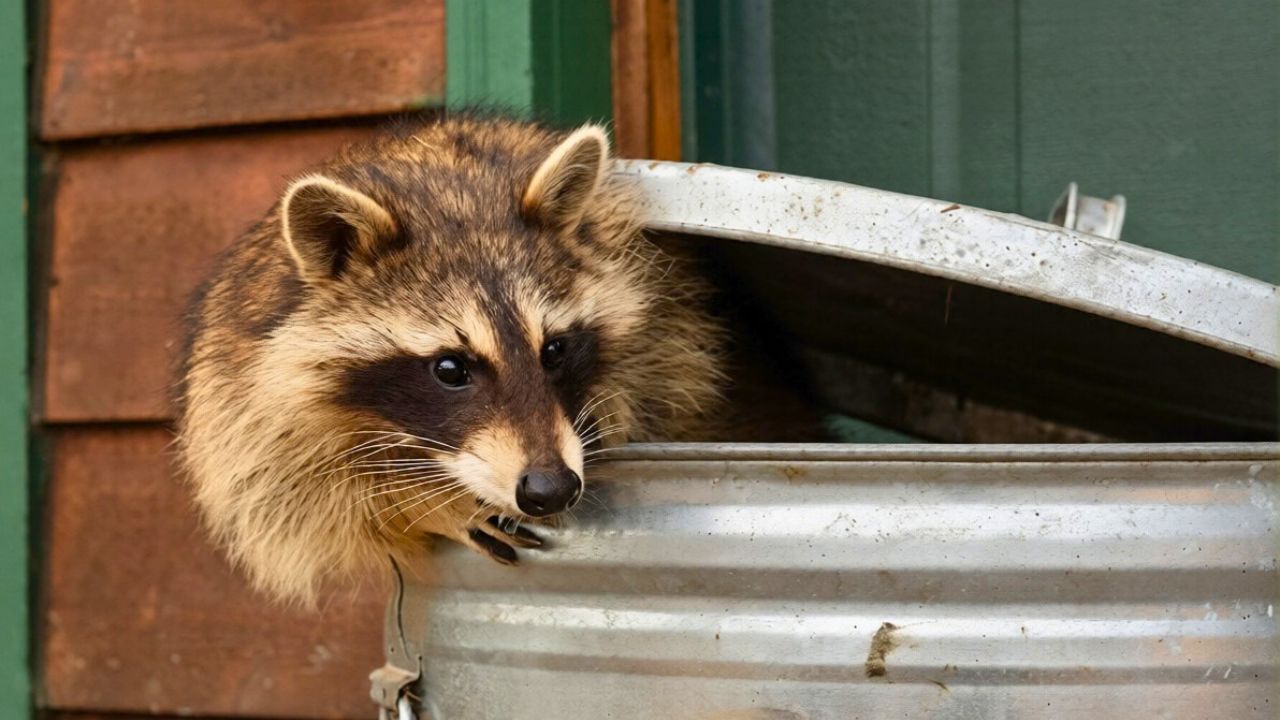
Raccoons are one of those animals people laugh off until they stop acting scared. Most of the time they’re nighttime burglars—tip over a trash can, rinse something in a puddle, disappear. But every now and then you’ll run into one that doesn’t flinch. It’s standing on the porch like it pays rent, staring at you from ten feet away, maybe even walking closer instead of backing off. That’s when people start asking the right question: “Why is it acting like that?” Because a bold raccoon isn’t random. It’s usually the result of either food conditioning, habituation to humans, or a problem with the animal itself. And the way you respond should depend on which one you’re dealing with.
The problem is raccoons are smart, persistent, and unbelievably good at learning routines. If a raccoon figures out that your neighborhood is safe and profitable, it will act like it. That doesn’t mean you need to panic, but it does mean you shouldn’t treat bold behavior like it’s cute. A raccoon that loses its natural wariness is more likely to bite a dog, more likely to push into attics or crawl spaces, and more likely to create a mess that turns into an expensive repair. The earlier you understand what’s driving it, the easier it is to shut it down.
The #1 driver is food, and most of it is human-created
Raccoons don’t get bold because they’re brave. They get bold because they’ve been rewarded. If they’ve found easy food in the same places over and over, they stop treating those places like “danger zones.” Trash is the obvious one, especially if you’ve got lids that don’t lock or cans that sit outside overnight. But raccoons also get conditioned by pet food bowls left on porches, bird seed under feeders, backyard compost piles with kitchen scraps, outdoor grills that aren’t cleaned, and even fruit trees that drop in late summer. If the raccoon can count on calories, it will show up earlier, stay longer, and act less concerned about being seen.
This is why you’ll often see raccoons acting bold in neighborhoods where people mean well. Someone feeds stray cats. Someone leaves food out for “the wildlife.” Someone thinks tossing leftovers in the backyard is harmless. Those habits don’t just feed raccoons. They teach raccoons that people equal food and that porches and patios are safe places to be. Once that lesson gets learned, the raccoon doesn’t need to run from you. It needs to figure out if you’re about to refill the buffet.
Habituation is a real thing, and cameras make it obvious
Raccoons living near humans can get used to us without ever being “hand fed.” If they’re constantly moving through a neighborhood, hearing doors, seeing lights, watching people walk dogs, they may stop reacting the way a raccoon in the deep woods would. That’s habituation. They’re not necessarily aggressive or sick—they’re just not impressed. You’ll see this on security footage a lot. The raccoon doesn’t sprint away when a light clicks on. It pauses, looks, then continues what it was doing. That’s not courage. That’s experience.
The risk is that habituation can slide into bolder behavior if food is present. A raccoon that’s used to people and also knows where the food is can become a repeat visitor fast. That’s when they start testing doors, climbing screens, ripping soffits, or squeezing into vents. They don’t do that because they’re evil. They do it because they’ve learned that the structure itself can lead to warmth, shelter, and more food. A raccoon that acts like it belongs often does—because it’s been getting away with it.
Bold in daylight is a bigger red flag than bold at night
Raccoons are mostly nocturnal. Seeing one at night that holds its ground for a moment isn’t automatically an emergency, especially if it eventually moves off. Seeing one in broad daylight, wandering around slowly, acting disoriented, or approaching people and pets is a different deal. Daytime activity can happen for normal reasons—like a mother moving because her den got disturbed—but it can also be a sign of illness or injury. Rabies is the one everyone jumps to, and while rabies is not the most common explanation for every weird raccoon, it’s serious enough that you treat abnormal behavior with caution.
Abnormal behavior looks like stumbling, circling, aggression, unprovoked biting, excessive drooling, or being strangely fearless in a way that doesn’t match the situation. Another red flag is a raccoon that seems “confused,” like it can’t find its way or it’s wandering in the open with no purpose. If you see that, don’t try to handle it, don’t corner it, and don’t let your dog “go see it.” That’s when you call animal control or your local wildlife agency and let them deal with it.
Mother raccoons can look bold when they’re stressed
In spring and early summer, a lot of raccoon drama is tied to denning. A mother may move during daylight if her den site got disturbed—tree work, construction noise, dogs sniffing the base of a structure, or even another raccoon competing for space. She may look bold because she’s focused on moving kits or guarding them, not because she’s comfortable with you. People sometimes see a raccoon standing its ground and assume it’s “aggressive.” In reality, it’s defending a tight area.
This is one reason you see raccoons suddenly hanging around sheds, crawl spaces, decks, and attics. Those are prime den locations. If you’ve got a raccoon that keeps showing up near a certain corner of the house, especially at dusk, there’s a decent chance it’s using that structure or trying to. That’s where you want to inspect for entry points and fix them early, before you’re dealing with babies in the attic and stained insulation.
What not to do when a raccoon is acting bold
The biggest mistake people make is trying to scare it off with a half-hearted effort that doesn’t change the raccoon’s math. If you yell once and then go back inside, the raccoon learns that yelling means nothing. If you chase it and it climbs onto your roof, it just learned your property has a safe escape route and you won’t follow. Another bad move is leaving food out “just this once” because you feel bad. That’s the fastest way to lock in the behavior you don’t want.
Don’t corner raccoons. Don’t try to trap them without knowing your local rules and how to handle the situation safely. And don’t let kids or pets get close. A bold raccoon may still run if pushed, but if it feels trapped, it can bite, and bites are where the real headache starts.
What actually works: remove the reward and make the yard uncomfortable
If you want a raccoon to stop showing up, take away what pays. Secure trash with locking lids, bring cans into a garage if you can, and don’t leave pet food outside overnight. Clean grills. Pick up fallen fruit. If you run bird feeders, understand they feed raccoons too—either directly or by feeding the rodents raccoons hunt. Motion lights can help, but only if they’re paired with removing the food draw. Otherwise you’re just giving the raccoon better lighting while it eats.
You can also make the area less comfortable in simple ways: keep porches lit, use motion sprinklers in problem zones, close off access under decks, and trim routes that provide easy cover. Raccoons like predictable, quiet paths. If you break predictability and remove the payoff, they shift elsewhere because they don’t burn calories for nothing.
When to call for help
If the raccoon is acting sick, aggressive, or showing up in daylight with abnormal behavior, call animal control or your local wildlife agency. If it’s gotten into your attic, crawl space, or chimney, you’re usually best off calling a pro because exclusion work has to be done right or you’ll end up with a bigger mess. And if your dog or cat had any contact with a raccoon—especially a bite or scratch—treat that like a serious situation and talk to a vet immediately. Raccoons can carry diseases and parasites that you don’t want to gamble with.
Like The Avid Outdoorsman’s content? Subscribe to our newsletter so you never miss an article.
Here’s more from us: