
Photo credit: EkaterinaSid/Shutterstock.com
A lot of people picture a dog as this easy background buddy who’s fine sleeping all day while you run errands, work long shifts, or bounce between kids’ activities. Some dogs truly can handle that, especially when they’re trained for it and their needs are met. But other breeds were built to stick close, watch their people, work in partnership, or stay physically connected for comfort. When those dogs get left alone too long without preparation, it doesn’t just look like boredom. It can turn into pacing, whining, barking, chewing, destructive behavior, and real anxiety. And once a dog learns that being alone feels scary, it can spiral fast if you don’t address it early.
None of this means these breeds are “bad dogs.” It just means they’re not the best fit for a home where the dog will routinely be alone for long stretches with no plan. Some of them do fine with gradual training, a reliable routine, and enough exercise and mental work. Others still struggle even with good training because their baseline wiring is extremely people-oriented. If you’re drawn to one of these breeds, the honest move is planning ahead with crate training, calm departures, independent play skills, and sometimes a dog walker or daycare. Here are 10 breeds that are known for having a harder time being left alone.
Labrador Retriever
Labs are friendly and adaptable, but they’re also social and routine-driven, which can make alone time a challenge. A bored Lab is not a quiet Lab. They’re smart enough to find their own entertainment, and it’s often the kind you don’t want—chewing furniture, raiding trash, shredding pillows, or barking at every sound outside. Many Labs also form strong attachments to their people, so sudden long stretches alone can trigger stress behaviors instead of simple napping.
The good news is Labs usually respond well to training and structure. They tend to do better when they’re exercised before alone time, given something safe to work on, and taught that calm independence gets rewarded. The risk is skipping that setup and assuming “a family dog” automatically means “fine alone.” With Labs, boredom and separation stress can look very similar, so you want to solve both by meeting their needs and teaching alone-time habits from the beginning.
Golden Retriever
Goldens are classic companion dogs, and that companionship is exactly why they struggle when the house goes quiet. Many Goldens are emotionally tuned in and get unsettled when their people leave, especially if they aren’t eased into it gradually. You might see whining, pacing, chewing, or the kind of restless behavior that makes it clear they’re not simply passing the time. They’re not being dramatic. They’re a relationship-driven breed, and they often feel safest when they’re close.
Goldens can learn to handle alone time, but they typically do best when it’s introduced slowly and consistently. If you only leave them alone occasionally in long stretches, it can be harder because it feels unpredictable. Routines help. Calm exits help. Calm returns help. And a Golden who has had exercise and a little mental work before you leave is a different dog than a Golden who’s full of energy and suddenly abandoned with no outlet.
German Shepherd
German Shepherds are protective, aware, and intensely bonded to their household. They were bred to work with people and monitor their environment, so leaving them alone with nothing to do can create a dog that stays on alert and gets stressed. Some Shepherds bark at every sound, pace windows, and act like they’re “on duty” the entire time you’re gone. That’s mentally exhausting for them, and it can spill into destructive behavior or reactivity.
This isn’t a breed you want to ignore and hope it sorts itself out. A Shepherd needs structure, training, and an actual job, even if the “job” is a set of obedience routines, scent games, or controlled exercise. If you build independence training early, they can handle time alone better. If you don’t, they can become the dog that treats your departure like a problem that must be solved, and they’ll try to solve it loudly.
Border Collie
Border Collies are brilliant, and that’s not always a blessing when they’re left alone. A smart dog with nothing to do will invent tasks, and those tasks often involve problem-solving your home in ways you don’t appreciate. They can become obsessive, anxious, or destructive if their brain isn’t getting enough work. Some Border Collies also become hyper-attuned to household patterns, so when you leave, they don’t just relax—they fixate on the fact that something changed.
These dogs do best when alone time is paired with real mental exercise in their day. Not just a quick walk. Actual brain work: training sessions, scent games, puzzle-style feeding, controlled play, and structured settling skills. If you’re gone long hours and you don’t have a plan for that mental need, a Border Collie can burn itself out in the worst way, and that can create behavior issues that are tough to unwind later.
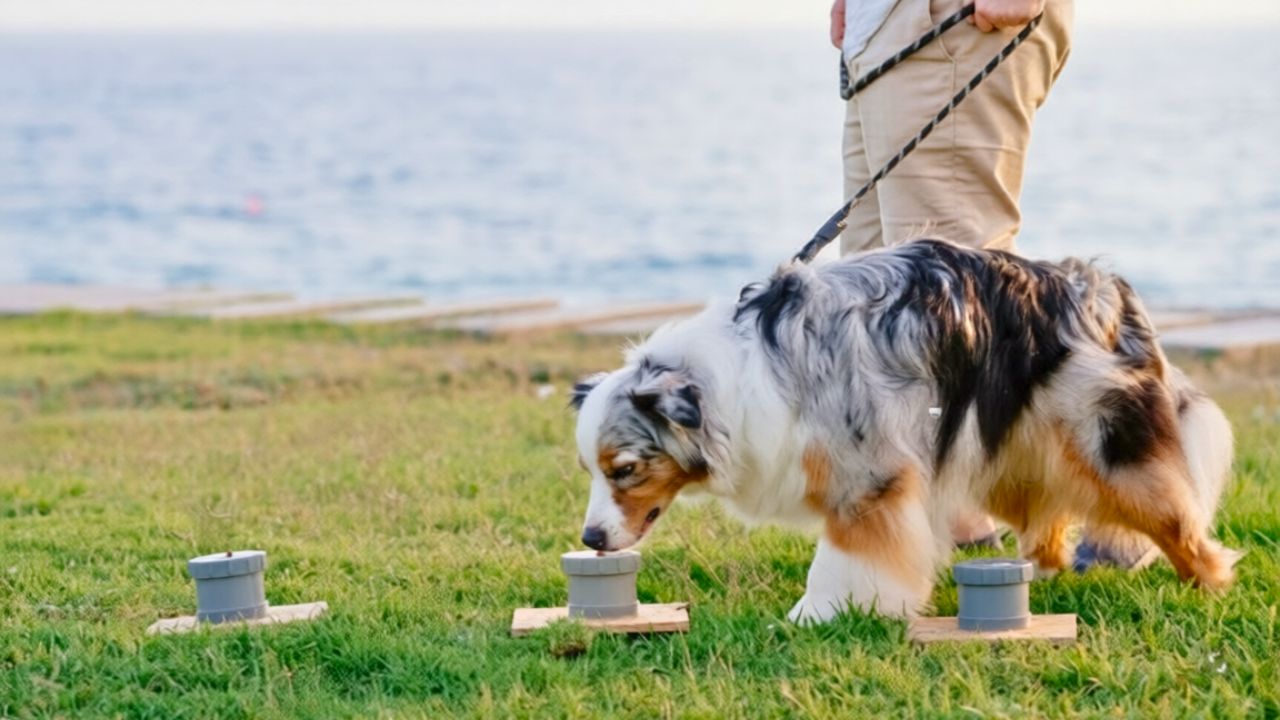
Australian Shepherd
Aussies are another breed that bonds hard and tracks their people like it’s their job. They’re attentive, energetic, and they don’t love being sidelined. Alone time can be rough because they want to be involved, and when they can’t, they may channel that into barking, chewing, or pacing. Some Aussies also develop habits like shadowing and constant monitoring, and when you leave, they don’t “clock out.” They stay keyed up.
The fix is teaching an off switch and making alone time normal from the start. You want a dog that knows how to settle, not a dog that thinks it has to patrol the house all day. Aussies tend to do better when their day includes real exercise, mental challenges, and calm routine. If they’re under-stimulated and left alone, you often get the worst version of an Aussie—smart, bored, and determined.
Cavalier King Charles Spaniel
Cavaliers were built to be companion dogs, and they take that job seriously. Many of them struggle with separation because they feel safest when they’re close to their person. They can become distressed quickly if they’re left alone without gradual training, especially in homes where someone is usually around. You might see barking, whining, or the kind of clinginess that ramps up over time because the dog starts to fear departures.
Cavaliers can learn independence, but it takes a gentle approach and consistency. Short alone-time practice sessions, crate training if it fits your lifestyle, and creating a positive routine around departures helps a lot. The hard part is that people often choose Cavaliers because they want that constant closeness, then they’re surprised when the dog doesn’t magically handle long alone hours. It’s not a flaw. It’s the breed doing what it was designed to do.
Vizsla
Vizslas are famous for being Velcro dogs, and that tends to come with separation struggles. They’re affectionate, sensitive, and very bonded to their person. A Vizsla left alone too long can become anxious and destructive, not because they’re “bad,” but because they’re wired to be close and active. They’re also high-energy, so when you combine separation stress with excess energy, you can end up with a dog that’s both worried and bored, which is a rough mix.
If you want a Vizsla, you need to plan for daily exercise and structured training, and you need to teach alone time like a skill. A Vizsla with a routine, practice separations, and enough physical and mental work can do fine. A Vizsla with random long absences and no prep often becomes the dog that can’t settle without you.
Belgian Malinois
This is one of the most intense breeds on this list, and it’s not even close. Malinois are working dogs with huge drive, huge focus, and huge needs. Leaving one alone for long stretches without serious training and outlets is asking for trouble. They can become destructive, obsessive, and anxious because they’re built to work, and “doing nothing” is not their natural state. People underestimate this breed constantly because they look cool and they’re trending, but alone time is a major challenge for many of them.
If someone is set on a Malinois, they need a lifestyle that fits the dog, not the other way around. That usually includes daily training, serious exercise, and structured routines that teach calm. Without that, a Malinois can turn your house into a project. They aren’t a casual companion dog, and they aren’t a “leave it alone and hope” breed.
Bichon Frise
Bichons are small, cheerful companion dogs, and they can be surprisingly prone to separation issues. They love being around people, they thrive on attention, and many of them do not enjoy extended alone time. A Bichon who gets anxious may bark, scratch doors, or become destructive in a way that surprises people because they’re so sweet when you’re home. Their size doesn’t change the fact that they can feel stressed when left behind.
The good news is Bichons often do well with training and routine. They’re also a breed where small changes help a lot, like building a predictable departure routine, using safe enrichment while you’re gone, and practicing short absences. They’re not always dramatic, but they are very people-focused, so they often do best in homes where someone is around a good part of the day.
Jack Russell Terrier
Jack Russells aren’t anxious in the same way as some companion breeds, but they’re famous for being busy, smart, and stubborn. Left alone, they can turn boredom into destruction fast. They were bred to work, problem-solve, and keep going, so a quiet house doesn’t automatically equal nap time. A Jack Russell may decide to dig, chew, climb, bark, or create a full-on home renovation project if it’s under-stimulated.
They can absolutely be great dogs, but they need structure and outlets. If you’re gone long hours, a Jack Russell often needs a plan, like exercise before you leave, a safe setup that limits temptation, and something to work on while you’re away. If you don’t meet that need, you’ll come home to a dog that has been “working” all day, and you won’t like the work it chose.
Like The Avid Outdoorsman’s content? Subscribe to our newsletter so you never miss an article.
Here’s more from us:


