Photo credit: Voit Svitlana/Shutterstock.com
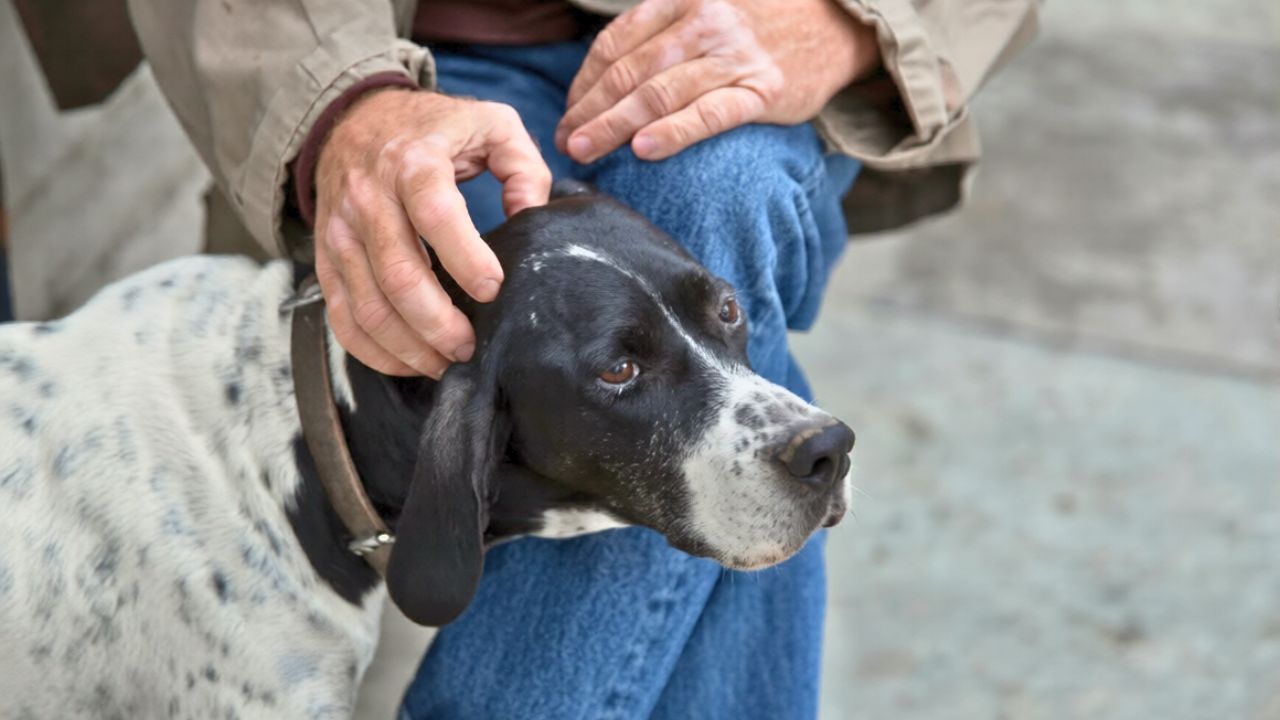
When your dog presses their head into you, it’s usually a comfort-and-connection move. Dogs don’t have words, so they use contact to communicate what they need. A slow, steady head press into your leg, hip, or side often means your dog feels safest right there and wants to stay close for a minute. You’ll see it after something stressful like thunder, fireworks, a strange visitor, or even just a busy day when they’re finally settling down. For a lot of dogs, that forehead lean is the same as a kid leaning into a parent on the couch—quiet reassurance, not drama.
It can also be a polite way of asking for attention. Many dogs learn that pawing or jumping gets them corrected, but leaning gets them petting. So they choose the calmer option. If your dog does it and then looks up at you, nudges your hand, or sighs and relaxes, they’re likely saying, “I want contact,” or “Help me calm down.” Most of the time it’s a good sign that your dog trusts you and knows you’re their safe base.
One important caveat is context. A gentle head press into you is normal. Repeated, forceful head pressing into a wall, corner, or furniture—especially with confusion, pacing, or acting “off”—can be a medical warning sign and is worth calling your vet about. But in everyday home life, when it happens during cuddles, greetings, or after a tense moment, it’s usually your dog choosing closeness and comfort.
If you want to respond in a way that reinforces calm behavior, keep it simple. Offer a few slow pets, speak softly, and let them settle. If the behavior turns into constant clinginess, you can add structure without being harsh—send them to a bed or mat with a treat, give them a chew, and keep your routine predictable. Most dogs aren’t trying to “be needy.” They’re just using the tools they have to say, “I feel better when I’m right here.”
Like The Avid Outdoorsman’s content? Subscribe to our newsletter so you never miss an article.
Here’s more from us: