Photo credit: Maria Dryfhout/Shutterstock.com
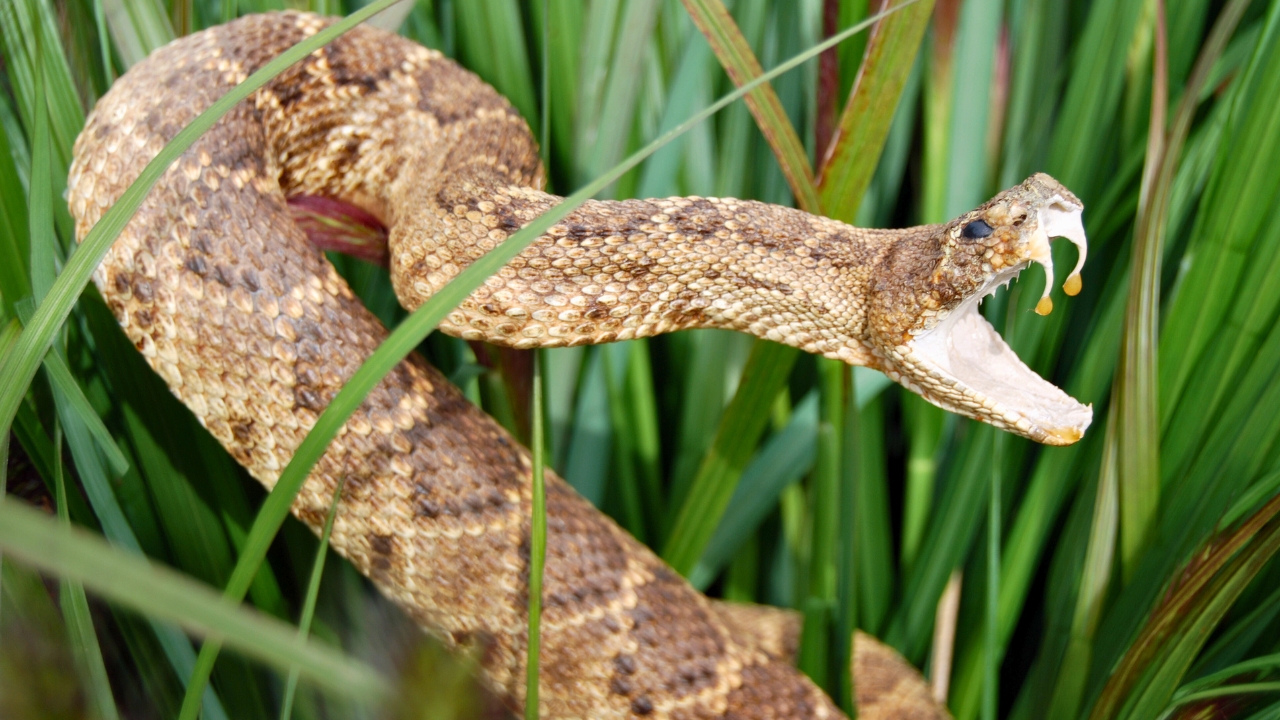
A lot of people still imagine venomous snakes as a backwoods problem. In their mind, you find them deep in swamps, far down a trail, or out in rough country where people expect to watch every step. That is part of the story, but it is nowhere close to the full picture. In plenty of areas, venomous snakes show up in places that feel normal, developed, and safe enough that most people let their guard down. That is why so many encounters catch people off balance. The snake is not always in some dramatic wilderness setting. A lot of the time, it is in the kind of everyday place people stop thinking about after they have seen it a hundred times.
The real issue is that snakes do not need much to make a place worth using. Give them shade, cover, food, and a little protection from constant disturbance, and they can settle in surprisingly close to homes, parks, barns, trails, and neighborhood edges. You may not see them often, but that does not mean they are rare. It usually means they are doing what snakes do best—staying hidden until somebody steps too close, reaches where they should not, or walks through the wrong patch of cover without paying attention. Once you understand the places that hold them best, a lot of those “out of nowhere” encounters start making more sense.
Creek bottoms and drainage lines behind neighborhoods
One of the most overlooked snake spots in the country is the creek bottom or drainage cut running behind neighborhoods and roads. These places usually hold everything a snake needs. There is water nearby, cooler ground, frogs, rodents, brush, and enough cover to move without being seen much. To people, it may look like nothing more than a weedy strip behind a fence line or a low spot carrying runoff after rain. To a venomous snake, it is a travel lane, feeding area, and hiding place all in one.
That becomes a bigger problem when neighborhoods grow around those natural drains without really changing them. Kids cut through there, dogs nose around the edges, and homeowners assume the area is too close to houses for serious wildlife to use. That assumption gets people in trouble. In snake country, those damp brushy corridors often hold more movement than the open woods people worry about first. A person may live in a tidy subdivision and still have a snake-prone strip of habitat running right behind the back fence without ever thinking much about it.
Wood piles, junk corners, and half-forgotten spots around homes
A lot of venomous snake encounters happen right at home, and not because the snakes are charging into the middle of the yard in broad daylight. They are using the messy, quiet, protected corners people neglect. Wood piles, stacked tin, old boards, unused planters, rock piles, scrap heaps, and brush piles are prime hiding places. They stay shaded, hold heat the way snakes like, and attract mice, lizards, and other food. That means the exact spots people ignore for months can quietly turn into dependable snake cover.
This catches people because those areas do not feel wild. They feel familiar. You are not on alert when you reach behind a stack of lumber in your own yard or move a flower pot beside the shed. But that is exactly why these spots matter. A venomous snake does not care that the pile sits fifteen feet from your grill or next to the garage. If the cover is good and the prey is there, it will use it. Around homes in the South, the Southwest, and other snake-heavy regions, those cluttered corners often matter more than people want to admit.
Retention ponds, ditch banks, and wet edges in developed areas
People tend to trust developed land too much, especially when it looks maintained. Retention ponds, roadside ditches, culverts, drainage channels, and grassy water edges in subdivisions or business parks may look clean and harmless, but they often hold the exact mix that draws snakes. Water draws prey. Thick banks provide cover. Mowed grass can create a false sense of visibility while the real hiding cover sits just beyond it in reeds, brush, rocks, or eroded edges. In areas with cottonmouths or other species that use wet ground heavily, these places can hold more activity than people expect.
What makes these places tricky is how normal they feel. People walk dogs around them, kids wander near them, and workers mow or weed-eat the edges without thinking about what may be tucked in the cut banks or grass clumps. A neighborhood pond does not register in most people’s minds as snake habitat, but the snakes do not care what the property brochure called it. If there is water, prey, shade, and a little room to hide, the developed setting changes very little.
Barns, feed rooms, and outbuildings on small acreage
Country homes and small acreages often create near-perfect snake setups without trying to. Barns, sheds, chicken coops, feed rooms, hay storage, and equipment lean-tos all attract rodents, and rodents attract snakes. Add the shade, quiet, and cover around stacked materials or unused corners, and you have a place venomous snakes can use regularly even when the surrounding property looks pretty open. This is one reason people living just outside town often run into snakes more than they expected. The land may not look wild, but the outbuildings create concentrated food and shelter.
The danger gets worse when people treat those areas casually because they use them every day. A person who would watch every step on a trail may walk into a feed room in flip-flops, reach into a dark corner barehanded, or move a tarp without a second thought. Familiarity makes people sloppy. Around small farms and country homes, the buildings themselves often matter more than the open field. The snakes are there because the mice are there, and the mice are there because people made the setup easy.
Rock walls, landscaping beds, and decorative yard features
A lot of homeowners do not realize how much modern landscaping can work for snakes. Rock borders, retaining walls, railroad ties, dense shrubs, ground cover, and heavy mulch all create cool pockets and narrow protected spaces where snakes can rest unnoticed. In dry country especially, irrigated landscaping can turn a yard into a far better habitat patch than the surrounding ground. Even in wetter regions, decorative beds and stone features offer hiding places that stay shaded and hold prey species better than a clean open lawn.
This is one reason snakes show up in places people associate with comfort and curb appeal instead of danger. A thick flower bed along the house, a stone border near an air-conditioning unit, or a layered retaining wall beside a walkway can all hold a snake that never needs to cross the open yard much. You may think the threat would be out past the tree line, but sometimes the best snake cover on the whole property is right beside the front steps. The nicer a yard looks, the less people expect it, and that is part of the problem.
Greenbelts, walking trails, and the brushy edges of public parks
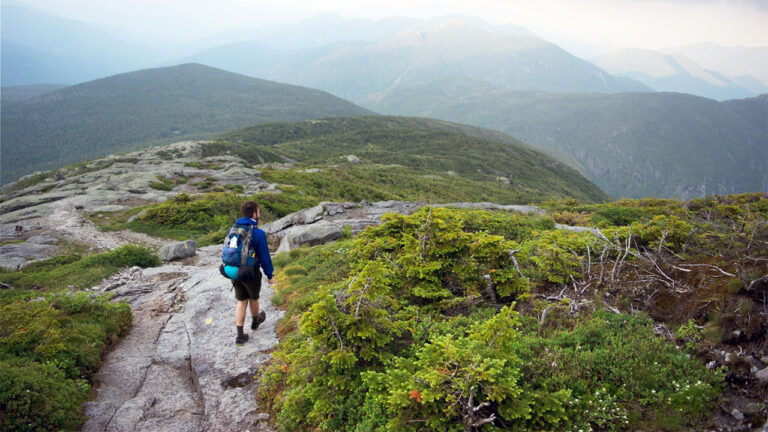
Public parks and walking trails make people relax in ways they should not. If a place has paved sections, benches, signage, and steady foot traffic, most folks assume serious wildlife stays farther out. But greenbelts, creekside trails, nature paths, and brushy park edges often hold a lot of snake habitat, especially where mowed areas meet thicker cover. That edge is where people drift off trail, dogs stick their noses into the brush, and kids step over logs or into tall grass without thinking. In snake country, that is often exactly where you do not want careless movement.
These spaces are especially risky because they combine habitat with routine human use. The snakes are there for prey, cover, and temperature control, not because they want contact with people. But constant overlap raises the odds. A copperhead beside a shaded trail edge or a rattlesnake under a sunny lip of rock near a path may sit there for hours without being noticed. Then one wrong step turns a quiet situation into a bad one fast. The problem is not that the snake is acting unusually. It is that the setting makes people assume the risk is lower than it is.
Fence lines, field edges, and overgrown transitions
The places where one kind of ground changes into another often hold more snakes than the wide-open areas around them. Fence lines with weeds, overgrown field edges, brushy cuts between lots, and transitional strips between pasture and woods all give snakes what they need without exposing them too much. They can bask, hide, move, and hunt along those seams while staying hard to spot. People usually focus on the center of the field or the deep woods, but the edge between them is often the more active zone.
That is part of why working land and semi-rural property can surprise people so often. A person walking a pasture may feel exposed and safe because visibility looks good, but the real hazard may be the weedy edge beside the fence or the rough patch near a gate where cover stays thicker. Those transition zones also attract rodents and small prey, which keeps snakes using them consistently. If a place looks half-managed and half-forgotten, that usually deserves more caution than the truly open ground around it.
The everyday spots where people stop looking
The biggest mistake people make with venomous snakes is assuming the danger lives only in obviously wild places. In reality, snakes do well in the spaces between manicured life and rough habitat—the drainage behind the subdivision, the shed corner, the brush line by the trail, the stone bed near the porch, the ditch beside the road, the creek at the back of the park. Those are the places where people stop scanning the ground because they feel too ordinary to matter. That false sense of normal is what makes encounters feel sudden.
You do not need to be paranoid, and you do not need to act like every yard or walking path is crawling with snakes. But you do need to understand that venomous snakes are more common around everyday life than a lot of people were raised to believe. In the right region, they are not rare visitors from some distant wilderness. They are regular users of overlooked habitat close to where people live, walk, work, and let their guard down. The people who avoid trouble are usually the ones who understand that early and keep paying attention in the places everyone else has stopped noticing.
Like The Avid Outdoorsman’s content? Subscribe to our newsletter so you never miss an article.
Here’s more from us: