Photo credit: Zhanna Kavaliova/Shutterstock.com
When people argue about “which state has the most hunters,” they usually end up talking past each other because there isn’t one perfect headcount. The cleanest apples-to-apples yardstick is how many paid hunting licenses get issued in a year. That doesn’t equal unique humans (some folks buy multiple tags, and nonresident licenses muddy things), but it tracks where hunting participation is concentrated and where the hunting economy is biggest.
Using that license-issued approach, these are the 15 states that stack up the most hunters on the landscape, year after year—places where you can walk into a gas station in November and see orange hats, muddy boots, and a checkout line that looks like opening day.
Texas
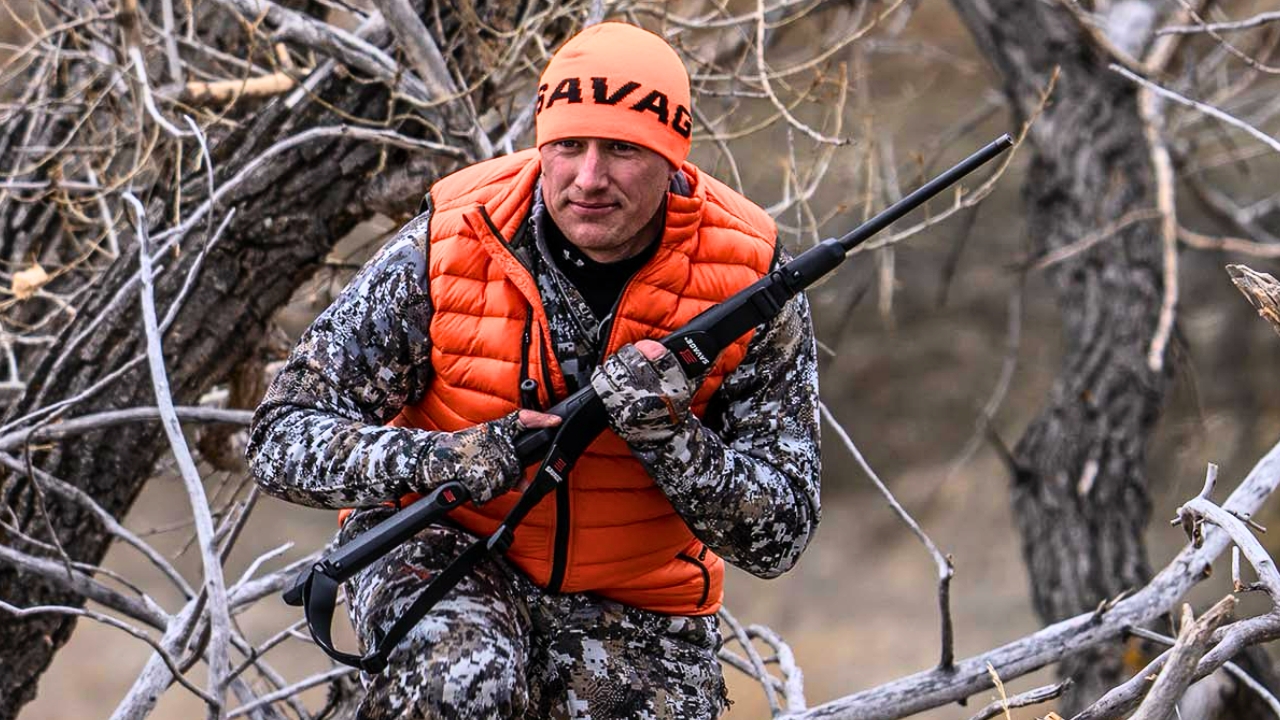
Texas sits at the top because it’s huge, it’s hunt-friendly, and it’s built around access—mostly private, but access all the same. You’ve got whitetails in nearly every corner, hogs in places you wouldn’t believe, and enough habitat variety that one state can feel like five.
If you live there, you grow up around leases, feeders, and weekend camps. If you travel there, you learn fast that the system rewards planning. You can line up a deer hunt, a pig hunt, and a predator hunt without crossing state lines, and you can do it on schedules that fit real life instead of a two-week window.
Pennsylvania
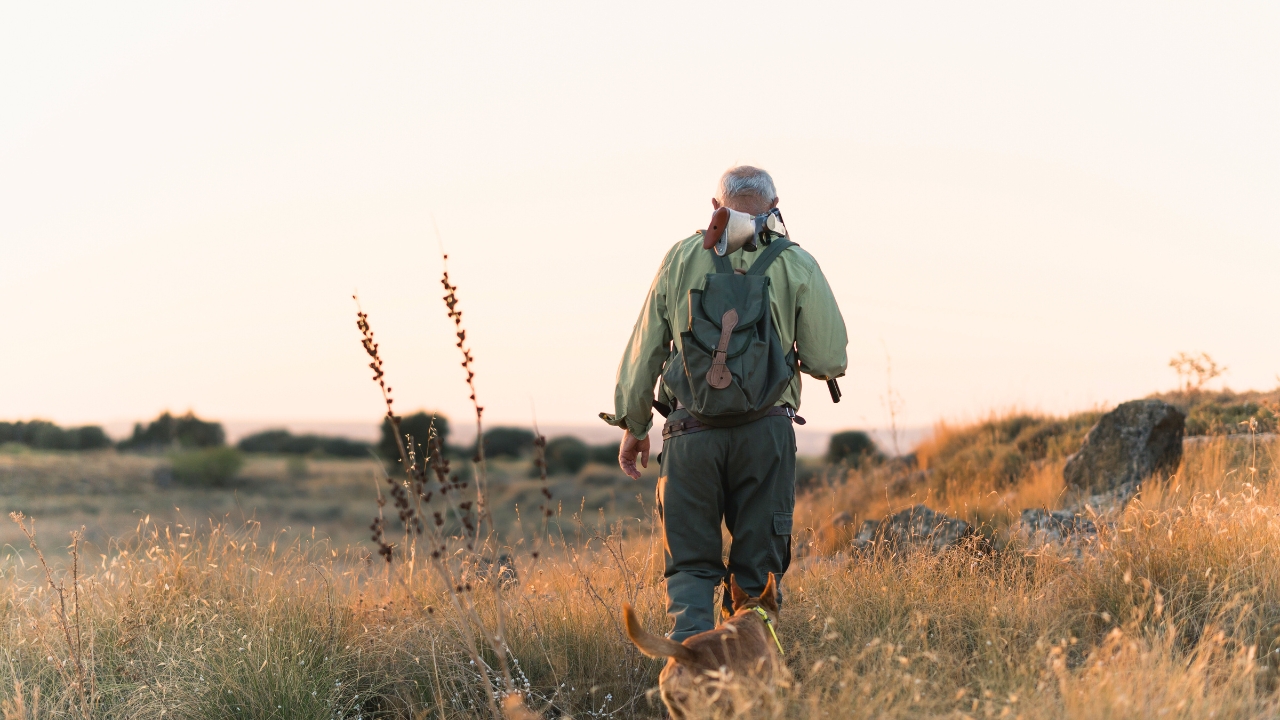
Pennsylvania’s hunter count stays high because hunting is baked into the culture, not treated like a hobby you pick up later. When the leaves turn, you feel it—families make plans around seasons, and rifle deer is still a statewide event.
You also get a mix that keeps people engaged: big-woods tracking, farmland stands, and enough public ground to keep DIY hunters in the game. The state has its own rhythm—drives, camps, traditions—and even when regulations shift, participation stays strong because so many folks have been in it for generations.
Georgia

Georgia keeps piling up hunters thanks to long seasons, solid deer numbers, and a strong public-land scene that’s more usable than outsiders expect. You can hunt early, hunt late, and still find pockets that feel wild if you’re willing to walk.
The other thing Georgia does well is variety. Deer are the headliner, but hogs, turkeys, and small game keep the calendar full. That matters because the more time you spend in the woods, the more likely you keep buying licenses, keep scouting, and keep passing the tradition down.
Tennessee

Tennessee’s hunting base stays big because the state is easy to hunt often. Deer seasons are generous, opportunities stretch across regions, and you don’t need a western-style road trip to find quality ground.
You’ve also got a strong culture of practical hunting—guys and gals who go after deer, hogs, and turkeys with rifles that ride in truck racks and boots that get worn out, not posed in. When a state makes it possible to hunt around work and family, people stick with it, and the license numbers reflect that.
Wisconsin
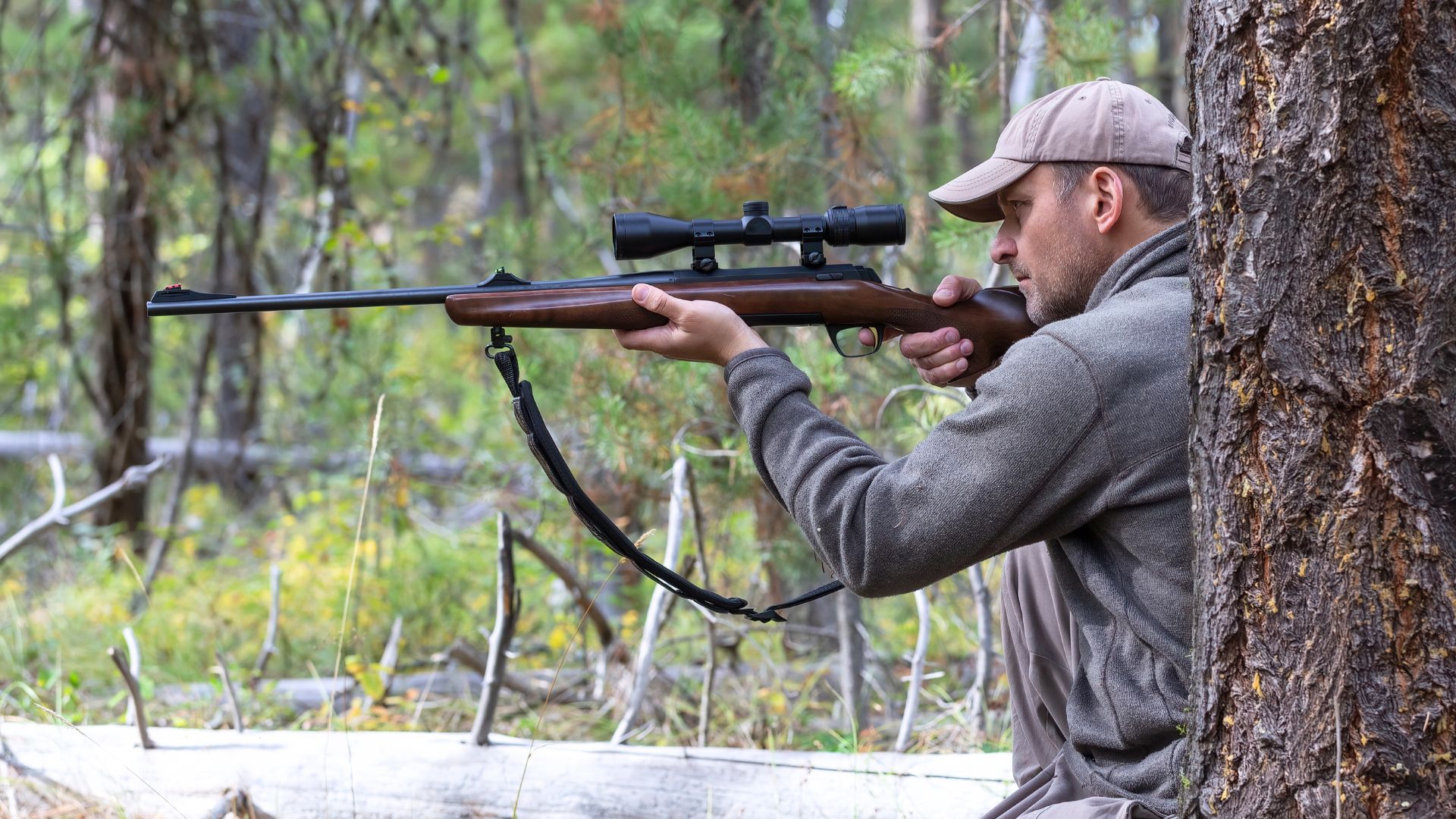
Wisconsin is a deer state in the purest sense. When you talk hunter density, camp tradition, and multi-generation participation, it’s hard to match. Folks schedule vacation around deer camp, and many families treat that week like a holiday.
The mix of habitat keeps it from getting stale—big timber up north, ag country down south, and plenty of overlooked edges in between. Add a serious bowhunting community and a long-established conservation culture, and you get a state where hunting isn’t a phase. It’s an identity, and the participation stays steady.
Michigan
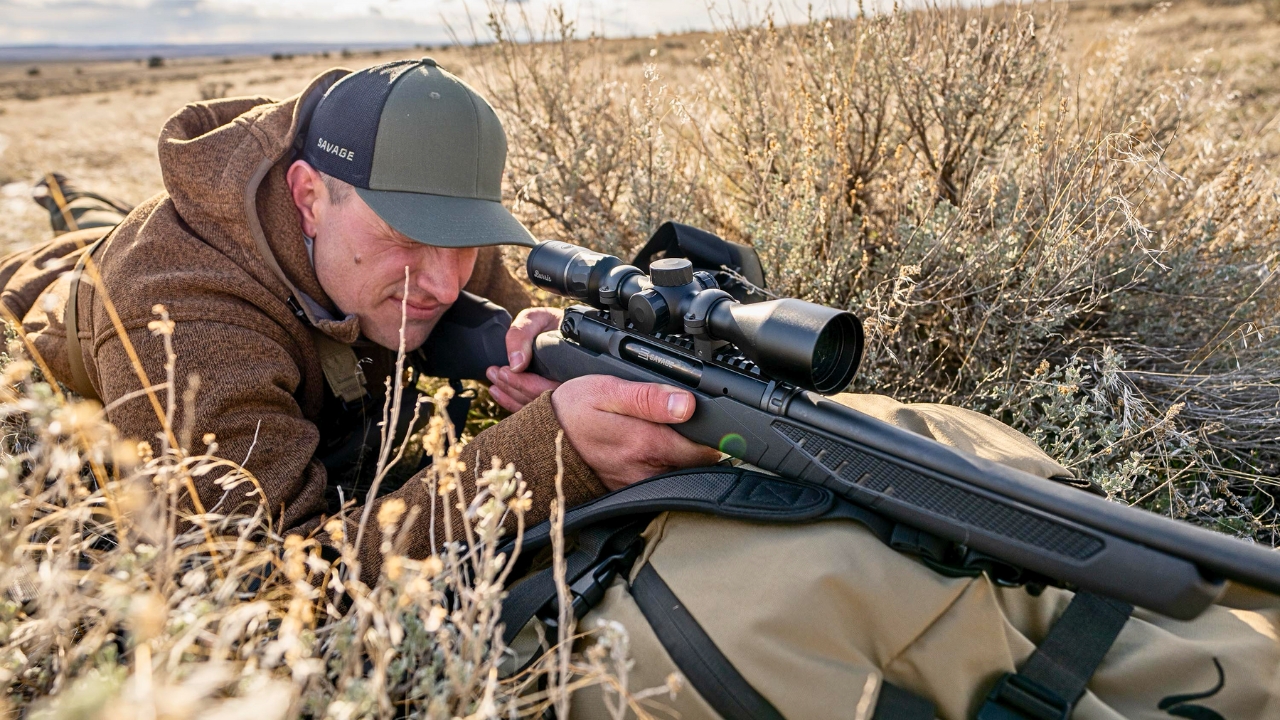
Michigan’s hunter count stays high because it has a lot of people who still hunt—period—and because there’s room to do it. You’ve got vast stretches of public land, plenty of mixed habitat, and a deer tradition that runs deep in both the U.P. and the Lower.
Michigan also rewards the hunter who adapts. Pressure can be real close to towns, winter can be rough, and the best spots aren’t always obvious. But if you’re willing to learn routes, bedding cover, and late-season food, you can stay productive for a long time without needing a guided hunt to feel successful.
North Carolina
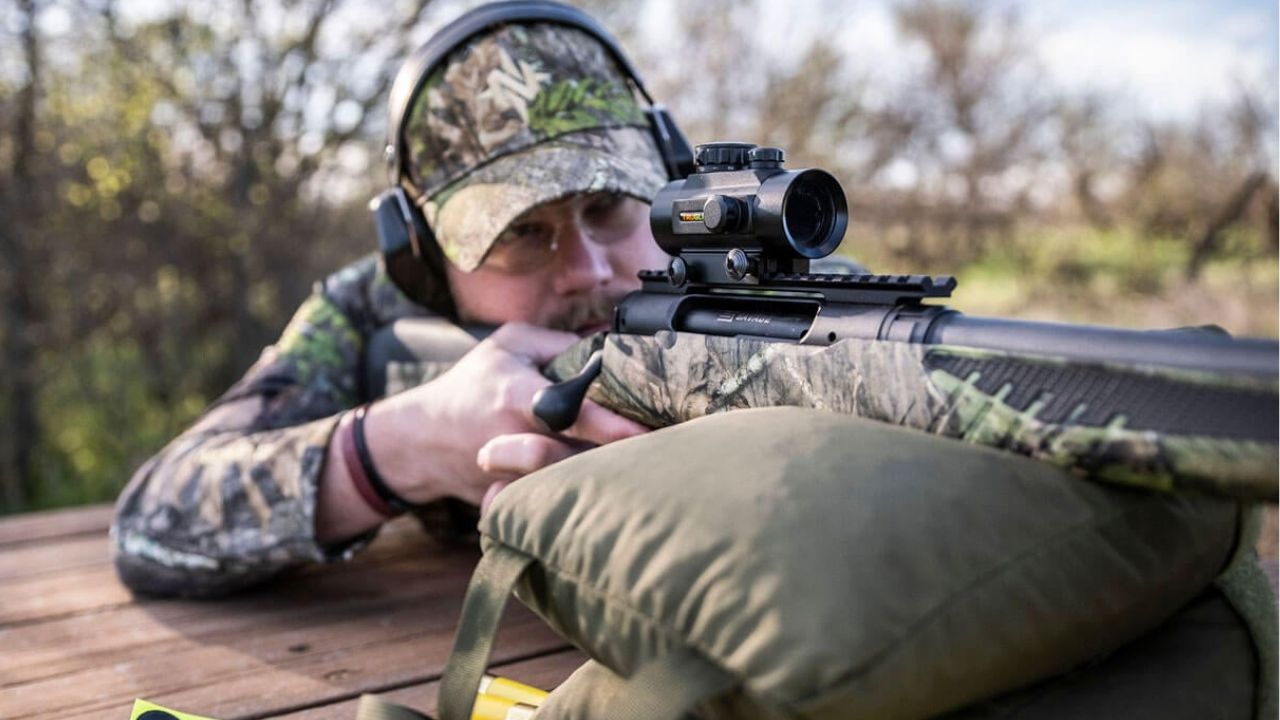
North Carolina keeps climbing on the hunter side because it offers options. You can chase whitetails in ag country, hunt big timber, or focus on coastal and piedmont pieces that hunt completely differently.
The state also has a strong culture of getting it done with what you’ve got—still-hunting, stand hunting, dog hunting where it’s legal, and a lot of hunters who spend more time in the woods than they spend talking about gear. When seasons and access let regular folks hunt a lot, you end up with big participation.
New York
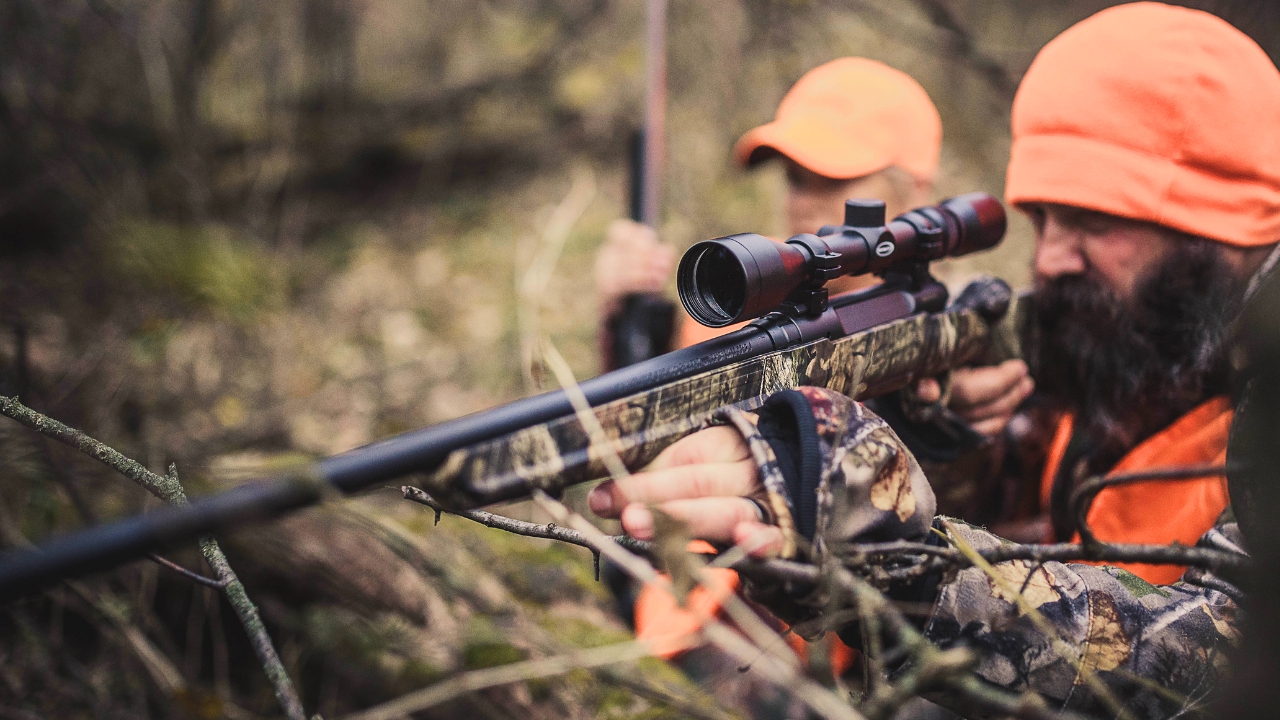
New York surprises people, but it shouldn’t. There are a lot of hunters there, and many of them are serious about squeezing opportunity out of small windows and pressured ground.
Upstate gives you real habitat and real deer hunting, and the public land network supports DIY hunters who know how to scout. You also get a strong bowhunting presence and plenty of archery-friendly pockets near populated areas. When a state has both numbers and tradition, you end up with a hunter base that stays stubbornly strong.
Minnesota
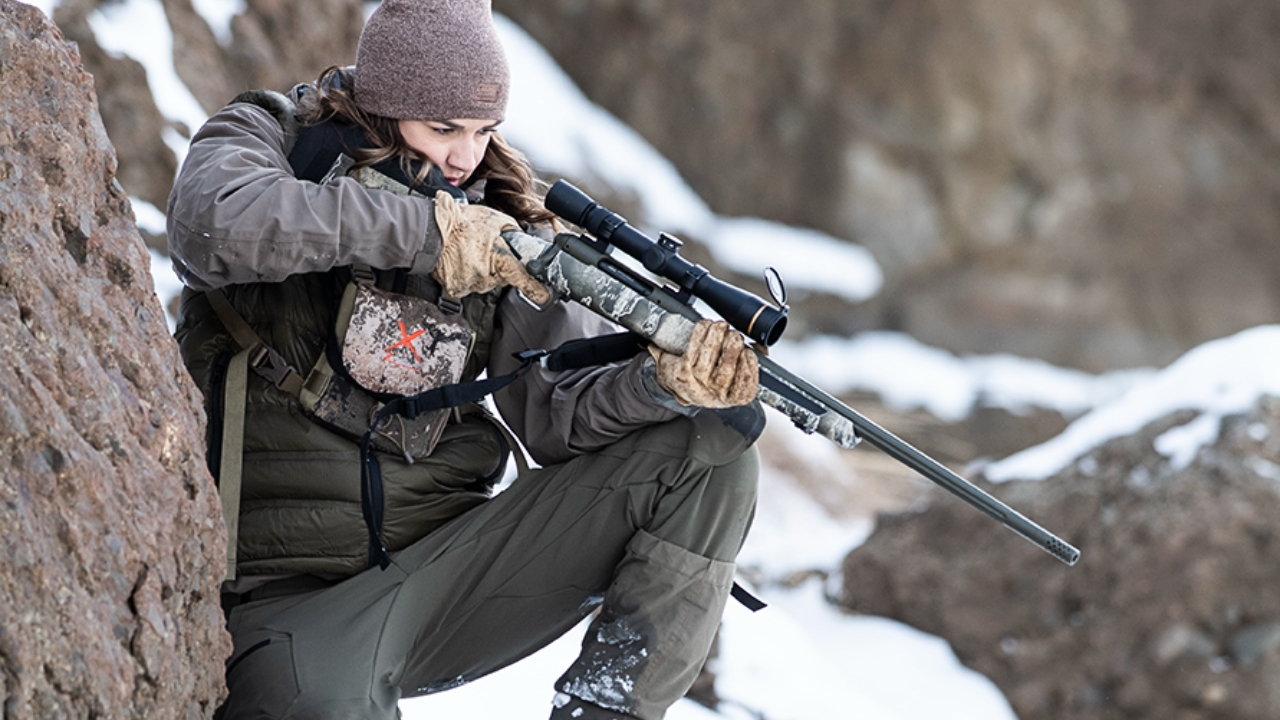
Minnesota’s hunter numbers stay high because the state supports a complete hunting year, not a single season. Deer are the main draw, but waterfowl, grouse, and turkey keep hunters buying licenses and burning gas.
You also get a public-land culture that feels normal there. People grow up learning how to use WMA’s, forests, and big tracts without acting like it’s a loophole. Add a tough, practical northern mindset—hunt through weather, hunt through bugs, hunt through slow sits—and you get steady participation.
Missouri

Missouri is a blueprint for how to keep hunters engaged: good deer management, strong turkey hunting, and enough access that you don’t need a private lease to hunt every fall.
The terrain variety helps, too. You can hunt hardwood ridges, river bottoms, crop edges, and thick cover that forces you to hunt close and pay attention. Missouri also has a deep bench of hunters who take pride in doing it right—scouting, practicing, and filling freezers—so the hunting community keeps feeding itself.
Alabama
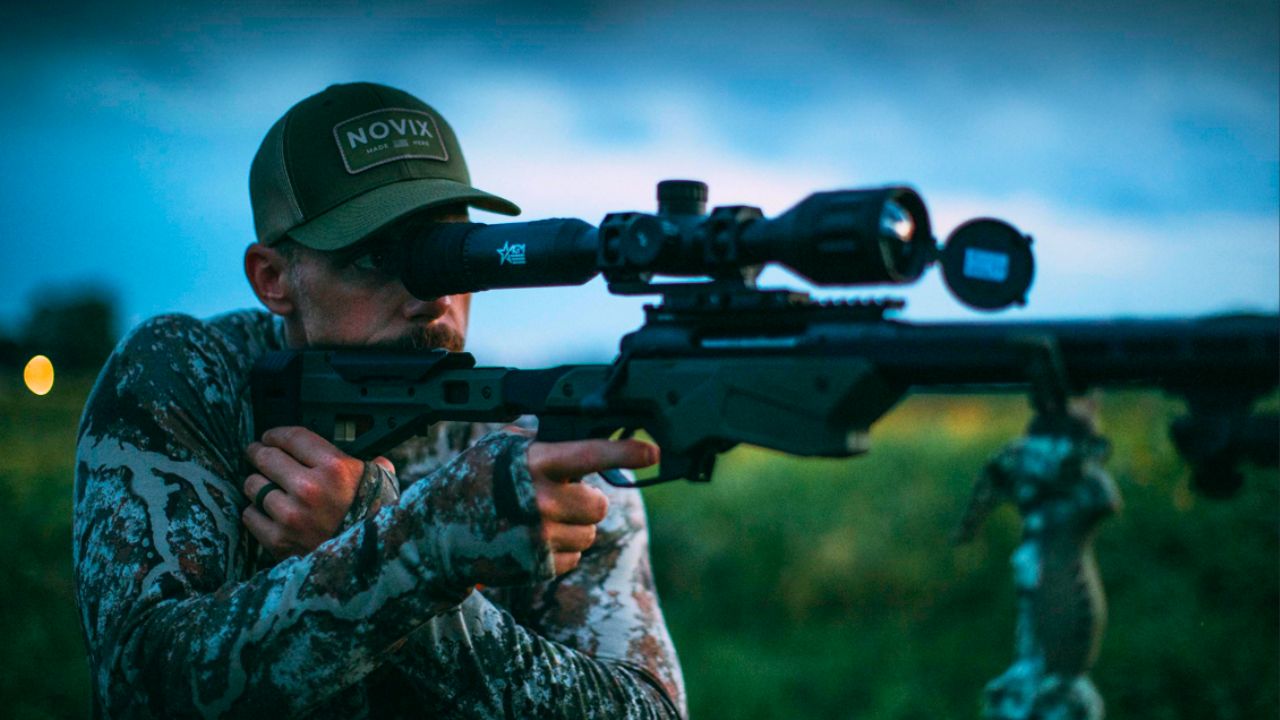
Alabama’s hunter count stays big because the seasons run long and the hunting is woven into everyday life. Deer hunting isn’t a once-a-year trip for a lot of folks—it’s something you do around work, school, and family.
You also get a strong lease culture, a strong dog-hunting tradition in places, and plenty of hunters who are out there for time in the woods as much as antlers. When a state lets hunters stay active for months and offers multiple ways to hunt, participation stays high.
Oklahoma

Oklahoma packs a lot of hunting opportunity into a state that’s easy to travel and easy to understand. Whitetails and mulies give you variety, and hogs and predators keep things interesting when deer season is winding down.
You also see a practical, rifle-forward hunting culture—guys who want a setup that works, not a setup that wins conversations online. When the state gives hunters room to hunt and enough game to keep success realistic, you end up with a big, steady crowd that comes back every year.
Louisiana
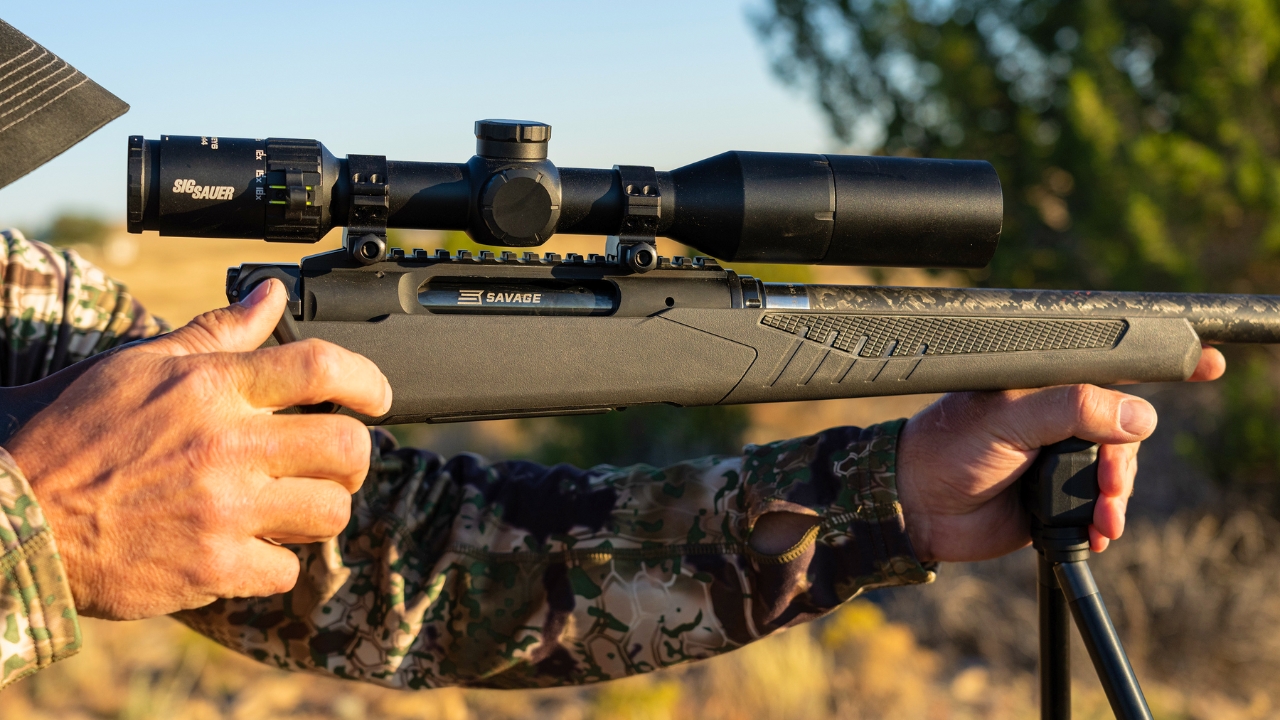
Louisiana’s hunter numbers stay strong because deer hunting is part of the fabric, especially once you get outside the cities. The habitat is different—swamps, thick bottoms, piney woods—and it forces you to hunt smarter, closer, and more patient.
You also get a long season structure in many areas and a culture that treats hunting as normal weekend life. In the right places, you’ve got hog opportunities and small-game traditions that keep new hunters involved. The state has its challenges—weather, access, mosquitoes that feel personal—but the hunting community stays committed.
Colorado
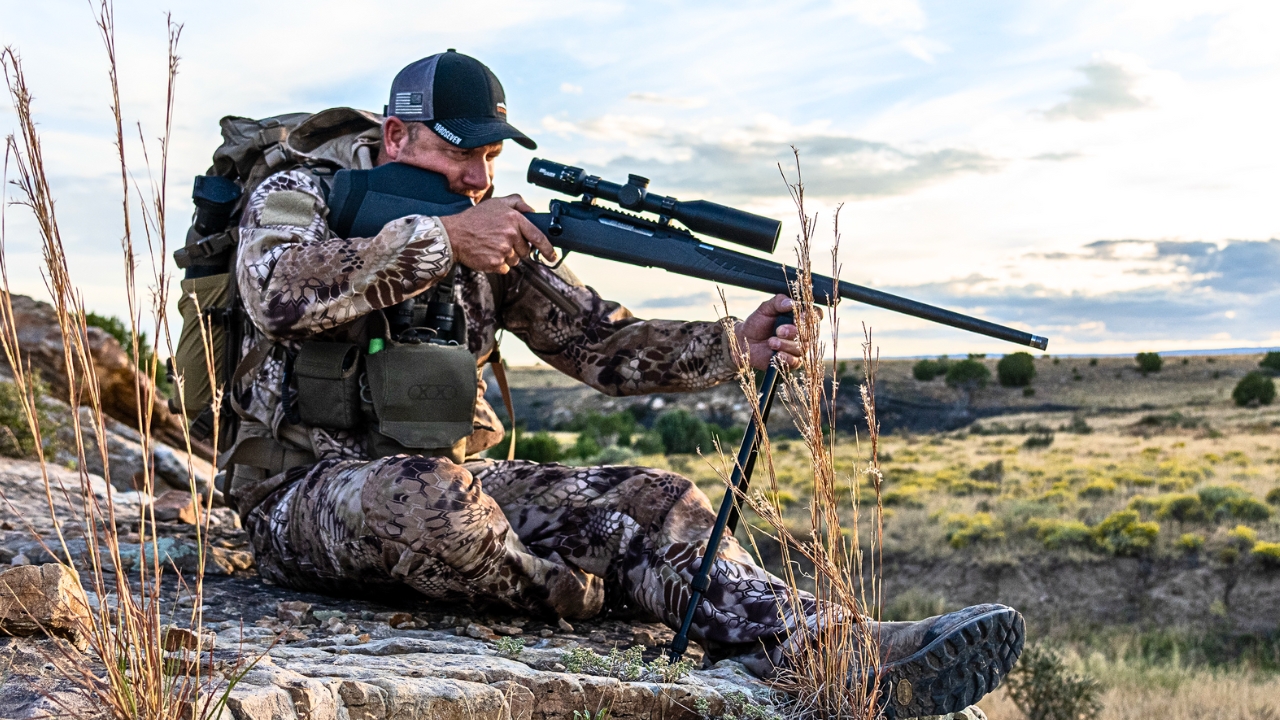
Colorado makes the list because it pulls in both residents and a steady stream of serious hunters who keep coming back. Big-game tags, elk culture, and a public-land system that actually gets used keep hunting participation high.
Even if you live there, it’s hard to ignore the draw. There’s always another basin to learn, another season to plan, another tag strategy to refine. And while elk gets the spotlight, deer, bear, and smaller opportunities keep the calendar full. When a state offers real adventure without requiring a private ranch connection, it builds a loyal hunter base.
Ohio
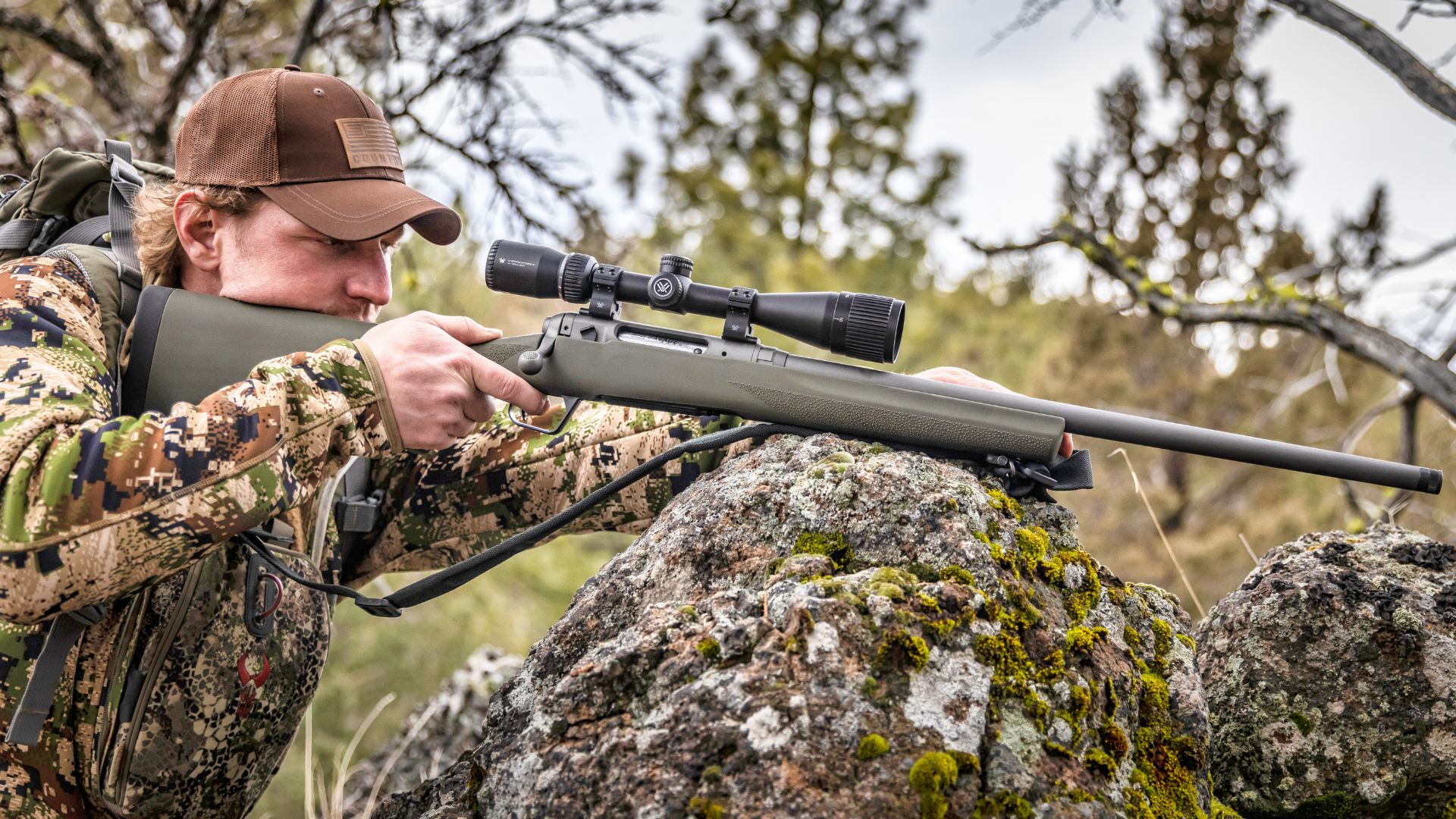
Ohio rounds out the group with a hunter population that’s both large and effective. It’s not a state that needs mountains to produce hunters; it produces them through access, tradition, and deer hunting that can be excellent when you learn how to hunt pressured ground.
You see a lot of hunters who are good at maximizing small properties, using cover correctly, and hunting the right days instead of hunting every day. That kind of practical approach keeps people successful, and success keeps people participating. When hunting fits into regular life and still puts venison in the freezer, the license numbers stay strong.
Like The Avid Outdoorsman’s content? Subscribe to our newsletter so you never miss an article.
Here’s more from us: