Photo credit: Buffalo's Outdoors/YouTube
Your first gun purchase matters because it sets the tone for everything that comes after. A good first firearm should be safe to handle, easy to run, and supported with magazines, holsters, parts, and ammo you can actually find. It should also fit your hands and your real use—range time, home protection, hunting, or learning the basics without getting beat up by recoil.
Here’s the truth: you’re not buying the “best gun.” You’re buying the gun that helps you build good habits. That means manageable recoil, a track record for reliability, and controls that don’t punish you for being new.
The picks below are popular for a reason. They’re straightforward to learn, they hold their value, and they don’t require you to become a gunsmith to keep them running.
Ruger 10/22
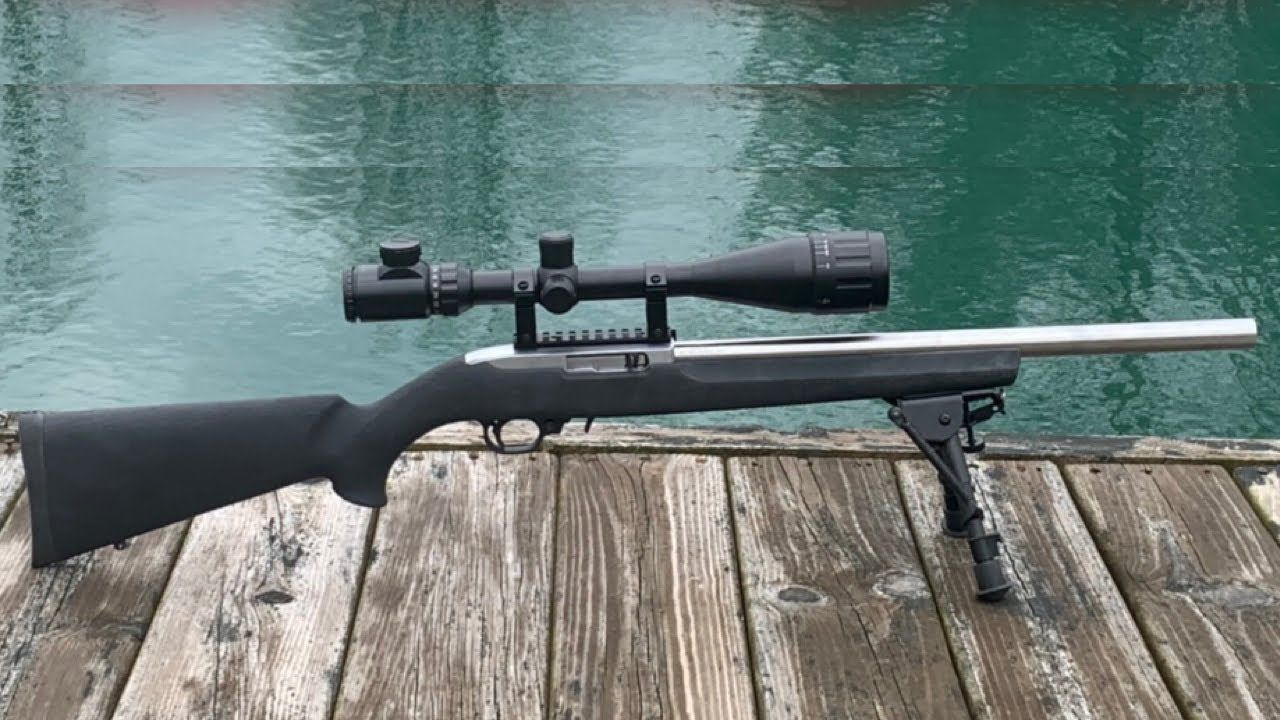
If you want a first gun that builds skill fast, the 10/22 is hard to top. .22 LR lets you practice more without flinching, and that matters when you’re learning trigger control and sight alignment. The rifle is light, handy, and forgiving, so you can focus on fundamentals instead of wrestling recoil.
It also has massive support. Magazines, optics mounts, stocks, and spare parts are everywhere, and most ranges are friendly to .22 rifles. That means you can grow with it instead of outgrowing it. Even if you end up owning a safe full of centerfires later, a 10/22 still earns a spot because it keeps training affordable and honest.
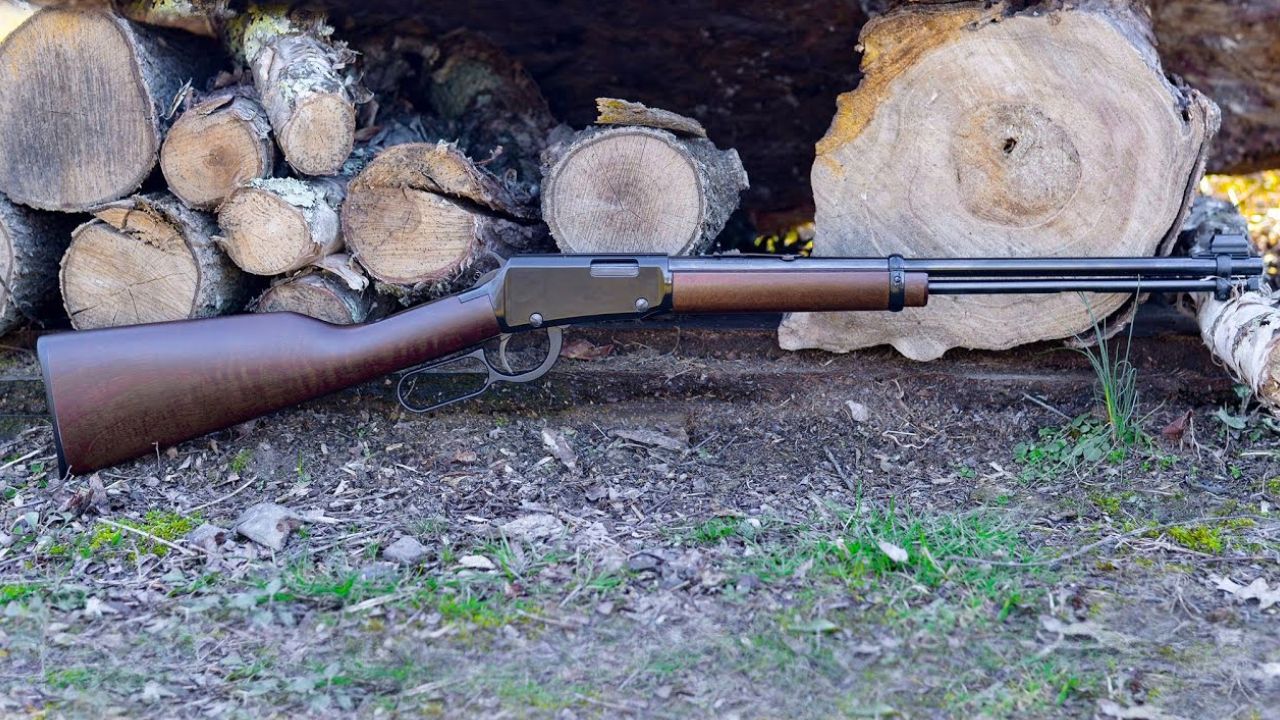
Henry H001 Lever Action (.22 LR)

A .22 lever gun is a sneaky-good first purchase because it teaches you pace and discipline without being intimidating. The Henry H001 is smooth, reliable, and easy to carry. The manual action encourages you to slow down, make each shot count, and pay attention to what your sights are doing.
It’s also a rifle you’ll actually want to shoot. The balance feels natural, recoil is barely there, and you can run it with iron sights while you learn. Later, it becomes the gun you hand to friends and family because it’s approachable and fun. For a first firearm, that matters. A gun that invites range time builds confidence faster than one that sits in a case.
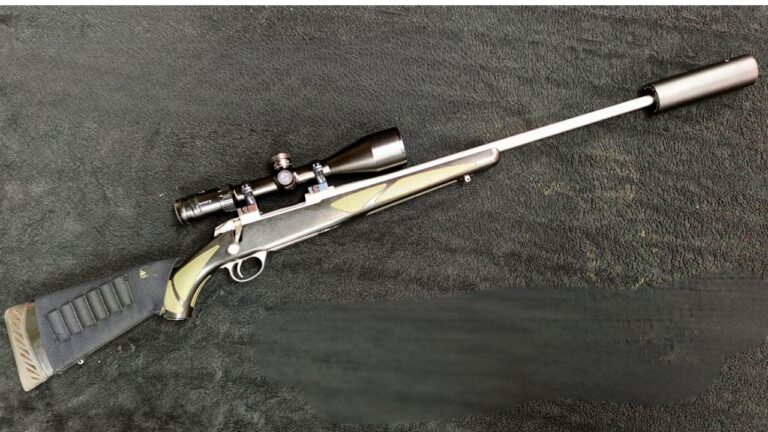
CZ 457 (Bolt-Action .22 LR)

The CZ 457 is a great first rifle if you want accuracy without complication. A bolt action keeps the pace controlled, which helps you learn sight picture, breathing, and follow-through. The 457 is known for good barrels and consistent performance, so you get honest feedback on your technique.
It’s also a rifle you can use for real tasks—small game, range work, and learning how to set up an optic properly. The controls are straightforward, and the platform is built well enough that you won’t feel like you’re fighting cheap hardware. If your goal is to become a better shooter, a quality bolt-action .22 is one of the cleanest ways to start.
Ruger Mark IV 22/45

A .22 pistol is one of the best training tools you can own, and the Mark IV 22/45 makes that easy. The recoil is mild, the gun is accurate, and the grip angle feels familiar to anyone who has handled modern service pistols. That means you can practice real handgun skills without getting punished.
The big reason the Mark IV stands out is how easy it is to live with. It’s reliable with good ammo, it has strong aftermarket support, and it’s built for high round counts. Range time becomes about learning, not about managing recoil or fighting constant malfunctions. If you want a first handgun that helps you build fundamentals before stepping up to defensive calibers, this is a smart place to start.
Smith & Wesson M&P 2.0 Compact (9mm)

The M&P 2.0 Compact is a strong first defensive handgun because it fits a wide range of hands and it shoots in a very controllable way. The grip texture and shape make it easier to keep the gun planted during recoil, and the size is large enough to learn on without feeling bulky.
You also get a platform with deep support—holsters, magazines, sights, and parts are easy to source. That matters when you’re new and trying to set the gun up safely for carry or home storage. The 9mm chambering keeps practice affordable and recoil manageable, and the M&P’s track record is solid. It’s the kind of pistol you can train with hard, then keep long term without feeling like you started on a compromise.
SIG Sauer P365 XL (9mm)
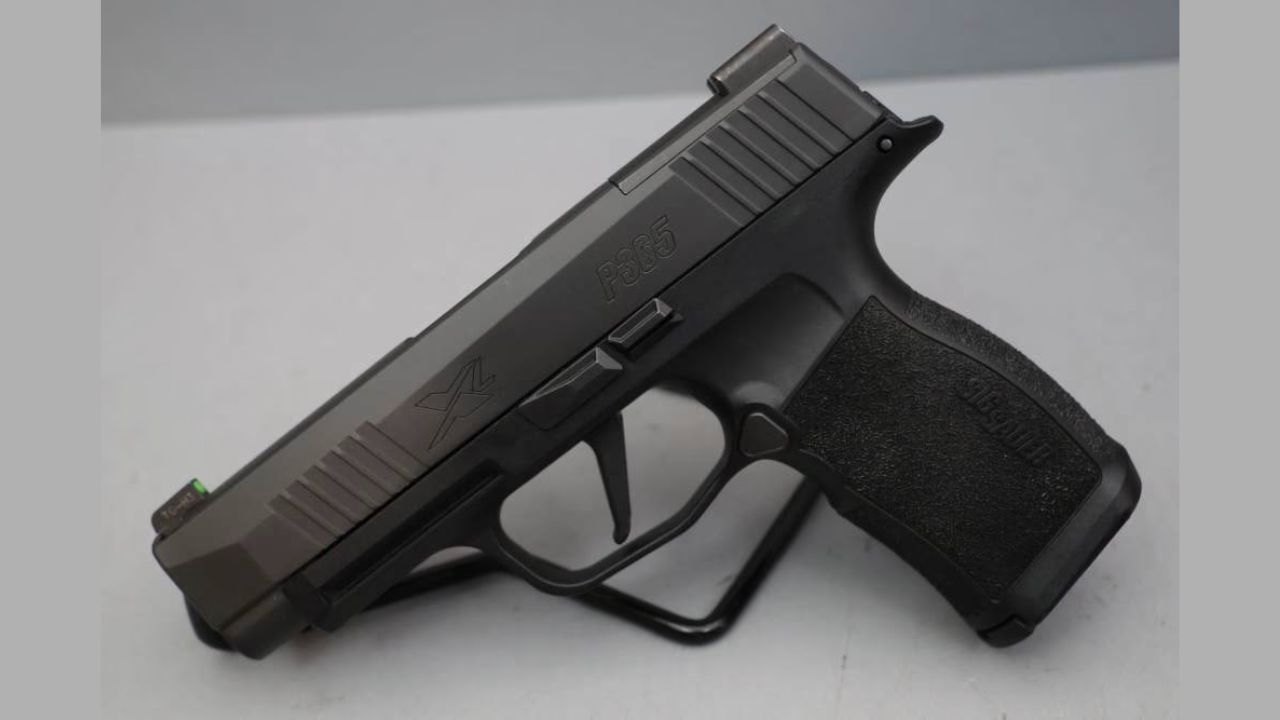
The P365 XL is a good first purchase if you want one handgun that can cover practice, carry, and home use. It’s slim enough to carry comfortably, yet large enough to shoot well compared to many micro-compacts. The longer grip and slide help control recoil, and that makes fast, accurate shooting more realistic for a new owner.
Another advantage is ecosystem. There are lots of holster options, sight choices, and magazine availability, and the platform has become common enough that finding support is easy. As long as you commit to training, the P365 XL can grow with you. It’s not a tiny “expert-only” pistol, but it still rewards good technique, which keeps you improving rather than plateauing.
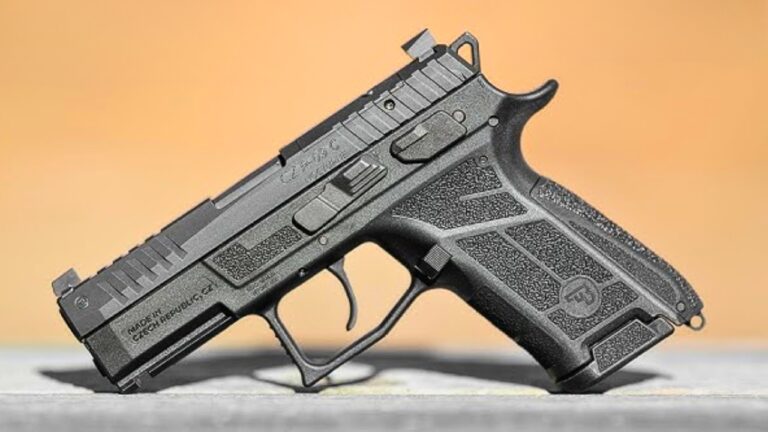
CZ P-10 C (9mm)
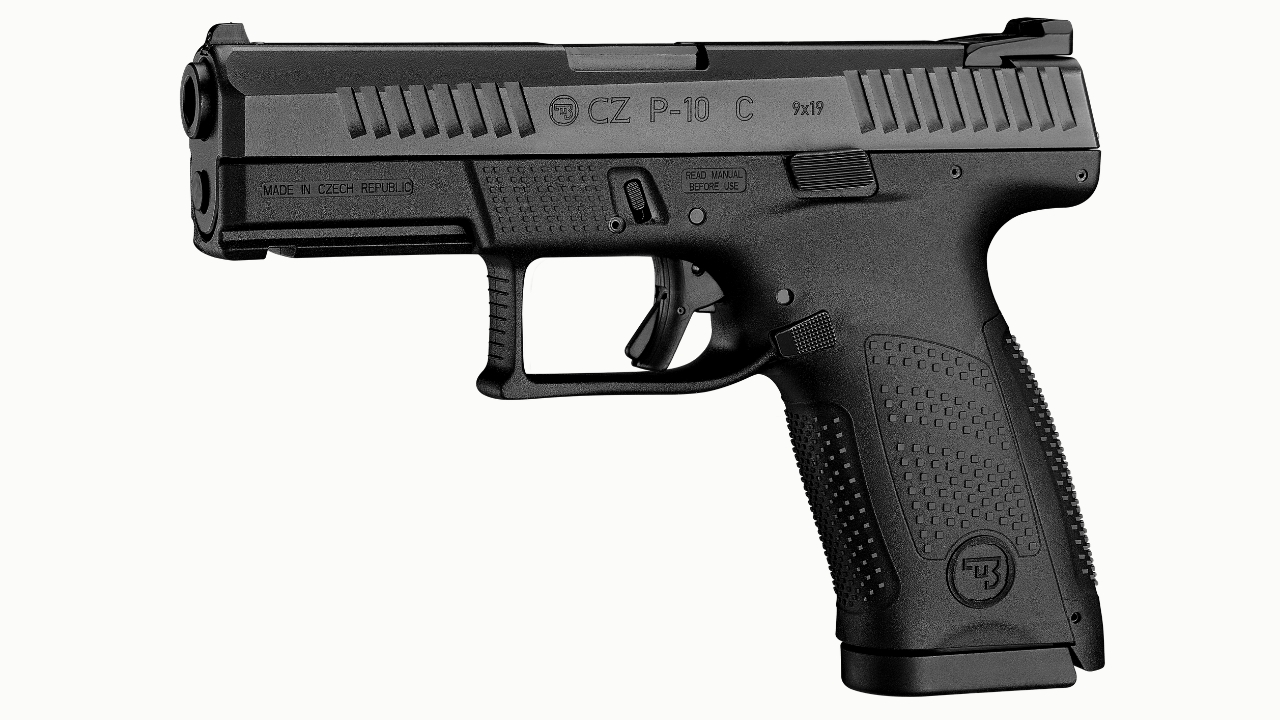
The CZ P-10 C is a practical first pistol because it tends to shoot flatter than many guns in its price range. The grip shape helps you get your hands high, and the gun’s recoil impulse feels predictable. That predictability makes it easier to learn fast follow-up shots without losing control.
It’s also a simple platform to maintain. The design is straightforward, and the pistol has a reputation for reliability with a wide range of ammo. You’ll find holsters and magazines without drama, and the size is friendly for both range use and defensive roles. If you want a first handgun that feels “serious” without being complicated, the P-10 C is a solid pick that rewards steady practice.
Walther PDP Compact (9mm)

The PDP Compact works well as a first handgun because it’s easy to hold onto and easy to shoot well. The ergonomics are strong, the grip texture helps control the pistol under recoil, and the balance keeps the gun from feeling snappy. When you’re learning, that kind of stability keeps you focused on sights and trigger instead of fighting the gun.
The PDP also has broad support for sights and holsters, and many models are optics-ready if you decide to go that direction later. As a new owner, you benefit from a pistol that doesn’t feel finicky. The PDP tends to run reliably and feel consistent across different loads, which helps you develop confidence and repeatability rather than guessing whether the gun or the shooter caused the last bad string.
Beretta 92FS (9mm)

The Beretta 92FS is a classic for a reason: it’s a soft-shooting 9mm with a smooth recoil feel and a long track record. The full-size frame gives you a lot to hold onto, and that makes it easier to learn good grip pressure without feeling like the pistol is trying to jump out of your hands.
As a first firearm, it’s also a good teacher. The controls encourage you to be deliberate and consistent, and the weight helps keep the sights steady. It’s not the smallest option for carry, but for learning and home use it’s very approachable. If you want a first handgun that feels stable and confidence-building at the range, the 92FS has a way of making new shooters settle down and shoot better.
Ruger GP100 (.357 Magnum / .38 Special)

A revolver can be a smart first gun if you want mechanical clarity and a straightforward manual of arms. The GP100 is built strong, and it handles .38 Special very comfortably, which is a great way to learn without recoil getting in the way. You can also step up to .357 Magnum later when your fundamentals are solid.
The GP100’s weight helps keep recoil manageable, and the grip options make it easy to tailor the feel. Revolvers also teach good trigger control because you can’t cheat a heavy double-action pull. That can make you a better shooter across the board. For a first purchase focused on learning, the GP100 gives you durability, flexibility, and a training path that doesn’t rush you.
Smith & Wesson M&P15 Sport II (5.56)

If your first firearm is meant for range training and home defense, an entry-level AR-15 like the M&P15 Sport II can make a lot of sense. The 5.56 recoil is mild, the ergonomics are intuitive, and the platform is easy to shoot well once you learn safe handling and responsible storage.
The bigger advantage is support. Magazines, parts, optics mounts, and slings are widely available, and most training resources assume an AR format. That means you can get help, find accessories that fit, and keep the rifle running without becoming a tinkerer. The key is to buy quality magazines and spend your early money on training and a safe setup, not on random add-ons.
Mossberg 500 (12 Gauge)

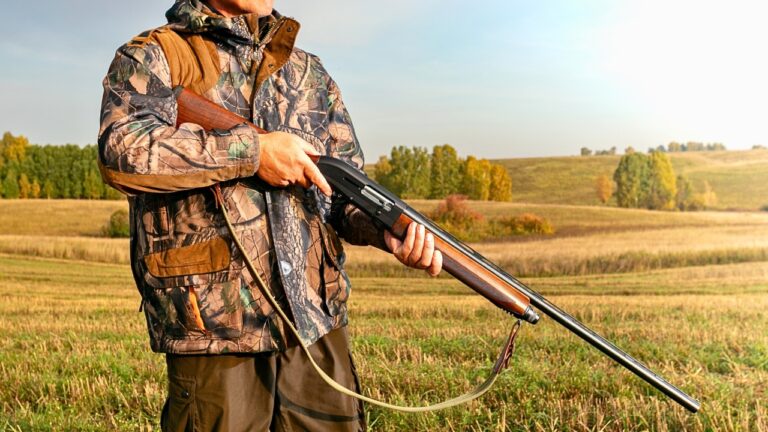
A pump shotgun is a practical first gun because it’s versatile. A Mossberg 500 can cover home defense, clay shooting, and hunting with the right barrel and loads. It’s also a platform with a long track record, so you’re not gambling on a new design with unknown durability.
The learning curve is real, though, and that’s why it works as a first purchase: it forces you to practice. You have to run the action cleanly, manage recoil, and choose ammo responsibly. The payoff is a tool that can do many jobs without being fragile. If you want one firearm that fits rural life especially well—where pests, hunting seasons, and property defense overlap—the Mossberg 500 is a proven starting point.
Remington 870 (12 Gauge)

The Remington 870 has been a staple for decades because it’s simple to understand and it holds up with use. As a first gun, it gives you a reliable pump-action format with broad support for barrels, stocks, and accessories. That means you can set it up for birds, deer, clays, or home use over time.
An 870 also teaches good habits. You’ll learn how to run a pump smoothly, how to control recoil with proper stance, and how to pattern different loads. That knowledge carries over to every other shotgun you’ll ever own. If you want a first firearm that can grow into multiple roles and still be useful years later, an 870 in a sensible configuration is a practical, time-tested way to begin.
Ruger American Rifle
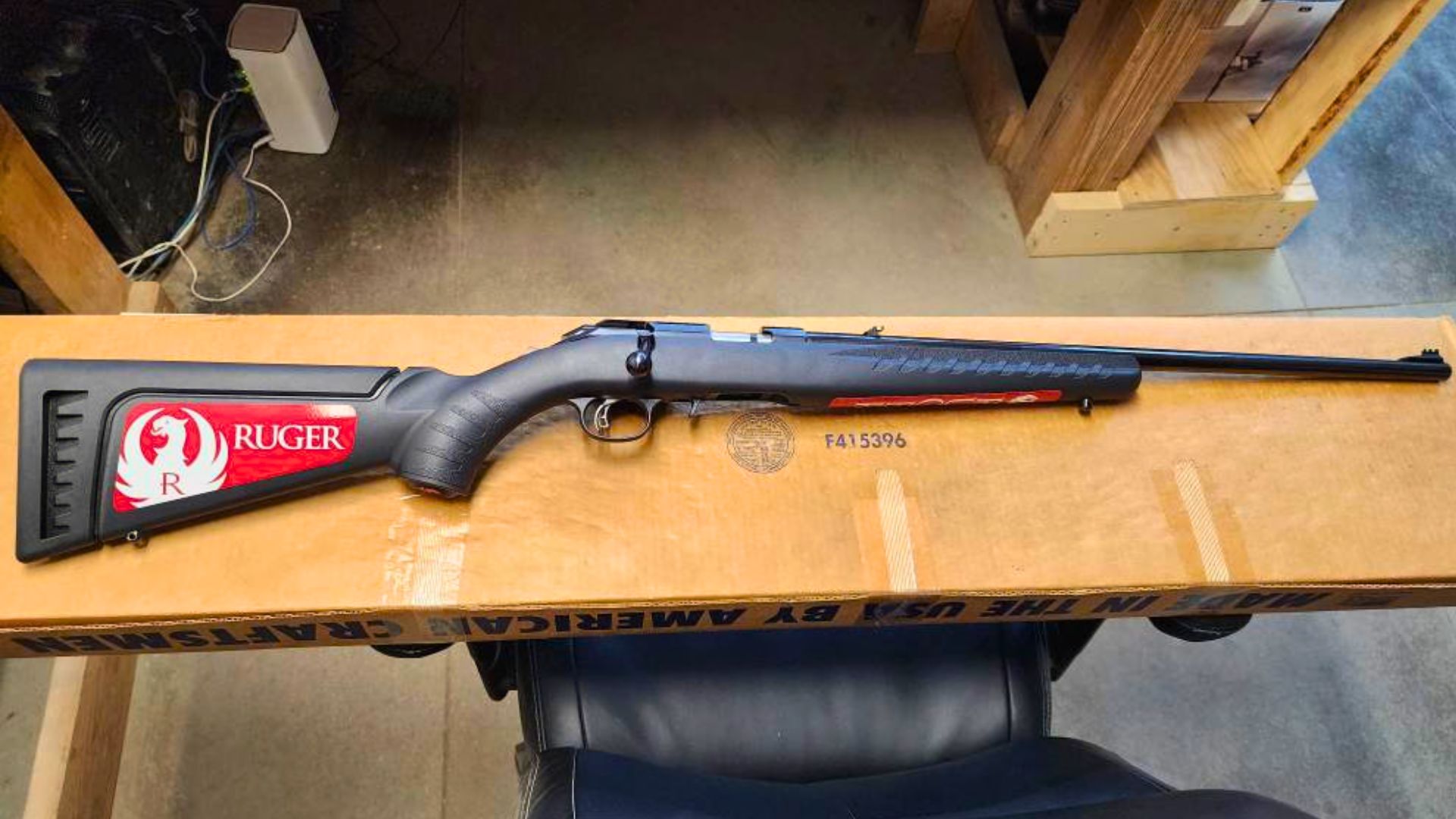
If you’re buying your first gun for hunting, a Ruger American is a sensible starting point. It’s a straightforward bolt-action rifle that tends to shoot well without needing upgrades, and it’s available in cartridges that fit deer hunting realistically—.243, .308, and other common options depending on where you live.
The advantage for a new owner is that it keeps things uncomplicated. You mount a dependable scope, confirm your zero, and you have a rifle that can handle real seasons without being finicky. The rifle is also approachable in weight and recoil when you choose a reasonable cartridge. For a first hunting rifle, that balance matters. You want a gun you’ll practice with, not one that makes you dread the bench.
Tikka T3x Lite

The Tikka T3x Lite is a great first hunting rifle if you want something you won’t outgrow. The action is smooth, the triggers are generally excellent, and the rifles have a reputation for accuracy with quality ammo. That makes it easier to build confidence because the rifle tends to do its part when you do yours.
It’s also a rifle that carries well. The “Lite” concept matters in real hunting, where weight adds up fast and awkward shots happen. You still need to choose a cartridge you can shoot well, because recoil influences practice more than people admit. When you pair the T3x with a sensible chambering and a reliable scope, you end up with a first rifle that feels refined, hunts hard, and doesn’t require tinkering to be dependable.
Like The Avid Outdoorsman’s content? Be sure to follow us.
Here’s more from us: