Photo credit: Hakkamasaamine/YouTube
When you’re up to your elbows in hide and hair, a fixed blade stops being “gear” and starts being the one tool you can’t afford to second-guess. Field dressing in the dark, breaking down quarters in cold weather, splitting a pelvis, trimming around a shoulder, or working through gritty, dirty hair—this is where flimsy blades and slick handles get exposed fast. A good hunting fixed blade isn’t about being fancy. It’s about control, grip, edge stability, and a shape that works when everything is wet, bloody, and rushed.
The knives below have earned trust because they keep working in the real mess. They’ve got handle designs you can hang onto, steels that can take a working edge, and blade shapes that make sense for game care. You still need to touch up your edge and keep your knife clean, but these are the fixed blades hunters keep reaching for when the job gets ugly.
Buck 119 Special
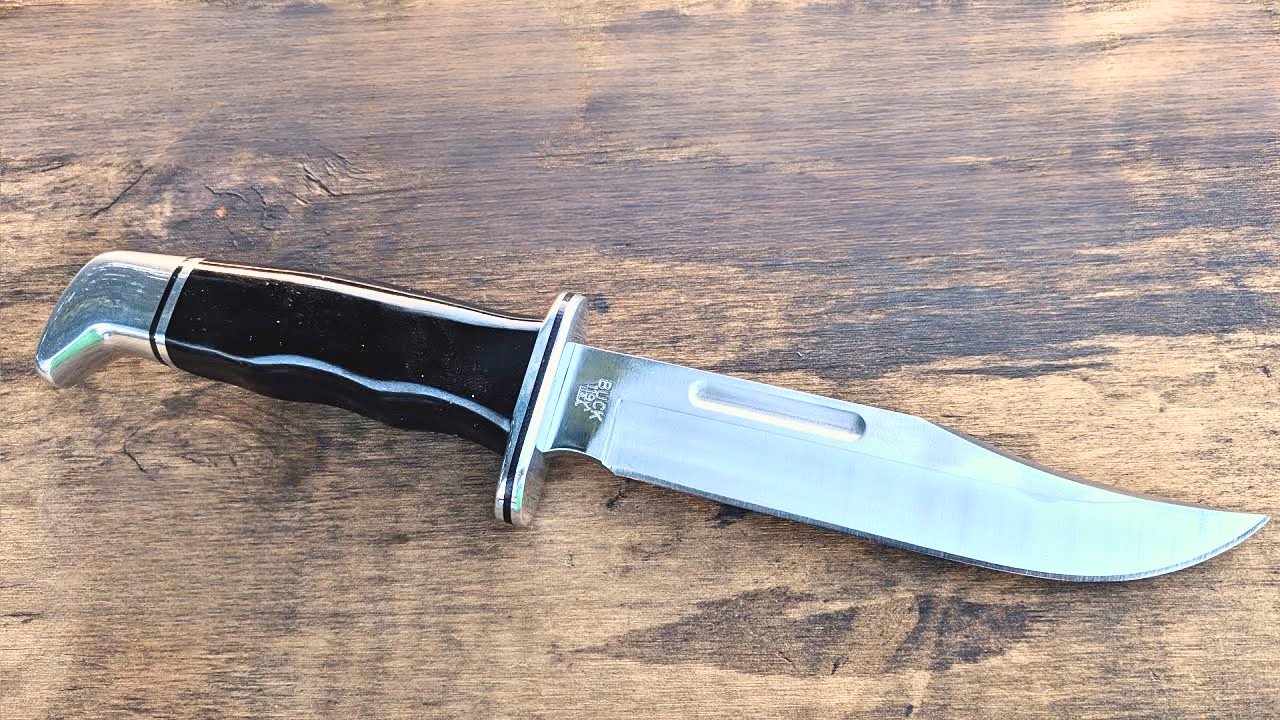
The Buck 119 is one of those knives that keeps showing up in deer camps because it does the basics right. The handle fills your hand, the guard gives you confidence when things get slick, and the blade shape is easy to control when you’re opening an animal up and staying off the guts.
It’s also a knife you can maintain in the field without a full sharpening kit. Buck’s 420HC takes a keen edge and comes back quickly with a small stone or strop. You might touch it up more often than a premium super steel, but you won’t be fighting it. For messy work, the 119 shines because it’s predictable—comfortable grip, enough blade length, and a profile that doesn’t feel clumsy around joints and connective tissue.
Buck 102 Woodsman
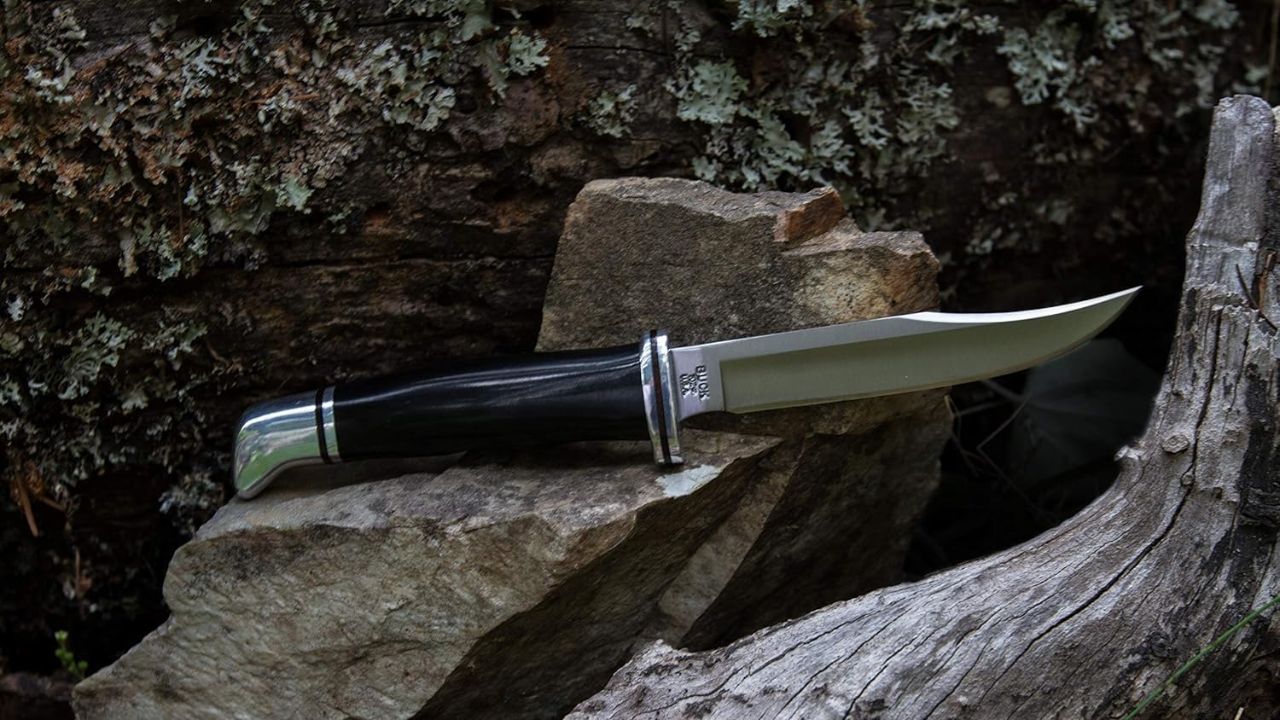
If you prefer a smaller fixed blade that still feels serious, the Buck 102 is hard to beat. It’s compact enough to control around the brisket and inside the rib cage, but still long enough to do real work without feeling like a toy. The handle shape stays comfortable even when your hands are cold.
The 102 is also a knife that carries well and doesn’t snag up your pack or belt. That matters when you’re climbing into a stand or dragging a deer and you don’t want a giant sheath flopping around. Like other Bucks in 420HC, it sharpens easily and holds a working edge well enough for normal game care. When things get messy, a smaller blade that you can steer precisely is often the smarter choice.
Ka-Bar Becker BK2 Campanion
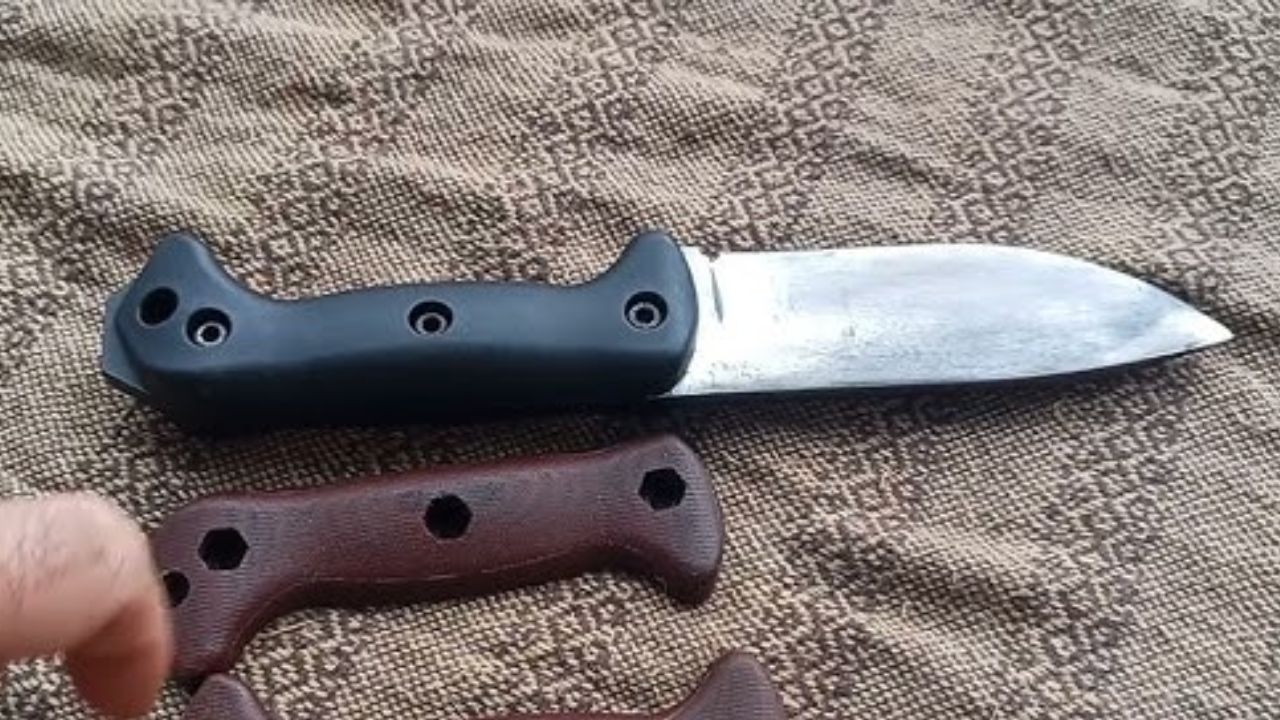
The BK2 isn’t a classic “field dressing knife,” but hunters trust it when the job turns from clean to ugly. It’s thick, tough, and built for abuse—splitting sternums, prying joints, cutting through brush, or doing camp chores after the animal is down. The handle fills your hand and stays controllable when wet.
Because it’s a heavier knife, it’s not the one you want for delicate caping work. But when you need a fixed blade that won’t flex, won’t complain, and won’t leave you worried about snapping a tip, the BK2 makes sense. It’s a knife you can baton, chop lightly, and still use for meat work if you keep it sharp. In real hunting life, “messy” often includes more than just blood.
ESEE-4

The ESEE-4 has earned a reputation as a do-it-all fixed blade that can handle game and camp without drama. The blade length is enough for deer-sized work, and the shape is controllable when you’re working around joints and staying tight to the hide. The handle is where it really wins—grippy, comfortable, and easy to hang onto when everything is slick.
ESEE’s designs also tend to be simple to maintain. You don’t need a bench setup to keep an ESEE sharp. A small stone and a little time will keep it biting. It’s not a dedicated skinner, and it’s not a fragile slicer. It’s the knife you bring when you want one blade that can open an animal, split light wood, and keep working even if you’re hard on it. That’s why hunters trust it when the job gets chaotic.
Bark River Bravo 1

The Bravo 1 is trusted because it combines real cutting comfort with serious build quality. The handle shape is a standout—thick enough to fill your hand, rounded enough to stay comfortable during long sessions, and secure even when your grip is messy. When you’re breaking down an animal and your hand starts cramping, that matters more than people admit.
The blade geometry also leans toward efficient cutting instead of being a pry bar. That makes it a strong choice for processing work where you’re slicing through tissue, trimming meat, and working around bone. Depending on the steel option, it can hold an edge very well, but even more important is how it feels in use. The Bravo 1 is the kind of knife that makes you slow down and cut cleaner because it stays controlled in your hand.
Mora Garberg
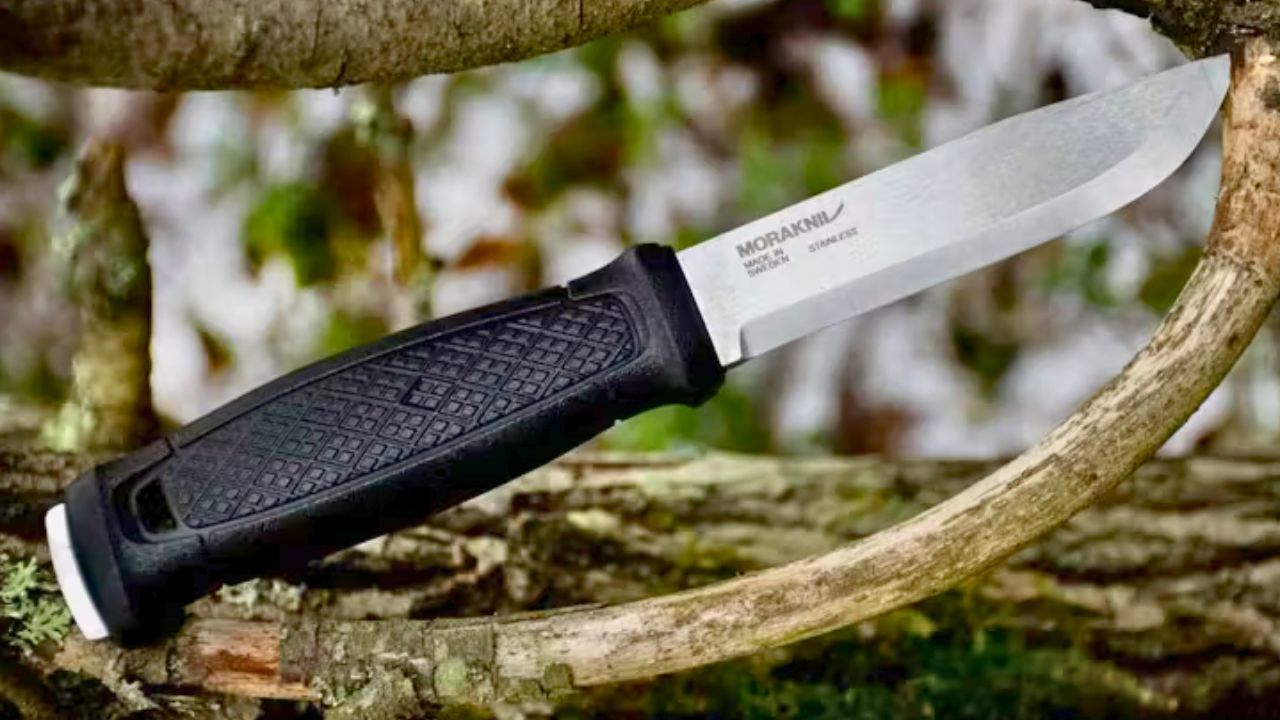
The Garberg is the Mora that convinced a lot of skeptical hunters that a Mora can be more than a cheap backup. It’s full tang, sturdy, and built for harder use than the classic Mora models. The handle stays grippy when wet, and the blade shape is practical for real cutting work.
Where the Garberg shines is how easy it is to live with. It’s not heavy, it doesn’t take up much space, and it’s simple to clean. When you’re processing game, it’s the kind of knife you can rinse, wipe, and keep using without fuss. It’s also easy to touch up in the field. Hunters trust it because it works, and because it doesn’t ask for special treatment. In messy situations, that low-maintenance reliability is exactly what you want.
Cold Steel SRK
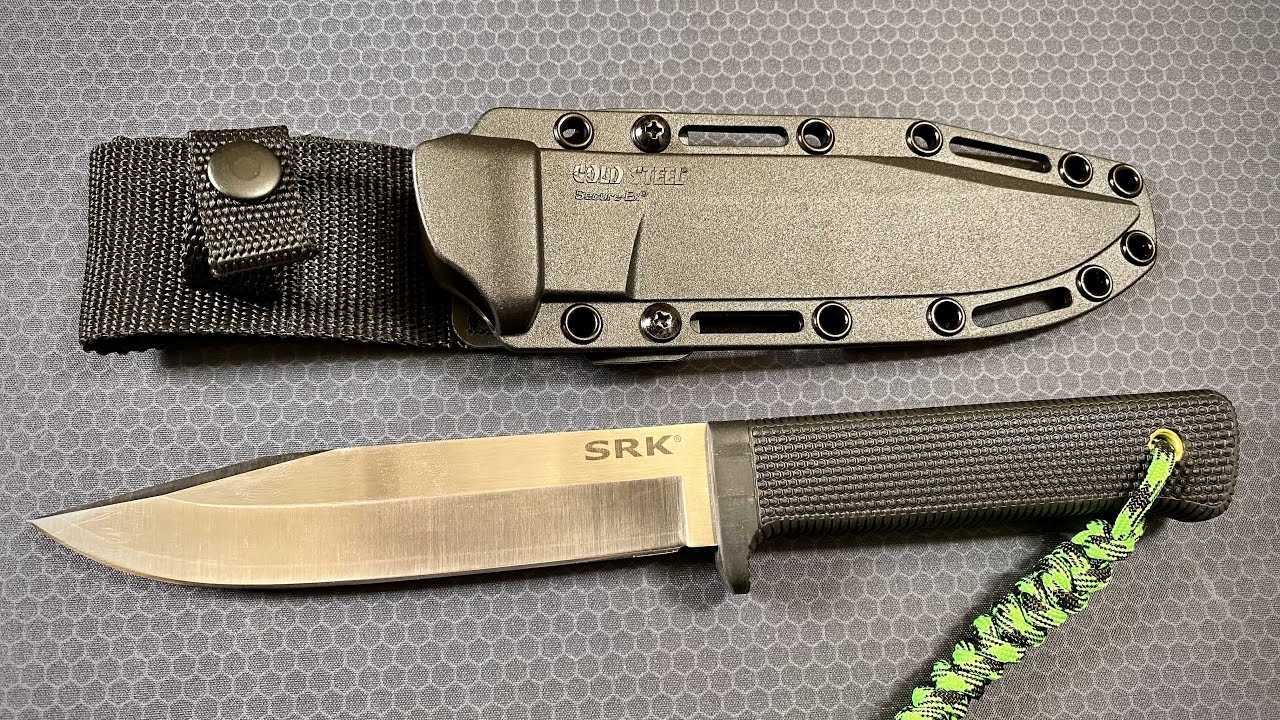
The SRK is a “bring one knife and stop worrying” option. It’s large enough to handle tough tasks—splitting, chopping light brush, and working through joints—while still being controllable enough for general field work. The handle shape and texture help a lot when things are slick.
It’s not a dainty knife, and it’s not built mainly for fine caping. But when you’re miles from the truck and you want a fixed blade that can do ugly jobs without feeling fragile, the SRK has earned trust. Hunters and outdoorsmen like it because it’s straightforward, durable, and easy to clean. It’s the knife you grab when you don’t want to baby your blade. Keep it sharp and it’ll keep doing what you ask, even when the work stops being polite.
Gerber Gator Fixed Blade
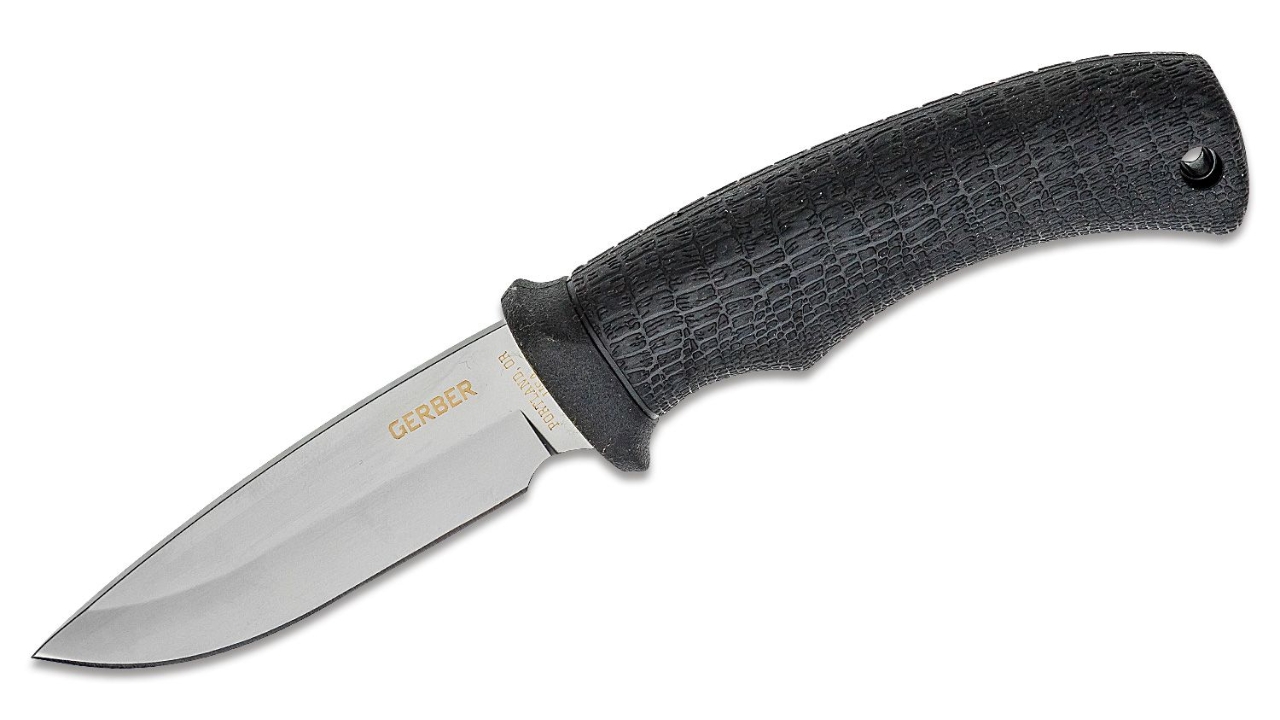
The Gator handle has been saving hands for years. That rubbery texture and palm swell make it easy to keep control when your gloves are wet or your fingers are numb. When you’re elbow-deep and your grip keeps slipping, a handle like that can be the difference between clean cuts and frustration.
The blade itself is a practical hunting profile that works well for opening, skinning, and general processing. It’s not a premium steel showpiece, but it’s easy to sharpen and easy to keep working. That matters in camp when you’re touching up an edge between animals or cleaning up mistakes. Hunters trust the Gator because it’s comfortable and predictable. You can choke up, you can bear down, and it doesn’t feel like it’s trying to slide out of your hand when things get messy.
Havalon Piranta (replaceable blade system)

A Havalon is a different kind of trust. You’re not trusting it to be a pry bar—you’re trusting it to stay razor sharp when you’re caping, skinning, and doing precise work. When things get messy, a scalpel-style edge makes clean cuts without sawing, and that keeps meat and hides looking better.
The replaceable blade system also changes your whole workflow. Instead of fighting a dull edge halfway through a job, you swap a blade and keep moving. That’s a big deal when you’re processing multiple animals or you’re working in cold conditions where sharpening is miserable. The key is respecting the tool. Don’t torque it through joints and don’t treat it like a heavy-duty knife. For clean, controlled cutting in messy conditions, it’s one of the most trusted systems out there.
Outdoor Edge Razor-Lite

The Razor-Lite earns trust the same way: it stays wicked sharp because you can swap blades. It’s a hunter-first design that makes skinning and processing smoother, especially when you want clean, precise cuts and you don’t want to stop to sharpen. In messy work, that consistency is huge.
The handle is comfortable and secure, and the blade shape works well for opening and skinning without feeling awkward. Like any replaceable blade knife, it isn’t meant for twisting through joints or prying. It’s a cutting tool, not a camp chopper. Hunters trust it because it reduces the chances of a dull knife turning your job into a wrestling match. If you’ve ever tried to finish an animal with a fading edge in bad light, you already understand why a fresh blade can feel like relief.
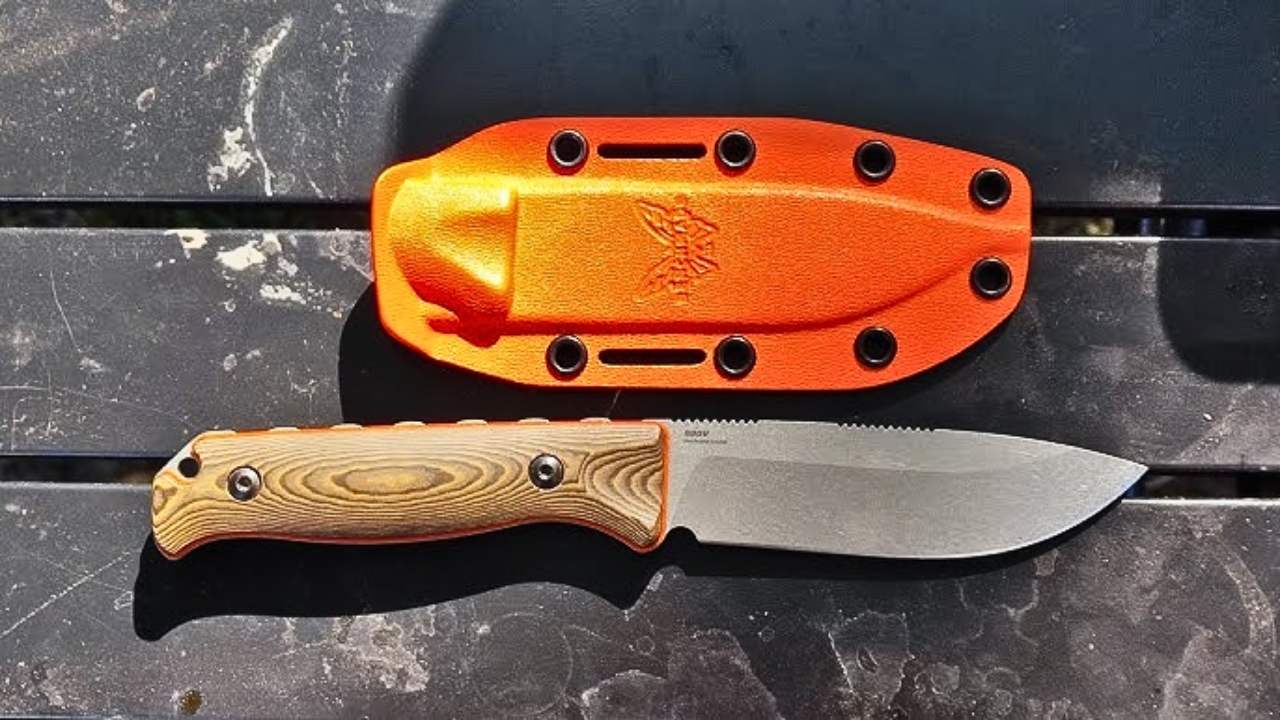
Benchmade Saddle Mountain Skinner
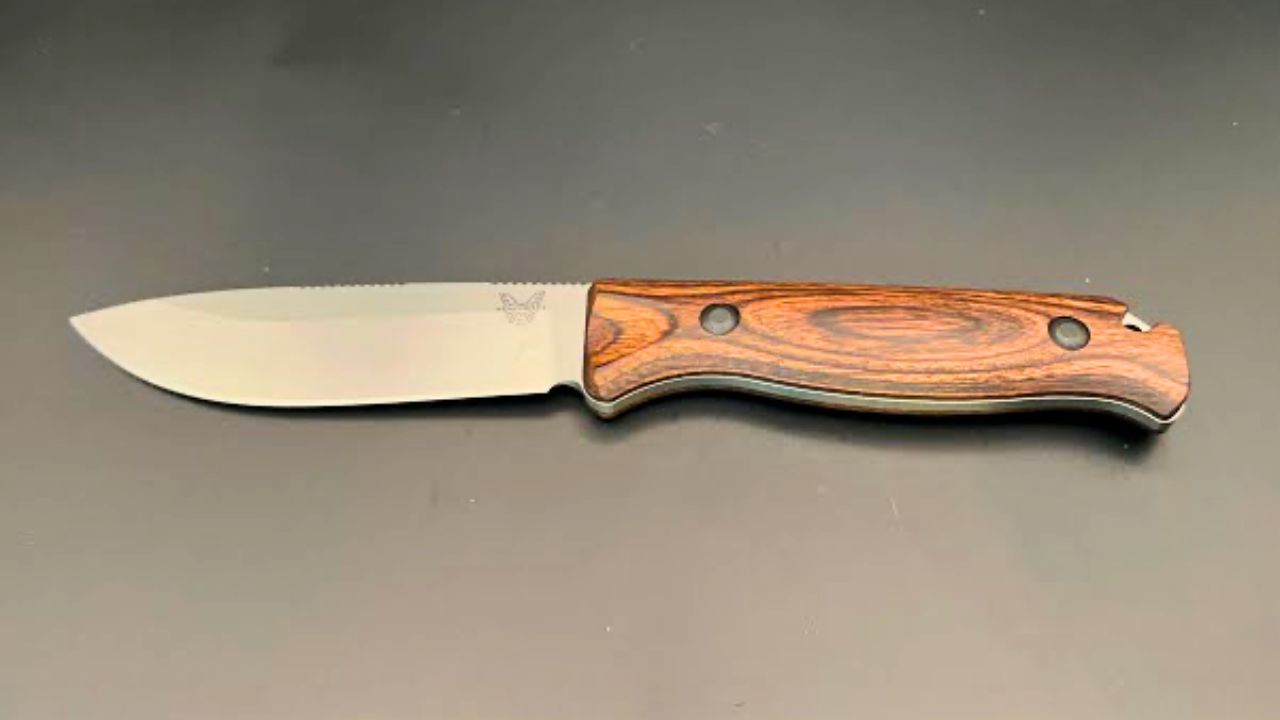
Benchmade’s Saddle Mountain Skinner has a reputation for being a true hunting knife, not a tactical blade pretending to be one. The handle is shaped for control and comfort during long skinning sessions, and the blade geometry is meant to slice efficiently without feeling thick or clumsy.
When things get messy, a skinner needs to track where you steer it. This one does. It gives you enough belly for sweeping cuts, enough tip control for detail work, and a handle that stays secure when your hands are wet. It’s not meant to baton wood or take abuse like a survival knife. It’s meant to process game cleanly. That focus is exactly why hunters trust it. If your knife’s main job is deer, elk, or bear work, purpose-built beats “do everything” almost every time.
Ka-Bar USMC (standard fixed blade)

The Ka-Bar USMC is more famous as a fighting and utility knife, but it still earns trust in hunting camps because it’s tough and familiar. The handle is comfortable enough for hard work, and the blade is strong enough that you’re not worried about snapping it when you hit stubborn connective tissue or need to cut through rough material.
It’s not a dedicated skinner, and the profile isn’t as specialized as modern hunting knives. But when the situation turns into “I need a blade that will do it, right now,” the Ka-Bar shows why it has stayed around. Hunters trust it for the ugly jobs: clearing branches, splitting light tasks, and dealing with camp chores after the animal is down. Keep it sharp, use it with control, and it’ll handle more than people expect.
Tops BOB (Brothers of Bushcraft)
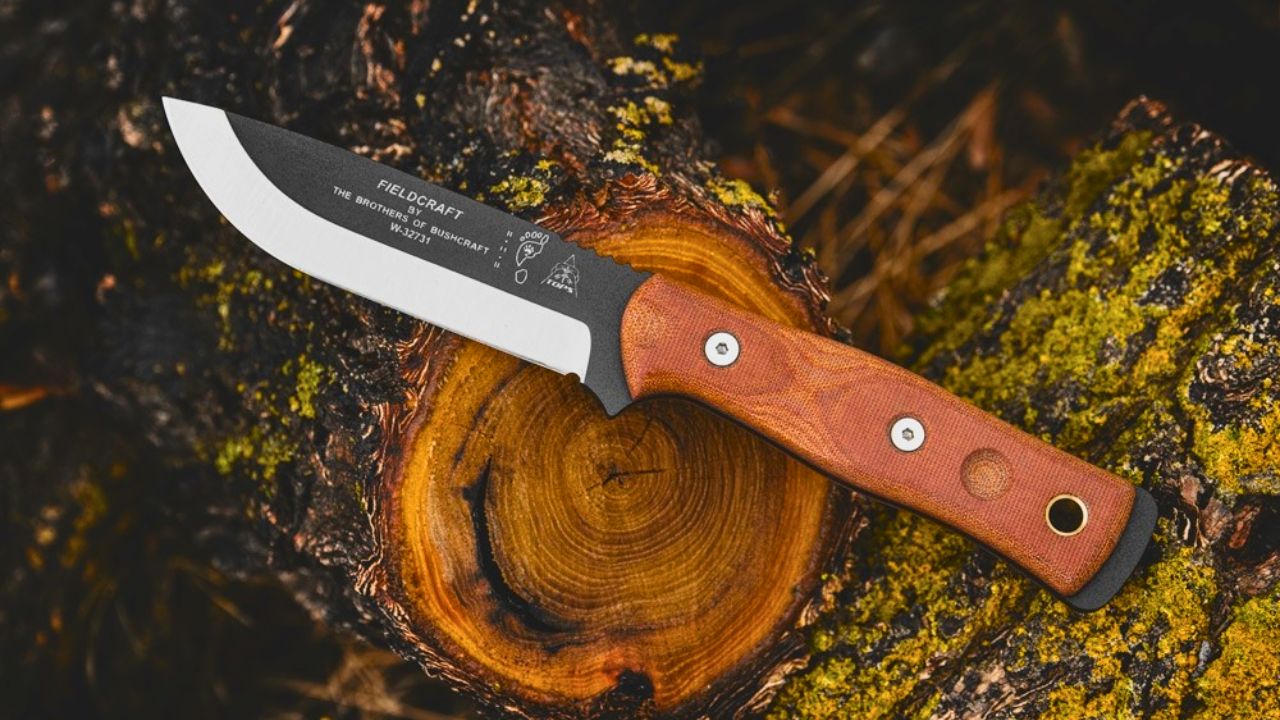
The Tops BOB is aPure use—thick, grippy, and built for hard outdoor work. Hunters trust it when the mess includes more than just meat. Think clearing a spot to work, cutting brush, making kindling, or dealing with tasks that would make a thinner hunting knife feel fragile.
The blade shape gives you control for slicing, and the handle is made to stay planted even when your hands are wet or tired. It’s not the first pick for delicate caping, because it’s a larger, stouter knife. But it’s the kind of fixed blade that keeps going when you’re rough on gear and you don’t want surprises. In a real hunt, “messy” can mean weather, mud, and hard chores stacked on top of processing. That’s where a knife like this earns its keep.
Condor Bushlore

The Bushlore is one of those knives that feels old-school in the best way. The handle is comfortable, the blade shape is practical, and it’s the kind of fixed blade you can use for camp chores and still trust for game work if you keep the edge right. Hunters like it because it feels secure without needing aggressive texture.
It’s not a scalpel, and it’s not a heavy chopper. It sits in that middle ground where you can cut wood, clean up a work area, and then go right into processing without swapping tools. The steel is generally easy to sharpen, which matters when you’re touching up in camp. A lot of hunters trust knives like the Bushlore because they’re simple and predictable. When your hands are cold and your patience is thin, predictable tools are the best tools.
Helle Temagami
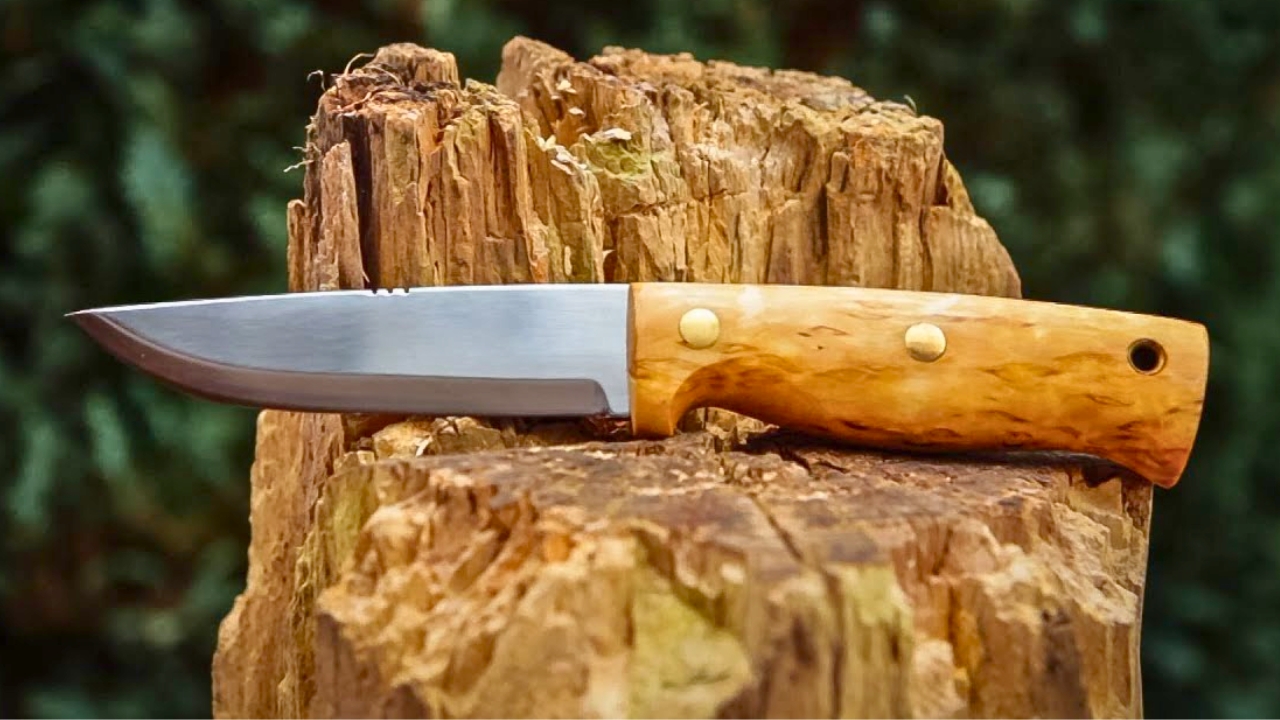
Helle knives have a reputation for cutting comfort, and the Temagami fits that tradition. The handle feels natural, the blade geometry slices efficiently, and it’s a knife that stays controllable during long, messy processing sessions. When you’re skinning and trimming for a while, that comfort isn’t a luxury—it keeps you cutting cleaner.
The Temagami isn’t built for prying or heavy abuse. It’s built to cut well and feel good doing it. In the field, that means you use it the way a hunting knife is meant to be used: clean cuts, controlled pressure, and smart technique. Hunters trust it when things get messy because it doesn’t fight your hand. If you’ve ever tried to finish a job with a knife that creates hot spots and slips in your grip, you understand why a comfortable, secure handle matters as much as the steel.
Montana Knife Company Blackfoot 2.0
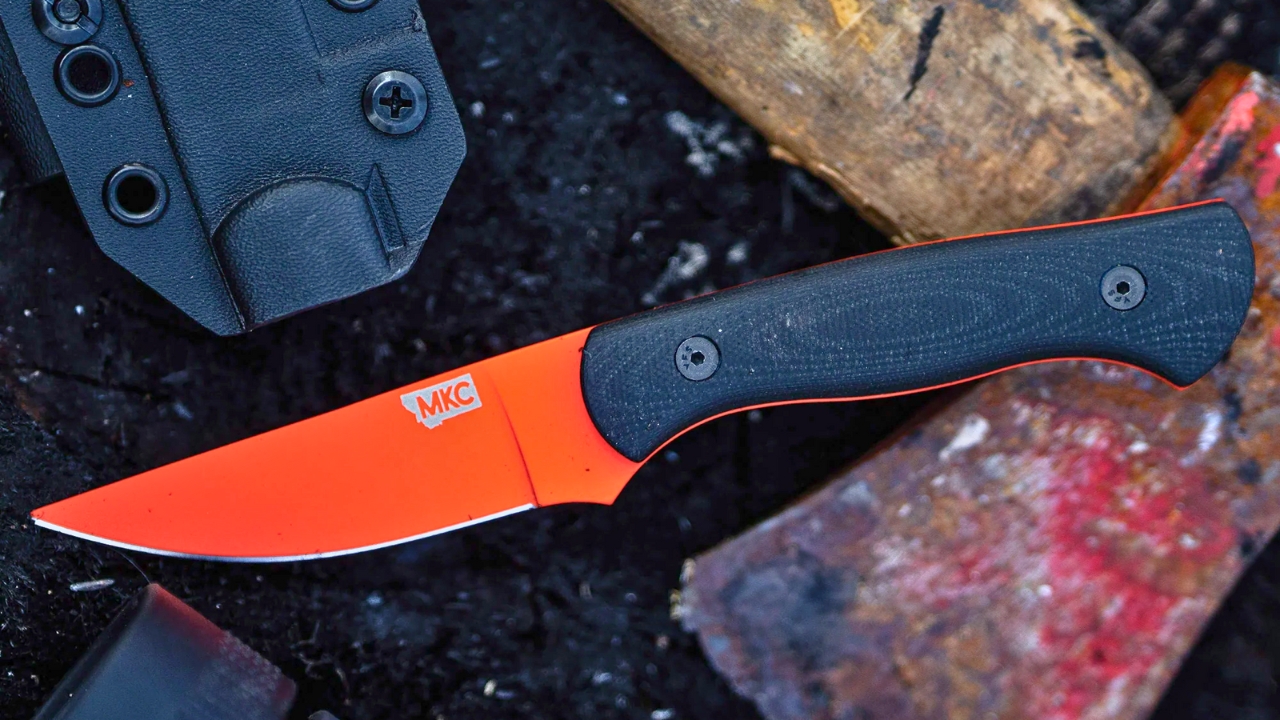
The Blackfoot 2.0 is a modern hunting fixed blade that has built trust fast because it’s designed around real game processing. The handle shape is secure and comfortable, and the blade geometry is meant for efficient slicing rather than thick, wedge-like cutting. That pays off when you’re breaking down an animal and you want clean, controlled cuts.
It’s also the kind of knife that carries well, cleans easily, and feels stable when your hands are wet. Hunters trust knives like this because they’re purpose-built. You’re not fighting an awkward profile or a handle that turns slippery halfway through the job. You’re simply cutting. When things get messy, you don’t want to be thinking about your knife. You want it to disappear in your hand and keep doing its job. That’s what makes a fixed blade trusted, and that’s what this style of knife is built to deliver.
Like The Avid Outdoorsman’s content? Subscribe to our newsletter so you never miss an article.
Here’s more from us: