Photo credit: MADMAN REVIEW/YouTube
Even the guy with a shiny new rifle and a dialed-in load usually has an old standby in the safe. Not because it’s better on paper, but because it’s proven. Backup calibers are the ones you grab when a tag is on the line, the weather turns ugly, or you’re headed somewhere you don’t want surprises. They’re familiar, easy to feed, and predictable in how they kill.
A “backup” doesn’t mean second-rate. Most of the time it means dependable. These are the calibers hunters keep around even after they’ve moved on to flatter, faster, or newer options—because they know exactly what happens when that bullet hits hair and bone.
.30-06 Springfield
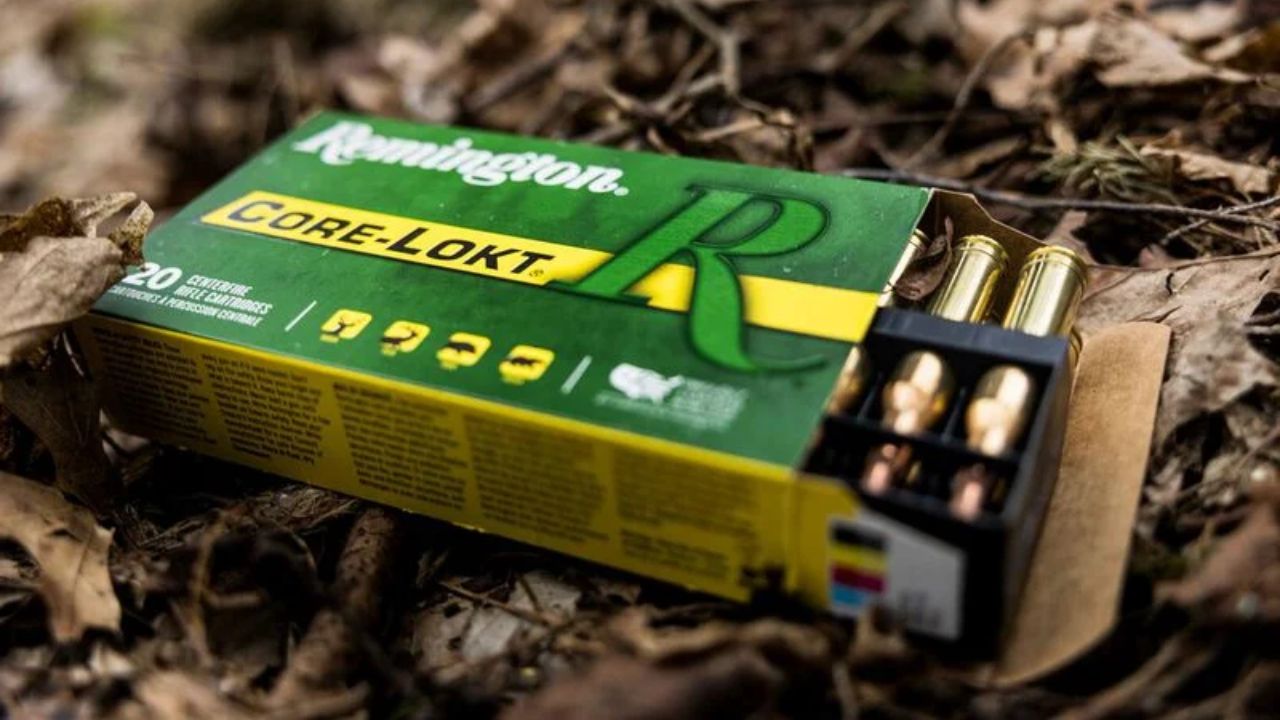
You keep a .30-06 around because it covers mistakes in planning. If a hunt changes from whitetails to bigger-bodied deer, or you draw an elk tag later than expected, the ‘06 still fits. It handles a wide spread of bullet weights well, and it doesn’t require fancy voodoo to get honest performance.
It also stays useful because ammo is everywhere and the cartridge is forgiving across different rifles. When you want a backup that can be sighted in quickly, fed from any small-town hardware store, and trusted for deep penetration with the right bullet, the .30-06 remains hard to replace. It’s not trendy, but it keeps putting animals down with the same steady results it always has.
.308 Winchester

The .308 is the backup caliber for hunters who value predictability over bragging rights. It’s efficient, easy to tune, and it tends to shoot well across a lot of rifles without drama. When you need a rifle that prints consistent groups and stays manageable in recoil, the .308 rarely disappoints.
You also keep it because it’s practical in the real world. Ammo is common, component choices are endless, and the cartridge performs well with tough hunting bullets at normal ranges. It may not carry the same long-range mystique as some newer 6.5s, but it still hits with authority and penetrates reliably. As a backup, it’s the one you can hand to a buddy or grab yourself and feel immediately at home.
.270 Winchester

A .270 sticks around because it’s one of those cartridges that keeps making sense the older you get. It shoots flat enough for most real hunting, it carries energy well, and it tends to put deer-sized game down fast when you do your part.
You also keep it because it’s pleasant to shoot compared to many “bigger” options, which matters when you want clean hits under pressure. It’s a caliber you can practice with without developing a flinch, and that counts for more than people admit. As a backup, the .270 is the rifle you grab when you want a familiar trajectory, reliable expansion with the right bullet, and a cartridge that has decades of field proof behind it.
7mm-08 Remington

The 7mm-08 is the backup for hunters who like efficiency and control. It offers excellent bullet options, solid penetration, and mild enough recoil that you can shoot it well from awkward field positions. When you’re tired, cold, or braced on a pack, that matters.
You keep it around because it performs above its reputation on deer and similar game, and it does so without beating you up. It’s also a great “loaner” caliber for family members or friends who shoot less, because it’s approachable while still being fully capable. As a backup, 7mm-08 is the one that keeps you honest: you place the shot, it tracks well, and it tends to deliver clean results without needing extra horsepower.
.243 Winchester

The .243 stays in a lot of safes because it’s easy to shoot well and easy to keep accurate. When you need a backup rifle for a youth hunter, a recoil-sensitive shooter, or a season where you expect lots of practice, it’s hard to beat for comfort.
You also keep it because it can be more capable than people assume when bullets are chosen wisely and shots are taken responsibly. On deer, it demands discipline, but it can work extremely well with controlled-expansion loads and good placement. As a backup, the .243 often fills the “confidence rifle” role—one you can shoot precisely, one you can sight in fast, and one that helps you avoid the flinch that ruins more hunts than any ballistic chart ever will.
.30-30 Winchester

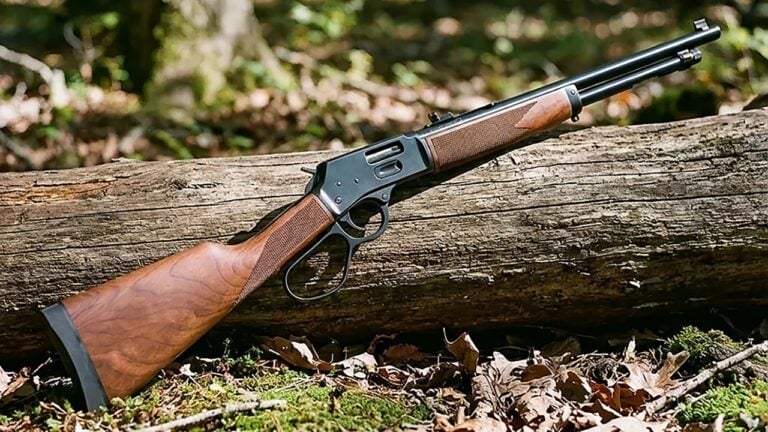
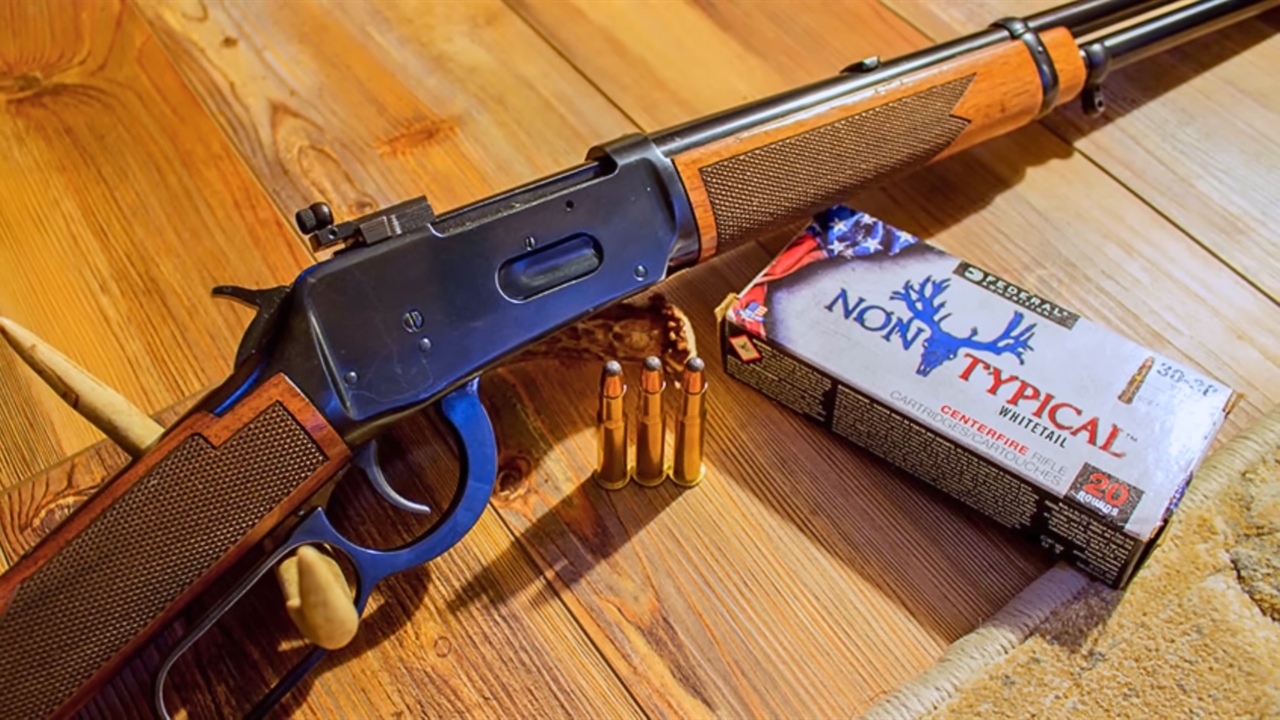
The .30-30 is the backup that never feels out of place in the woods. It’s handy, quick, and built around the kind of hunting most people actually do: tight cover, short windows, and shots that come fast. A lever gun in .30-30 is still one of the easiest rifles to carry all day.
You keep it because it’s dependable and forgiving at sensible distances. It’s also a caliber that has piled up more whitetails than anyone can count, so confidence comes naturally. Even if you run a modern scoped bolt gun as your main rig, the .30-30 remains the “grab-and-go” option when you want light weight, quick handling, and a cartridge that performs exactly as expected inside its lane.
.35 Remington

The .35 Remington sticks around for hunters who like a bigger hole and deep, straight penetration without magnum recoil. In thick timber, it’s a calm, effective option that hits harder than its popularity suggests, especially at the close ranges where woods hunting happens.
You keep it as a backup because it’s a problem-solver when shots are quick and angles can be imperfect. It’s also a cartridge that tends to shoot well in the rifles it’s commonly chambered in, and it carries a reputation for clean kills on deer and black bear with the right bullets. Even if you own newer cartridges that fly flatter, the .35 Rem stays valuable because it does not rely on speed to do its work.
.45-70 Government

The .45-70 hangs around because it gives you a completely different tool when the hunt calls for it. In heavy cover, in bear country, or when you want a hard-hitting lever gun that ends arguments quickly at close range, it’s still a serious option.
You keep it as a backup because it’s versatile in practice. Load selection runs from mild, comfortable range loads to heavy hunting loads that hit with authority. That flexibility makes it useful for everything from hogs to big-bodied deer to black bear, depending on the rifle and the shooter. Even if your main rifle is a sleek modern bolt gun, the .45-70 remains the “belt-and-suspenders” caliber—short-range power you can trust when things feel too close.
.44 Magnum

The .44 Magnum stays relevant because it fills two backup roles: revolver defense in the field and short-range hunting in a carbine. It’s a caliber that can ride on your hip and still be legitimate if you need to put down an animal at close range.
You keep it because it performs with heavy bullets and it doesn’t require perfect conditions to work. In a lever gun, it’s surprisingly manageable and effective on deer-sized game at reasonable distances. In a revolver, it gives you authority when you’re checking traps, hiking, or walking into a thicket after dark. Even if you own “better” ballistic options, the .44 keeps earning space because it’s versatile, common, and backed by decades of real-world use.
.357 Magnum

The .357 is the backup that does more than people expect. In a revolver, it’s controllable enough to practice with often, and it offers real performance with proper loads. In a lever gun, it becomes a handy, low-recoil hunting setup that’s easy to shoot well.
You keep it around because it’s practical and flexible. You can train cheaply with .38 Special, then carry .357 loads when it matters. That means more trigger time and better shot placement, which is what actually decides outcomes. For small game, pests, and even deer inside sensible ranges with the right rifle and load, it can work. As a backup caliber, .357 earns its keep by being the one you can shoot a lot, carry comfortably, and trust to behave predictably.
12 Gauge

A 12 gauge stays in the backup category because it’s the most adaptable hunting tool in North America. Birds, bucks, hogs, and even predators can all be handled with one shotgun and the right shells. If you have limited time to prepare, a 12 gauge can cover a lot of ground fast.
You keep it because the ammo availability is unmatched, and the platform choices are endless. With slugs, you’ve got legitimate big-game capability at practical distances. With buckshot, you’ve got close-range authority in thick cover. With birdshot, you’re ready for wingshooting or camp meat. Even if you’re a rifle guy most days, the 12 gauge remains the “if I can only bring one” backup that keeps working in more scenarios than anything else.
20 Gauge
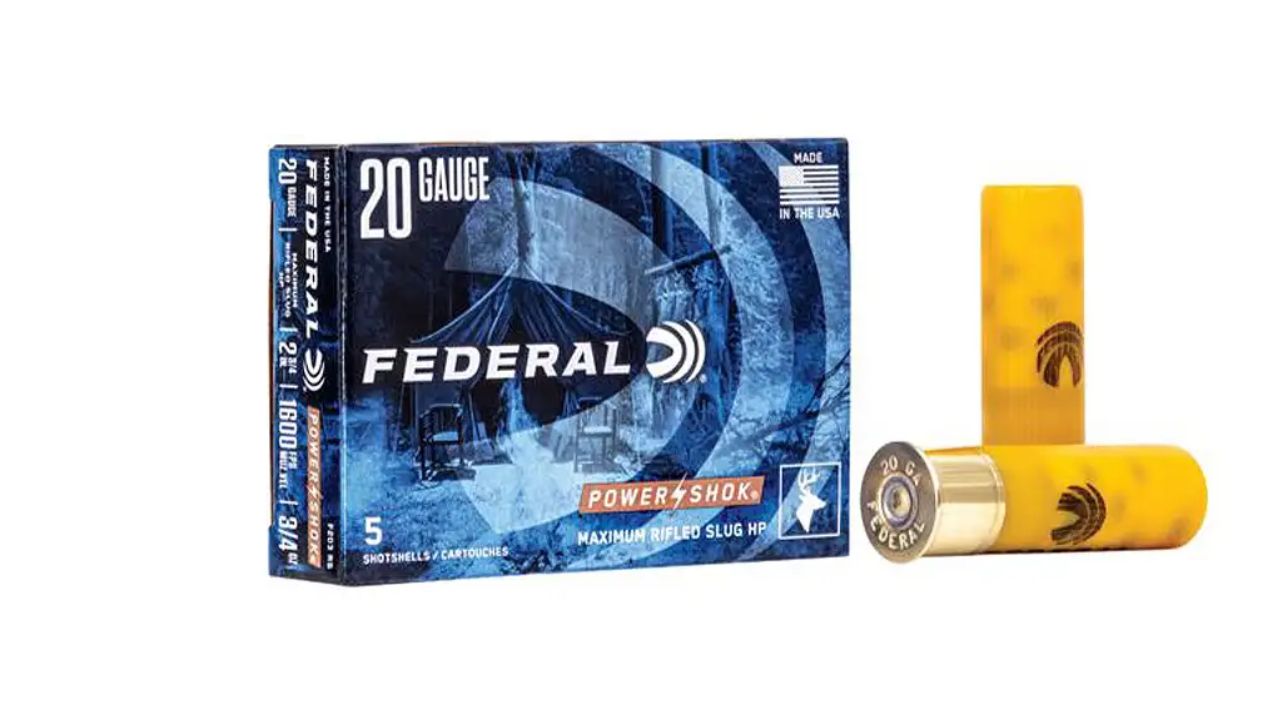
The 20 gauge is the backup shotgun caliber for hunters who care about carry weight and shootability, but still want real field performance. It’s easier on the shoulder than a 12 for many shooters, and that tends to translate into better follow-through and cleaner hits.
You keep it because modern 20-gauge loads have improved a lot, and the gun itself is often lighter and faster-handling. For upland birds and turkeys it remains a strong option, and with proper slugs it can cover deer hunting within realistic ranges. The 20 also shines as the shotgun you hand to a newer hunter or keep around for long walks, steep country, and quick opportunities. It stays in the safe because it stays useful.
.22 Long Rifle
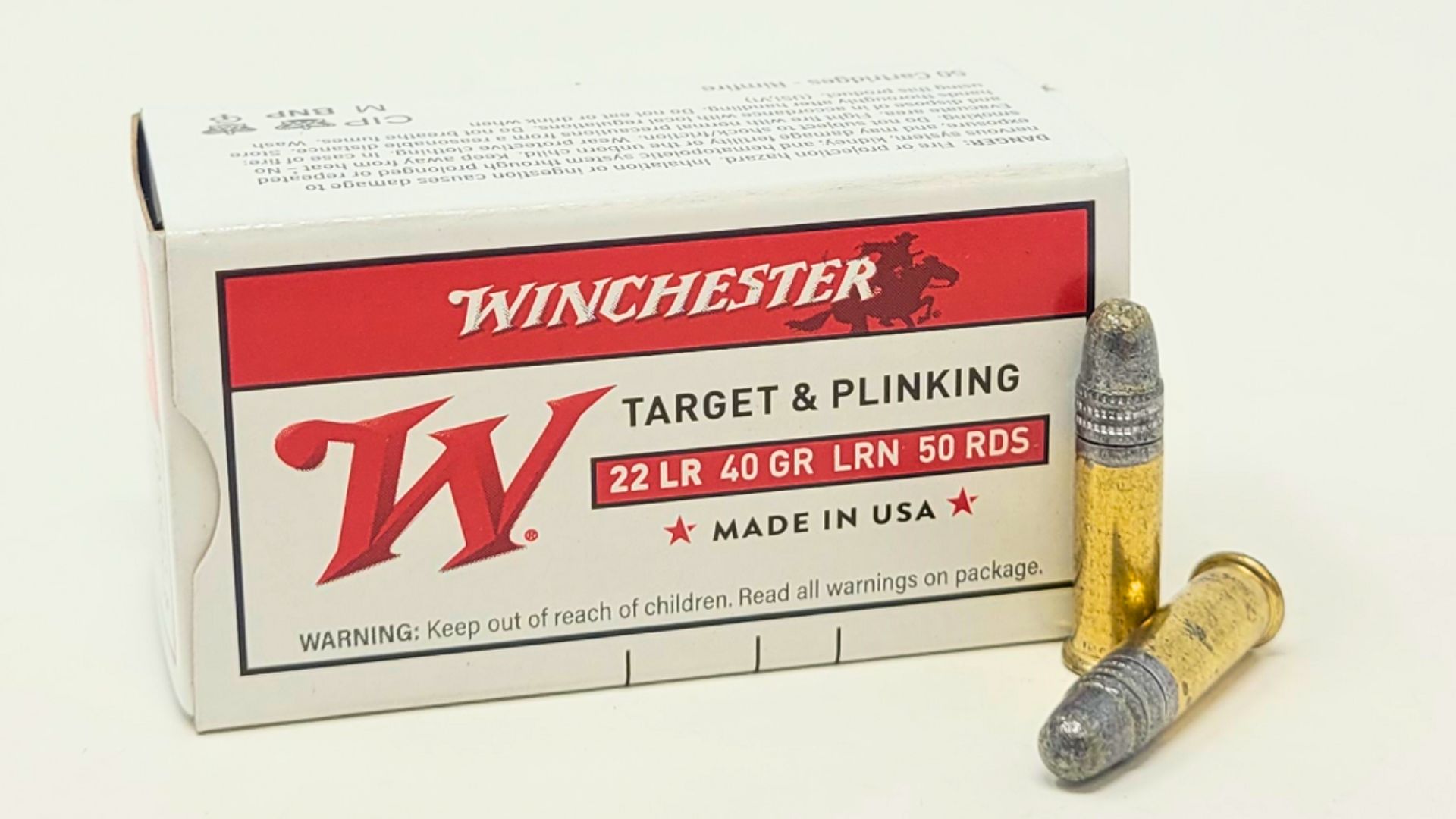
The .22 LR is the backup caliber you never stop using, even when you own rifles that cost ten times more. It’s for practice, pests, small game, camp chores, and staying sharp without burning up your hunting budget.
You keep it because it makes you better. The .22 rewards fundamentals—steady hold, clean trigger press, and careful follow-through. That skill transfers to every big-game rifle you own. It’s also one of the most practical cartridges for real life outdoors, where not every shot is at a buck. If you only want one rifle to toss behind the seat or carry on a trapline, a .22 makes a strong case. It stays relevant because it’s useful nearly every week of the year.
.223 Remington

The .223 sticks around because it’s one of the easiest cartridges to shoot accurately, and it’s incredibly useful for predators, varmints, and range time. If you want fast follow-up shots and minimal recoil, it’s hard to beat for field practice.
You keep it as a backup because it’s often the rifle you grab when you want to confirm a zero, test your position work, or hunt coyotes without punishing your shoulder. Ammo is common, rifles are everywhere, and the cartridge tends to be easy to tune for accuracy. It’s not a big-game hammer in most situations, but that’s not why it stays. It stays because it keeps you shooting, keeps you sharp, and covers a big chunk of everyday hunting needs.
.300 Winchester Magnum

The .300 Win Mag is the backup caliber you keep for the hunts that demand reach and penetration, even if it isn’t your favorite range companion. When you’re heading West, dealing with wind, or expecting bigger animals at longer distances, it’s a proven option that buys you margin.
You keep it because it’s widely supported and predictable in the field. Bullet choices are excellent, rifles are plentiful, and the cartridge has a long record on elk, moose, and tough angles when matched with proper bullets. It can be more recoil than many hunters enjoy for casual practice, but as a backup it plays a clear role: serious horsepower when the hunt calls for it. Even if you run a newer “efficient” cartridge most of the time, the .300 Win Mag remains a trusted heavyweight.
Like The Avid Outdoorsman’s content? Subscribe to our newsletter so you never miss an article.
Here’s more from us: