
Wind is where a lot of “flat-shooting” talk falls apart. Drop is predictable. Wind drift is personal. It changes with gusts, angle, terrain, and how long your bullet is exposed on the way in. You can do everything right and still get pushed if you’re sending a light, blunt bullet that runs out of steam early.
The hunting rounds below earn their keep when the breeze turns into a steady shove. They do it by launching streamlined bullets (high BC), carrying velocity, and staying stable across common field distances. None of them replaces good wind reading. What they do give you is more forgiveness when your call is off by a few mph, or the wind switches after you break the shot.
6.5 PRC
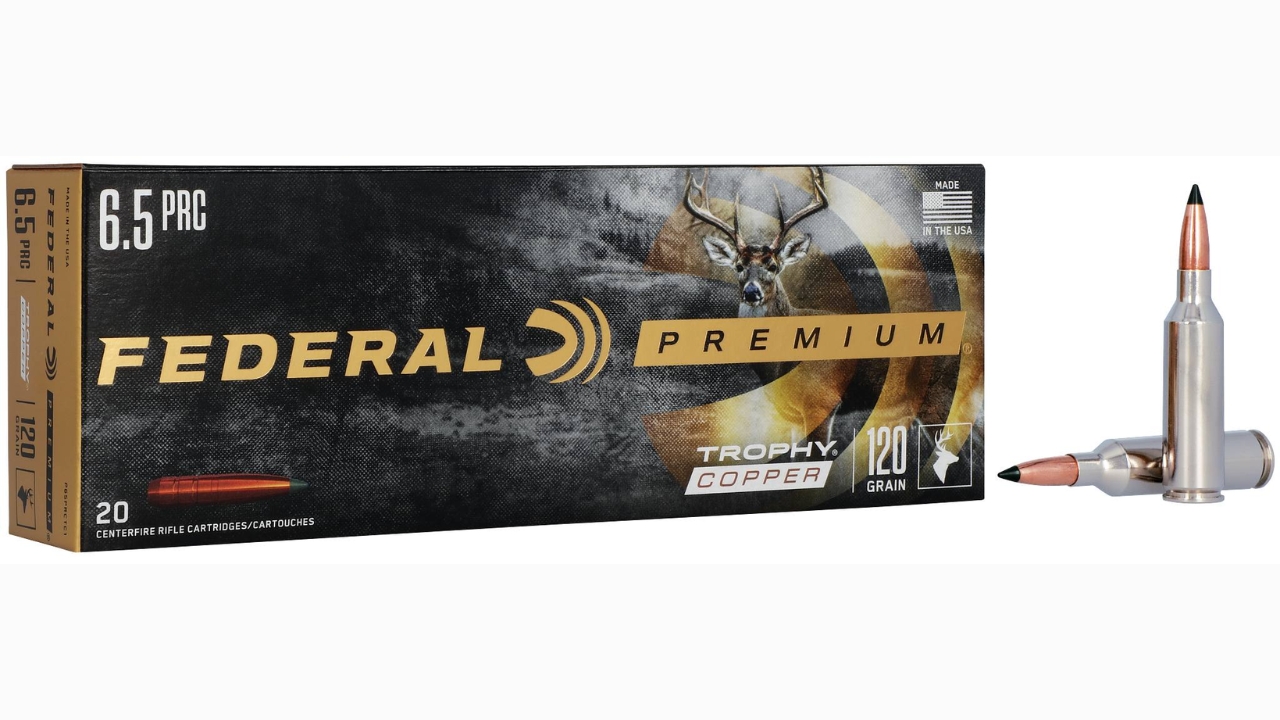
6.5 PRC is built around efficient bullets that keep their shape in the wind. When you’re sending 140–156 grain class hunting bullets with strong BCs, you get less drift than most hunters expect from a “mild” 6.5. It also stays supersonic a long way out, which helps consistency when the wind is doing its thing.
In the field, it shines in that 250–500 yard window where wind starts stealing confidence. You still need a clean zero and a real range, but your hold isn’t swinging as wildly as it can with softer, slower cartridges. If you hunt open country, 6.5 PRC buys you margin without forcing you into heavy recoil.
6.5 Creedmoor

6.5 Creedmoor doesn’t win by raw speed. It wins by bullet shape and shootability. The typical hunting loads pair well with long, sleek bullets that don’t get bullied as badly as lighter, flatter-base designs. Drift stays manageable if you keep your distances honest and pick a hunting bullet that actually carries a solid BC.
The other advantage is you tend to shoot it well. When recoil stays comfortable, you’re less likely to yank the shot while you’re trying to time a lull. That matters when you’re already working hard to read mirage and grass. Creedmoor won’t beat physics, but it does keep wind errors from turning into full misses as often.
7mm PRC

7mm PRC is one of the cleanest answers to “windy deer country.” It was built around heavy-for-caliber, high-BC 7mm bullets that hold velocity and resist push. You get a cartridge that stays steady in the wind without living on the edge of pressure or needing a long, custom-throated barrel to act right.
What you notice in practice is how the correction stays tighter as the range stretches. You can miss a wind call by a few mph and still land in the vital zone more often than you would with lighter bullets. It’s also a cartridge that rewards disciplined ammo choice—run a modern hunting bullet with controlled expansion and you get both wind performance and dependable terminal work.
7mm Remington Magnum

The 7mm Rem Mag has been solving windy ridgelines for decades, and it still does. With 150–175 grain bullets that carry strong BCs, it drifts less than many popular “deer” rounds at the same distance. It also keeps enough speed to stay consistent when the wind is switching between your muzzle and the target.
Where it pays off is when you’re shooting across draws and canyons and the wind isn’t doing one clean thing. You’re not immune to gusts, but your correction usually isn’t as dramatic as it is with lighter bullets. The tradeoff is recoil and blast, so it demands good shooting habits. If you can run it without flinching, it remains a serious windy-weather tool.
.280 Ackley Improved

.280 AI is a wind-friendly cartridge that doesn’t get loud about it. It pushes 7mm bullets fast enough to stay stable, and those bullets tend to have the kind of BC that keeps drift under control. You’re not forced into a magnum case to get real performance in a breeze.
It’s a great fit for hunters who want reach without paying a heavy recoil bill. With the right 150–168 grain hunting bullets, you’ll see the wind correction stay reasonable through normal field distances. It also tends to be accurate in a wide range of rifles, which matters when conditions are already challenging. When the wind picks up, consistency is the real flex, and .280 AI has it.
6.8 Western
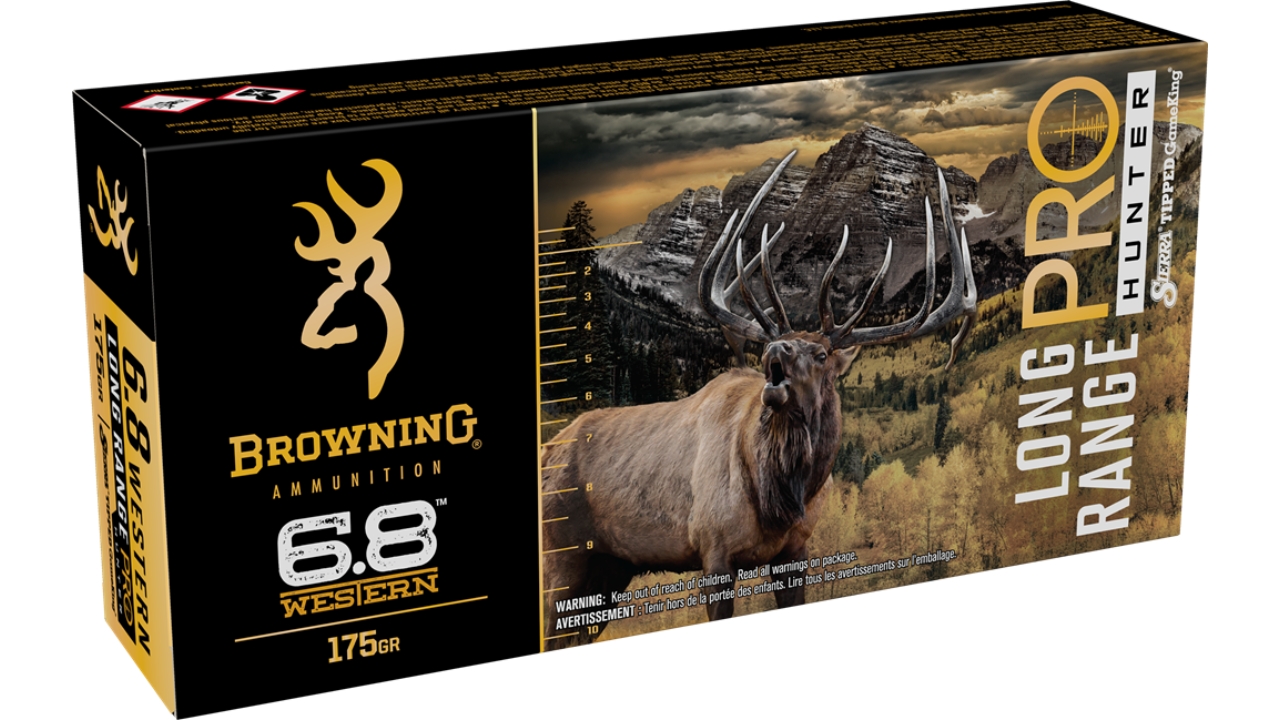
6.8 Western was designed with heavy, high-BC bullets in mind, and that shows up the moment the wind starts pushing. It’s the kind of cartridge that makes a steady 10–15 mph crosswind feel less like a coin flip. The bullet weight and shape do the heavy lifting, and the cartridge keeps enough speed to support them.
For hunting, it fits the western big-game lane well—deer, elk, and similar hunts where shots may happen across open basins. You still need to confirm your dope and not rely on internet charts, but the wind holds tend to be calmer than what you’d see with lighter, flatter-base bullets. If you want a cartridge that’s built to behave in wind, this is one of the newer options that genuinely does.
.300 PRC

.300 PRC brings two big advantages when the wind gets rude: heavy bullets and high BC. When you’re launching 190–220 grain class projectiles that are shaped to fly, the wind has a harder time pushing them off line. It’s not that the wind stops—it’s that your error window gets wider.
This is a cartridge for hunters who want long-range capability with real hunting bullets, not fragile match designs. Recoil is real, so the rifle setup and your fundamentals matter a lot. But if you can shoot it well, .300 PRC keeps wind drift in a more manageable place than many cartridges that look “fast” on paper. In open terrain, that can be the difference between a confident shot and a pass.
.300 Winchester Magnum

.300 Win Mag is still one of the most practical windy-weather cartridges because it’s common, proven, and effective with heavy bullets. Put a modern 180–200+ grain hunting bullet in it and you’ve got a round that carries momentum and fights drift better than most hunters expect. It doesn’t need boutique ammo to do real work.
The wind advantage shows up at the exact moment lighter bullets start getting pushed hard. Your correction still matters, but it tends to be less dramatic at distance. The catch is recoil management—if the rifle makes you flinch, wind performance won’t save the shot. With a good brake or suppressor and real practice, .300 Win Mag remains a steady choice when conditions aren’t friendly.
.300 WSM

.300 WSM gives you much of the same wind performance you want from a .300-class cartridge, often in a handier rifle package. With heavy, streamlined bullets, it carries well and doesn’t drift like the lighter deer rounds many hunters grew up with. It’s a round that can feel “short action” in the hands but still acts like a serious open-country cartridge.
In real hunting, that matters when you’re moving and setting up fast. A compact rifle that still holds its line in wind is easier to live with than a long, heavy rig you dread carrying. The recoil is still .300-class, so you’ve got to be honest about practice. If you can shoot it cleanly, .300 WSM stays steady when the wind tries to turn your shot into a guess.
.308 Winchester

People don’t think of .308 as a wind cartridge because it isn’t screaming fast. The surprise is what happens when you run heavy-for-caliber bullets with good BC. You’re pushing a projectile that holds its line better than the old 150-grain soft point mental picture, and the cartridge is inherently consistent in many rifles.
At typical hunting distances, the drift can be more competitive than hunters expect, especially if you’re comparing it to lighter bullets launched faster but shaped worse. The bigger benefit is control: recoil is manageable and the cartridge is easy to shoot well from field positions. In wind, a round you can place precisely often beats a “faster” round you don’t shoot as cleanly.
.30-06 Springfield (with modern high-BC bullets)

.30-06 is another cartridge that gets underestimated in the wind because it’s “old.” With modern bullets, it changes character. When you run 165–200 grain hunting bullets that carry decent BC, you get steadier wind behavior than many hunters expect, especially inside the ranges where most deer and elk are actually taken.
It also helps that .30-06 has a wide load spectrum, so you can tune for your rifle and your recoil tolerance without doing anything exotic. Wind drift still exists, but it’s less dramatic than you’d see with lighter, blunt bullets that slow down fast. If you want a cartridge you can find anywhere, shoot well, and trust when conditions are imperfect, .30-06 still belongs on the list.
.270 WSM

The .270 WSM surprises people because it combines strong speed with modern .277 bullets that can carry better than the old stereotypes. With the right load, it shoots flat and stays more stable in wind than many hunters expect from a “.270.” It’s not magic, but it’s a meaningful step up from traditional cup-and-core thinking.
In the field, it’s a strong choice for open-country deer and elk hunts where wind is always part of the deal. It gives you reach without forcing the heaviest recoil class, and it tends to shoot very accurately in good rifles. The main thing is choosing bullets that are built to both fly and perform on impact. Do that, and .270 WSM keeps your wind holds from getting out of hand.
.264 Winchester Magnum

The .264 Win Mag has been a wind-friendly cartridge long before people started labeling everything “PR.” It pushes sleek 6.5 bullets fast, and that combo resists drift in a way that still impresses hunters who’ve never spent time behind one. When the wind is steady, the cartridge keeps your correction tighter than many common hunting rounds.
The tradeoffs are real: barrel heat, barrel life, and the fact that not every rifle is set up to make the most of it. But if you’ve got a good one and you feed it a proper hunting bullet with a strong BC, it performs in wind better than most people expect from a cartridge they rarely see on store shelves. It’s an older round that still acts modern when the conditions get rough.
28 Nosler

28 Nosler exists for hunters who want speed and wind resistance without apology. It launches heavy 7mm bullets fast, and those bullets are already known for strong BC. That means less drift and more retained velocity as distance increases, which helps when you’re shooting across open basins and the wind isn’t cooperating.
This is not a casual range toy. Recoil, blast, and barrel heat are part of the price. But if you can shoot it well, it stays very stable when the wind picks up. The key is keeping your bullet choice realistic for hunting—controlled expansion, good integrity, and consistent performance at a range of impact speeds. When you match the load to the job, 28 Nosler is a legit windy-country hammer.
.270 Winchester (with modern bullets)
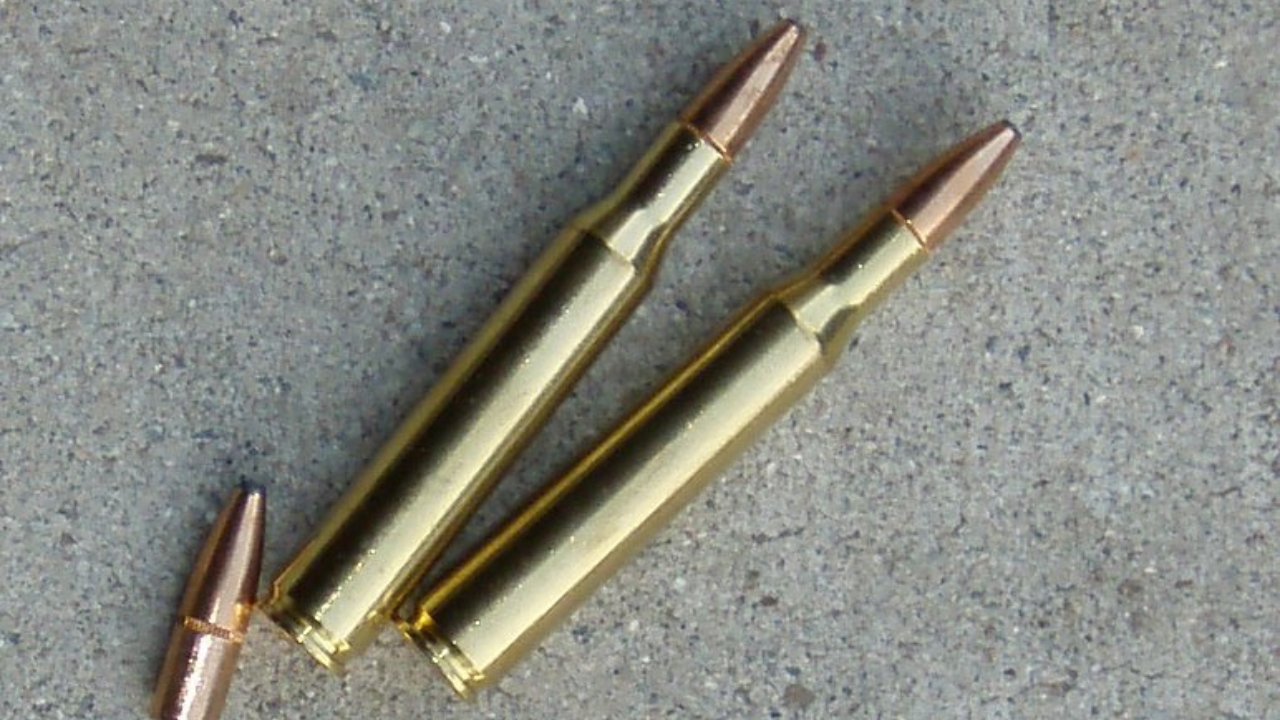
The standard .270 Winchester still earns respect in wind when you load it with modern bullets that carry. Hunters who only remember old 130-grain soft points often underestimate how much better a sleek, tougher hunting bullet can behave downrange. The cartridge has enough speed to keep the bullet stable, and the recoil stays manageable for most shooters.
In real hunting, that combination matters because wind isn’t your only problem. You’re also breathing hard, kneeling in uneven ground, and trying to break a clean shot while the gusts come and go. A cartridge you shoot confidently tends to win more often than a cartridge you fear. With the right bullet, .270 can keep drift reasonable and still deliver dependable performance on deer and similar game.
6.5×55 Swedish

6.5×55 Swede doesn’t look like a wind cartridge on paper if you’re only staring at velocity. But it runs long, efficient bullets that carry well and drift less than many hunters expect. When you use modern projectiles with solid BC, the cartridge behaves far more steadily than its “old military round” reputation suggests.
It’s also easy to shoot well, which becomes a bigger deal as conditions worsen. Wind pushes you around, but so does adrenaline, awkward position, and a rushed trigger press. The Swede’s mild recoil helps you stay disciplined and spot impacts. Inside realistic hunting distances, it can be surprisingly calm in wind, especially compared to faster rounds throwing bullets with poorer shape. It’s a classic that still does real work when the breeze turns mean.
Like The Avid Outdoorsman’s content? Be sure to follow us.
Here’s more from us:


