Photo credit: Savage Arms
“Flat shooting” gets thrown around like it’s a personality trait. What it really means is this: at normal hunting distances, the cartridge lets you hold closer to dead-on without dialing, without a bunch of guesswork, and without getting punished by wind and drop the second you stretch past the woods. Velocity helps, sure. But the real secret sauce is a sensible mix of speed and high-BC bullets that keep carrying well.
A lot of hunters underestimate how flat some cartridges shoot because they’re thinking in old-school terms—round noses, short barrels, and blunt bullets. Modern projectiles changed the game. These are the cartridges that surprise people the first time they run a decent load, confirm their dope, and realize they’ve been holding too high for years.
.243 Winchester

Most people file .243 under “youth rifle” and move on. Then you shoot a modern 95–105 grain hunting load and realize how little drop you’re dealing with out to sane deer distances. Recoil is light, so you tend to shoot it well, and that alone makes the trajectory feel even flatter in the field.
The bigger surprise is how well .243 holds its line when you pick a sleek bullet instead of the old, blunt options. You’re still not ignoring wind, but you’re not lobbing either. If you hunt open edges, bean fields, or cutovers where 250 yards isn’t rare, .243 can feel like cheating compared to heavier recoiling rounds that don’t actually buy you much flatter flight.
.22-250 Remington
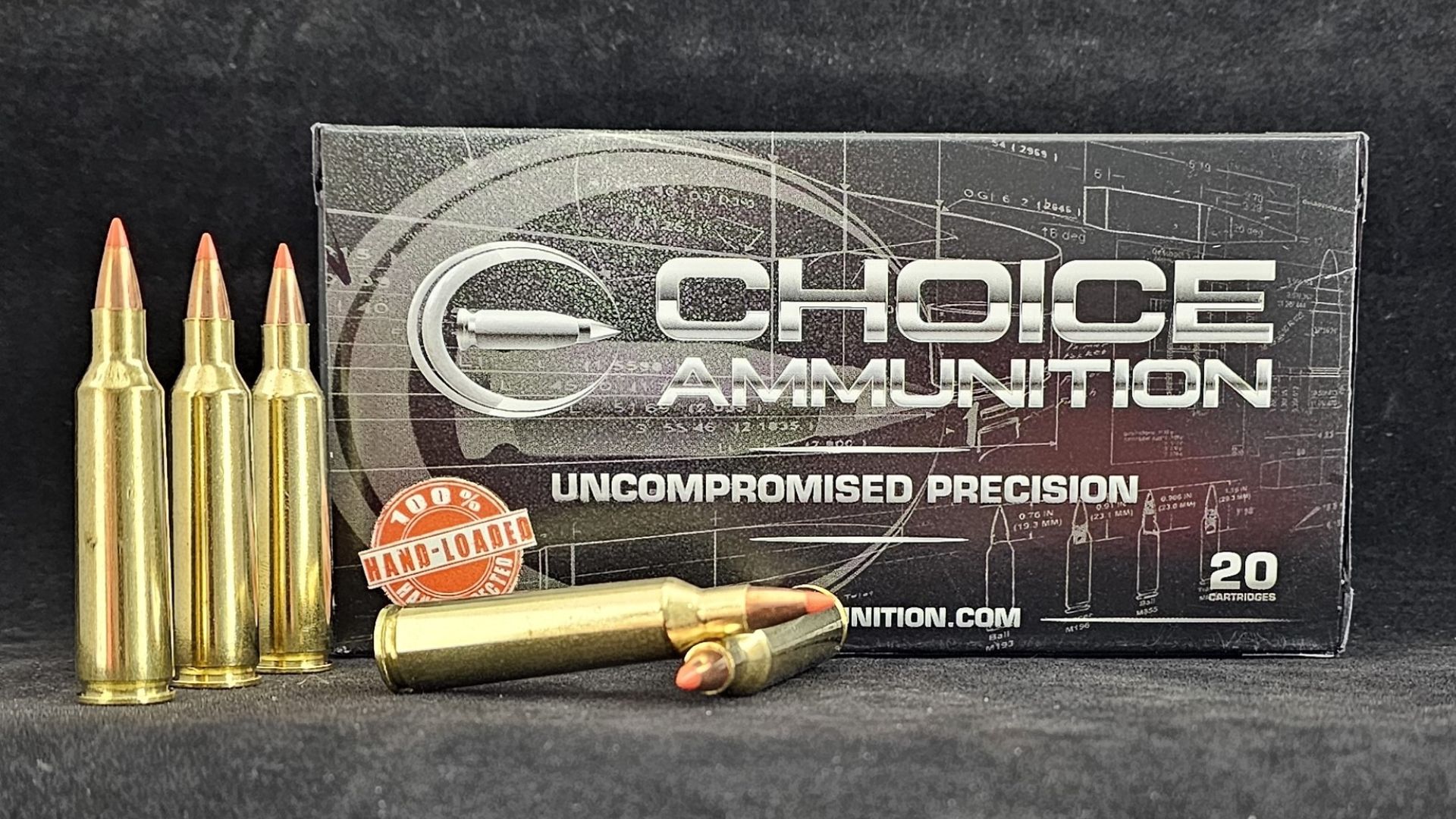
A lot of hunters think of .22-250 as a coyote-only laser, not something that belongs in the same conversation as “hunting cartridges” broadly. But that reputation exists for a reason: it’s fast, and it shoots flat with very little drama. When you zero it sensibly, the midrange rise is small and the drop comes later than people expect.
Where it surprises you is how forgiving it can be on small targets at longer distances. On coyotes, that matters because you’re often holding hair, not dialing. Bullet choice is everything here—use proper construction for the game you’re chasing. But purely on trajectory, .22-250 is one of the clearest “flat shooters” you can put in a normal rifle without stepping into magnum recoil or barrel-eating extremes.
.220 Swift

The Swift has been making hunters shake their heads at trajectory for a long time. People assume it’s outdated or finicky because it’s older, and because you don’t hear it talked about like the newer “PR” cartridges. Then you look at the speeds it runs and the way it holds a line, and it still feels like a hot rod.
The reason it surprises modern hunters is that it delivers that flatness without needing a long, heavy rifle to feel useful. With a good zero, it keeps your holdovers simple on coyotes and similar game across open country. You do have to respect heat and barrel life if you’re banging rounds fast on a prairie dog town. But if we’re talking pure “I didn’t expect it to shoot that flat,” the Swift still earns its reputation.
6mm Creedmoor
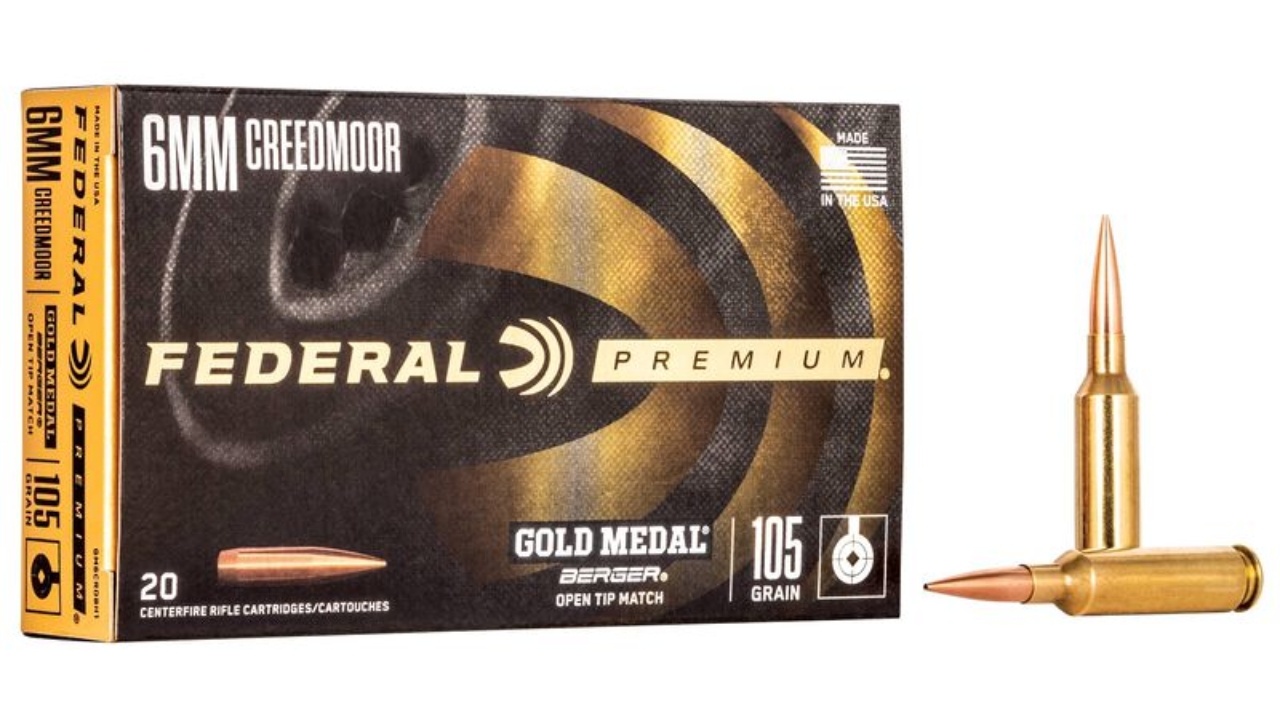
6mm Creedmoor gets lumped into the match world, so some hunters assume it’s all paper targets and hype. In reality, it shoots very flat with the right hunting bullet, and it does it with recoil that lets you stay honest behind the scope. That makes real-world field shooting easier, not harder.
The surprise comes from the combination of speed and efficient bullets. A sleek 6mm projectile doesn’t have to be heavy to carry well, and the drop stays manageable through the distances many hunters actually encounter in open terrain. You still need to do your homework on bullet construction—don’t treat it like a varmint round on big-bodied deer. But for “flat enough to simplify the shot,” 6mm Creedmoor earns its place.
.25-06 Remington

.25-06 has been flattening trajectories for decades, yet plenty of hunters still act like it’s a niche cartridge. Then they watch it shoot and realize why it built such a following in open country. It’s fast, it handles sleek bullets well, and it keeps your holdovers cleaner than many of the more common deer rounds.
What makes it feel flatter than expected is how it carries that speed with good bullets in the 100–120 grain range. You’re not launching bricks, and the arc stays gentle out to the distances where a lot of mule deer and pronghorn shots actually happen. It’s also a cartridge that rewards careful load choice: a modern, controlled-expansion bullet can give you both good flight and dependable terminal performance without turning the recoil into a punishment session.
.257 Weatherby Magnum

People hear “Weatherby” and assume recoil and muzzle blast first, trajectory second. But the .257 Weatherby earns its legend because it shoots flat in a way that makes you rethink what “point-blank range” can look like with a hunting rifle. It’s one of those cartridges that makes a 300-yard shot feel less like a big deal—if you’ve verified your zero and your drop.
The reason it surprises hunters is that it’s not only fast, it also pairs well with streamlined bullets that keep velocity and energy better than the old stereotypes suggest. You do pay for it in barrel heat, blast, and ammo cost. But if you’re strictly talking about “flatter than expected,” the .257 Weatherby is an all-time offender in the best way.
6.5 Creedmoor

Some hunters still think 6.5 Creedmoor is slow because it doesn’t chase magnum speeds. Then they look at the drop with a modern 140-ish grain hunting load and realize the bullets carry. The arc is mild, and the cartridge stays predictable, which is what you actually want when you’re making a field shot under time pressure.
The surprise is how much the bullet shape matters. You’re not relying on raw velocity to stay flat; you’re relying on efficiency. That keeps the trajectory manageable and helps in wind compared to plenty of “faster” cartridges pushing less efficient bullets. It’s not the flattest thing on earth, but it consistently shoots flatter than people expect when they’re still thinking in terms of older, blunt hunting bullets.
6.5 PRC

If 6.5 Creedmoor is “flat enough,” 6.5 PRC is the version that makes you grin when you check your dope. It runs faster, it loves high-BC bullets, and it holds a line that surprises hunters who assume it’s only a target cartridge. In a hunting-weight rifle, recoil is noticeable but usually very manageable.
What makes it feel flatter than expected is how clean the trajectory stays through that 300–500 yard window where some hunters either dial or start guessing. You’re still responsible for wind calls and you still need a solid zero, but the cartridge buys you margin. For mule deer, open-country whitetails, and similar hunts, 6.5 PRC can feel like it stretches your comfort zone without making the rifle unpleasant to shoot.
.270 Winchester

The .270 is an old classic, which makes some hunters underestimate it in a modern “long-range everything” era. That’s funny, because .270 has always been a flat shooter with the right loads. A 130-grain bullet at traditional .270 speeds has been flattening deer trajectories for generations, and it still holds up.
The surprise today comes when you pair .270 with modern bullets that carry better than the old cup-and-core standards. You can keep the recoil reasonable, keep the trajectory simple, and still have enough performance for a wide range of game. It’s not a trendy cartridge, but it’s one of the best examples of “you already own a flat shooter, you just forgot.” When you confirm your zero and stop overholding, the .270 starts looking modern again.
.280 Ackley Improved
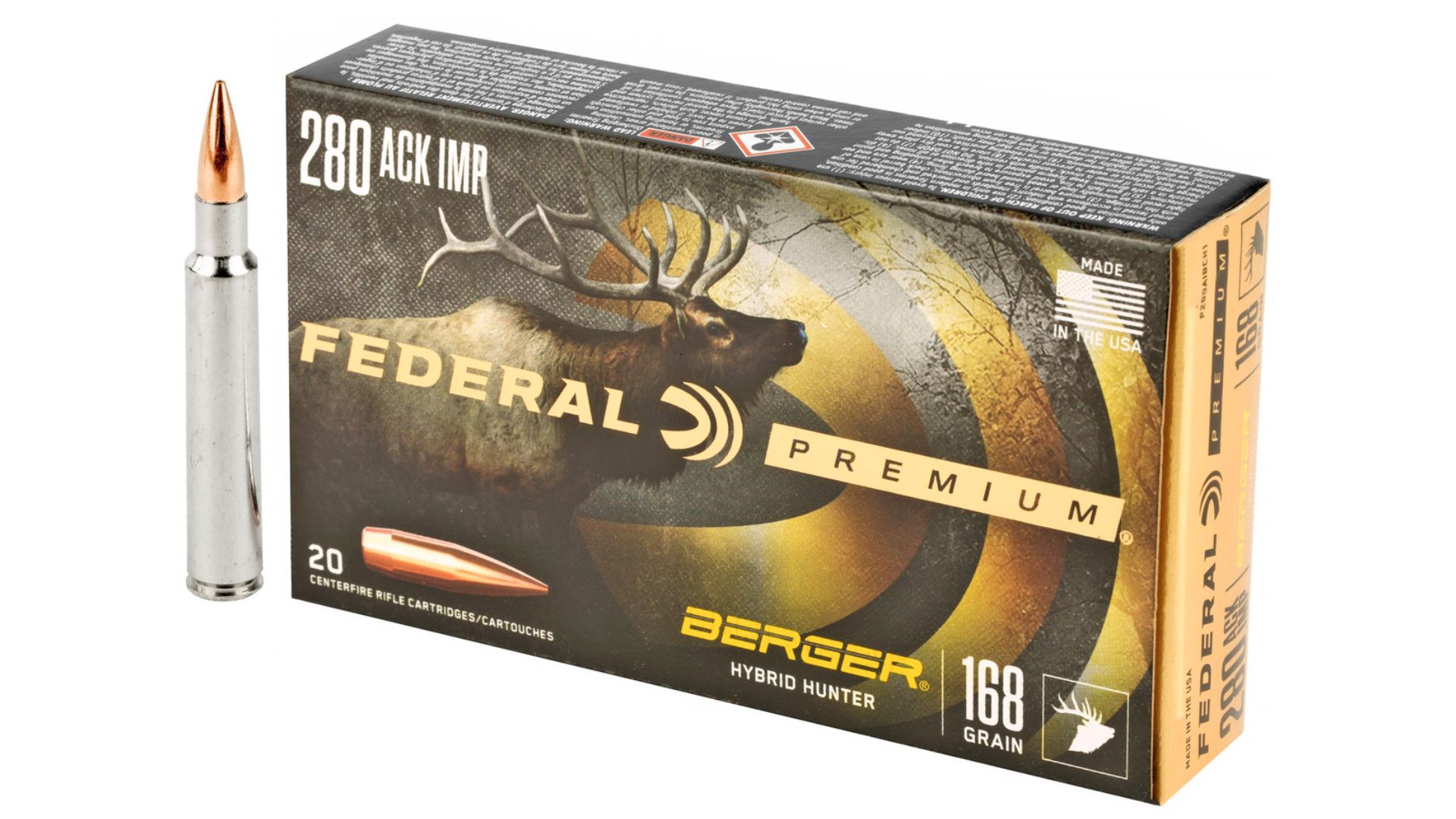
Some hunters hear “Ackley Improved” and assume it’s a handloader’s science project. In reality, .280 AI is a practical cartridge that shoots flatter than many people expect, especially compared to standard .280 Remington. It runs efficient 7mm bullets at strong speeds without forcing you into the recoil and blast of the bigger magnums.
Where it surprises you is in that sweet spot between trajectory and shootability. You can run 160-ish grain bullets that carry well, and the drop stays mild enough that your holdovers don’t feel like artillery math. It also tends to be forgiving in the accuracy department, which matters when you’re trying to build confidence at distance. If you want a cartridge that feels modern without acting temperamental, .280 AI often makes hunters believers.
7mm-08 Remington

7mm-08 doesn’t sound like a “flat shooter” if you’re judging by hype. It sounds like a mild, practical woods cartridge—and it is. But with a modern 140–150 grain load, it shoots flatter than many hunters expect, especially out to 300 yards where real hunting happens a lot more than internet hunting does.
The surprise is how well it balances. Recoil stays friendly, so you tend to shoot it accurately. And the 7mm bullets it uses often have enough ballistic efficiency to keep the drop reasonable without chasing crazy velocity. You’re not replacing a magnum in wide-open wind, but you’re also not lobbing slow bullets. For hunters who want “simple holds” without a shoulder thumper, 7mm-08 is a quiet performer.
7mm Remington Magnum

Everybody knows 7mm Rem Mag is flat—until they shoot it with a modern, sleek bullet and realize it’s flatter than the “flat” they had in their head. The cartridge was built around speed and 7mm bullet efficiency, and it still shines when you want reach without going to the biggest cases.
What surprises hunters today is how well it holds velocity with modern projectiles. The drop stays tame far enough out that your margin for error feels bigger, and that can simplify shots in open country when you’ve practiced and confirmed your dope. You do need to respect recoil and muzzle blast, because flinches erase any ballistic advantage. But for a shooter who can handle it, 7mm Rem Mag still makes distance feel closer than it is.
.300 Winchester Magnum

.300 Win Mag is often thought of as a “hits hard” cartridge first and a flat shooter second. But with the right load—especially modern 180–200 grain bullets that carry well—it can shoot flatter than hunters expect, because those bullets don’t shed speed as quickly as the old mental picture suggests.
The surprise is in the combination of trajectory and downrange authority. You’re not only flattening the arc; you’re keeping energy and performance where some lighter, faster rounds start to feel thin. The tradeoff is recoil, and that’s not a small thing. But if you can shoot it well, .300 Win Mag turns a lot of “maybe” shots into “I know exactly where to hold.” That confidence is what hunters are really buying when they chase flat shooting.
.300 WSM

.300 WSM sometimes gets treated like a shorter, handier .300 Win Mag—and that’s a fair shorthand. What catches hunters off guard is how flat it can shoot in real rifles with real barrel lengths, especially with modern bullets. It delivers strong speeds and good efficiency without needing a long action or a long barrel to feel useful.
The flatter-than-expected part shows up when you compare it to more traditional deer cartridges people grew up with. Your drop is gentler, and your holds stay cleaner deeper into the distances where many hunters start second-guessing. Recoil is still .300-class recoil, so you don’t get this for free. But if you want a compact rifle that still shoots like it has longer legs, .300 WSM has a way of surprising people once they verify their dope.
.204 Ruger
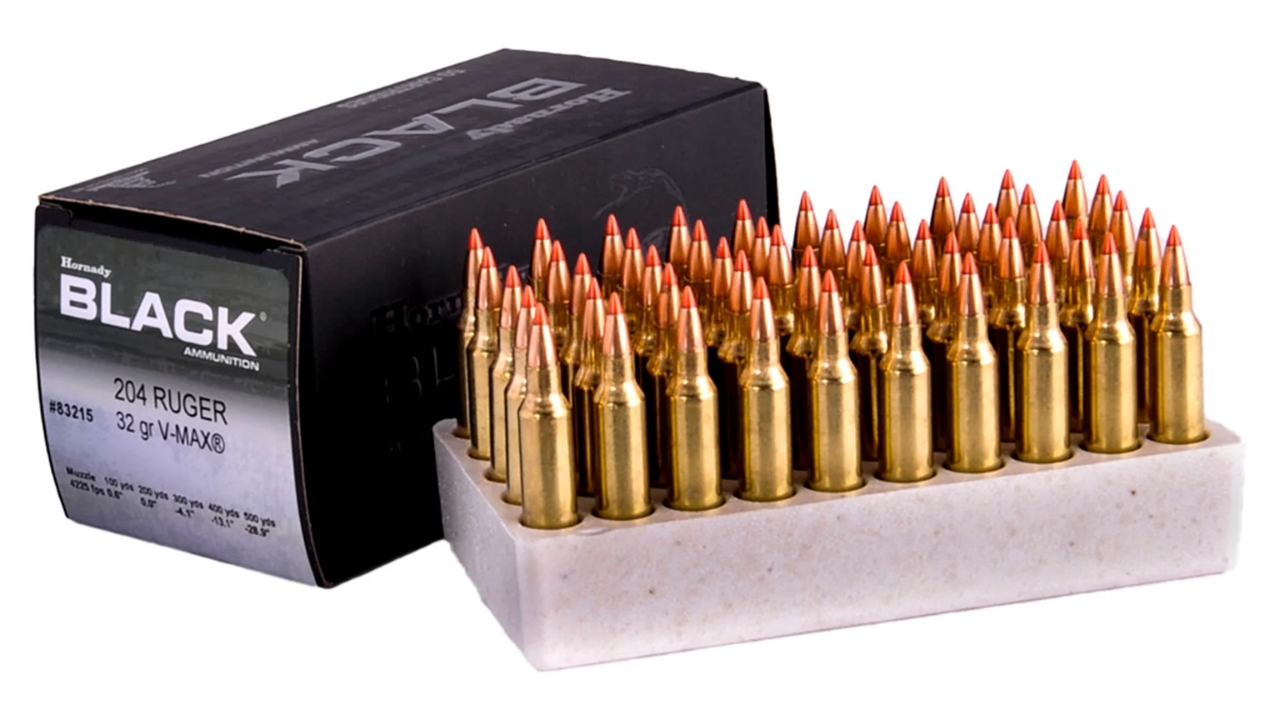
Some hunters think .204 Ruger is “too small” to be worth talking about. Then they watch it print tiny groups, stay on target, and shoot flatter than they expected for a cartridge that barely nudges the rifle. For coyotes and varmints, it’s one of the easiest ways to make longer shots feel simple without dialing.
The surprise is how little arc you’re dealing with at common predator distances. With fast, lightweight bullets, the holdover stays minimal, and because recoil is so low, you can spot impacts and run follow-up shots fast. Wind still matters—sometimes a lot—so you don’t get to ignore conditions. But for pure “flatness per ounce of recoil,” .204 Ruger is hard to beat, and it regularly outshoots the assumptions people bring to it.
Like The Avid Outdoorsman’s content? Subscribe to our newsletter so you never miss an article.
Here’s more from us: