Photo credit: Tom Reichner/Shutterstock.com
Ethical deer and elk shooting isn’t about chasing the biggest numbers on a box flap. It’s about picking a cartridge you can shoot well, pairing it with a bullet that holds together, and keeping your shots inside the window where you can put that bullet through the ribs every time. A “good” caliber is the one that helps you practice more, flinch less, and still gives you enough penetration and tissue damage to finish the job when angles aren’t perfect.
The calibers below have earned their reputations the hard way—through meat in the freezer, blood trails that make sense, and plenty of real-world shooting. If you match the cartridge to your recoil tolerance, your typical range, and a solid bullet, you’ll be set up to make clean kills on deer and elk.
6.5 Creedmoor
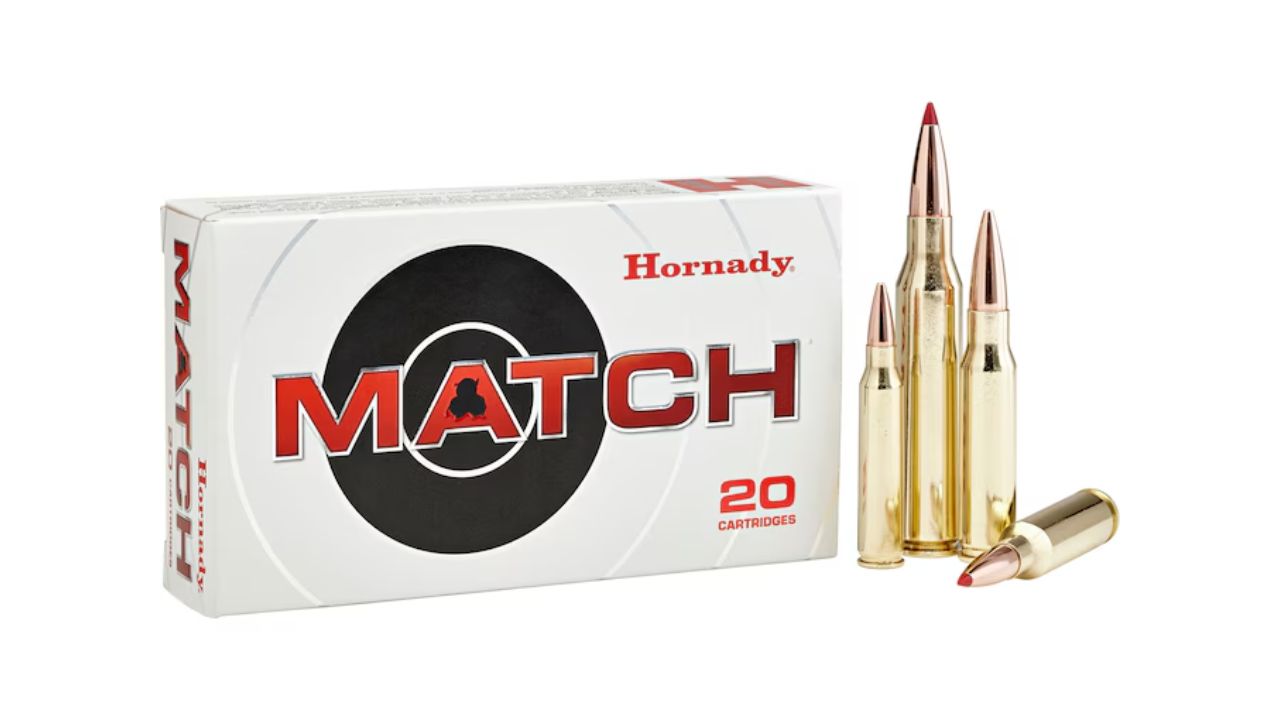
The 6.5 Creedmoor works because it’s easy to shoot well, and accuracy you can repeat is where ethical kills start. With quality 120–143 grain hunting bullets, it’s a steady deer round that doesn’t beat you up in light rifles. You can practice more, and you’ll actually want to confirm your dope instead of avoiding the range.
For elk, the Creedmoor can do the job when you keep your shots disciplined and your bullet choice honest. Think tough, controlled-expansion bullets and broadside-to-slight-quartering angles through the ribs. If you’re trying to punch shoulders at long distance, you’re asking the cartridge to cover up a decision problem. Used within reasonable range, it’ll surprise you.
6.5 PRC

The 6.5 PRC gives you a noticeable step up from the Creedmoor without turning into a shoulder-thumper. It carries speed and energy better downrange, which helps when the wind starts messing with you and distance stretches past what most folks call “comfortable.” On deer, it hits hard and stays flat enough that small range errors don’t turn into big misses.
For elk, it’s a strong option when you want more margin than a Creedmoor but still want manageable recoil. Run a sturdy 140–156 grain bullet built for penetration and you’ve got a cartridge that will drive through ribs and keep going. It’s not magic, but it gives you more room to be human without turning the rifle into something you dread shooting.
6.5×55 Swedish

The 6.5×55 has been stacking up game for a long time, and it keeps doing it because it’s balanced. It pushes long-for-caliber bullets with good sectional density, which is a fancy way of saying they tend to penetrate well when the bullet is built right. Recoil stays friendly, and that makes it easier to place shots precisely, especially from field positions.
On deer, it’s boring in the best way. It puts holes where you aim and doesn’t create unnecessary meat loss when you stay off the shoulder. On elk, it’s capable with the same rules: good bullets, smart angles, and honest distances. If you’re the kind of hunter who values placement over bragging rights, the Swede fits you like an old jacket.
.270 Winchester

The .270 Winchester is still one of the cleanest ways to kill deer without fuss. It shoots flat, bucks wind better than many people expect, and it has enough speed to make expansion reliable with modern bullets. That combination is why it’s stayed popular even after a hundred “new and improved” options came and went.
For elk, the .270 works when you lean into heavier, tougher bullets—think 140–150 grain controlled-expansion designs—and you put them through the lungs. It won’t tolerate sloppy angles the way larger bores can, but it doesn’t need to. Most elk are killed inside sensible distances, and the .270 has the reach to handle that reality. If you shoot it well, it’s hard to argue against.
.280 Ackley Improved

The .280 Ackley Improved sits in a sweet spot for deer and elk because it blends manageable recoil with excellent bullet options. You can run 140s for deer and step up to 160–175 grain bullets for elk without changing your whole life. It’s flat enough to simplify holds, and it carries well when wind and distance start stacking problems.
On deer, it’s decisive without being destructive if you avoid high-velocity shoulder hits at close range. On elk, the Ackley shines with a tough 160–175 grain bullet and a hunter who keeps shots in the ribs or tight behind the shoulder. It gives you more margin than the classic .270 and .308 class while still being comfortable for most shooters to practice with.
7mm-08 Remington

The 7mm-08 is one of the most practical deer-and-elk cartridges ever built, especially in a mountain rifle. Recoil stays mild, it feeds well, and it’s easy to find accurate loads. With 120–140 grain bullets, deer don’t go far when you put the shot where it belongs.
For elk, the trick is running a heavier, tougher bullet—150–160 grains—and treating it like a close-to-midrange elk round. It’s not the cartridge for stretching shots just because the canyon looks “doable.” But if your hunting style is getting inside a couple hundred yards and making a clean rib shot, the 7mm-08 punches above its reputation. It’s a confidence builder, and confidence kills clean.
7mm PRC

The 7mm PRC has earned attention because it’s built around modern, high-BC bullets and a throat that plays nicely with them. What that means for you is less wind drift, solid downrange performance, and the ability to run tough 160–180 grain bullets that carry authority on elk. It’s a cartridge designed for real hunting bullets, not fragile target pills.
On deer, it’s more than you need, but it’s still easy to make clean kills if you pick bullets that expand reliably without blowing up. On elk, it offers excellent penetration and a flatter, steadier flight path that helps when conditions are less than perfect. Recoil is real but manageable in a well-set-up rifle. If you want one cartridge that can cover wide terrain and real wind, it deserves a look.
7mm Remington Magnum

The 7mm Rem Mag has probably put more elk in freezers than most trendy options ever will. It hits a practical balance: enough speed to keep trajectory forgiving, enough bullet weight to penetrate well, and enough availability that you can actually find ammo when you need it. It’s also easy to tune for accuracy in a wide range of rifles.
On deer, you’ll want a bullet that holds together, especially at closer ranges where impact speed is high. On elk, a 160–175 grain controlled-expansion bullet through the ribs is a proven recipe. The big advantage is flexibility: it handles open-country shots better than smaller cartridges, but it doesn’t demand the recoil tolerance of the big .30 magnums. It’s a workhorse for a reason.
.308 Winchester

The .308 Winchester is an “honest” cartridge. It doesn’t pretend to be flat like a magnum, but it hits hard, penetrates well with the right bullets, and it’s easy to shoot accurately. That matters when you’re taking shots from kneeling, sitting, or over a pack—real hunting positions where wobble is part of the deal.
For deer, it’s hard to beat with 150–165 grain bullets. For elk, step up to 165–180 grain controlled-expansion designs and keep your shots in the lungs. The .308 rewards discipline. If you aren’t trying to make long-range decisions in the wind, it does everything you need with less blast and less fuss. Plus, it’s one of the easiest cartridges to practice with all year.
.30-06 Springfield

The .30-06 is still a top-tier deer and elk round because it gives you bullet flexibility without drama. You can run light 150s for deer, 165s for an all-around load, and 180–200 grain bullets for elk and heavier work. It’s not about speed records. It’s about having enough bullet and enough penetration to handle real angles and imperfect setups.
On deer, the ’06 can be gentle on meat if you pick a sensible bullet and avoid high-shoulder hits at close range. On elk, it remains one of the most dependable choices in North America. Pair it with a tough 180 and you can take rib shots, quartering shots, and still get the kind of penetration that ends things quickly. If you want one rifle to do nearly everything, this is the classic answer.
.300 WSM

The .300 WSM delivers magnum-level performance in a shorter package, and it does it with enough efficiency that many rifles shoot it extremely well. For deer, it’s more horsepower than you need, but if you hunt deer and elk with the same rifle, it makes sense. You get a flatter trajectory and more energy at distance than standard .30s, which buys you margin when conditions aren’t ideal.
For elk, the .300 WSM is a hammer with 180–200 grain bullets built for penetration. It can handle tougher angles, and it keeps performance steady when distance stretches. The downside is recoil and blast, especially in light rifles. If you pick a rifle weight you can live with and you practice, it’s one of the most effective all-around elk cartridges that still runs well in a hunting-sized setup.
.300 Winchester Magnum

The .300 Win Mag became a go-to elk cartridge because it hits hard, carries well, and gives you real authority on big-bodied animals. It’s not subtle. It’s a cartridge that can push 180–200 grain bullets fast enough to stay effective across a wide range of hunting distances, and it holds up when wind and angle complicate things.
On deer, it’ll kill cleanly, but you need to be mindful of bullet choice and close-range impact speed. On elk, it gives you the kind of penetration and tissue damage that helps when you’re taking a quartering shot and you need to reach the lungs. The tradeoff is recoil. If you’re flinchy, it will punish you. If you can shoot it well, it’s one of the most forgiving elk rounds on the list.
.300 PRC

The .300 PRC is a newer .30 magnum that’s built around modern bullet shapes and long, heavy projectiles that hang onto velocity. What that means in the field is strong performance in wind and consistent downrange energy, which helps when you’re hunting open basins or wide parks where shots can get long even when you’re trying to stay conservative.
For deer, it’s overkill in the literal sense, so your bullet choice matters if you care about meat. On elk, it’s outstanding with 190–220 grain controlled-expansion bullets. It carries authority without needing to be pushed to the edge, and it tends to perform consistently at a wide range of impact speeds. If you want a .30 magnum that’s aimed at modern hunting realities, the PRC is a serious contender.
.338 Federal

The .338 Federal doesn’t get talked about much, but it’s a practical “woods elk” cartridge that hits harder than its numbers suggest. It pushes .338 bullets at moderate speed, which can give you deep penetration and reliable performance without the violent close-range blowups you sometimes see with fast magnums. Recoil is there, but it’s often easier to manage than the bigger .338 magnums.
On deer, it’s a decisive round that can be surprisingly kind to meat if you avoid smashing heavy bone and you pick a controlled bullet. On elk, it shines inside typical timber distances where shots are quick and angles happen. A 180–210 grain bullet through the ribs or tight behind the shoulder tends to produce the kind of blood trails and short recoveries that keep things ethical when the clock is ticking.
.35 Whelen

The .35 Whelen is an old-school elk and moose style cartridge that still makes a lot of sense when you want penetration and straight-line performance. It throws heavier bullets with a lot of frontal area, and it tends to do well on quartering shots where you need to break some structure and still reach the vitals. It’s not a long-range specialist, but ethical kills aren’t built on bragging rights anyway.
On deer, it’s more than enough, so choose bullets that expand reliably without tearing up half the shoulder. On elk, it’s the kind of round that stays calm when things get messy in the timber. A 200–250 grain bullet placed through the lungs ends arguments quickly. If you hunt thick country and you want a cartridge that favors penetration over speed, the Whelen still stacks up.
.45-70 Government

The .45-70 is a niche answer for deer and elk, but in the right setting it’s an ethical powerhouse. Inside its realistic range, it hits like a freight train and penetrates extremely well with the right loads. It’s especially relevant for hunters who run lever guns in thick country where shots are fast and close and you may need to drive through brushy angles and heavy bone.
On deer, it drops animals hard, but you need to respect trajectory and confirm your zeros at the distances you’ll actually shoot. On elk, it can be very effective inside close-to-moderate range with sturdy bullets that hold together. The limitation is not killing power—it’s drop and the need for honest range discipline. If you keep your shots inside the window and you practice, it’s a clean, dependable tool.
Like The Avid Outdoorsman’s content? Subscribe to our newsletter so you never miss an article.
Here’s more from us: