Photo credit: travisp11/YouTube
Newer 9mms come packed with features—optics cuts, modular frames, trick triggers, and marketing language that makes everything sound revolutionary. Then you show up to the range with an older design that’s been “obsolete” for twenty years, and it proceeds to outshoot half the line, run cleaner than expected, and make you wonder what all the fuss was about.
A classic 9mm doesn’t embarrass newer guns because it’s magical. It does it because the basics are right: good barrels, solid lockup, usable sights, triggers you can actually press straight, and ergonomics that don’t fight you. A lot of these pistols were built when manufacturers had to win you over with performance, not feature lists. They’re also the guns many of today’s designs quietly copied—sometimes without improving the parts that matter most.
Browning Hi-Power (FN P-35)
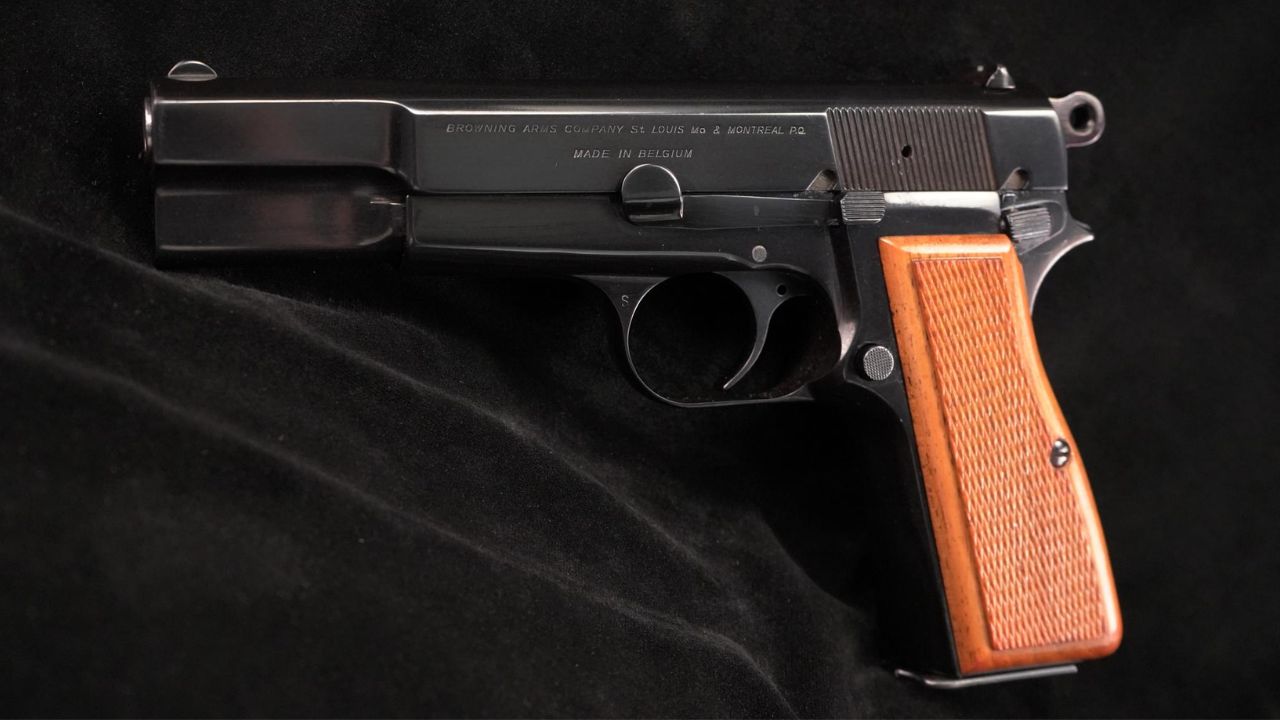
The Browning Hi-Power is the kind of pistol that makes you shoot better than you planned to. The grip shape is natural, the balance feels right, and the gun tracks smoothly under recoil. Even with older fixed sights, you can still run tight groups and clean strings because the gun points like it knows where you’re looking.
What embarrasses newer guns is how complete it feels without trying to be anything. The Hi-Power has a straightforward manual of arms, a crisp enough trigger when it’s in good shape, and a slim profile that carries well. You’ll want to keep an eye on springs and magazines with older examples, but the platform itself is proven. It’s also a reminder that “high capacity 9mm” wasn’t invented last week. The Hi-Power has been quietly setting standards for decades.
Beretta 92FS

The Beretta 92FS has a way of making newer pistols feel snappy and twitchy. That big slide, open-top design, and full-size frame soak up recoil and keep the sight picture calm. When you’re shooting drills, it’s easy to stay honest because the gun doesn’t punish you for pressing the trigger fast.
On the accuracy side, a good 92FS can flat-out shoot. The long sight radius helps, and the gun tends to run with boring consistency when it’s properly maintained. The double-action first shot takes practice, but once you learn it, your fundamentals get sharper. Newer polymer guns can be lighter and easier to mount optics on, but plenty of them don’t feel as smooth on a cadence. The 92FS still looks and performs like a pistol built for real work.
SIG Sauer P226

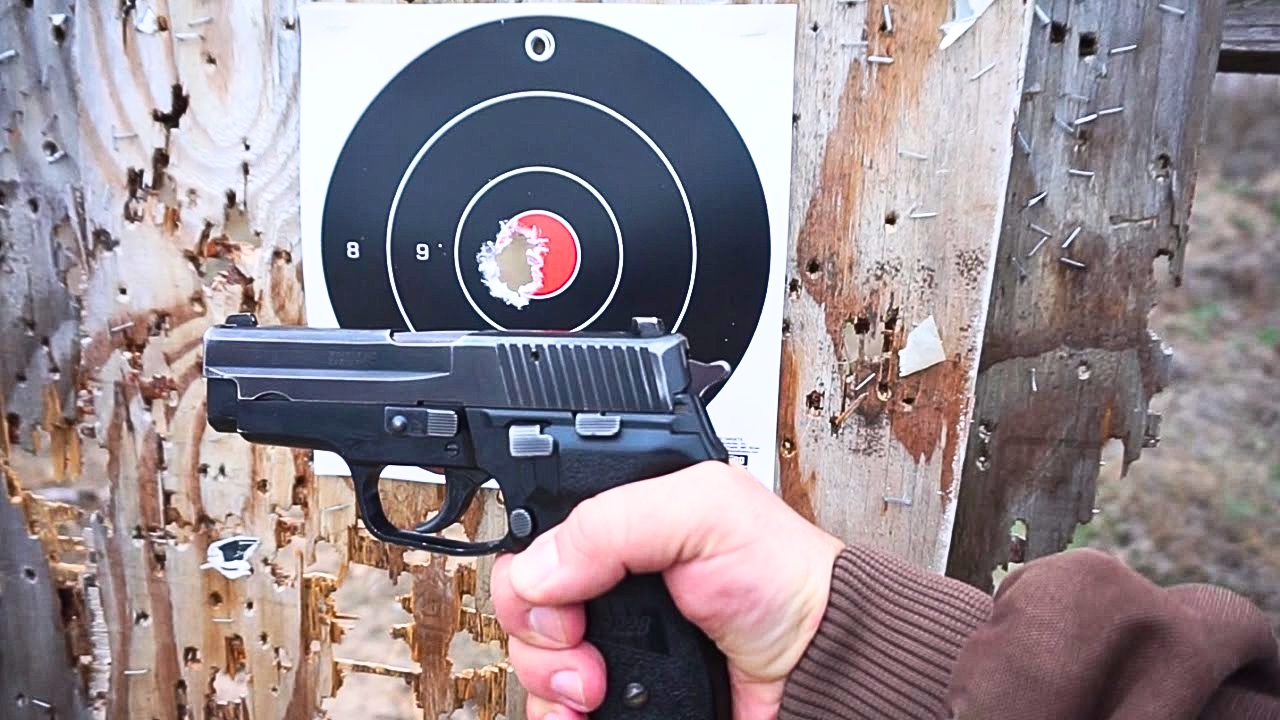
A SIG P226 is what you hand someone when you want them to stop blaming the gun. The grip angle is sensible, the recoil impulse is controlled, and the whole pistol feels like it’s riding on rails when you run it at speed. Even older examples tend to keep their accuracy if the barrel and lockup are still healthy.
What makes it embarrassing for newer guns is how “together” it feels. The trigger system is predictable once you learn it, and the gun’s weight helps you stay disciplined through follow-ups. It’s also a pistol that doesn’t need gimmicks to run. Keep springs fresh, keep magazines decent, and it will feed common 9mm loads with very little drama. A lot of people chase the latest compact wonder, then shoot a P226 and realize full-size stability still matters when you’re trying to shoot fast and clean.
SIG Sauer P228 / M11

The P228—especially in its M11 flavor—hits that rare balance where it feels compact but shoots like a service pistol. The slide mass and alloy frame keep recoil from getting sharp, and the gun points naturally. When you’re running drills, it’s easy to stay on the sights because the pistol doesn’t feel twitchy in the hand.
The “classic SIG” feel is a big part of why it still holds up. The trigger pull is manageable, the reset is usable, and the gun cycles smoothly when it’s in spec. You’re not buying it for optics cuts or modularity. You’re buying it because it shoots like it was designed by people who cared about controllability first. Keep an eye on recoil springs and magazine condition, and it will keep producing the kind of results that make newer micro-compact 9mms feel like compromises.
CZ 75B

The CZ 75B is one of those pistols that makes you understand why people fall in love with steel guns. The ergonomics are excellent, the bore axis feels low in practice, and the gun tracks smoothly through recoil. When you press the trigger clean, the CZ rewards you with groups that look like you were trying harder than you were.
A big reason it embarrasses newer guns is how naturally it fits real hands. The grip shape encourages a high, stable hold, and the weight helps you settle back on target fast. The platform also has a deep reputation for running with common ammo when it’s maintained and fed decent magazines. Some modern pistols are lighter and easier to carry, but they don’t always shoot as calmly. The CZ 75B is a reminder that comfort and control are performance features, not extras.
CZ 75 SP-01
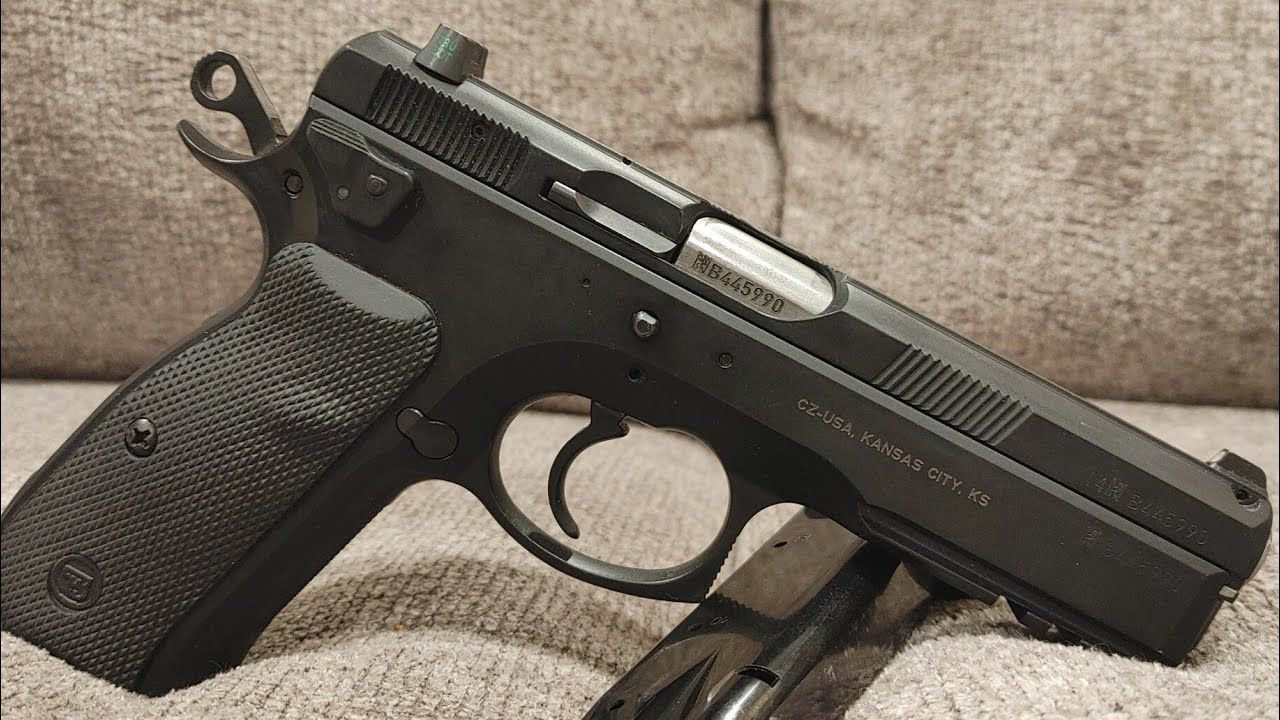
The SP-01 takes the CZ 75 idea and leans into what makes it so effective on a range: stability. The added weight out front and the full-size frame make recoil feel flatter, especially when you’re shooting fast strings. It’s the kind of pistol that turns “pretty good” shooters into confident shooters because the gun stays predictable.
Where it embarrasses newer guns is in the way it eats drills. Reloads feel consistent, transitions are smooth, and the sights settle quickly. You don’t need a compensator to keep it flat—mass and ergonomics do the work. The trigger system varies by configuration, but the core design has a loyal following for a reason. If you’ve ever watched a polymer pistol start feeling snappy as the pace increases, then shot an SP-01 right after, you know what “shoots easy” really means. It’s a classic that still makes people look good.
Glock 17 (Gen 3 / Gen 4)

The Glock 17 doesn’t win beauty contests, but it keeps embarrassing newer guns because it just works—and it shoots better than people like to admit. A well-broken-in G17 has a predictable trigger feel, a consistent grip angle you can build around, and recoil that’s easy to manage if you do your part. It’s one of the simplest pistols to run well under time.
What makes it stand out is consistency. The gun doesn’t care much about common ammo, magazines are everywhere, and the platform has decades of hard use behind it. Newer pistols sometimes show up with more texture, more slide cuts, and more marketing. Then the Glock shows up and runs the drill clean with fewer surprises. The G17 also teaches you fundamentals because it doesn’t hide slop. When you’re shooting well, it flat-out performs. That’s why it’s still a reference point.
Glock 19 (Gen 3 / Gen 4)

The Glock 19 is the “do everything” 9mm that keeps proving it. It’s compact enough to carry, big enough to shoot hard, and simple enough that you don’t waste brain power on controls. On the range, it embarrasses newer guns because it’s easy to run fast without getting weird. You get a stable grip, consistent recoil, and a sight picture that returns the same way over and over.
A lot of modern pistols chase the same balance, but the G19 has the advantage of time. The parts ecosystem is mature, magazines are plentiful, and reliability with common 9mm is rarely a question when the gun is in good shape. Newer guns may offer better factory triggers or optics-ready slides, but plenty of them don’t feel as proven once you start putting thousands of rounds through them. The Glock 19 keeps earning its reputation the boring way—by showing up and performing.
Smith & Wesson 5906
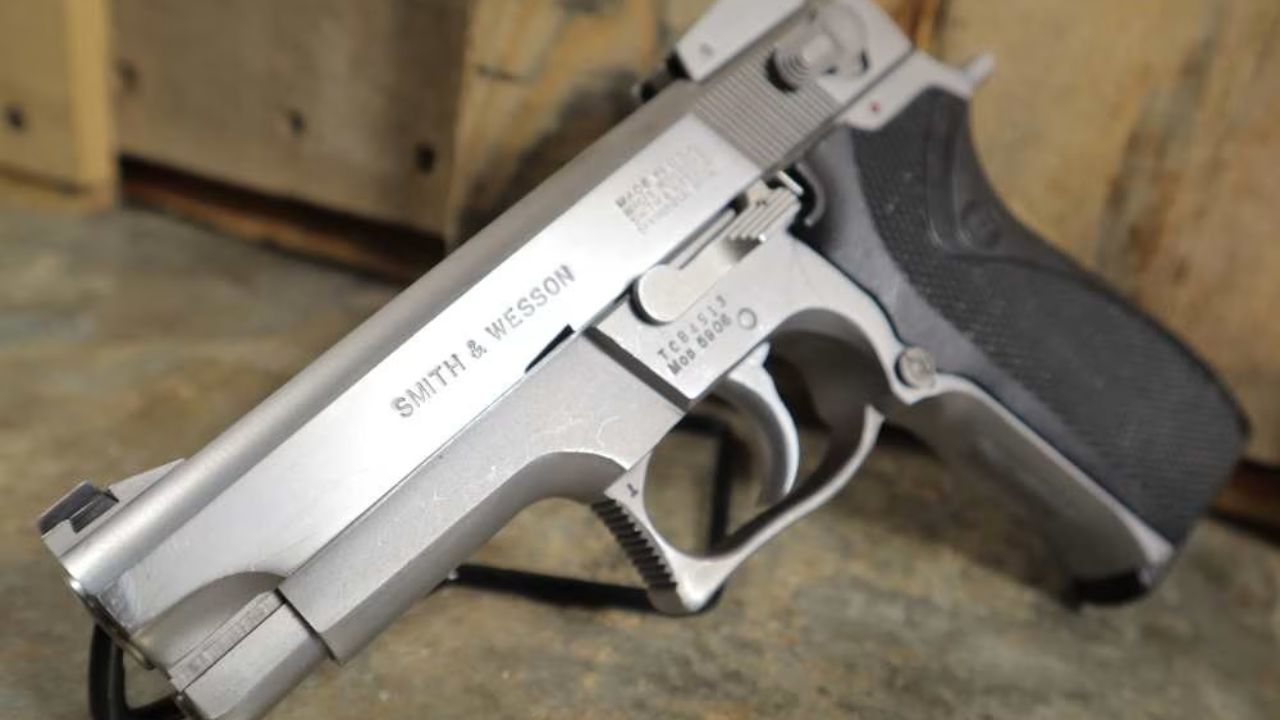
The S&W 5906 is an old-school steel service pistol that still shoots like it means business. It’s heavy, it’s stable, and it soaks up recoil in a way that makes newer lightweight pistols feel jumpy. On the range, that weight turns into real control. You can press the trigger, watch the sights lift, and have them come right back without drama.
It also has that “built like a tool” vibe that a lot of modern pistols try to imitate with slide serrations and marketing copy. The 5906 was built for duty life—holsters, weather, sweat, and long training days. The trigger system isn’t match-grade, but it’s usable and consistent when you learn it. Feed it decent magazines and keep it maintained, and it will run common 9mm loads with the kind of steadiness that makes you trust it. It’s not trendy, but it still performs.
HK P7 (PSP / P7M8)

The HK P7 is one of the most distinctive 9mms ever made, and it still embarrasses newer guns because it shoots extremely well for its size. The fixed barrel design and low bore axis translate into real accuracy and fast sight recovery. When you’re shooting groups or trying to clean a drill, the P7 feels almost unfair if you’re used to small pistols that flip.
The squeeze-cocker system is different, but it’s also part of what makes the gun feel secure and controllable once you’re trained on it. You’re not buying a P7 for modern accessory support. You’re buying it because it has a mechanical advantage in how it shoots. The one honest downside is heat—these pistols can get warm during extended strings, and that’s just part of the design. Still, few “classic” 9mms feel this precise and this controllable at the same time.
HK USP 9
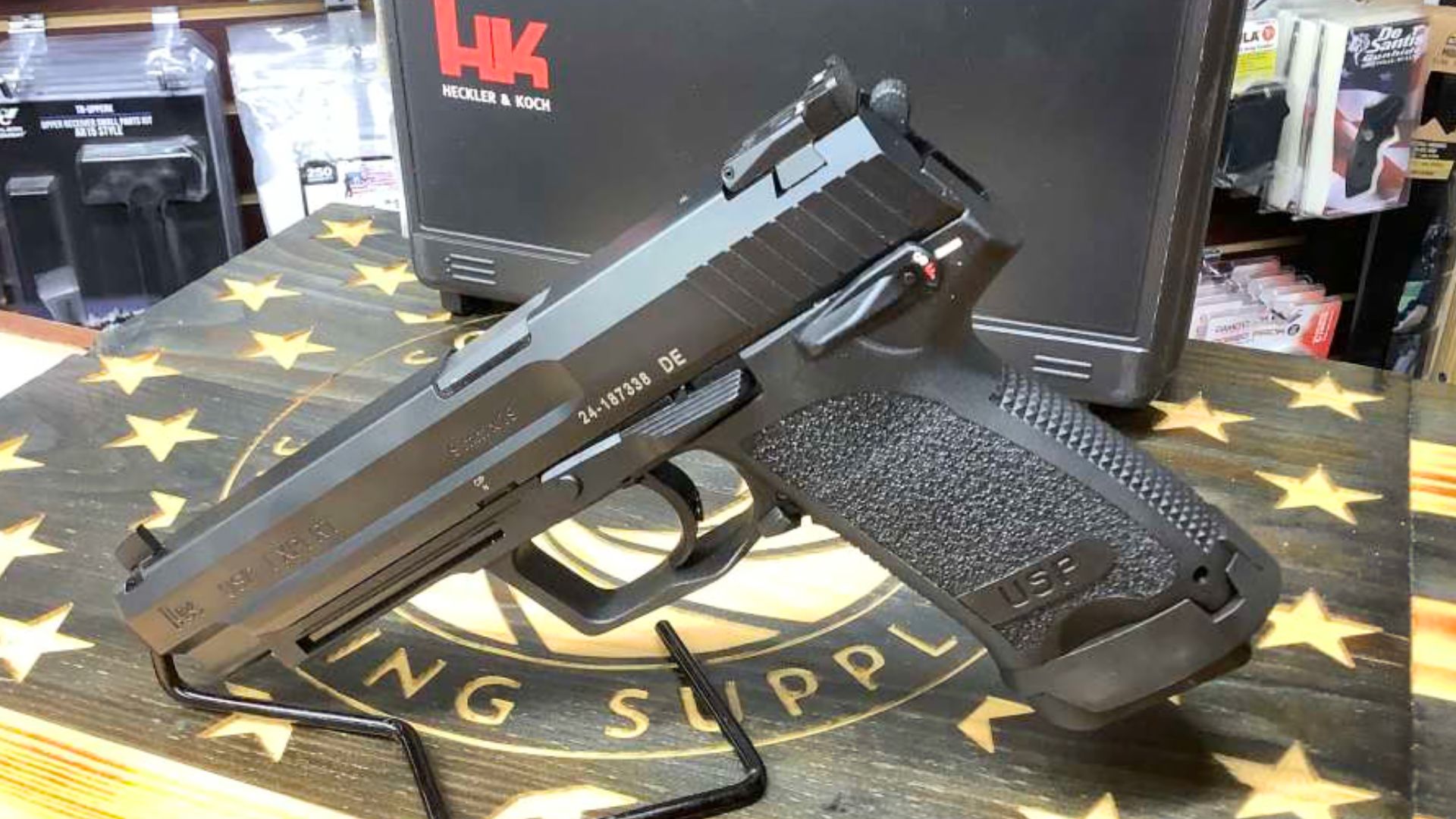
The HK USP 9 is a classic that keeps winning people over because it’s durable, accurate, and boringly dependable. The recoil impulse is smooth, the gun handles common ammo without being picky, and it feels like it could live a long hard life without turning into a rattle trap. On the range, it’s a pistol that makes you confident because it behaves the same way every time.
What surprises people is how well it shoots compared to newer guns that look more modern. The USP has a solid lockup and a reputation for longevity, and many examples still feel tight after years of use. The trigger system depends on the variant, but the platform’s consistency is the real story. Newer pistols might offer better ergonomics for some hands or easier optics mounting, but the USP doesn’t care about trends. It keeps running, and it keeps hitting where you aim when you do your part.
Walther P99

The Walther P99 doesn’t get talked about as much as it should, but it still embarrasses newer guns with how well it handles and shoots. The ergonomics were ahead of their time, and the gun points naturally with a grip that actually fits a wide range of hands. When you’re running drills, you notice the pistol returns to target smoothly instead of bouncing around.
A big part of the P99’s range performance is how balanced it feels. The controls are practical, the gun cycles cleanly, and accuracy is usually strong with common 9mm loads. The trigger system varies by version, but the platform as a whole has a reputation for being easy to shoot well. Newer pistols often claim they’re “ergonomic breakthroughs,” then you pick up a P99 and realize Walther solved a lot of those problems a long time ago. It’s a classic that still feels modern where it counts: in your hands.
Ruger P89

The Ruger P89 is the kind of old 9mm that refuses to die, and that’s exactly why it still earns respect. It’s chunky, it’s overbuilt, and it tends to run when other guns get temperamental. On the range, it embarrasses newer pistols by being dependable with common ammo and by shooting better than its looks suggest when you settle in and do your part.
You’re not choosing a P89 for refined aesthetics or modern features. You’re choosing it because it’s a reliable tool that can take abuse. The trigger isn’t fancy, but it’s workable, and the gun’s mass helps with recoil. A lot of modern pistols feel great in the hand until you start putting real rounds through them and small issues show up. The P89 tends to stay steady and predictable. It’s an old-school workhorse that still does what a 9mm is supposed to do.
Ruger P95

The Ruger P95 is another classic that surprises people who only judge guns by looks. It’s not sleek, and it won’t impress anyone who shops by Instagram photos. Then you shoot it. The P95 is reliable, tolerant of common ammo, and generally easy to run without fuss. It’s the kind of pistol that makes newer budget guns look fragile when you start talking about long-term durability.
On the range, the P95’s practicality shows up in how it behaves through drills. The recoil is manageable, the gun doesn’t feel finicky, and it keeps going. The trigger isn’t going to feel like a tuned competition pistol, but it’s consistent enough to let you shoot well if your fundamentals are decent. A lot of modern pistols chase the same “affordable and reliable” slot, but the P95 has years of real-world use behind it. It keeps embarrassing expectations by simply working.
Taurus PT92
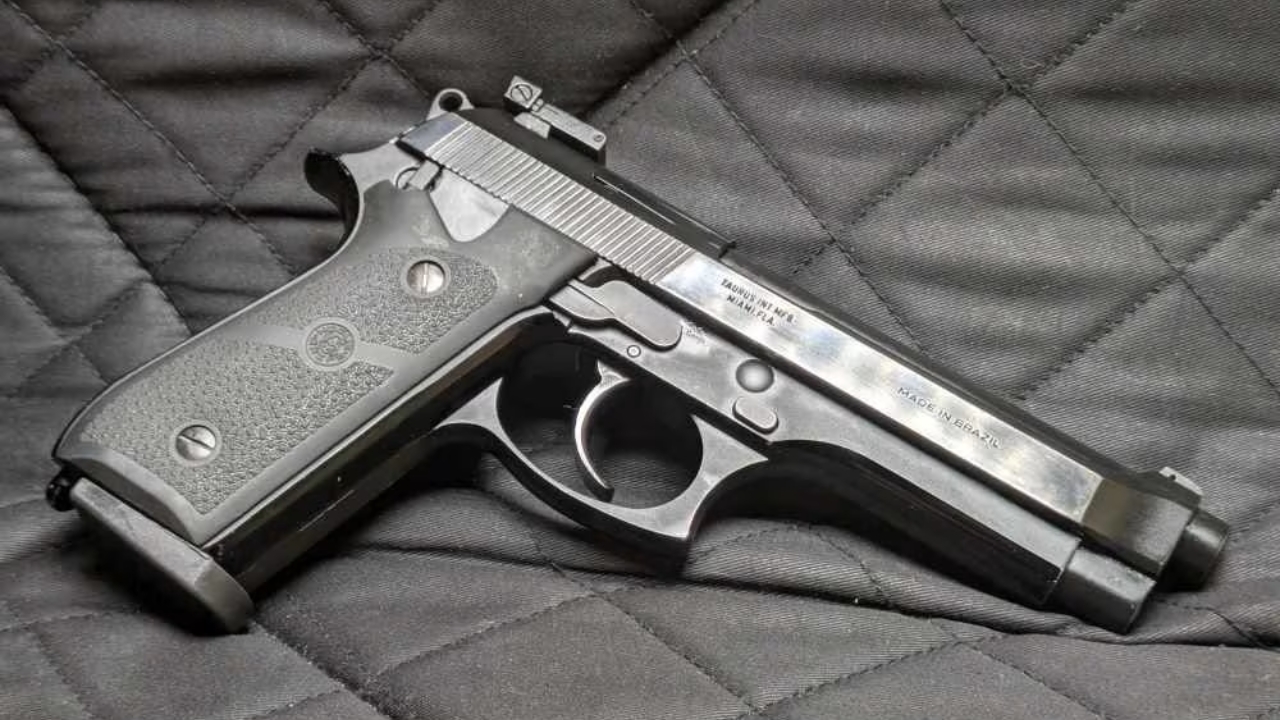
The Taurus PT92 gets attention because it’s tied to the Beretta 92 pattern, and when it’s a good example, it can shoot far better than people assume. The full-size frame, long sight radius, and smooth cycling make it easy to shoot accurately. On the range, that translates into calm recoil and steady hits, especially when you’re pushing pace.
What keeps it in the conversation is how shootable it can be. The gun has enough mass to keep things flat, and many shooters find the ergonomics comfortable for long sessions. The platform also has a track record that’s long enough to judge it on performance, not speculation. Like any mass-produced pistol, individual examples matter, and maintenance matters. But the concept is solid: a big, controllable 9mm that runs well with common ammo. When you see someone shoot one clean and fast, it reminds you that “classic” doesn’t mean outdated.
Steyr M9-A1

The Steyr M9-A1 is a classic-in-spirit that still embarrasses a lot of newer guns because it was designed around shootability first. The bore axis feels low, the grip angle encourages a strong hold, and the pistol tracks extremely well during rapid fire. When you’re running controlled pairs and transitions, it often feels calmer than more popular modern pistols.
The sights are different, but they’re fast once you understand them. The trigger is consistent, and the gun tends to reward clean technique with tight results. The M9-A1 also has a reputation for reliability with common 9mm loads when it’s maintained properly. What makes it “classic” is how long it’s been quietly proving itself without being the trendy choice. Plenty of newer pistols come out with big claims, then disappear. The Steyr keeps showing up in range bags because it shoots well and doesn’t need excuses.
Heckler & Koch P2000

The HK P2000 is one of those pistols that doesn’t scream for attention, and that’s why it still embarrasses newer guns when you shoot it. It’s compact without being tiny, it handles recoil in a controlled way, and it has that HK “built to last” feel. On the range, it’s easy to keep it honest because the gun behaves predictably and returns to the sights clean.
It also fits the hand better than a lot of people expect, especially with the interchangeable backstraps. The result is a pistol that stays controllable through longer strings, not just a few slow shots. The P2000 won’t win on features compared to optic-ready, modular new releases. But it wins where it matters: it runs with common ammo, it shoots accurately, and it feels like it can take years of use without loosening up. That’s the kind of classic performance that keeps embarrassing newer arrivals.
Like The Avid Outdoorsman’s content? Subscribe to our newsletter so you never miss an article.
Here’s more from us: