
Photo credit: Neeves Knives/YouTube
Edge retention is one of those things you don’t appreciate until you’re cold, tired, and cutting something you actually need—cordage, heavy cardboard, zip ties, hide, or food prep on a tailgate. A knife that “feels sharp” for five minutes isn’t helping you. What matters is how long it stays working-sharp, and how easy it is to touch up when the real world finally wins.
Steel matters, but it’s not the whole story. Heat treat, blade geometry, and how you use the knife decide whether that edge lasts. A thick, clumsy grind can make a great steel feel dull fast. A thin, well-ground blade in a solid steel can keep cutting long after cheaper blades start skating. The knives below have earned a reputation for holding an edge when it counts—because they’re built around steels and grinds that prioritize cutting, not looks.
Spyderco Para Military 2

The PM2 has become a working knife for people who actually cut things, and a lot of that comes down to its blade geometry and steel choices. Spyderco’s heat treat is usually dependable, and the PM2’s slicing profile helps the edge keep doing real work instead of wedging and chipping.
You can pick versions in steels like S45VN, CruWear, or Maxamet depending on what you value, but the bigger story is that the knife cuts efficiently. When a blade moves through material without fighting you, it stays sharp longer. Carry it, use it hard, and you’ll notice you’re touching it up less often than most “tactical” folders that look tough but don’t cut worth a darn.
Spyderco Manix 2

The Manix 2 is one of those knives that quietly becomes your default because it keeps performing. The leaf-shaped blade is a strong cutter, and Spyderco tends to pair it with steels that wear well—S30V and S45VN in common versions, plus sprint-run steels that can push edge life even further.
That broad blade also spreads cutting force out in a way that keeps the edge from feeling “dead” early. It’s not dainty, but it’s efficient. If your daily carry includes rope, plastic strapping, feed bags, or endless cardboard, the Manix 2 hangs in there. You’ll still dull it eventually—everything dulls—but it’s the kind of knife that makes you forget about the edge until you finally realize it’s been weeks.
Benchmade Bugout

The Bugout earns its keep when you treat it like what it is: a light knife with a good cutting profile. In S30V, you get balanced wear resistance and toughness. In S90V versions, you get noticeably longer wear life if you’re mostly slicing abrasive stuff like cardboard.
The blade is thin enough that it doesn’t waste sharpness on resistance. That’s a big deal. A thin, well-ground blade stays “working sharp” longer because it keeps cutting even as the edge loses bite. You don’t have to love the handle feel or the price to admit the design works. If your pockets already carry enough weight, the Bugout is a practical way to keep an edge on you without carrying a brick.
Benchmade 940 Osborne (S30V)

The 940 has been around long enough that it’s not a fad—it’s a proven carry knife. The blade shape looks slender, but it’s more capable than people expect, and Benchmade’s S30V versions typically hold an edge well for normal carry tasks.
Where the 940 shines is being a steady, predictable cutter you’ll actually keep in your pocket. If you carry a knife every day, you want something that stays sharp through the week and doesn’t punish you with constant maintenance. The 940’s edge geometry and steel choice make it a good “keep going” knife. It may not be your best cardboard monster, but it’s the kind of folder that stays useful longer than flashier knives that spend more time posing than cutting.
Hogue Deka (Magnacut)

Magnacut has earned its reputation as a steel that balances real edge life with corrosion resistance and toughness, and the Deka is one of the cleanest, most practical ways to carry it. You get a thin, slicey blade that actually takes advantage of what Magnacut does well.
That matters because edge retention isn’t only about wear resistance—it’s about keeping an edge stable under real use. Magnacut holds up without being brittle, and the Deka’s cutting geometry keeps it from feeling dull early. If your pocket knife lives through sweat, rain, and grime, Magnacut is a real advantage. The Deka also tends to be easy to touch up when it’s finally time, which is part of “holding an edge when it counts.”
Chris Reeve Sebenza (S45VN)

The Sebenza gets talked about like a status symbol, but the reason people keep carrying it is boring: it works. CRK’s heat treat on S45VN is consistent, and the blade geometry is built for controlled, steady cutting. It’s not a high-speed slicer, but it holds a clean edge through a lot of honest work.
The other part is how predictable it is. The edge doesn’t fall off a cliff. It gradually loses bite, and you can keep it going with light maintenance. If you’re the type who wants a knife that feels the same on day 30 as it did on day 1—same lockup, same action, same cutting attitude—this is one of the few folders that actually delivers that. The edge retention is real, but so is the consistency.
Zero Tolerance 0562 (20CV)

ZT has made a name on hard-use folders, and the 0562 in 20CV is a good example of why. 20CV is known for wear resistance, which shows up when your daily cutting involves abrasive materials. It keeps biting after softer steels would’ve turned into butter knives.
The knife’s build also matters. A sturdy folder that doesn’t flex, wobble, or develop play helps you keep a clean edge because the cut stays controlled. The 0562 is not small, but it’s reliable, and it holds an edge in a way you can feel. If your pocket knife is a real tool—zip ties, hose, pallet wrap, heavy cardboard—this is the kind of steel and platform that keeps you from sharpening every other day.
Kershaw Leek (Sandvik 14C28N)

Not every “edge holding” knife has to be exotic or expensive. The Leek in 14C28N is a great example of a steel that holds an edge well in real life and is easy to maintain. It’s not a wear-resistance monster like 20CV, but it stays sharp longer than people expect because it takes a keen edge and keeps it stable.
The blade is thin and slicey, which helps a lot. Cutting efficiently makes any steel feel better. The Leek shines for daily tasks—packages, food, cord, light shop work—where you want the edge to stay crisp without fighting a thick grind. And when you do need to touch it up, 14C28N doesn’t make you hate your life. That matters when the knife is actually being used.
Buck 110 Slim Pro TRX (S30V)

Buck has a long history of doing heat treat right, and the 110 Slim Pro TRX brings that into an actual pocket-carry-friendly package. In S30V, you get a well-rounded steel that holds an edge long enough for real use without being too stubborn to sharpen.
The knife also rewards sane expectations. It’s not built to be a pry bar, but as a cutting tool it stays sharp because the blade profile and steel are working together. You’ll notice it especially on hunting-camp tasks—cutting cord, opening feed bags, trimming, general camp chores—where you don’t want to stop and sharpen constantly. It’s a practical “old name, modern carry” knife that earns its spot without needing to be flashy.
Cold Steel American Lawman (S35VN)

Cold Steel knives get carried by people who aren’t gentle on gear, and the American Lawman is one of the best daily options in that lineup. In S35VN, you get good wear resistance with enough toughness that the edge doesn’t chip the moment you hit something ugly.
It’s also a knife that encourages confidence in use. When you’re not babying the blade, you’re less likely to do dumb, edge-killing things like twisting through a cut or forcing the edge sideways. The Lawman’s edge holds up through normal abuse, and it stays effective longer than a lot of “budget tactical” knives that start dulling as soon as they see cardboard. It’s not fancy. It’s dependable, and the edge life backs that up.
Spyderco Delica 4 (VG-10)

VG-10 isn’t trendy, but the Delica 4 keeps proving that smart design can make “older” steels perform better than people assume. The Delica’s thin blade and efficient geometry let VG-10 stay useful longer because it’s cutting instead of wedging.
In real carry, that means you’re not constantly chasing sharpness. The edge stays working-sharp through normal tasks, and when it does need a touch-up, you can bring it back fast. That’s part of holding an edge when it counts: it doesn’t have to be immortal, it has to be dependable. If you want a knife that disappears in your pocket and still keeps slicing day after day, the Delica is still one of the smartest choices out there.
Spyderco Native 5 (SPY27 / S35VN)

The Native 5 is a compact knife that punches above its size, and it’s offered in steels that take edge retention seriously. In S35VN, you get a proven balance of wear and toughness. In SPY27, you get a steel designed with real-world use in mind, with good edge stability and corrosion resistance.
The Native’s geometry helps, too. It’s stout enough for normal hard use but still shaped like a cutting tool, not a pocket crowbar. That means the edge stays effective longer and the knife feels sharp deeper into the week. It’s a great option if you want a knife that doesn’t look dramatic but performs like it matters. When you actually use it daily, you’ll appreciate how long it keeps doing clean cuts without constant attention.
Ontario RAT 2 (D2)

The RAT 2 in D2 has been a working-man favorite for a long time because it offers real edge life at a price that doesn’t hurt. D2 is wear resistant, and it shows up when you’re cutting abrasive stuff. It stays biting when softer steels would’ve already gone slick.
The downside is that D2 isn’t stainless, so you need to pay attention if your knife lives in sweat or wet conditions. But if you can handle basic care, the edge retention-to-cost ratio is hard to ignore. The RAT 2 also has a blade shape that does real work, which helps any steel. If you want a budget knife that doesn’t feel like a budget knife once you start cutting, this one keeps earning its reputation.
Civivi Elementum (D2)

The Elementum became popular because it’s a straightforward, usable knife, and the D2 versions can hold an edge longer than most people expect at the price. It’s not magic—D2 is doing the heavy lifting—but the blade geometry helps it keep cutting even after the edge loses that hair-popping feel.
For daily carry, that matters. You’re not performing sharpening rituals every other night. You’re using the knife, wiping it off, and getting on with your day. Like any D2 blade, a little care keeps it happy, especially if you’re around humidity or sweat. The Elementum is also easy to control in the cut, which reduces edge damage from sloppy technique. It’s a practical choice when you want honest edge life without paying premium money.
Spyderco Endura 4 (VG-10)

If you want more blade without going to a bulky knife, the Endura 4 is a proven option. It carries slim, cuts long, and the VG-10 holds an edge better than people give it credit for when the blade is ground to cut efficiently.
That longer edge is useful in the real world. You can process a lot of cardboard, rope, or camp tasks without constantly reworking the same tiny section of blade. The Endura also gives you reach and leverage, which keeps your cuts cleaner and easier—another quiet edge-retention advantage. It’s not a steel flex. It’s a design that makes practical sense. If you actually carry and use your knife daily, the Endura’s edge life feels better than the spec sheet warriors want to admit.
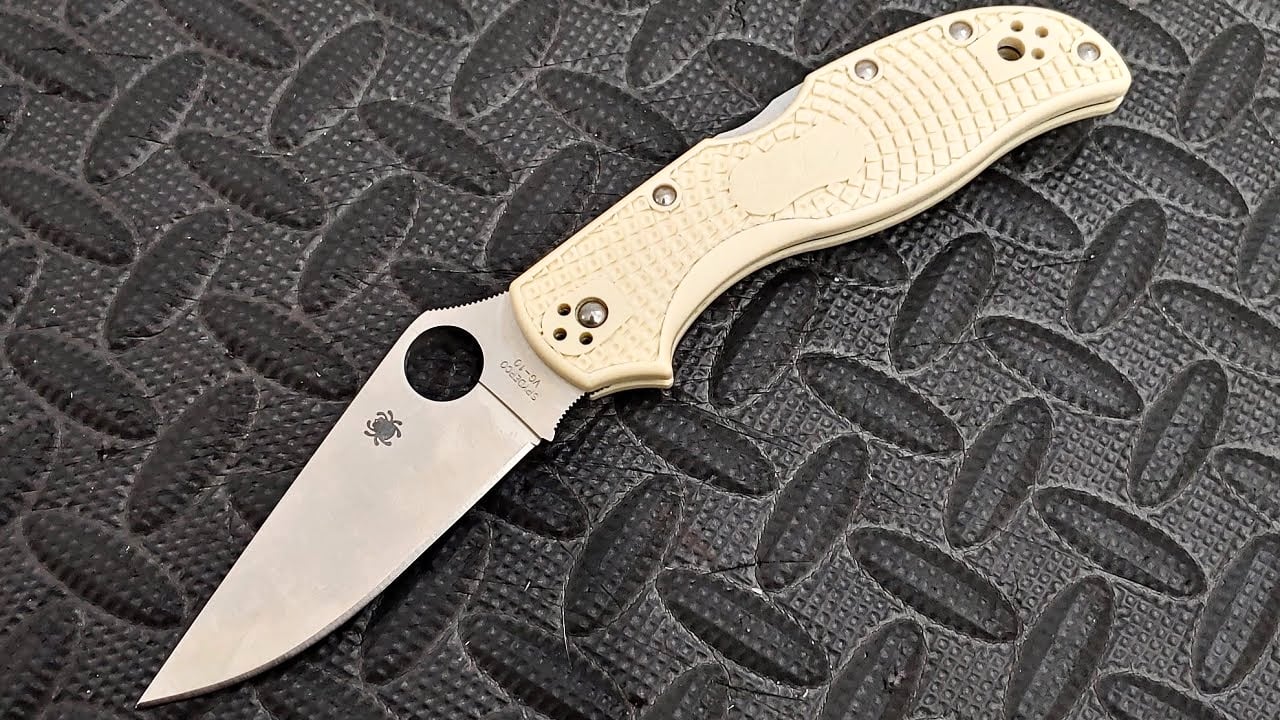
Spyderco Stretch 2 (K390)

K390 is one of those steels that makes you stop and pay attention because the edge life is genuinely impressive in abrasive cutting. The Stretch 2 in K390 is a working knife that keeps cutting long after many popular steels have given up.
The tradeoff is corrosion resistance. K390 can spot-rust if you neglect it, especially around sweat and humidity. But if you can handle basic maintenance—wipe it down, keep it reasonably clean—it rewards you with edge retention that’s hard to match in normal carry use. This is the knife you reach for when you know you’re going to be cutting a lot and you don’t want to sharpen mid-task. When it counts, K390 keeps biting.
Like The Avid Outdoorsman’s content? Subscribe to our newsletter so you never miss an article.
Here’s more from us:


