Photo credit: Camptoloma/Shutterstock.com
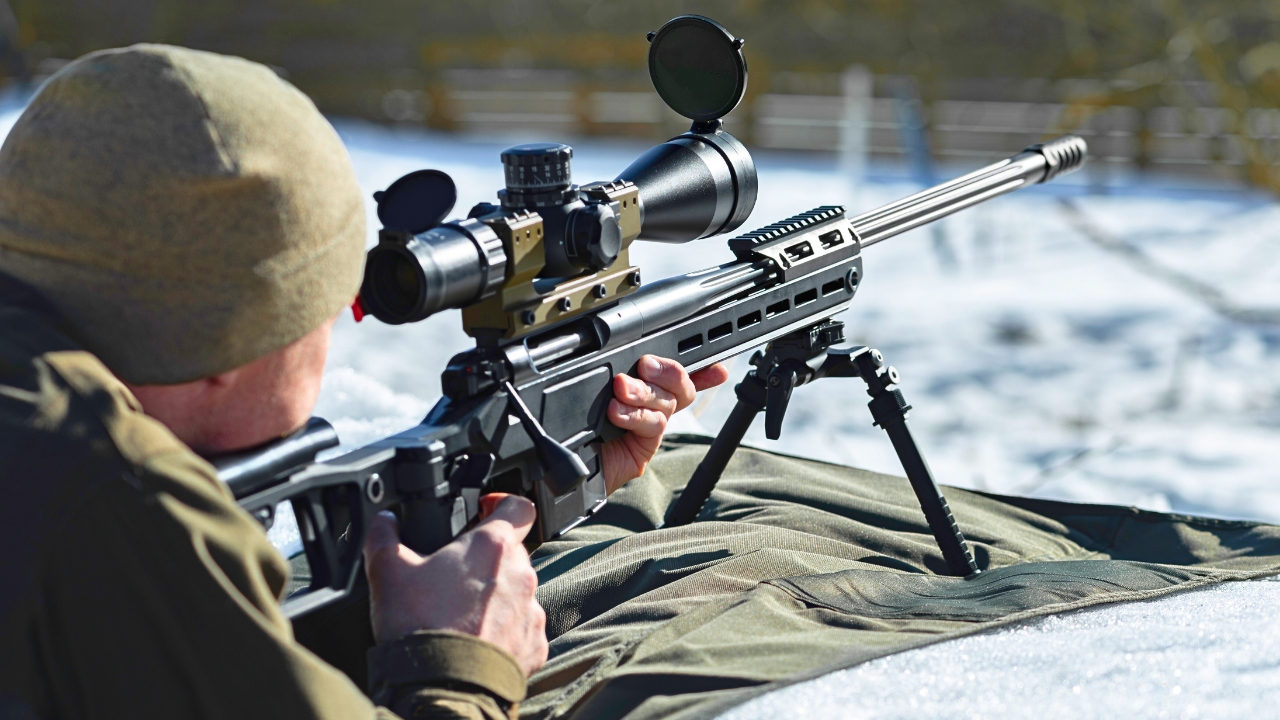
Wind doesn’t care how good your rifle shoots off bags. The moment it starts pushing, the stuff that looked “flat” on paper can drift off steel in a hurry, especially if you’re lobbing light, low-BC bullets. What helps isn’t magic—it’s a mix of velocity, bullet weight, and a shape that slices air without getting bullied. High ballistic coefficient bullets, consistent factory loads, and cartridges that handle those bullets well are what keep your dope predictable when conditions turn.
None of this replaces a solid wind call. But some cartridges make your life easier because they carry speed, stay stable, and give you enough bullet to stay honest at distance. These are the rounds that tend to hold accuracy better when the wind starts doing what wind does.
6mm Creedmoor

When the wind picks up, the 6mm Creedmoor stays calm because it’s built around sleek 105–115 grain bullets that carry a high BC for their size. You’re not trying to “muscle through” wind with raw weight. You’re slipping through it with efficient bullet shape and enough speed to keep time of flight down.
It also tends to shoot easy. Recoil is light, so you spot impacts and make corrections without getting knocked off the gun. That matters when conditions are switching and you need feedback fast. If you’re shooting steel or paper at distance, this cartridge gives you real wind performance without making you pay for it in fatigue.
6.5 Creedmoor

The 6.5 Creedmoor earned its reputation because it balances shootability and wind performance better than most mainstream options. With 130–147 grain bullets, you’ve got enough sectional density and BC to keep the drift manageable, and you can still run it in a light rifle without getting punished.
The other advantage is consistency. There’s plenty of quality factory ammo, and a lot of rifles shoot it well without drama. When the wind starts pushing, having a cartridge that’s predictable shot to shot matters as much as the raw numbers. The 6.5 Creedmoor won’t make you a wind wizard, but it gives you a steady baseline to work from.
.260 Remington

The .260 Remington has been quietly doing what the 6.5 Creedmoor does, just with less hype and sometimes less factory support. When you feed it long, high-BC 6.5 bullets, it holds its own in the wind, and it does it with recoil that stays easy to manage.
Where it shines is in rifles set up to take advantage of it—good twist rates, proper throats, and bullets in the 130–142 grain range. You get a cartridge that’s efficient and accurate without feeling edgy or overbore. In real wind, it’s the kind of round that lets you focus on reading conditions instead of wrestling the rifle.
6.5 PRC

If you like the 6.5 Creedmoor but want more speed and a little more authority when conditions get ugly, the 6.5 PRC is the natural step up. It pushes heavy-for-caliber bullets faster, which cuts time of flight and tightens up wind drift without requiring a magnum action in many setups.
You do pay for it with more recoil and more barrel heat, especially in lighter hunting rifles. But when you’re trying to keep hits consistent past 500 in unpredictable wind, that extra velocity can make the correction window feel less touchy. It’s a cartridge that rewards good fundamentals and gives you extra margin when the wind won’t sit still.
7mm-08 Remington

The 7mm-08 doesn’t get called a “wind cartridge,” but it can hang when you load it with the right bullets. A 140–150 grain 7mm with a solid BC carries well, and the cartridge itself is mild enough that you can shoot it accurately without flinching or losing your position.
It’s also forgiving in hunting-weight rifles. You can run it in short actions, keep the gun light, and still get a bullet that doesn’t get shoved around like a light .243 pill. In real-world wind, it’s not the flattest or fastest option, but it’s stable and practical. For a do-it-all rifle that still behaves at distance, it’s hard to hate.
7mm PRC

The 7mm PRC is a modern answer to the question, “What if you could launch long, high-BC 7mm bullets the way you actually want to?” It’s designed to run the heavy, sleek stuff—think 175–180 grain class bullets that stay stable and carry momentum through gusty conditions.
When the wind starts pushing, those bullets don’t get bullied easily, and the cartridge keeps them moving fast enough to reduce time of flight. The cost is recoil and blast, especially in lighter rifles, but it’s manageable in a well-set-up gun. If you want a cartridge that keeps corrections smaller at distance and still hits with authority, this one earns attention.
.280 Ackley Improved

The .280 AI sits in a sweet spot: more speed than a standard .280 Remington, less punishment than the big magnums, and excellent bullet options. When you run modern 7mm bullets with high BC, you get wind performance that feels “easy” compared to lighter, faster rounds that shed velocity quickly.
It’s also a cartridge that tends to shoot accurately when the rifle is built right. You can get a nice blend of flat trajectory and steady wind behavior without going full belted magnum. In hunting rifles, it’s a practical choice for people who want to stretch distance without making every range session feel like work. When conditions aren’t perfect, that matters.
.308 Winchester

The .308 isn’t flashy, and it’s not the best on paper for wind, but it keeps showing up because it’s consistent and honest. With 168–175 grain bullets, you can run a decent BC and a bullet weight that doesn’t get tossed like lightweight projectiles. Wind drift isn’t tiny, but it’s predictable.
That predictability is the real value. The .308 has a massive ecosystem of good loads, proven bullets, and rifles that shoot it well. In gusty conditions, being able to trust your velocity and your dope matters. You still need to call wind, but you’re not also fighting weird performance swings. It’s a workhorse that teaches you to read conditions and rewards good fundamentals.
.30-06 Springfield
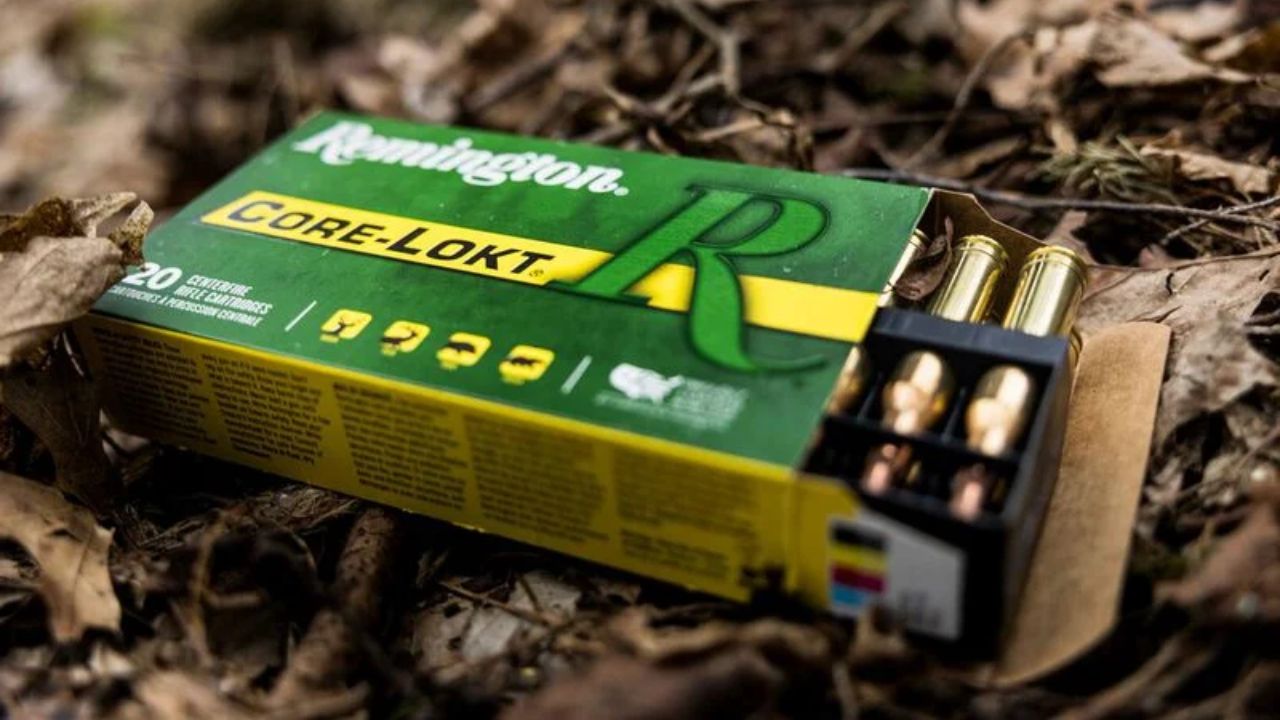
The .30-06 has been holding its own in ugly weather for over a century, and wind is part of that story. When you step up to heavier bullets—180s and up—you get more inertia and better BC options than most people associate with the cartridge. That helps keep drift from getting out of hand at real hunting distances and beyond.
It’s also versatile. You can tune it around bullets that behave well in wind without needing a magnum case. In lighter rifles, recoil can be brisk, but it’s still manageable for most shooters with a good stock fit. If you already own a .30-06, you don’t need a new rifle to handle wind better—you need better bullets and clean data.
.300 Winchester Magnum

When wind is the problem and you want brute force without getting exotic, the .300 Win Mag is a classic answer. It pushes heavy .30-cal bullets fast, which shortens time of flight and keeps wind drift from turning into a guessing game. A 190–220 grain bullet with a good BC carries like it means it.
The downside is obvious: recoil, blast, and the temptation to shoot it less than you should. But if you can run it well, it gives you real forgiveness when the wind is switching and you’re trying to stay on steel at distance. It’s also widely supported, so you can find serious loads without hunting down boutique ammo.
.300 PRC

The .300 PRC is what you get when you build a .30 magnum around modern long-range bullets instead of yesterday’s constraints. It’s designed for heavy, high-BC projectiles, and it tends to keep them stable and consistent at the speeds where wind drift starts to matter a lot.
In real conditions, it shines because it holds onto velocity and stays predictable downrange. You’re still going to work for hits in a strong crosswind, but your corrections don’t feel as exaggerated as they do with lighter rounds. Recoil is real, but in a properly weighted rifle it’s manageable. If you want a cartridge that keeps its composure past 500 when the wind won’t cooperate, this one belongs on the list.
.338 Federal

This one surprises people. The .338 Federal isn’t a long-range laser, but when the wind is pushing inside practical distances, a heavier .338 bullet can stay steadier than you’d expect. You’re not winning a BC contest against sleek 7mm match bullets, but you are throwing real mass with decent shape.
Where it earns its keep is in that 100–300 yard world where wind can still move lighter bullets more than you like, especially on steel or small targets. It’s also efficient in short actions and doesn’t require magnum levels of recoil. If your shooting lives in real-world distances and you want less “wind drama” without chasing speed, it’s a solid, underappreciated option.
.270 Winchester
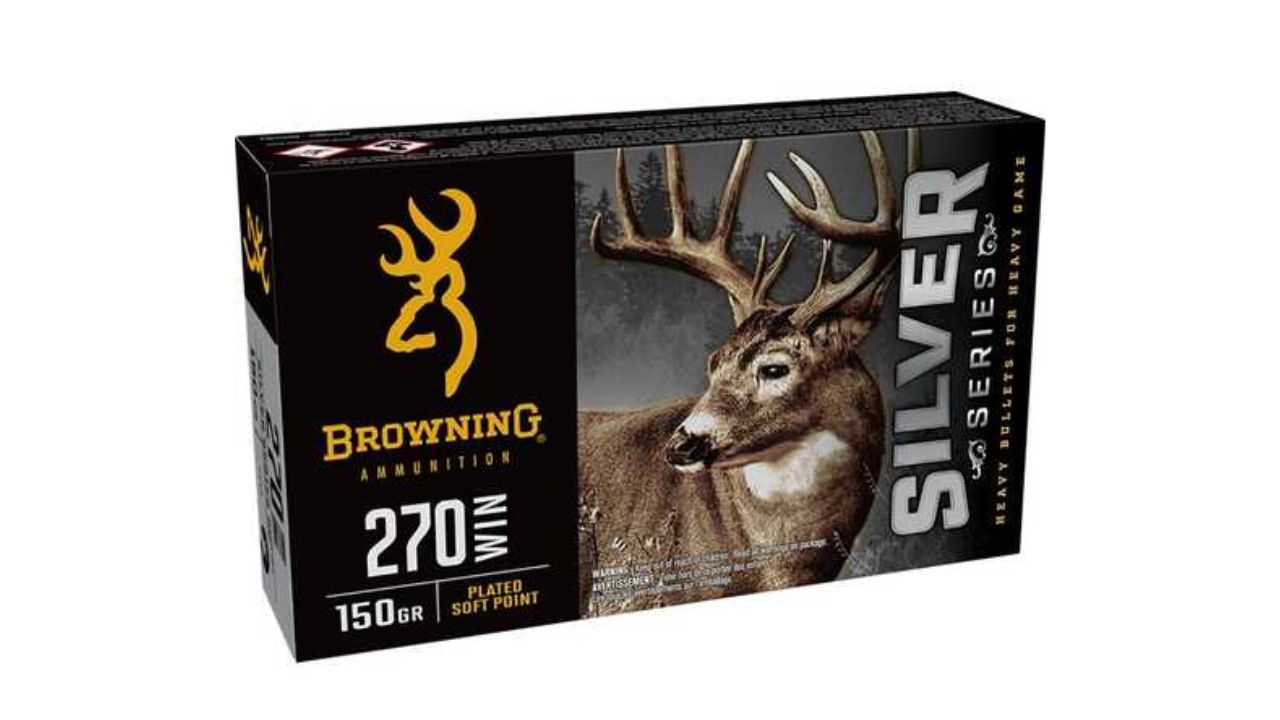
The .270 gets dismissed in wind talks because people picture light 130-grain deer loads. Step up to modern 145–150 grain bullets with a higher BC, and the cartridge behaves differently. You can run enough speed to keep time of flight reasonable, and the better bullets don’t get pushed around as badly as the old stereotypes suggest.
It’s still not a dedicated long-range cartridge, and not every rifle twist rate is friendly to the longest projectiles. But with the right load, the .270 can hold its own in moderate wind at the distances most hunters and practical shooters actually use. If you already trust a .270, you don’t have to abandon it—just feed it smarter ammo.
6.5×55 Swedish

The 6.5×55 has been doing the “high-BC, mild recoil” thing since before most of today’s cartridges were a thought. With long, efficient 6.5 bullets, it carries well in wind and stays easy to shoot, which is a big deal when you’re trying to spot impacts and make quick corrections.
It’s not a speed demon, and you’re not going to cheat physics at extreme distance, but the bullet design helps it stay consistent. In gusty conditions, a cartridge that doesn’t beat you up encourages better shooting habits, and that shows up on target. If you like old-school rounds that still perform, the Swede is a quiet reminder that good ideas don’t expire.
6mm ARC

The 6mm ARC was built to give small-frame rifles better downrange performance, and wind is part of the reason it works. With modern 6mm bullets that carry surprisingly high BC for their weight, it stays steadier than most people expect from a cartridge that fits in the AR-15 world.
It’s not a magnum, and you’re still dealing with less raw speed than a 6mm Creedmoor, but the efficiency helps it keep its shape in the wind. Recoil is light, so you can shoot it well, stay on the gun, and learn quickly from what the target tells you. For a compact setup that doesn’t fold the moment conditions get sporty, it’s a smart little round.
Like The Avid Outdoorsman’s content? Subscribe to our newsletter so you never miss an article.
Here’s more from us: