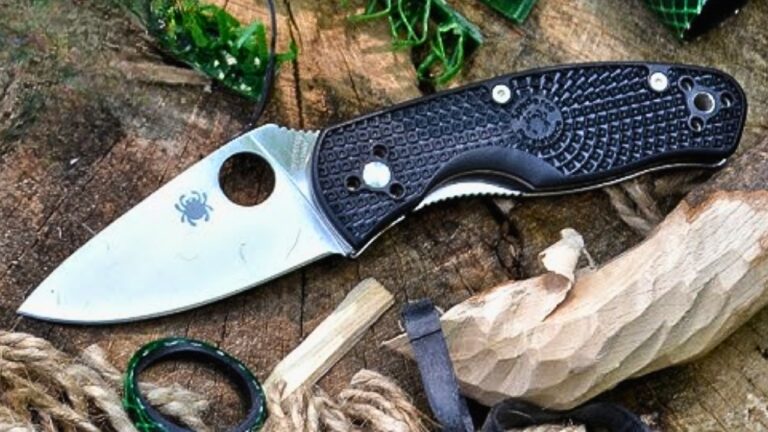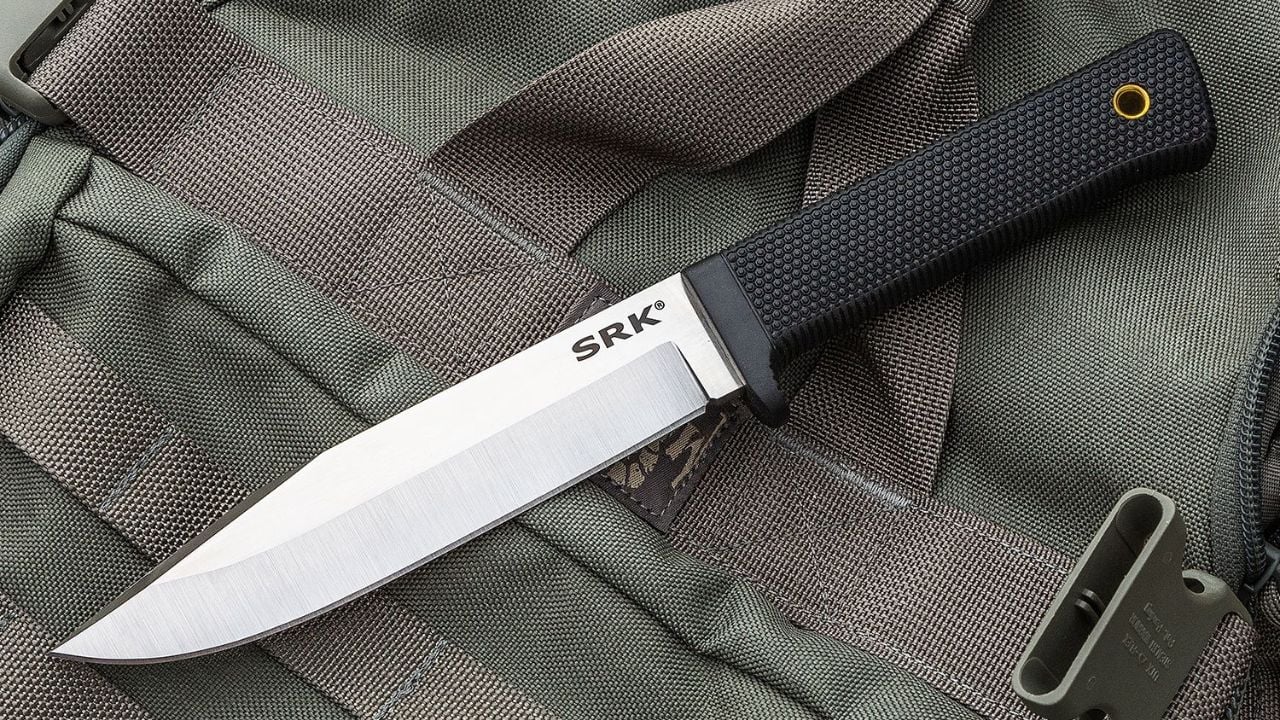
Photo credit: Knife Center
Knife buyers in 2026 are tired of spec sheets that read like chemistry exams and marketing copy that promises “space-age” performance you will never actually use. The fatigue around so‑called super steels is real, and you can see it in how often shoppers now ask about sharpening, comfort and value before they ask about vanadium content. Instead of chasing the hardest possible blade, you are increasingly prioritizing steels and designs that fit your daily life, your budget and even your views on sustainability.
That shift does not mean performance no longer matters. It means you are redefining performance around what a knife actually does in your hand, from opening boxes at work to dressing game in the field, and weighing that against tariffs, supply chain shifts and environmental pressure on steelmakers. The result is a quieter revolution in what “good enough” looks like, and in what you are willing to pay for marginal gains at the very top of the steel pyramid.
From hype cycle to hangover: how “super steel” lost its shine
For most of the past decade, knife marketing has revolved around the idea that higher hardness and exotic alloy recipes automatically made a blade better. Powder metallurgy names and acronyms became shorthand for status, and you were nudged to believe that anything less than the latest “super steel” meant settling. By 2026, that pitch is colliding with reality: a lot of owners are discovering that their ultra‑hard folders mostly slice tape and cardboard, and that the promised advantages rarely show up in everyday use.
That disillusionment is visible in the way enthusiasts now talk about their collections. In a widely shared video titled “The Sad Truth About Knives in 2025,” posted in Oct, the creator bluntly tells viewers there has “never been a worse time to be a knife collector or a fan of knives,” capturing the sense that the market is oversaturated with expensive sameness and incremental steel upgrades that do not change how you actually cut things, a frustration you can hear directly in the Sad Truth rant. When even die‑hard fans sound exhausted, it is a sign that the super‑steel hype cycle has tipped into a hangover.
What “super steel fatigue” looks like in your pocket
Super steel fatigue is not just a mood, it shows up in the knives you actually carry. Many buyers now admit that their most technically advanced blades stay at home while simpler, cheaper models ride in the pocket because they are less precious and easier to maintain. You might own a flagship folder in a premium alloy, yet reach for a mid‑range stainless when you need to break down shipping boxes or cut zip ties, precisely because you are not worried about babying it.
That disconnect is echoed in online debates where users question whether ultra‑hard alloys make sense on small folding knives. In one widely cited thread titled “Super steels are a waste of money on folding knives,” a commenter in Oct asks, “What are you going to do with it other than open boxes? Be honest. You’re not going to baton with that thing,” before arguing that there are plenty of steels that are more practical than a normal “super” steel for daily carry, a sentiment you can see laid out in the What are you going to discussion. When the loudest question is no longer “how hard is it” but “what am I really doing with this,” you are looking at fatigue in action.
Edge retention versus reality: why hardness is not the whole story
Much of the super steel pitch has rested on edge retention, the promise that a blade will stay sharp for a very long time. In technical terms, Edge Retention is the steel’s ability to stay sharp through use, and steels with high hardness and wear resistance tend to excel here. On paper, that sounds ideal, but in practice you pay for it with more difficult sharpening and a higher risk of chipping if you use the knife outside its comfort zone.
Guides aimed at everyday users now stress that you should balance retention against how you actually cut. One detailed breakdown of package‑cutting knives notes that while high‑hardness Steels can hold an edge for a long time, they may require special equipment to re‑sharpen, which is overkill if you mostly slice tape and plastic, a trade‑off explained in the Edge Retention section. Another comprehensive steel guide points out that more traditional alloys like 154CM typically need regular sharpening compared with modern powder metallurgy constructions, yet they remain popular because they are predictable and easy to touch up, a nuance highlighted under the What To Look Out For advice. The emerging consensus is that a steel that sharpens quickly and behaves well in real tasks can be more valuable than one that clings to a razor edge you rarely exploit.
How tariffs and supply chains are reshaping steel choices
Your fatigue with super steels is not happening in a vacuum, it is colliding with a knife industry that is being forced to rethink its material choices for economic reasons. Tariffs on imported knives and on the steel used to make them are starting to filter through to retail prices, and that pressure is making both brands and buyers more sensitive to whether the jump to a premium alloy is really worth the extra cost. When a steel upgrade adds twenty or thirty dollars to a knife that will mostly see light duty, the value equation becomes harder to defend.
Industry insiders are already warning that these forces will shape what you see on shelves in 2026. Reporting on knife steels to watch notes that Several sources say American consumers will feel the effects of U.S. tariffs on both imported knives and the steel used in domestic production, with knock‑on effects across the knife market in general, a trend flagged in the Several sources say American analysis. In the same coverage, NSM president Bob Shabala describes “huge changes” in the steel landscape and gives an insider view of how companies are adjusting, a perspective captured in the Bob Shabala section. When costs rise and supply chains wobble, brands have strong incentives to pivot toward steels that are easier to source and heat‑treat at scale, which often means dialing back from the bleeding edge of metallurgy.
What everyday buyers are prioritizing instead of maximum specs
As the economic and practical downsides of chasing the hardest possible steel become clearer, you are seeing a quiet reprioritization among everyday buyers. Instead of obsessing over Rockwell numbers, more people are asking whether a knife is easy to sharpen at home, whether the handle is comfortable for long sessions and whether the price leaves room in the budget for other gear. That shift is especially visible in the everyday carry world, where a knife is a tool you live with, not a safe queen.
Guides aimed at new buyers now frame steel choice around maintenance preferences. One breakdown of the best options for an EDC knife notes that if you prefer a low‑maintenance option, stainless steels like Elmax or M390 are suitable, while On the other hand, if you enjoy sharpening and do not mind more upkeep, you might choose a different alloy, advice laid out in the Elmax overview. Another buyer’s guide for hunting knives emphasizes that Choosing the right hunting knife is about matching toughness, sharpness and readiness for demanding wilderness conditions, and it highlights Key Benefits like edge stability and the reminder to Pick a Comfortable Handle, priorities spelled out in the Best Hunting Knives for breakdown. The throughline is clear: you are choosing steels and designs that fit your maintenance habits and your hands, not just the spec sheet.
Enthusiast forums versus marketing: redefining “hard use”
One of the most telling shifts is how enthusiast communities are quietly rewriting what “hard use” means. For years, marketing copy implied that anything less than a super steel was a compromise if you wanted a “hard use” knife, even if your toughest task was prying open a paint can. Forum veterans are now pushing back, reminding newer buyers that knives have handled real work for generations without exotic alloys, and that design and heat treat often matter more than the latest steel acronym.
On BladeForums, a long‑running discussion titled “Why no super steel?” captures that recalibration. A user named Will Power points out that As for “hard use” it is a relative term, and notes that plenty of 80 year plus knives are still in regular rotation, a perspective preserved in the As for thread. That kind of historical memory undercuts the idea that you need the latest powder steel to do real work. At the same time, mainstream gear outlets are telling readers that when you ask Should You Buy a Super Steel Pocket Knife, you should start by thinking about what you want to use it for and whether you are intrigued by Super Steel Pocket Knife marketing or genuinely need the performance, a framing laid out in the Should You Buy guidance. Together, those voices are pulling expectations back toward realistic definitions of use and abuse.
Behind the scenes: steelmakers, tariffs and the future of American alloys
While you are rethinking what you want from a knife, the steel industry itself is going through a transition that will shape what alloys are available. Concerns about the future of American specialty steels have been swirling, especially around companies like Crucible that helped pioneer many of the modern powder metallurgy grades. Enthusiasts worry that if these producers falter or change hands, the boutique steels that defined the last decade of knife design could become harder to find or more expensive.
Some of those fears are being tempered by new ownership and investment. In a detailed update on the future of American knife steel, one commenter notes that Crucible’s assets were purchased by Erasteel, described as a European steelmaker, and that Niagara Sp is expected to continue supplying key products, arguing that availability is more likely to shift than vanish, a reassurance laid out in the Crucible discussion. At the same time, technical experts like Larrin are highlighting which alloys are poised to thrive in this new environment, listing CPM 3V and CPM CruWear (also referred to as NSM Wear) as top carbon steels for factory knives in 2026 and noting that factories use these steels for their balance of toughness and edge performance, an outlook summarized in the Larrin segment. The upshot for you is that the menu of steels may change, but the industry is not walking away from performance, it is just being forced to be more selective.
Sustainability and corporate responsibility enter the steel conversation
Another quiet force reshaping what you value in a knife is environmental concern. Steelmaking is energy intensive, and as climate targets tighten, large producers are under pressure to cut emissions and invest in cleaner processes. That pressure filters down to the knives in your pocket, especially when brands start to highlight lower‑carbon production or recycled content as selling points alongside hardness and corrosion resistance.
Major steelmakers are already framing their strategies around these expectations. In its corporate citizenship reporting, POSCO lays out a section titled Performance that includes specific commitments such as Achieving Carbon Neutrality, Innovating Eco-Friendly Materials and building Eco-Friendly Steelworks, with these priorities highlighted on Page 4 under the headings 38, 46 and 49 in the Performance documentation. When companies that size start reorganizing around eco‑friendly materials, it is only a matter of time before knife brands begin to talk about where their steel comes from and how it is made. For buyers who are already skeptical of paying a premium just for marginal edge gains, a credible sustainability story could become a more compelling reason to choose one steel over another.
How to buy in 2026: practical frameworks that cut through the noise
If you are shopping for a knife in 2026, the challenge is not a lack of options but an overload of claims. One way to cut through the noise is to start with your primary use case, then back into steel and structure choices that match it. If your knife is mostly an office or warehouse tool, prioritize ease of sharpening, corrosion resistance and a handle that stays comfortable through repetitive cuts. If you hunt or camp, look for toughness, secure grip and a sheath or carry system that fits the rest of your kit.
Real‑world product listings reflect this more grounded approach. Many popular EDC folders now emphasize ergonomics and deployment first, with steel listed as one factor among several, as you can see in mainstream product listings. Others lean into value, pairing mid‑tier stainless with thoughtful design to hit accessible price points, a balance you can see in competing product ranges. Even higher‑end offerings increasingly sell themselves as complete packages, combining premium steel with tuned detents, refined machining and warranty support, as seen in flagship product lines. The pattern is consistent: steel still matters, but it is no longer the only, or even the primary, reason to buy.
Like The Avid Outdoorsman’s content? Be sure to follow us.
Here’s more from us: