Photo credit: Lowballin outdoorz/YouTube
Every gun safe has a few pieces that don’t show up in photos, don’t get talked about at deer camp, and sure don’t get listed online unless a guy is backed into a corner. Not because they’re “secret,” but because they’re useful, familiar, and hard to replace without spending more than you want to admit.
These are the guns serious outdoorsmen keep on the short list—the ones that cover real jobs: a rifle that always prints where it should, a shotgun that doesn’t care about rain, a revolver that rides in a coat pocket all season, a rimfire that makes the range fun again, and a couple oddballs that just plain work. Some are expensive. Some are ugly. A few are boring. That’s kind of the point.
1. Ruger 10/22 Carbine
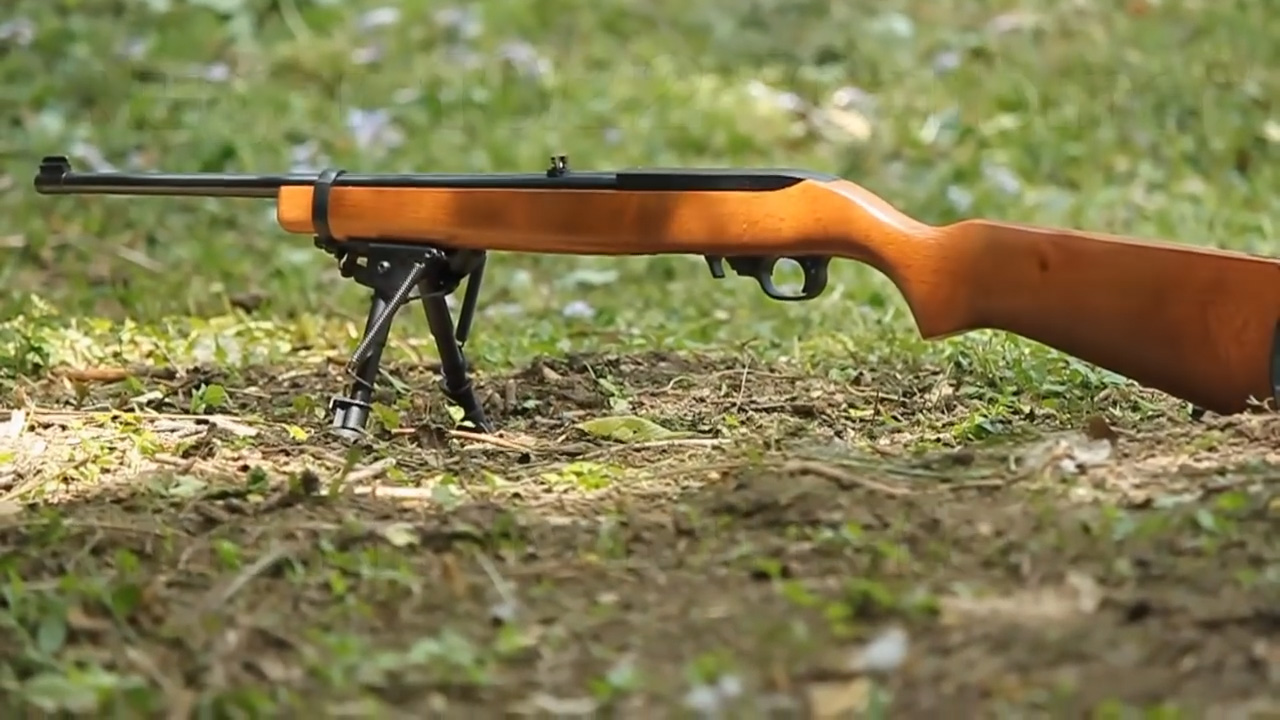
I’ve seen a lot of guys “upgrade” out of a basic 10/22, then spend the next five years trying to build their way back into what they already had. The plain carbine isn’t sexy, but it feeds, it runs dirty, and it turns bricks of .22 into real practice without beating you up.
Magazines are everywhere, parts are everywhere, and every kid and grandkid can shoot it without flinching. If you’ve got land, it’s the gun that gets grabbed for pests, plinking, and quick zero checks. It’s also the gun that makes a cold range day feel like a good idea.
2. Marlin Model 60
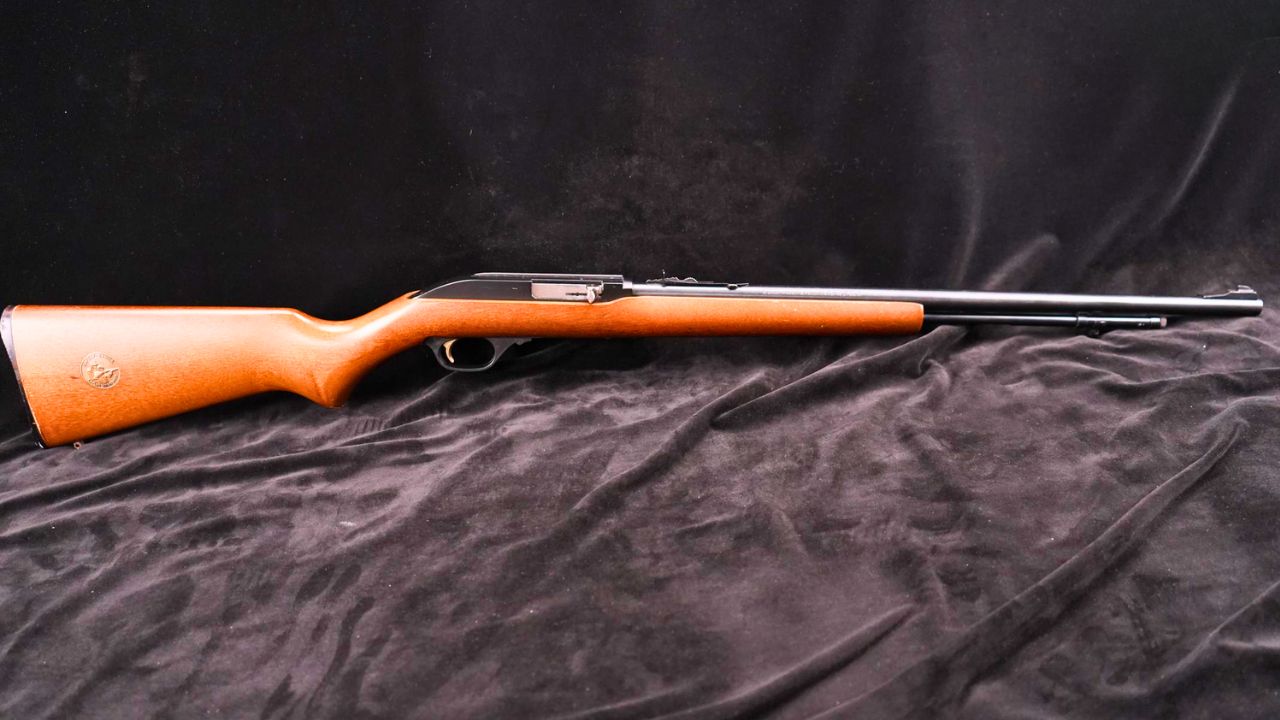
The Model 60 is the quiet workhorse that never gets the attention the 10/22 does. Tube-fed, simple, and usually scary-accurate for what it is, it’s the kind of .22 that ends up leaning in a corner of a barn and still shoots straight when somebody finally wipes it down.
Ask around and you’ll hear the same thing: “I shouldn’t have sold that one.” The newer ones can be fine, but the older, smooth-running rifles are the ones folks keep without advertising it.
3. CZ 452 (any of the classic variants)
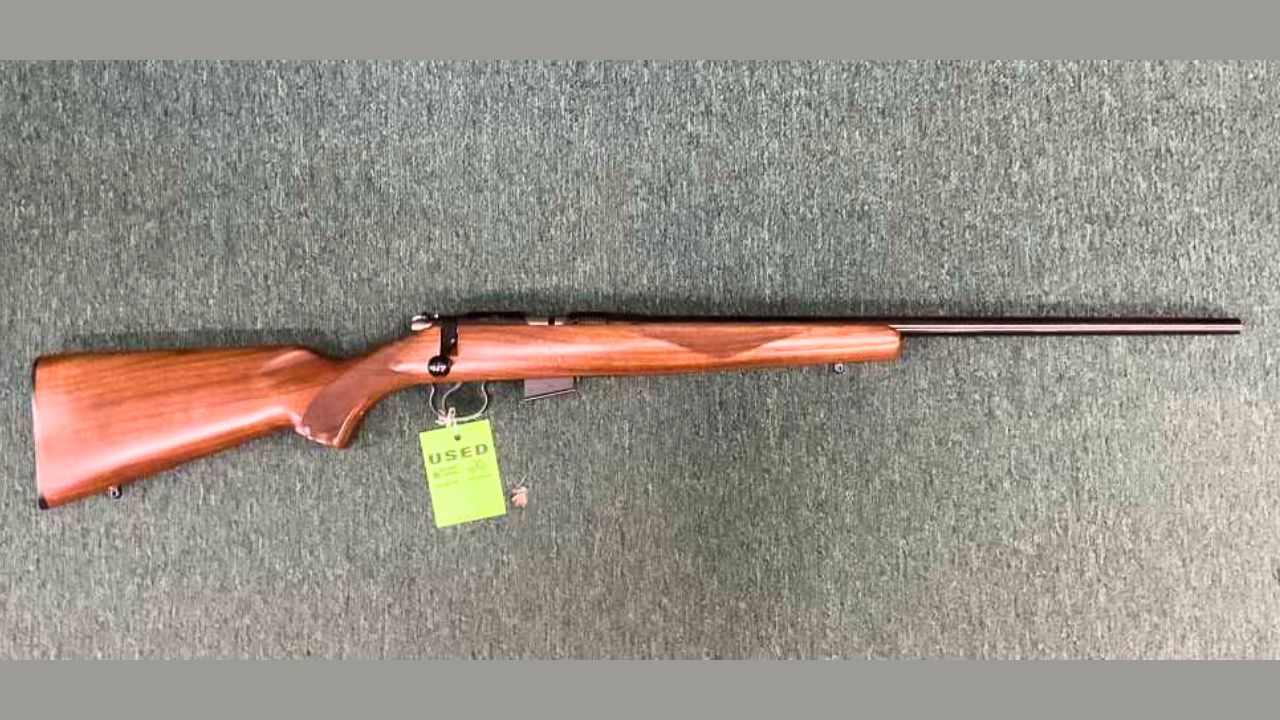
This is one of those rifles that spoils you. The bolt lift feels right, the trigger is usually better than it has any business being, and it will shoot groups that make you double-check your target distance.
When a rimfire starts printing like a centerfire, you stop looking at other options. That’s why these don’t linger long when one shows up used. A serious outdoorsman keeps one around for small game and honest practice.
4. Remington 870 Wingmaster

The Wingmaster isn’t the cheapest 870, and it’s not supposed to be. The action is slick, the gun balances right, and it doesn’t feel like it was made on a Tuesday at 4:45 p.m.
For birds, for buckshot, for a do-everything shotgun that can ride behind a truck seat without being babied, this one stays. You can dress it up with different barrels, but even bone stock it just works.
5. Mossberg 500

This is the shotgun you keep because it’s the one you’ll actually use. It’s not fancy, and it doesn’t have to be. It handles rain, mud, and neglect better than most people want to admit.
The tang safety is a love-it-or-hate-it thing, but for gloved hands in cold weather it’s hard to argue with. Barrels and parts are easy to find, and it’s one of the simplest “one shotgun” answers out there.
6. Benelli M2

If you’ve ever watched a semi-auto shotgun get finicky when the weather turns or the shells get weird, you understand why an M2 ends up on the quiet list. It cycles like it means it, and it doesn’t need a long speech about maintenance to keep running.
It’s not the softest shooter, and it isn’t cheap. Still, waterfowl hunters who actually hunt in bad conditions tend to stop experimenting after they’ve owned one for a season or two.
7. Browning A5

There’s new A5 and old A5. I’m talking about the old humpback that looks like a piece of farm equipment and runs like one too. They point naturally and carry their own kind of confidence.
They can kick, and they aren’t for everyone. But if you grew up around one, you already know why it rarely gets sold. It’s a bird gun with history that still earns its keep.
8. Winchester Model 70 (pre-64 or Classic)
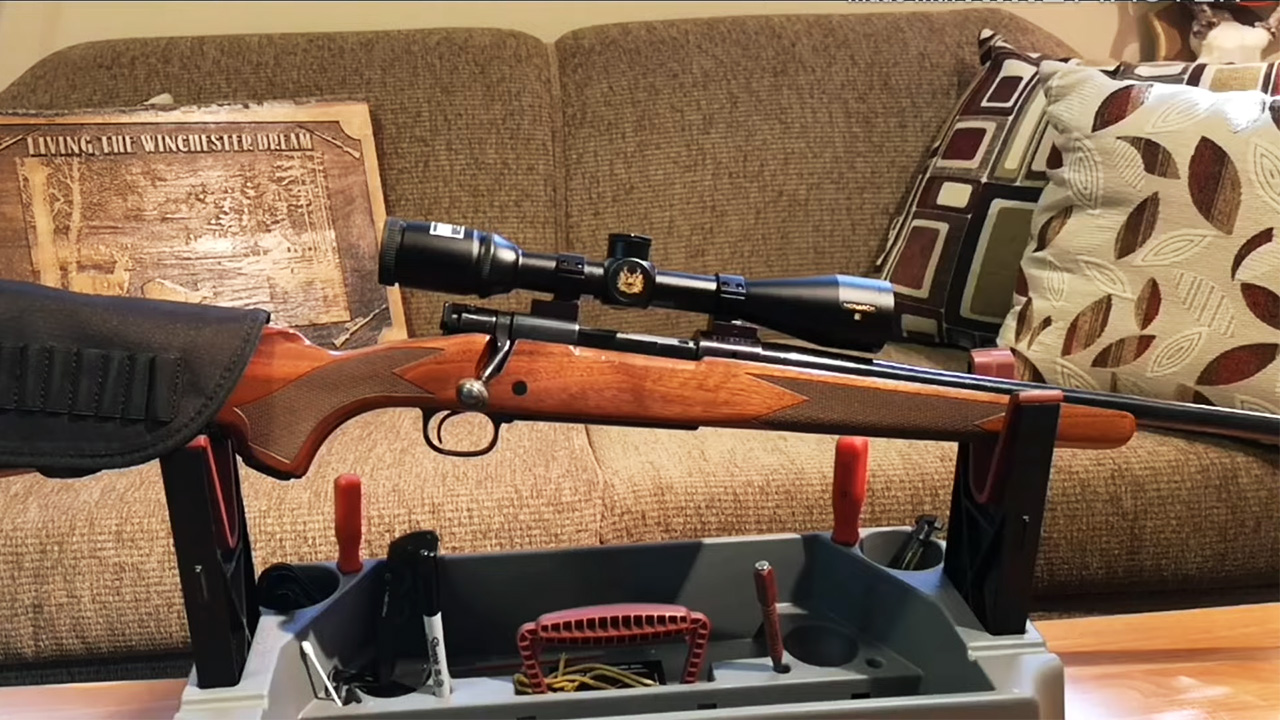
The Model 70 is the rifle a guy buys once, learns inside and out, and then quits shopping. Controlled-round feed isn’t magic, but it does bring a level of smooth reliability that feels good when you’re cycling a round with cold fingers.
Plenty of rifles shoot well. The Model 70 also carries well and doesn’t feel like a compromise. When somebody owns a good one, it tends to stay in the family.
9. Remington 700 (older production)

There are whole internet arguments about the 700, and I’m not interested in lighting that fire. What I’ll say is the older rifles that have been hunted hard and maintained right are still out there stacking venison.
The big reason they stay quiet is simple: they shoot. They also have a massive aftermarket, which can be a blessing or a curse. A clean, honest older 700 in a sensible caliber is a hard thing to replace once you let it go.
10. Ruger M77 Hawkeye
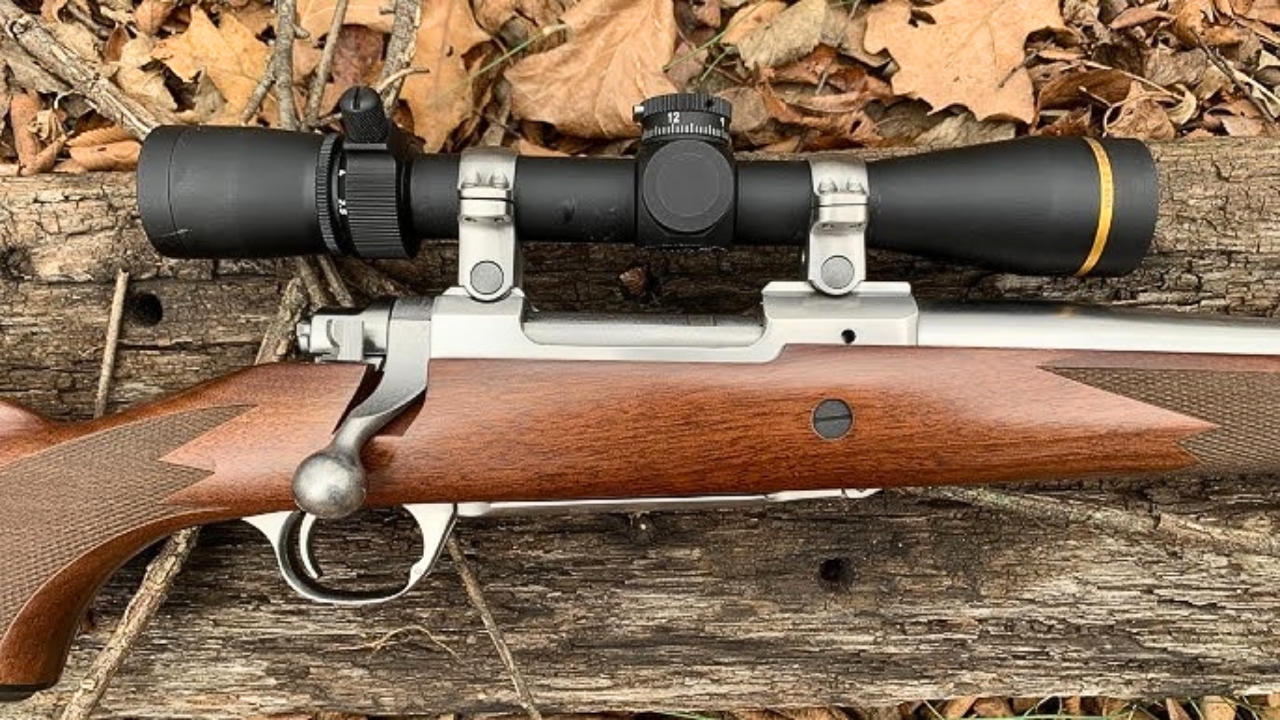
The Hawkeye isn’t the lightest rifle on the rack, and it doesn’t win beauty contests for everyone. But it’s a “go hunting” gun. The action is stout, the safety is solid, and the whole rifle feels like it was built for bad weather.
When you’re bouncing around in a side-by-side or packing a ridge where your rifle is scraping rock more than you’d like, this is the kind of tool you want. Not glamorous. Just dependable.
11. Tikka T3x Lite

Plenty of rifles are accurate now, but Tikka made “out of the box accurate” feel normal. The bolt is smooth, the triggers are usually clean, and the rifles don’t need a bunch of tinkering to perform.
Here’s the trade: they can feel a little plain, and the lightweight versions can be snappy in hard-kicking calibers. But as a walk-all-day deer rifle that simply prints where it should, it’s tough to argue against.
12. Savage Model 110
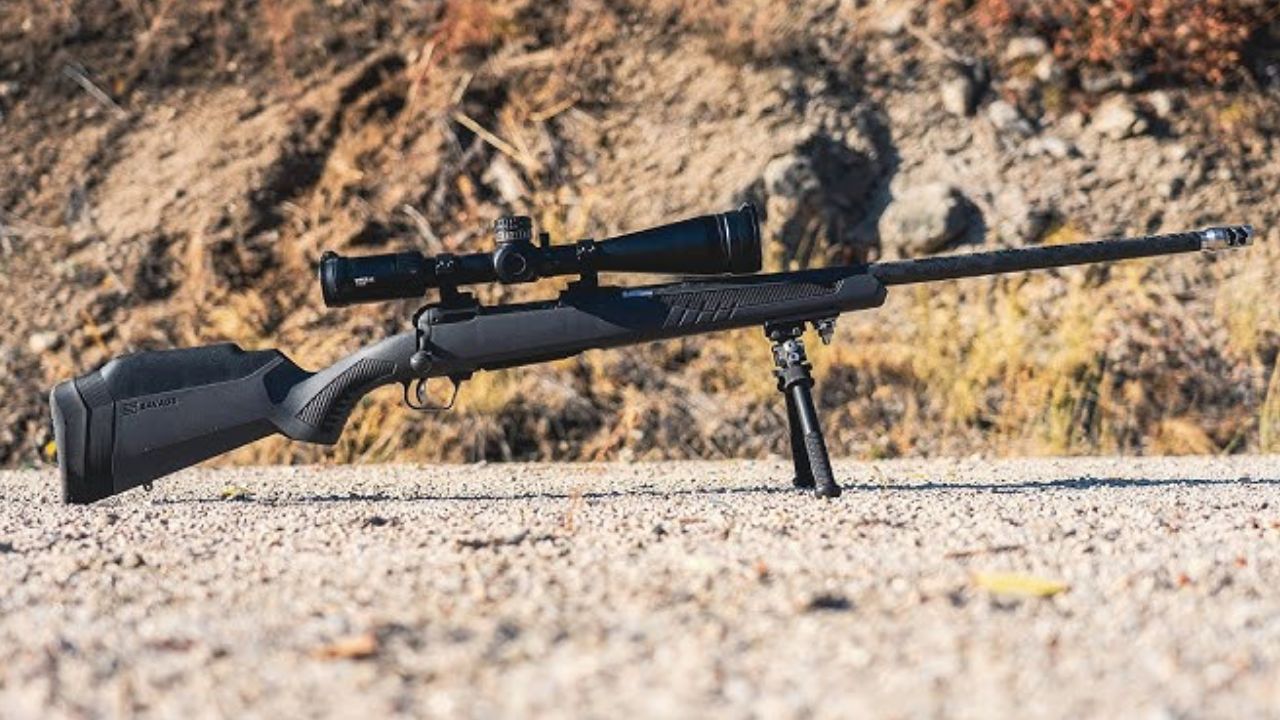
The Model 110 has probably killed more deer than some brands have sold rifles. It’s not always pretty. The lines can be awkward. The finish might not make you stare at it in the safe.
Then you shoot it. A good 110 will hold its own, and the barrel nut system has kept a lot of older rifles relevant. Guys don’t brag about them. They just keep them because they work.
13. Marlin 336 (older JM-stamped rifles)
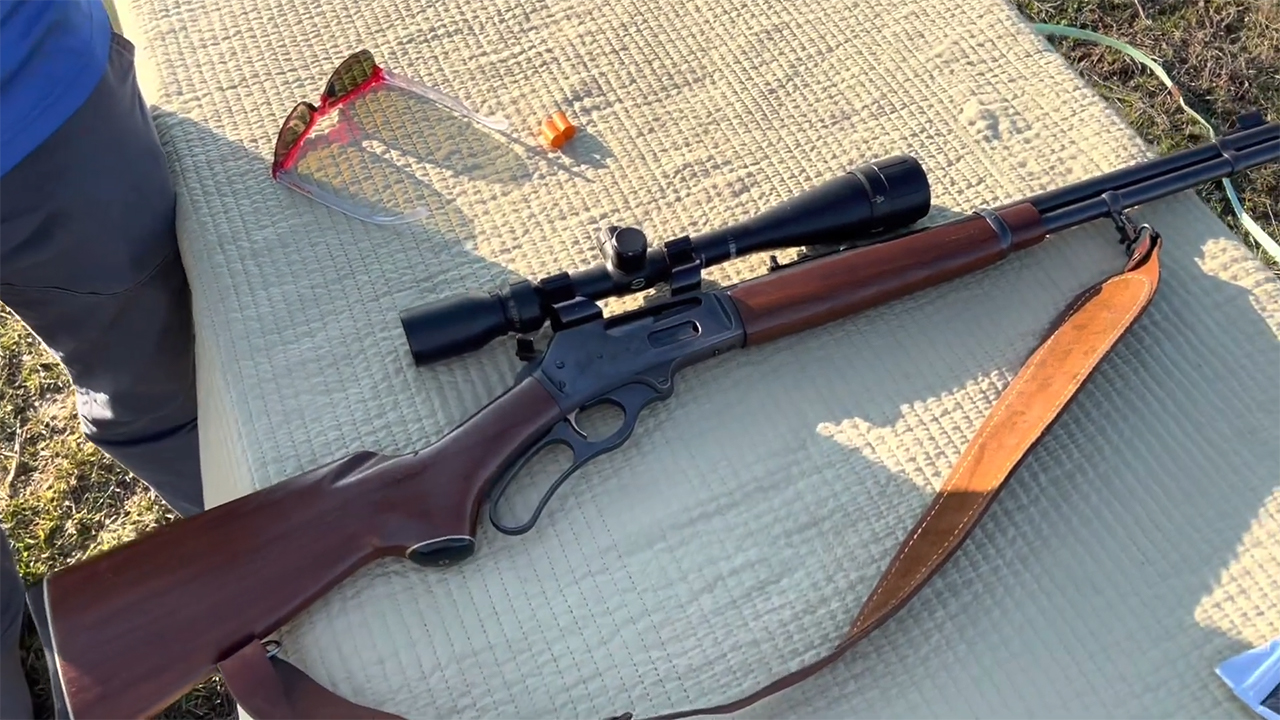
If you’ve carried a lever gun through thick stuff, you know why the 336 has a following. It carries flat, points quick, and makes sense in timber where shots are close and fast decisions matter.
The older rifles have a feel that’s hard to copy. That smooth lever throw and the way they balance is what makes a guy hang onto one without talking about it much.
14. Winchester Model 94

The Model 94 is not a benchrest rifle. It’s not supposed to be. It’s a saddle gun that became a deer gun and then became part of the culture.
What keeps it on the quiet list is how easy it is to live with. Slim, light, quick. In the right woods, it’s still one of the most practical rifles you can carry.
15. Ruger Mini-14 Ranch Rifle
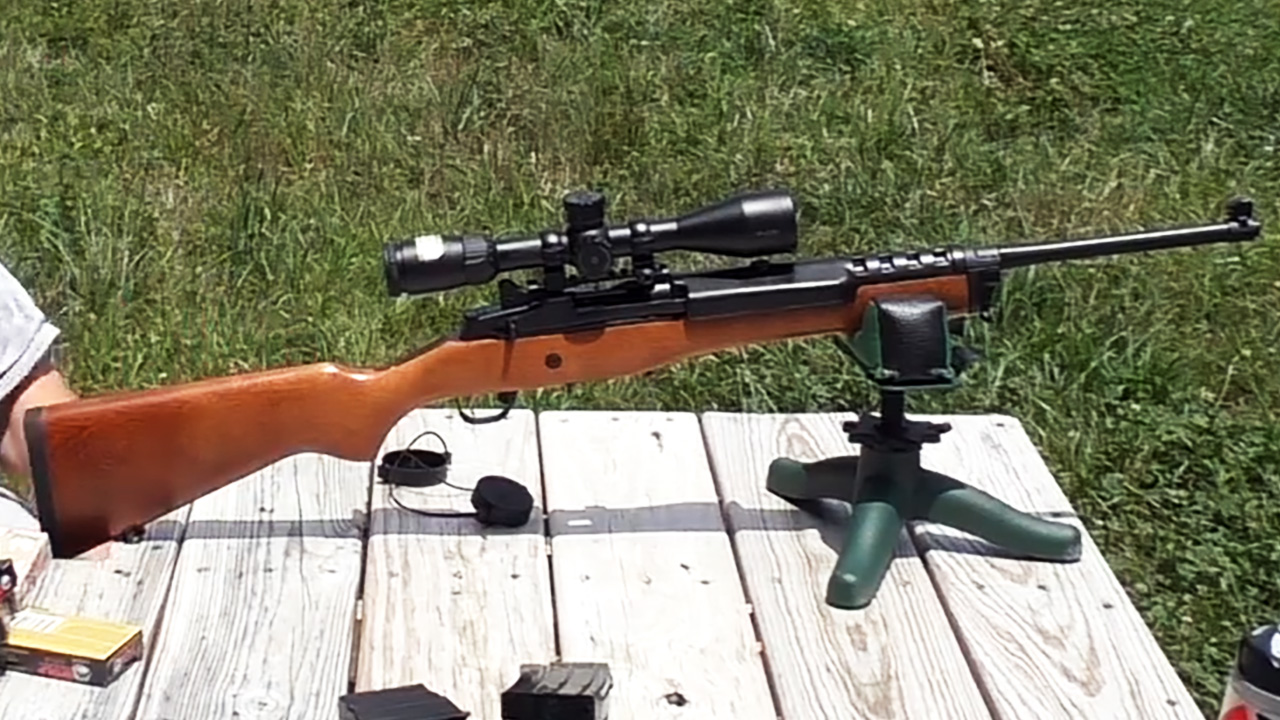
The Mini-14 doesn’t get the online love that the AR gets, and that’s fine. In the real world, it’s handy. It rides in a truck well, it doesn’t scream for attention, and it points like a traditional rifle.
Magazines used to be the headache, but that situation is a lot better than it once was if you stick to quality mags. It’s not a precision rig. It’s a “walk out to the pasture and handle business” rifle.
16. Colt AR-15A2 Sporter (or similar “old school” Colt)
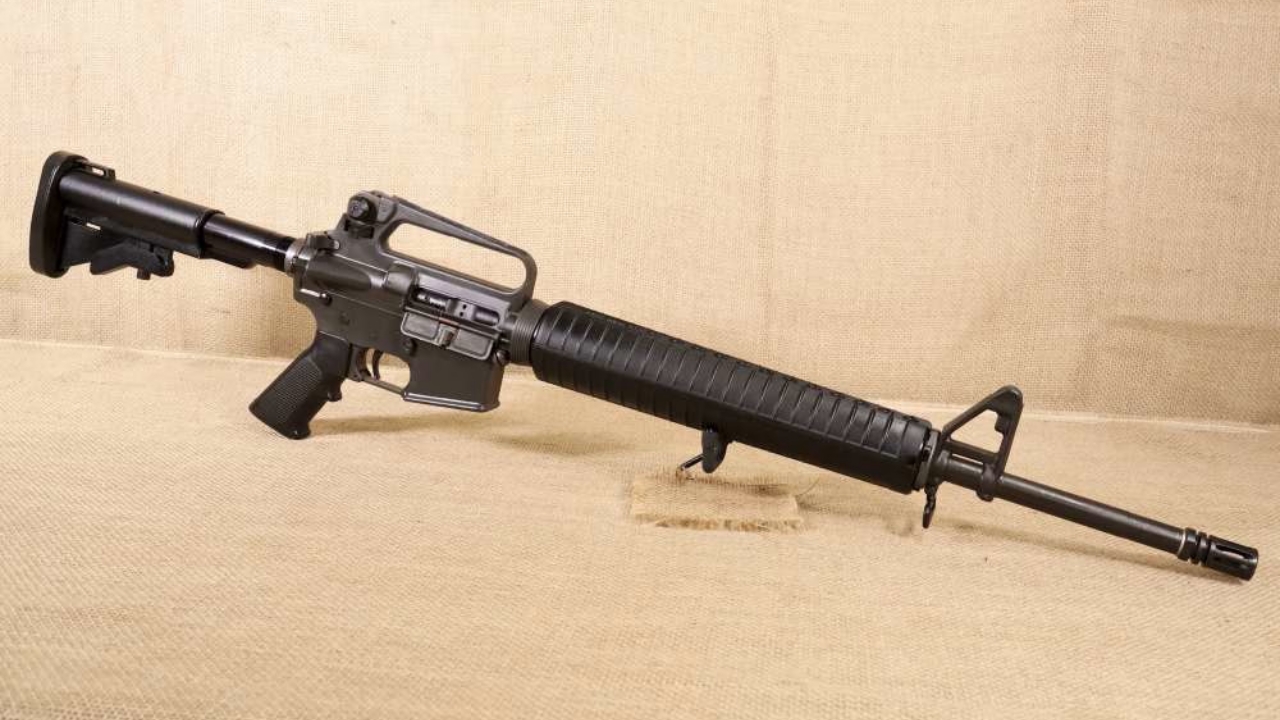
There are a million ARs out there, but the older Colts have a feel that’s hard to explain until you’ve handled one that hasn’t been messed with. The fit, the finish, the way the pins and controls feel—simple stuff that adds up.
They’re not always configured the way modern folks want, and that’s exactly why they’re quietly kept. They’re reliable, familiar, and there’s value in owning one AR that’s just right and left alone.
17. Glock 19 (Gen 3 or Gen 5)
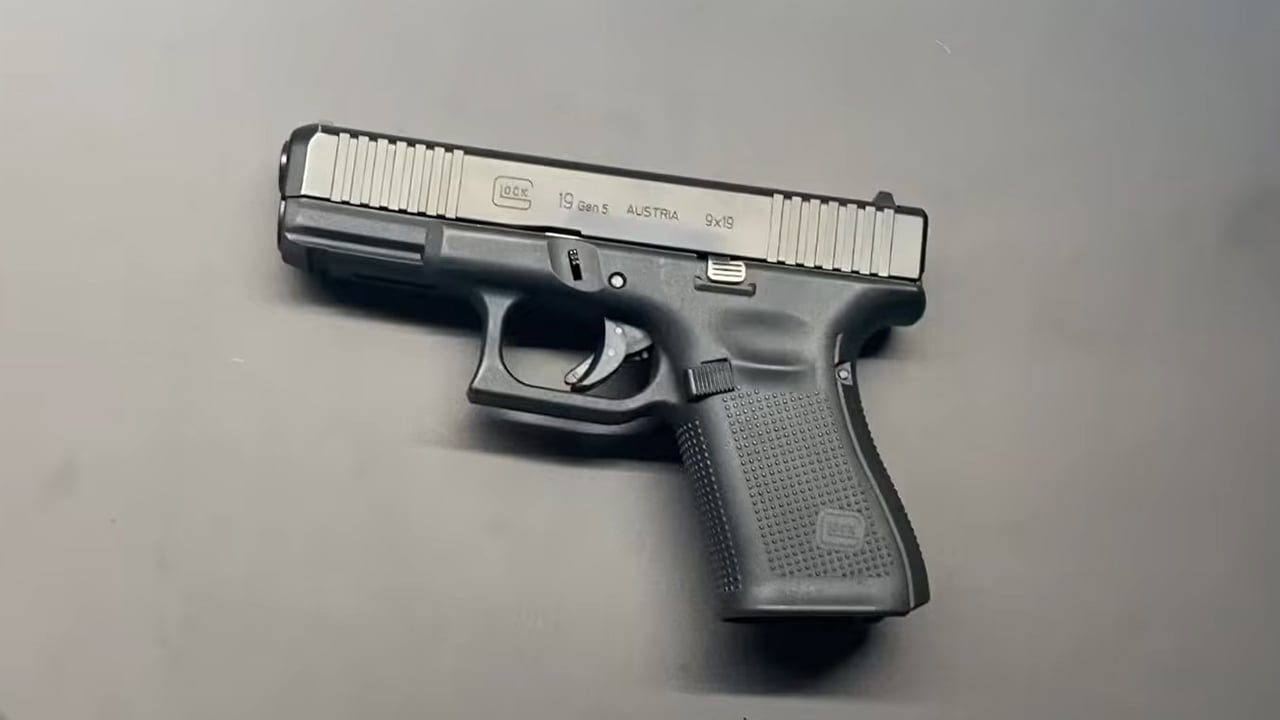
The Glock 19 is the handgun version of a good pocketknife. Nobody should have to justify it. It’s easy to carry, easy to shoot, magazines are everywhere, and it keeps working when it’s sweaty, dusty, and ignored longer than it should be.
It’s also the gun that gets loaned to a trusted family member for a class, or rides in a center console on a long trip (secured safely, of course). A lot of folks try to “upgrade” away from it and end up right back where they started.
18. Smith & Wesson Model 642
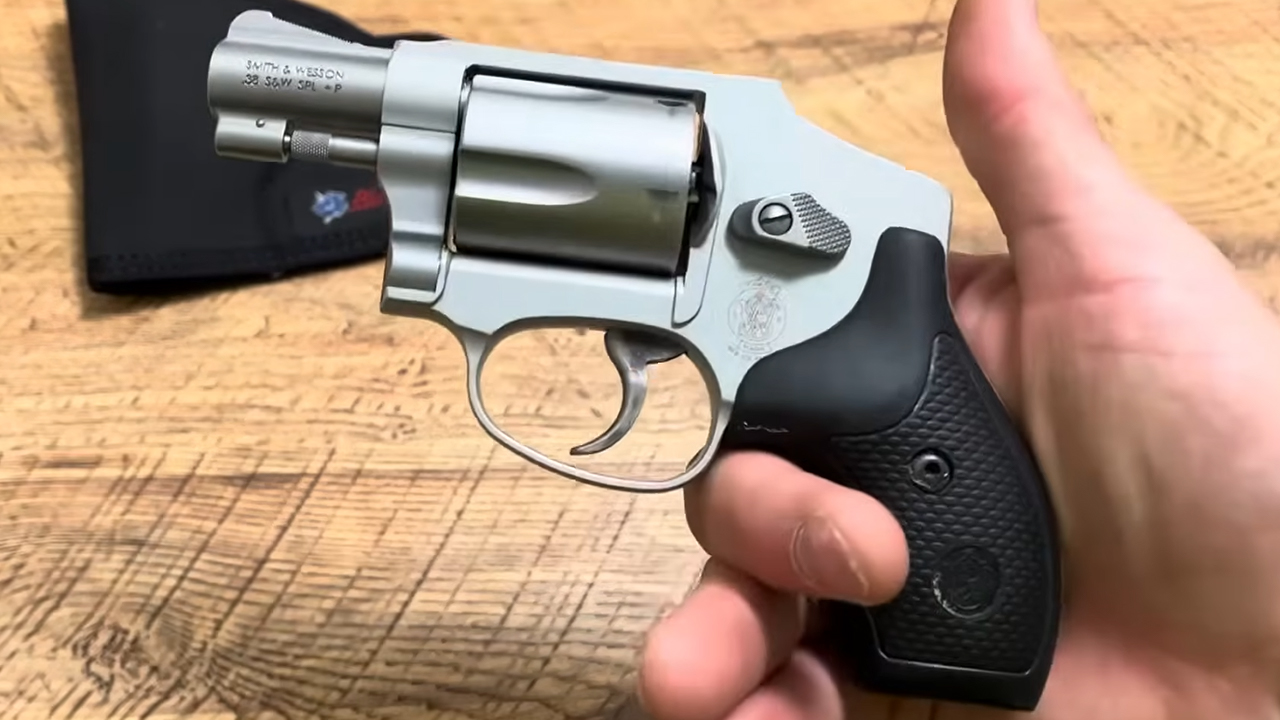
A lightweight snub-nose isn’t fun at the range, and the 642 doesn’t pretend otherwise. But it disappears in a pocket, works from awkward positions, and doesn’t care if you didn’t clean it last weekend.
For an outdoorsman, it’s a legit “always” gun—something that’s there when you’re checking fence, running to town, or stepping out to see what set the dogs off. Not glamorous. Just present.
19. Ruger GP100 (4-inch)

The GP100 is the revolver you buy when you’re tired of delicate. It’s stout, it soaks up recoil, and it’ll shoot .38s all day without beating you up, then handle full-power loads when you want it to.
It’s heavy for carry, no doubt. But as a trail gun, a camp gun, or a “by the door” revolver that gets shot enough to stay familiar, it’s hard to beat. The weight is the feature, not the bug.
20. Henry Big Boy Steel .357 Magnum

A .357 lever gun is one of those tools you don’t fully appreciate until you’ve used one for a season. It’s handy around a place, it’s pleasant to shoot, and it hits harder than folks think with the right loads.
The Big Boy Steel isn’t the lightest lever gun, but it feels solid and it cycles smooth. Pairing it with a .357 revolver is a classic move for a reason. It’s not a social media rifle. It’s an “every fall and most winters” rifle.
None of these are magic, and you don’t need all of them. But if you’ve been around serious hunters and rural folks long enough, you notice a pattern: the guns that get talked about the least are often the ones that actually get used the most. They’re kept quiet because they’re settled in. And once a gun earns that kind of trust, a smart outdoorsman stops advertising it and just keeps it close.
Like The Avid Outdoorsman’s content? Be sure to follow us.
Here’s more from us: