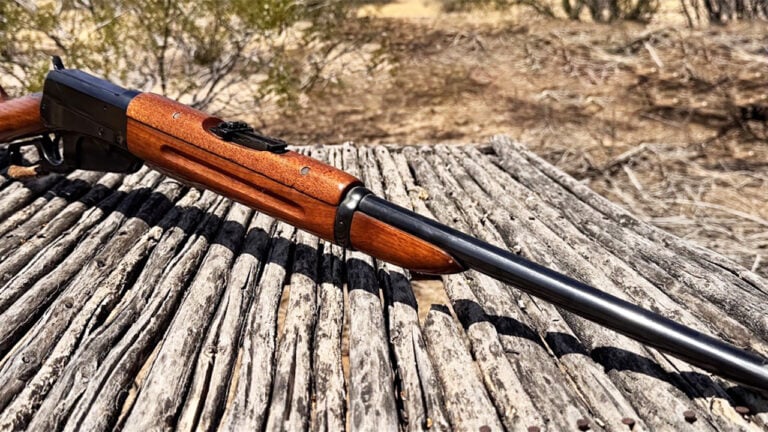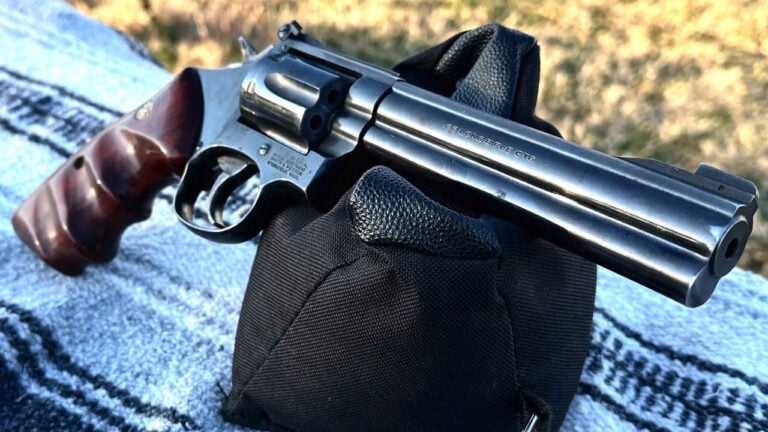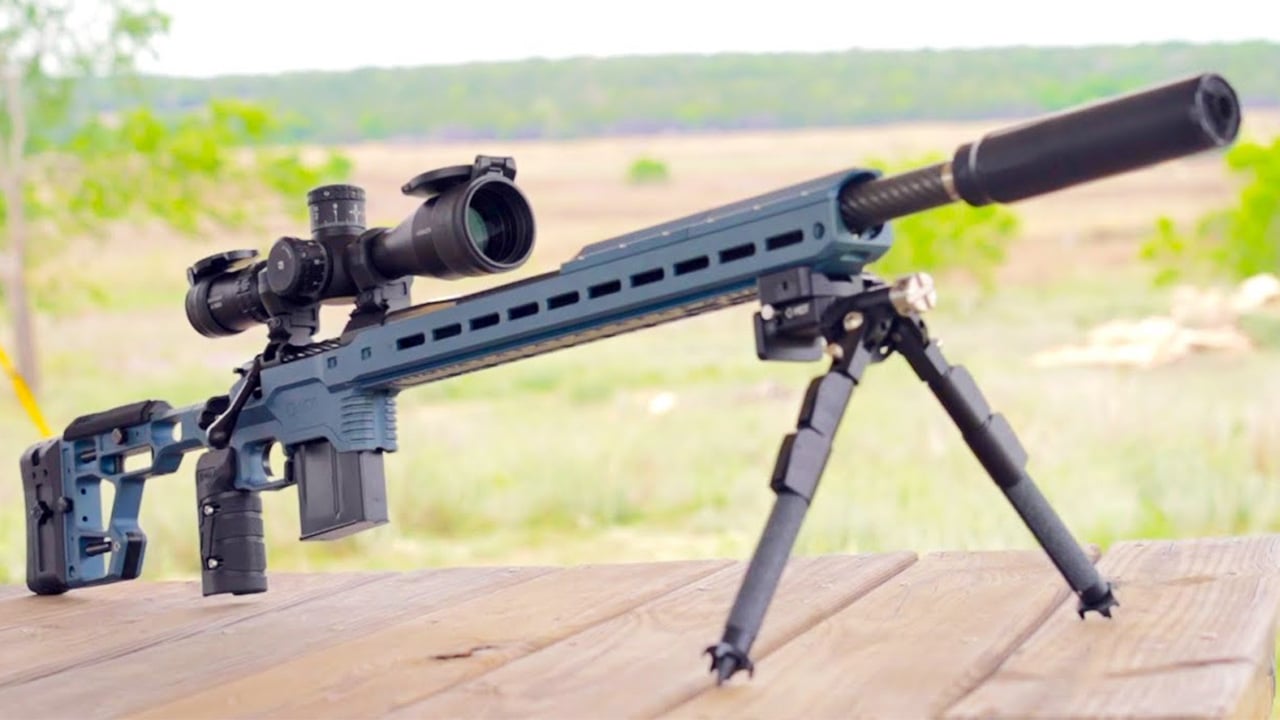
Photo credit: Texas Plinking/Youtube
Every year about this time, the used racks get crowded and the classifieds start looking like a yard sale. Guys are “thinning the herd,” paying for tags, paying for tires, paying for life. I get it. But the rifle market has gotten weird: some stuff sits forever, other stuff disappears overnight, and the replacement cost on a handful of rifles has gotten downright painful.
So here are 20 rifles I’d think twice about letting go of when the market gets harder to read. Not because they’re all collectibles, and not because they’re all perfect. Mostly because they still do real work, and you don’t always know what you had until you try to buy it back.
1. Ruger American Rifle (Gen 1)

The original Ruger American isn’t fancy and it never was. The stock feels hollow, the bolt can sound like it’s full of gravel, and nobody is bragging about the finish. But they flat-out shoot, and they feed and extract like a hunting rifle is supposed to.
When money gets tight, these are the first to hit the chopping block because they don’t have “soul.” Then a guy goes shopping for another no-nonsense deer rifle and realizes even basic rifles cost more than they did. If yours groups and you know where it hits with your hunting load, that’s worth more than pride.
2. Savage Axis (original Axis, not the newer variants)
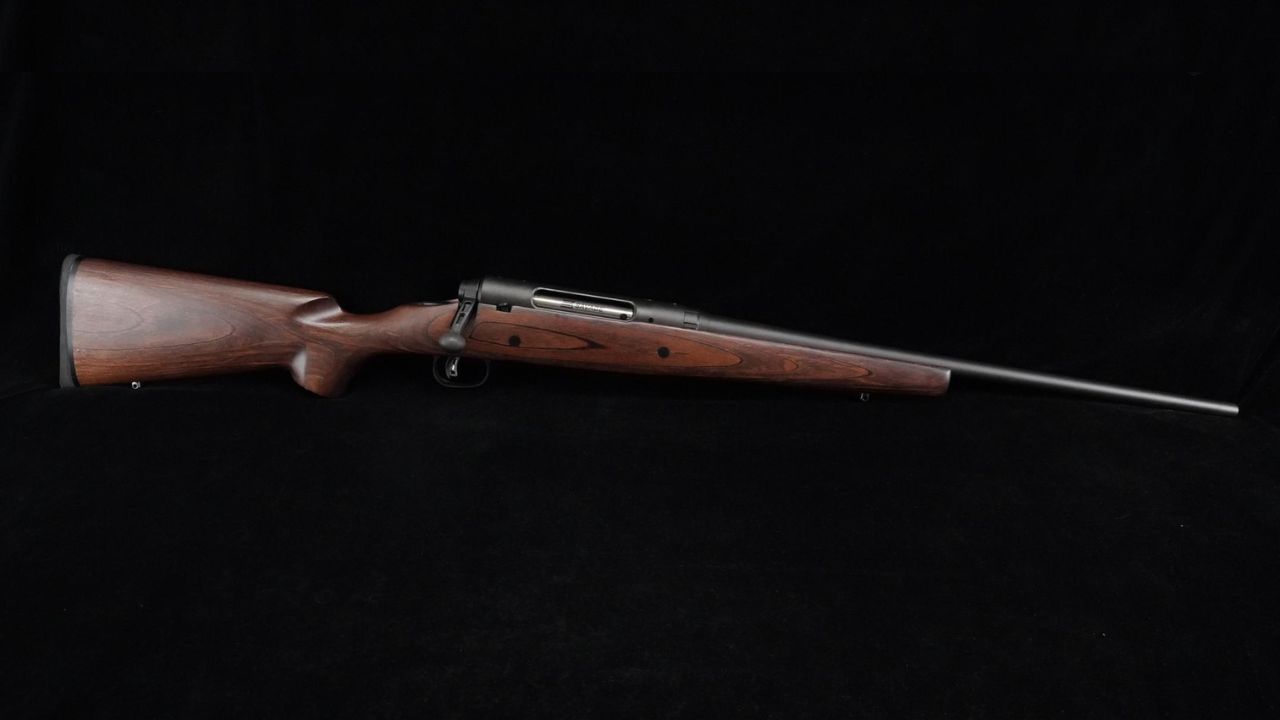
The Axis has been the punchline rifle for years, mostly because of the plastic feel and that utilitarian look. Still, plenty of them will stack three shots tighter than rifles that cost twice as much. The simple action is easy to live with, and they tend to run in the cold and wet without drama.
I’ve watched guys sell one after buying a “better” rifle, only to find out the better rifle is pickier with ammo or hates being banged around in a truck. The Axis isn’t glamorous, but it’s a dependable tool. Tools you trust are hard to replace.
3. Marlin Model 336 (JM-stamped)

Ask any pawn shop owner what walks out the door fast and it’s usually a good lever gun. A clean JM-stamped 336 is one of those rifles that makes sense on a saddle scabbard, behind a kitchen door, or in a deer stand. They carry flat, point quick, and don’t need a whole lot of explanation.
Yes, they’ve gotten expensive. That’s exactly why selling one on a whim tends to sting later. If it cycles smooth and shoots straight, you’re sitting on a rifle you can hand down without apologizing for it.
4. Winchester Model 94 (pre-64 or older angle-eject models)
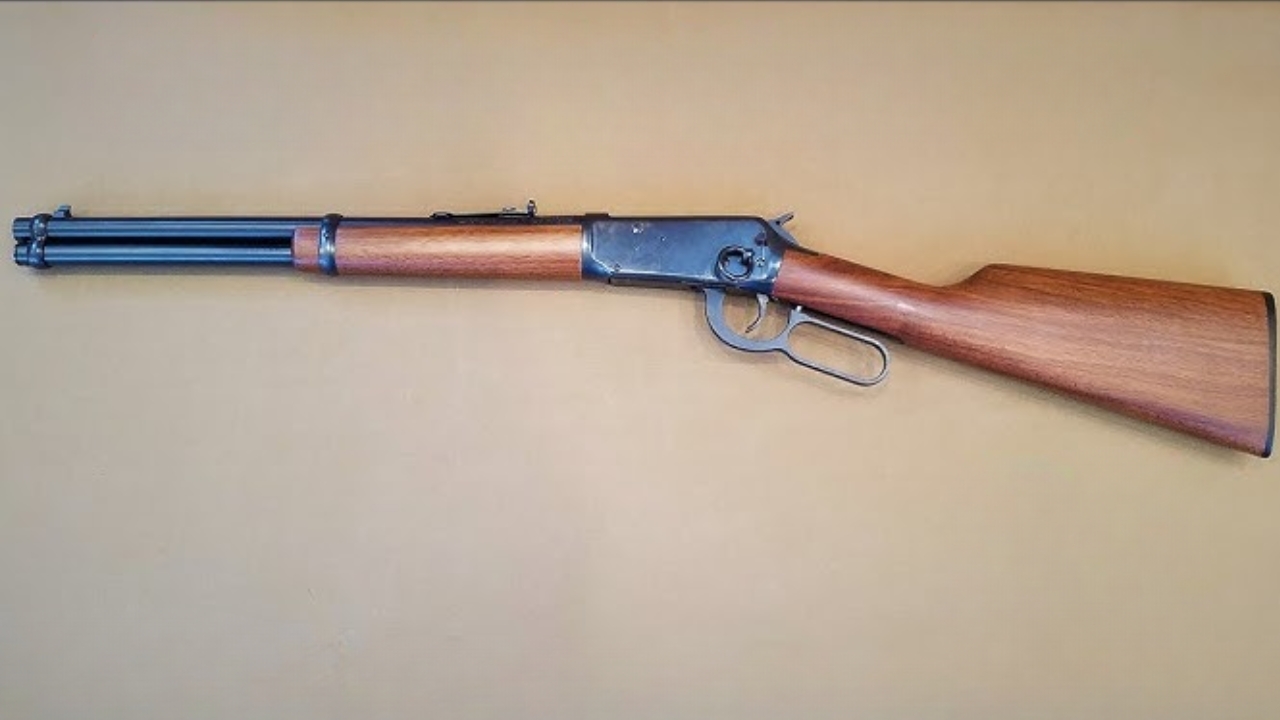
The Model 94 is another one that’s easy to underestimate until you spend a season in thick cover. It’s light, it balances right between the hands, and it comes up like a bird gun. You can call it “old tech,” but old tech has killed a mountain of venison.
These get sold when folks decide they’re “switching to a scope rifle” or “going modern.” Then they learn modern isn’t always lighter or handier. A good 94 is a lifetime rifle if you keep it clean and don’t abuse it.
5. CZ 457 (any of the standard sporter variants)
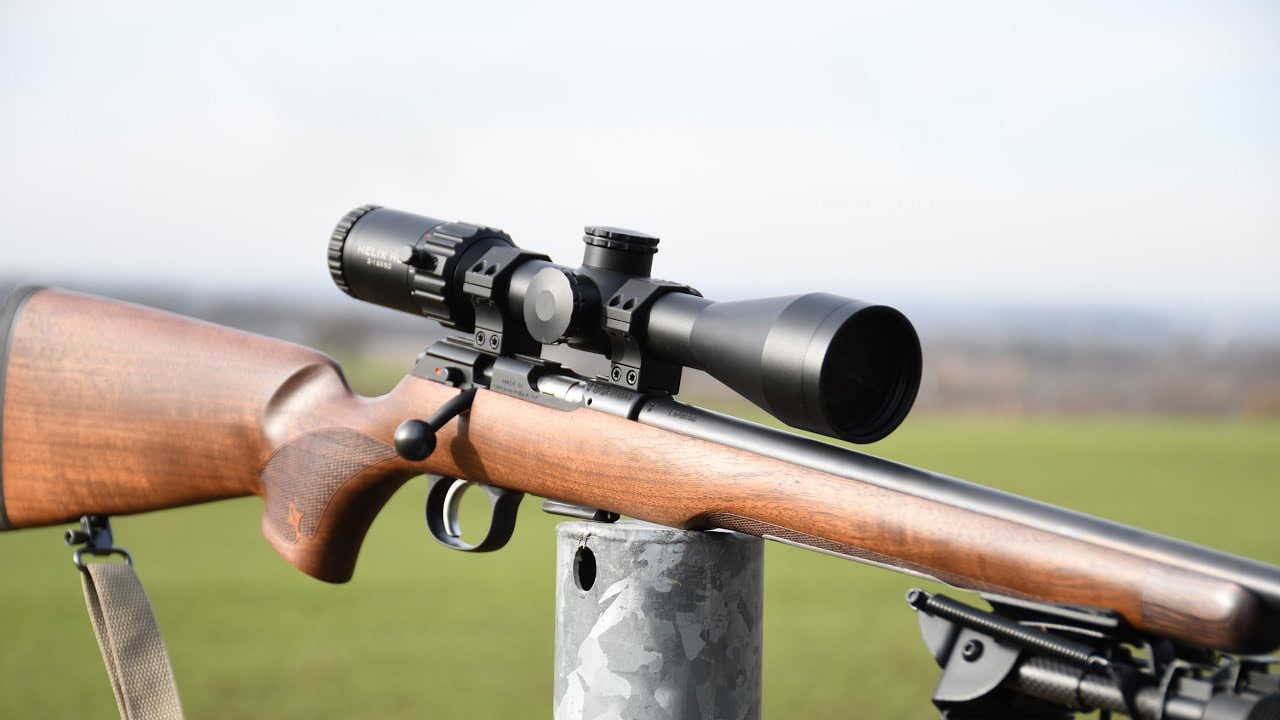
If you own a CZ 457 that shoots, you already know the problem: everything else feels a little cheap afterward. The bolt lift is slick, the triggers tend to be excellent, and the rifles just have that “right” feeling that makes you want to practice.
Guys sell .22s because they “don’t use them enough.” Then ammo prices wobble, centerfire range trips get expensive, and suddenly the .22 becomes the most-shot rifle you own. A good 457 is a keep-forever small-game and training rig.
6. Ruger 10/22 Carbine (basic wood or synthetic)
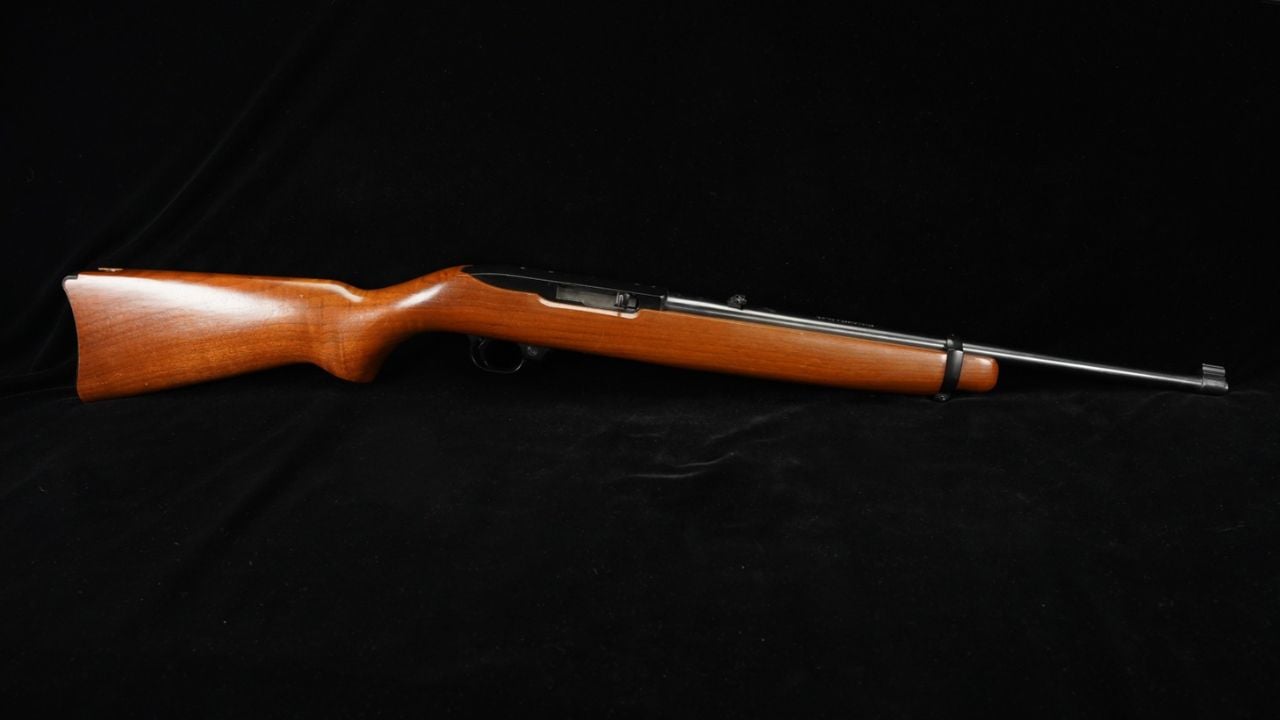
The 10/22 is so common it’s easy to treat it like it’s disposable. That’s a mistake. Magazines are everywhere, parts are everywhere, and it’s one of the few rifles you can keep running basically forever without hunting down weird proprietary stuff.
I’ve seen more than one family regret selling the “kid rifle” because it wasn’t getting used for a year or two. Then the next kid grows into it, or you get back into squirrels, or you just want something quiet and cheap to shoot. Nothing fancy about it, and that’s kind of the point.
7. Remington 700 (older ADL/BDL hunting rifles)

The Remington 700 conversation always gets loud, and I’m not here to re-litigate the internet. I’m talking about the older hunting rifles that have been carried, rained on, and still put bullets where they’re supposed to go. They balance well, stocks fit a lot of folks, and the actions are familiar to every gunsmith on the planet.
When you sell one, you’re not just selling the rifle. You’re selling a platform with endless parts support and easy scope mounting. If yours has been reliable and you’ve got a load it likes, it may not be the smartest “cash quick” move.
8. Winchester Model 70 (controlled-round feed classics)

A good Model 70 has a feel that’s hard to fake. Controlled-round feed isn’t magic, but it’s comforting when you’re hunting in miserable weather and you’re cycling the bolt with gloves on. The safety is positive, and the rifles tend to carry like a real hunting rifle should.
These are the kind of rifles that get sold to fund something trendy. Then you shoulder the trendy rifle and wonder why it feels like a fence post. If the Model 70 fits you, keep it.
9. Ruger M77 Hawkeye (or older tang-safety M77s)
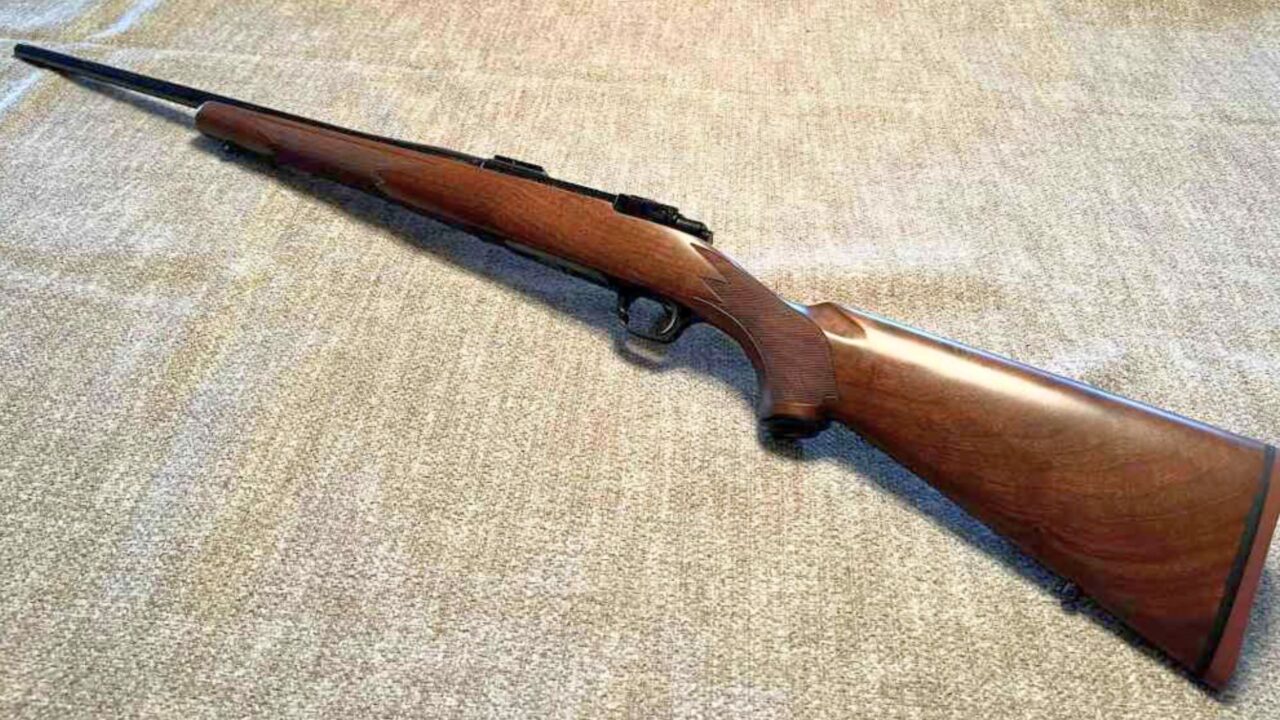
The M77s don’t always win beauty contests, and some are heavier than folks want. But they’re tough. They’re the kind of rifle that tolerates being bounced around in a UTV, leaned in a corner, and hunted hard without the owner babying it.
Tang-safety versions have their own following, and Hawkeyes have a solid reputation as field rifles. When the market gets uncertain, sturdy rifles with simple support systems make more sense than ever.
10. Tikka T3/T3x (standard hunting models)

Tikkas are boring in the best way. The bolt is smooth, the magazines work, and the rifles tend to shoot accurately with a wide range of factory ammo. That matters when you don’t want to gamble on boutique loads every season.
I get why a guy sells one: it doesn’t feel “American,” it’s not flashy, and it’s not heavy. Then he buys something else and realizes he misses the no-drama nature of a Tikka. If yours is dialed in, it’s a hard one to improve on for real hunting.
11. Browning X-Bolt (Hunter or Stalker models)

The X-Bolt is one of those rifles that quietly does everything right. The safety is sensible, the detachable magazine system is handy in the field, and they tend to carry well. They also hold their accuracy over time if you’re not doing anything crazy with them.
They get sold because they aren’t the “cool” pick online. Then you go to replace it and realize Browning pricing doesn’t trend downward. If you’ve got an X-Bolt that shoots and fits, it’s a good anchor rifle for a hunting safe.
12. Bergara B-14 Ridge
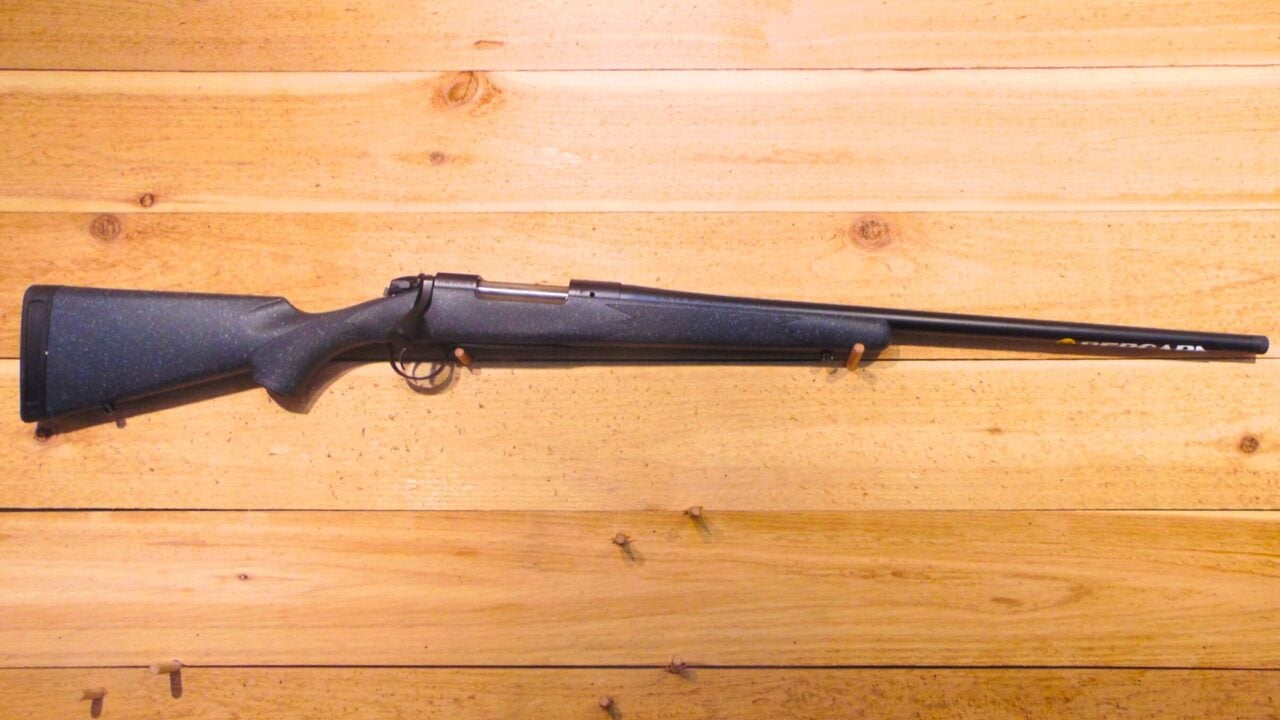
There’s a reason you see so many B-14s at ranges and camps now. They shoot, the actions feel good, and they’re built around a footprint that’s easy to support. If you’re a guy who wants one rifle that can hunt and also do a little steel shooting, the Ridge hits a sweet spot.
These get sold when someone wants to jump into a lighter mountain rifle or a full-on chassis rig. The Ridge is neither, and that’s the charm. It’s a sensible, middle-of-the-road rifle that actually works for most hunters.
13. Springfield Armory M1A (standard models)

The M1A isn’t the cheapest way into .308, and it’s not the most practical rifle for every job. But it’s one of those rifles that scratches an itch nothing else quite does. The feel of the action, the iron sights, the history—it all adds up.
When ammo is expensive and times get tight, these are often quick sales. Then the owner misses it, goes looking again, and realizes magazines and good models aren’t getting cheaper. If you’ve got one that runs, selling it should be a deliberate decision, not a panic move.
14. Ruger Mini-14 (Ranch Rifle)
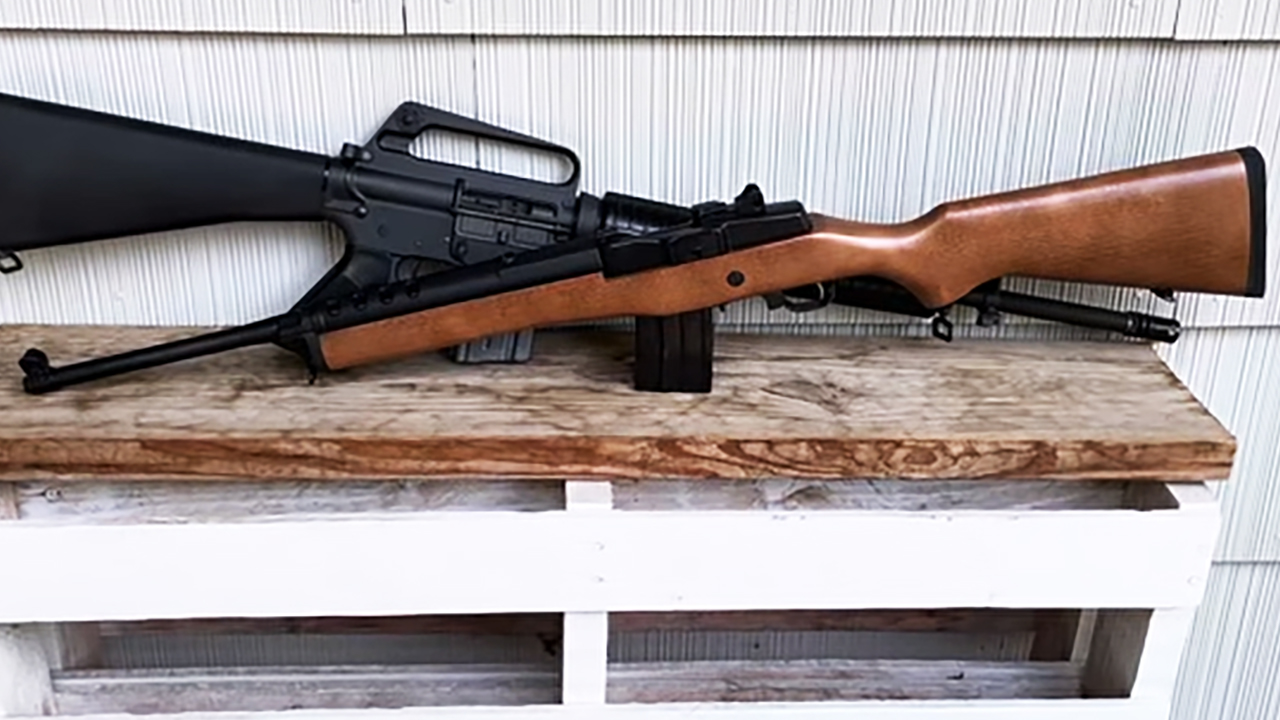
The Mini-14 is not a benchrest rifle, and nobody should pretend it is. What it is, though, is handy. It carries easy, points quick, and doesn’t scream for attention the way some rifles do. On a farm or around a trapline, that matters.
Factory magazines can be the sticking point, and that’s part of why selling one can be frustrating later. If you already have the right mags and the rifle is proven, you’re ahead of the game.
15. Colt AR-15A4 (or comparable Colt 6920 pattern rifles)
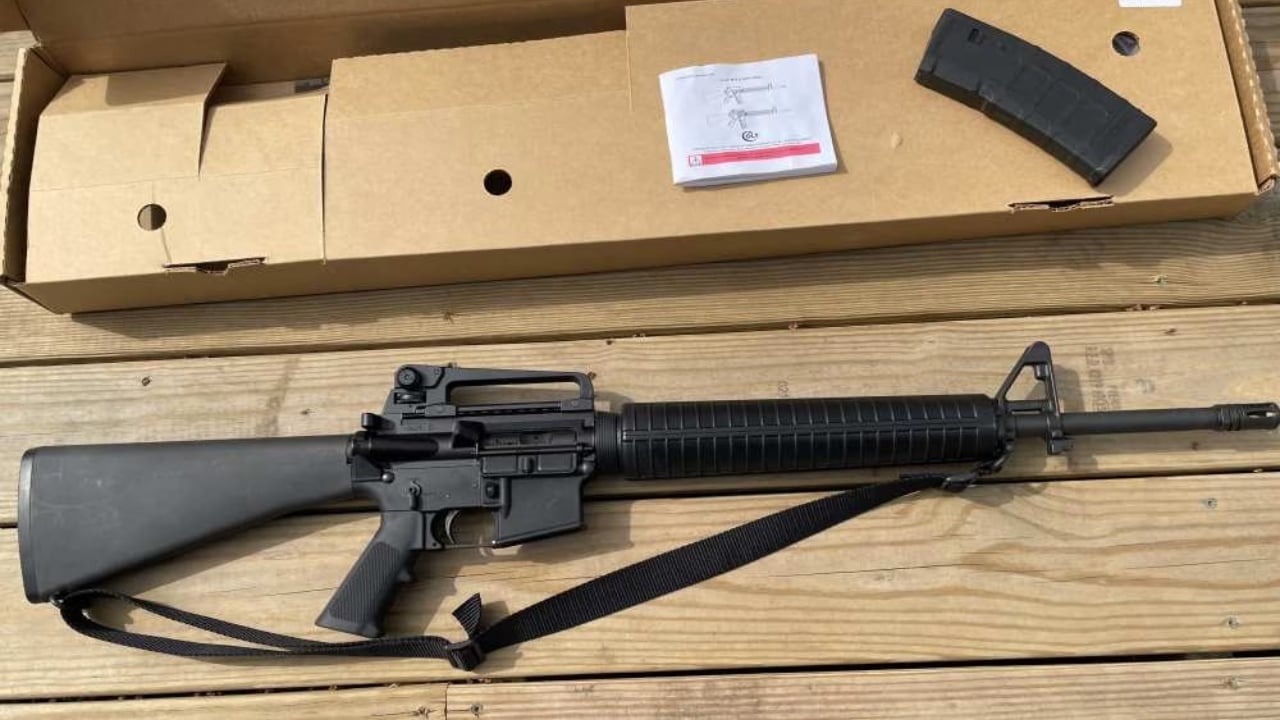
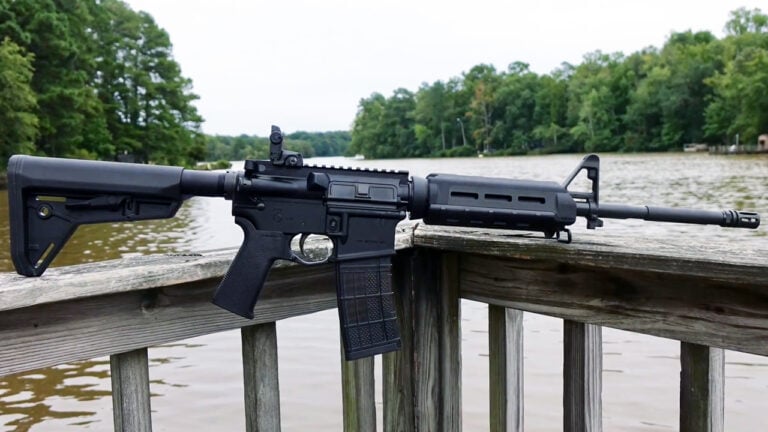
ARs come and go, brands come and go, and “the new hotness” changes every week. A solid Colt-built rifle is still a known quantity. It’s a baseline standard—reliable, parts-compatible, and easy to support with common accessories.
These are often sold because “ARs are everywhere.” True, but not all ARs are equal, and not all of them are assembled with the same care. If you have a Colt that runs clean and consistent, it’s a steady rifle to keep when the market gets choppy.
16. Daniel Defense DDM4 V7
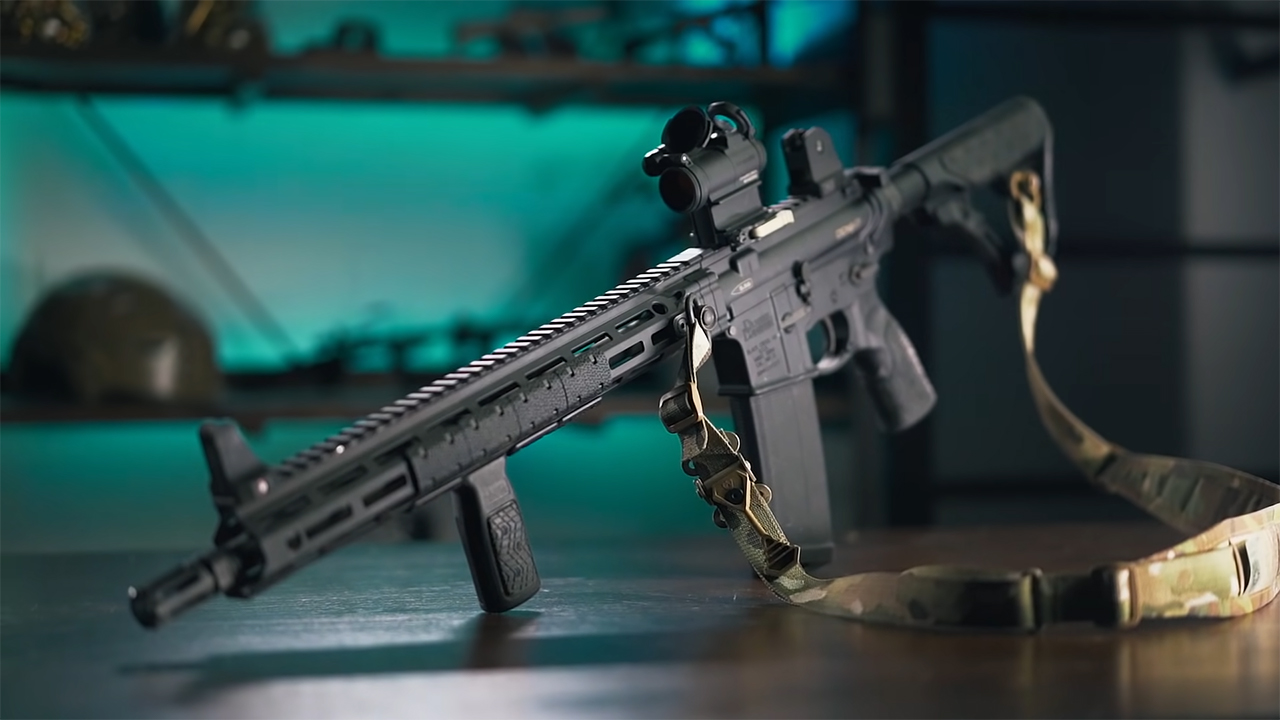
Daniel Defense rifles aren’t cheap, and that’s why they wind up on the sale block when bills show up. The problem is they also tend to be the kind of rifle that just works, and works hard. Good rails, good barrels, consistent assembly, and fewer little gremlins.
If you’re not drowning in ARs, selling your best one usually doesn’t make your life easier. It just leaves you with the “good enough” rifle you never liked as much.
17. BCM RECCE-16 (or similar BCM midlength rifles)
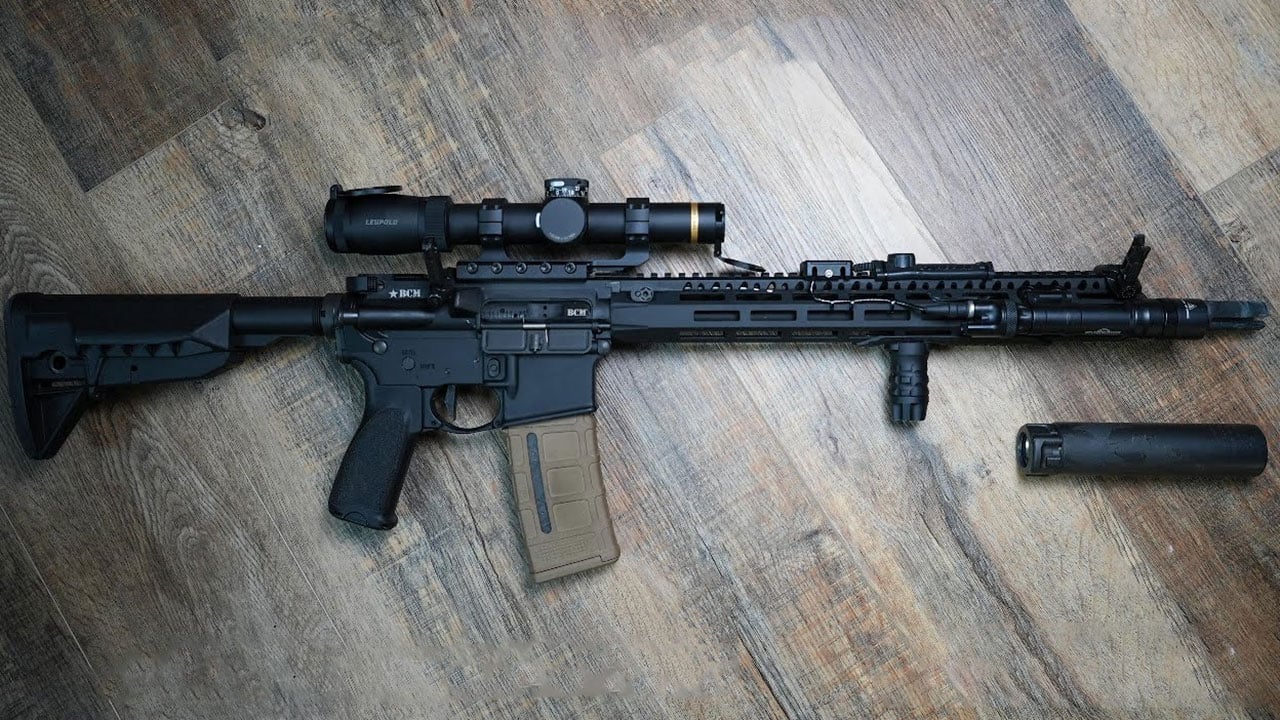
BCM has a reputation for a reason. Their rifles aren’t flashy. They’re built for folks who actually shoot, train, and expect a gun to behave. In a world full of bargain rifles assembled from who-knows-what, that steadiness is worth something.
When the market tightens up, quality rifles tend to separate from the pack. If you’ve got a BCM that’s already set up how you like it, you’ll spend more time and money trying to “save money” with a replacement.
18. Ruger Precision Rifle (6.5 Creedmoor models especially)
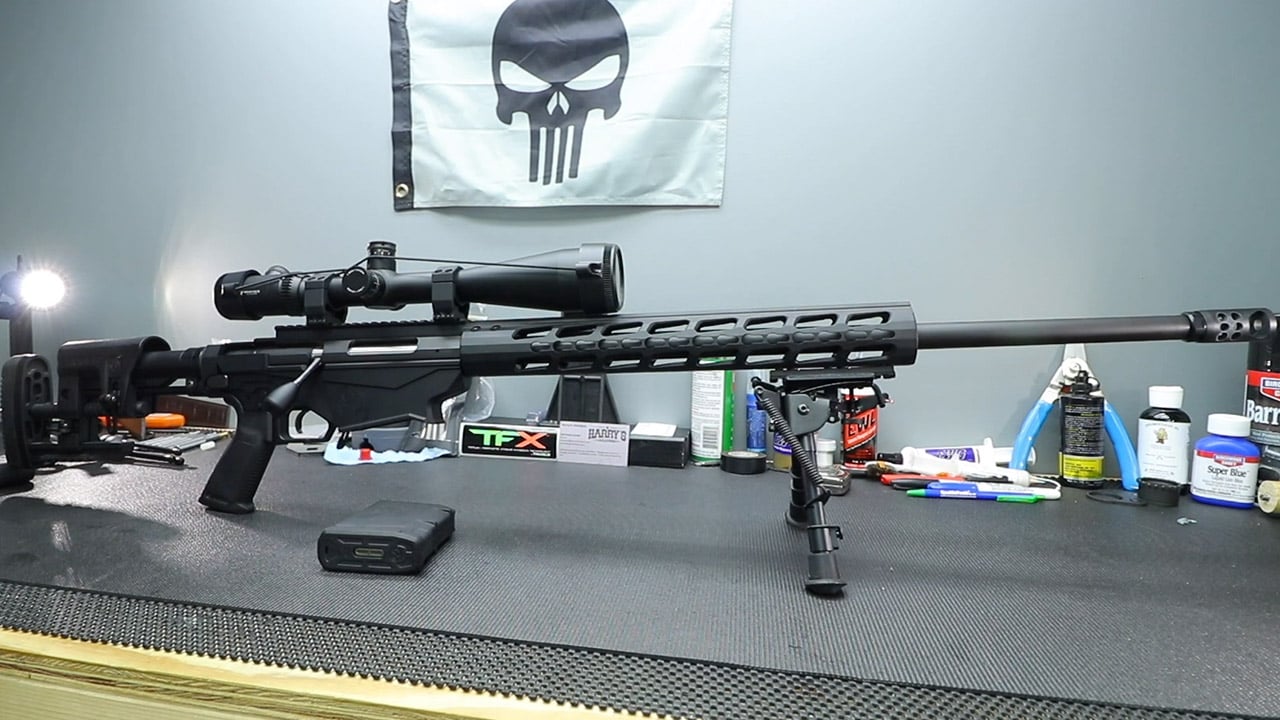
The RPR is heavy. It’s not a walk-all-day hunting rifle, and it’s not pretending to be. It’s a factory rifle that lets a normal guy get into long-range shooting without immediately needing a custom build. That accessibility is the whole deal.
Folks sell them because they bought it on a whim, shot it twice, and realized long range takes time and ammo. Fair. But if you’ve already got yours shooting well and you understand its dope, starting over later is a headache you don’t need.
19. Sako 85 (hunting configurations)
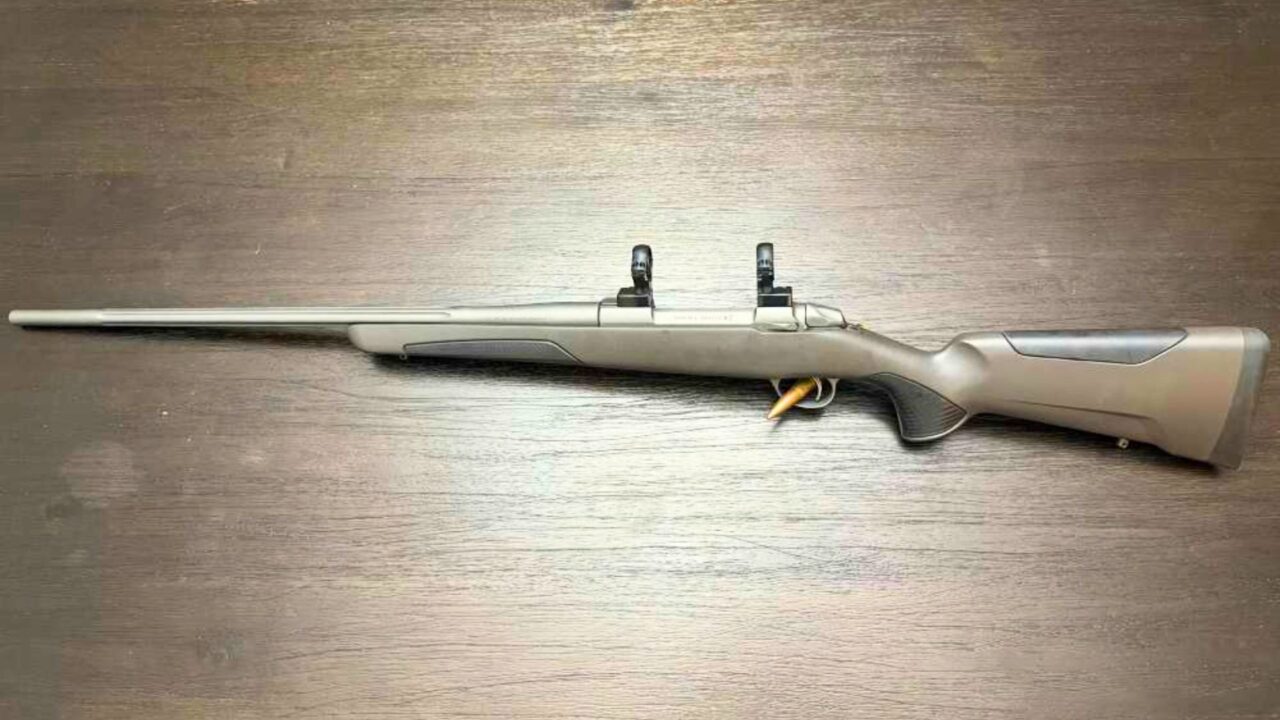
Sako rifles are not for everyone, mostly because of the price tag. But if you already own one, you know what you’ve got: excellent fit and finish, smooth feeding, and the kind of accuracy that makes field shooting feel easier. They’re rifles you can be proud of without them being “safe queens.”
These are often sold during a rough patch because they bring decent money. That one hurts later. When you go to replace a Sako, you realize you’re shopping in a world where “nice” got a lot more expensive.
20. Ruger No. 1 (any of the classic hunting chamberings)

A Ruger No. 1 isn’t practical in the modern sense. It’s a single shot. It’s longer than it looks. It’s quirky about loads sometimes. And yet, it carries like a dream and it has a feel that makes you slow down and shoot like you mean it.
These get sold when someone wants to “simplify” or move into something more tactical. Then they realize the No. 1 wasn’t really about tactics—it was about enjoying rifles. If you have one you like, letting it go is often a decision you replay in your head.
Nobody can keep every rifle forever, and sometimes selling is the right call. But when the market gets jumpy and prices don’t make sense, the smart move is holding onto the rifles that are proven, supported, and already set up for your real life. The stuff that actually gets carried, actually gets shot, and actually fills tags tends to be the hardest to replace when you miss it later.
Like The Avid Outdoorsman’s content? Subscribe to our newsletter so you never miss an article.
Here’s more from us: