Photo credit: Moultrie/Amazon.com
Prices and plan costs verified September 4, 2026. The Avid Outdoorsman is a Bass Pro Shops affiliate — if you buy through a link on this page we earn a small commission at no extra cost to you. It doesn’t change what we recommend, and you’ll notice we tell you to skip a few of these.
Most cellular trail camera reviews compare the wrong thing. They line up trigger speeds and megapixels, hand you a winner, and never mention that the $10-a-month plan attached to that camera will cost you more than the camera did before the third season is over.
So here’s the short version, and then the long one.
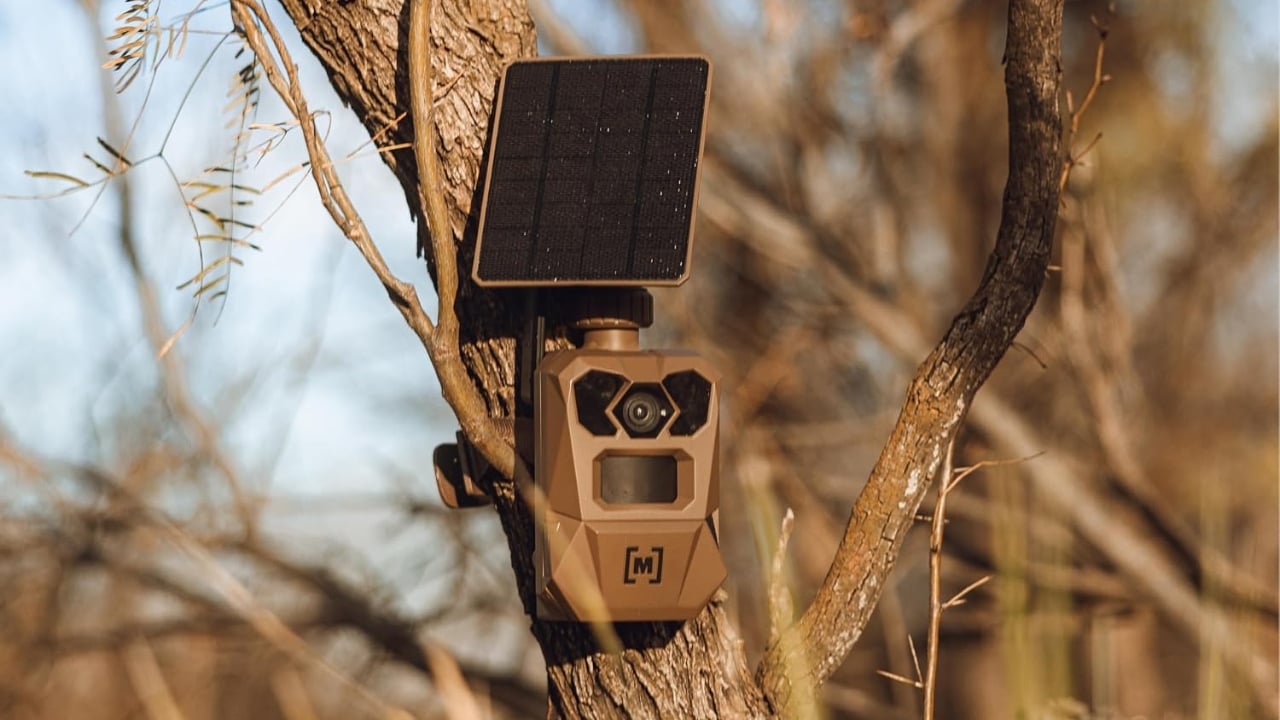
If you’re hanging one to four cameras and you want to stop thinking about it: the Moultrie Edge 4 Solar ($169.99) is the one to buy. The solar panel is the difference — it’s the reason you stop making trips to swap batteries during the exact weeks you shouldn’t be walking through your spots.
If you’re running five or more cameras, buy Tactacam Reveal Pro 4.0s ($159.99) instead, and it isn’t close. Tactacam bills per account, not per camera. Everyone else bills per camera. Across eight cameras that’s the difference between roughly $60 a year and roughly $960.
Everything below explains why, plus five more cameras worth your money and two situations where you shouldn’t buy a cell cam at all.
How we picked
A note on what we’ve actually run. We’ve had cameras in the woods for years, and where we’ve personally run a model long enough to have an opinion, we say so and show our own photos. Where we haven’t, we say that too, and we lean on published testing — primarily Field & Stream’s 2026 cellular trail camera testing — plus consistent patterns in owner reports. We’d rather tell you where the line is than pretend we’ve hung every camera on this page.
The criteria that made the cut, in the order they actually matter:
- Total three-year cost, camera plus plan. This is the number nobody publishes and it changes the answer completely.
- Power system. Battery-eaters cost you trips into your hunting area, which costs you deer.
- Trigger speed and detection range, because a camera that catches the back half of a buck at 40 yards is a camera that taught you nothing.
- Antenna and connection reliability. A camera that can’t send is an expensive SD card holder.
- Night image quality, specifically whether you can tell two similar bucks apart at 2 a.m.
Megapixel counts didn’t factor in. Every camera here interpolates, and every one of them produces images that get compressed on the way to your phone anyway.
The three-year cost nobody shows you
This is the table to read before the reviews. Camera price plus 36 months of the entry-level plan, for a single camera:
| Camera | Camera price | Plan (entry) | 3-year total |
|---|---|---|---|
| Spypoint Flex-M2 | $79.99 | Free tier: 100 photos/mo | $80 (free tier) |
| Spypoint Flex-M2 | $79.99 | ~$10/mo per camera | $440 |
| Tactacam Reveal Pro 4.0 | $159.99 | From ~$5/mo, per account | $340 |
| Stealth Cam Deceptor Max 3.0 | $119.99 | ~$10/mo per camera | $480 |
| Moultrie Edge 4 Solar | $169.99 | $9.99/mo per camera | $530 |
| Browning Defender Pro Scout MAX | $179.99 | Varies by plan | ~$540 |
| Covert Interceptor Solar | $219.99 | ~$10/mo per camera | $580 |
Two things fall out of that table immediately.
One: the plan is the purchase. On a three-year horizon the subscription is two to five times the sticker price. Choosing a camera on its $40 price difference while ignoring a $5-a-month plan difference is backwards.
Two: the per-account versus per-camera distinction is the biggest lever on this entire page, and it only gets bigger the more cameras you hang. Run the same table at eight cameras and Tactacam’s advantage goes from a couple hundred dollars to most of a rifle.
Best overall: Moultrie Edge 4 Solar — $169.99
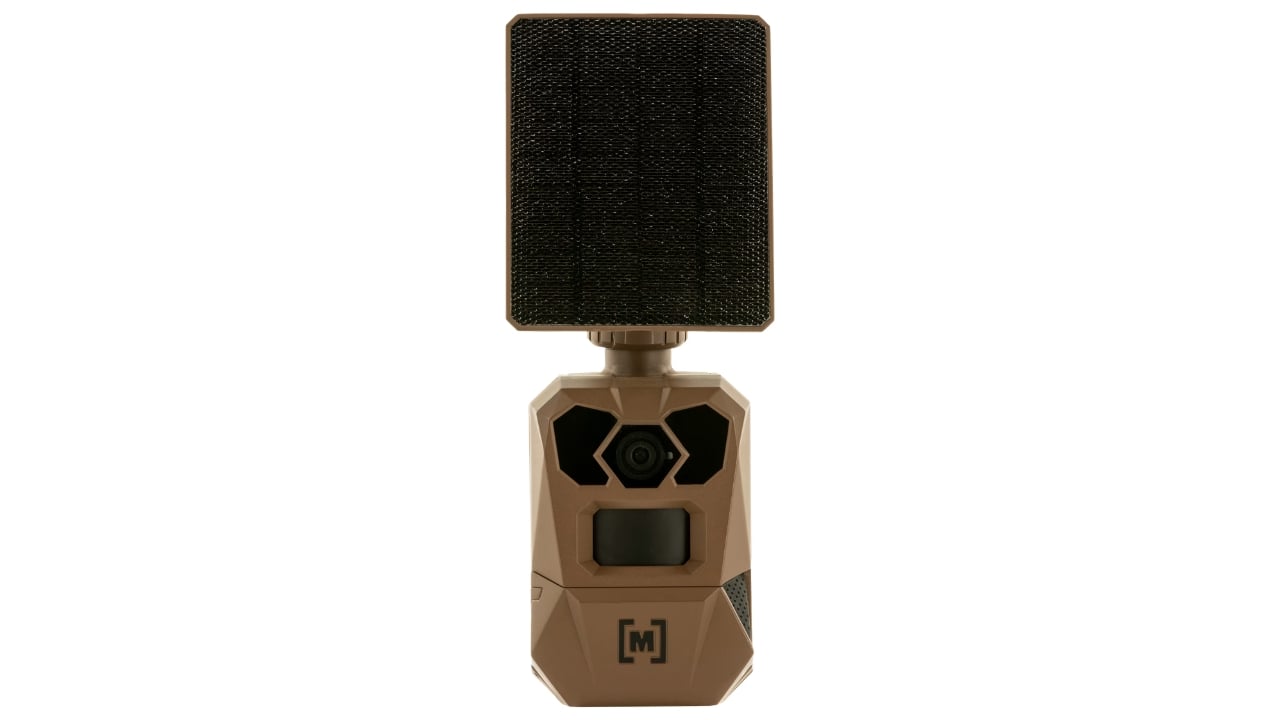
- Detection range: 100 ft
- Trigger speed: 0.4 sec
- Power: Power Mag II rechargeable + integrated solar
- Plan: $9.99/mo per camera, includes onX map integration
The Edge 4 Solar wins on the thing that actually determines whether a trail camera is useful: how often you have to walk to it.
The integrated solar panel is genuinely good rather than decorative — the distinction matters, because a lot of cameras have a small panel that slows battery drain without stopping it. Paired with the Power Mag II, this is a camera you hang in August and leave alone through the rut. Every trip you don’t make to a camera in October is a trip you don’t make through a bedding area in October.
The night images improved noticeably in this generation, which matters more than it sounds like it should. Telling a 3.5-year-old from a 4.5-year-old at 2 a.m. is most of what a summer camera survey is for.
The onX integration is the quiet feature. Your photos land on a map with wind data attached, which turns a folder of pictures into something you can actually plan a sit around.
The catch: the door latch design has been a persistent complaint, and it’s the kind of thing that’s fine until it isn’t — a latch that doesn’t seat right is a wet camera. Check it deliberately every time you close it.
Who should skip it: anyone running more than about four cameras. At $9.99 per camera per month, the per-camera billing is what kills you, and you want the Tactacam below.
Best for multiple cameras: Tactacam Reveal Pro 4.0 — $159.99
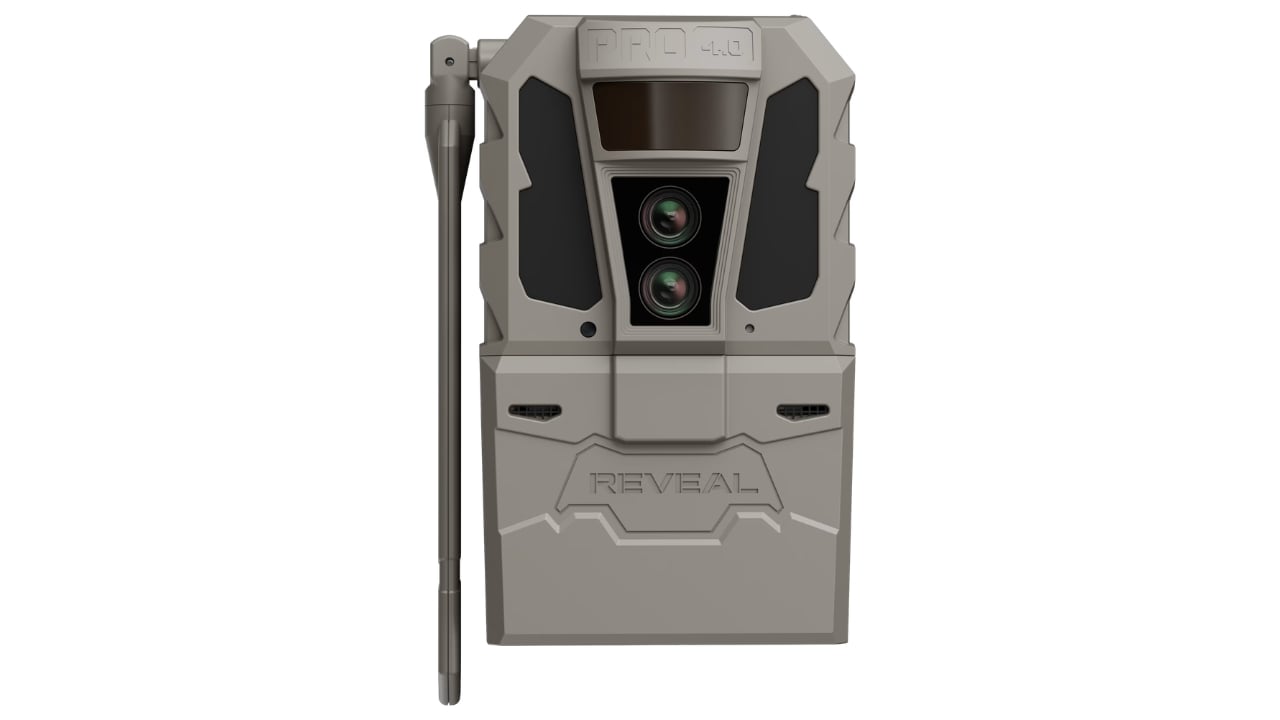
- Detection range: 96 ft (low-glow) / 80 ft (no-glow)
- Trigger speed: 0.35 sec
- Power: 12 AA, with optional R5/R10 rechargeable packs
- Plan: from about $5/mo on annual billing — one plan covers every camera on your account
If you run a real camera network, this is not a close call.
The per-account billing model is the entire argument. One subscription covers your whole account. Hang two more cameras in November and your monthly cost doesn’t change. Every other major brand on this list charges you again for every camera you add, which means the more serious you get about scouting, the more the plan punishes you.
The camera itself is good independent of that. The battery life with the R5 or R10 packs is exceptional — twelve AAs is a lot of camera, and the rechargeable packs are worth the upgrade if you’re leaving cameras out year-round. And you get a real no-glow option, which matters on pressured public ground and on any camera facing a road or a trail where you’d rather not advertise.
The trade for no-glow is range: 80 feet instead of 96. Put the no-glow on your trail pinches and close funnels, the low-glow on your field edges.
The catch: the initial connection during setup is slow enough to make you think it failed. It usually hasn’t — give it several minutes before you start troubleshooting. The power button has also been described as finicky by enough people that it isn’t a one-off.
Who should skip it: if you’re only ever hanging one camera, the per-account billing advantage disappears and the Moultrie is the nicer camera to live with.
Best budget: Spypoint Flex-M2 — $79.99
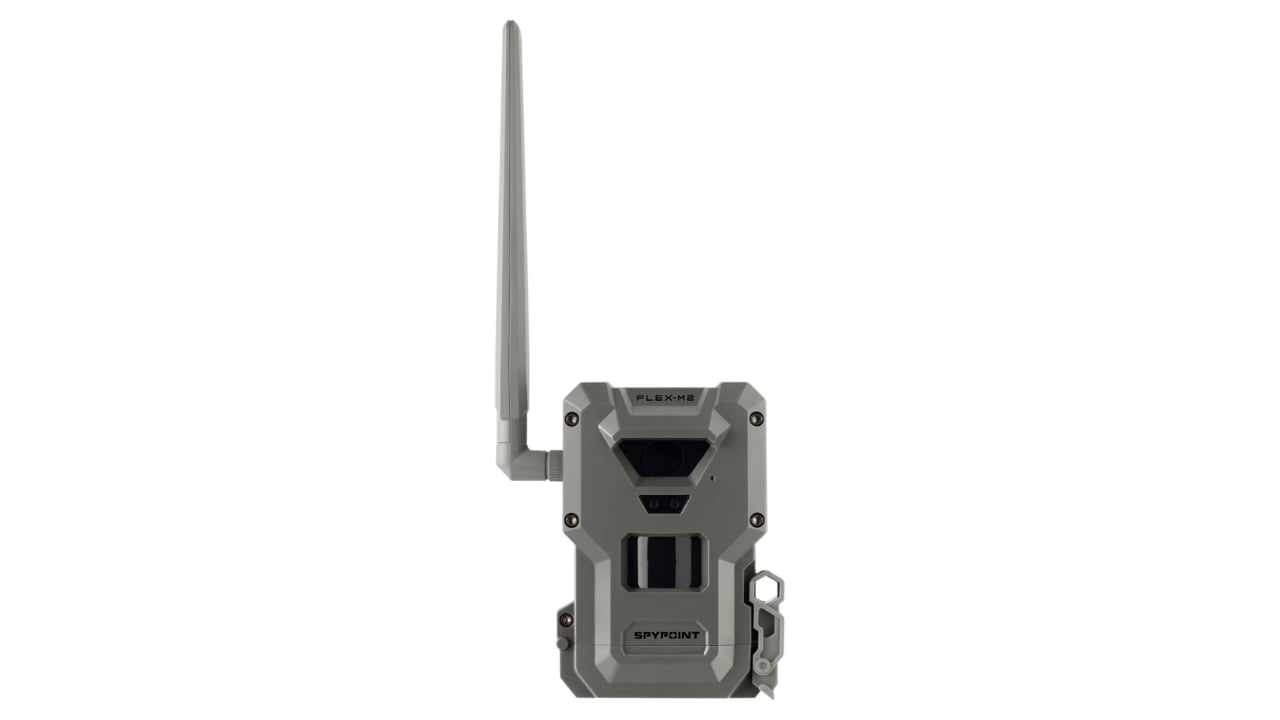
- Detection range: 90 ft
- Trigger speed: 0.4 sec
- Power: 8 AA
- Plan: free tier at 100 photos/month, paid from about $10/mo
This is how you find out whether you actually want a cellular camera before spending $500 on the idea.
Eighty dollars, and Spypoint’s free tier gives you 100 photos a month with no card on file. For a single camera on a food plot where you want to know whether deer are using it rather than cataloging every visit, 100 photos a month is genuinely enough. It’s the only realistic zero-ongoing-cost cell camera on this list.
It’s compact, it’s reliable for the money, and there’s nothing about it that feels like a compromise until you’re used to something better.
The catch: it will eat standard alkaline AAs. Run lithium AAs and the complaint mostly goes away — budget for that, it’s about $15 a set, and it turns a two-month camera into a four-month one.
Who should skip it: anyone who wants video, high photo volume, or a burst mode. You’ll blow through 100 photos in a week on a good scrape and then you’re paying $10 a month for an $80 camera, which is not where you want to be. At that point buy the Moultrie.
Best image quality: Stealth Cam Deceptor Max 3.0 — $119.99
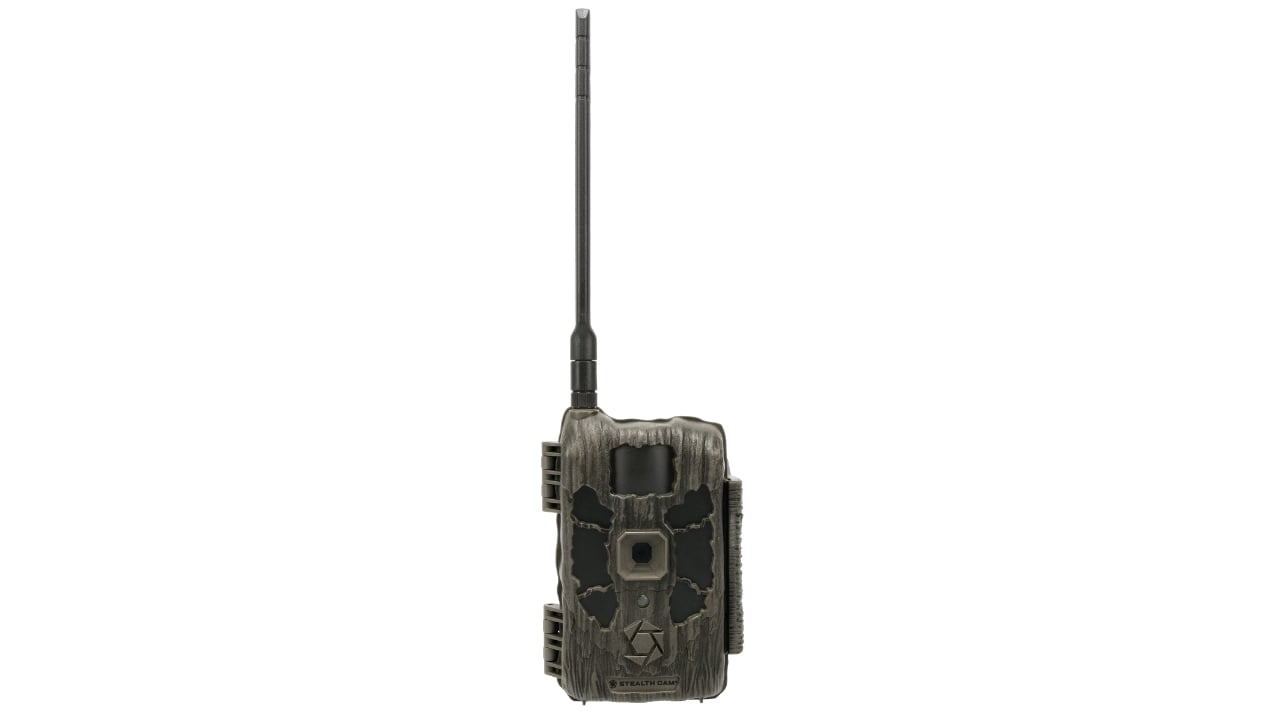
- Detection range: 100 ft
- Trigger speed: under 0.3 sec
- Power: 16 AA
- Plan: about $10/mo per camera via Stealth Cam Command
Field & Stream’s 2026 testing put this one at the top for clarity, and it also logged minimal false triggers — which is the underrated half of image quality. A camera that fires at every branch shadow buries the twelve photos you needed under four hundred you didn’t, and on a metered plan those junk photos cost you money.
Sixteen AAs is a genuinely long deployment. This is a hang-it-and-leave-it camera in the same way the Moultrie is, just by brute force instead of solar.
The catch: the antenna is the weak point. If your ground has marginal signal, this is the camera most likely to disappoint you, and no amount of image quality fixes a camera that can’t send. The internal interface is also awkward to get at, which you’ll notice every time you change a setting in the dark.
Who should skip it: anyone hunting a hollow, a river bottom, or anywhere your phone shows one bar. Buy the Browning below instead — the foldable antenna is doing real work.
Best trigger speed: Browning Defender Pro Scout MAX HD DV — $179.99
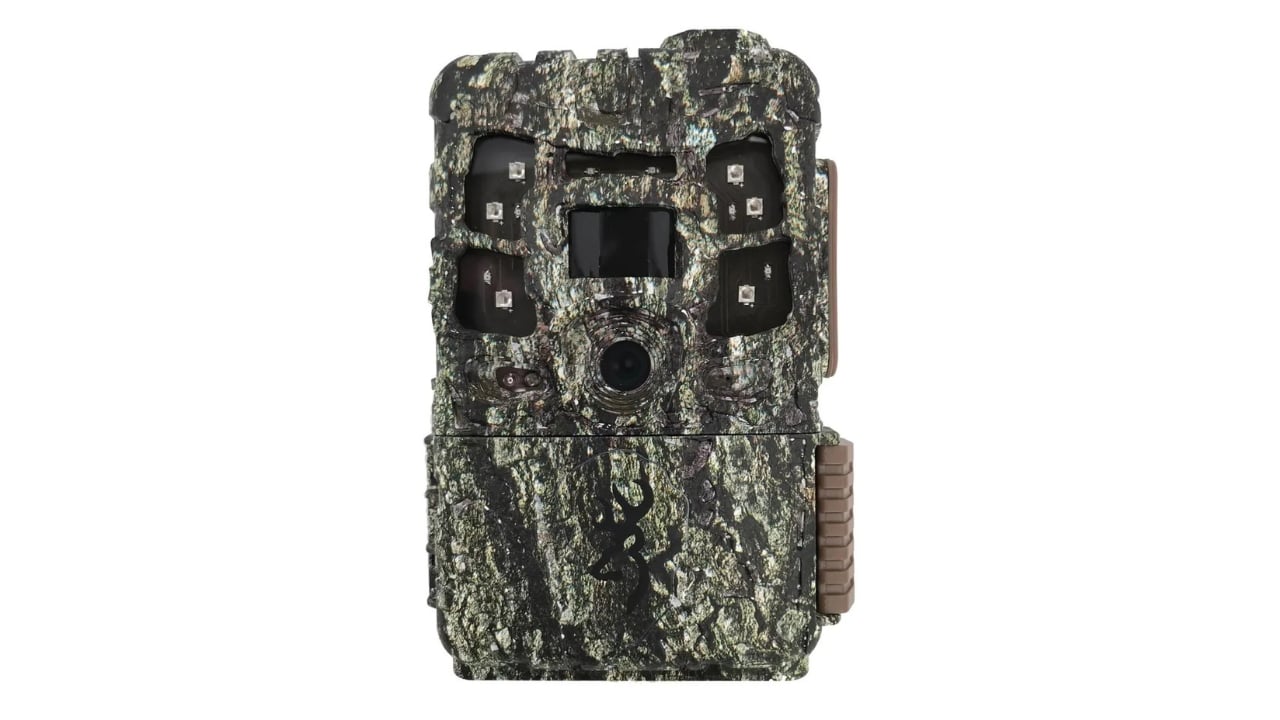
- Detection range: 100 ft
- Trigger speed: 0.25 sec
- Power: 8 AA
A quarter-second trigger is the difference between a photo of a buck and a photo of where a buck was. That matters in exactly one place and it matters enormously there: on trails, crossings, and pinches where deer are moving through rather than milling around. If you hang cameras on travel routes instead of food, buy for trigger speed and buy this.
The battery life is excellent on only eight AAs, and the foldable antenna is a small thing that solves a real problem — it’s harder to snap off, harder to spot, and it pulls signal better than the stubby fixed antennas on cheaper cameras.
The catch: the Strike Force app is the weakest part of the package, and you will use the app every single day. Read some current reviews of it before you commit; software gets updated, and this is the item on this page most likely to have changed by the time you read it.
Best for a big camera network: Cuddeback CuddeLink L-Series — $130–$150 each
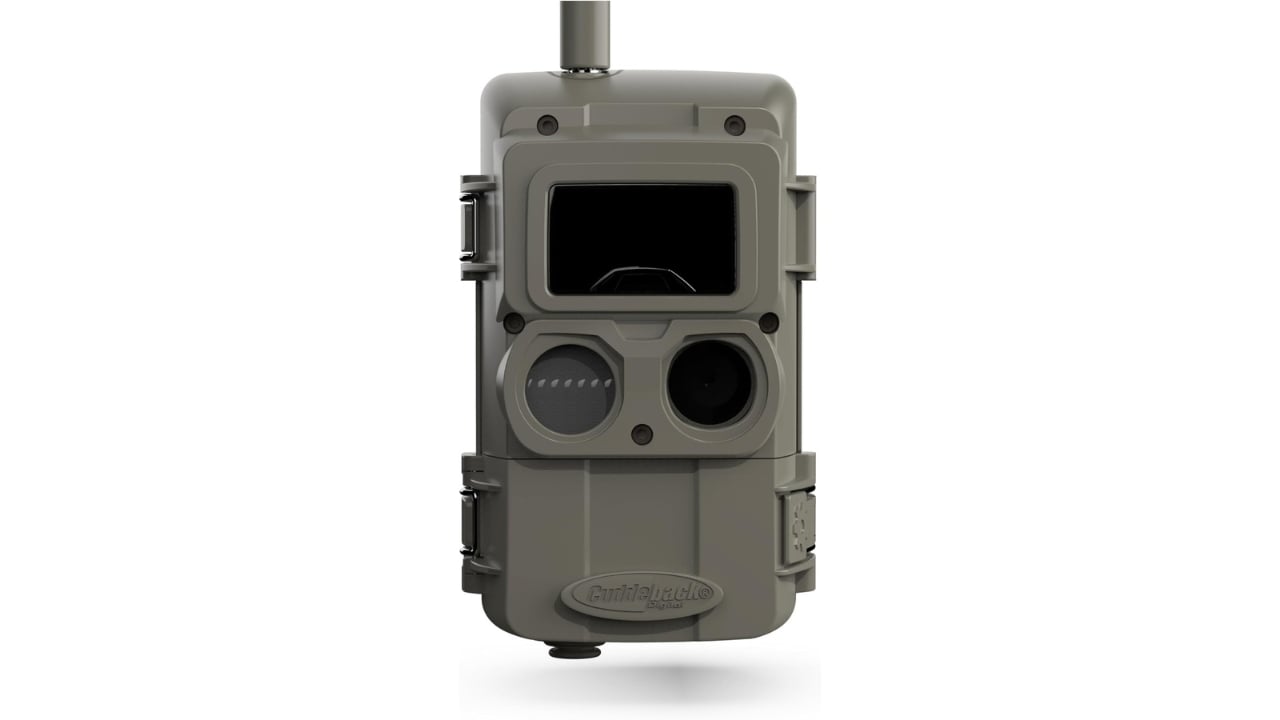
- Detection range: 100 ft
- Trigger speed: 0.25 sec
- Power: 4 D batteries per camera
- Plan: up to 24 cameras on a single plan
Different animal entirely. CuddeLink cameras talk to each other over a local mesh and route photos through a single cellular “home” camera, which means you can run up to 24 cameras on one plan.
If you’re managing a large property, or a hunting club is splitting the cost, or you want cameras deep in places with no cell service of their own, this is the system. The math at scale is brutal in your favor. D batteries also last a long, long time.
The catch: it’s a system, not a camera. There’s real setup involved, the mesh has to reach, and adding a camera in a bad spot means moving it until it links. This is the most technical option here by a wide margin.
Who should skip it: anyone with fewer than about six cameras. The complexity isn’t worth it until scale pays for it.
Two situations where you shouldn’t buy a cellular camera
You hunt one 40-acre parcel you can access without crossing your hunting ground. If you can pull cards without disturbing anything, a good non-cellular camera at half the price and no subscription is the better buy. Cellular solves an access problem. If you don’t have an access problem, you’re paying $120 a year to solve nothing.
You’re going to check it forty times a day. This is a real thing that happens. The camera becomes entertainment, you start hunting the photos instead of the sign, and you sit the wrong stand because a buck showed up on the wrong camera at 1 a.m. Set your notifications to a daily digest and check it once. The camera is a scouting tool, not a feed.
Frequently asked
Do I need the $15 plan or is the cheap one fine? The cheap one is fine for almost everyone. Higher tiers buy you photo volume and video. Unless you’re running burst mode over bait or a mineral site, entry level covers a normal season — and you can upgrade mid-season if you’re hitting the cap, which is a much better order of operations than guessing high in August.
Low-glow or no-glow? No-glow on anything near a road, a property line, a trail people walk, or public ground. Low-glow everywhere else, because you get better range and better night images out of it. Most people don’t need no-glow everywhere and it costs them detection range to buy it.
How high should I hang it? Higher than you think and angled down — roughly six to seven feet, tilted toward the trail. It’s out of a deer’s normal sightline, it’s out of most people’s, and it cuts false triggers from ground-level brush. There’s more on this in our guide to hanging cameras without blowing your spot. [Internal link once that post is up.]
Will it work where I hunt? Check your carrier coverage at the actual spot, not at the truck. Most of these cameras let you pick a carrier or run on a multi-carrier SIM. If you get one bar on your phone standing at the tree, prioritize antenna quality — that means the Browning or the Tactacam, not the Stealth Cam.
What we’d actually buy
- One to four cameras, want it simple: Moultrie Edge 4 Solar
- Five or more cameras: Tactacam Reveal Pro 4.0, on the annual plan
- Trying cellular for the first time: Spypoint Flex-M2 on the free tier
- Weak signal: Browning Defender Pro Scout MAX HD DV
- Big property or a club: Cuddeback CuddeLink L-Series
Buy the plan you can live with for three years, not the camera that’s $30 cheaper this week.
Like The Avid Outdoorsman’s content? Be sure to follow us.
Here’s more from us: