Photo credit: InRangeTV/Youtube
Old lever guns didn’t start life as display pieces. They were fence-line rifles, saddle scabbard companions, and the “grab it and go” tool when a calf bawled at night or coyotes started working a draw. Then decades went by, paper got attached to them, and suddenly the same rifles that rode in wagons and behind truck seats ended up under glass with little placards.
What gets lost in all that is how practical these rifles were. They were carried a lot and shot a little. They needed to feed smoothly when you were cold, tired, and half-mad at a busted gate. And they had to be common enough that ammo and parts were never a special order. Here are 20 lever-actions that earned their place as working guns long before collectors decided they were too “historic” to scratch.
1. Winchester Model 1873

The 1873 is the one everybody name-drops, and for once the hype has roots. In pistol cartridges like .44-40, it made sense on horseback and on foot, especially if your revolver and rifle could share ammo. It’s not a mountain rifle and it’s not a long-range deer rig, but it was handy and it pointed fast.
The toggle-link action isn’t built for hot-rod loads, and nobody should treat it like a modern .30-30. Still, for close-range work and everyday carry, it did what it was supposed to do. You can feel why it stuck around.
2. Winchester Model 1892
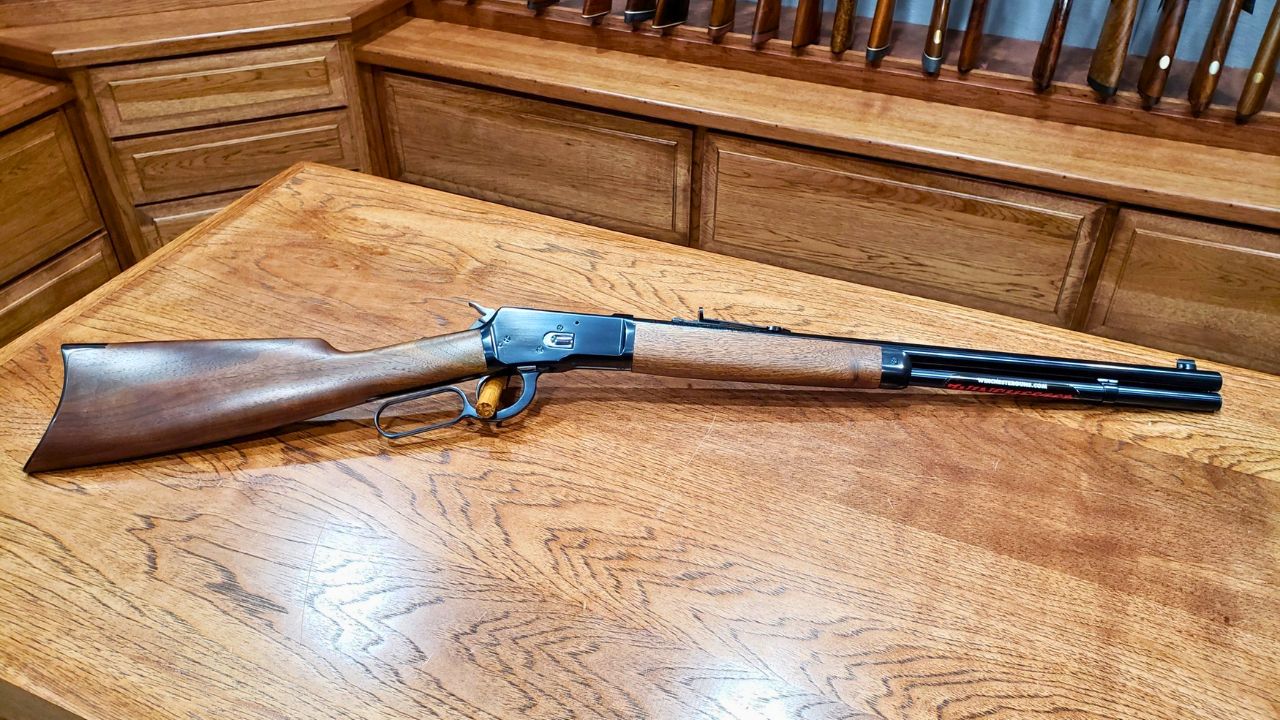
Think of the 1892 as a stronger, slicker evolution for pistol cartridges. In .44-40, .38-40, .32-20, and later .357 and .44 Magnum versions, it’s one of those rifles that makes you want to keep cycling the lever just because it feels good.
As a working gun, it’s hard to beat if your world is within 100 yards and you care about quick handling. The downside now is cost. The originals and good reproductions don’t sit at “beater rifle” prices anymore.
3. Winchester Model 1886
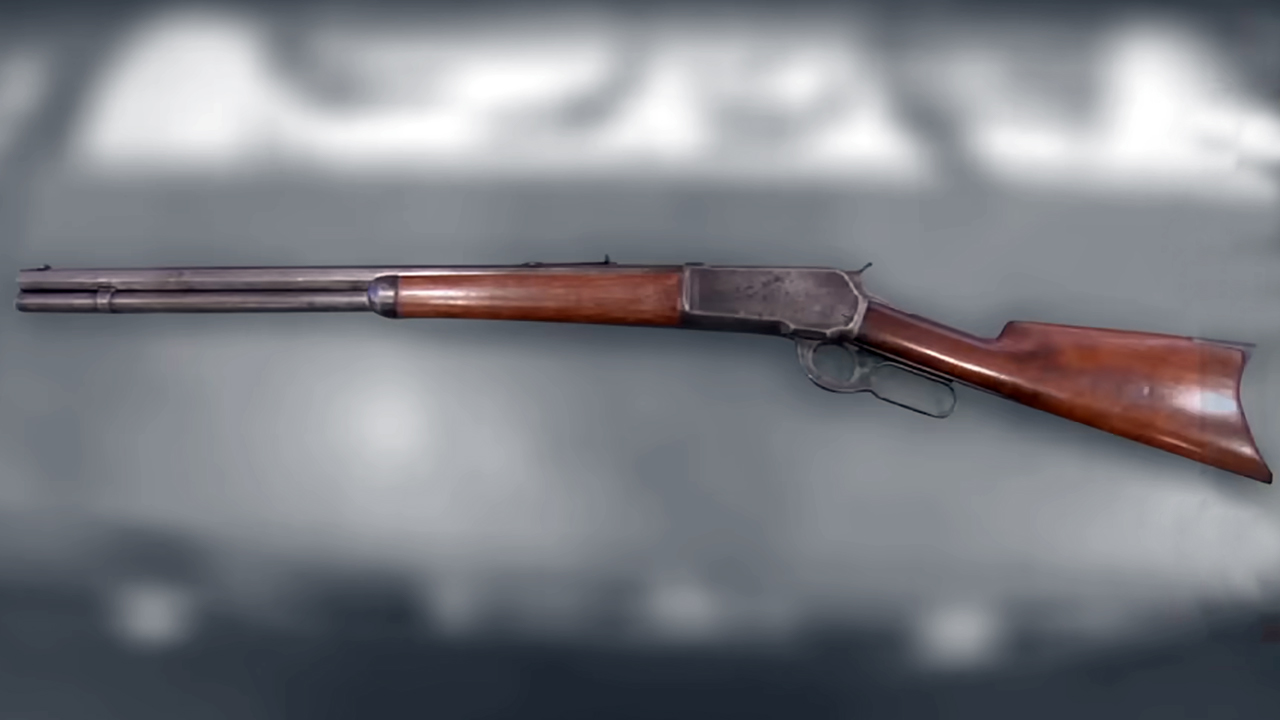
The 1886 is where lever guns start getting serious about power. Big-bore chamberings like .45-70 made it a legitimate thumper for larger game and for folks who wanted a rifle that didn’t feel undergunned in rough country.
It’s not light, and you know it after a long day. But as an honest working rifle, weight can be a feature when recoil shows up. If you’ve ever touched off heavy .45-70 loads in a light rifle, you know what I mean.
4. Winchester Model 1894

If one lever gun wore more saddle scabbards and behind-the-seat racks than anything else, it’s the 1894. .30-30 fed families, flattened coyotes, and filled tags back when “deer rifle” didn’t mean a scope and a dialed turret.
It carries easy, balances well, and it’s forgiving in the field. What trips new owners up is expecting it to be a benchrest gun. It’s a woods rifle, and it acts like one.
5. Winchester Model 1895
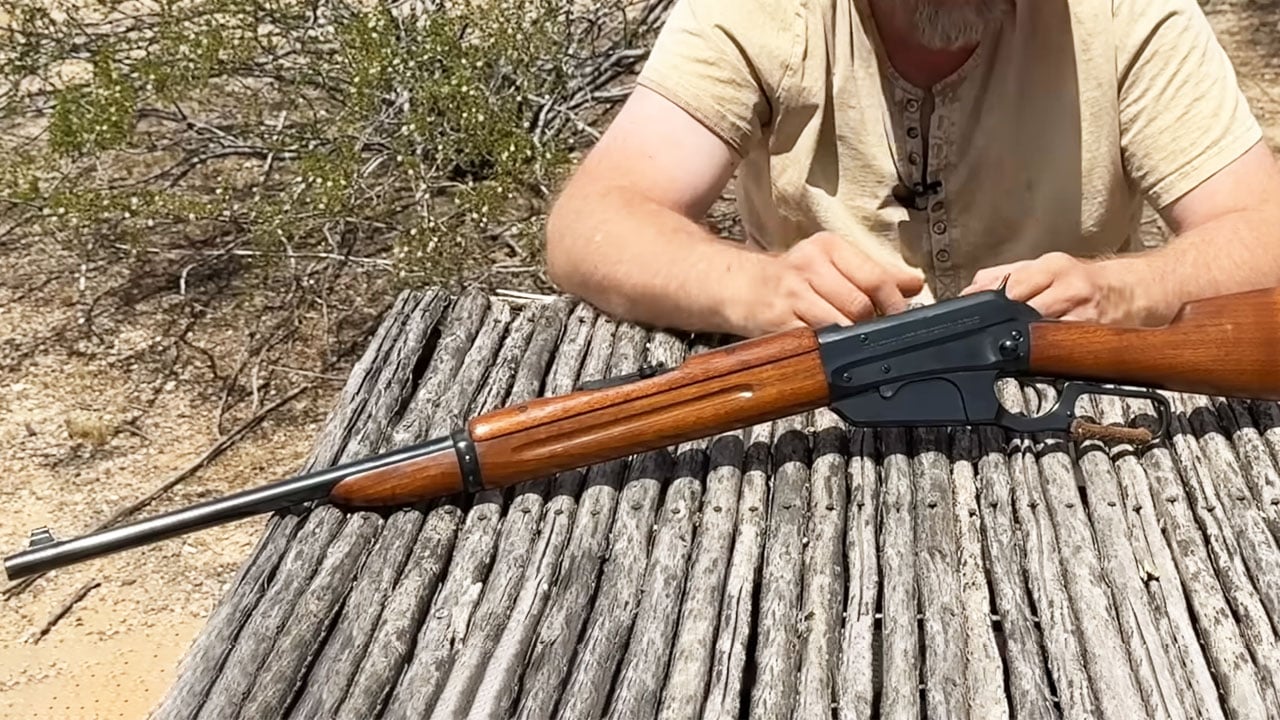
The 1895 is the oddball Winchester that still mattered. It used a box magazine, which meant it could handle spitzer bullets in cartridges like .30-40 Krag and .30-06 without worrying about pointed bullets in a tube magazine.
As a working rifle, it bridged the gap between lever tradition and the modern cartridge world. It’s not as common on gun racks today, but back then it was a serious tool for serious needs.
6. Marlin Model 1881

Marlin’s 1881 doesn’t get the same campfire love as the Winchesters, but it was a real-deal lever gun in big cartridges for the era. It helped set the table for Marlin’s reputation: strong actions and practical designs.
The working-gun appeal is straightforward—durable, purposeful, and not fussy. It’s the kind of rifle that looks plain until you realize “plain” is what survives hard use.
7. Marlin Model 1893
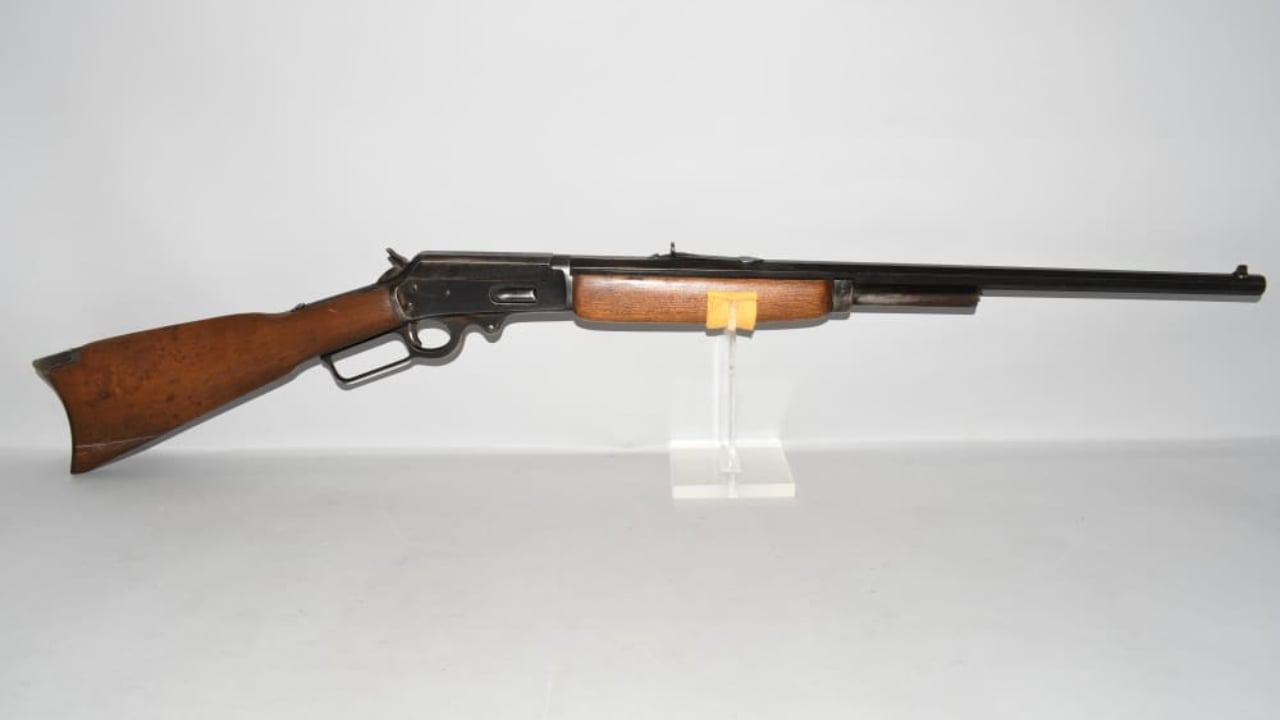
The 1893 is a big part of why Marlin became the other name in lever actions. It’s associated with cartridges like .30-30 and .32 Special, and it earned a following with hunters who wanted a rifle that ran dirty and wet and still fed.
Marlin’s side-eject design would eventually make scope mounting simpler than on top-eject rifles. Out West, though, even without glass, the 1893 made sense: quick, tough, and familiar.
8. Marlin Model 1894
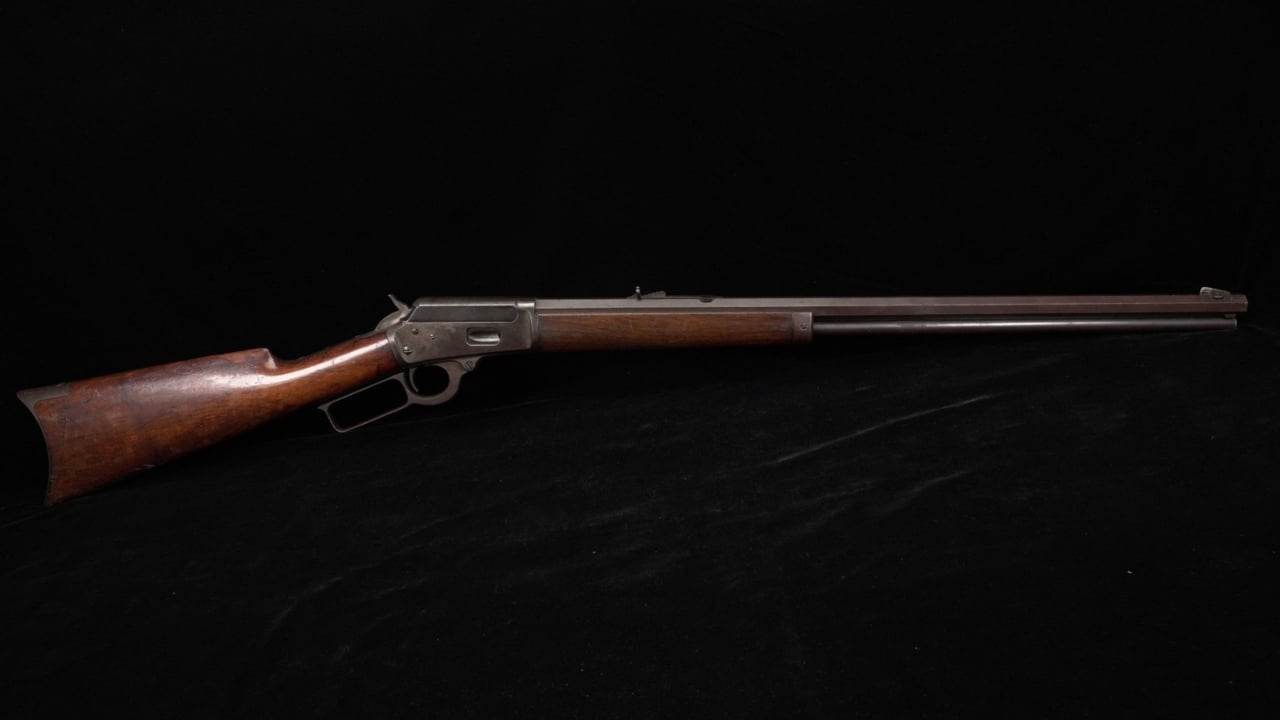
The Marlin 1894 is one of those rifles that makes “practical” feel fun. In .357 Magnum or .44 Magnum, it’s a light, fast carbine that still does real work around a ranch or in thick timber.
It’s also a rifle that teaches you about ammo choices. Some guns are picky with certain bullet profiles, and lever guns will humble you if you assume every load feeds like a bolt gun. When you find what it likes, it’s hard to beat.
9. Marlin Model 1895
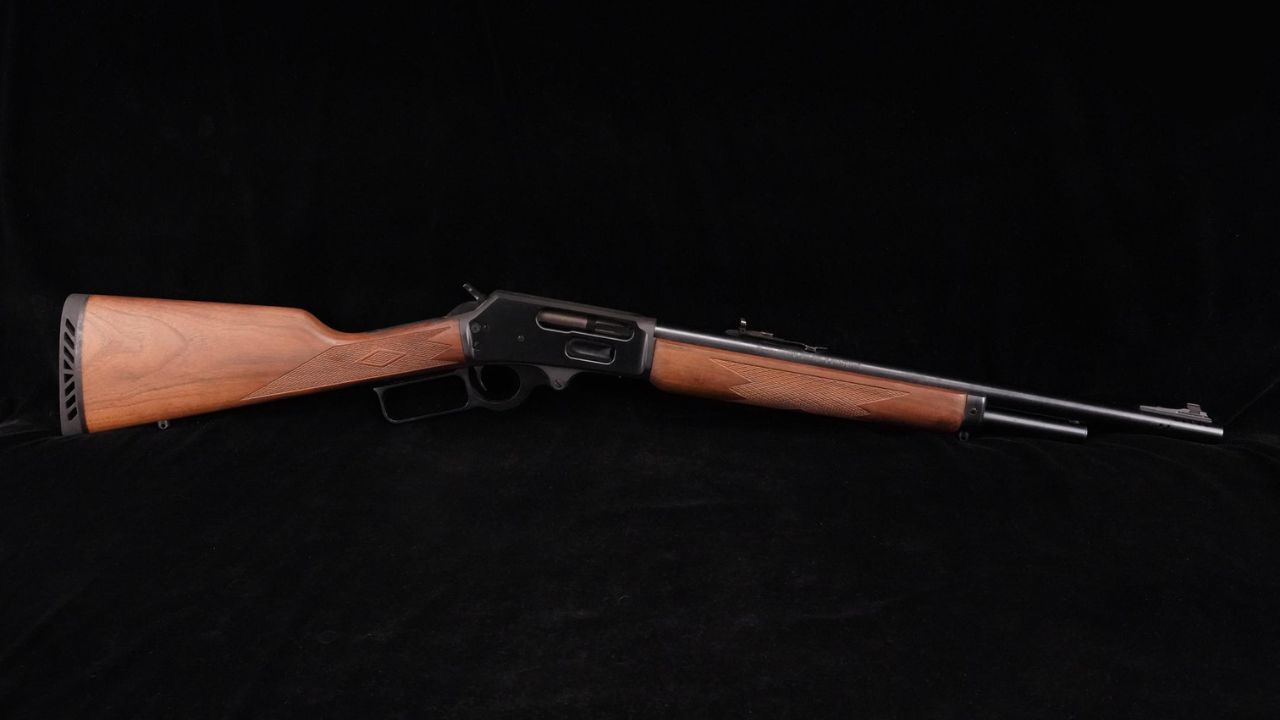
If you’ve ever carried a short Marlin 1895 in .45-70 through brush, you know why it became a modern working classic. It’s compact, hits hard, and doesn’t need a bunch of extras to make sense.
It’s also the lever gun that gets folks in trouble at the ammo shelf. Heavy loads are great, but not everybody needs them, and not every shoulder appreciates them. A steady 300–405 grain load is plenty for most real-world jobs.
10. Marlin Model 336

The 336 might be the most “regular guy” lever rifle ever made. In .30-30, it’s boring in the best way. It just works, it’s easy to keep running, and it points naturally when a deer pops out of the brush without warning.
In the working-gun world, that matters more than internet arguments. It’s also one of the easier older lever guns to keep fed and serviced. There’s a reason so many of them look worn smooth.
11. Henry Repeating Arms “Iron Frame” Henry Rifle (1860)
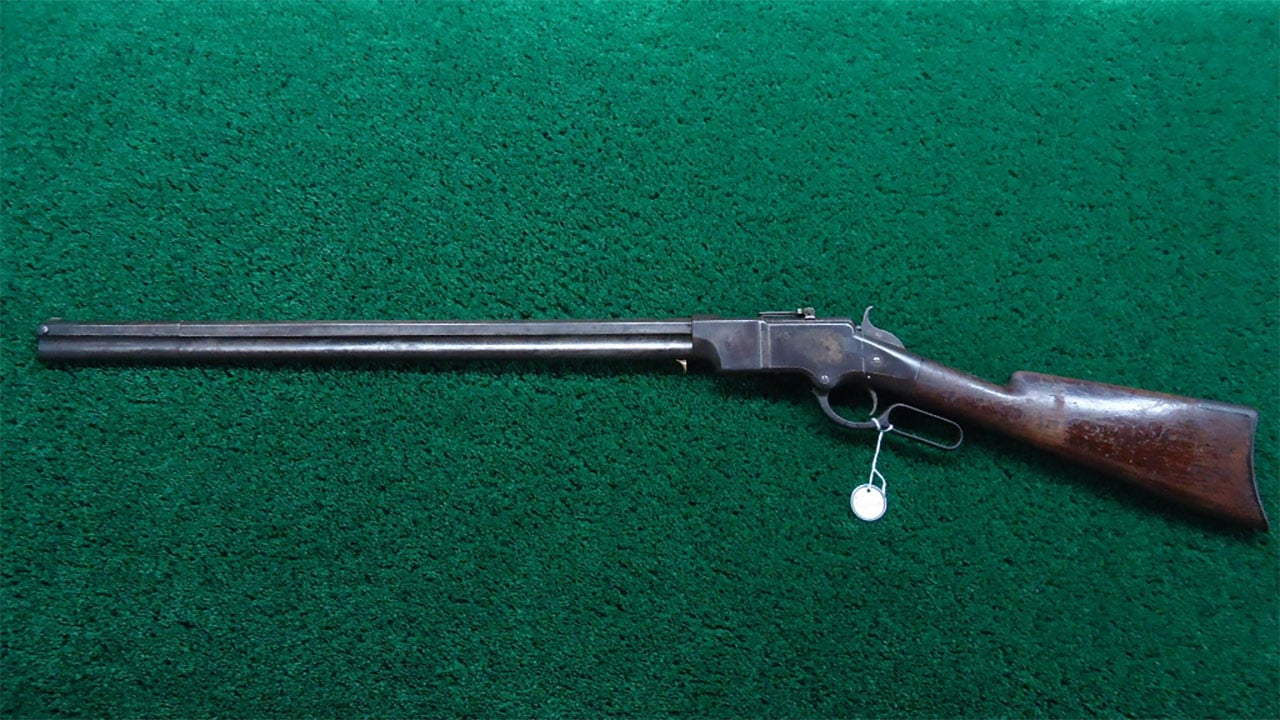
The original Henry is a different animal—rimfire, early design, and more Civil War-adjacent than cowboy-movie fantasy. But it planted the seed for what a repeating rifle could do when most folks still thought single shots were “enough.”
As a working gun, it was ahead of its time, and it came with quirks. Still, it’s hard not to respect a rifle that changed expectations about firepower, even if it wasn’t built for modern hard use.
12. Winchester Model 1866 “Yellow Boy”
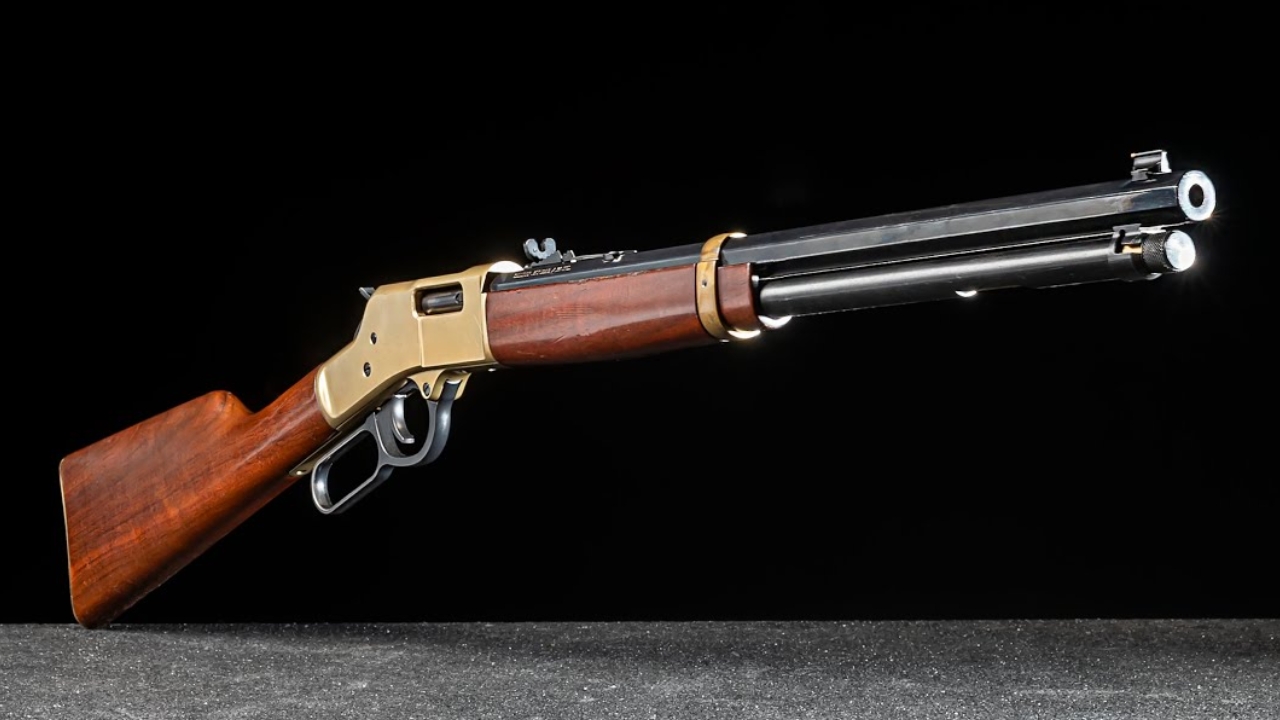
The 1866 is recognizable from across the room because of the brass receiver. It wasn’t just flash. It was another step in the evolution of practical repeaters in an era where reliability was everything and metallurgy was still catching up.
It’s easy to see why these became treasured later on. But early on, they were used, dented, and carried like anything else. The “museum” shine came after the fact.
13. Colt-Burgess Rifle (1883)
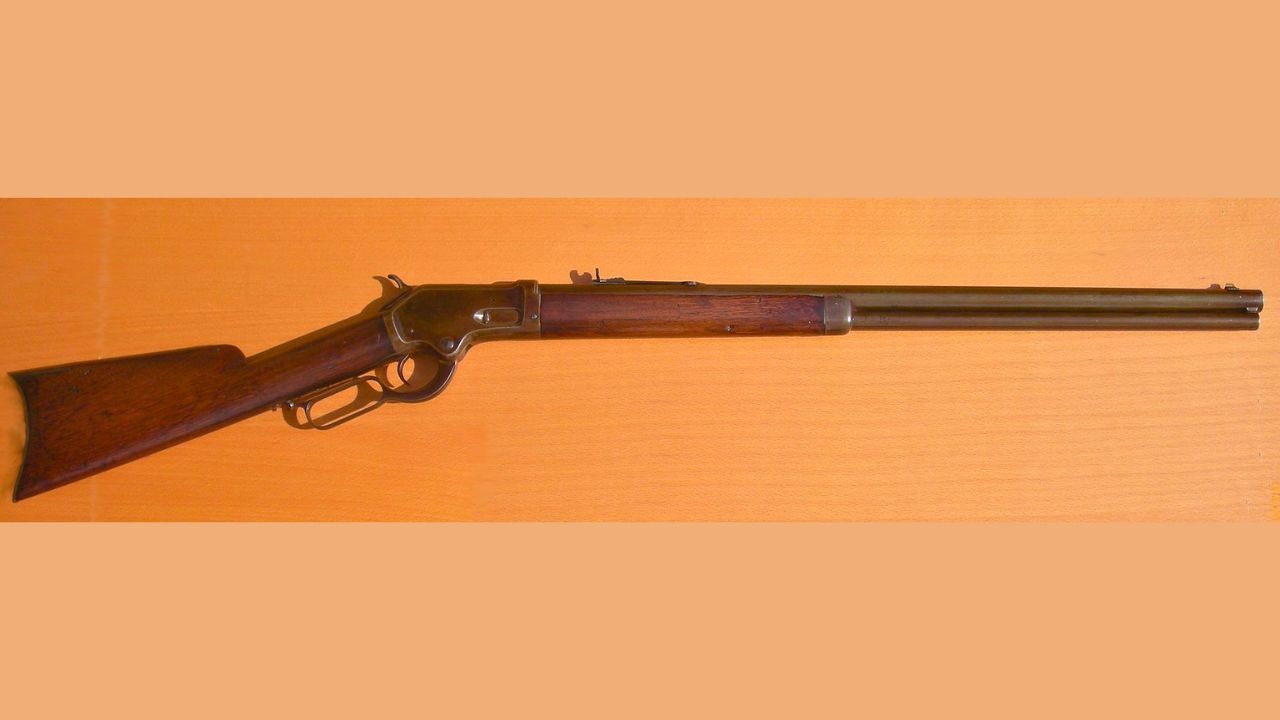
Colt built the Burgess lever rifle for a short time, and it’s a reminder that everybody wanted in on the lever-action game. It’s slick, well-made, and it has that Colt fit-and-finish that makes you pause when you shoulder it.
It didn’t last long on the market, and that’s part of the story. Some guns were great but arrived in a crowded field. For working use, scarcity is a problem—hard to replace, hard to feed with parts, and hard to justify when another rifle does 95% of the job.
14. Savage Model 1899 / Model 99
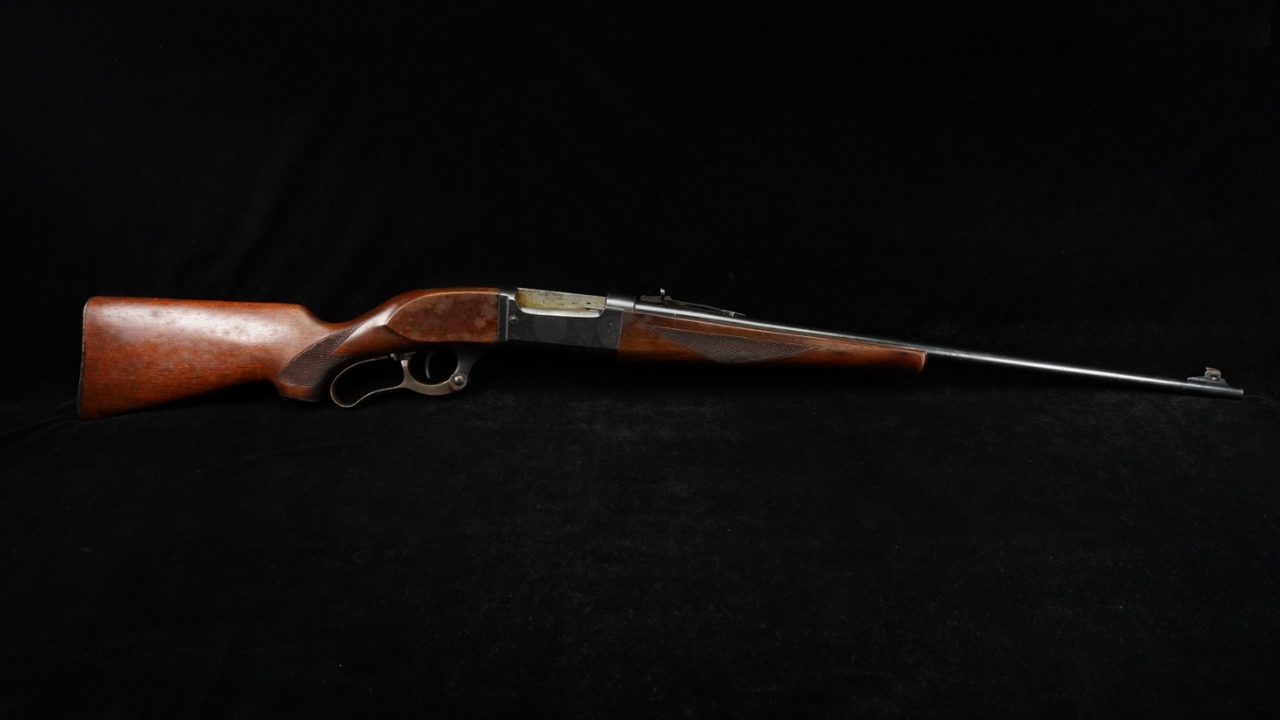
The Savage 99 was a different kind of lever gun, and you can feel it immediately. With its rotary magazine and the ability to use pointed bullets, it stretched lever-action capability into more “modern rifle” territory.
In cartridges like .300 Savage and .250-3000, it was flat-shooting for its day and honest on game. The downside is that it’s a more complex rifle than a basic tube-fed carbine, so worn examples can be a little more finicky.
15. Winchester Model 1887 (lever-action shotgun)
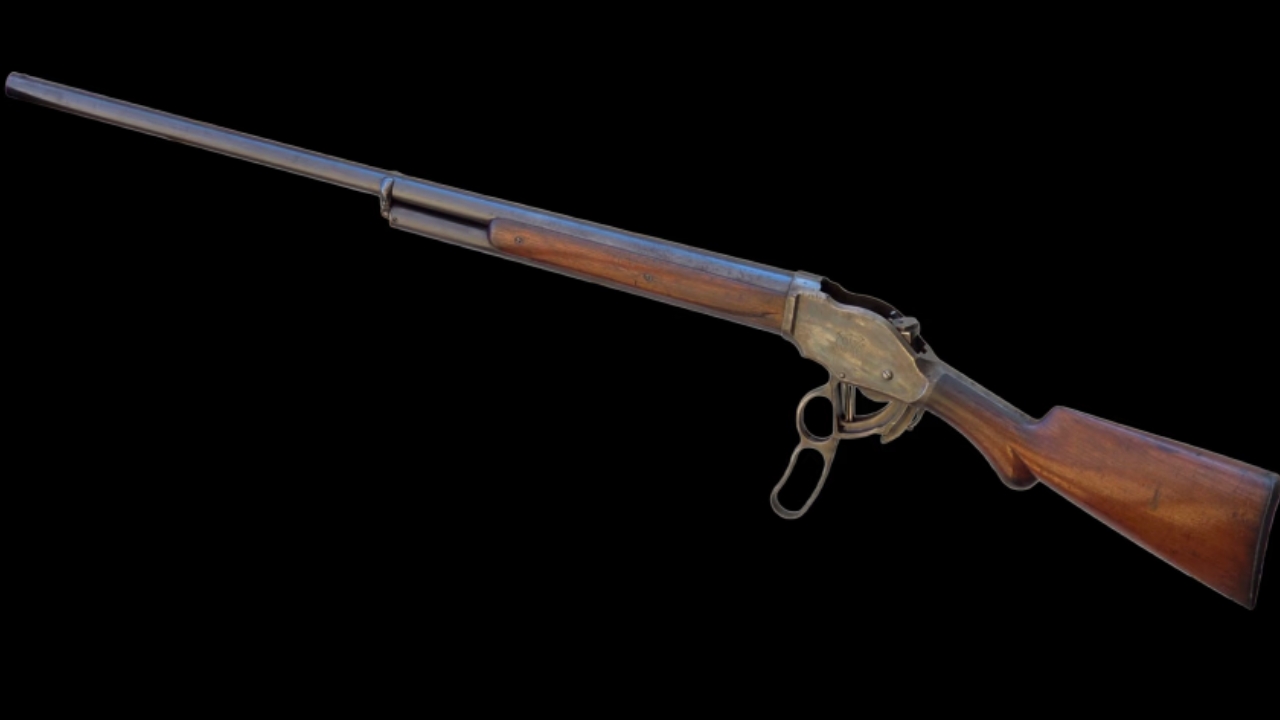
Lever-action shotguns weren’t a gimmick back then. The 1887 gave folks a repeating scattergun at a time when that was a big deal, especially for close-range work around stock, predators, and camp meat.
They’re not as fast as a good pump, and the manual of arms is its own thing. But as a working tool, it fit the times. If you’ve ever tried one, you either grin instantly or decide you’ve had enough in about five minutes.
16. Winchester Model 1897 (lever-action .22)
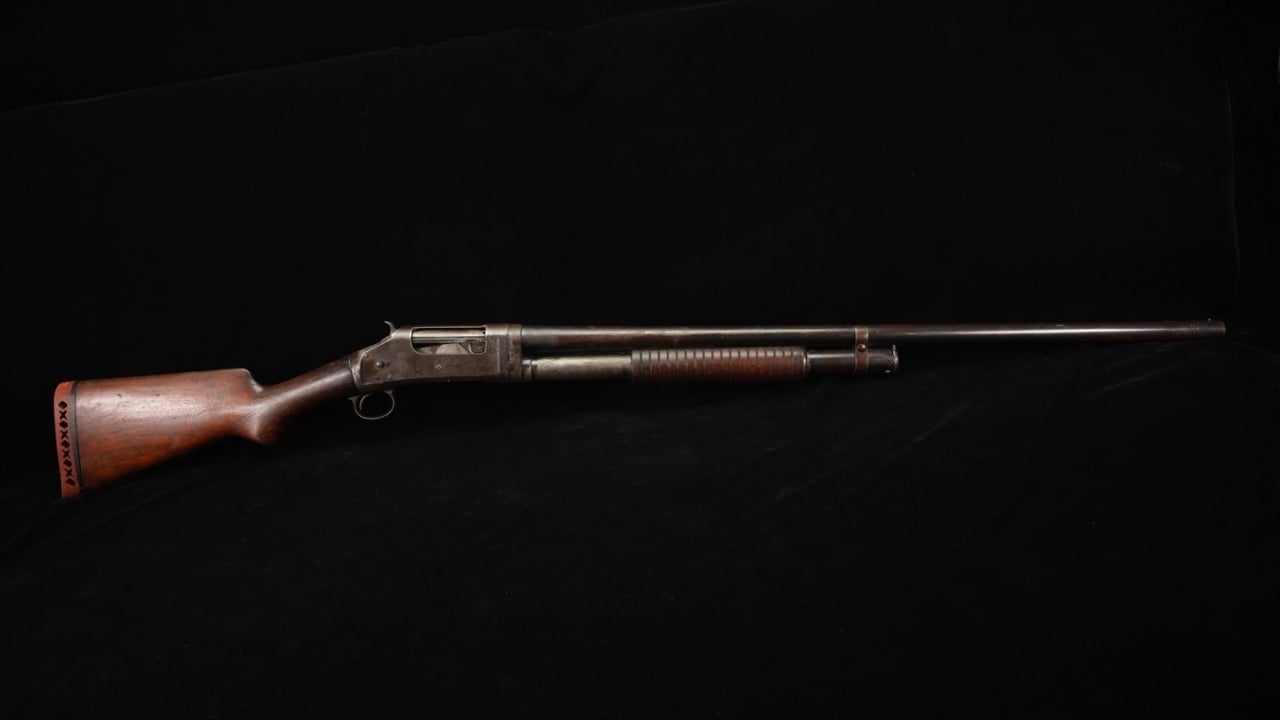
The Winchester 1897 lever-action .22 is the kind of rifle that probably did more “real work” than folks give it credit for. Not everything on the frontier required a centerfire. Sometimes you needed a rabbit, or you needed to deal with pests, and you didn’t want to burn precious big ammo.
Small-game rifles were the quiet backbone of daily living. A good .22 lever gun carries easy, shoots cheap (for the time), and gets used constantly. Those are the guns that end up with honest wear.
17. Winchester Model 1890 (slide-action .22, “gallery gun” era companion)
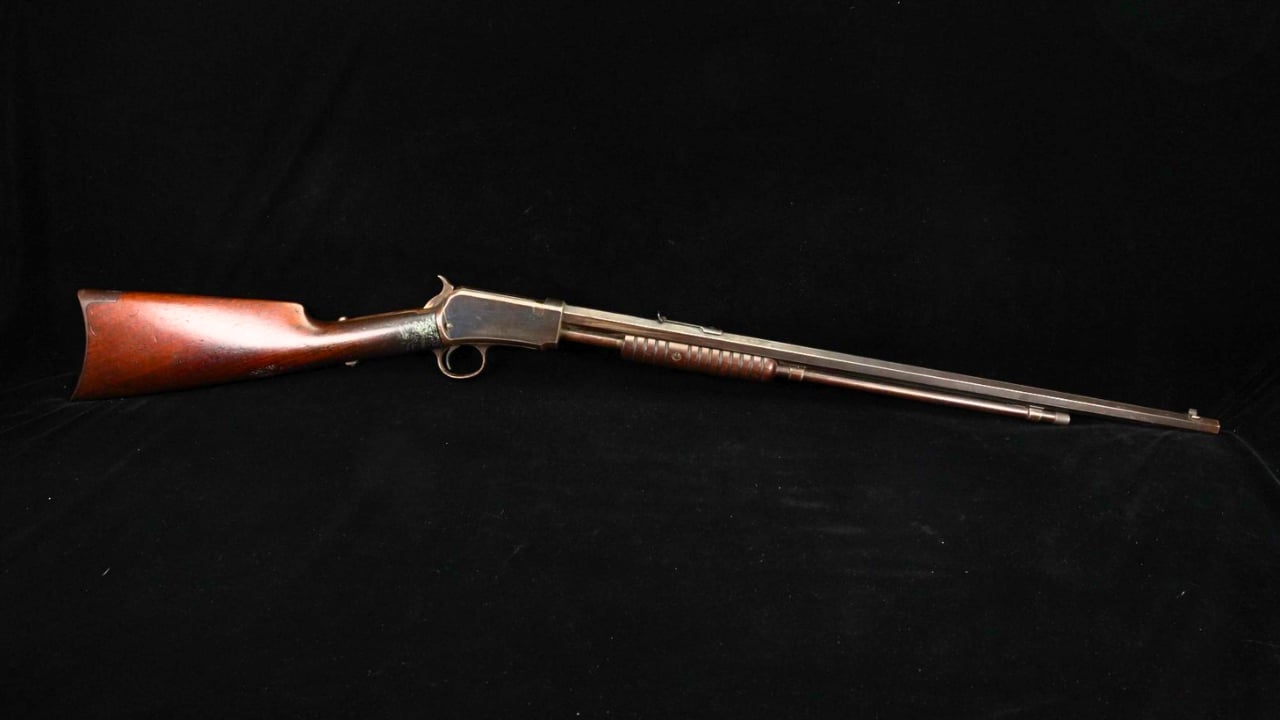
Yes, it’s a pump, not a lever, but it lived in the same working-gun world and deserves a nod because it ate .22s by the bucket in real use. Out West, a rifle that could handle cheap rimfire and run all day mattered.
Plenty of these ended up in ranch houses and barns, and they got treated like a hammer. The ones still running today are proof that “simple and tough” is not a new idea.
18. Browning Model 1895 (Browning/Winchester reproduction)

Modern reproductions of old working guns can still be working guns, and Browning’s run of 1895s is a good example. They capture the feel and function without you having to baby a true antique.
If you want to hunt with an 1895-style rifle, this is the route that makes sense. You get the history in your hands without turning a collectible into a camp gun that makes you nervous every time it leans against a tree.
19. Rossi Model 92

Rossi 92s are not fancy, and that’s fine. They’re one of the more common ways a regular guy ends up with a handy pistol-caliber lever gun that he actually uses instead of “preserves.”
Out of the box, some are slick and some feel like they were assembled on a Friday afternoon. If you find a good one, though, it can live behind a truck seat, ride on an ATV, and keep doing its job without needing to be a safe queen.
20. Uberti 1873 (modern reproduction)

Uberti’s 1873 reproductions show up everywhere from ranch-country gun safes to cowboy action ranges, and there’s a reason. They feel right, they balance well, and with decent ammo they run like they’re on ball bearings.
No, it’s not an original. But it captures what mattered about the original working rifle: quick handling, repeat shots, and a simple manual of arms. If you want to understand why those old rifles earned loyalty, carrying one of these for a season will teach you fast.
The funny part is that the “working gun” label isn’t about being rare or expensive. It’s about being there when you need it, cycling when your hands are cold, and shooting straight enough without drama. Whether you’re holding an old Winchester with history baked into the wood or a modern copy you don’t mind scratching, the lesson is the same: a rifle that gets used is the one that matters.
Like The Avid Outdoorsman’s content? Subscribe to our newsletter so you never miss an article.
Here’s more from us: