Photo credit: The Gun Nation/Youtube
Every few years the gun world gets a case of collective amnesia. Something that used to ride in every pickup, sit behind every kitchen door, or show up on every deer camp rack suddenly gets labeled “old,” “outdated,” or “not worth it.” Then reality shows back up—ammo availability shifts, laws change, hunts change, budgets tighten, and folks remember why those “boring” guns worked in the first place.
What’s interesting is how many of these firearms didn’t just come back—they came back improved. Better triggers, better sights, better coatings, better magazines, better support. Some got modern versions from the factory. Some got rescued by the aftermarket. Either way, here are 20 models that fell out of favor for a while and returned with a lot more going for them.
1. Colt Python
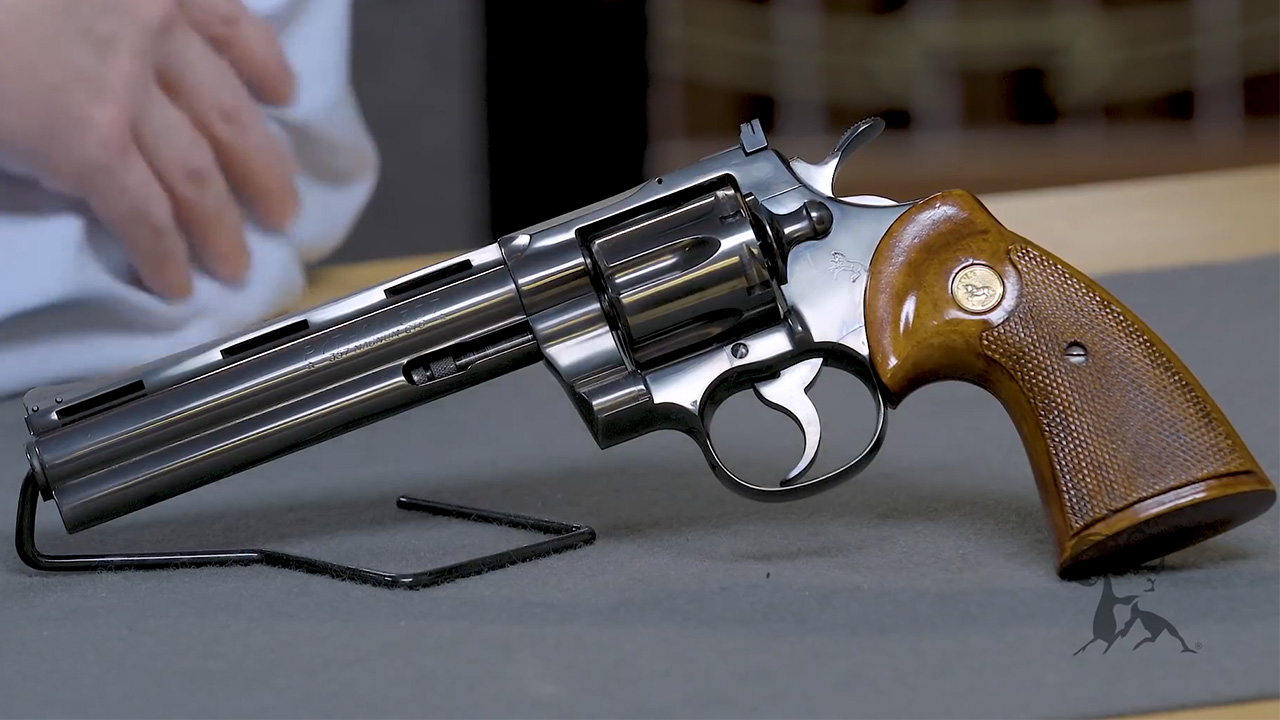
There was a stretch where the Python was basically a safe-queen revolver for collectors and guys who like to talk about “the good old days.” Gorgeous? Yes. Practical for most shooters? Not really, especially when prices got silly and nobody wanted to risk timing issues with heavy use.
The new-production Python brought the name back to the range instead of just the display case. You get modern metallurgy, more consistent QC than the late “old days,” and replacement parts aren’t a treasure hunt. It’s still not cheap, but it’s finally a revolver you can actually shoot without feeling like you’re burning museum pieces.
2. Smith & Wesson Model 29
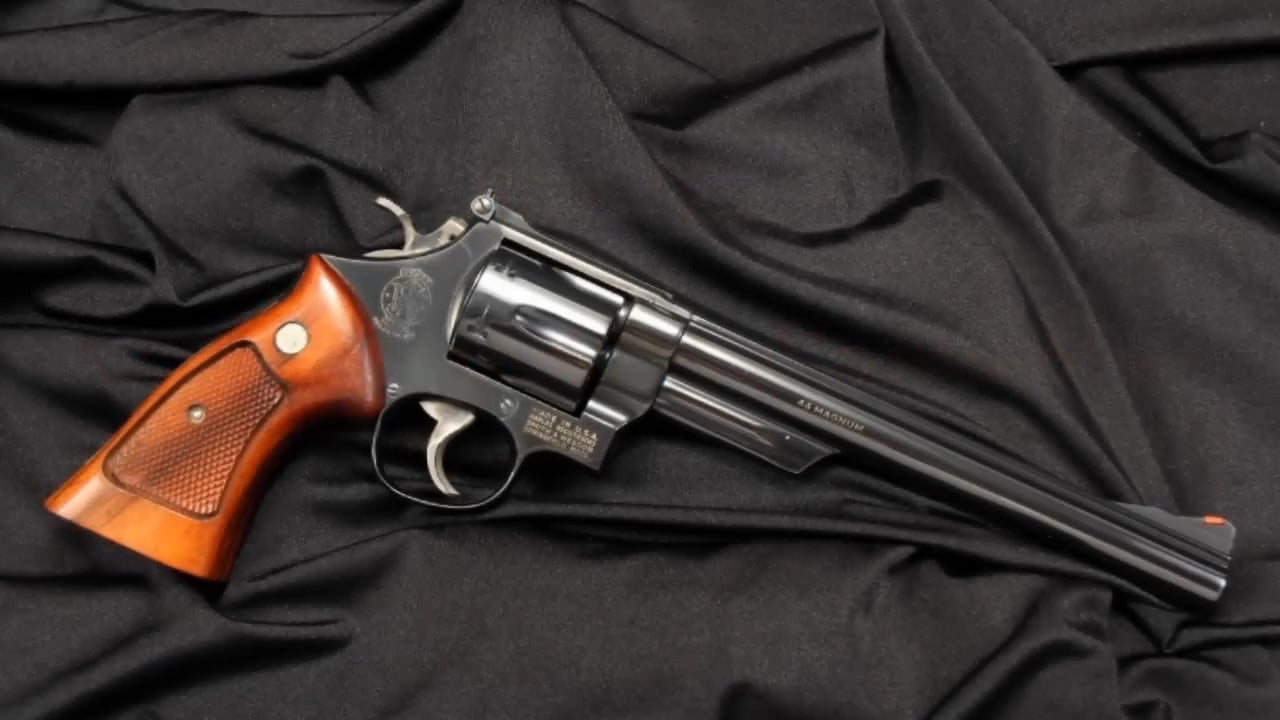
Dirty Harry made it famous, and then reality made it unpopular. Full-house .44 Magnum loads are not fun for most folks, and carrying a big N-frame all day is a good way to remember every ounce by lunchtime.
Then the woods-defense crowd and handgun hunters circled back, and the Model 29 (and its stainless twin, the 629) started making sense again. Better ammo options—especially .44 Special and mid-range magnums—turned it into a usable field revolver, not just a wrist-wrecker. With modern grips and good sights, it’s more shootable than its reputation suggests.
3. Ruger Mini-14 (580-series and newer)

The Mini-14 went through an awkward phase. Early rifles had that reputation: handy, reliable, and not especially accurate once they heated up. Plenty of guys loved them anyway, but the AR boom made the Mini look expensive for what it was.
Ruger tightened things up with the 580-series redesign and beyond. They generally shoot better, take optics more cleanly, and they still carry like a real ranch rifle. It’s not an AR replacement, but it’s a rugged, simple semi-auto .223 that doesn’t look like it came out of a video game, and that matters to some landowners.
4. Marlin 1895 (Ruger-made)
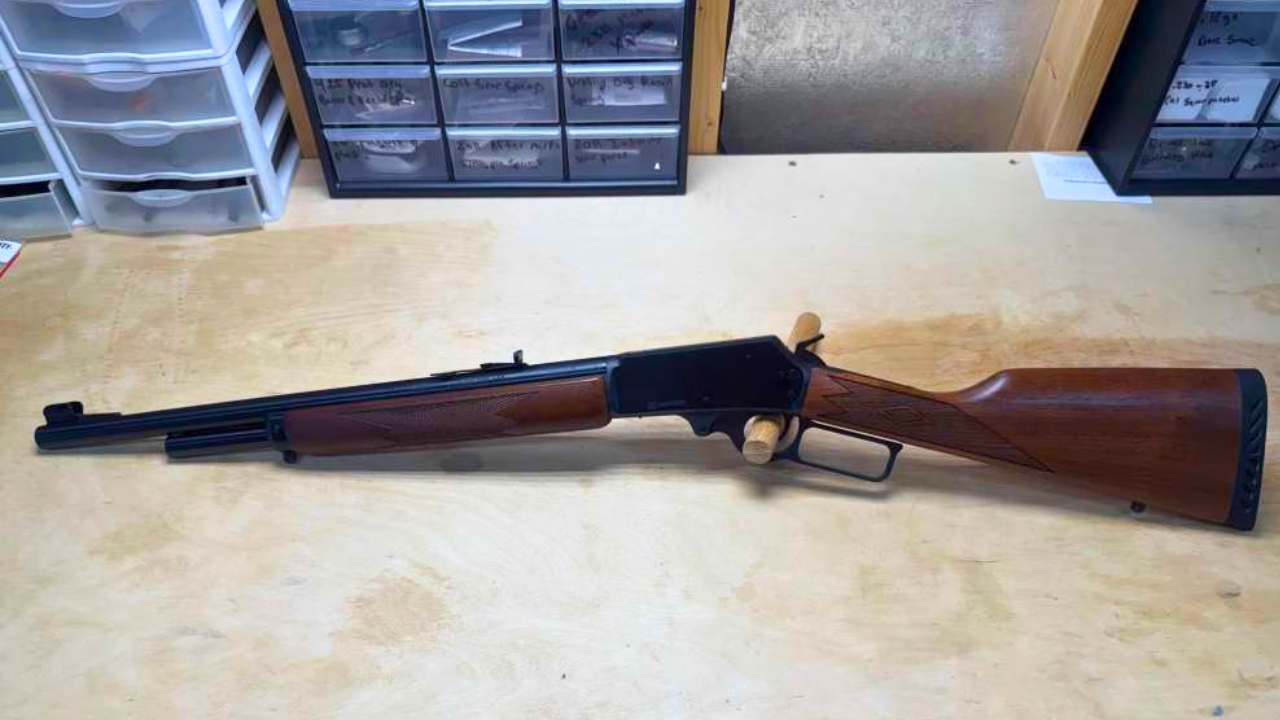
Big-bore lever guns never truly died, but there was a period where you had to be picky. Some later production guns had spotty fit and finish, and that’s a bad combo when you’re paying real money for walnut and steel.
The Ruger-made Marlins brought confidence back. The 1895 in .45-70 is a thumper, no way around it, but it’s also one of the most practical “close woods” rifles ever made. With modern loads and solid sights, it’s a bear, hog, and timber-deer hammer that doesn’t need excuses.
5. Winchester Model 70 (FN/BACO era and newer)

For a while, the Model 70 lived mostly on reputation. Push-feed vs. controlled-round-feed arguments, changing factories, and the steady rise of cheaper “good enough” bolt guns pushed it into the background.
Then hunters started noticing what the Model 70 still does well: it carries nicely, feeds slick, and it feels like a rifle instead of a hollow plastic tool. Newer production runs tend to have better triggers and consistent fit. It’s not trendy. It’s just right.
6. Remington 870 (current production, carefully chosen)

That one hurts, because the 870 used to be the default answer. Then quality issues and rough finishes gave people a reason to look elsewhere, and a lot of folks did.
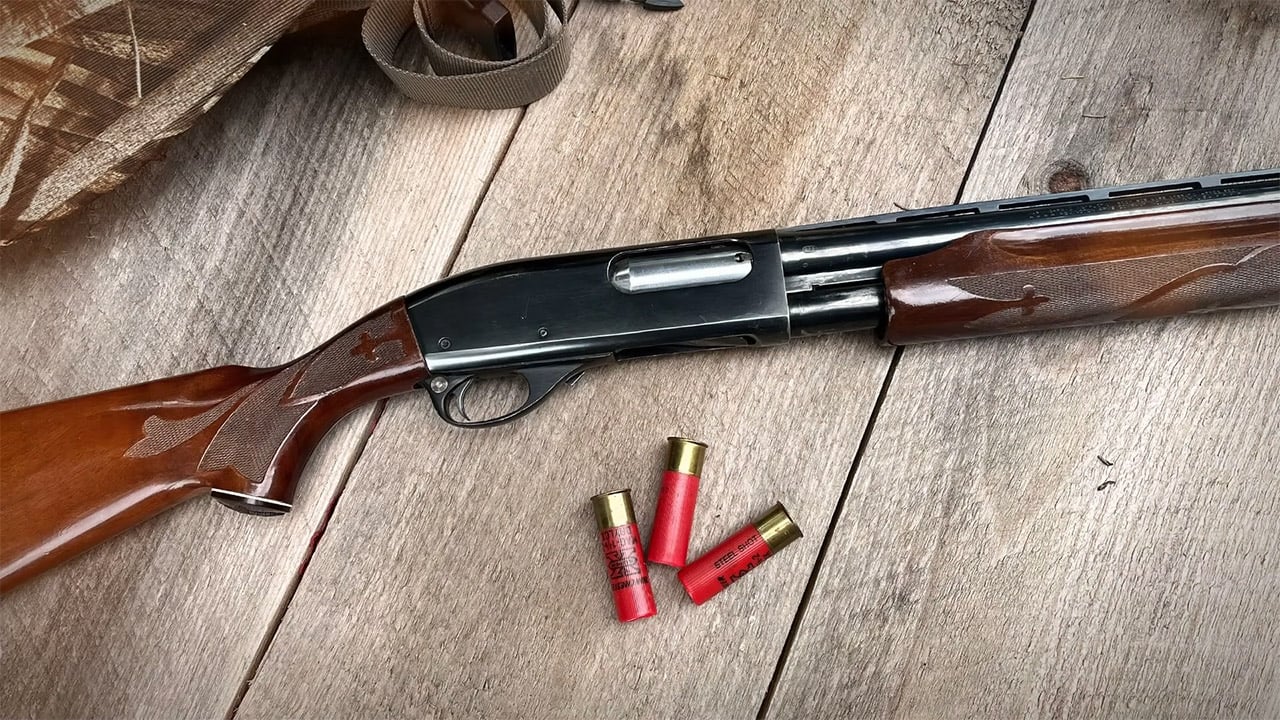
What brought the 870 back is simple: the design never stopped working. When you get a good one—whether it’s older Wingmaster territory or a newer example that passes the “feel test”—it’s still one of the best handling pump guns ever. Barrels, stocks, chokes, and small parts are everywhere, and that matters when a shotgun is a working tool.
7. Mossberg 590A1
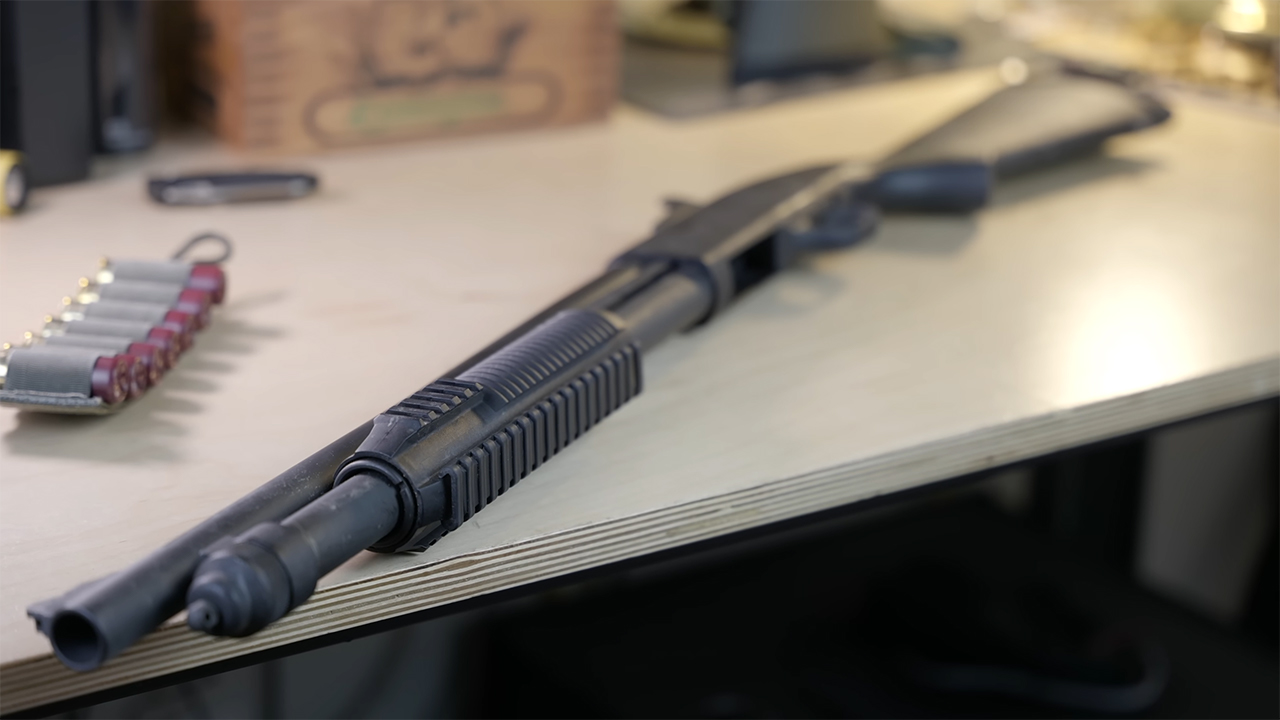
Pump shotguns were “uncool” for a minute when everyone wanted a semi-auto for everything. The 590A1 kept doing its job anyway: simple controls, durable build, and it runs dirty.
It came back strong because people started valuing reliability over fashion again. The heavy-walled barrel and metal trigger guard/safety setup on the A1 model are the kind of details you appreciate after the gun has bounced around in a truck or lived behind a barn door for a few seasons.
8. Browning Hi-Power (FN and modern clones)
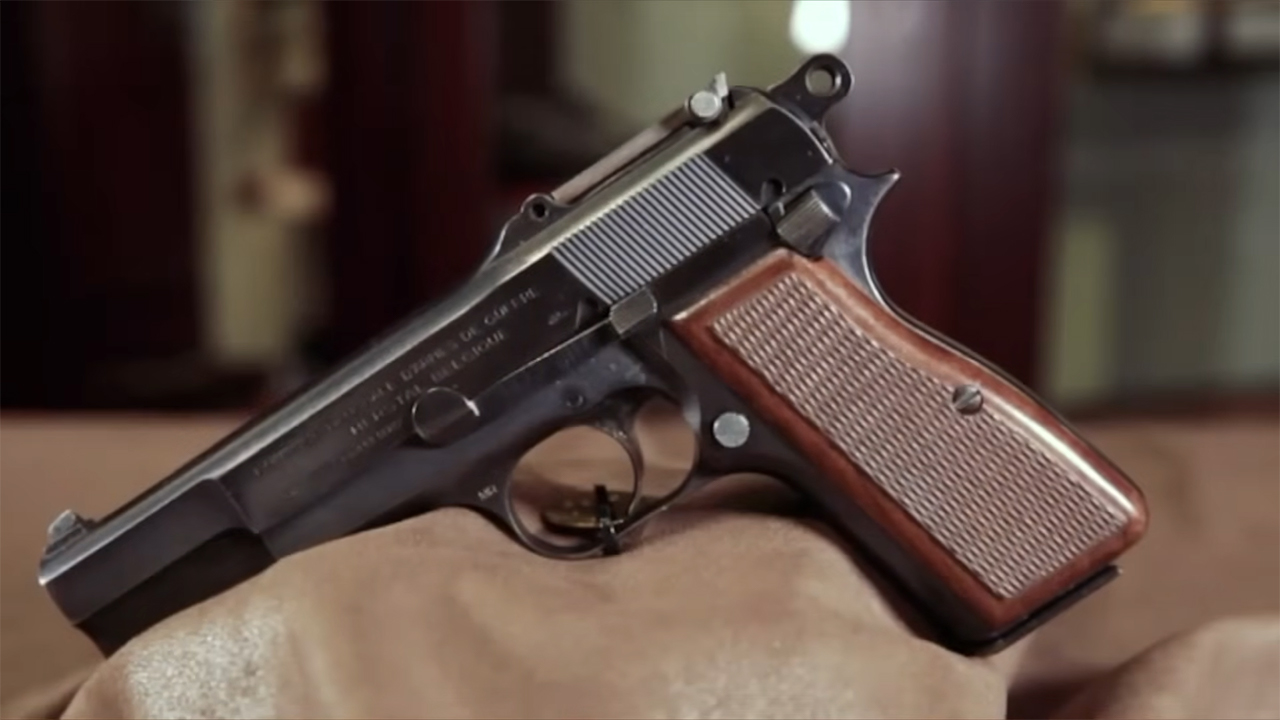
The Hi-Power got crowded out by modern striker-fired pistols. Lower capacity than the newest wonder-nines, heavier than polymer, and not as simple to run as a Glock-style gun. I get why it slipped.
But good ergonomics don’t go out of style. The Hi-Power points naturally, carries flatter than you’d think, and modern versions and quality clones cleaned up old complaints like tiny sights and heavy triggers. If you shoot one well, it’s hard not to smile.
9. Colt 1911 (Series 70 pattern and modern production)

There was a time when the 1911 felt like an old guy’s handgun—fussy, heavy, and “why not just buy a polymer 9?” Then the market got flooded with cheap, rough 1911s that didn’t help the reputation.
The comeback has been twofold: better magazines and better manufacturing across the board. A solid Colt 1911 with good mags is still a sweet-shooting .45 that carries flatter than many double-stacks. It’s not maintenance-free, but it rewards the guy who actually practices.
10. CZ 75B

The CZ 75 was the “if you know, you know” pistol for a long time. Great shooter, but not always easy to find, and the polymer wave made steel-frame DA/SA pistols seem like yesterday’s news.
Now DA/SA is back in the conversation, and the CZ 75B feels like a bargain for what it is. It soaks up recoil, the grip fits a lot of hands, and it’s accurate without drama. For range days, bedside duty, or even a belt gun under a jacket, it’s a sleeper that stopped being a secret.
11. Beretta 92FS

The 92FS got tagged as “big” and “dated,” especially as compact striker pistols took over carry holsters. And yes, it’s a full-size pistol that wants a real belt.
What brought it back is how well it shoots and how reliable it is when you feed it decent mags. The open-top slide design runs dirty, the recoil impulse is soft, and the gun is forgiving. Plus, parts and magazines are easy to find, which is more than you can say for a lot of “hot new” pistols five years after release.
12. Smith & Wesson Model 10
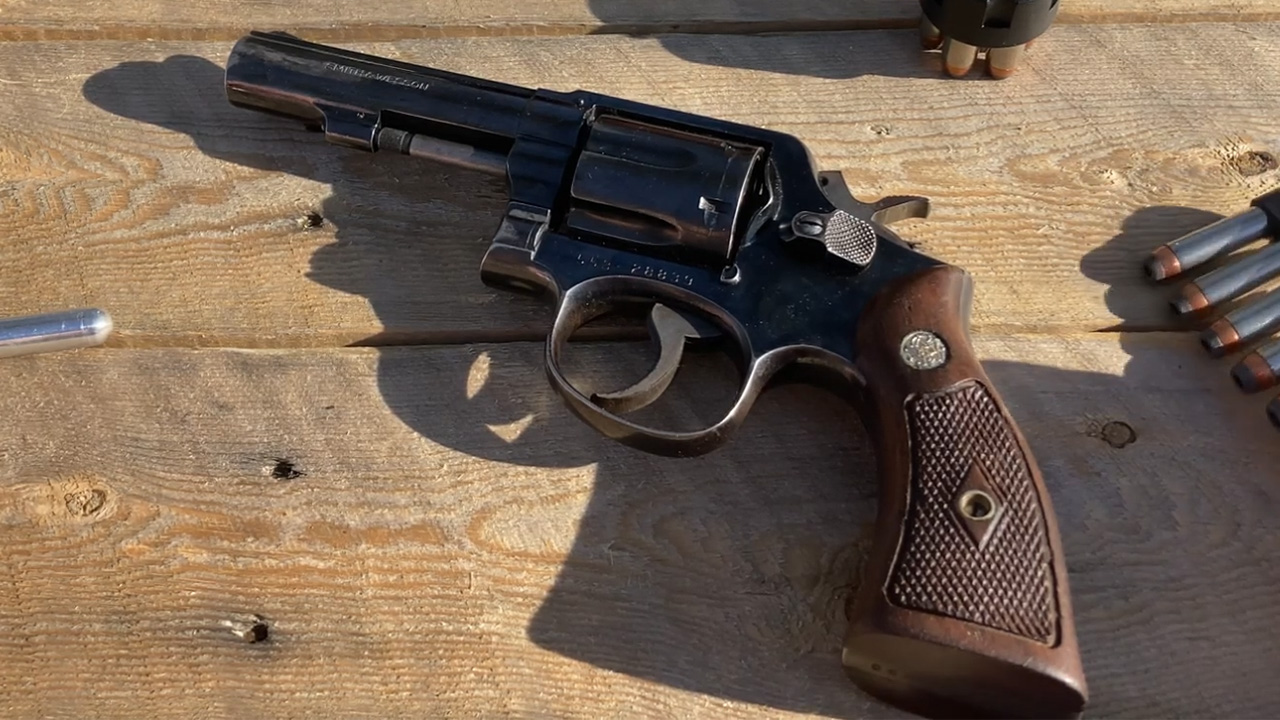
Police trade-in revolvers used to be everywhere, then they dried up and everyone chased micro-compacts. The old .38 service revolver got labeled obsolete.
Then people remembered what a Model 10 does: it works, it’s accurate, it’s simple, and it’s easy to teach with. A good K-frame .38 with fixed sights is the kind of handgun that just lives well—nightstand, tackle box, farm truck (stored responsibly), whatever your life looks like.
13. Ruger GP100
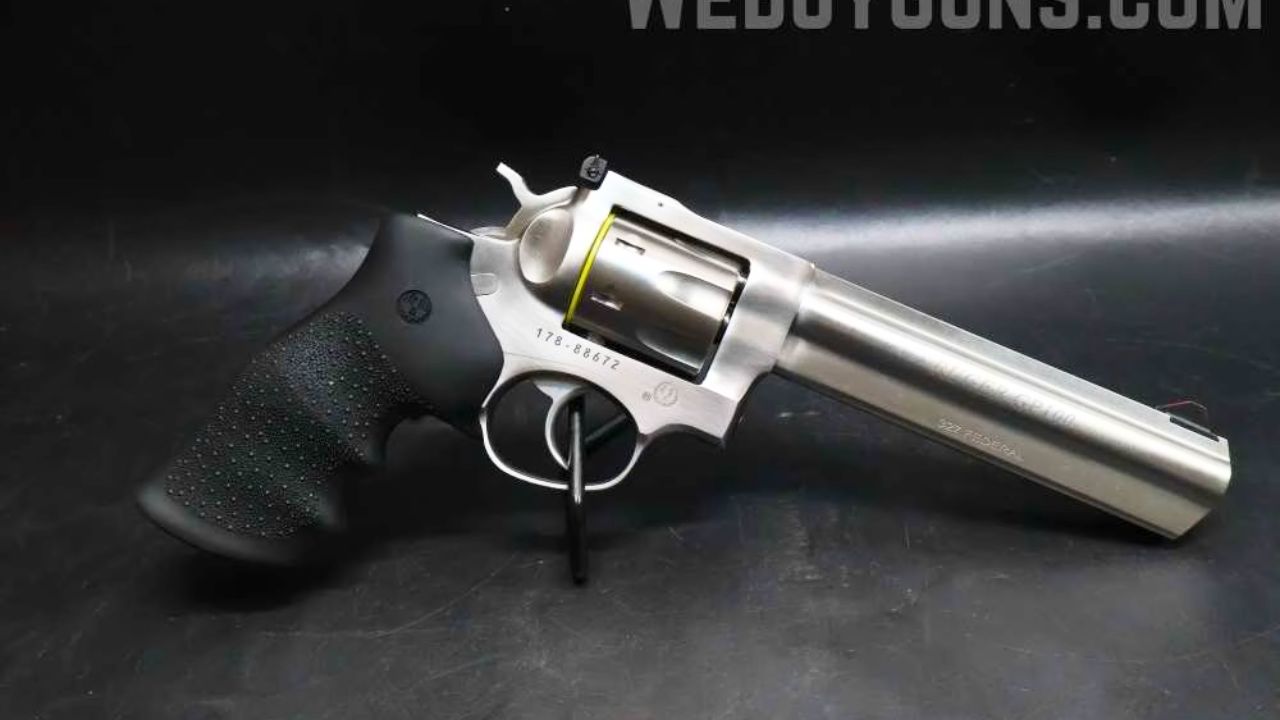
Revolvers dipped hard when polymer pistols got cheap and reliable. The GP100 didn’t go away, but it definitely wasn’t the popular pick unless you specifically wanted a .357.
It’s back because it’s built like it wants to outlive you. With modern .357 loads, and especially with .38s for practice, it’s one of the most sensible “do it all” revolvers made. Triggers can be improved, grips are endless, and you don’t have to baby it.
14. Ruger 10/22

The 10/22 never disappeared, but it did get taken for granted. It became the rifle everyone owned but nobody got excited about—until they needed a rimfire that actually runs.
The comeback is mostly the aftermarket and better out-of-the-box variants. Improved factory triggers, threaded barrels, takedown models, and magazines that are everywhere keep it on top. It’s still the rifle I recommend when somebody says, “I want one gun that makes me shoot more.”
15. Marlin Model 336 (modern production and the used market)

Lever-action .30-30s got called “brush guns” like that was an insult. Then stores filled up with lightweight bolt rifles and everyone forgot how handy a 336 is in real woods.
It came back because a 336 carries like a walking stick and hits like a real deer rifle inside normal ranges. Mount a simple optic or run good irons, and it’s hard to beat for thick timber. Ammo availability swings have also reminded folks that .30-30 still shows up when some trendy stuff doesn’t.
16. Winchester Model 1894 (.30-30)
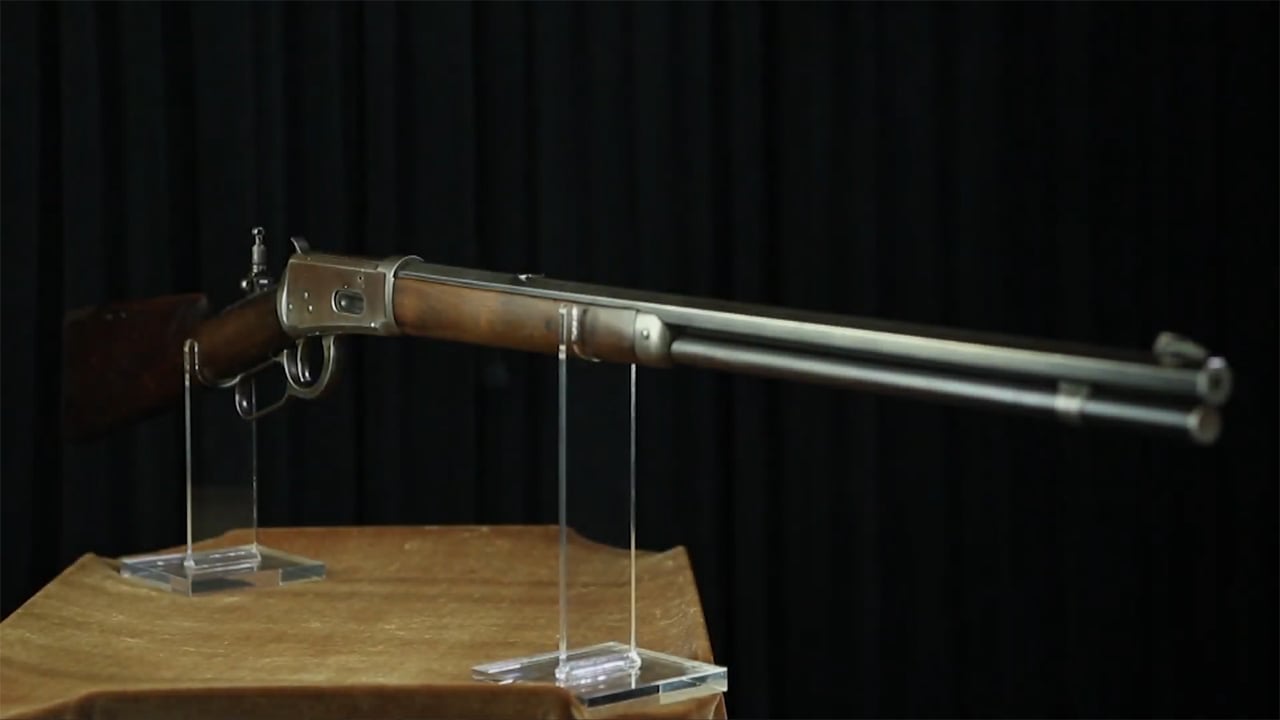
The Model 94 is another one that got pushed into the “grandpa gun” corner. Top-eject versions made scoping awkward, and plenty of hunters decided they needed more range than they actually use.
Angle-eject models and better receiver sight options helped bring it back into regular use. It’s light, fast, and honest. There is nothing fancy about it, and that is kind of the point when you’re slipping through laurel thickets or climbing ridges.
17. Savage Model 99

This rifle spent years in that weird spot: too “old” for the modern crowd, too “nice” for the beater-rifle crowd. And finding parts or a good gunsmith who understands them can be a chore.
But hunters who actually carry them remember why they’re special. A Model 99 balances beautifully, and the rotary magazine and lever action make for a slick deer rifle. In cartridges like .300 Savage or .308, it’s still plenty of gun. The comeback here is respect more than mass popularity.
18. Springfield Armory M1A
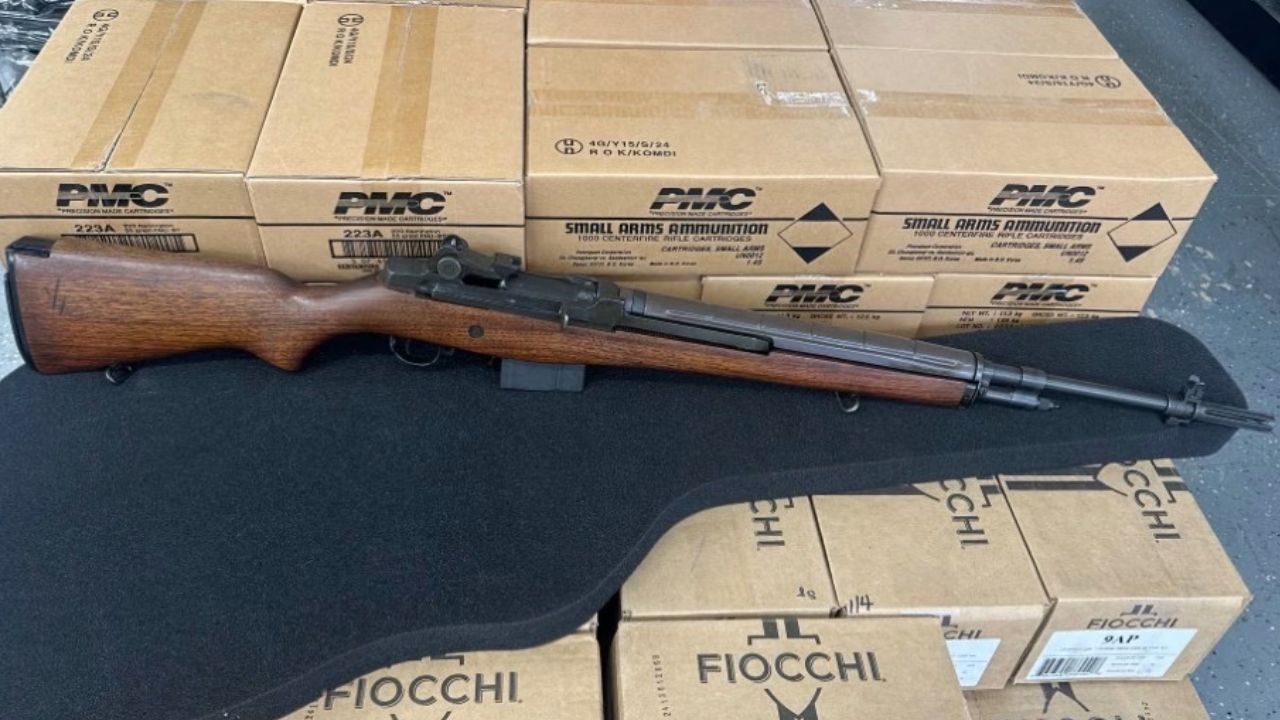
The M1A got overshadowed by AR-10 style rifles that are easier to mount optics on and easier to tune. The M1A also isn’t a lightweight, and it’s not cheap to feed if you’re shooting .308 like it’s 5.56.
Still, it keeps coming back because it shoots smooth, it has soul, and it does well in “field rifle” roles where you’re not trying to build a science project. With modern mounts and better understanding of what the platform likes, it’s more usable than the internet arguments make it sound.
19. Ruger No. 1
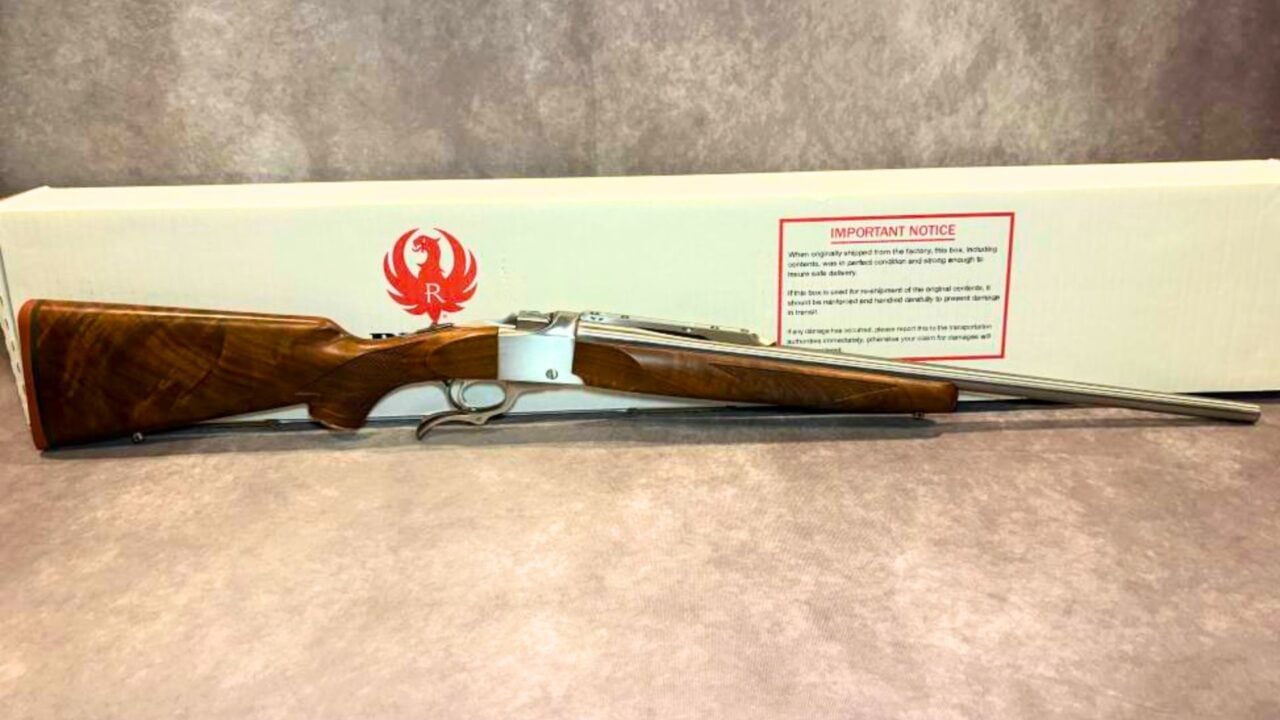
Single-shots went out of style hard. When you can have a lightweight bolt gun with a magazine, why carry a single-shot that costs more? Fair question.
Then you hunt with one for a season and you get it. The No. 1 is compact for its barrel length, it carries like a dream, and it makes you slow down in a good way. Modern optics and better bullets have made “one good shot” more realistic than ever—if you’re the type who can live with that rule.
20. Smith & Wesson Model 19 (new production)
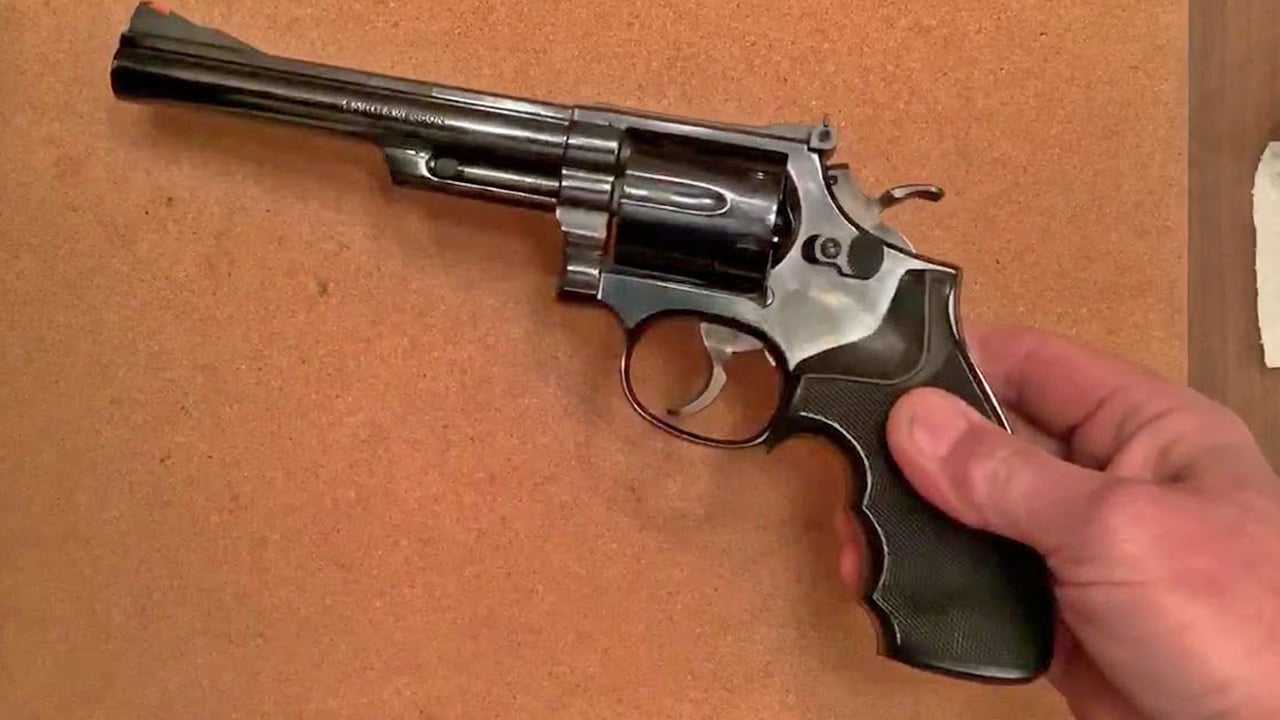
The Model 19 is one of those revolvers that got loved to death. K-frames are great, but years of steady hot .357 loads beat some of them up, and the market shifted to bigger frames and polymer pistols.
New production Model 19s brought the concept back with updates aimed at longevity, and they remind you why the original idea was so good: a carryable .357 that still feels lively in the hand. Load it smart, practice with .38s, and it’s a practical revolver instead of a nostalgia piece.
Trends are fun until you’re standing at the counter realizing the “outdated” gun you sold was the one that fit your life best. The good news is a lot of these classics didn’t just return—they returned supported, refined, and ready to work. If you’ve got one that shoots straight and runs right, I would not be quick to let it go.
Like The Avid Outdoorsman’s content? Subscribe to our newsletter so you never miss an article.
Here’s more from us: