Photo credit: Mossberg
A good rifle should make you feel steady every time you shoulder it. But some rifles do the opposite—they shake your trust with every trigger pull. Maybe the barrel heats up and your group walks off paper, or the action feels like it’s full of gravel. Sometimes it’s the trigger, other times the scope mounts or bedding. And when a rifle costs you confidence, you start second-guessing everything—your ammo, your shooting, even your ability. That’s the kind of gear that belongs in the classifieds, not in a blind or on a hunt. These rifles may have sounded good on the rack, but in the field, they’ve earned reputations for disappointing the people who depend on them most.
Remington 770

The Remington 770 tried to offer affordability with a factory-mounted scope, but what hunters got was a lesson in cutting corners. The action feels gritty, the bolt wobbles, and the trigger is unpredictable. Accuracy is hit or miss—literally—and that’s not what you want in a hunting rifle.
Even if you get a decent group one day, it may not hold zero by the next. The polymer stock flexes under pressure, and the optics that come mounted are cheap placeholders. The 770 might have been marketed for new hunters, but it’s more likely to drive them away from the sport after a frustrating range trip.
Mossberg Patriot

The Mossberg Patriot looks the part and shoots decently when new, but the more time you spend with it, the more flaws you find. The bolt lift is rough, the trigger inconsistent, and accuracy varies wildly between rifles.
It’s affordable, sure—but the cost shows. The synthetic stocks can feel hollow and bend under a firm rest, throwing shots off at longer ranges. It’s not unreliable, but it’s not reassuring either. When a rifle feels like it’s fighting you instead of helping, your confidence disappears fast. The Patriot’s a reminder that a nice price tag doesn’t always translate to dependable performance.
Winchester XPR

The Winchester XPR had potential, but inconsistent quality control has plagued it from the start. Some shoot tight groups, while others scatter shots with the same ammo and setup. The bolt has a sticky feel, especially when cycling fast, and the trigger doesn’t inspire trust.
Hunters expecting Model 70 heritage found a rifle that feels hollow and rushed. Even minor stock flex or bedding issues can throw shots wide. It’s accurate enough for casual use, but when precision matters—like on a long shot across a canyon—it makes you hesitate. And hesitation is never a good hunting partner.
Ruger American Compact

The Ruger American Compact is light, handy, and accurate—until it isn’t. Its injection-molded stock can flex enough to touch the barrel, shifting point of impact depending on your rest. The short length of pull makes it fast to shoulder but awkward for taller shooters.
The trigger’s decent, but the rifle’s lightweight build amplifies recoil and muzzle jump. That means confidence fades the more you shoot it, especially with heavier calibers. It’s reliable and affordable, but for hunters who care about consistent hits, it often feels like an unfinished project instead of a trusted tool.
Savage Axis II

The Savage Axis II gets points for affordability, but it’s earned complaints for everything else. The action is rough, the magazine feels cheap, and the factory trigger varies from okay to miserable. You can get accuracy out of it, but not without effort.
Stock flex is a recurring issue, especially when using a bipod. You’ll chase zero between sessions, wondering whether it’s your shooting or the rifle. That kind of inconsistency eats at confidence over time. The Axis II is fine for casual range work, but when a rifle makes you second-guess every shot, it’s better off in the safe.
Browning AB3
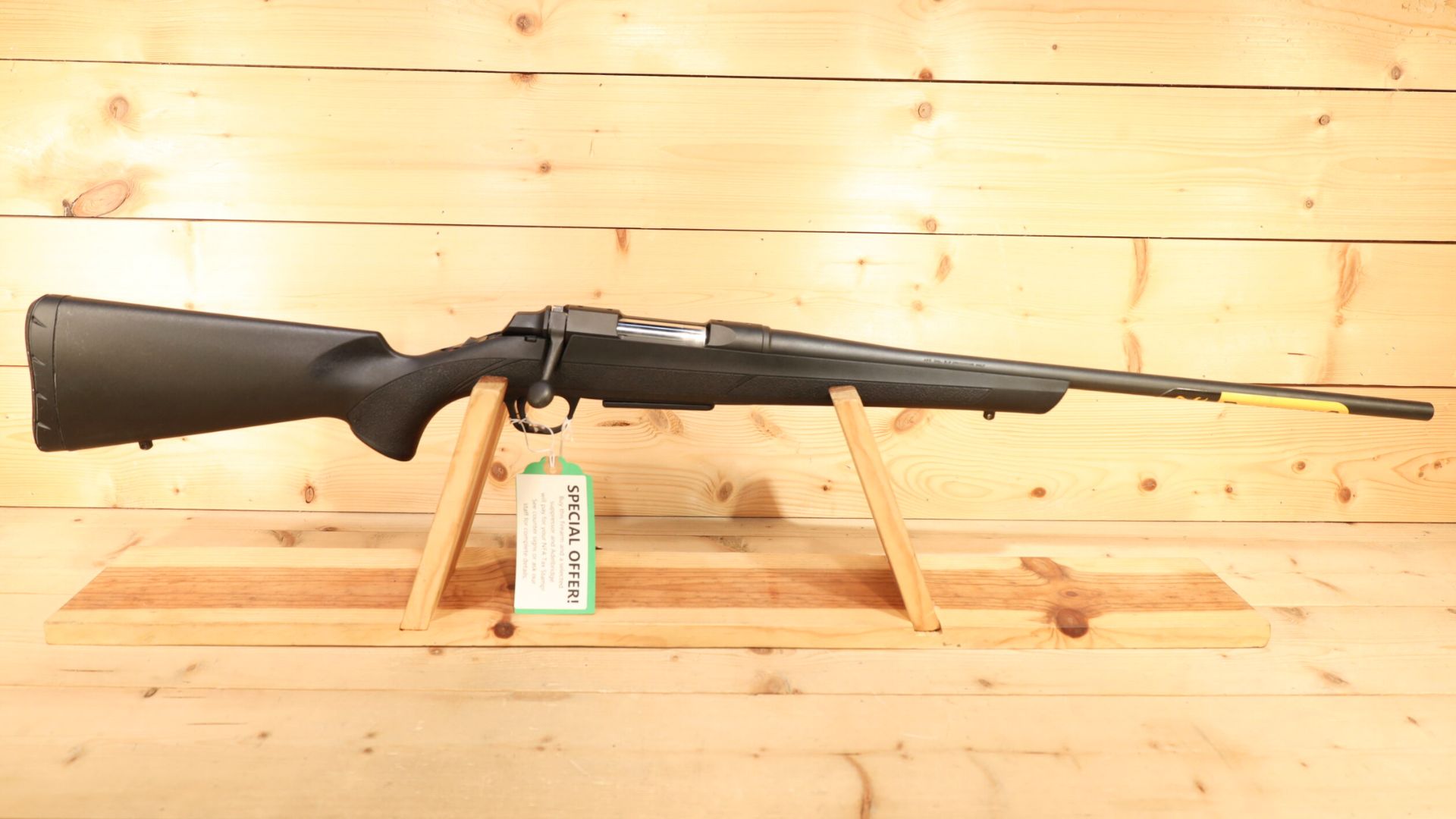
The Browning AB3 was supposed to bring Browning quality to a lower price point—but something got lost along the way. The bolt lift feels awkward, the polymer stock feels cheap, and the trigger isn’t what you expect from the brand.
Accuracy is average at best, with groups often spreading after the first few shots due to heat. The rifle functions, but there’s no refinement—no feel that gives you confidence behind the trigger. It’s not a disaster, but for a name like Browning, “not bad” isn’t good enough. The AB3 proves that even great brands can miss the mark when they try to build to a price.
Remington 783

The Remington 783 was meant to redeem the 770’s reputation. It’s better—but not by much. The bolt lift feels stiff and awkward, and the magazine fit isn’t confidence-inspiring. Accuracy can be solid in some rifles, but erratic in others.
It’s a gun that feels functional but unrefined, like it was designed in a hurry. Bedding issues and cheap polymer components don’t help. The 783 will shoot deer, sure—but when you’ve owned better rifles, it’s hard to get excited about one that feels like it’s barely trying. You’ll start checking your scope screws every few shots, and that says it all.
Tikka T3x Lite in Magnum Calibers
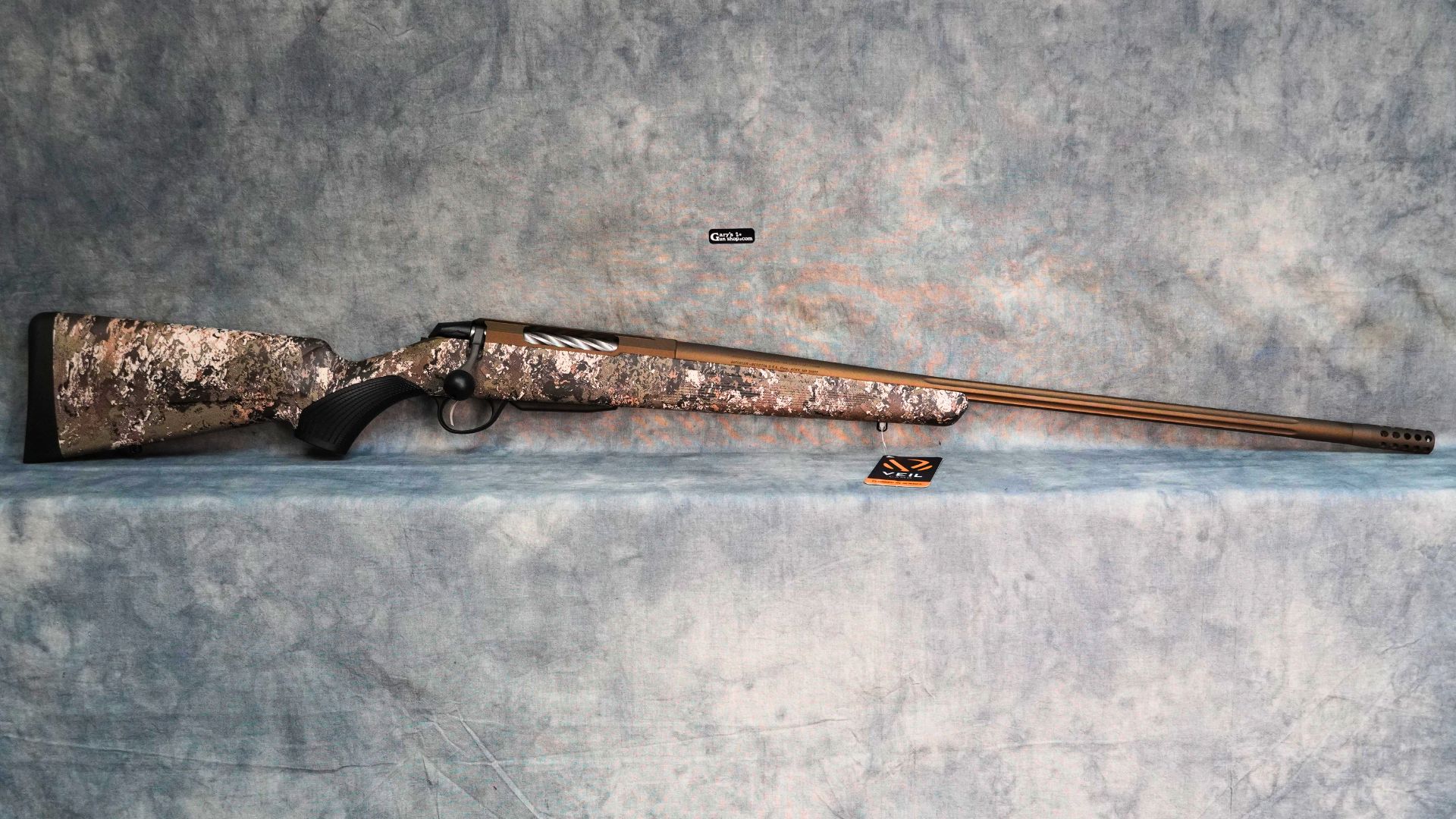
The Tikka T3x Lite is beautifully accurate, but in magnum calibers, it can shake your confidence fast. The lightweight design translates to punishing recoil, especially off the bench or prone. Even experienced shooters find themselves flinching after a few rounds.
It’s not the rifle’s fault entirely—it’s physics. But when a gun’s so light it punishes you for shooting it, you stop shooting it well. That’s the definition of lost confidence. In smaller calibers, the T3x Lite is fantastic. Step up to .300 Win Mag, and you’ll wish you’d packed more weight—or more Advil.
Ruger Gunsite Scout

The Ruger Gunsite Scout looks tough and tactical, but it’s a tough rifle to love. The short barrel and forward-mounted scope make balance awkward, and recoil feels sharper than expected. It’s accurate enough at moderate ranges but inconsistent beyond 200 yards.
Magazines are bulky, expensive, and prone to misfeeds if you don’t seat them perfectly. For all its looks, it’s not as practical as it appears. It’s a fun rifle to own, but most shooters admit they shoot other bolt guns better. It’s not a confidence killer out of malice—just by design.
Weatherby Vanguard Synthetic

The Weatherby Vanguard Synthetic should’ve been a sure bet—it’s built on a proven action. But its heavy trigger pull and inconsistent bedding make accuracy unpredictable. Some rifles shoot half-inch groups; others can’t stay inside two.
The stock design feels outdated, and the rifle’s weight distribution makes it sluggish to handle. It’s not unreliable, but it’s uninspiring. You can trust it to fire, but you’ll never quite trust where that shot’s going to land. For the price, there are better rifles that build confidence instead of draining it one miss at a time.
Marlin X7

The Marlin X7 was underrated in theory, but in practice, it never lived up to its promise. The trigger was decent, but the action felt rough and the plastic stock flexed enough to shift groups. Some rifles shot great, others couldn’t group worth a dime.
Marlin discontinued it quietly, and that says everything. The X7 was neither bad enough to hate nor good enough to remember. It’s a rifle you wanted to believe in—but by the time you realized it wasn’t consistent, your confidence was already gone.
Howa 1500 Hogue

The Howa 1500 is a solid rifle, but the Hogue stock version introduces problems it doesn’t deserve. The soft rubber coating flexes more than most realize, especially off a rest, which can shift shots at longer ranges.
The rifle itself is accurate and smooth, but that stock undermines it. Many shooters end up replacing it with a stiffer aftermarket version, which adds cost and defeats the point of buying it cheap. You can make it great—but out of the box, it’s one of those rifles that leaves you questioning whether it’s you or the gun.
CVA Cascade

The CVA Cascade has promise, but inconsistent quality control has hurt its reputation. Some rifles shoot incredibly tight groups; others struggle to hold two inches at 100 yards. The bolt lift is heavy, the feeding sometimes clunky, and the overall finish feels unfinished.
It’s not junk, but it’s unpredictable—and unpredictability kills confidence. The Cascade’s potential is there, but it’s not consistent enough to rely on without serious testing. You can get a good one, but you might not. For hunters who need to trust every pull of the trigger, that’s a gamble not worth taking.
Remington Model 710

The Remington 710 deserves its own category of disappointment. Plastic parts in critical areas, rough machining, and a reputation for locking bolts make it one of the least trusted rifles of its time.
It might shoot straight for a few outings, but durability is always in question. Hunters who owned one often learned to carry a backup rifle. That says plenty. It was replaced quickly for good reason, and even now, used ones sit on racks gathering dust. The 710 doesn’t just cost money—it costs belief in the Remington name. And that’s a debt not easily repaid.
Like The Avid Outdoorsman’s content? Be sure to follow us.
Here’s more from us:
The worst deer rifles money can buy
Sidearms That Belong in the Safe — Not Your Belt
*This article was developed with AI-powered tools and has been carefully reviewed by our editors.