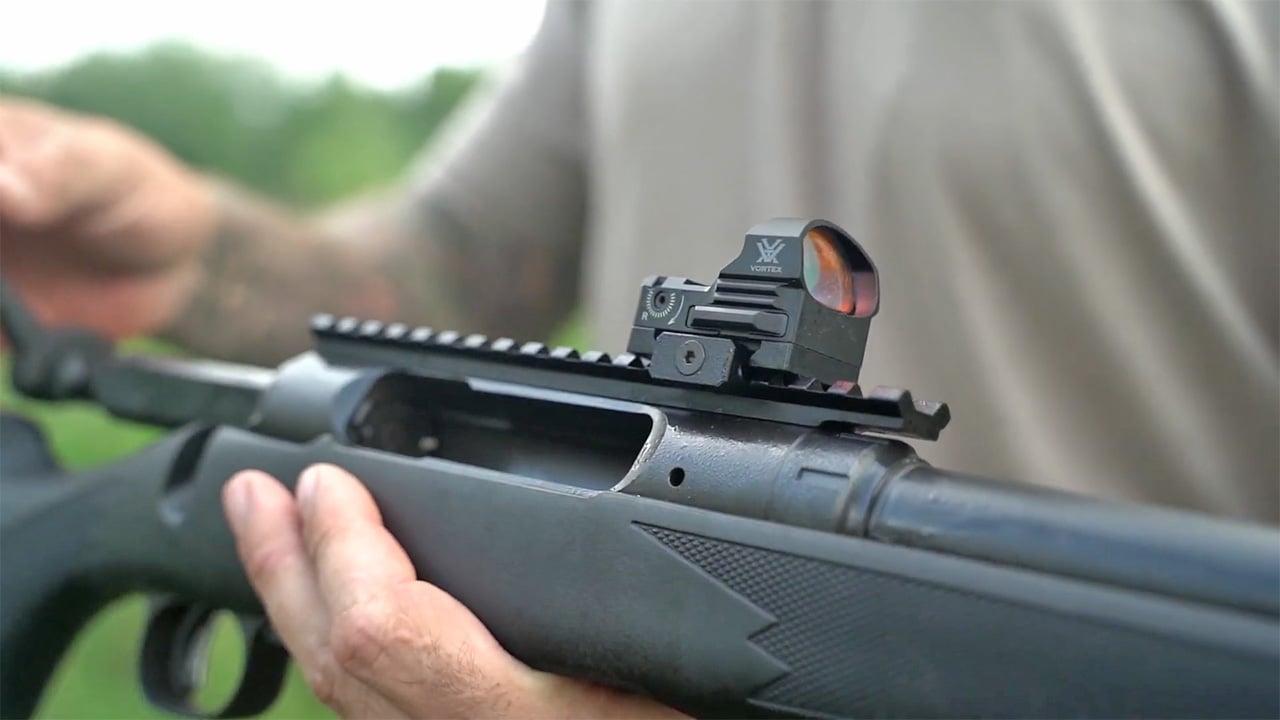
Photo credit: Josh Froelich's Addicted/Youtube
There’s a certain kind of gun that looks great in a studio photo, reads even better in a press release, and makes a fine conversation piece at the range. Outdoor writers love those guns because they’re new, different, and easy to build a story around. Serious hunters, on the other hand, tend to ignore them because they’re trying to fill tags, not fill column inches.
This isn’t about “good” and “bad” in some absolute sense. It’s about what actually gets carried into the timber when the weather turns and the stakes are real. Here are 20 guns that get plenty of hype in outdoor media, but don’t show up nearly as much in the hands of hunters who put more miles on boots than rounds on Instagram.
1. Savage 212 Slug Gun
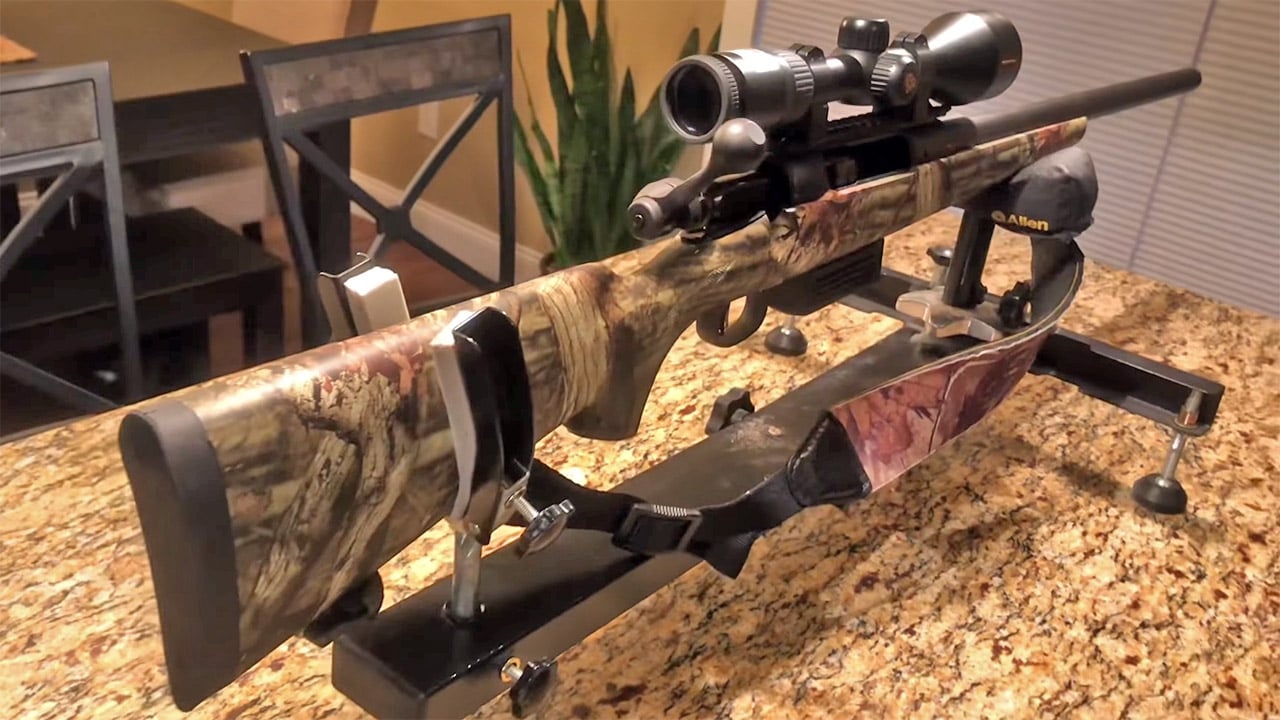
If you live in a shotgun-only zone, you’ve seen this one get praised like it’s the second coming. Bolt-action slug guns do shoot, and the 212 can be accurate with the right sabot load. Writers love printing three-shot groups from a bench at 100 yards.
But out in the real world, it’s a long, heavy, specialized tool that doesn’t carry like a bird gun or swing like a smoothbore. When you’ve got a long walk to a ladder stand and a short window to shoot, lots of hunters choose a lighter pump they already trust, even if it gives up a little paper accuracy.
2. Winchester SXP Extreme Defender
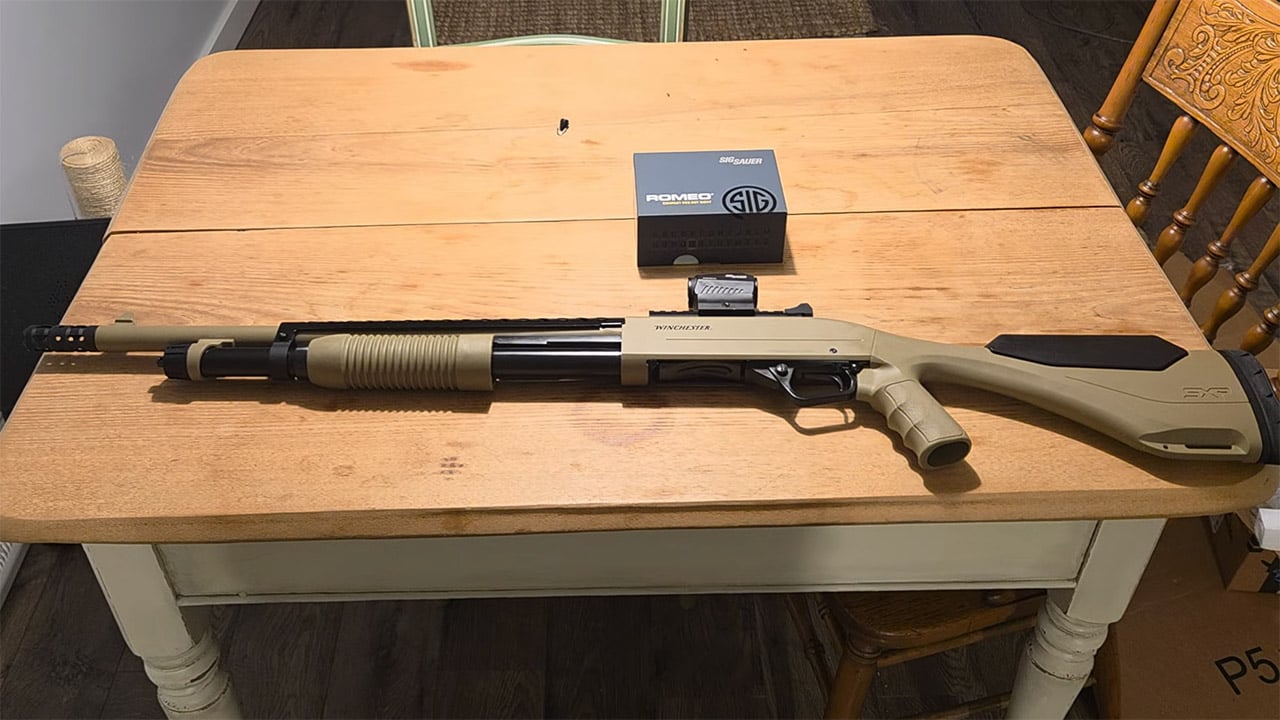
“Defender” shotguns get treated like a do-it-all answer, and the SXP runs fast. It’s also usually priced where folks feel like they’re getting a deal. The problem is, a short, tactical-style pump with rifle sights and a stubby tube isn’t a great hunting shotgun for most seasons.
Serious hunters tend to own a long-barreled field gun, because it patterns better for birds and points naturally when something flushes. A home-defense layout can work in a pinch on deer in thick stuff, but most hunters don’t buy a “pinch” gun on purpose.
3. Henry Big Boy X Model (suppressed-ready lever gun)
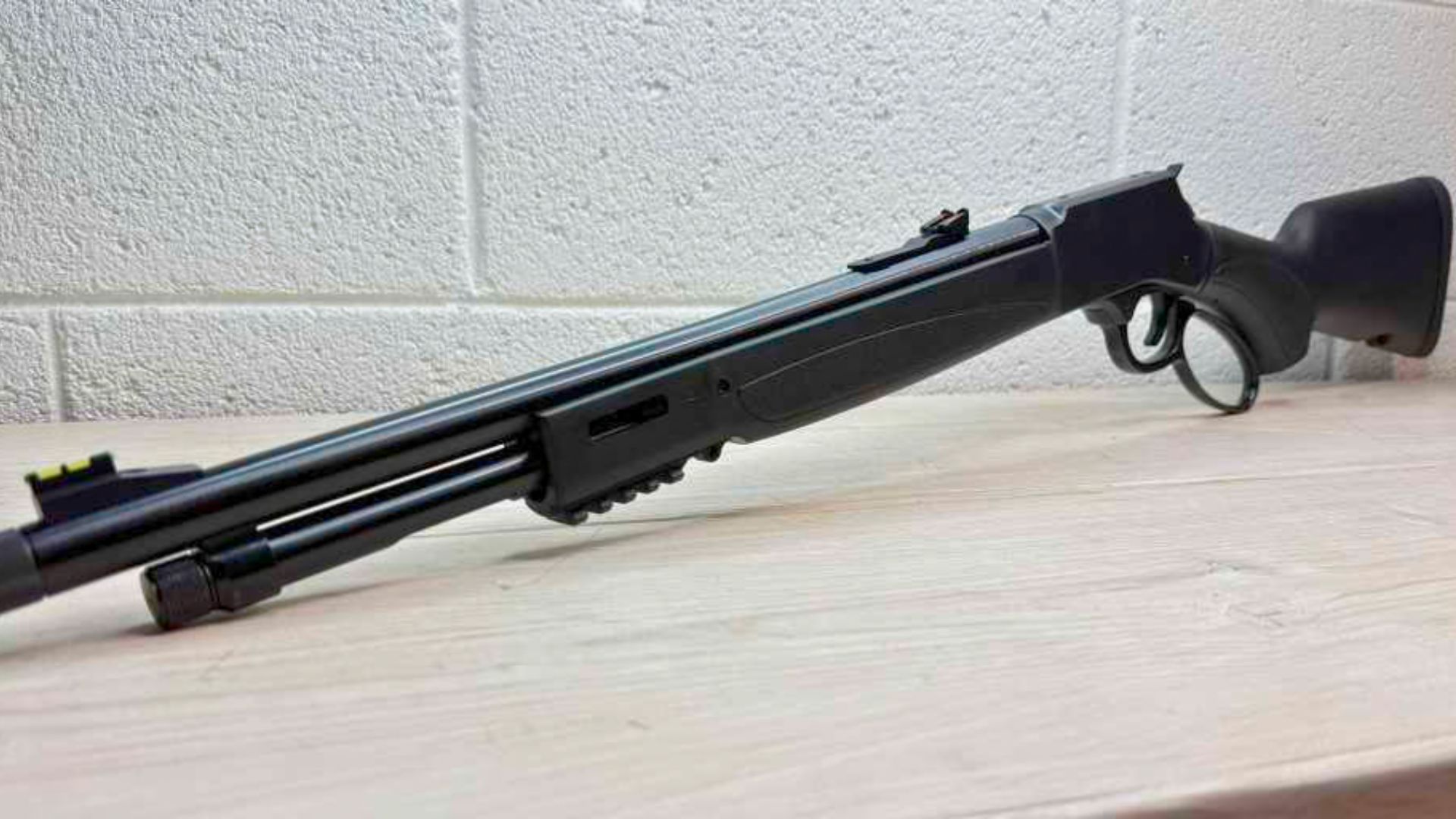
There’s no denying it: these things look tough. A lever gun with a threaded muzzle and modern furniture is a ready-made magazine cover. They’re handy too, especially in .357 or .44 when you’re walking around the farm.
Still, a lot of hunters try one and realize the weight adds up quick, and the modern furniture doesn’t change lever-gun realities like slower reloads and limited optic mounting options. Many go right back to a simple scoped bolt gun for deer and keep the lever gun as a “fun” rifle.
4. Springfield Armory SAINT Victor

ARs sell articles, and the SAINT Victor is a slick package. Writers talk about it like it’s the answer to everything from coyotes to elk, and it is a perfectly fine modern sporting rifle.
But in deer camps, the AR is still a minority pick in a lot of places. Not because it can’t work, but because magazines, ammo preferences, and gun-handling habits matter when you’ve got cold hands and a buck stepping out. The old bolt gun that always shoots the same tends to win.
5. Ruger AR-556 MPR
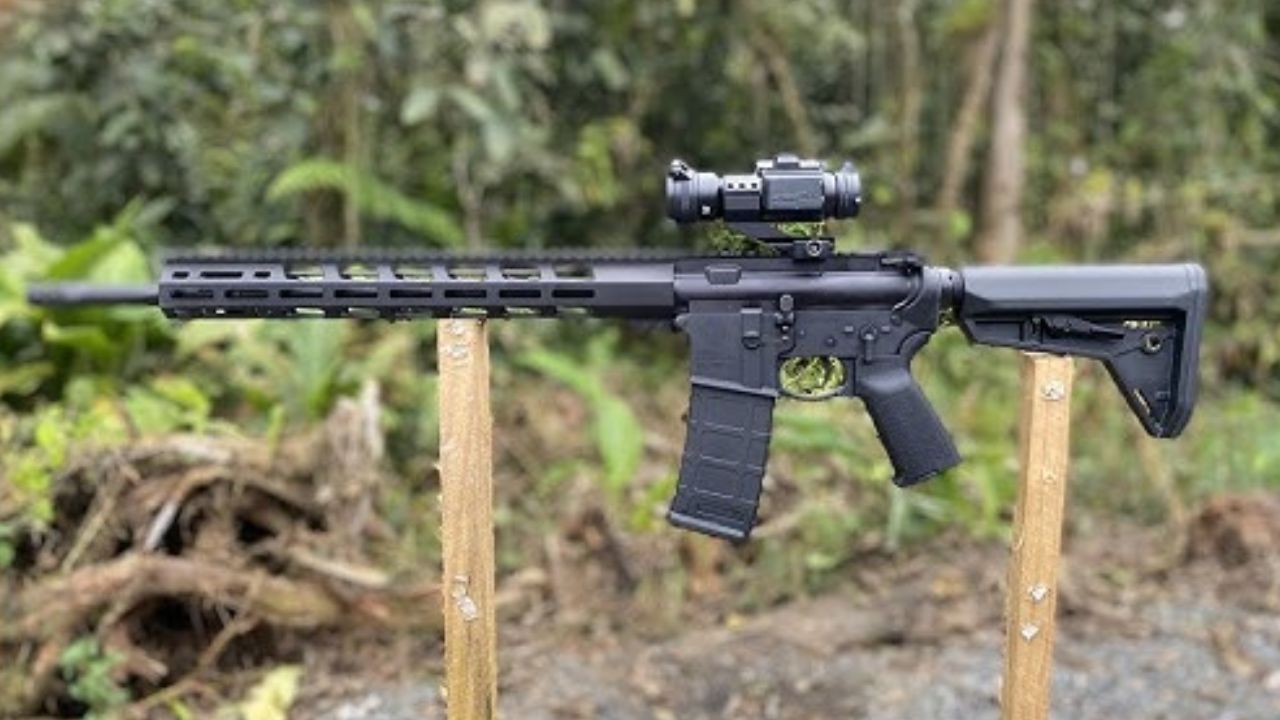
The MPR is accurate for the money, and it’s easy to praise because it does “AR stuff” well. It also comes set up like a range rifle, which makes for tidy range-day writeups and clean photos.
Hunters who tried carrying one all morning learn it’s not as handy as it seems, especially with a bipod, optic, and a loaded mag. For predators off a bench it’s fine, but for a lot of hunters a lighter bolt gun in .223 or .22-250 makes more sense.
6. Kimber R7 Mako

Every year there’s another micro-compact that gets a wave of glowing coverage. The Mako has good features on paper and it’s a sharp-looking pistol.
Serious hunters who carry a sidearm in the woods tend to be boring about it. They want common magazines, common holsters, and a track record they can verify without being the “beta tester.” Plenty of them stick with the usual suspects, even if it’s less exciting to write about.
7. Smith & Wesson M&P12

A bullpup shotgun with dual tubes is the kind of thing that makes writers reach for words like “innovative.” It’s compact, it’s different, and it photographs well. The problem is it’s still a complicated shotgun compared to what hunters usually want.
In the field, simple wins. Fewer controls, more instinctive loading, and familiar balance matter when you’re half-awake in a blind. A pump with a single tube and decades of muscle memory beats “cool” nine times out of ten.
8. IWI Tavor X95
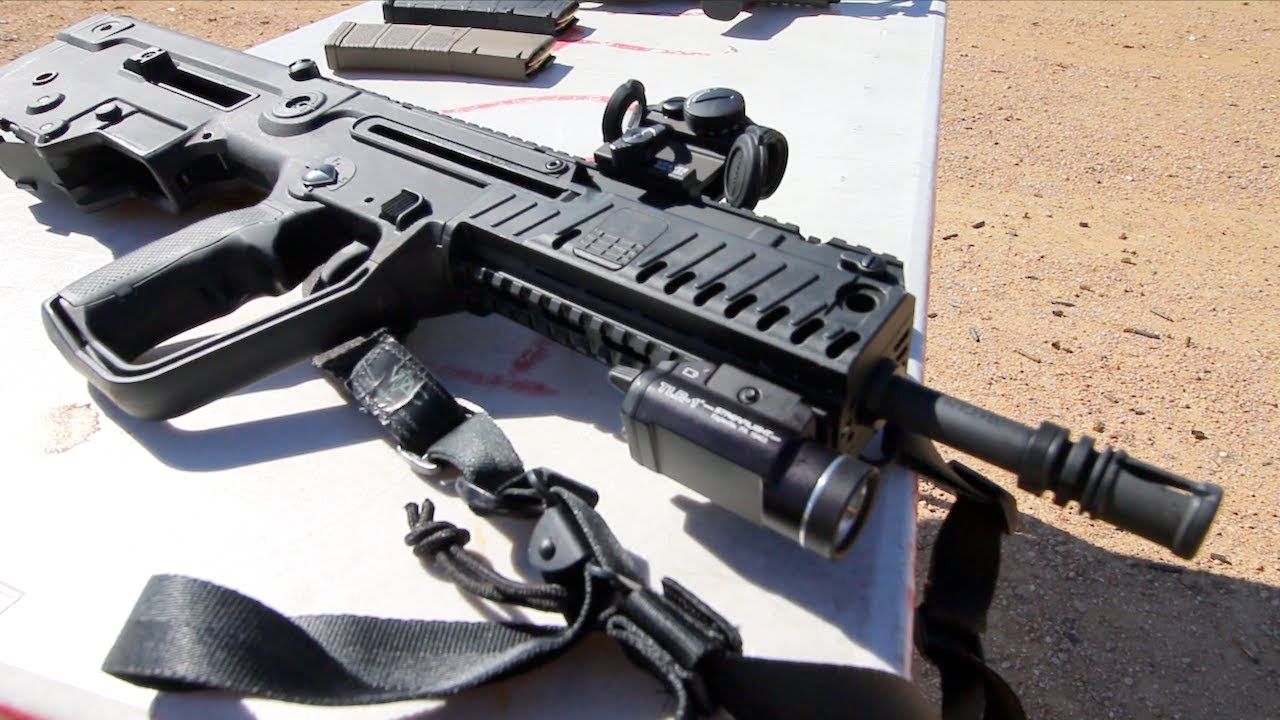
The Tavor gets plenty of love in the gun press because it’s a proven design and it’s not another plain AR. But it’s heavy, it’s pricey, and it’s not built around the kind of field carry hunters do all day.
Most serious hunters aren’t looking for a compact bullpup in the deer woods. They want a rifle that carries flat on a sling, loads quietly, and has easy-to-find parts if something breaks. The X95 is excellent at what it is, but what it is doesn’t match most hunting needs.
9. CZ Scorpion 3+
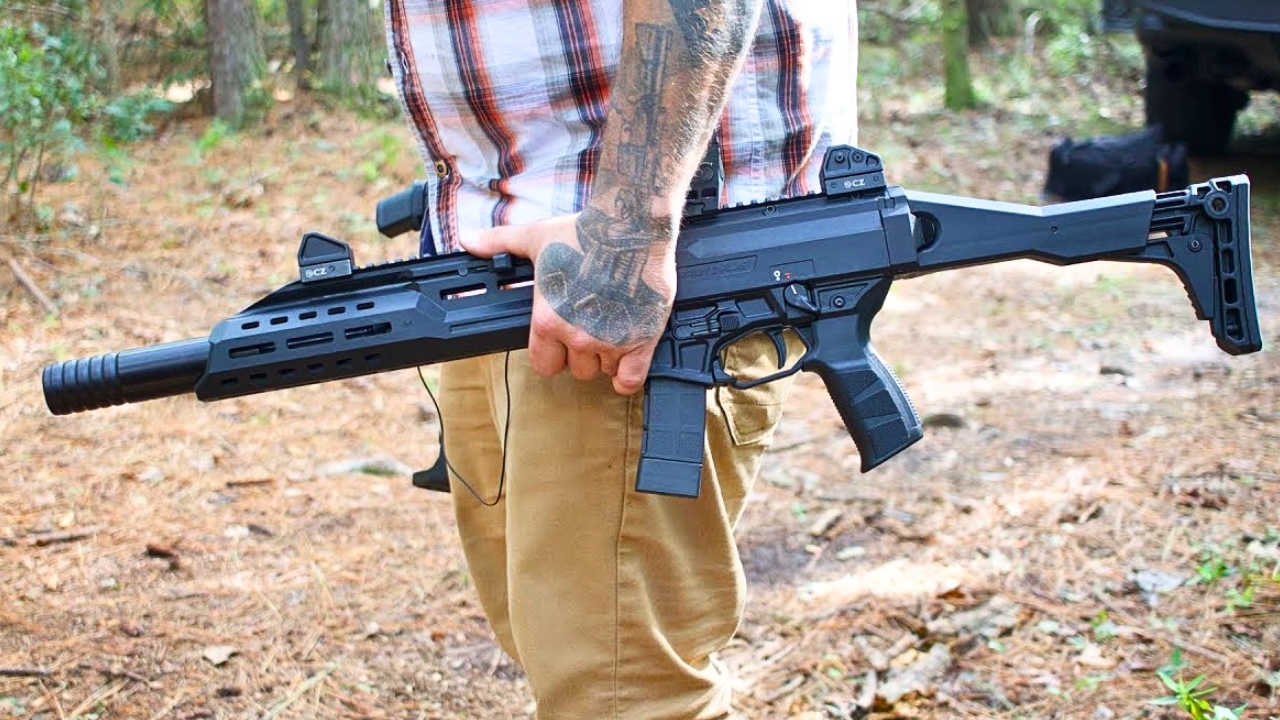
Pistol-caliber carbines are a favorite topic because they’re fun. The Scorpion is reliable, it’s soft-shooting, and it turns range time into a grin. Writers rave about it because it feels like practical utility.
Hunters ignore it because it’s in a weird spot. It’s not a great deer tool in most places, and for varmints it’s underpowered and drops fast. A .22 rifle or a .223 bolt gun does “ranch work” better, and it usually costs less to feed.
10. Chiappa Rhino 60DS
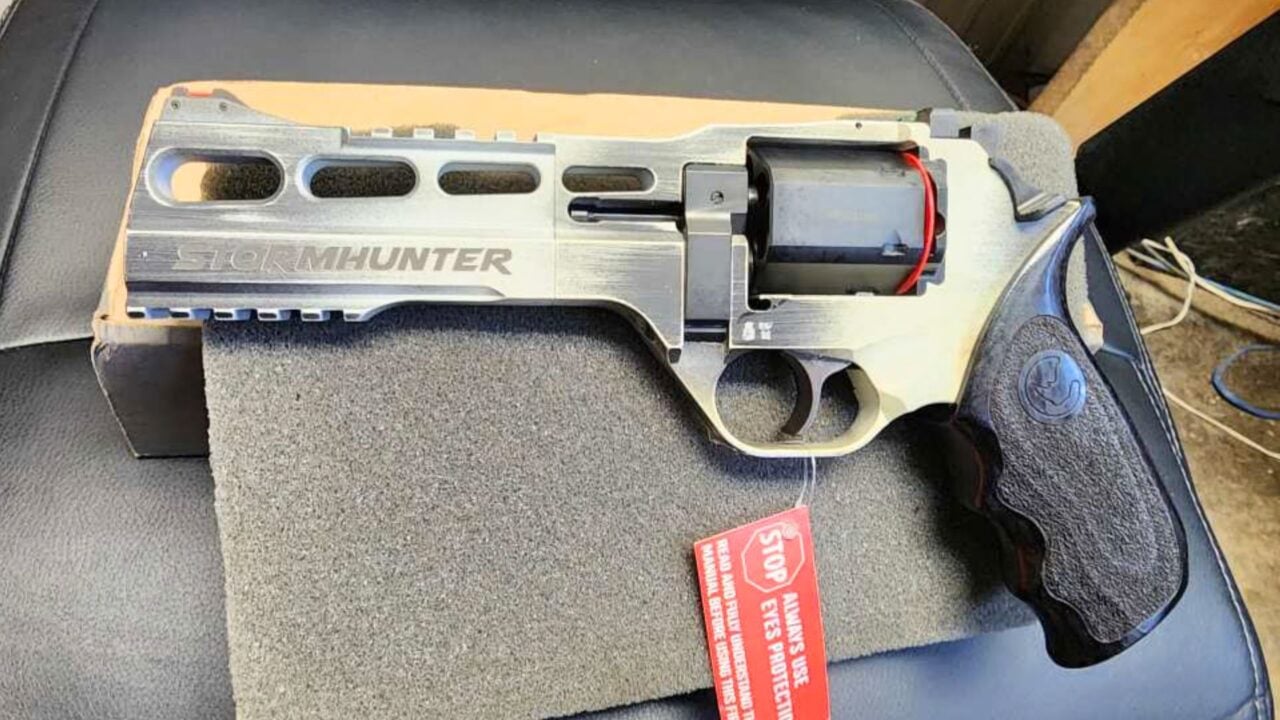
The Rhino is a conversation starter, and it’s legitimately interesting engineering. Outdoor writers love “different,” and the low-bore-axis design gives them something to explain.
Hunters and trappers who actually carry a revolver a lot tend to want boring reliability, standard holster fits, and easy parts. The Rhino can be great, but it’s not the revolver most folks want to bet a season on when the nearest gunsmith is an hour away.
11. Taurus Judge
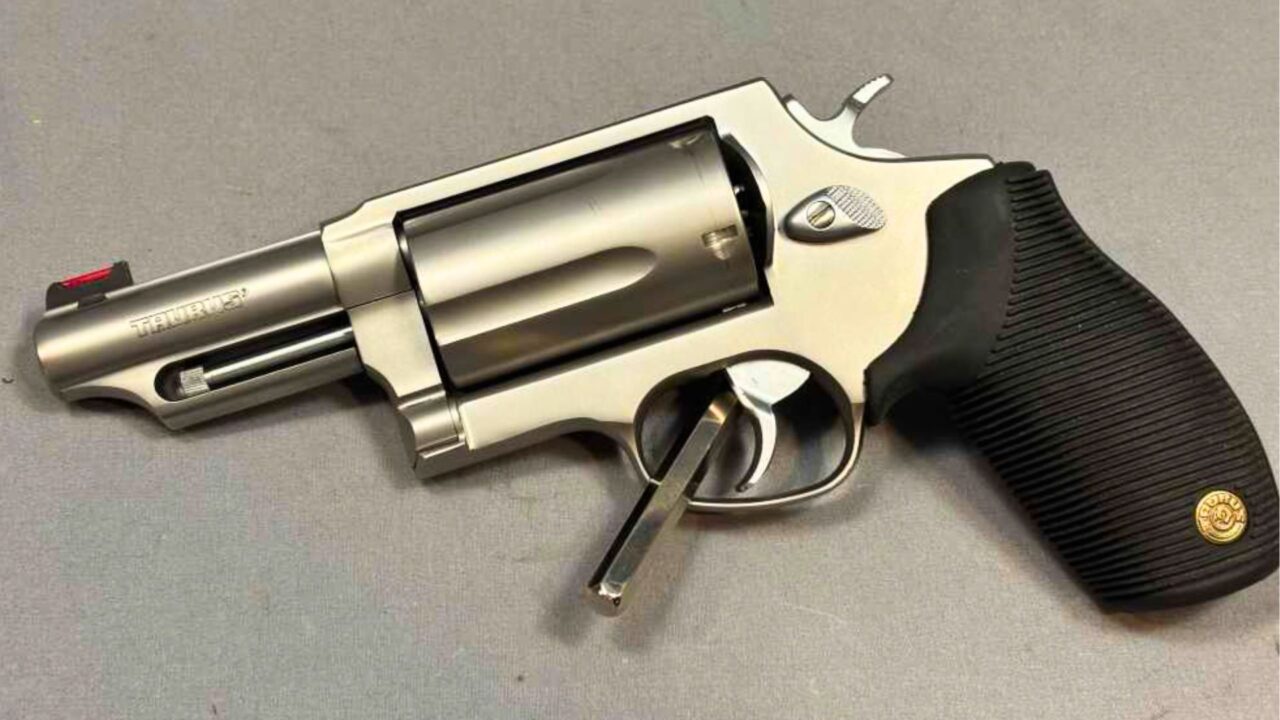
This gun has been on magazine covers and in camp arguments forever. It sounds perfect: a revolver that shoots .410 shotshells and .45 Colt. It’s easy to sell the idea of “snake gun plus everything else.”
Then you pattern it. The shotshells out of a short barrel usually aren’t the magic wand people hope for, and the gun is big for what it delivers. Plenty of serious outdoorsmen just carry a regular revolver they shoot well, or a lightweight .22 for snakes and pests.
12. Bond Arms Texas Defender
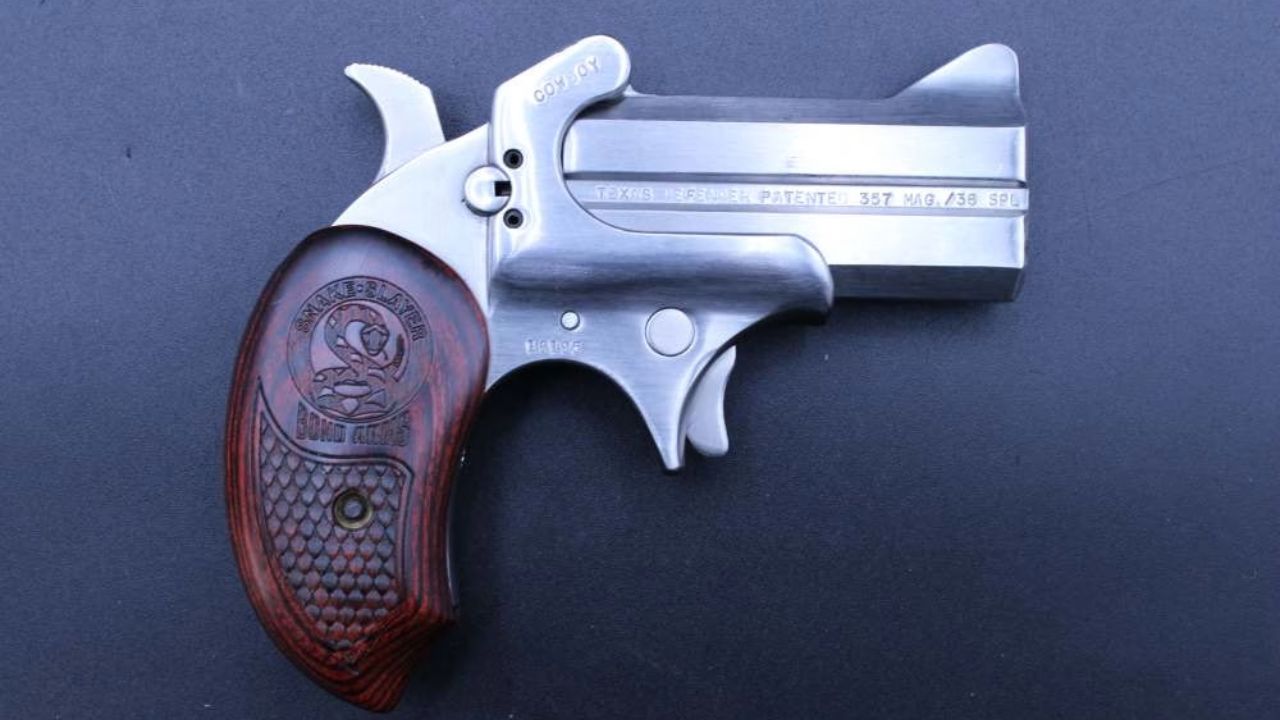
Two-shot derringers get praised as “deep carry” tools and as a nostalgic throwback. They’re built stout, and Bond Arms makes good-quality little tanks.
But a serious hunter generally doesn’t want “two shots” as a plan. In cold weather with gloves on, tiny grips and heavy triggers aren’t anyone’s favorite. These wind up as novelty guns more than serious outdoor companions, even though they look the part.
13. Glock 44

A .22 Glock sounds like the perfect training pistol, and writers love a familiar format. It’s also easy to talk about “cheap practice” and new shooter friendliness.
Hunters who want a .22 pistol for the woods usually go for something that will eat everything and ride well in a simple holster. The Glock 44 is fine, but many end up preferring a Ruger Mark series, a Browning Buck Mark, or a little revolver that doesn’t care about ammo quirks.
14. SIG Sauer P320 XFive Legion
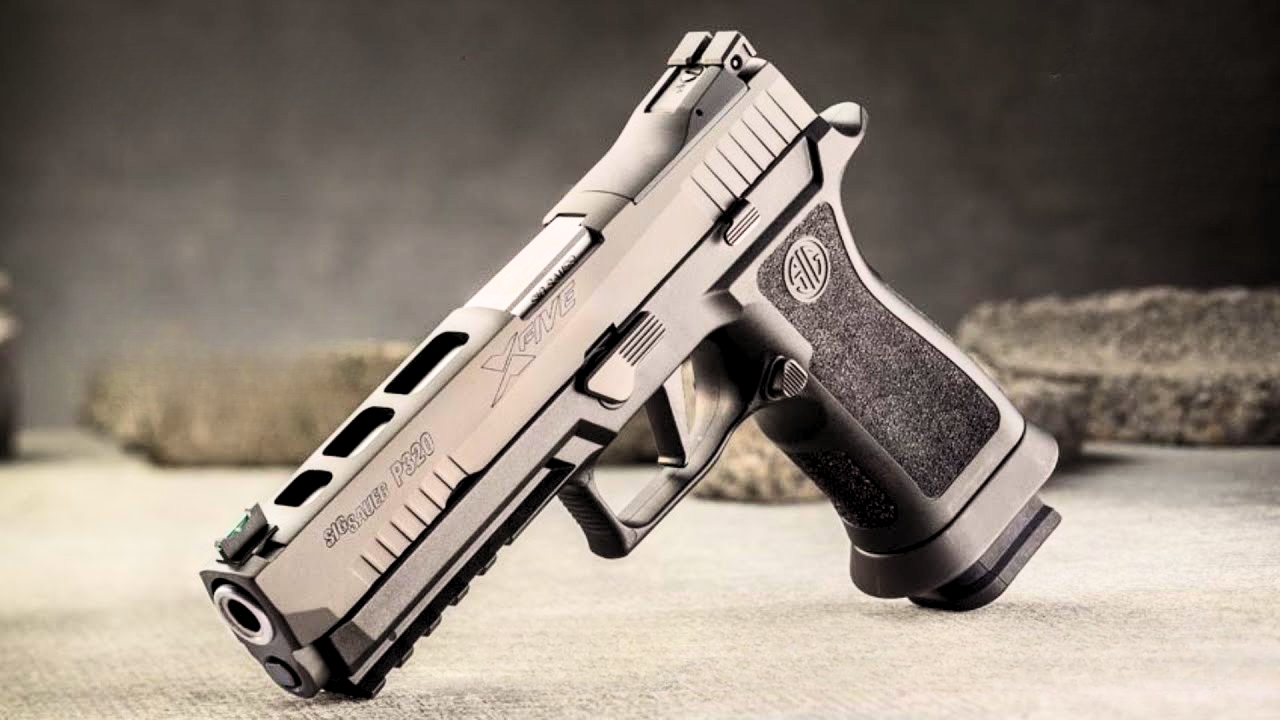
This is a great competition-style pistol, and it gets glowing coverage for being flat-shooting and feature-rich. It’s also heavy, which writers often spin as a benefit.
Hunters generally don’t want heavy. They want something that carries without tugging a belt down while they climb a fence or drag a deer. The XFive Legion is a range hammer, but it’s not a common “woods sidearm” for the guy who’s already hauling a pack and a rifle.
15. Desert Tech MDRX
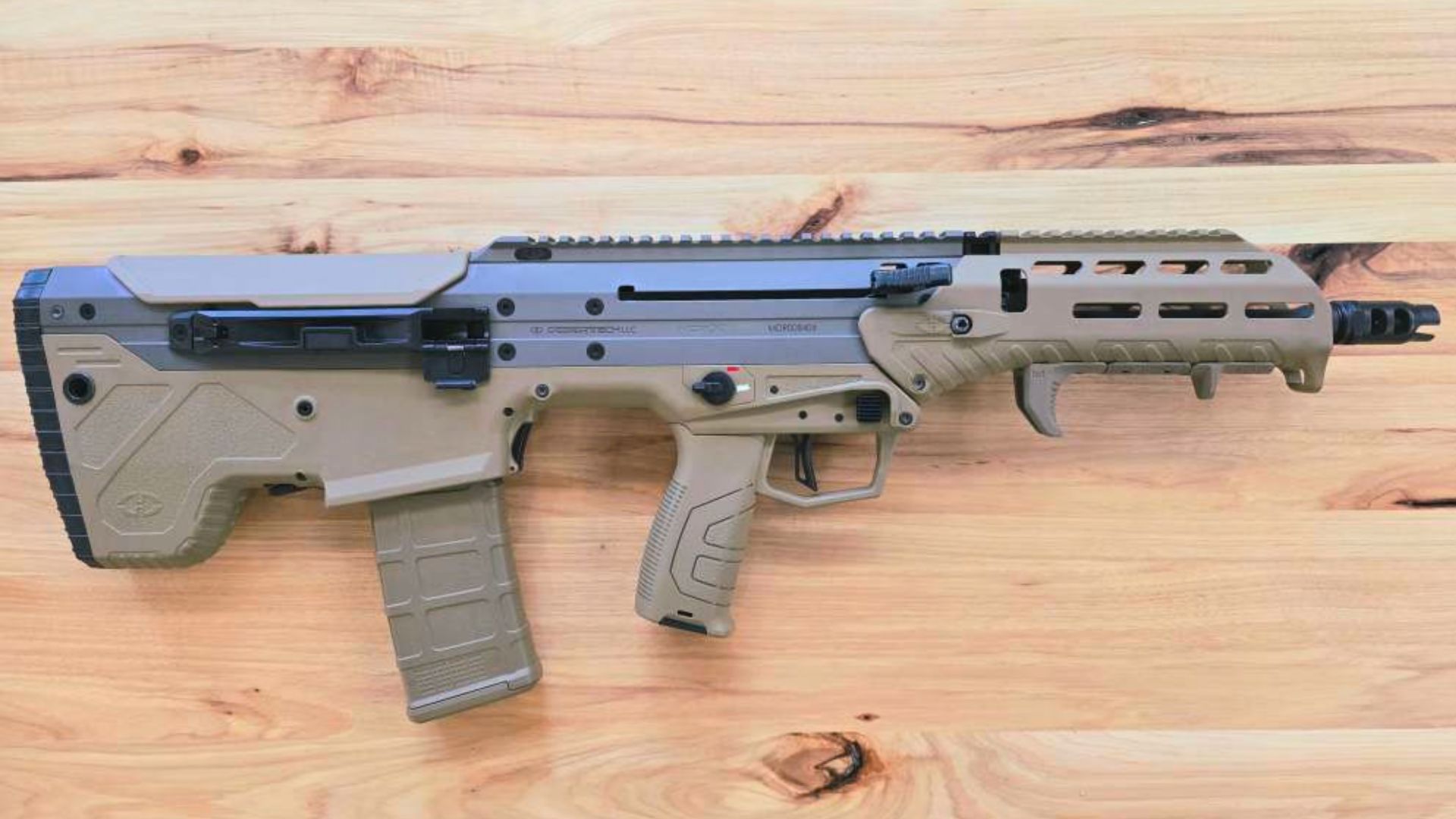
Every few years a bullpup “do-all” rifle pops up that promises compact power with long-barrel ballistics. Writers eat it up because it’s futuristic and rare enough to feel special.
Then reality shows up: weight, cost, and the fact that if something breaks you’re not fixing it with a spare part from the local shop. Serious hunters don’t like being stranded mid-season with a rifle that needs a shipping label to get running again.
16. Remington Model 783
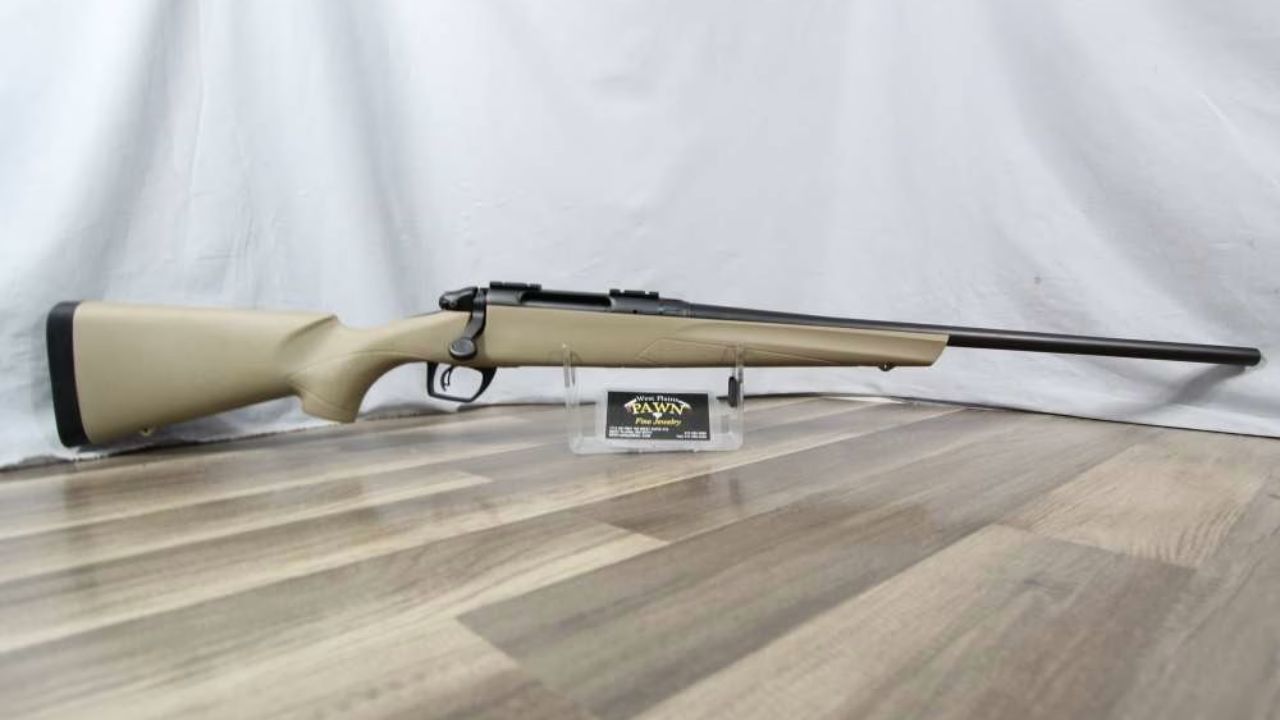
The 783 gets praised as a budget bolt gun that shoots. And it often does shoot fine, especially with ammo it likes. That makes it an easy recommendation in a “best deer rifle under X dollars” piece.
But plenty of serious hunters ignore it because they already learned the lesson: a rifle you don’t love doesn’t get practiced with. The 783 can feel a little clunky, and it doesn’t have the same smoothness or long-term parts ecosystem as some other budget rifles. It works, but it doesn’t win hearts.
17. Ruger Precision Rifle
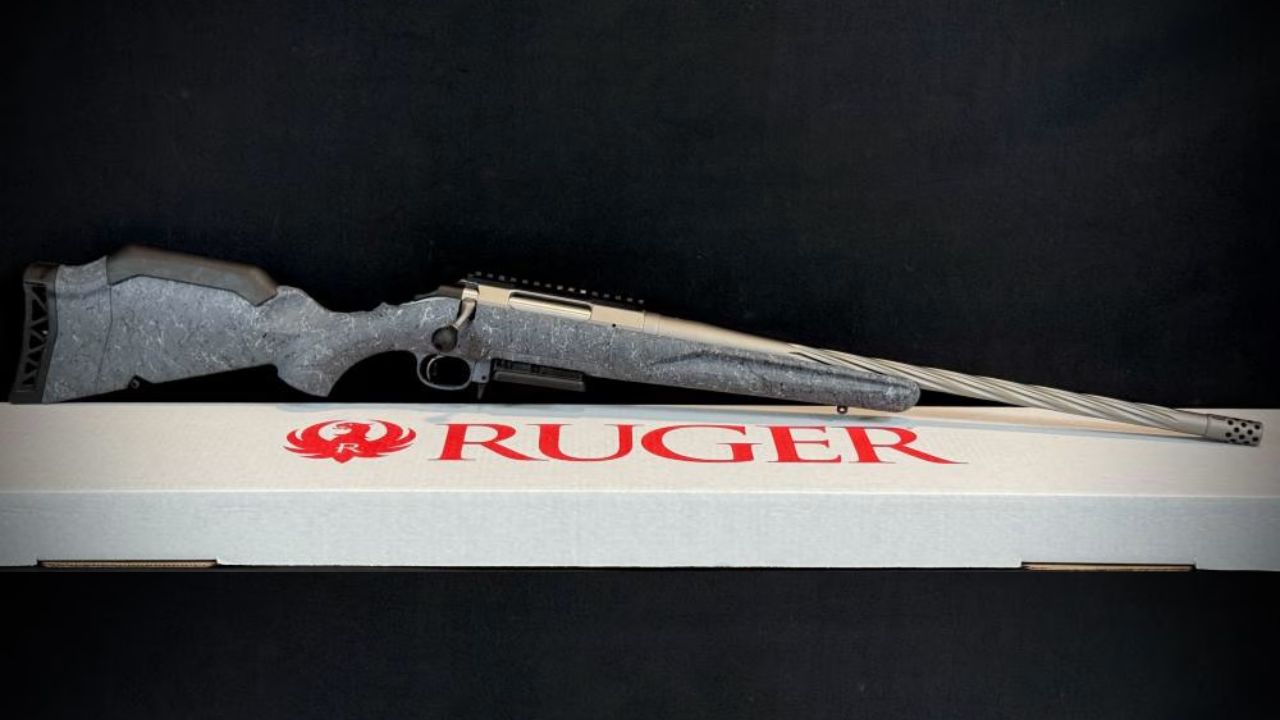
Outdoor media loves long-range anything. The Ruger Precision Rifle is accurate, adjustable, and built to ring steel at distance. It’s also heavy enough to double as a fence post.
For hunting, that weight becomes the whole story. If you’re sitting over a cut field and never moving, okay. But most serious hunters don’t want to lug a 10-plus-pound rifle with a big optic through brush and hills. A regular sporter rifle that you actually carry beats a chassis gun you leave at home.
18. Mossberg 940 Pro Tactical
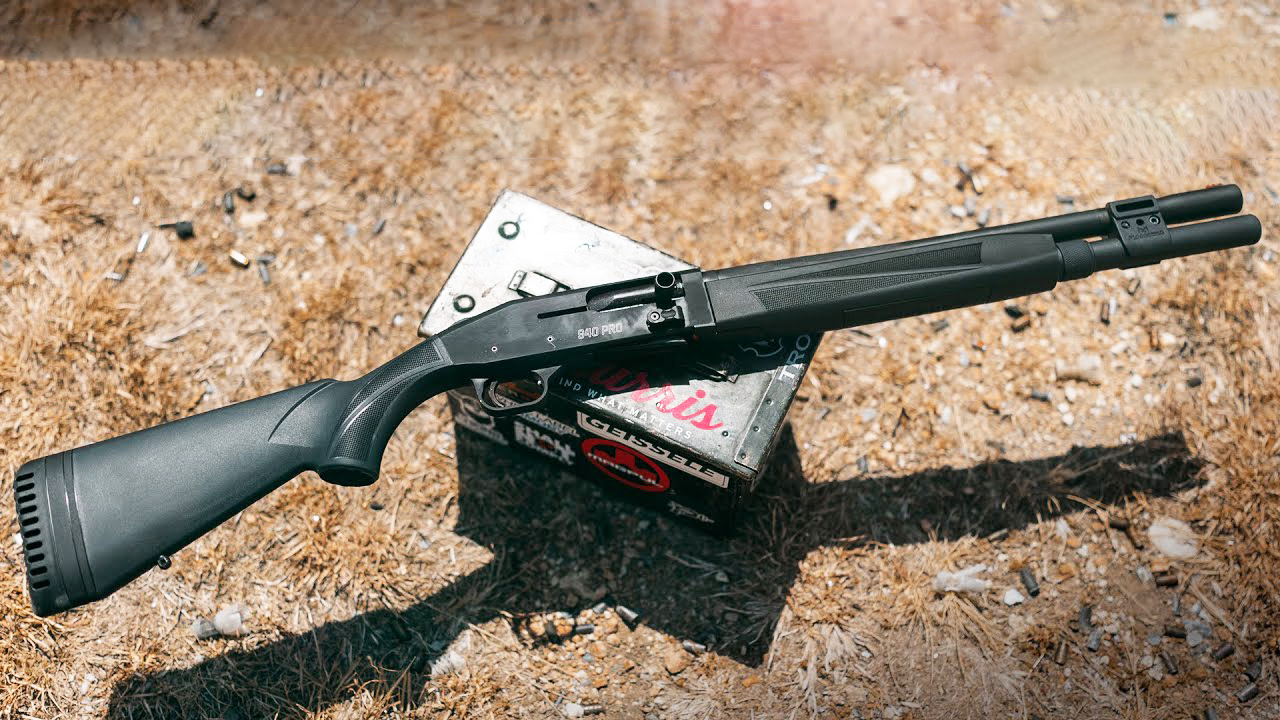
It’s a solid semi-auto, and it runs. The “tactical” versions get plenty of attention because they look like something you’d see in a training class, and they’re set up for fast handling.
Hunters who shoot waterfowl and turkeys tend to buy the version made for that job: longer barrels, different sighting setups, and chokes tuned for patterns, not vibes. A tactical semi-auto can hunt, but it’s rarely the best tool for birds, and serious bird hunters are picky about how a shotgun swings.
19. Barrett M82A1

Look, it’s a legend. Writers rave about it because it’s the most recognizable big rifle on the planet, and it makes for great photos and loud range days. It’s also an easy way to get clicks.
Serious hunters ignore it because it’s not a hunting rifle in any normal sense. It’s expensive to buy, expensive to feed, and a chore to carry. If you’ve got a ranch with a specific problem and a safe backstop, sure, there are niche uses, but most hunters have zero reason to own one.
20. Stoeger M3500
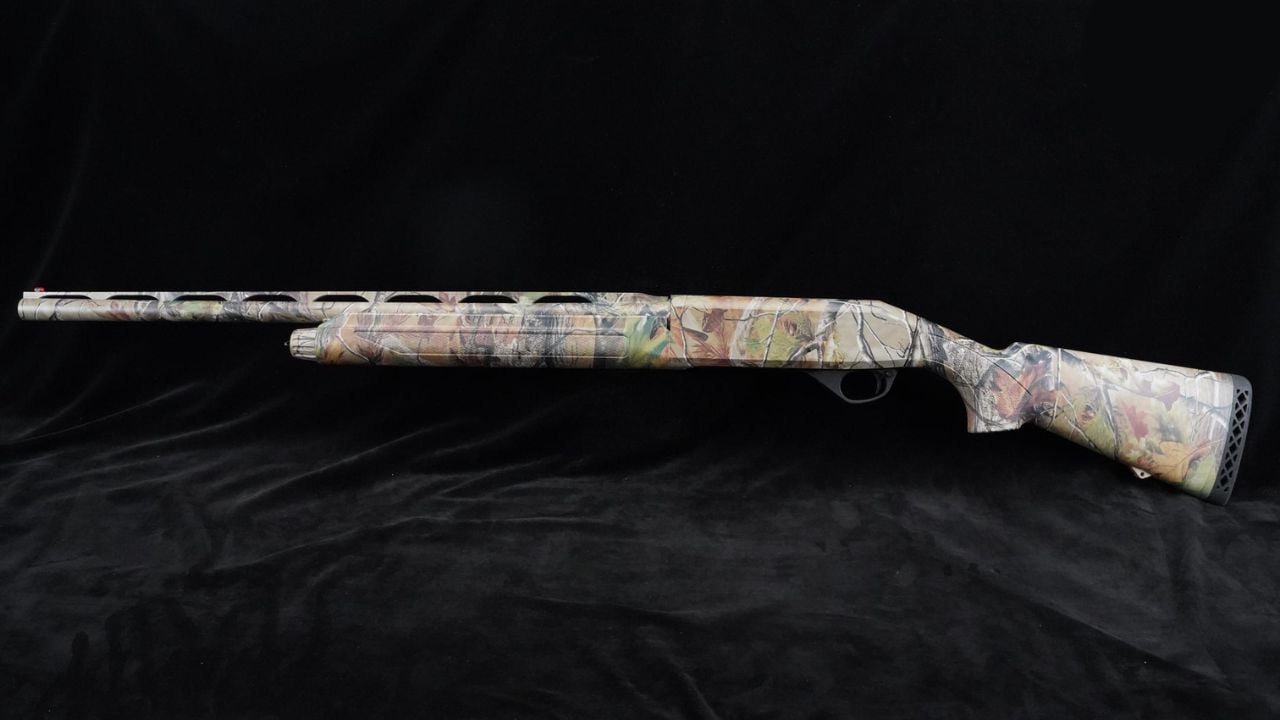
The M3500 gets written up a lot as an “affordable 3.5-inch waterfowl gun.” On paper, that sounds like you’re buying more capability for less money, and writers can’t resist that angle.
In the blind, a lot of hunters end up shooting 3-inch loads anyway because they pattern better, recoil less, and still fold birds when you do your part. The 3.5-inch chamber becomes a selling point you pay for in weight and recoil, even if you rarely use it. Ask me how I know.
If you read gun coverage long enough, you’ll notice the cycle: new, clever, specialized, and “different” gets the spotlight. The boring rifles and shotguns that kill deer every season don’t make for exciting copy, but they’re what serious hunters keep reaching for. If a gun solves a real problem, carries well, and is easy to keep running, it’ll show up in camp no matter what the magazines say.
Like The Avid Outdoorsman’s content? Subscribe to our newsletter so you never miss an article.
Here’s more from us: