

Photo credit: AverageKnifeGuy/YouTube
Some knives are easy to judge because the whole package is either good or bad. Others are much more frustrating. They have excellent steel, a great action, strong ergonomics, or a genuinely useful blade shape, but there is one flaw that keeps showing up every time you carry or use them.
That flaw does not always ruin the knife. In fact, some of these are still very good buys. The problem is that once you notice the issue, it becomes hard to stop noticing it. A pocket clip can be too bulky, a lock can be awkward to reach, or an otherwise excellent blade can be ground thicker than it needs to be. These 20 knives all have plenty going for them, but each carries one weakness owners tend to bring up again and again.
Spyderco Smock
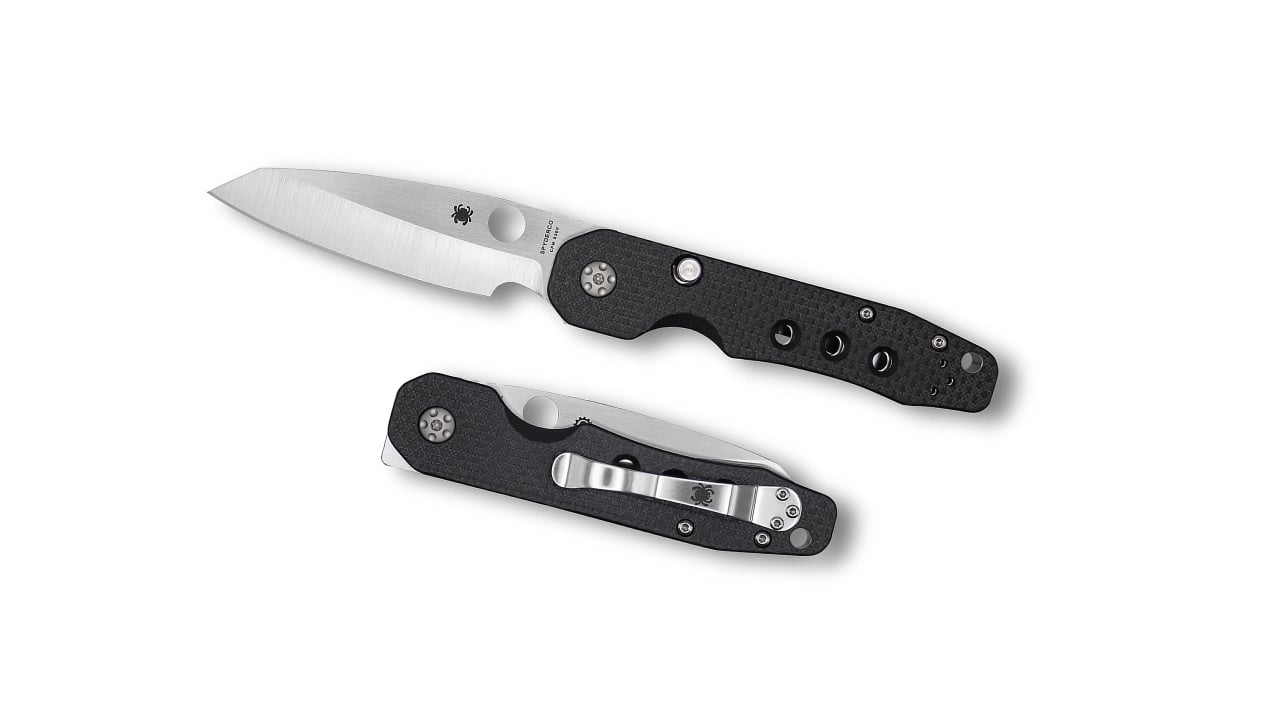
The Smock is one of Spyderco’s most distinctive folders. The button-style compression lock gives it an unusual operating feel, the hollow-ground blade slices well, and the flipper deployment makes it far different from the brand’s more conventional thumb-hole designs.
The flaw is the factory pocket clip. It works, but it feels generic compared with the rest of the knife and leaves more of the handle exposed than many owners would like. On a design this refined and this popular, the clip feels like an afterthought. Plenty of owners solve the problem with aftermarket hardware, but that is exactly the point: a knife this good should not immediately make people start shopping for a replacement clip.
Benchmade Bailout
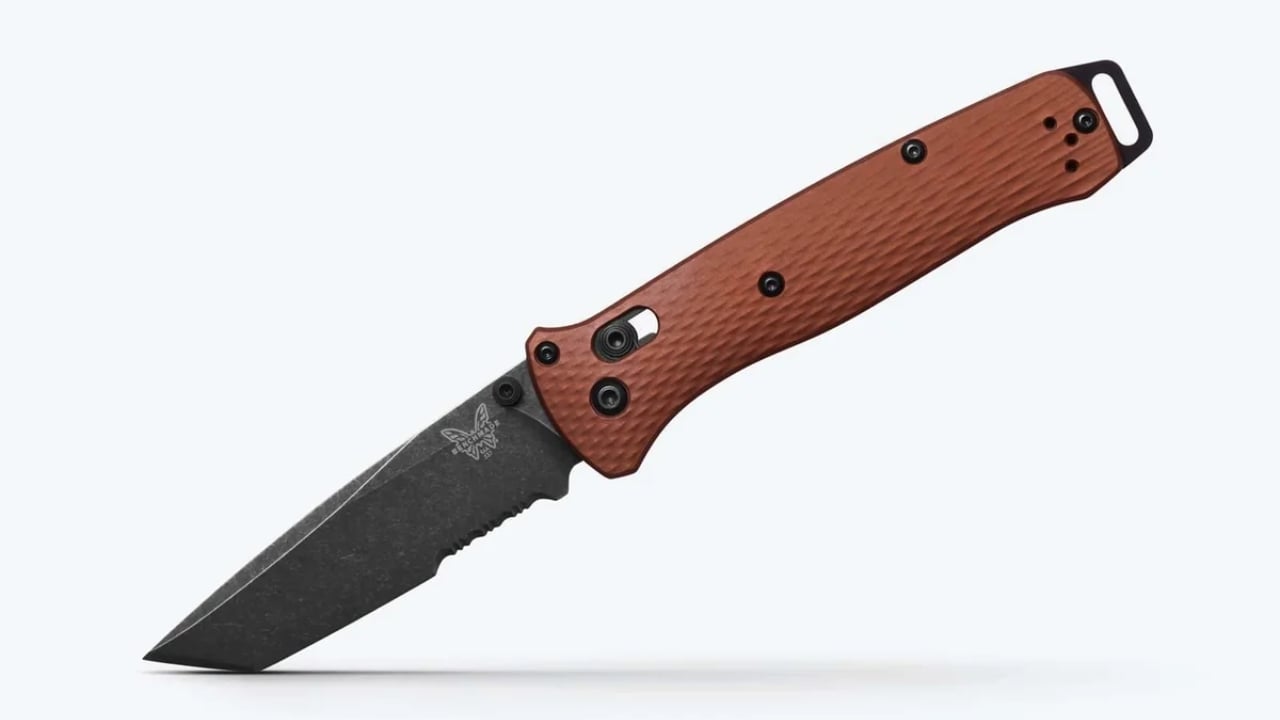
The Bailout is lightweight, thin, easy to carry, and built around a blade shape that works well for general utility cutting. It also gives you the Axis-style lock system Benchmade buyers already know.
The recurring complaint is the handle feel. The lighter versions can feel almost too insubstantial for a knife marketed around toughness. The knife carries beautifully, but some owners expect something more rigid and confidence-inspiring once the blade is open. That disconnect between appearance and feel is hard to ignore. It is an excellent lightweight folder, but not everyone is comfortable paying premium money for something that feels so featherweight in the hand.
Spyderco Yojimbo 2
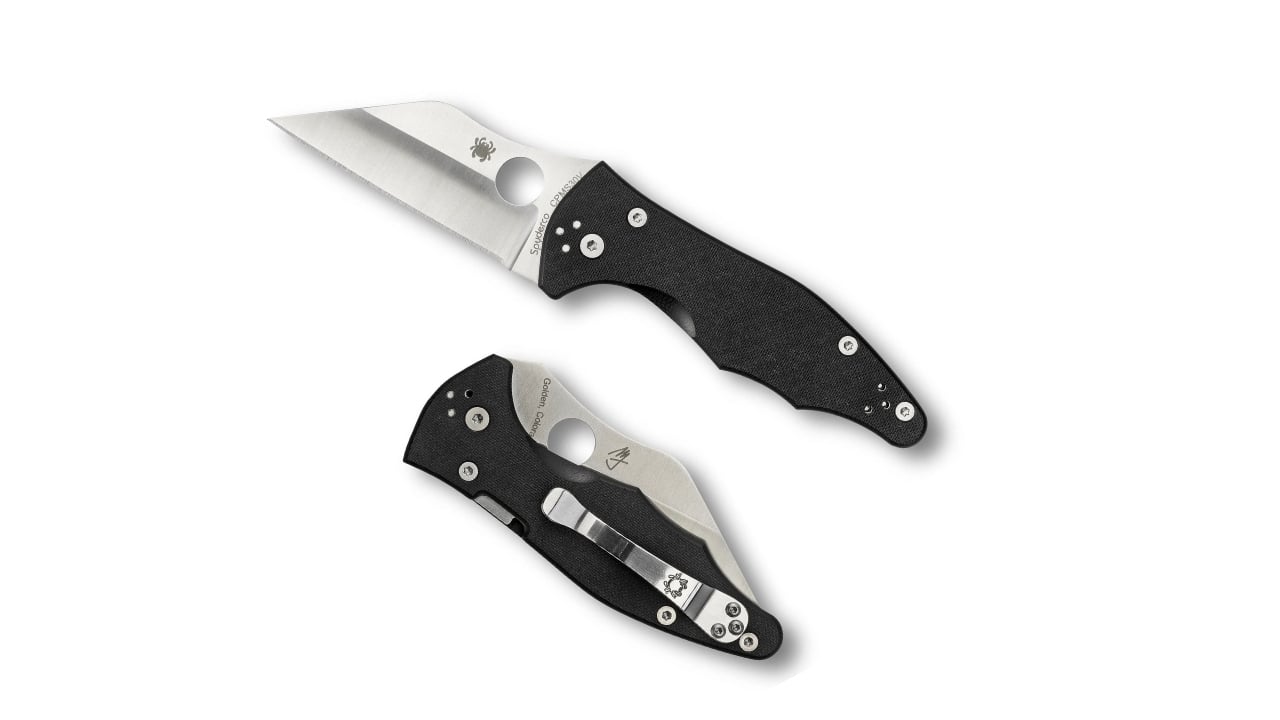
The Yojimbo 2 has one of the most purposeful blade shapes in Spyderco’s catalog. The wharncliffe profile gives you strong tip control and excellent utility performance, while the compression lock makes operation fast and secure.
The flaw is the tip itself. It is extremely useful, but also noticeably more delicate than what you get on a stout drop point or spear point. Owners who use the knife hard can become overly conscious of protecting it from twisting or lateral stress. That does not make the design weak overall, but it does create hesitation during rough work. A knife should inspire confidence, and the Yojimbo’s fine point sometimes asks you to be more careful than the rest of the knife suggests.
GiantMouse ACE Grand
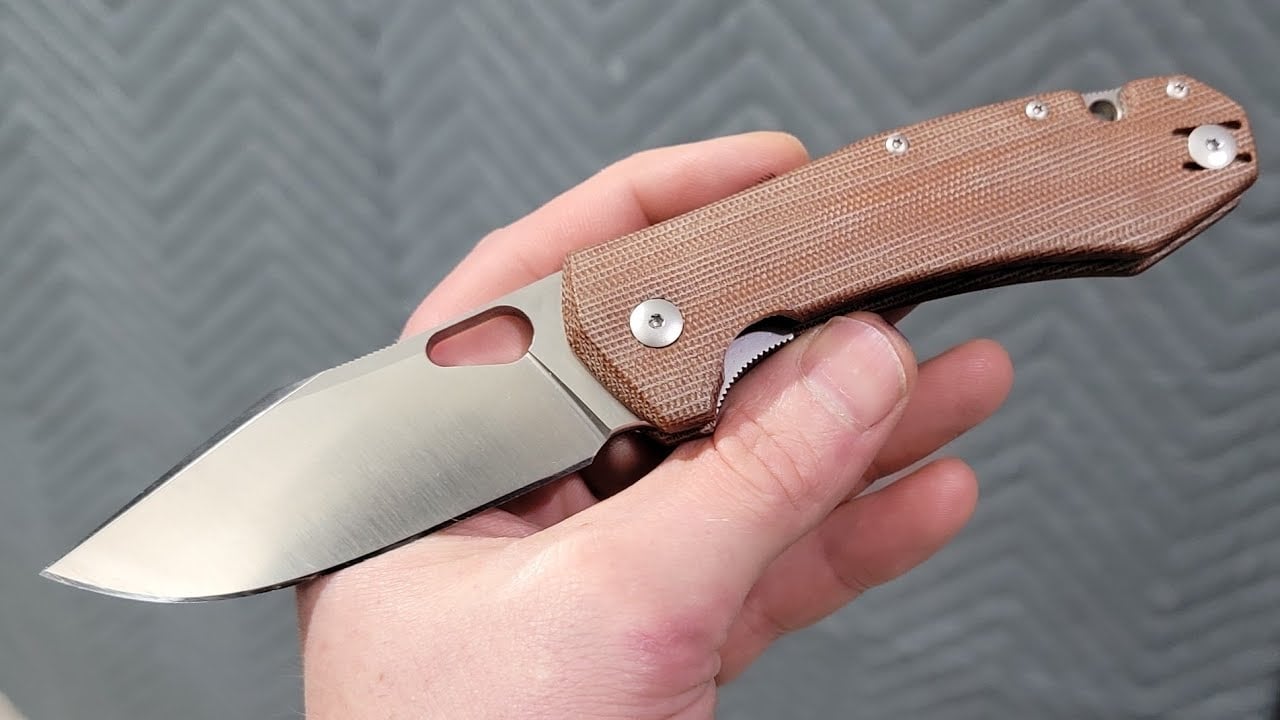
The ACE Grand has excellent proportions, a practical blade, and the kind of rounded ergonomics that make it comfortable during extended use. It also carries a premium feel without drifting too far into collector-only pricing.
The main issue is thickness behind the edge. The knife is sturdy, but some owners find that it does not slice as freely as its broad blade shape suggests. That can make cardboard and food prep feel more wedge-like than expected. The steel and overall construction are strong, but cutting geometry is what you feel every time the blade moves through material. Once you notice the extra resistance, the premium materials matter a little less.
WE Banter

The Banter is compact, friendly-looking, and incredibly easy to carry. The blade is useful, the handle shape is comfortable, and the design avoids the tactical styling that makes some folders harder to use casually.
Its flaw is handle length. For medium hands it works beautifully, but larger hands can feel cramped, especially during harder cutting. The knife looks like it should offer a little more grip than it actually does. You can still use it effectively, but the compactness that makes it disappear in the pocket is also what limits leverage. For some owners, that compromise eventually becomes the defining trait.
Spyderco Lil’ Native

The Lil’ Native gives you serious Spyderco ergonomics in a very small package. The compression lock version is especially appealing because it keeps the secure locking system found on larger models while staying extremely compact.
The flaw is that the finger choil consumes a lot of usable edge for such a short blade. On a larger knife, sacrificing that space for grip control makes sense. On the Lil’ Native, it can feel like you are carrying a surprisingly chunky handle for less cutting edge than expected. The knife is comfortable and secure, but once you compare blade-to-handle efficiency, it is hard not to wish for a little more sharpened length.
Hogue K320
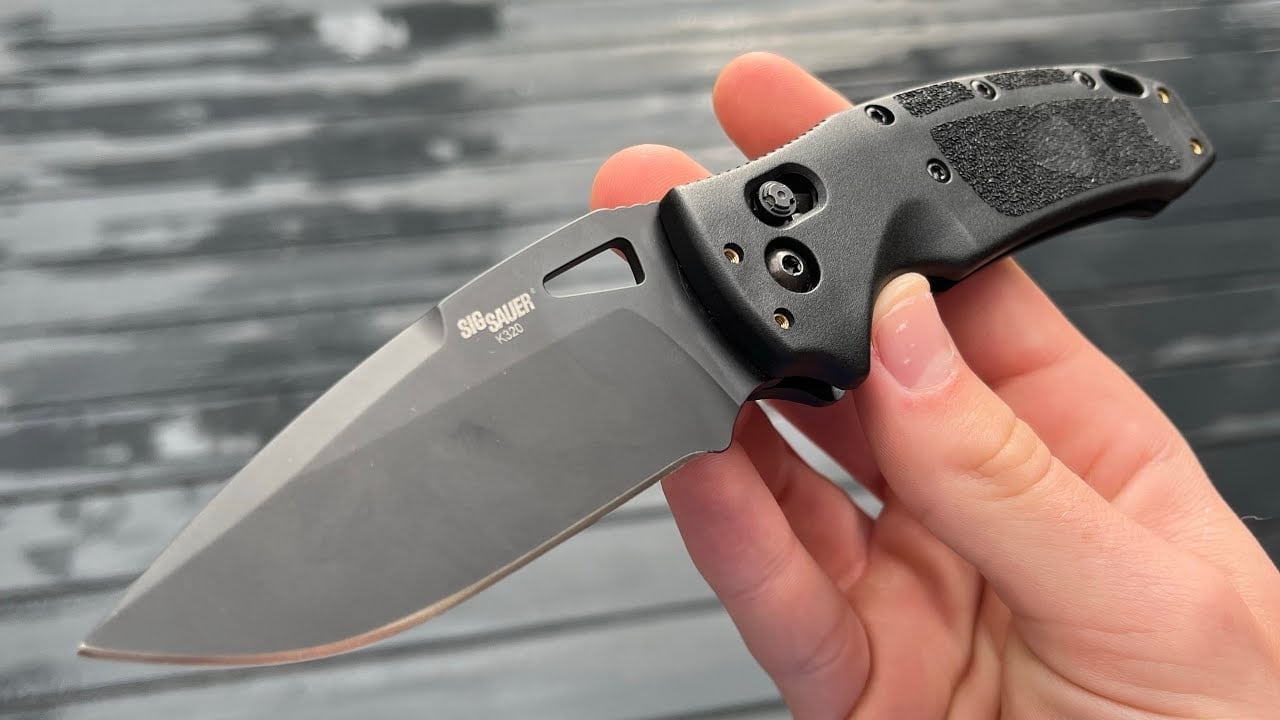
The K320 offers excellent grip texture, a strong crossbar-style lock, and a sturdy overall build. It feels like a serious working knife rather than a light-duty EDC.
The flaw is pocket bulk. The handle is thick enough that the knife occupies more space than its blade length would suggest. That is not a problem on a belt or in a work bag, but in front-pocket carry it becomes noticeable fast. The knife feels great during use, yet every time you reach past it for keys or a phone, the width reminds you it is there. Owners who value comfort in hand may accept the trade, but it remains a trade.
Kershaw Livewire

The Livewire is one of the stronger values in the modern OTF market. The action is fast, the handle feels solid, and the overall fit is far better than many people expect from a knife priced below the premium automatic brands.
The flaw is the pocket clip tension. Some examples can feel excessively tight, making the knife harder to draw smoothly from thicker pockets. That sounds minor until you carry it every day. A good clip should secure the knife without making retrieval annoying. When the action is this smooth and refined, a stubborn clip stands out more than it would on a cheaper knife.
Spyderco Caribbean

The Caribbean is built for corrosion resistance and hard use around water. The LC200N blade steel, grippy handle, and compression lock make it one of Spyderco’s more purpose-driven folders.
The flaw is the handle pattern. The aggressive texturing works extremely well when wet, but it can also chew at pockets and feel harsher than necessary during ordinary EDC. The knife is clearly optimized for a specific environment, so the texture makes sense, but owners who carry it daily outside of that role may find it excessive. The very feature that makes it excellent around water can make it annoying everywhere else.
Benchmade Redoubt
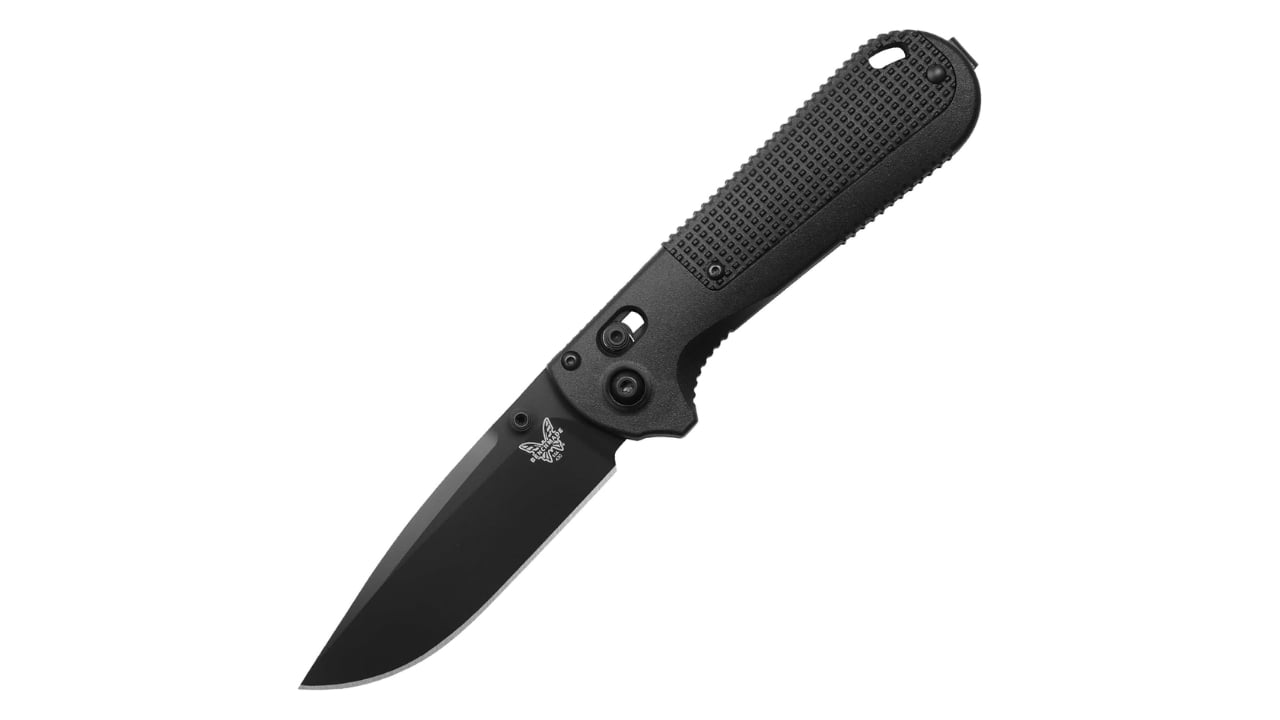
The Redoubt is built around hard-use simplicity. It has a grippy handle, durable blade coating, and enough size to serve as a serious work knife.
The flaw is the factory handle material. It is strong and functional, but it feels rougher and cheaper than many buyers expect at the price. The knife performs well, yet the tactile experience does not match the premium branding. That disconnect matters because the handle is the part you touch every time you use the knife. Owners often like the design but wish Benchmade had given it scales that felt more substantial.
Cold Steel Engage
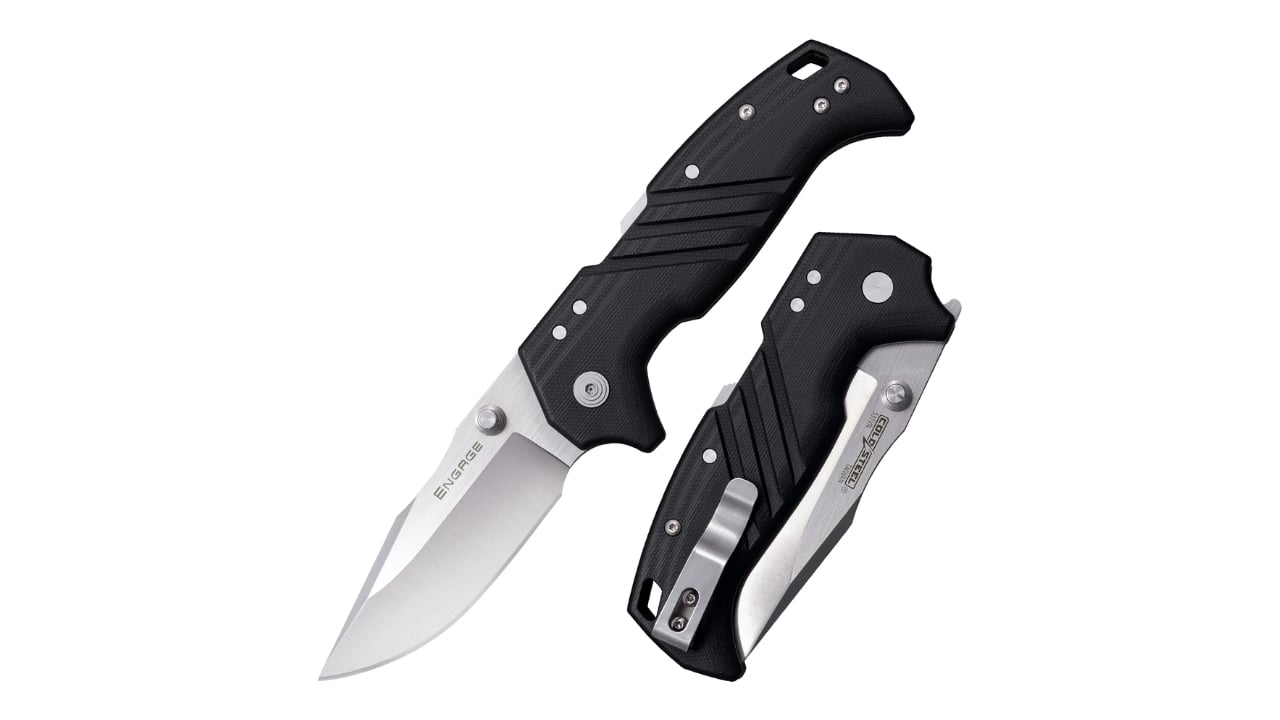
The Engage gives you one of Cold Steel’s newer locking systems in a practical folding design with good blade options and solid ergonomics. It feels robust without going fully into oversized tactical territory.
The flaw is lock operation. The mechanism is secure, but it can feel less intuitive and less satisfying than simpler systems like a crossbar lock or compression lock. Some owners never fully warm up to the way it disengages. A lock can be extremely strong and still be annoying if you have to think about it every time you close the knife. That hesitation is the Engage’s biggest weakness.
Boker Plus Kwaiken Air
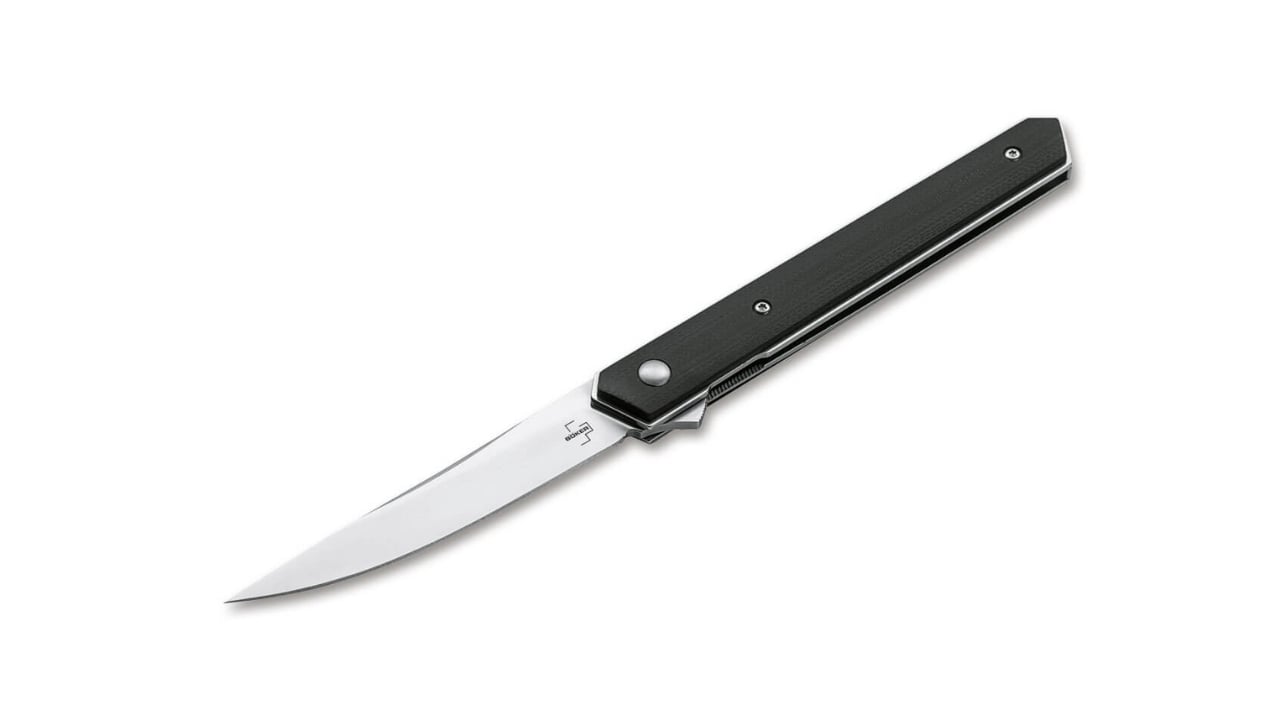
The Kwaiken Air looks fantastic. The slim profile, long clean lines, and minimalist handle make it one of the more elegant production folders in its price range.
The flaw is ergonomics. The same narrow handle that makes the knife look so sleek gives you less purchase during harder cuts. It works beautifully for light slicing and gentleman’s carry, but extended utility use exposes the lack of contour and hand-filling support. The knife succeeds visually, yet the design prioritizes appearance just enough that serious use reminds you where the compromise was made.
SOG Terminus XR LTE
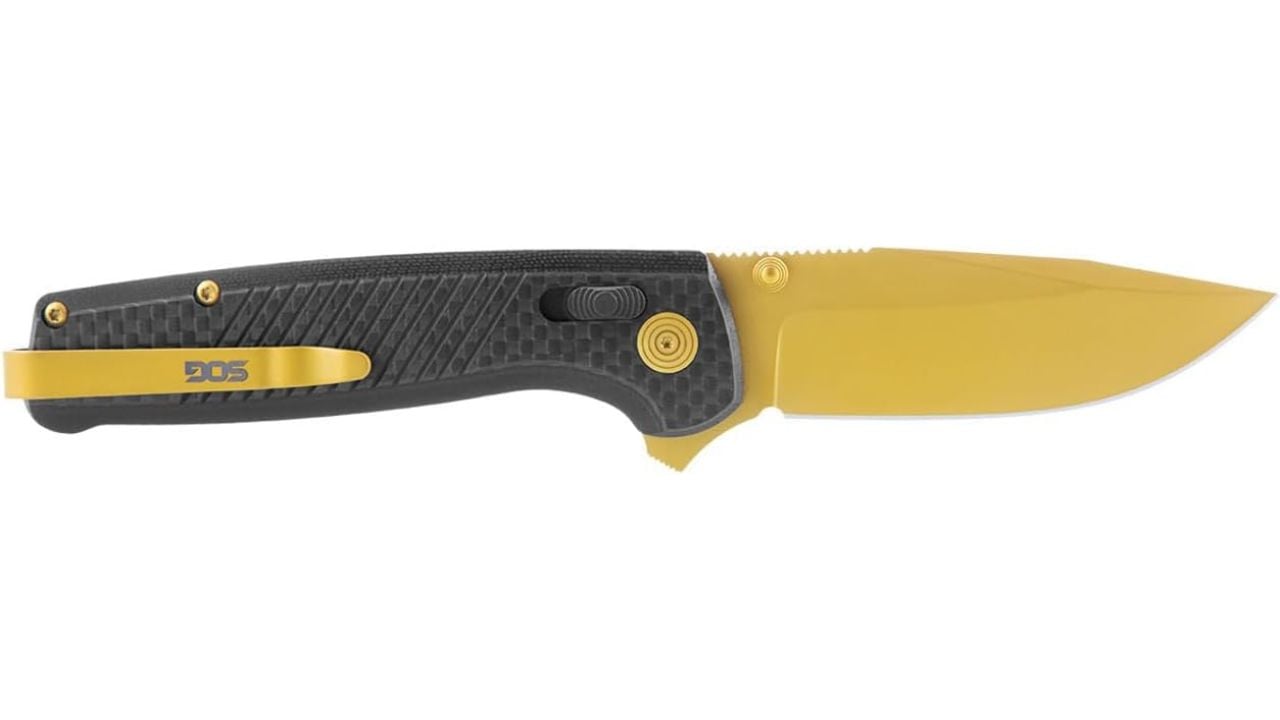
The Terminus XR LTE offers an impressively low weight, a solid lock, and a modern EDC blade shape. It is easy to forget it is in the pocket, which is one of its biggest strengths.
The flaw is the balance between weight and perceived solidity. Some owners find the ultralight construction almost too airy, especially for a knife with a hard-use appearance. There is nothing inherently wrong with lightweight materials, but the knife can feel less confidence-inspiring than heavier competitors. It performs well, yet the tactile impression does not always match the price or styling.
CRKT Pilar Large
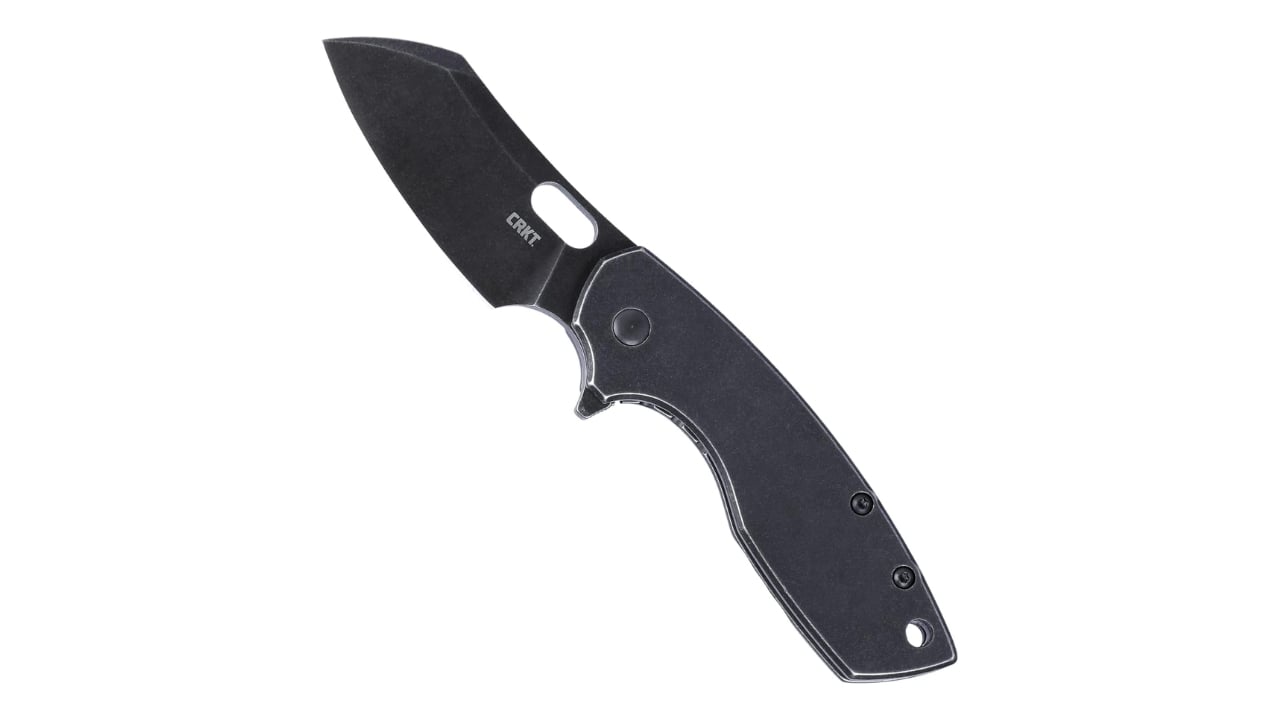
The Pilar Large improves on the original by giving you more blade and more handle, while still retaining the compact cleaver-like shape that made the design popular.
The flaw is weight. The stainless-steel construction makes it feel far heavier than necessary for the amount of cutting edge you get. The knife feels substantial in hand, but that same mass becomes annoying in the pocket. There are now many similarly sized folders that provide the same utility at a fraction of the weight. The Pilar Large is tough, but it carries like a bigger knife than it really is.
Spyderco Sliverax
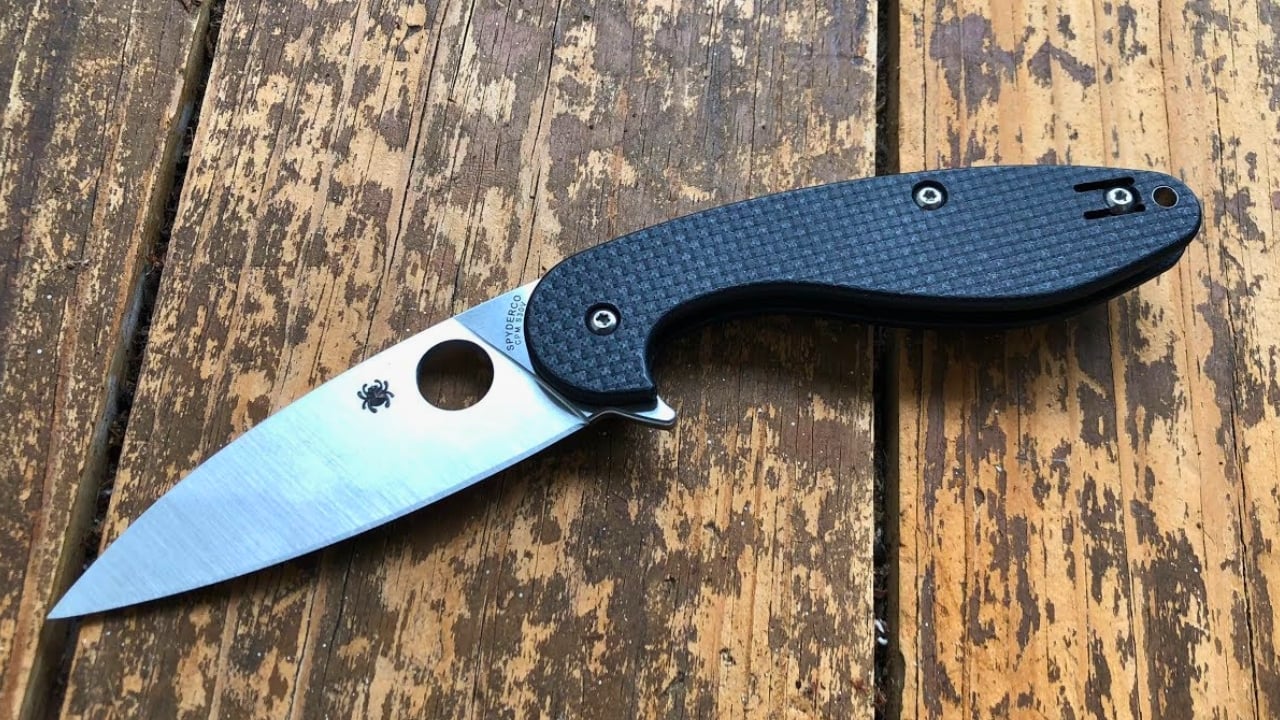
The Sliverax combines a compression lock, flipper deployment, and broad blade in a package that looks like it should be one of Spyderco’s best all-around modern folders.
The flaw is the flipper action. It is functional, but it never feels quite as natural or crisp as dedicated flipper designs from brands that build around bearings and detent tuning. The compression lock also affects how the detent feels, which can make deployment less satisfying than the knife’s appearance promises. The blade and ergonomics are good, but the one feature meant to make it more fun is the part many owners like least.
Kizer Cormorant
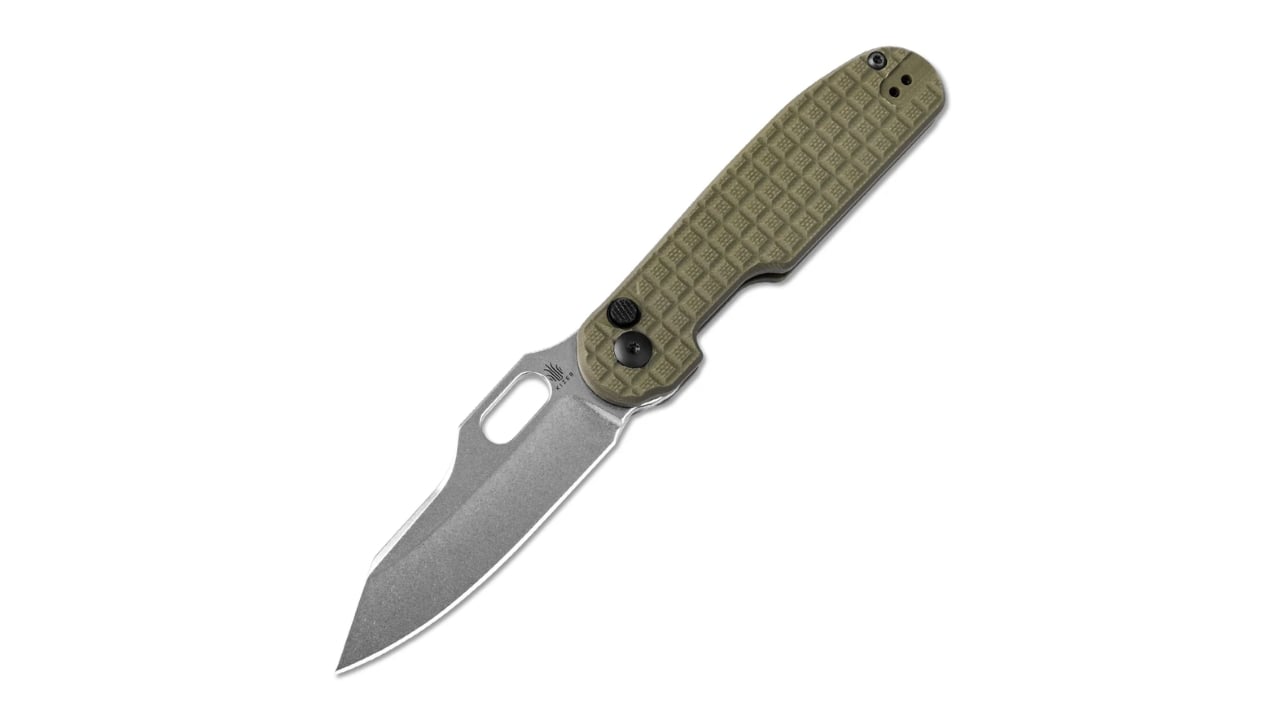
The Cormorant is loaded with deployment options. Thumb hole, front flipper, standard flipper, and button lock operation all give you different ways to open and close the knife.
The flaw is that the handle can feel too busy. The design prioritizes fidgetability so heavily that some owners find the ergonomics less natural during serious cutting. The various cutouts and shapes look interesting, but they do not create the same clean hand feel as a simpler handle. It is one of the most entertaining knives to play with, yet actual use can remind you that too many features sometimes compete with one another.
Kansept Main Street
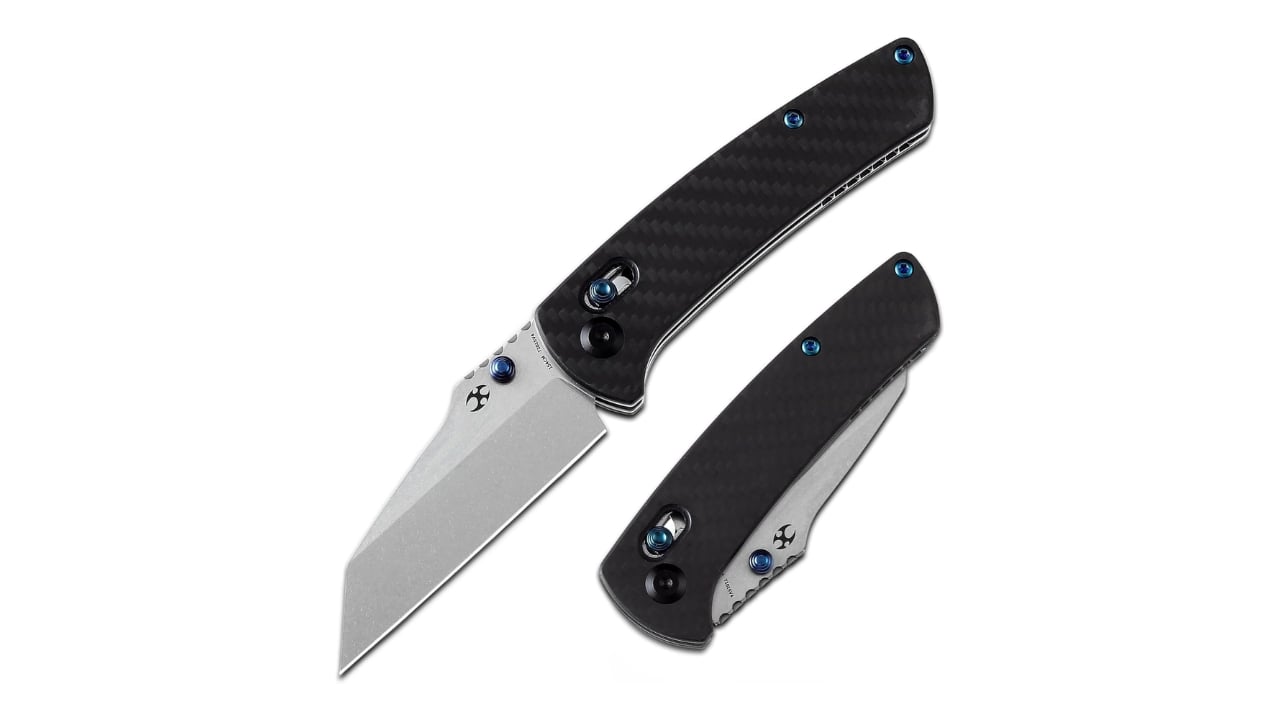
The Main Street has a very practical blade shape, smooth action, and a clean design that makes it easy to recommend as an everyday folder.
The flaw is clip placement and feel. Depending on the version, the clip can create a noticeable hot spot during harder cutting because of how it sits against the palm. That seems small until you use the knife for several minutes at a time. The rest of the handle is comfortable enough that the clip becomes more obvious. It is a good knife held back by a part that should be easy to get right.
Bestech Swordfish
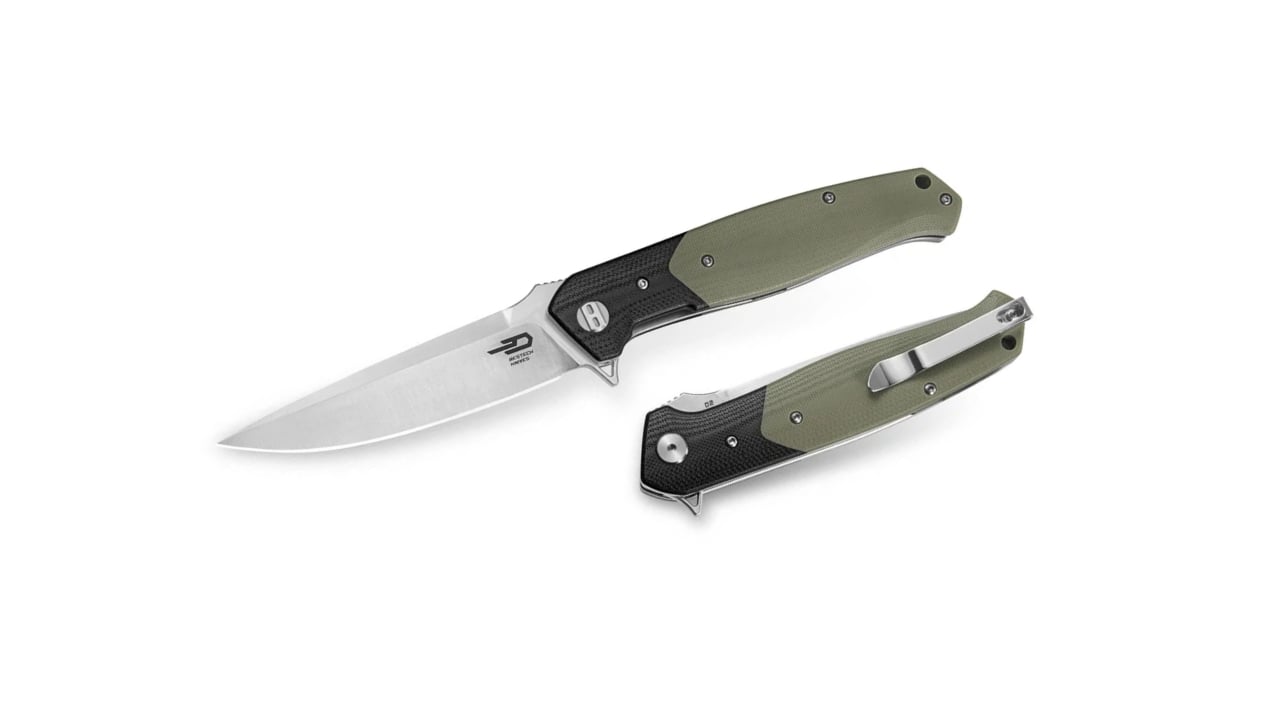
The Swordfish gives you a long blade, smooth action, and a lot of cutting edge for the money. It looks sleek and slices well enough for most EDC work.
The flaw is handle-to-blade proportion. The knife carries longer than many users expect, and the narrow handle can feel slightly underbuilt relative to the amount of blade out front. It is not unsafe or poorly made, but the balance can feel odd during more forceful cuts. The design emphasizes length and visual flow, but some owners eventually wish the grip had more substance.
LionSteel SR22
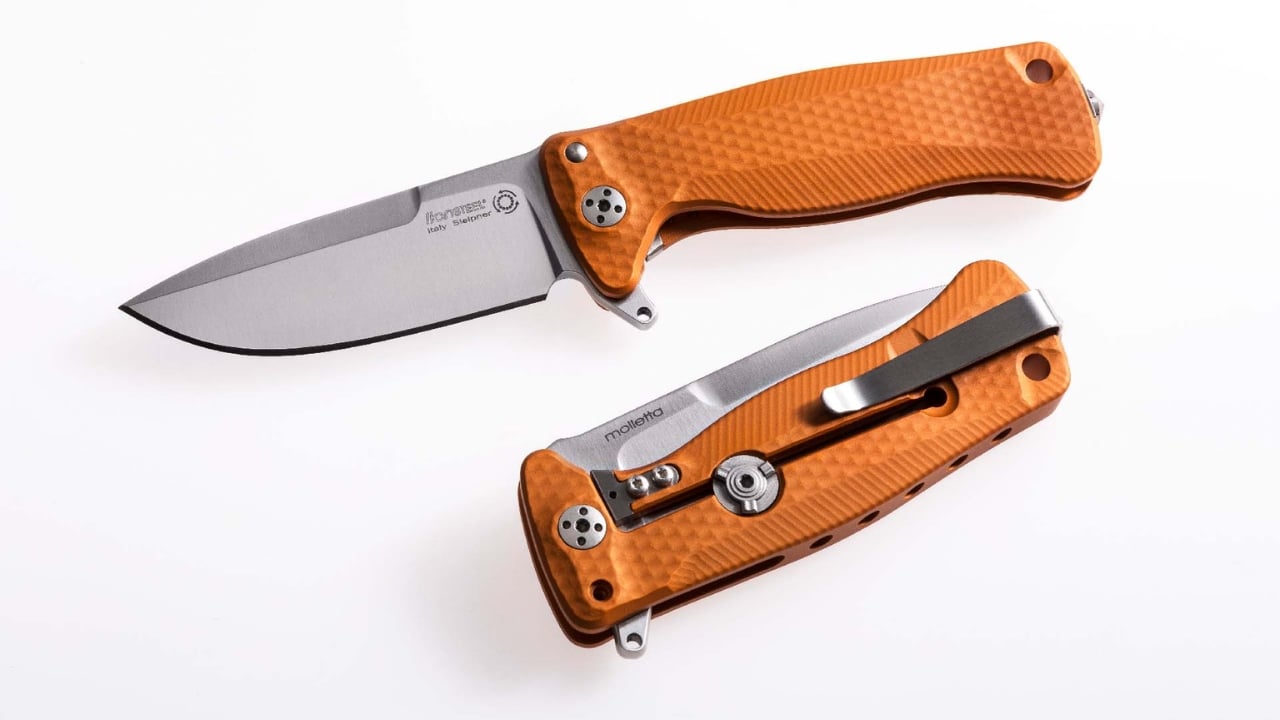
The SR22 is beautifully machined and feels premium from the moment you pick it up. The integral aluminum handle construction gives it a clean, seamless appearance that cheaper knives cannot really imitate.
The flaw is the lockbar feel. The integral frame design can make access to the lock less comfortable than on simpler liner-lock folders, especially if you close the knife frequently. It is secure, but not always pleasant. That is frustrating because everything else about the knife feels so refined. When a premium knife has one interaction point that feels awkward every single time, owners notice it.
Reate Mini Horizon-D
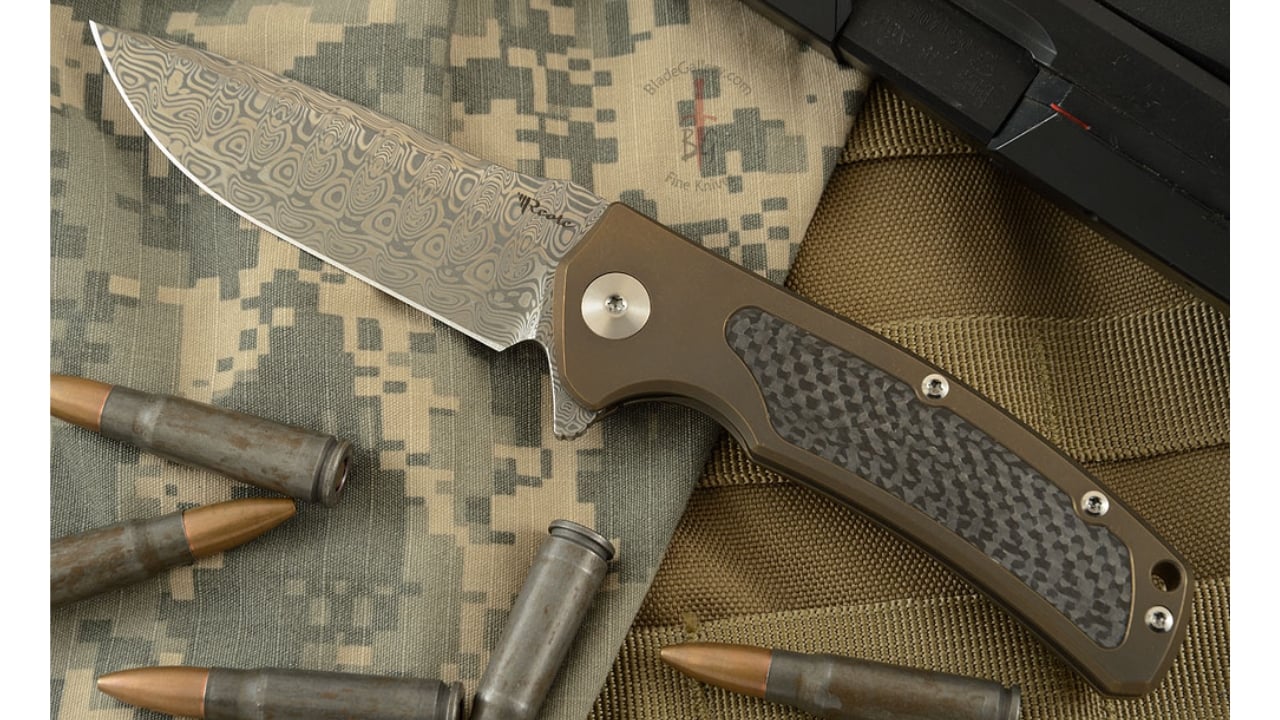
The Mini Horizon-D delivers excellent machining, premium materials, and the kind of action Reate is known for. It feels expensive because it is expensive, and the build quality is obvious.
The flaw is weight for the size. The knife is compact, but the titanium construction and robust frame make it heavier than many owners expect. That gives it a reassuring feel in hand, yet the benefit is harder to appreciate in the pocket. Once you start comparing it with lighter premium folders that cut just as well, the extra ounces become difficult to ignore. It is a beautifully made knife that carries heavier than its dimensions suggest.
Like The Avid Outdoorsman’s content? Subscribe to our newsletter so you never miss an article.
Here’s more from us:


