
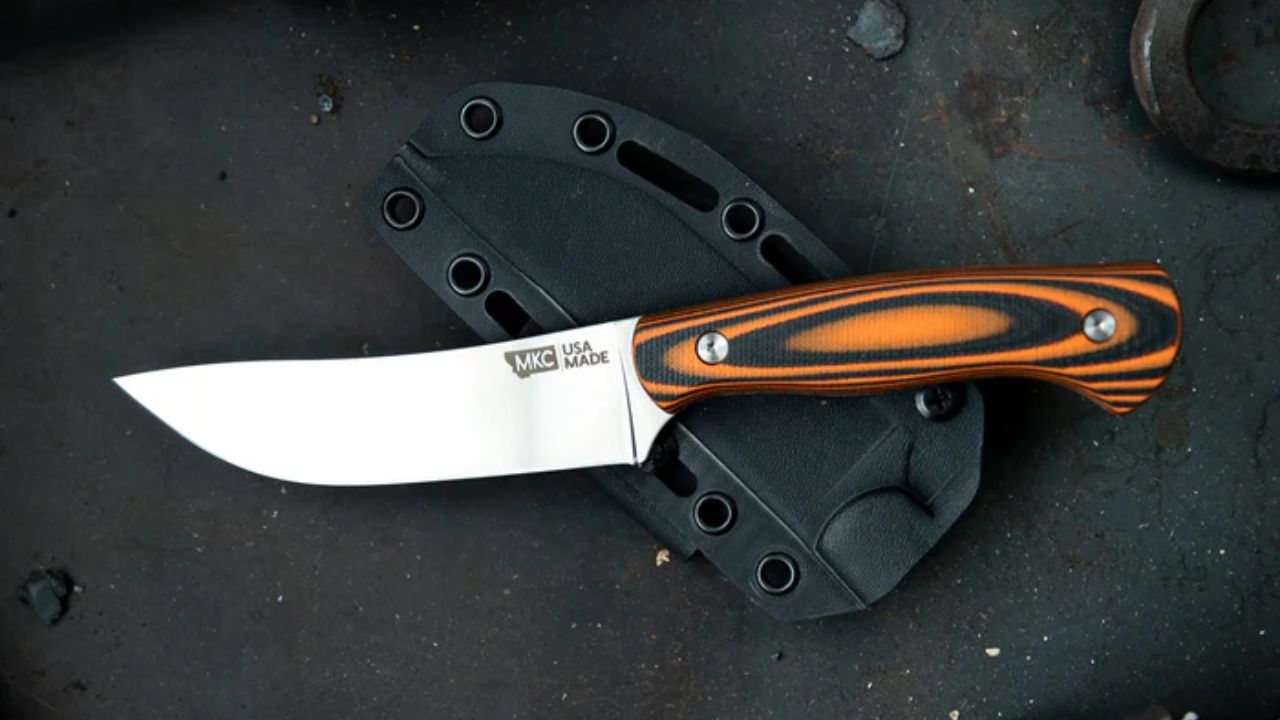
Photo credit: Montana Knife Company
Knives look good in marketing photos, but flashy designs don’t always translate to performance. Once you’re out in the woods, breaking down game, carving camp stakes, or cutting rope with wet hands, the real priorities show up fast. Some features sound great on paper but don’t make much difference in the field. Others might seem minor until they save your fingers or keep your edge sharp when it counts.
If you’re going to trust a blade with real work, here’s what actually matters when you start putting it to use.
Steel Type and Heat Treat

Steel isn’t all created equal, and it’s not just about the label stamped on the blade. You need steel that holds an edge, resists rust, and doesn’t chip under pressure. But without a proper heat treat, even good steel won’t perform like it should.
For real use, you want something that balances edge retention and ease of sharpening. D2, 1095, and CPM steels are popular for a reason—but it’s how they’re treated that makes the biggest difference. Don’t fall for the name alone.
Full Tang Construction

If the knife’s meant for hard use, you need full tang—period. That means the blade runs through the handle as one solid piece. It gives the knife strength, balance, and reliability under pressure.
Partial tangs or hidden tangs might be fine for kitchen use or light-duty work, but they’re more likely to fail under batoning or prying. If you’re out in the woods or doing real chores, full tang gives you peace of mind you won’t snap it mid-task.
Comfortable, Secure Handle

If the handle doesn’t feel right in your hand, it doesn’t matter how good the blade is. Real-world use means sweat, dirt, gloves, and long tasks—and a bad handle will wear you out or cause mistakes.
Look for a shape that fills the hand, doesn’t cause hot spots, and gives you a solid grip. Materials like Micarta, G10, or rubberized textures tend to hold up and stay grippy in rough conditions. Comfort and control beat style every time.
A Strong Tip That Can Take Pressure

Tips are often the first thing to go when a knife’s pushed past casual use. Thin, delicate tips might look precise but they’re no good for prying, piercing, or heavy work. You want a tip that can dig, jab, and withstand lateral force.
Clip points, spear points, and drop points with a bit of meat behind them tend to hold up better in real-world scenarios. If the tip feels fragile in hand, it probably is.
A Practical Blade Shape

Some blade shapes look cool but don’t pull their weight in the field. You want a shape that slices well, pierces effectively, and works across a variety of cutting tasks. Drop points and modified spear points are versatile without being delicate.
Tanto tips can be strong, but they’re not always ideal for slicing. Recurrves look aggressive, but they’re harder to sharpen. Stick with something that’s easy to maintain and works across more than one type of job.
Reliable Sheath Retention

A knife that falls out of its sheath isn’t just annoying—it’s a safety risk. Whether you’re running, crawling, or moving through brush, your knife should stay put until you draw it. That’s where good sheath design comes in.
Look for retention that clicks or locks in place without needing a strap. Kydex tends to offer solid retention, but leather or nylon can work if the design’s right. Test it upside down before trusting it on your belt.
Edge Geometry That Matches the Job

The grind of the edge matters more than most people realize. A thick, chunky grind might be tough, but it won’t slice well. A thin, razor-like edge slices great but won’t hold up to abuse.
Scandi grinds are great for bushcraft. Flat or convex grinds are better for general-purpose and food prep. Think about what you’re actually using the knife for before falling for a grind that looks nice but isn’t right for the task.
A Blade Finish That Resists Corrosion

A mirror polish won’t help you much in the rain or mud. Real-use knives should have a finish that protects the steel and cuts down on maintenance. Coatings or acid-washed finishes can help, especially with high-carbon steels that like to rust.
It’s not just about looks—it’s about keeping your blade from pitting or corroding halfway through a hunt or hike. If you’re going to be in wet, dirty, or humid conditions, finish becomes more than cosmetic.
One-Handed Deployment (If It’s a Folder)

For folding knives, you don’t always have two hands free. Whether you’re holding rope, hanging from a ladder, or working in tight quarters, one-handed opening can save you time and frustration.
Thumb studs, flippers, or a well-tuned hole in the blade can make all the difference. Bonus points if it locks up tight and doesn’t require a fight to close. If it’s a pain to open or close, it won’t get carried much.
A Lock That Won’t Fail Under Pressure

Folders need a solid lock if you’re going to use them hard. Frame locks, back locks, and axis-style locks tend to hold up better under stress than liner locks or gimmicky setups.
Check how it behaves when you press down hard or twist the blade slightly. If it feels squishy or flexes, that’s a problem. The last thing you want is for the blade to fold on your fingers when you’re applying real pressure.
*This article was developed with AI-powered tools and has been carefully reviewed by our editors.


