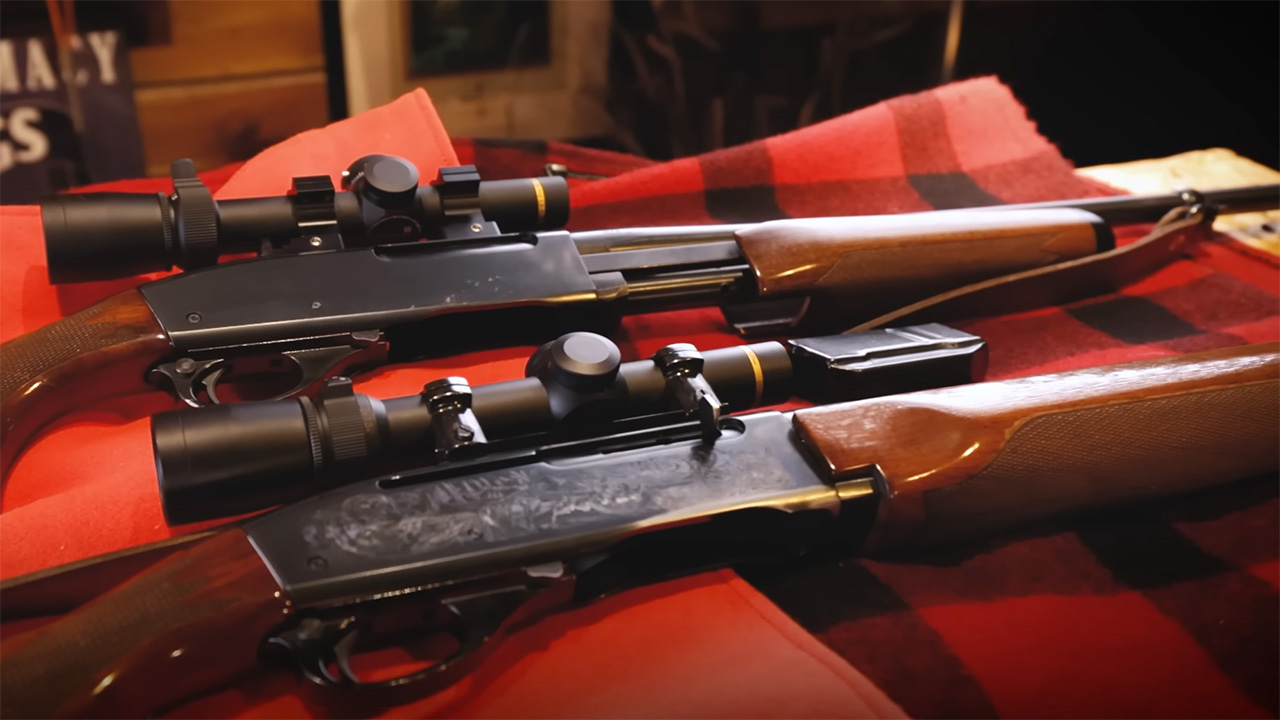
Photo credit: Maine Outdoor Enthusiast/Youtube
Every fall I see it happen. Somebody walks into deer camp with a brand-new rifle still smelling like the box, and somebody else quietly unzips a case that looks like it’s been around since before we had trail cameras. The old rifle usually isn’t flashy. The bluing might be thin, the stock might have honest scratches, and the scope might be “good enough” instead of trendy. But when it’s time to climb a ridge, ride a saddle scabbard, or sit in a cold stand all day, the old gun is the one that just keeps working.
Here are 20 older hunting rifles that earned a reputation for sticking around. Not because they’re perfect, but because they were built with a kind of common-sense durability that’s harder to find than it should be.
1. Winchester Model 70 (pre-’64)

If you’ve ever cycled one in good shape, you know why folks talk about it like it’s a different animal. The controlled-round feed feels deliberate, like it’s actually guiding the cartridge instead of just hoping everything lines up. In nasty weather, that matters more than internet arguments about “push feed” ever will.
They’re not light, and they’re not cheap anymore, but they’re the kind of rifle you can hand down without making excuses. Parts and smiths are still out there, and the action has that “bank vault” feel a lot of modern budget rifles don’t even try to imitate.
2. Winchester Model 94

There’s nothing fancy about it, and that is kind of the point. A Model 94 in .30-30 has put more venison in trucks than most of us can count, and it carries like it was designed for actual woods hunting instead of range benches.
They can be picky about accuracy expectations, and a loose older one might rattle a little. Still, for thick timber, quick shots, and a rifle that lives behind a truck seat (stored safely, of course), it’s hard to argue with the track record.
3. Marlin 336

I’ve watched more than one hunter sell a 336 because they “upgraded” to something with more velocity, then spend the next ten years trying to replace the feel of that rifle. The lever throw is smooth, the balance is right, and it points fast without feeling whippy.
The side-eject design also plays nice with a scope if you want one, and the rifles tend to stay tight for a long time. If you find one that shoots your chosen load well, hang onto it.
4. Marlin 1895 (older Guide Gun and 1895s)

A good .45-70 lever gun is a confidence thing. It’s not about shooting across a bean field. It’s about knowing that if you’re in dark timber, thick brush, or tracking in miserable weather, that rifle will do the job up close.
Recoil can be stout depending on the loads, and you can’t pretend it’s a beginner’s rifle. But the older ones were generally put together like they expected real use, not just safe time and a couple range photos.
5. Remington 700 (older ADL/BDL)

This one is complicated because the name covers a lot of years and a lot of variations. But the older 700s earned their reputation by being accurate, simple to live with, and easy to support with mounts, stocks, triggers, and parts.
Plenty have been hunted hard for decades with nothing more than basic cleaning and a decent scope. If you’ve got an older 700 that you trust, it’s one of those rifles that can keep doing what it’s always done without drama.
6. Remington 760 and 7600
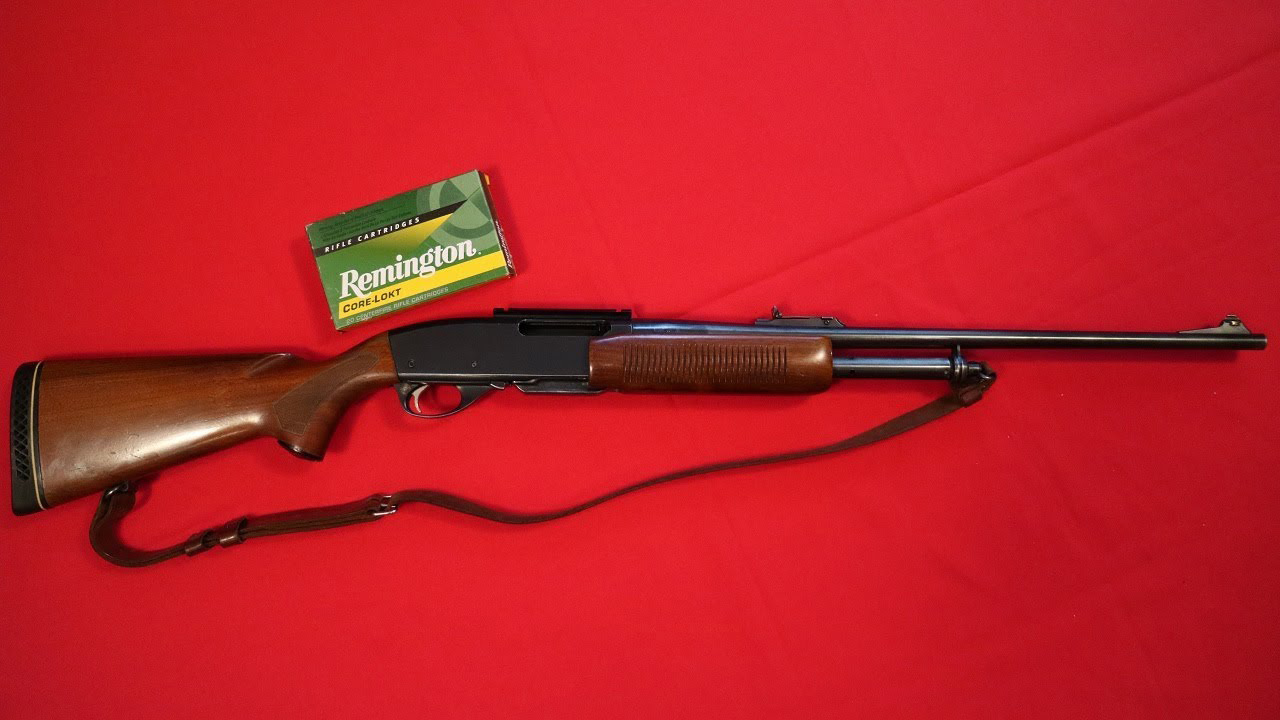
Pump rifles don’t get enough love until you hunt with someone who runs one well. In thick country, the follow-up shot can be fast and natural, and you keep your cheek weld better than a lot of folks do with a lever gun.
Magazines are something to think about, because having a couple spares matters. Still, these rifles tend to keep going, and they’re a solid answer for hunters who want bolt-gun calibers with a different kind of handling.
7. Remington Model 7 (early production)
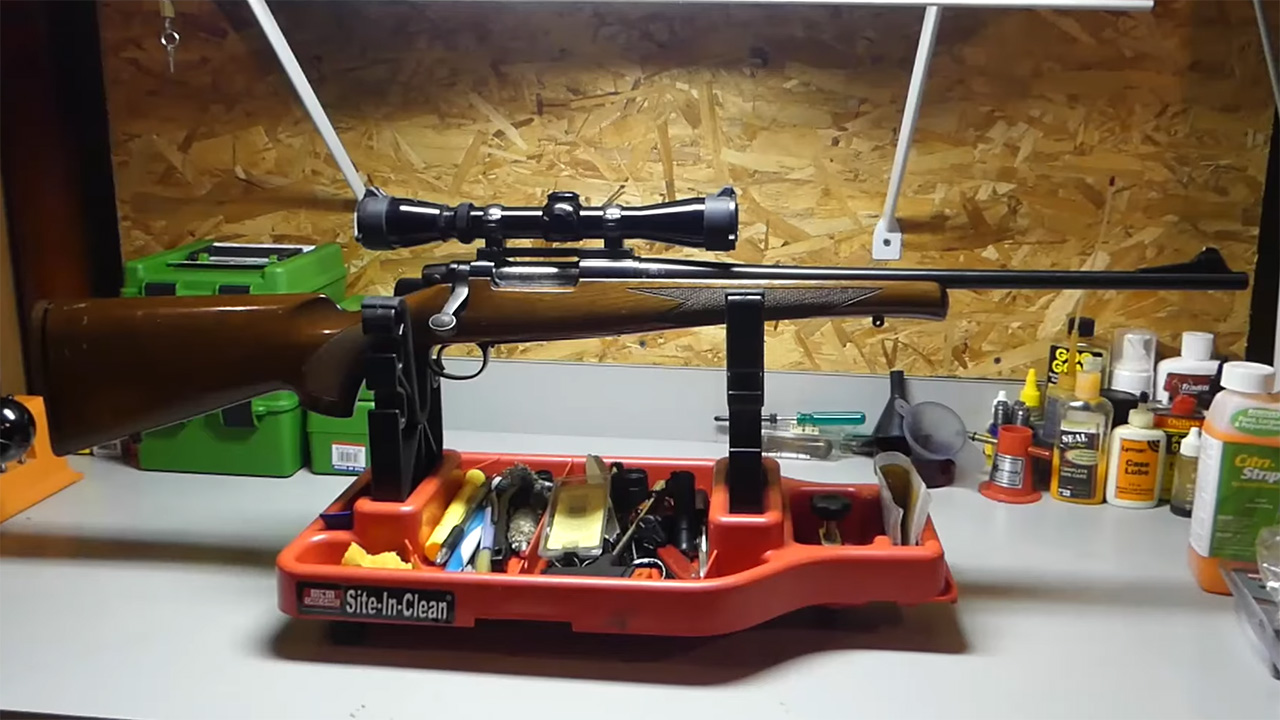
For a handy woods bolt gun, it’s tough to beat a good older Model 7. It’s short, quick, and doesn’t feel like you’re carrying a fence post through the brush. It’s one of those rifles that makes you want to still-hunt instead of just sit.
They can be a little lively in harder-kicking cartridges, and not everyone loves the compact feel. But as a “grab it and go” deer rifle, the right Model 7 is hard to improve on.
8. Ruger M77 (tang safety)
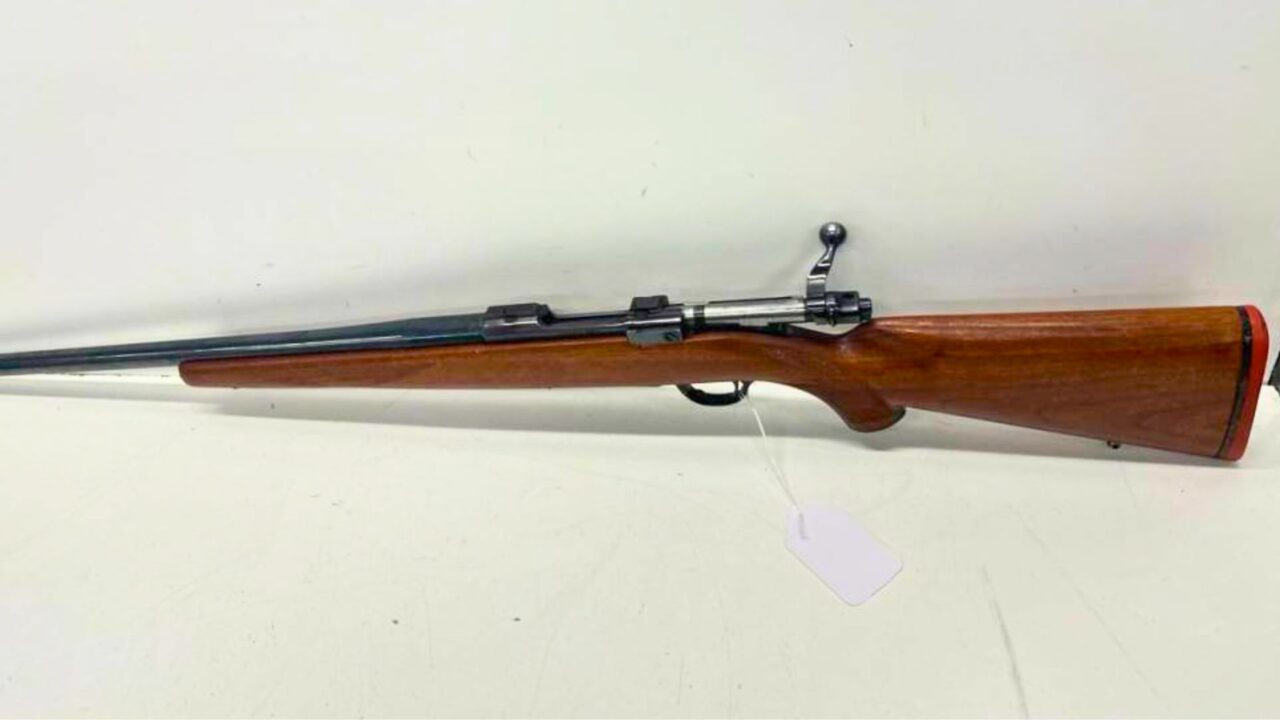
The tang safety M77s have a feel that just works in hunting conditions. The safety is where your thumb expects it, and the rifles tend to have that Ruger sturdiness that makes you less afraid of rain, mud, and hard knocks.
Some of them aren’t the lightest or the slickest. But they’re honest rifles, and many have been hauled up mountains and down creeks without turning into a maintenance project.
9. Ruger No. 1
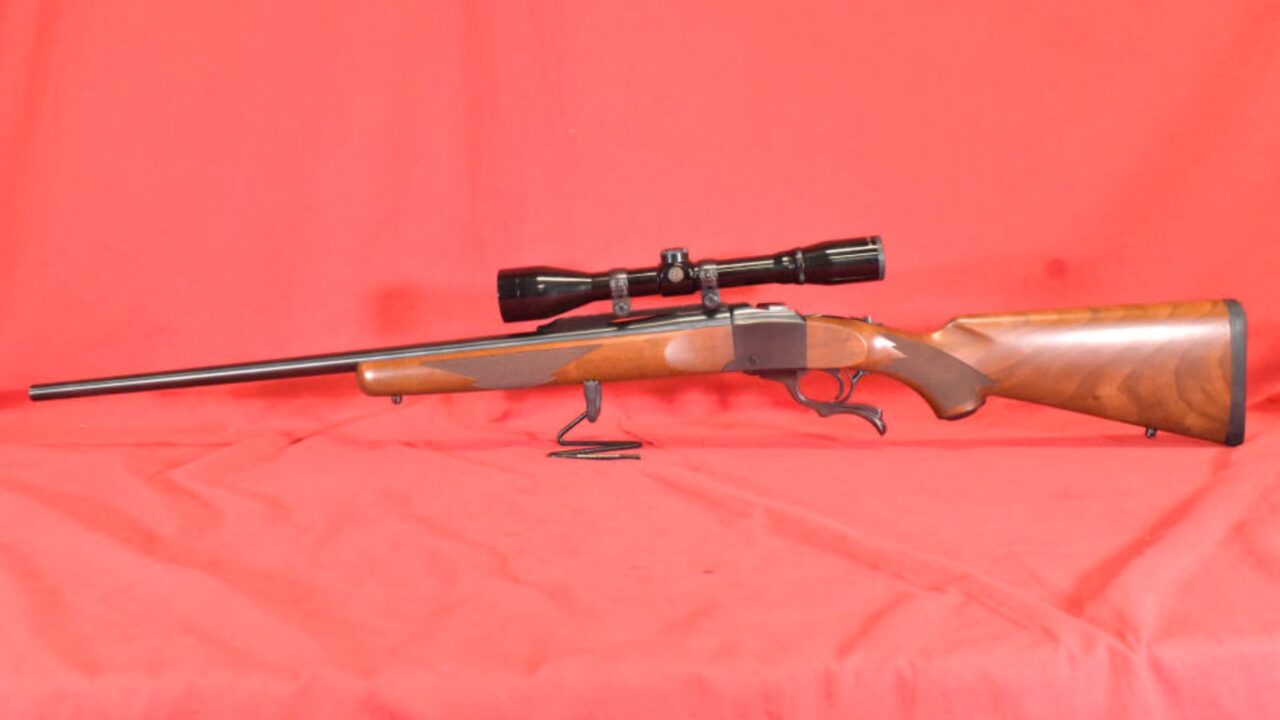
Single-shots make you slow down, and that’s not always a bad thing. A Ruger No. 1 has style, sure, but it also has real utility: compact overall length, strong action, and fewer moving parts than a repeater.
It’s not everyone’s first pick for cold fingers and quick second chances. Still, these rifles were made to be used, and a No. 1 that’s been cared for can outlast most of us.
10. Ruger 77/22 and 10/22 (older wood-and-steel era)
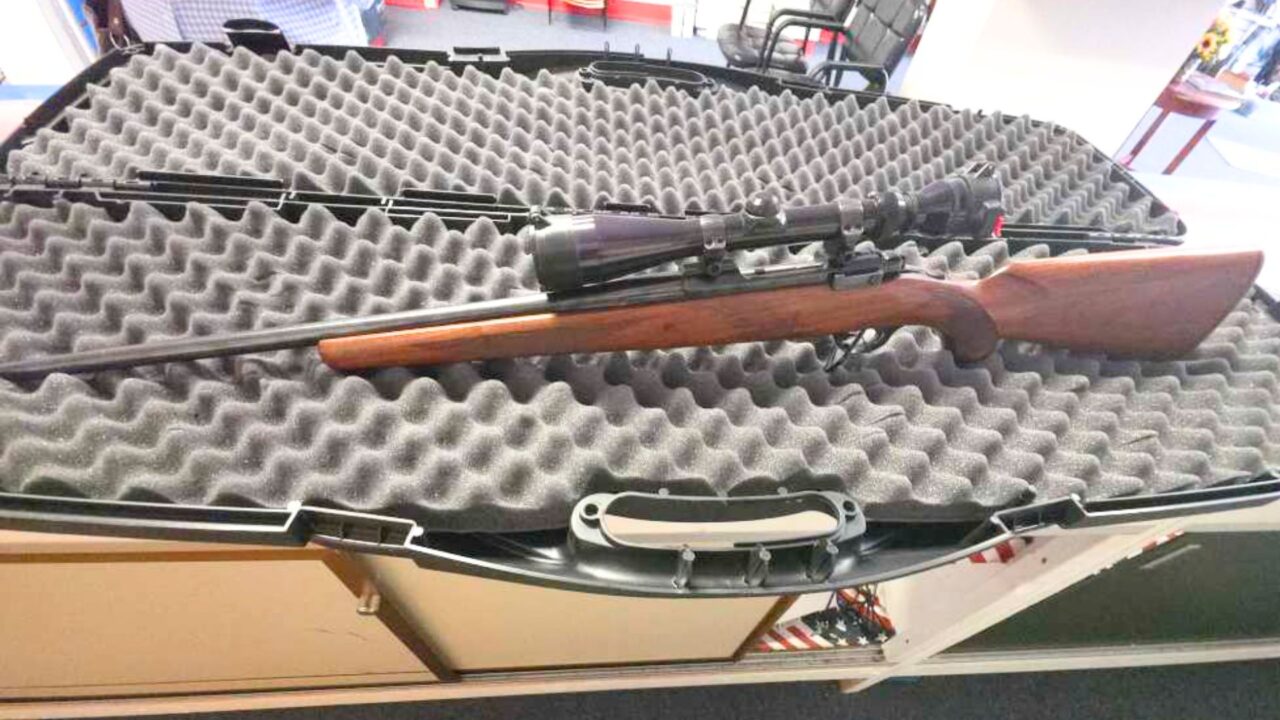
Small game rifles don’t get the same “heirloom” talk as deer rifles, but they should. An older Ruger .22 that’s been carried for squirrels and rabbits is the definition of useful, and it’s the kind of gun that teaches good habits.
The 10/22 has a mountain of parts support, but even a bone-stock older one can run for decades. Keep it clean, don’t abuse the screws, and it’ll be around for grandkids learning to shoot.
11. Savage 110 (older long-action workhorses)

The old Savage 110 is not glamorous, and that’s exactly why it’s on this list. They’re the rifles that rode behind seats, leaned in corners, and got pulled out when the weather went sideways. They just kept shooting.
The barrel nut system also made them easier to service and keep running. Triggers and stocks vary by era, but as a “keeps going” hunting rifle, the older 110s deserve respect.
12. Savage 99

The Savage 99 is one of those rifles that feels like it came from an era when engineers were allowed to be clever. The rotary magazine and sleek profile make it carry great, and it has a balance you notice the moment you shoulder it.
It’s also a rifle you don’t want to “kitchen-table gunsmith” unless you know what you’re doing. But cared for properly, a 99 will hunt for a long time, and it’s the kind of rifle that makes you appreciate good design.
13. Springfield 1903 (as a sporter)
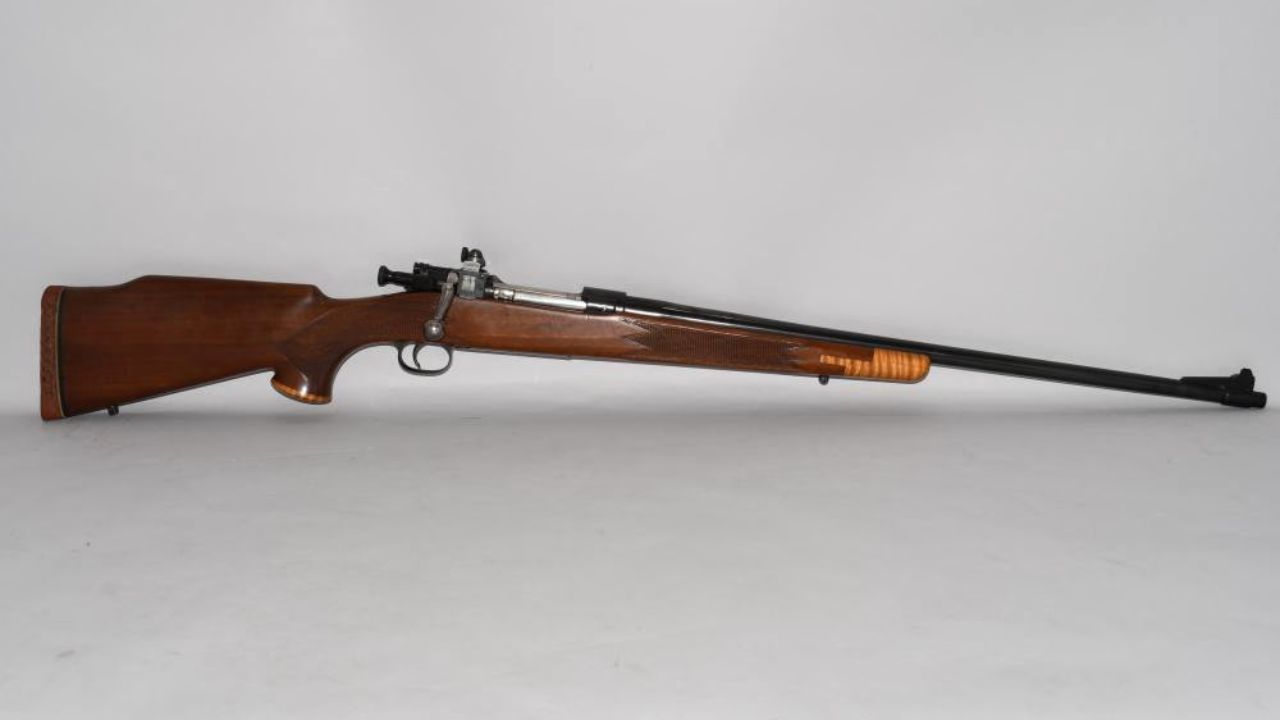
Plenty of 1903s got turned into hunting rifles, and while collectors may wince at some of those old sporter jobs, the reality is a lot of them became honest working guns. The actions are strong, the feel is classic, and the rifles tend to feed smoothly.
Some sporters were done right, some were done rough, so you have to evaluate the individual rifle. But a well-done 1903 sporter is still a capable hunting rifle that can keep going with basic care.
14. U.S. M1917 Enfield (sporterized)
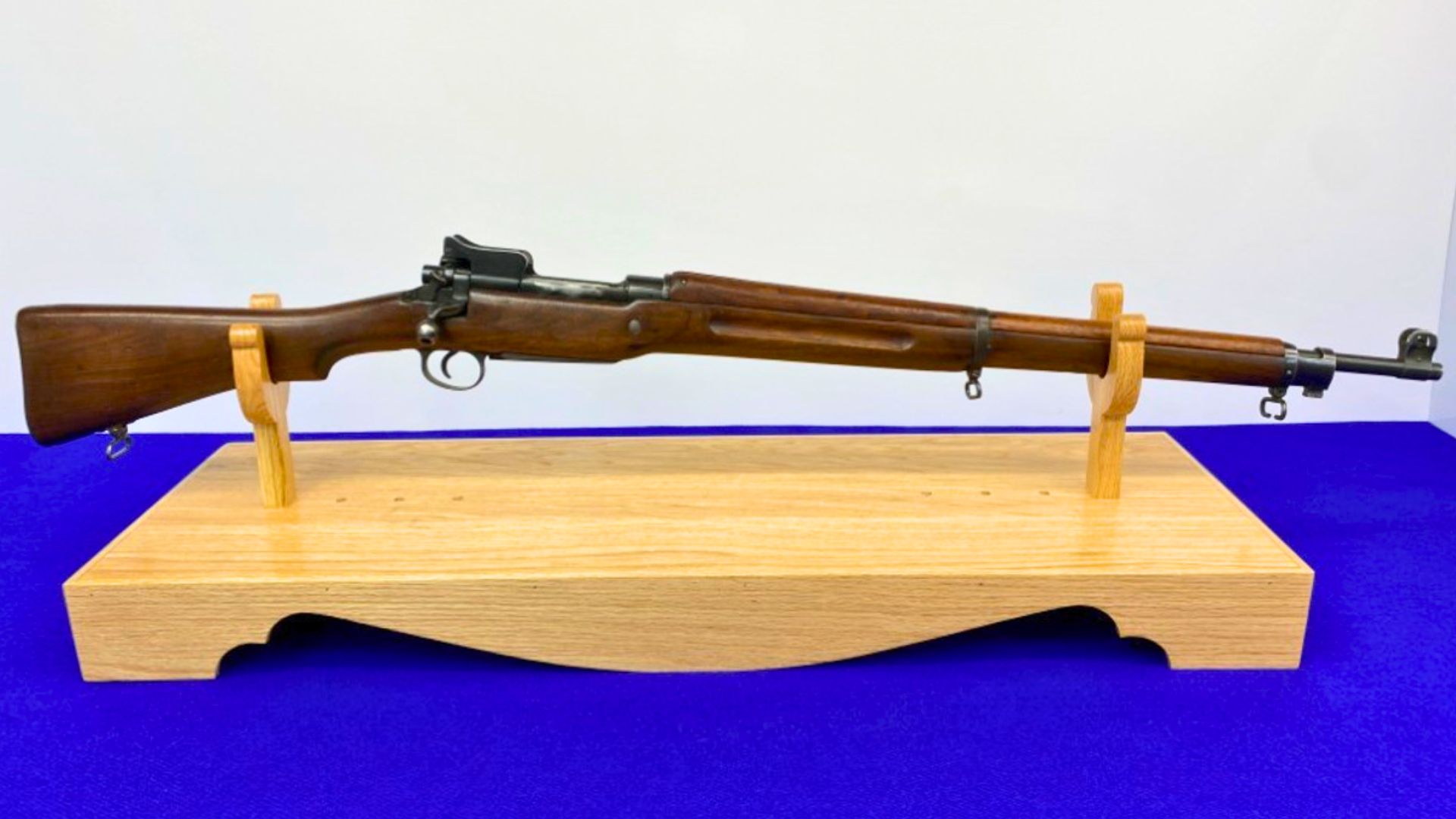
The M1917 is big and a little clunky, but it’s also tough as nails. If you’ve ever picked one up, you know it feels like it could survive falling off a tractor and still hold zero. Not that you should test that.
As with the 1903, sporter quality varies. When they’re put together right, they make reliable, no-nonsense hunting rifles that don’t mind rough weather and hard use.
15. Mauser 98 (and good 98-based sporters)

If there’s one action that’s been copied, borrowed from, and argued about for generations, it’s the 98. Controlled-round feed, strong extractor, and a reputation for feeding when things are dusty, wet, or just not perfect.
A lot of Mauser sporters were built by people who knew what hunters needed: solid bedding, sensible sights, and calibers that actually make sense. A good one is a lifetime rifle, even if it’s not the fastest thing to run from the shoulder.
16. CZ 527

These little rifles have a fanbase for a reason. They’re trim, they carry like a walking rifle should, and they feel “alive” in the hands instead of bulky. In the right cartridge, they’re a predator and small-game hunter’s best friend.
They’re discontinued now, which doesn’t help availability. Magazines are worth keeping track of, and if you own one that shoots well, it’s a smart rifle to keep in the family.
17. Browning BAR (older hunting BAR)
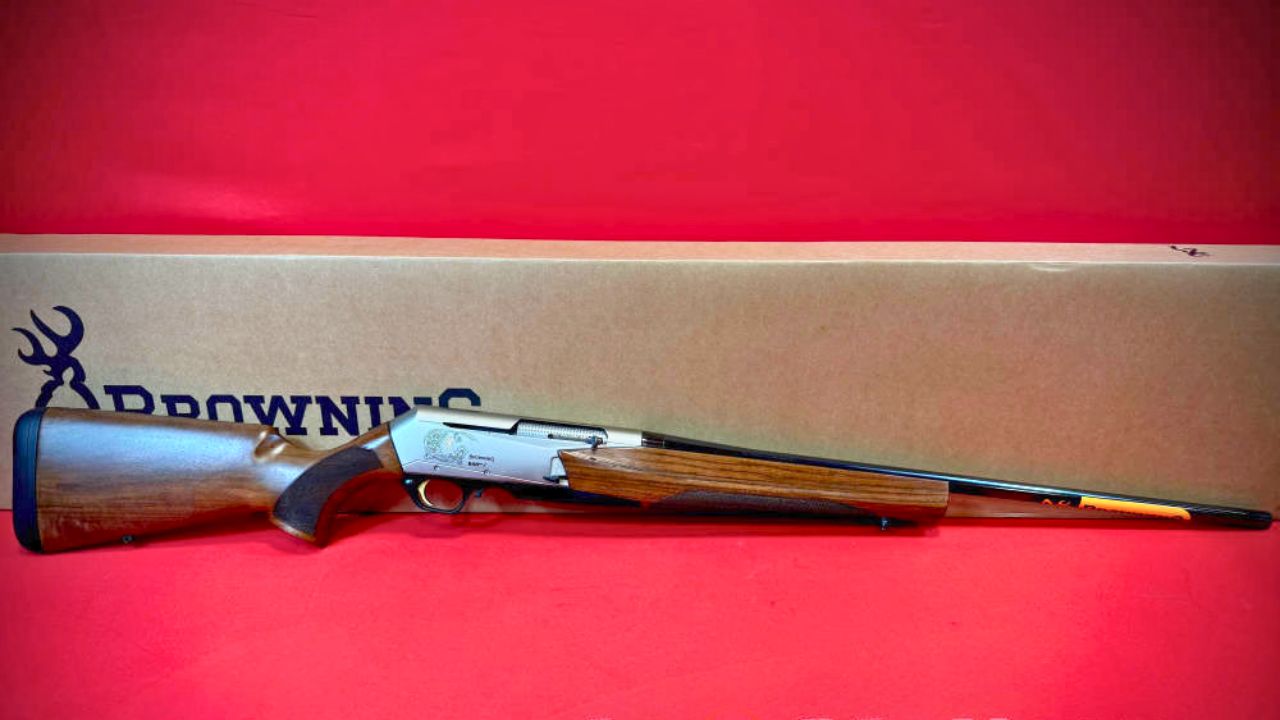
Not the easiest rifle to clean, not the lightest to carry, and not the cheapest to scope properly. And yet, the older hunting BARs have a way of quietly stacking up deer season after season, especially for folks who want a semi-auto that behaves like a hunting rifle.
They’re also the kind of gun that gets shot a lot and then blamed when the owner neglects maintenance. Keep it serviced, use good magazines, and it can be a very steady, very effective rifle for decades.
18. Browning A-Bolt (early generations)
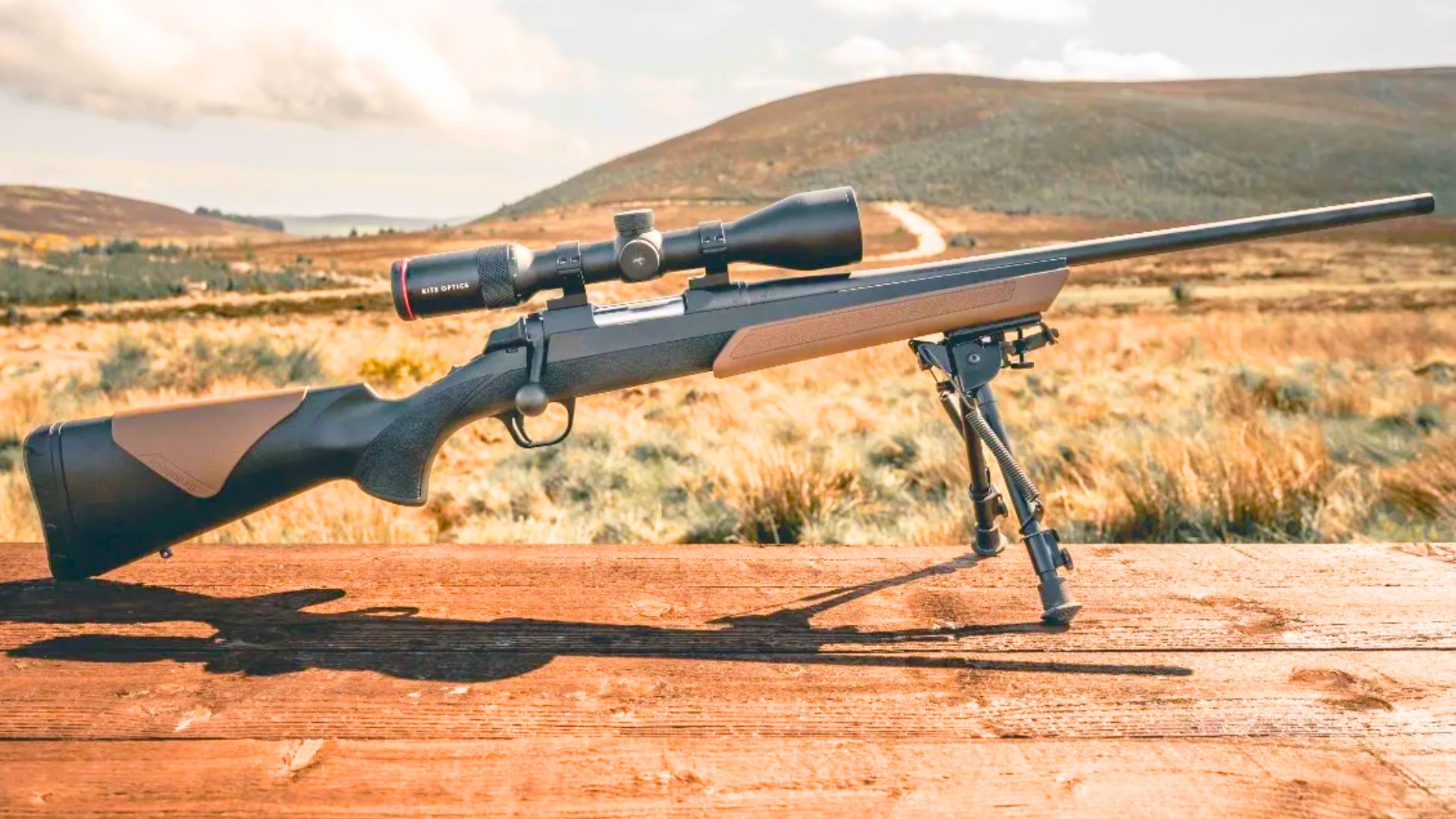
The A-Bolt has always felt like a hunter’s rifle to me. Smooth bolt lift, good out-of-the-box accuracy more often than not, and a stock shape that carries well on a sling for long walks.
They aren’t as “tinker-friendly” as some, and not every variant is equally loved. But the better examples have proven they can take years of field use without turning into a problem child.
19. Sako L61R Finnbear (and other classic Sako hunting rifles)
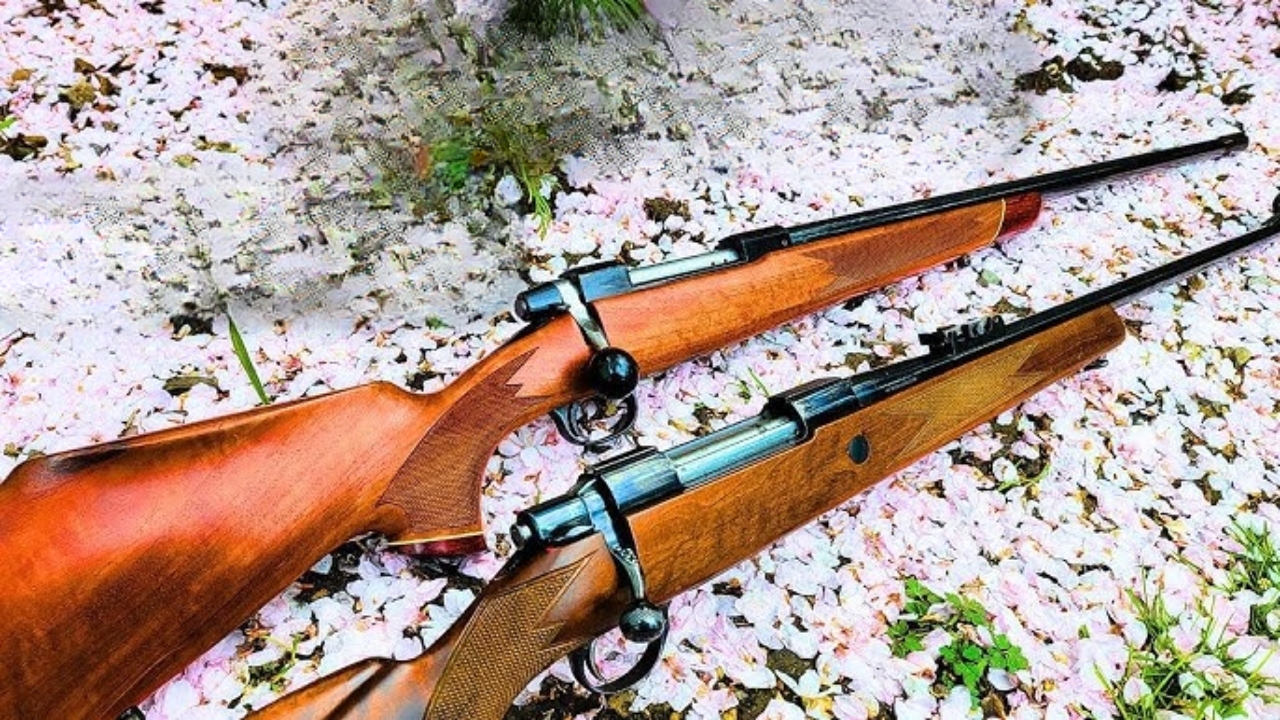
Pick up an older Sako and you’ll usually notice the difference right away. The machining tends to be clean, the action slick, and the whole rifle feels like it was assembled by people who cared about details that don’t show up in a spec sheet.
They can be expensive to buy into now, and you might not want to drag one through a briar thicket. But as a generational hunting rifle, the classic Sakos are about as close as you get to “buy once, cry once” in the old-gun world.
20. Weatherby Mark V (early production)

The Mark V has always been a big, confident rifle, and that’s not an accident. The action is strong, the fit and finish on older examples is often excellent, and they were made for hunters who weren’t scared of a little recoil.
They can be heavy, and the high-gloss classic look isn’t everybody’s taste. Still, if you’ve got one that shoots, it’s the kind of rifle that can live a long life with nothing more than careful handling and a steady diet of sensible loads.
None of these rifles are magic, and none of them are immune to neglect. But they share a common thread: they were built with enough steel, decent design, and real-world thinking that they can stay useful long after the new-gun excitement wears off. If you’ve got one sitting in the safe that already proved itself in the rain, in the cold, and when your hands were shaking on a buck, don’t be too quick to trade it away. Ask me how I know.
Like The Avid Outdoorsman’s content? Subscribe to our newsletter so you never miss an article.
Here’s more from us: