Photo credit: BigDaddyHoffman1911/Youtube
Every time I hear somebody say, “This is my survival gun,” I want to ask one question: have you actually lived with it? Not just a couple of fun range trips, not just a box of ammo, not just a picture on the tailgate. When things get loud, cold, wet, and frustrating, certain guns that look perfect on paper start showing you their weak spots in a hurry.
This isn’t a list of “bad guns” across the board. A few of these can be fine for a narrow job, or they’re fun, or they’re cheap enough that folks forgive them. But if you’re betting your safety, your food plan, or your ability to protect a remote camp on one firearm, these are 20 that tend to disappoint when reality shows up.
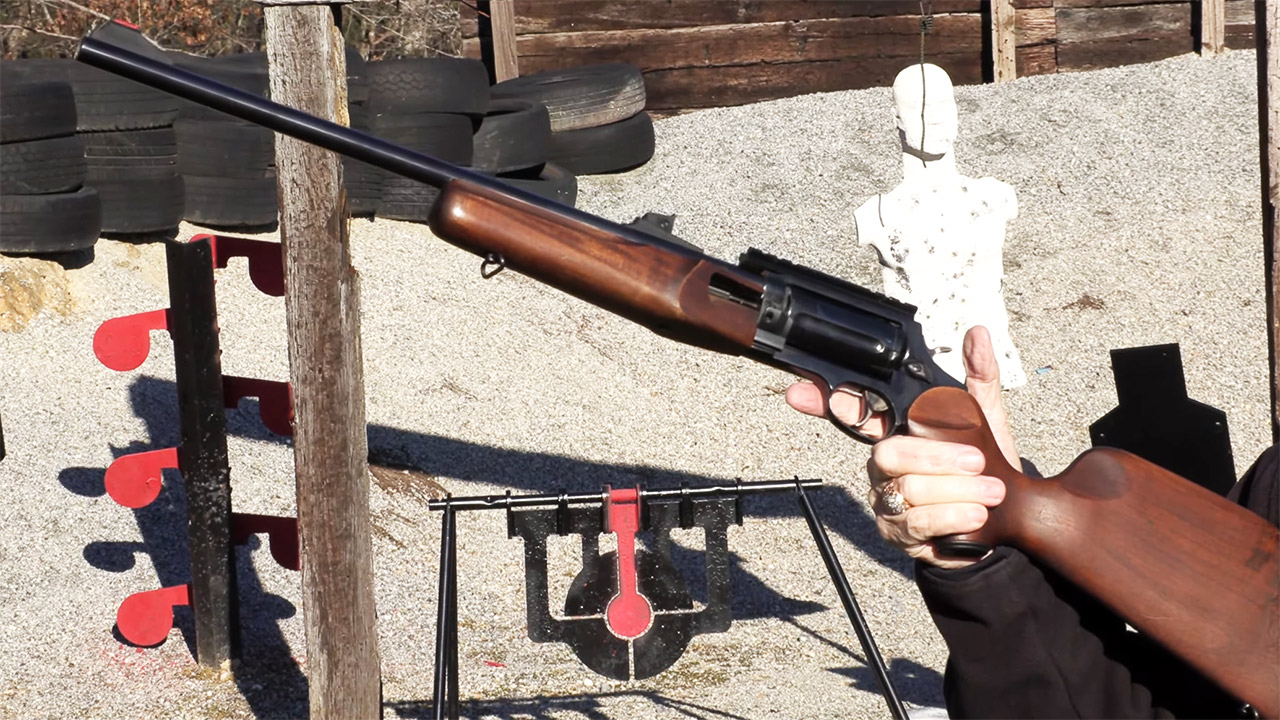
1. Rossi Circuit Judge (.410/.45 Colt)
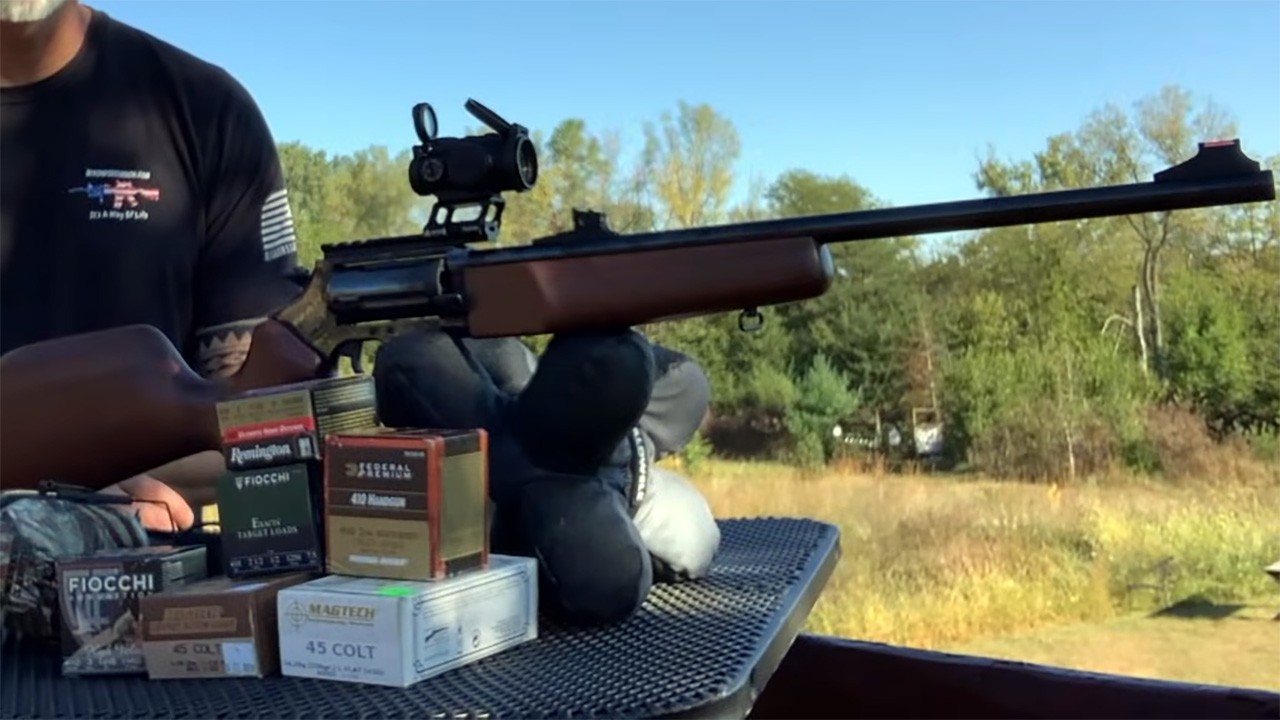
On the rack, it seems like the do-it-all answer: shotgun and handgun caliber in one handy little carbine. In the real world, the pattern can be spotty with .410, and the .45 Colt performance out of that platform doesn’t magically turn it into a rifle.
The bigger problem is consistency. These hybrid “one gun for everything” options can be picky with ammo, and when you’re trying to simplify your life, picky is the opposite of what you want.
2. Taurus Judge (revolvers)
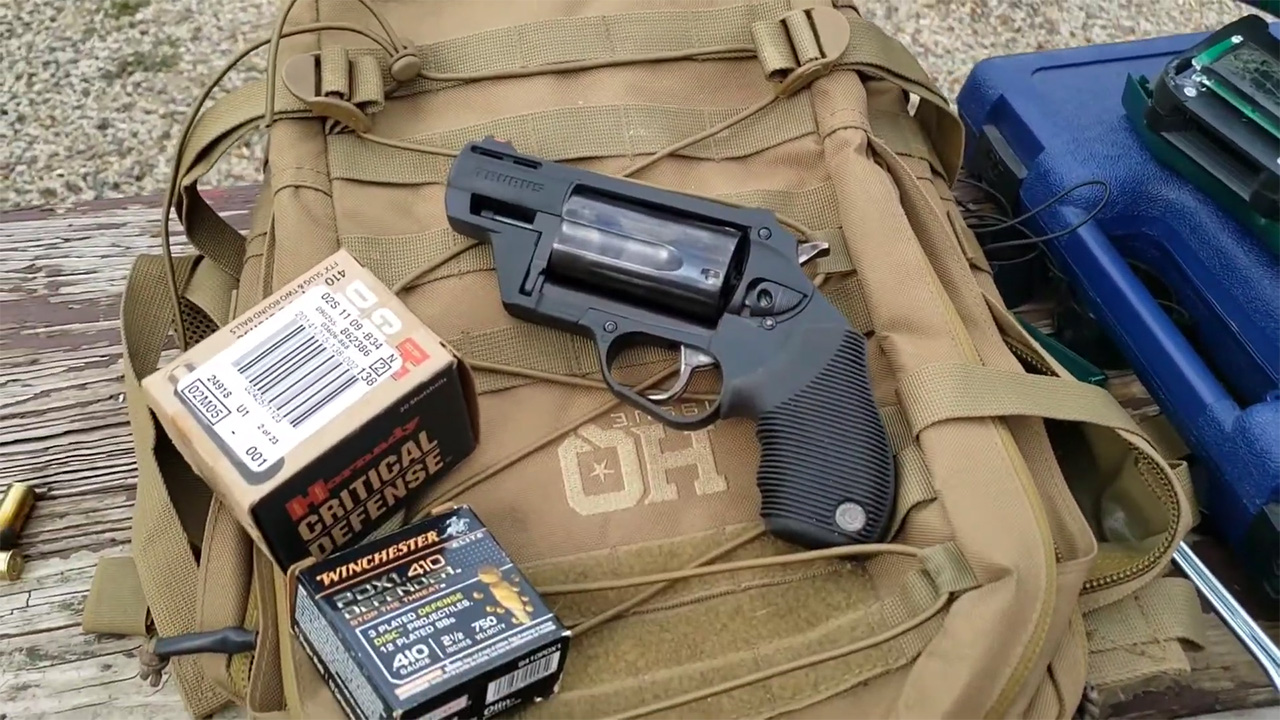
I get why people buy them. They’re fun, they look tough, and the idea of .410 shells in a handgun sounds like a close-range hammer. Then you shoot one enough to see what it really does.
Accuracy with .45 Colt is often nothing to brag about, .410 from a short barrel is more bark than bite beyond very close distances, and the bulk makes it a pain to carry. When “survival” turns into lots of walking, weight and awkward shape matter.
3. Kel-Tec SUB-2000 (9mm/.40)

Folding carbines are a cool concept, and the SUB-2000 packs down small. But it’s a light, flexy gun that can feel like a compromise in every direction—trigger, sights, cheek weld, and overall durability.
If you only shoot it occasionally, you might never notice. If you run it hard, keep it dirty, or depend on it for regular use, the “neat” factor wears off and the shortcomings don’t.
4. Kel-Tec PMR-30 (.22 WMR)

Thirty rounds of .22 Magnum in a featherweight pistol sounds like a field carry dream. The reality is rimfire reliability and magazine sensitivity. When you’re cold, tired, and your hands aren’t working great, finicky loading becomes a real problem.
.22 WMR can do useful work, but “useful” isn’t the same as “trust my life to it.” A survival gun should be boringly dependable, not something you baby to keep running.
5. Heritage Rough Rider (.22 LR)
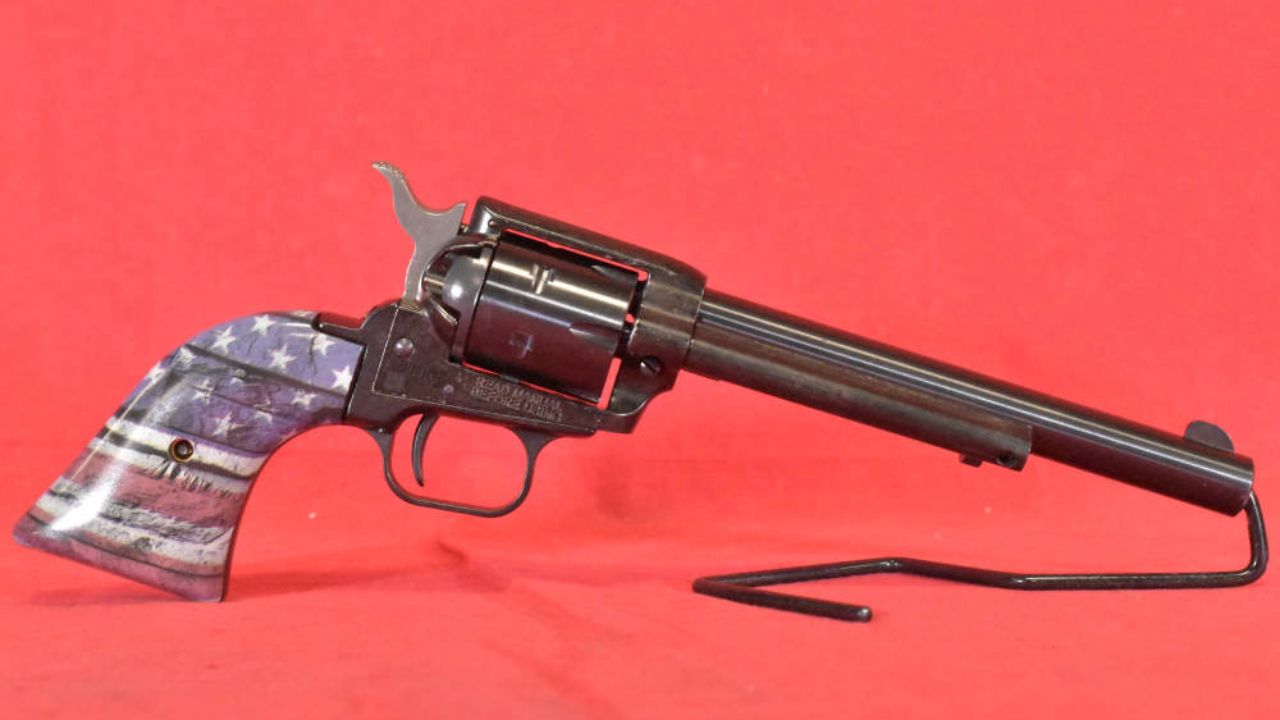
Cheap .22 revolvers get recommended a lot because they’re affordable and simple. But the Rough Rider is built to a price point, and you feel it in the action, the timing, and the overall fit.
For plinking, fine. For a gun you might have to live with, a rough action and questionable long-term durability is a gamble. Ask me how I know after watching one go out of time and start spitting lead.
6. Phoenix Arms HP22A (.22 LR)
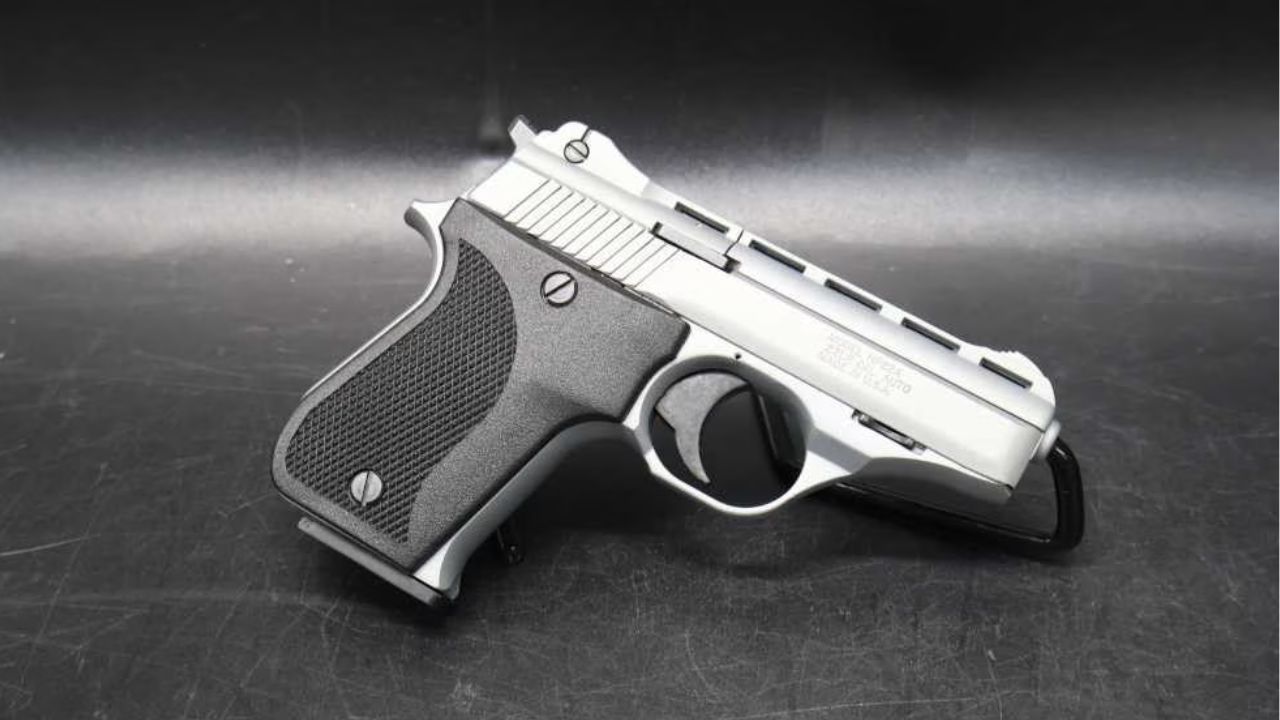
This is one of those pistols that seems like a bargain until it isn’t. They can be ammo picky, the controls are awkward, and small parts feel like they were designed to survive a display case more than a season of real use.
When rimfire is already less reliable than centerfire, starting with a cheaply built platform stacks the odds against you. If you want a .22 pistol that works, buy one that’s known for working.
7. Remington 770

The 770 sold because it was “ready to hunt” and priced like a big-box special. Plenty of them kill deer, sure. But if you’ve cycled one hard and fast, you know the bolt can feel gritty and the whole setup can feel disposable.
Survival isn’t just one clean shot from a bench. It’s rain, grit, rushed reloads, and the kind of handling that reveals weak extractors and cheap magazines.
8. Remington 710

The 710 is one of those rifles that makes you appreciate older, simpler Remingtons. The complaints you hear aren’t usually about it being inaccurate. They’re about it being fragile and not aging well.
When you can’t easily find parts, when a magazine is weird, and when the action never really smooths out, it stops being a rifle you’d bet a season on.
9. Savage B.Mag (.17 WSM)

The .17 WSM is fast and flat, and it’s a riot on paper. The problem is you’re tying your “survival” plan to a niche cartridge that can be hard to find when shelves get thin.
The rifles themselves haven’t always inspired confidence either, especially when you consider how much rimfire performance can vary. If you’re going small and light, .22 LR and .22 WMR win on availability and practicality.
10. .410-only single-shot shotguns (budget models)
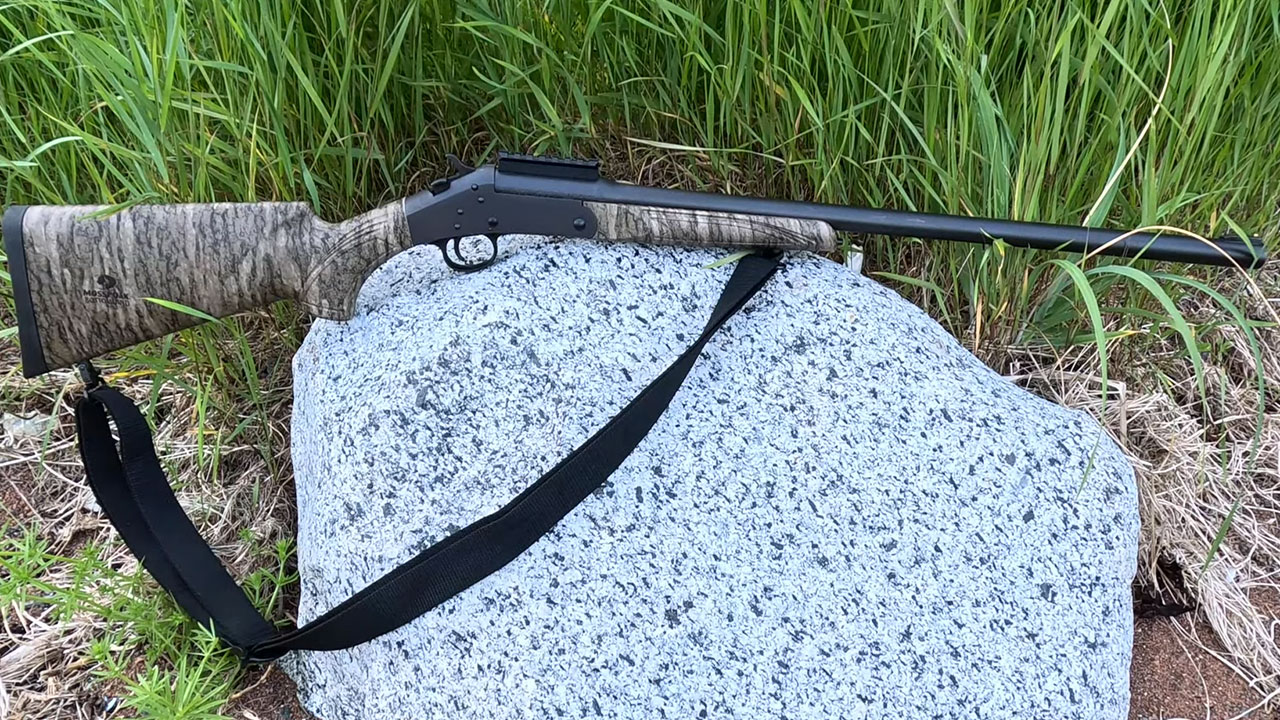
A cheap single-shot .410 gets suggested as a kid gun or “toss it behind the seat” option. For survival, the limitations hit quick: thin patterns, limited payload, and not much reach.
Single shots are simple, but simple doesn’t equal capable. If birds and small game are your plan, a 20 gauge pump or a solid .22 rifle usually does more with less frustration.
11. Mossberg 715T (.22 LR)
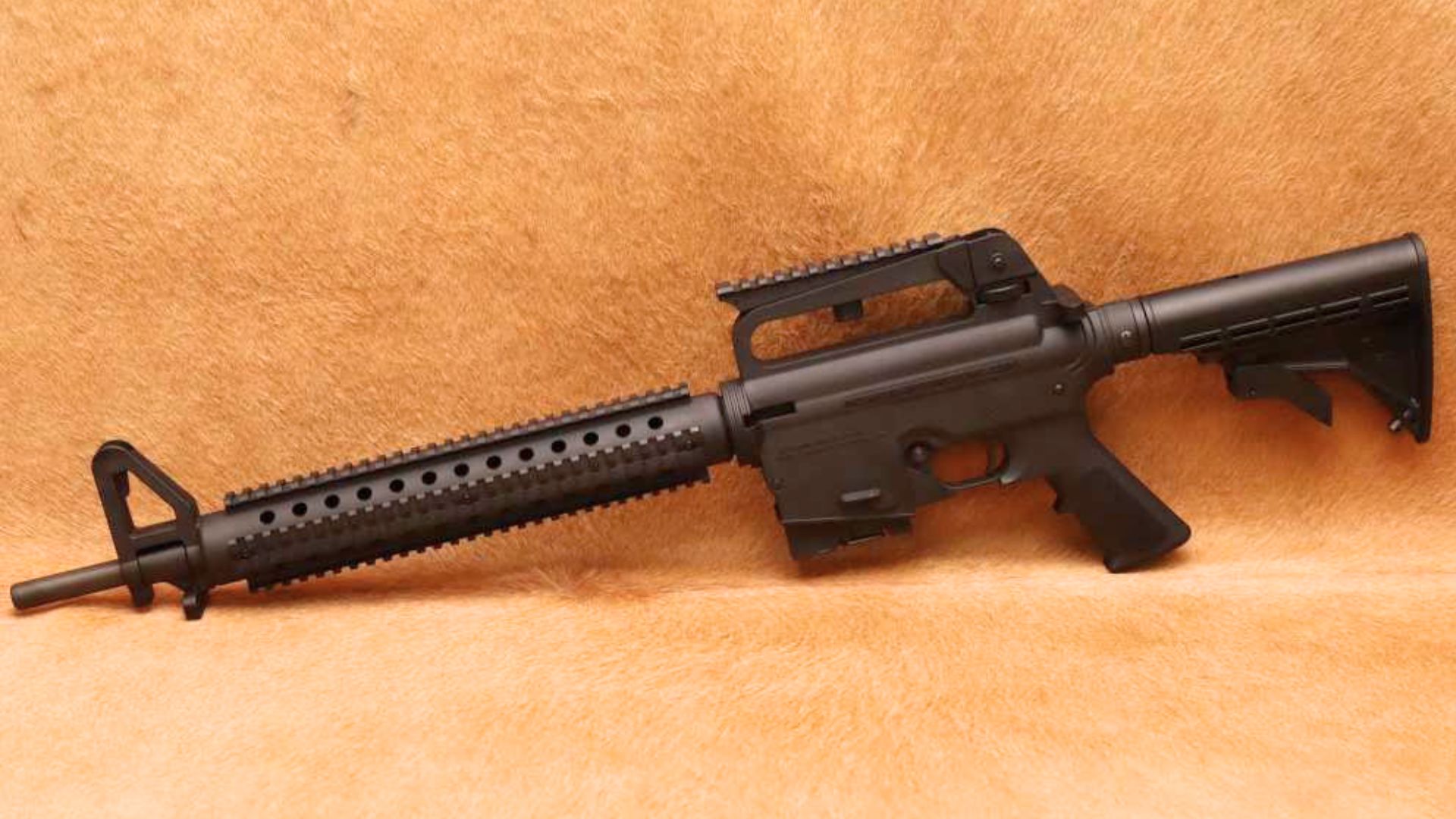
This is the classic “tactical .22” trap. It looks like a fighting rifle, but it’s still a blowback rimfire with a pile of plastic and a vibe that’s doing a lot of the heavy lifting.
They can run okay, but they’re not the .22 you want to bet on when cleaning supplies are limited and you’re trying to keep things simple. A plain Ruger 10/22 or a good bolt .22 is just more honest.
12. Ruger 10/22 with cheap high-capacity mags (off-brand)

I’m not knocking the 10/22. I’ve got one and I’d keep one. The problem is the “survival” setup that relies on bargain 25-round magazines that work great right up until they don’t.
Rimfire ammo is dirty, lips get tweaked, and suddenly your reliable little rifle becomes a malfunction drill. If your plan involves a 10/22, run proven mags and actually test them, not just once.
13. Hi-Point C9 (9mm)
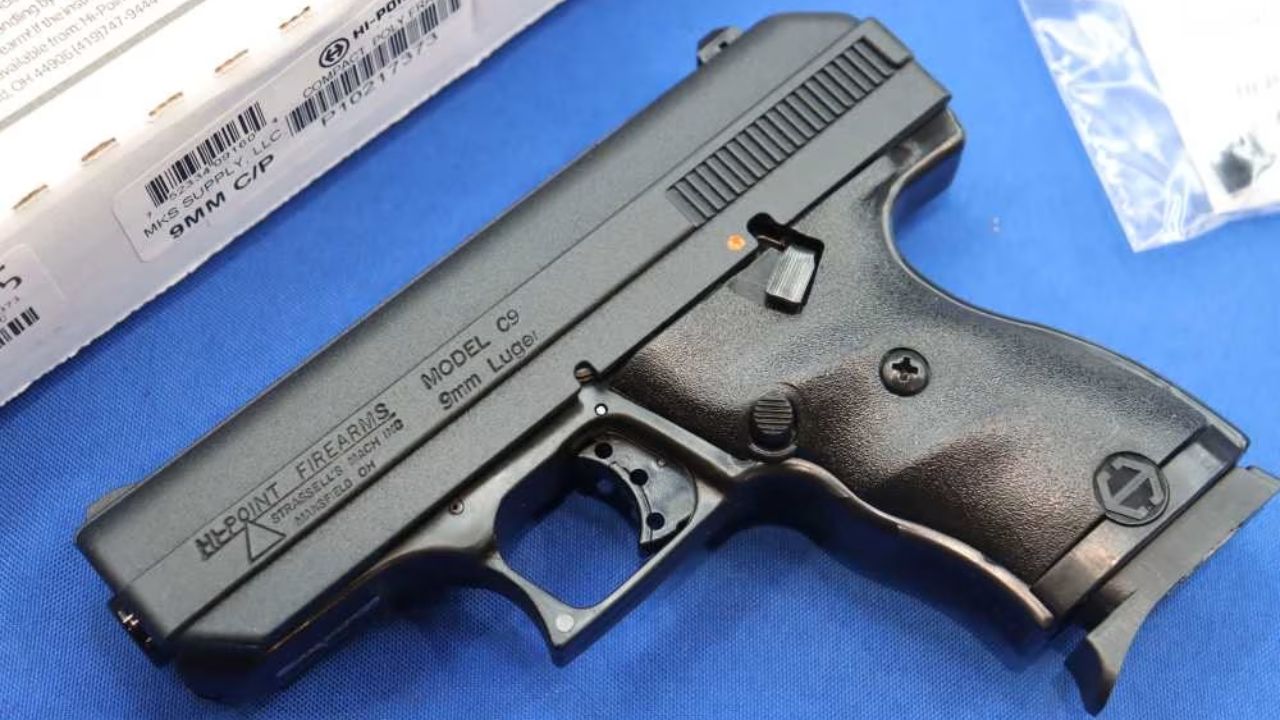
They’re ugly, heavy, and they somehow often go bang. That’s why they have fans. But “it usually works” isn’t a comforting standard when you’re treating a pistol as a serious defensive tool.
The weight and clunky handling are real, the magazines are limited, and durability over hard use is a question mark. If it’s all you can afford, okay. If you’re choosing it as a “survival” pistol, you’re choosing the hard way.
14. SCCY CPX series (9mm)
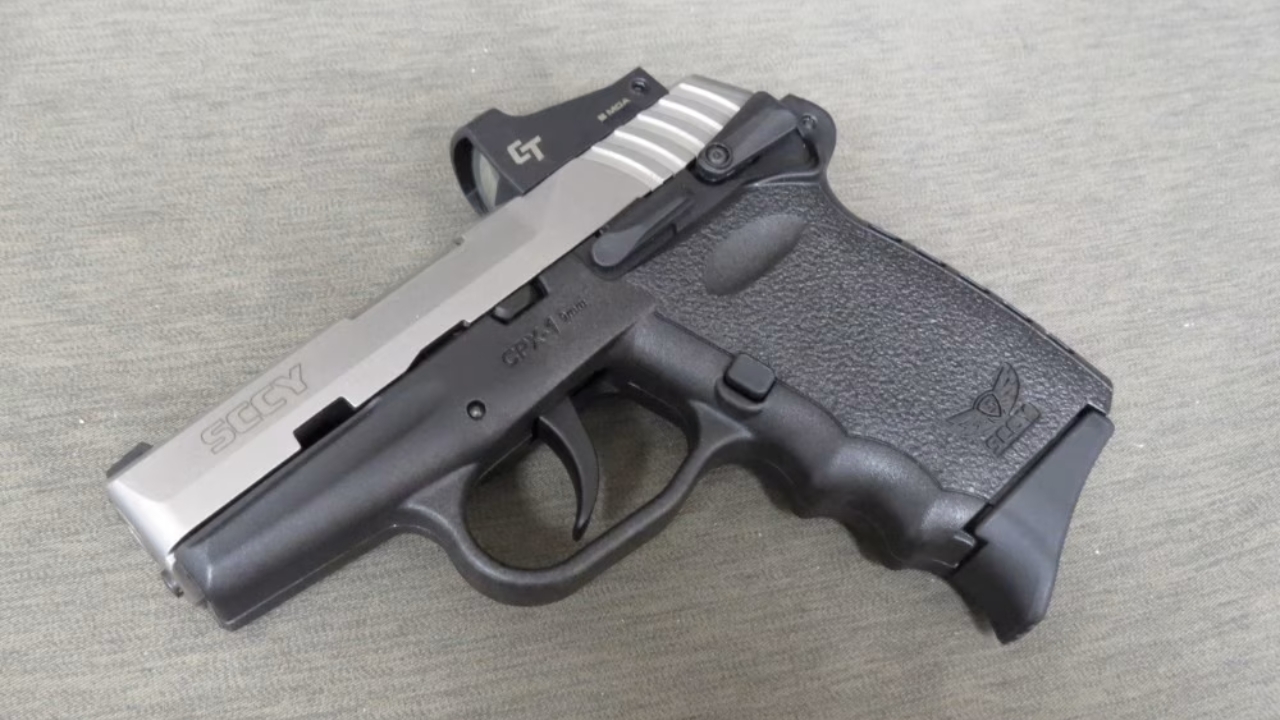
These often get bought as budget carry guns, and that’s where the trouble starts. Light, small pistols are already harder to shoot well, and a gritty trigger doesn’t help.
Some run fine. Some don’t. In a true emergency, you don’t want to wonder which category your gun falls into, or if it’s going to get cranky with a certain load.
15. Kimber Solo (9mm)

On paper, it’s the perfect little premium micro 9. In practice, the Solo got a reputation for being picky and requiring specific ammo weights to run right.
In a survival situation, “only likes this one load” is a deal-breaker. You want a pistol that eats what you feed it, within reason, and keeps running when it’s not pampered.
16. Freedom Group-era budget 1911s (various brands/models)

A 1911 can be a wonderful pistol. A cheap 1911 is often a lesson. When tolerances, magazines, and extractors aren’t right, the platform can turn into a jam-prone headache.
There’s also the maintenance side. 1911s reward people who understand them. If you’re grabbing a “survival handgun,” you want something less sensitive to small issues and easier to support with common parts and mags.
17. Micro-compact .380s (early pocket pistols)

Ultra-small .380s are convenient, and that’s why they sell. But the tiny sights, short grip, and snappy recoil make them easy to miss with under stress. That one hurts because misses don’t fix problems.
Some models also have a history of being ammunition sensitive. If you can carry a slightly larger 9mm you shoot well, you’re usually better off.
18. Budget AR-15s with no-name parts (especially bargain BCGs)
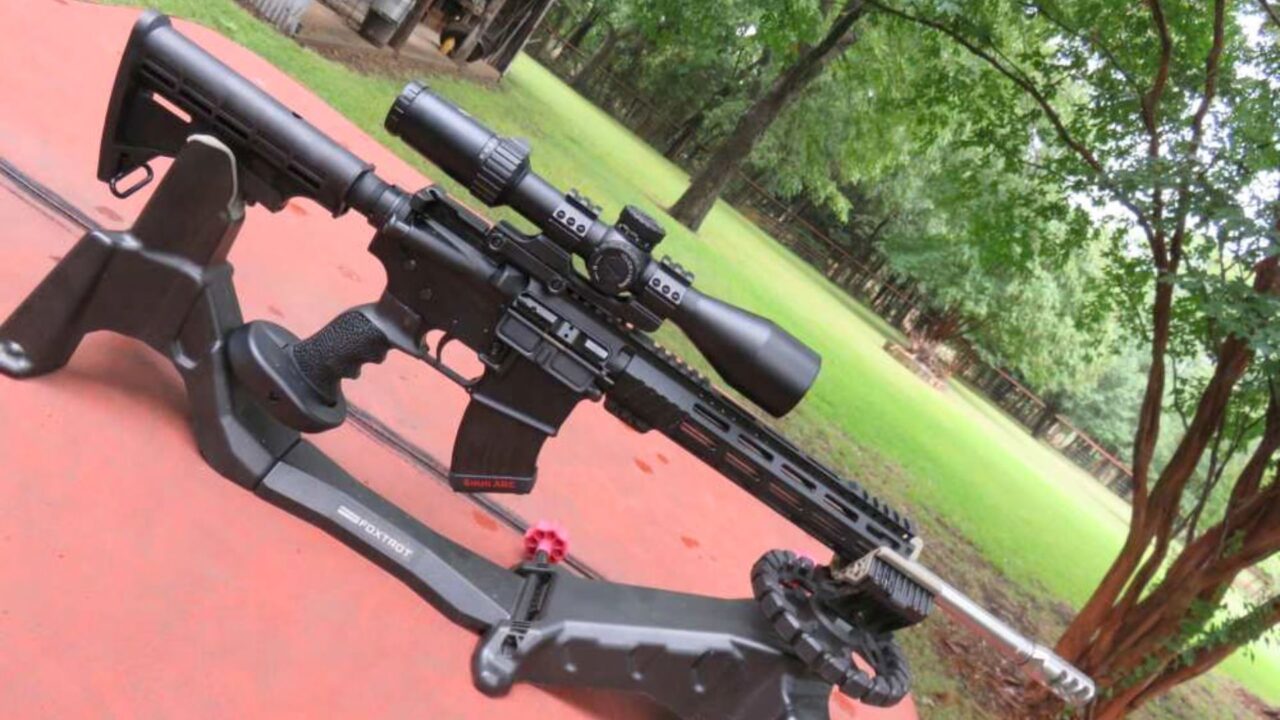
A cheap AR can be a good AR, but the bottom-of-the-barrel builds are where “survival rifle” dreams go to die. Gas keys come loose, extractors wear fast, and mystery bolts don’t inspire trust after a few thousand rounds.
The AR is a great choice when it’s built right and maintained. When it’s a parts-bin special with questionable quality control, it can turn into a single-shot at the worst time.
19. AK-pattern rifles with out-of-spec mags and oddball furniture (cheap imports/builds)

AKs have a reputation for running no matter what. The platform is tough, but the market is full of variation. Some bargain AK-style rifles have issues with mag fit, canted sights, rough triggers, and sloppy assembly.
Parts compatibility matters too. If you can’t easily replace what breaks, or the gun only likes certain mags, you’re not holding the “simple reliable rifle” you thought you bought.
20. Super short-barreled 12-gauge “firearms” and pistol-grip-only shotguns
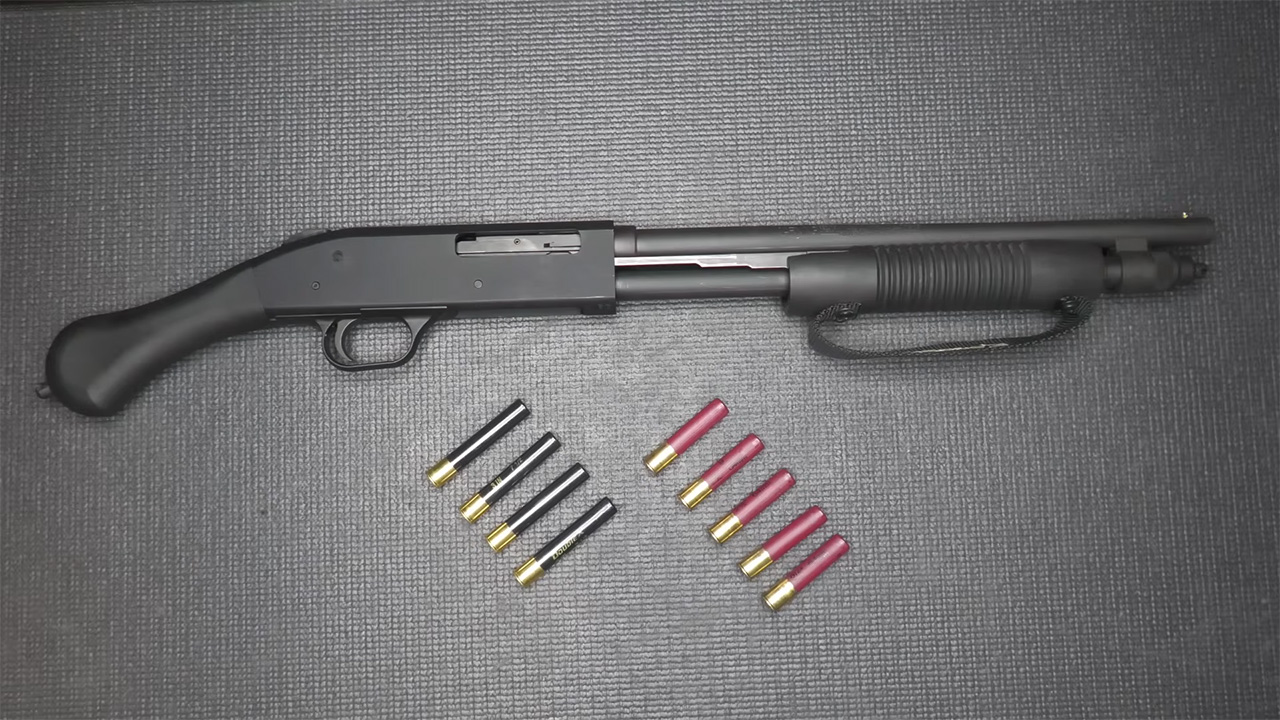
These get marketed as handy, compact problem-solvers. In real use, they’re hard to aim, unpleasant to shoot, and easy to short-stroke if they’re a pump. Recoil and control become the whole story.
A shotgun shines when you can mount it, swing it, and run it smoothly. If your setup fights you every time you touch it off, you’re less likely to practice and more likely to fumble when you can’t afford to.
If you noticed a theme, it’s this: survival favors boring. Common calibers, common magazines, proven designs, and guns you can actually shoot well when you’re breathing hard and your hands are cold. Cool-factor guns and bargain-counter specials might still have a place, but they’re a bad foundation. Pick something you can feed, fix, and run without thinking, because when things get real, thinking time gets expensive.
Like The Avid Outdoorsman’s content? Subscribe to our newsletter so you never miss an article.
Here’s more from us: