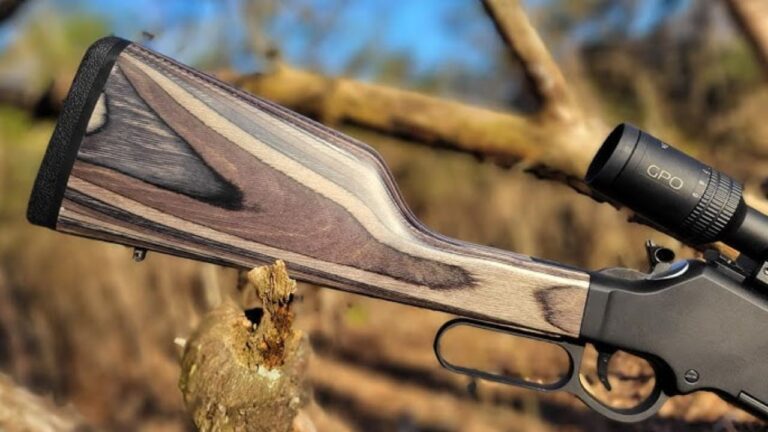
Photo credit: Nickolas Hunt/YouTube
Every camp has a guy who shows up with a new rifle he’s “always wanted,” and by the end of the weekend he’s borrowing somebody else’s gun to finish the hunt. Most rifles aren’t truly bad. They’re just a bad fit for the way hunters actually hunt: cold mornings, wet gloves, banged-up trucks, hurried shots, and a scope that gets checked once a year if we’re being honest.
This isn’t a list of what you “can’t” hunt with. It’s a list of rifles that experienced hunters tend to steer buddies away from because the headaches show up at the worst time. Some are budget guns that never should’ve left the drawing board. Some are neat ideas that don’t carry well, don’t feed well, or don’t hold up. And a couple are perfectly fine rifles that get avoided because the practical downsides don’t match the hype.
1. Remington 710
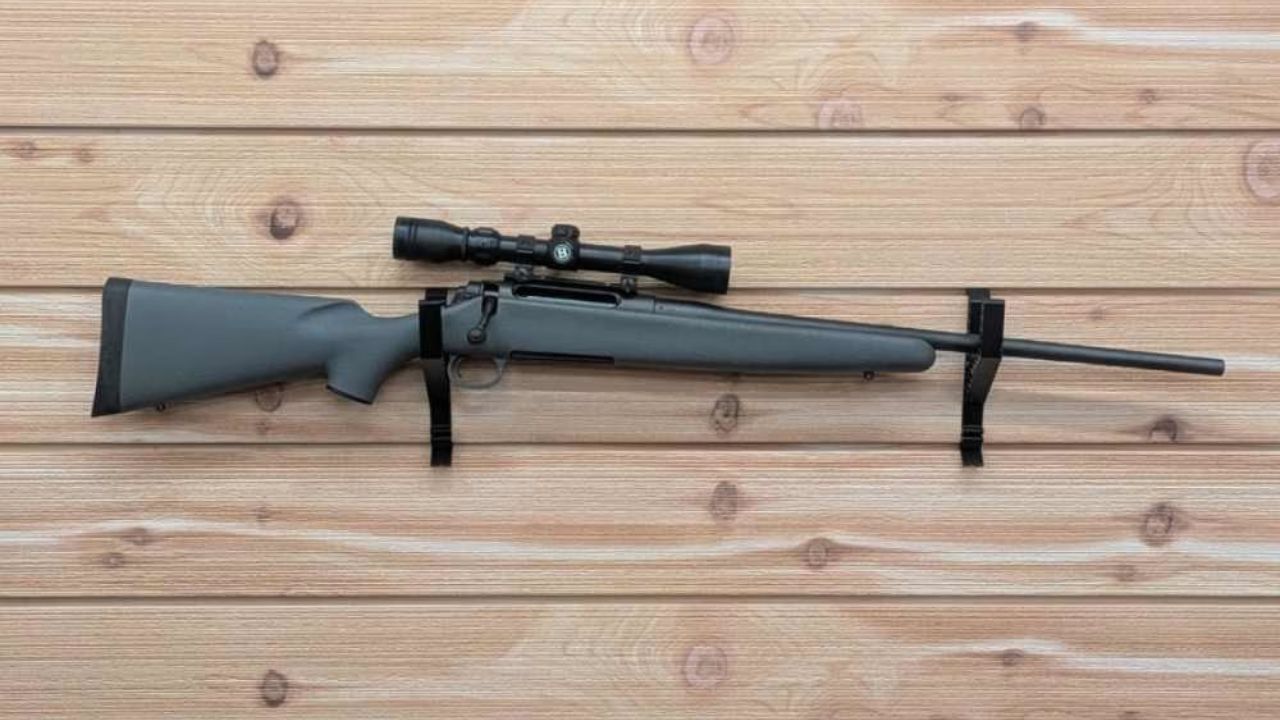
I’ve handled a few 710s that felt like they were built to a price and nothing else. The bolt throw can be rough, and the overall “feel” is more big-box special than heirloom hunting tool. When you’re trying to slip a round in quiet at first light, that matters.
The bigger issue is long-term support. Once you start chasing magazines, small parts, or trying to improve the trigger situation, it becomes a money pit. Most folks are better off starting with a different budget rifle and saving the frustration.
2. Remington 770
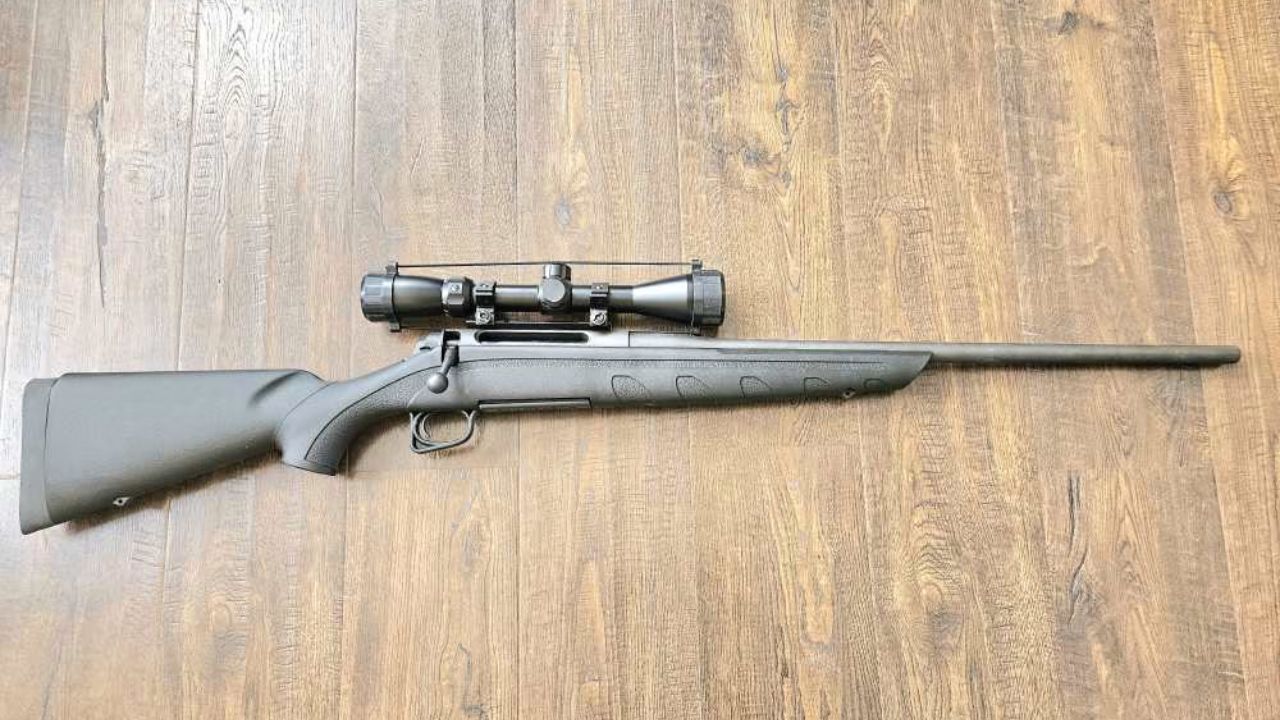
The 770 followed the same general path, and it shows. Some will shoot “fine” from a bench, but the action can feel sticky and cheap when you work it fast. In the field, fast and smooth beats theoretical accuracy every time.
A common pattern is a hunter buys one as a first deer rifle, then starts noticing all the corners that were cut after a couple seasons. If you’ve already got one that runs, hunt it. If you’re shopping, keep walking.
3. Mossberg 100 ATR (early versions)

The 100 ATR had its fans, especially for the price, but the early rifles were inconsistent. I’ve seen a couple that shot surprisingly well and a couple that needed constant fiddling with mounts, screws, and expectations. That kind of variability is what experienced hunters try to avoid.
When it’s cold and you’re wearing gloves, the small annoyances stack up fast. If you find one that’s a tack driver, good for you. Most hunters would rather spend a bit more and get predictable.
4. Savage Axis (first generation, bargain-bin packages)
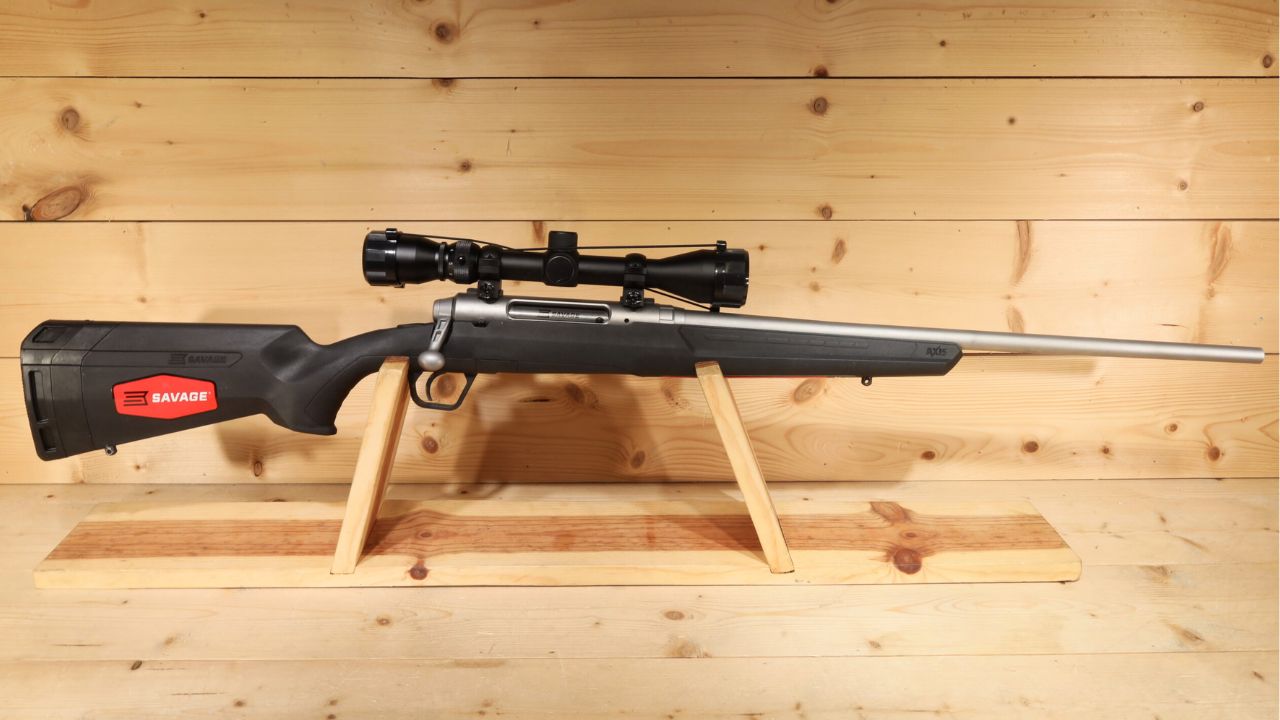
This one will ruffle feathers because the Axis has put a lot of venison in the freezer. The rifle itself is usually fine. The problem is the cheapest package versions with the “good enough” scope and rings that come loose, fog up, or won’t track when you finally dial or rezero.
Experienced hunters avoid the combo deal trap. Buy the rifle, yes, but plan on real rings and a real scope. Otherwise you’ll spend your first range day chasing a wandering zero and blaming the gun.
5. Ruger American (the ultra-cheap scope packages)
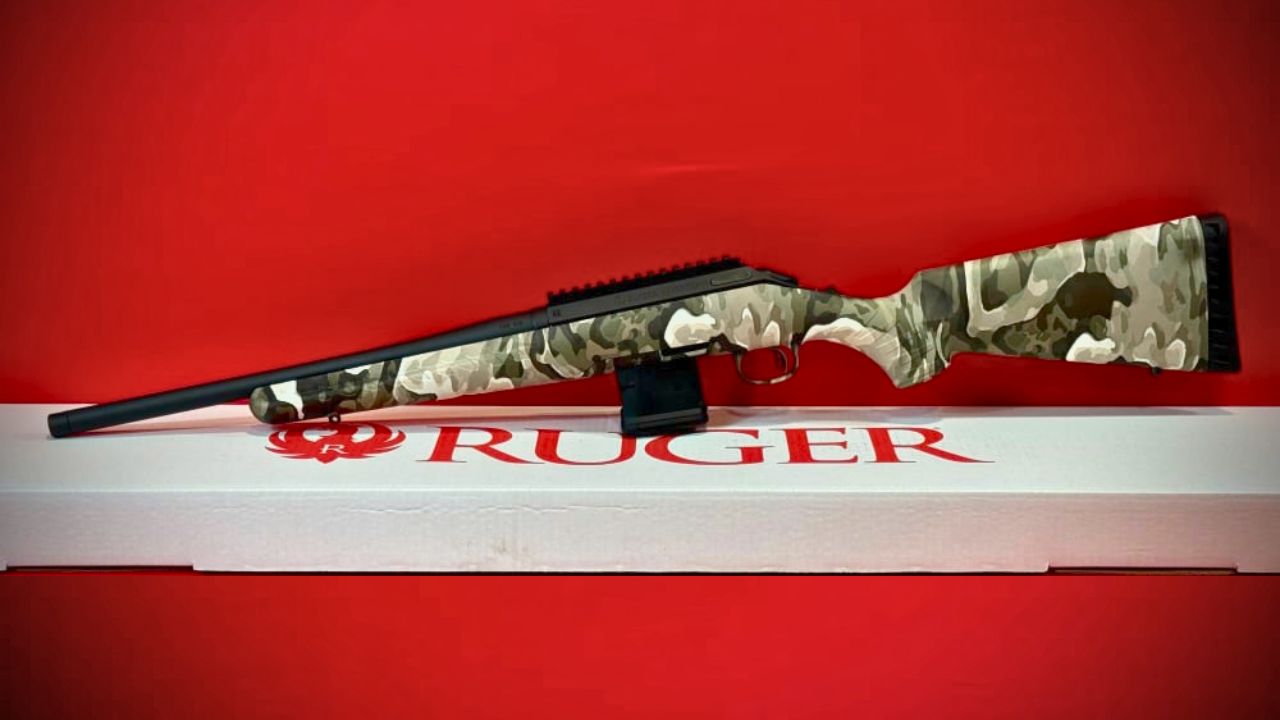
Same story as above. The Ruger American line is generally solid for the money, and I like how they carry. But the lowest-tier package optics are where hunts go sideways. A rifle that shoots 1.5 inches doesn’t matter if the scope shifts after riding in the truck on washboard roads.
Hunters who’ve been burned once stop buying rifles “with a free scope.” If you want a Ruger American, get one, mount it right, and be done with it.
6. Rossi RS22 (as a “do-everything” hunting rifle)
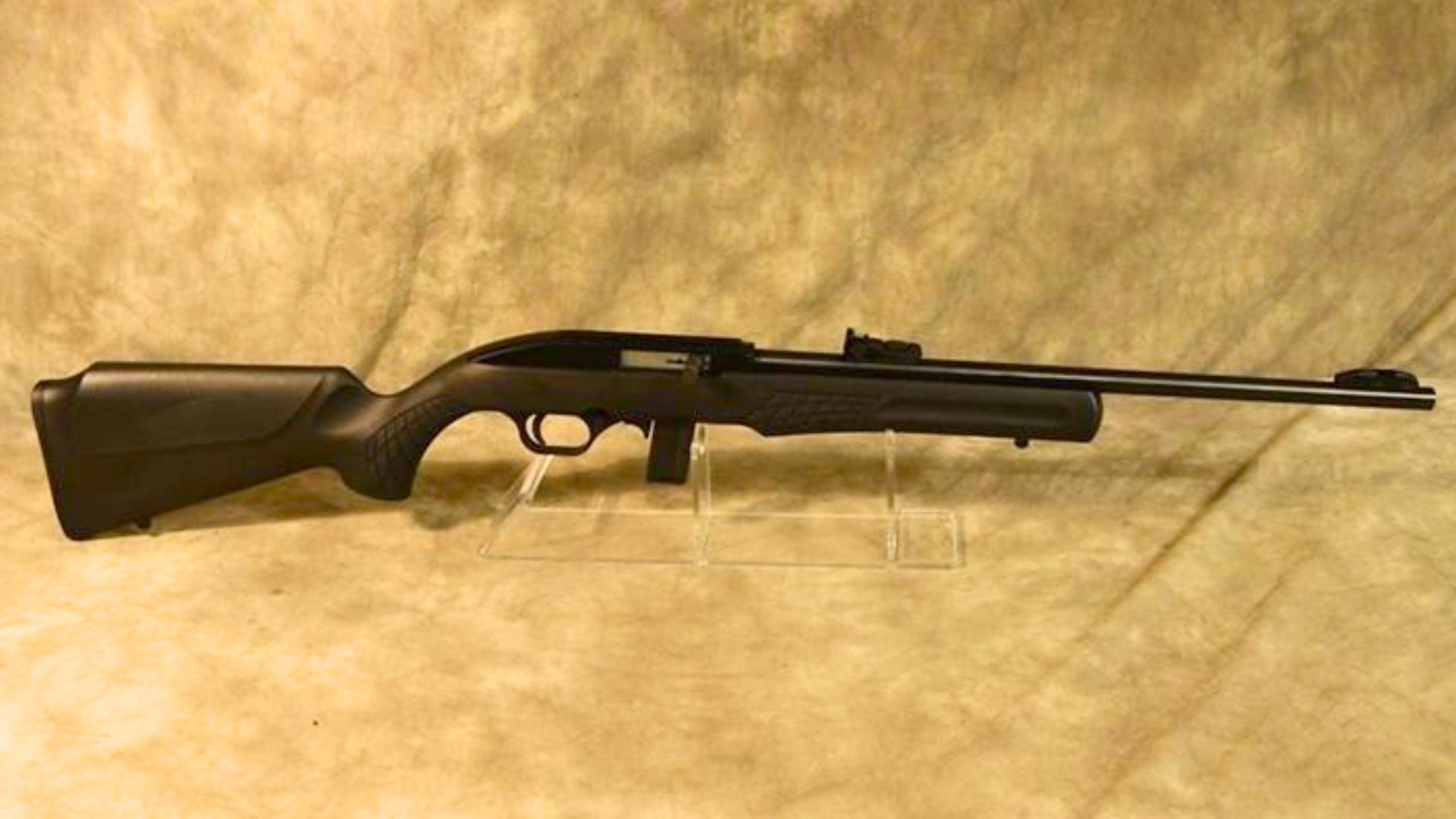
The RS22 can be a fun little .22 for plinking, pests, and teaching a kid safe handling. Where it gets avoided is when somebody tries to turn it into a serious small-game rifle that gets carried hard all season and expected to run like a 10/22 or a bolt gun.
Mags and feeding can be finicky depending on the rifle, and the feel is light-duty. For a knock-around .22 it’s okay. For a “one rifle for everything,” it’s the wrong lane.
7. Marlin 795 (if you can’t keep it clean and dry)
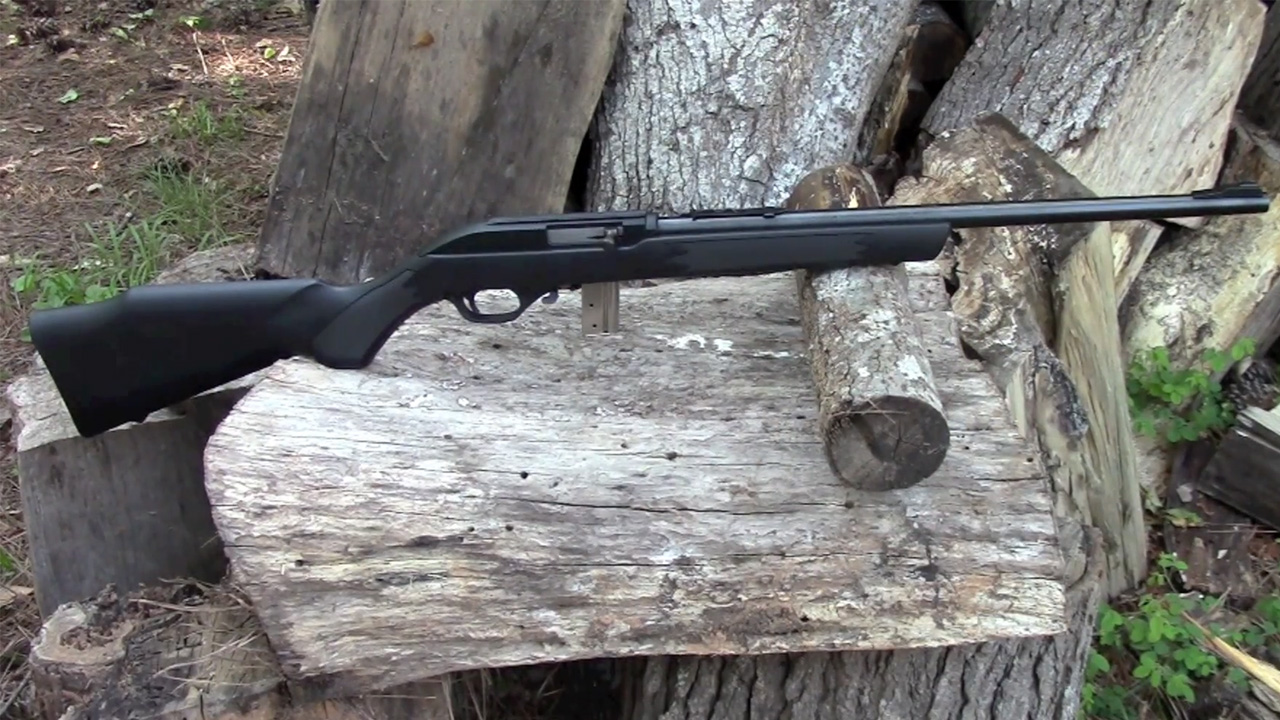
I’ve seen 795s that run great, and I’ve seen them act up after a wet day in the woods when somebody tosses it in a case and forgets it. It’s not that the rifle is junk. It’s that it doesn’t forgive neglect the way some other .22s do.
If you’re the type who wipes a gun down and keeps mags clean, you’re fine. If you want a .22 that lives behind the truck seat through squirrel season, experienced hunters tend to point you elsewhere.
8. Winchester Wildcat (as a “forever” field rifle)
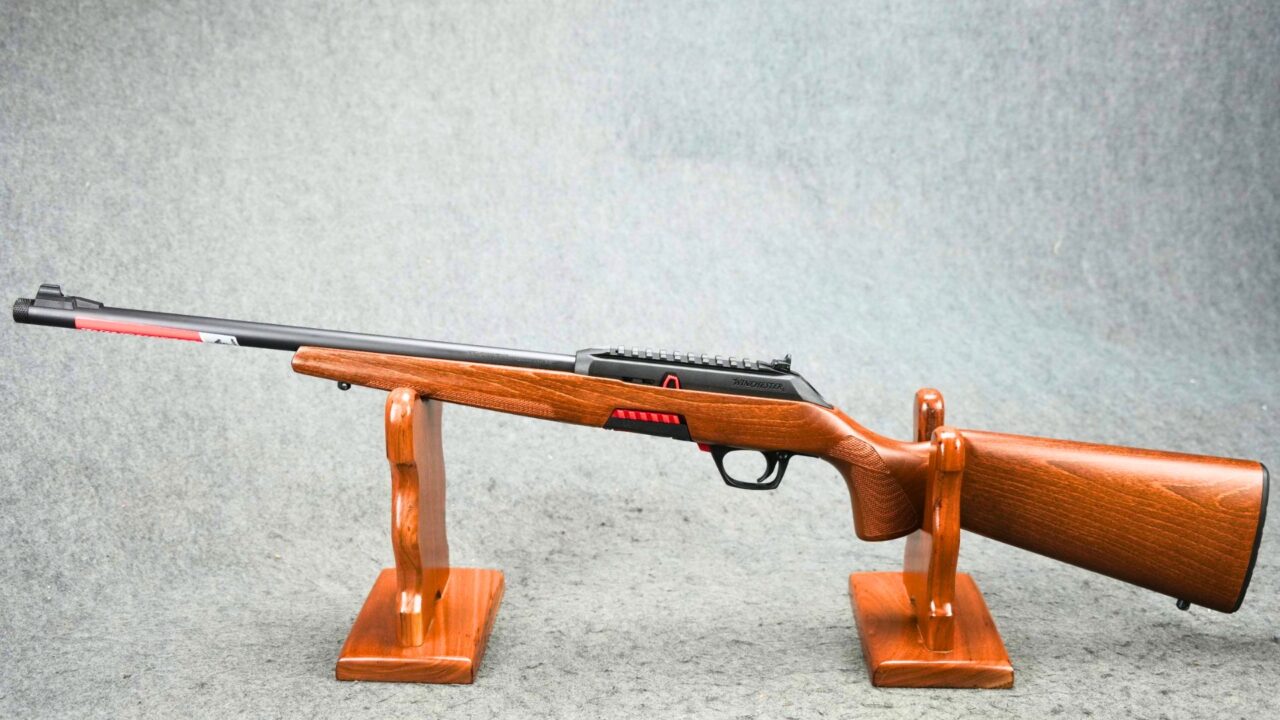
The Wildcat is clever and light, and I get the appeal. But it can feel toy-ish compared to the older workhorse .22s. That’s not an insult—it’s just what it is.
If you’re the guy who hunts hard, bangs gear on trees, and expects the rifle to last decades, you’ll likely outgrow it. Good trainer, decent plinker, not what most seasoned hunters pick when the weather turns nasty.
9. Henry US Survival AR-7
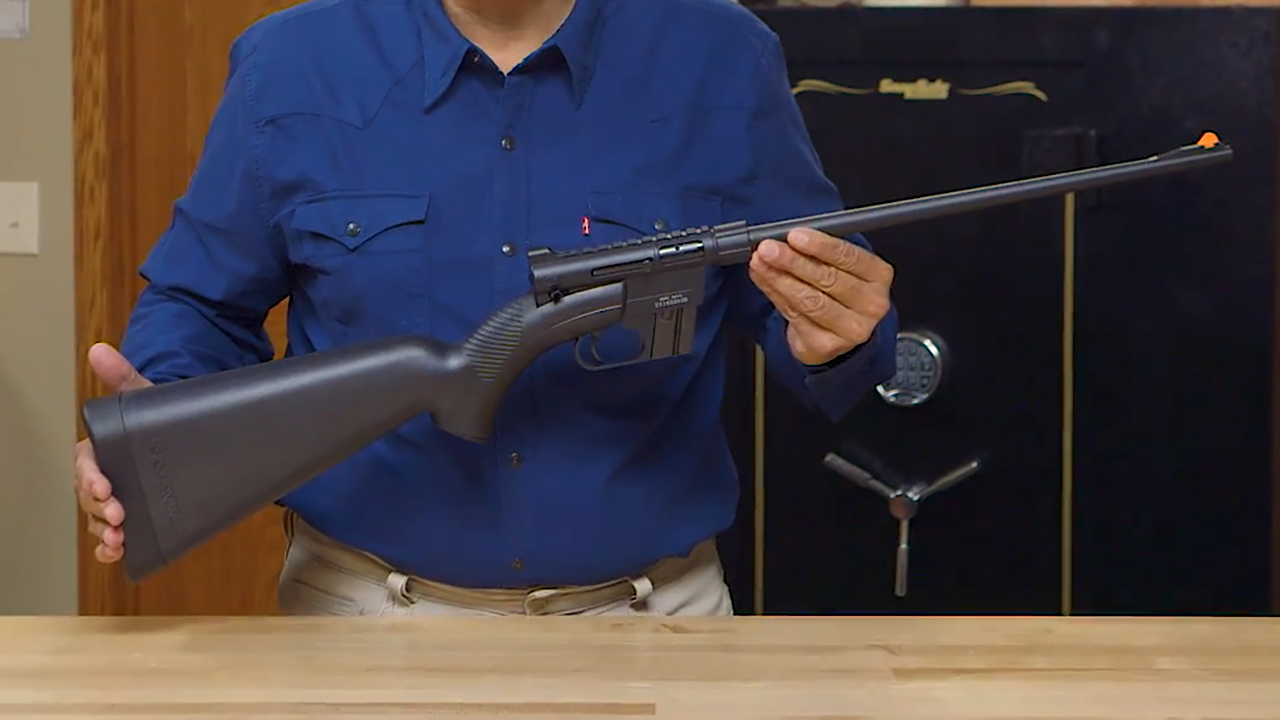
This rifle has a cool niche: packability. But it’s one of those guns folks buy for an idea more than a reality. The sights are basic, the handling is odd, and reliability can vary depending on ammo and magazines.
In an actual hunting context, especially for small game, you’re usually better off with a regular .22 that carries well and shoots where you point it. The AR-7 is for the backpack “what if” crowd, not the guy who wants to stack squirrels consistently.
10. Kel-Tec SU-16 (as a primary hunting rifle)
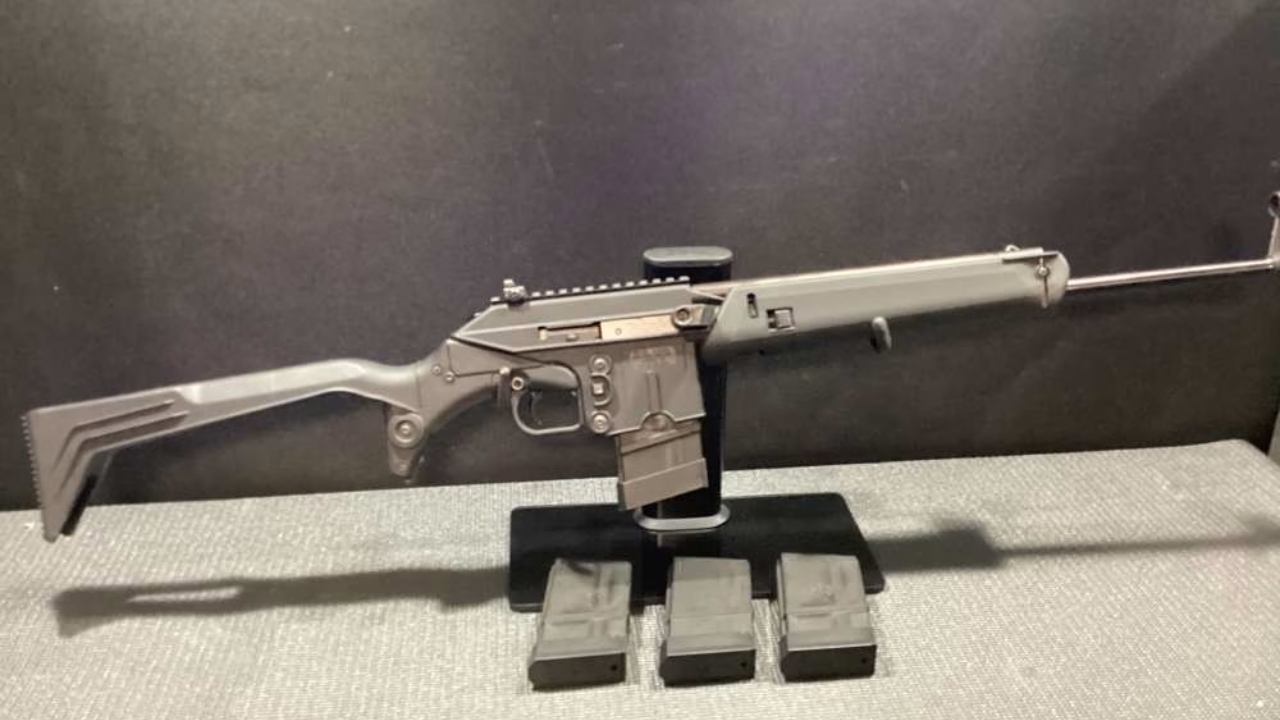
I’ve watched SU-16s show up at the range because they’re light and different. Then the owner realizes “light” can mean whippy, and “different” can mean weird ergonomics with a sloppy feel. Offhand shooting exposes that fast.
For hunting, especially if you’re shooting from field positions, a rifle needs to settle and point naturally. This one often feels like it’s fighting you instead of helping you.
11. Early-production Remington R51? (No—avoid: Remington 742/7400 in hard use)

The old Remington 742 and 7400 woods rifles have put down plenty of deer, no doubt. The reason experienced hunters warn guys off is what happens after years of hunting loads and minimal maintenance. Worn rails, finicky extraction, and the dreaded “now it’s a single-shot” moment.
If you’ve got a good one and you treat it right, keep it. But if you’re shopping used at a gun show and the seller says “it just needs a good cleaning,” ask me how I know to be suspicious.
12. Browning BAR (if you’re not willing to carry the weight)

This one isn’t a knock on quality. BARs can be smooth, accurate, and deadly. The problem is they’re heavy, and they feel even heavier at the end of a long still-hunt or a steep climb.
Experienced hunters avoid bringing a BAR when they know they’ll be walking all day. If you’re a stand hunter or you hunt fields where weight doesn’t matter, different story. But a lot of folks buy one, then realize it’s a safe queen because it’s a chore to lug around.
13. Ruger Mini-14 (older thin-barrel models)
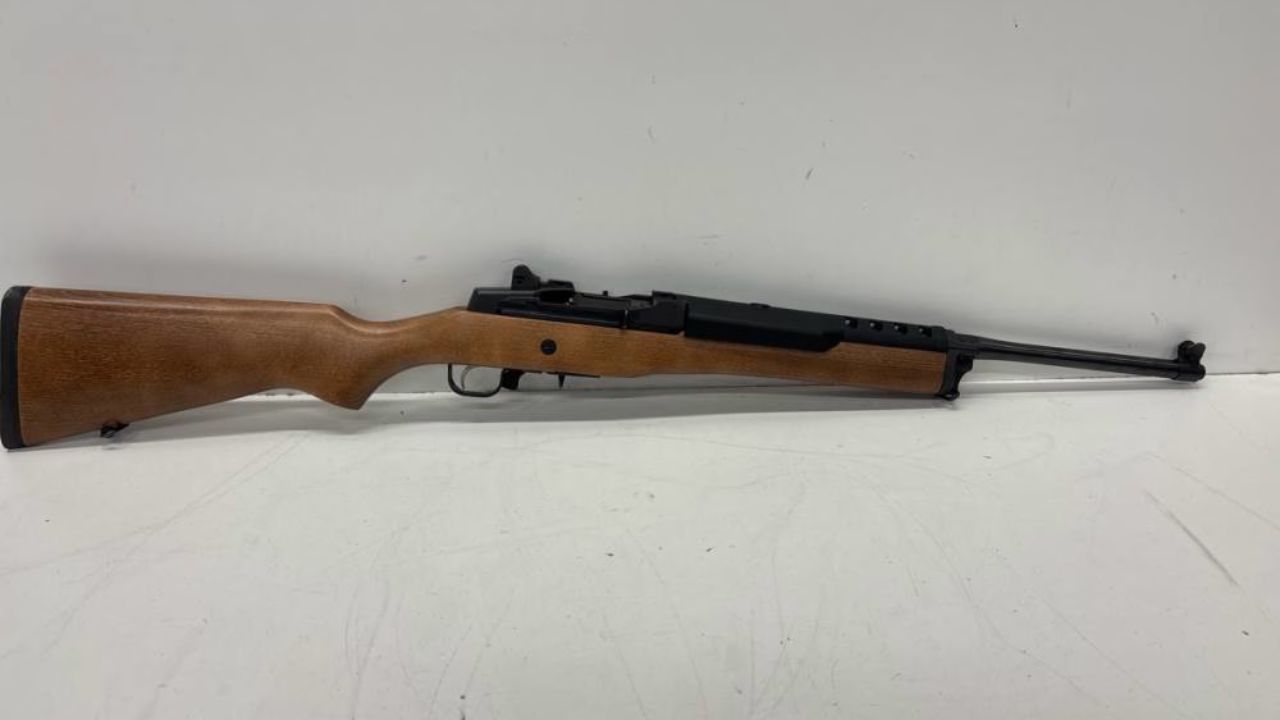
I like the Mini-14 for what it is, but the older ones with thin barrels can open up groups as they warm. That’s not a crisis for a ranch rifle role. For careful hunting shots where you expect repeatable precision, it can be maddening.
Also, magazines can be a whole topic by themselves depending on what you buy. A rifle that’s picky about mags is a rifle experienced hunters don’t trust when the window is short.
14. Century C93 / HK93 clones (for “deer rifle” duty)
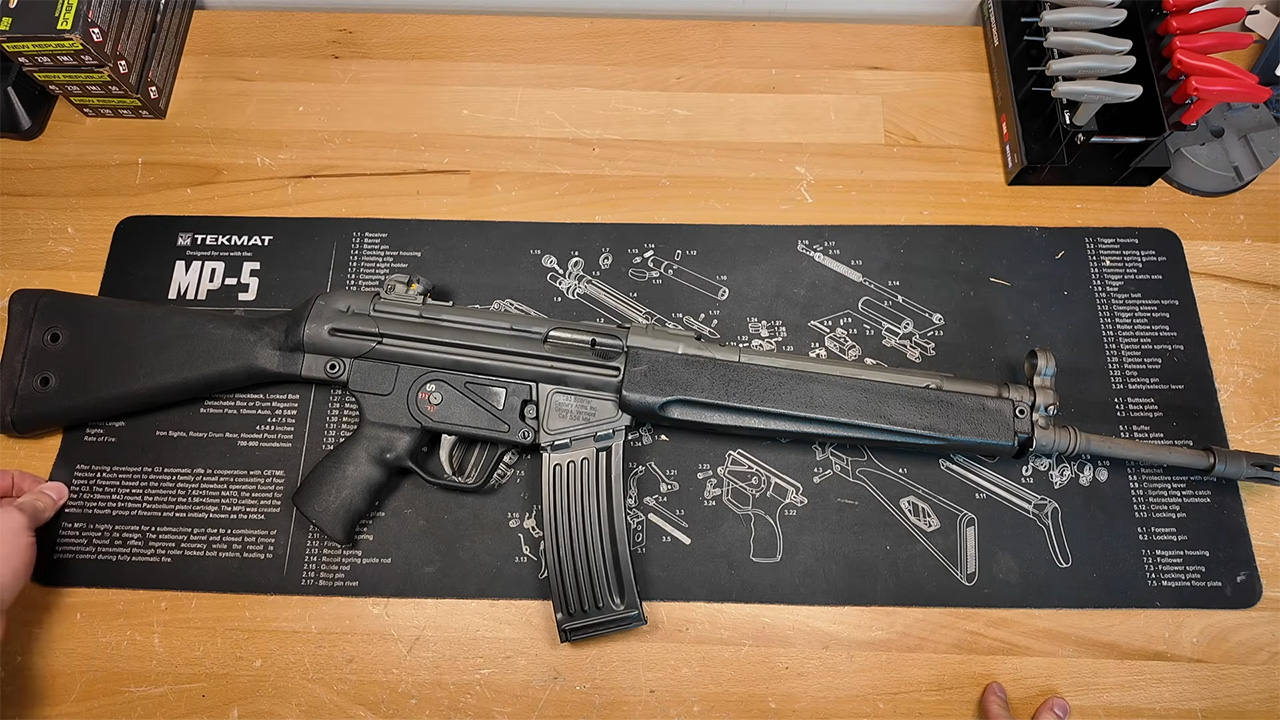
These roller-delayed clones are a classic example of a range toy getting forced into a hunting role. The ergonomics are awkward, triggers can be heavy, and the whole setup tends to be louder, harsher, and less pleasant than it needs to be.
Sure, you can kill a deer with .223 where legal and with good bullets and good placement. But experienced hunters usually choose rifles that make good shooting easier, not harder.
15. Cheap no-name AR-15s built from mystery parts
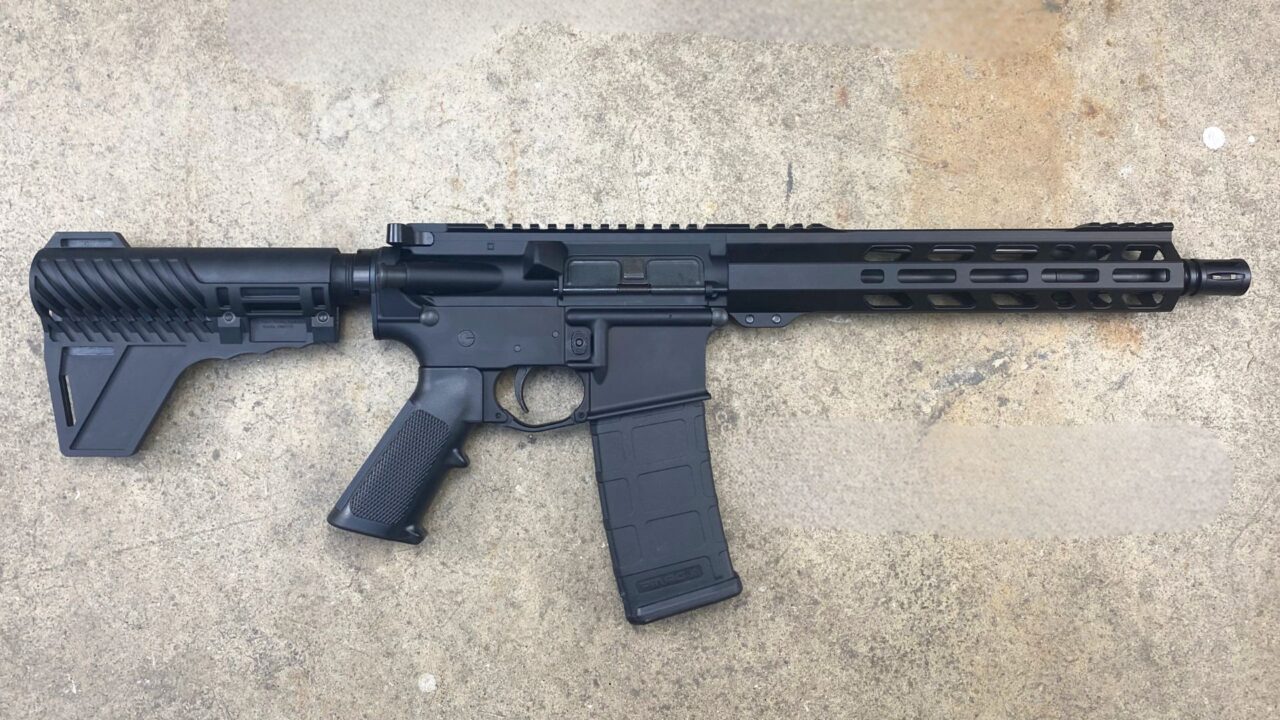
There are great ARs out there for hunting hogs, coyotes, and even deer in the right states with the right loads. The ones to avoid are the bargain builds with unknown bolts, soft extractors, and gas systems that were never tuned right. They run great on the first mag at the range, then choke when they get dirty and cold.
If you don’t know what brand barrel, bolt, and trigger are in it, you’re rolling dice. Experienced hunters want boring reliability, not a rifle that becomes a troubleshooting project when pigs step out.
16. Pump-action centerfires with sloppy lockup (budget pumps)

A good pump rifle is fast and handy. A bad pump rifle feels like a toolbox drawer. When the lockup feels loose and the action bars rattle, accuracy tends to be “minute of hope” once you stretch distance or shoot from odd angles.
This category is tough because some older pump rifles are solid. The cheap ones that feel like plastic clamshells are the ones seasoned hunters avoid, because they don’t inspire confidence when you’re trying to make a clean shot.
17. Ultra-light magnum rifles (especially in .300 Win Mag and up)

I get why they sell. Nobody wants to carry a boat anchor. But pairing a featherweight rifle with a hard-kicking magnum is how you end up with flinching, slow follow-ups, and bruised shoulders. I’ve watched good shots turn into bad shots in one box of ammo.
If you’re disciplined and you practice, fine. Most hunters don’t practice enough with heavy recoil to stay sharp. A slightly heavier rifle in a sensible caliber kills more game for most folks.
18. .350 Legend bolt guns with the cheapest magazines
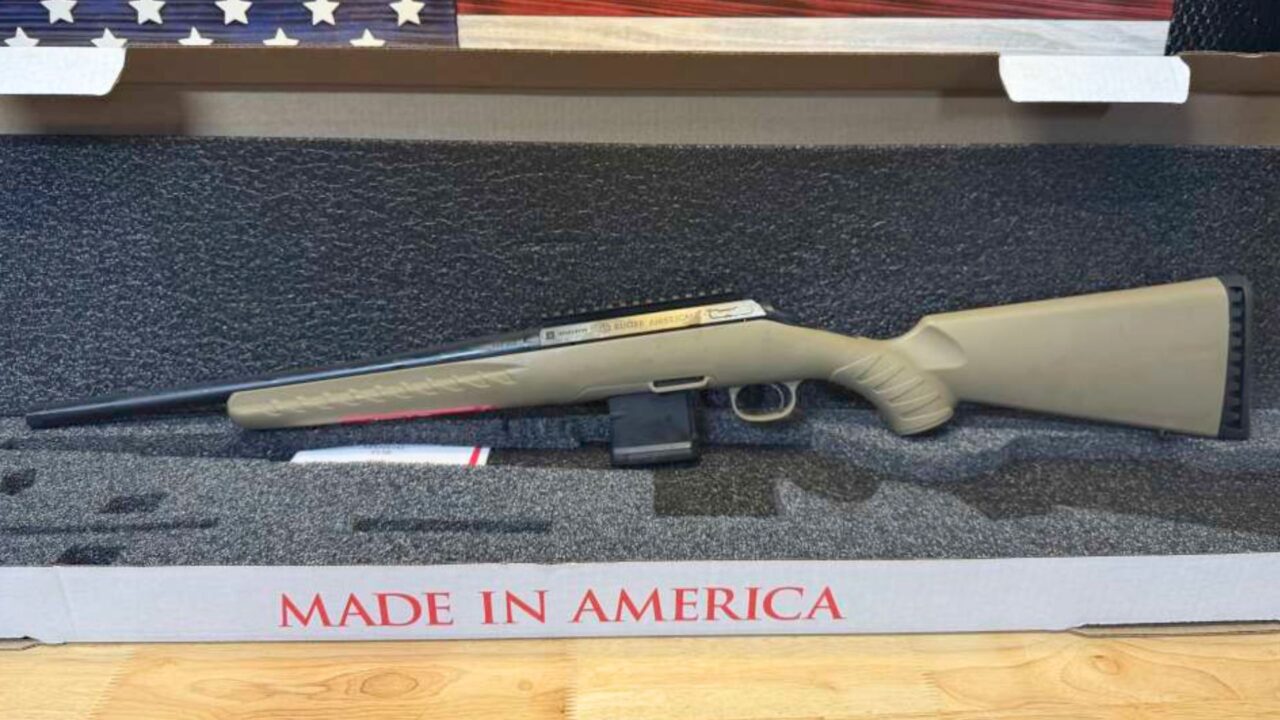
.350 Legend can be a great straight-wall option where rules push you that direction. The hiccup is the magazine situation on some rifles. A rough, poorly designed mag can nose-dive rounds, bind, or just feel flimsy—right when you’re trying to quietly chamber a follow-up.
Experienced hunters buying straight-wall rigs pay close attention to feeding. If you have to baby the bolt or “work it just right,” you’re already behind.
19. .17 HMR semi-autos (most of them)
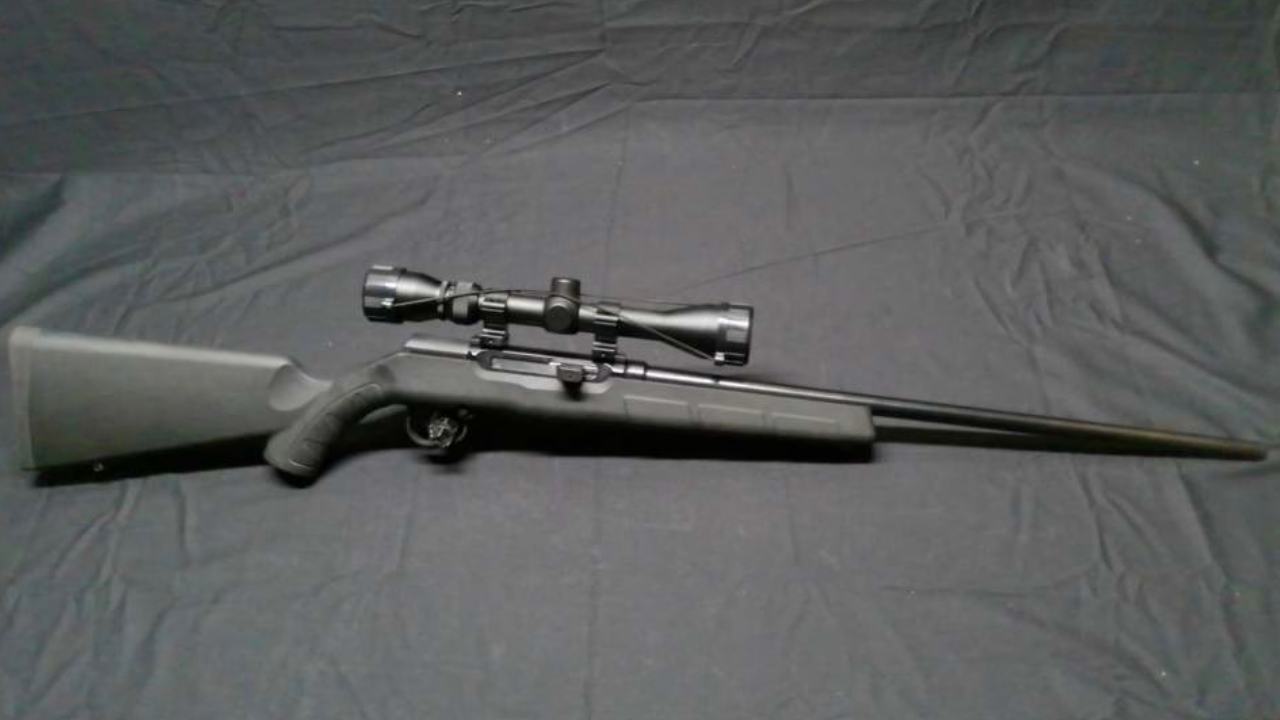
.17 HMR is a fantastic round in a bolt gun. In semi-auto form, it’s been trouble more often than not, depending on the rifle. Rimfire ignition plus higher pressures and timing issues can turn into inconsistent function.
For hunting small game and varmints, you want that cartridge’s accuracy and reliability. A bolt gun gives you both. A finicky semi-auto gives you excuses.
20. “Tactical” chassis hunting rifles that weigh like a fence post
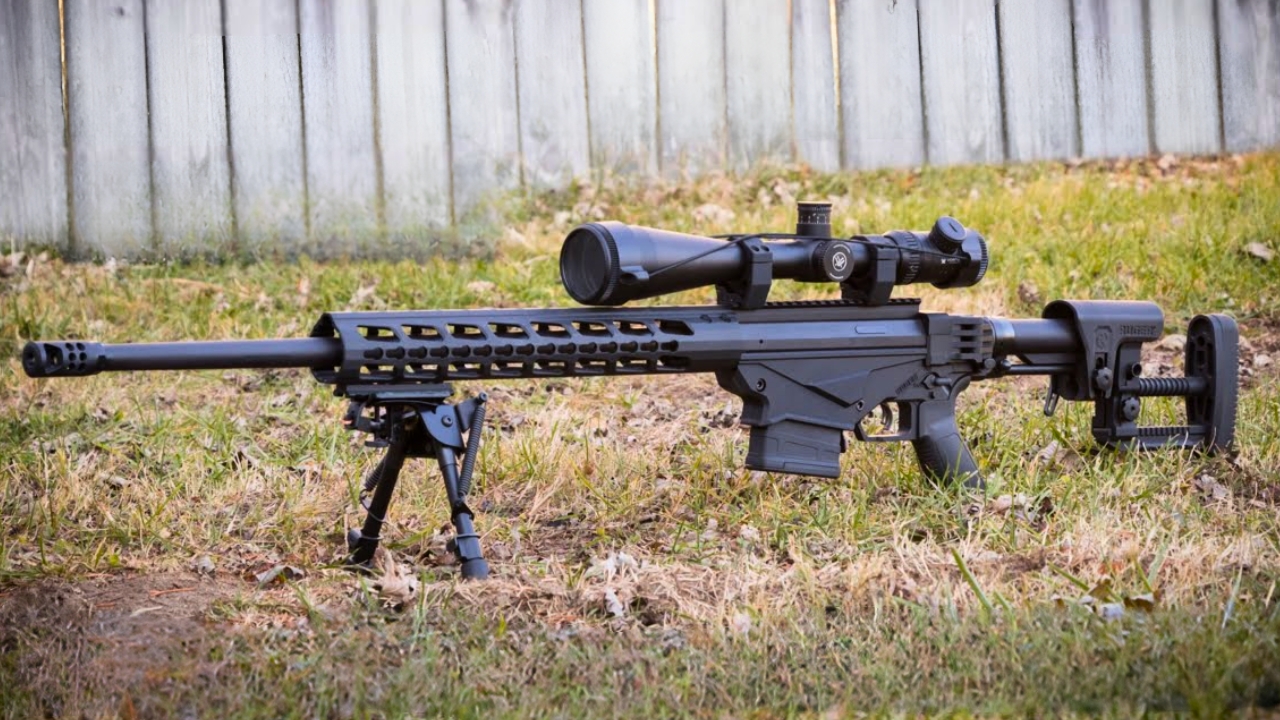
Chassis rifles look cool, and from a bench or prone on a flat range they can shoot lights out. The problem is when they get carried in real woods. Sharp edges, extra knobs, heavy rails, and a balance that fights you on a sling make them miserable for normal deer hunting.
I’ve seen guys spend a pile of money, then realize their rifle doesn’t ride well in the hand and catches on brush like it’s trying to. If you’re a western hunter shooting long from prone, maybe it makes sense. For most whitetail hunters, it’s a self-inflicted problem.
None of this is meant to shame anybody’s rifle. We all learn by buying something that sounded good and later wondering why it’s always the gun that acts up when a buck finally steps out. If you’re choosing a hunting rifle, pick boring reliability, common parts, and an optic setup you trust. The freezer doesn’t care what’s trending.
Like The Avid Outdoorsman’s content? Subscribe to our newsletter so you never miss an article.
Here’s more from us: