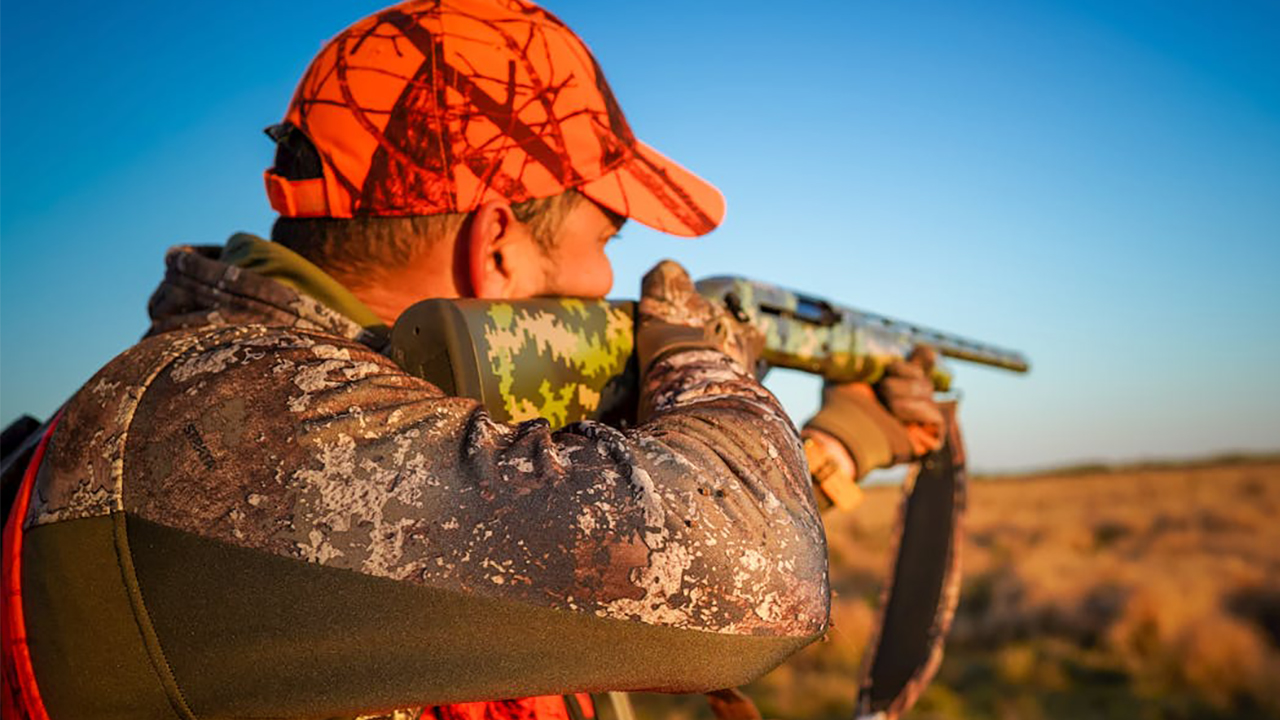
Photo credit: Arian Fernandez/Pexels.com
The hunter already knew the shot was a miss.
That part was frustrating, sure, but it was not unusual. Anyone who has spent enough time in the woods knows misses happen. A deer moves. The angle is wrong. A branch is in the way. The distance gets misread. A shot that looked good in the moment suddenly turns into a hard lesson.
But this miss did something he did not expect.
In a Reddit thread, hunters were sharing the scariest things they had ever seen or experienced in the field. One hunter said he was deer hunting when his round missed, hit a tree, and ricocheted back over his head.
That is a very different kind of miss.
Most hunters worry about what is behind the deer. That is drilled into you from the beginning, and for good reason. You are supposed to know your target and what lies beyond it before you ever touch the trigger. But this story is a reminder that the thing behind the deer is not the only thing that matters. The things beside it, in front of it, and around it matter too.
Trees are everywhere in deer country. They are part of the background. They are what you lean against, climb into, hide behind, use for cover, and scan around. But when a bullet catches wood the wrong way, especially at a bad angle, it can do something nobody standing there wants it to do.
It can come back.
The hunter did not need to write a novel about the moment for it to feel awful. A shot went out. It hit a tree. Then the ricochet came tumbling back overhead. That image alone is enough to make a person replay every shot angle they have ever taken in timber.
You can almost hear the sequence. The rifle cracks. The bullet hits wood with that ugly slap or snap that tells you the shot did not go where you wanted. Then comes the sound nobody expects: the round or fragment spinning, tumbling, whining, or chopping its way back through the air close enough to make you duck and wonder how much luck you just used up.
That kind of thing changes the mood instantly.
One second, you are thinking about the deer. The next, you are thinking about how close a bad bounce came to turning a miss into something much worse. The deer is gone. The shot is gone. Now all you can think about is how unpredictable a bullet can become once it hits something solid.
It is easy for people to talk about ricochets like they only happen around steel targets, rocks, frozen ground, or old junk piles. And those are definitely dangerous surfaces. But woods are full of hard, angled, unpredictable things. Trees are not soft pillows. A trunk, limb, knot, or frozen section of wood can throw a projectile or fragment in a direction the shooter never intended.
That is especially true in thick cover, where hunters may be threading shots through gaps. A deer stands in an opening. The crosshairs look clear. The shooter focuses on the animal and maybe does not notice the branch, sapling, or angled trunk sitting just off the line. Then the bullet clips something and the whole shot changes.
That seems to be the lesson buried in the hunter’s story. It was not only about missing. It was about how a miss can still be dangerous long after the shooter realizes the deer is safe.
There is also something humbling about a ricochet coming back toward the person who fired. Most safety talks focus on protecting everyone else from your shot, and that is how it should be. But this kind of close call reminds you that bad shots can threaten the shooter too. The woods do not care who pulled the trigger. If a round hits wrong and comes back, it comes back.
The hunter’s scare was brief, but it probably stuck with him for years. Those are the field moments that do. Not because they lasted long, but because they flash a different ending in your mind. What if it had been lower? What if he had been standing taller? What if someone else had been beside him? What if the ricochet had not gone over his head?
That is how a split-second close call turns into a rule you never forget.
The story also fits into the kind of hunting fear that does not get talked about as much as animal encounters or creepy sounds in the dark. A bear growl gets attention. A strange person in the woods gets attention. But a bad ricochet is just as real, and in some ways, more sobering because it can happen during a hunt that otherwise feels completely normal.
No monster in the brush. No confrontation at the gate. Just a missed shot, a tree, and the sudden realization that the bullet did not stop where anyone expected.
The broader thread was full of hunting scares, but the ricochet stories carried a different kind of weight because they were not about fear of the unknown. They were about basic safety turning real in a hurry.
Several hunters in the thread talked about how fast gun-related close calls change the way you think in the woods. A strange noise might scare you for a minute. A ricochet teaches a lesson that follows you into every season after that. Once you hear a round come back or pass too close, safety rules stop sounding like classroom reminders and start sounding like survival.
Commenters in discussions like this usually come back to the same point: know your shot path, not just your target. That means watching for branches, trunks, hard ground, rocks, metal, roads, water, and anything else that can deflect a round. It also means accepting that some shots are not worth taking, even if the deer is standing there and your heart is pounding.
A few hunters shared similar experiences with bullets doing strange things after hitting wood or other surfaces. Those stories tend to make people more cautious because they show how little control a shooter has after impact. Once a round hits something and changes direction, the shooter is no longer deciding where it goes.
There is also a reason people warn against shooting through brush. A bullet can deflect before it ever reaches the animal, leading to a miss, a wound, or a dangerous ricochet. Thick timber can tempt hunters into taking “thread the needle” shots, but this story is exactly why that temptation can be a bad idea.
Some commenters in the thread focused on public-land scares and nearby gunfire, but the ricochet-over-the-head story is a reminder that danger does not always come from another person. Sometimes it comes from your own shot doing something you did not expect.
That may be the most uncomfortable part. Nobody wants to think they could be the one creating the close call. But every hunter has to own that possibility. The trigger press is only one piece of the decision. The real responsibility starts before the shot, when you decide whether the entire lane is safe enough to send a bullet through.
For this hunter, the miss did not end at the tree. It came back over him. And after something like that, you do not look at tight shooting lanes in the woods quite the same way again.