Photo credit: travisp11/Youtube
I have watched plenty of pistols choke at the range. Most of that is boring. Tap-rack, swap ammo, clean it, move on.
What changed my standards wasn’t the routine stuff. It was seeing a handful of handguns fail when the shooter was cold, hands were wet, light was bad, and everybody’s nerves were up. A pistol doesn’t have to be pretty, and it doesn’t have to be trendy. But if it’s going to ride in a holster on the farm, in a truck console, or under a coat during deer season, it has to run.
These are 20 specific models I’ve quit recommending after seeing real-world failures or patterns that show up at exactly the wrong time. Some are popular. A few are “good on paper.” And some are just a hard lesson wrapped in a low price tag.
1. Remington RP9
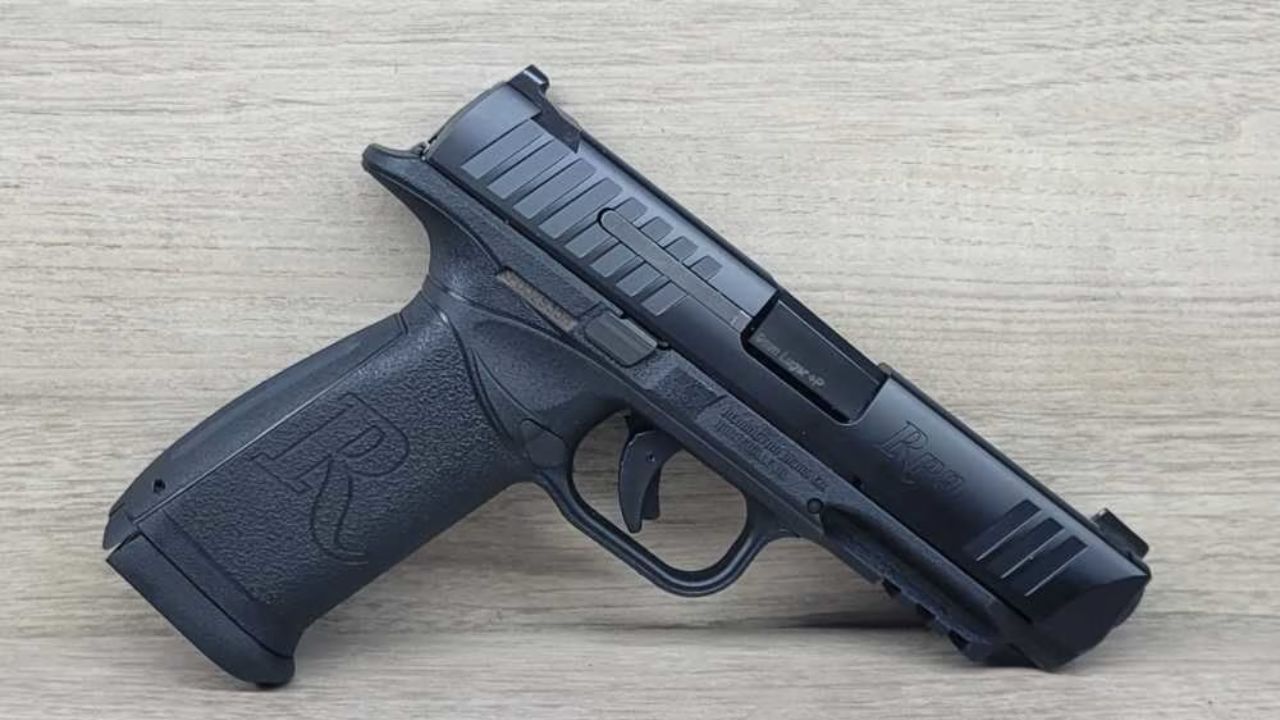
I wanted to like it. The grip felt right, the price was tempting, and it looked like a no-nonsense striker gun. Then I saw one start short-stroking and failing to return to battery as it got dirty and warm.
When a pistol turns into a “needs to be spotless and babied” gun, it stops being a working gun. Magazines and parts support never felt as solid as the big players either, and that matters once something breaks and you’re trying to get it running again.
2. Remington R51 (Gen 2)
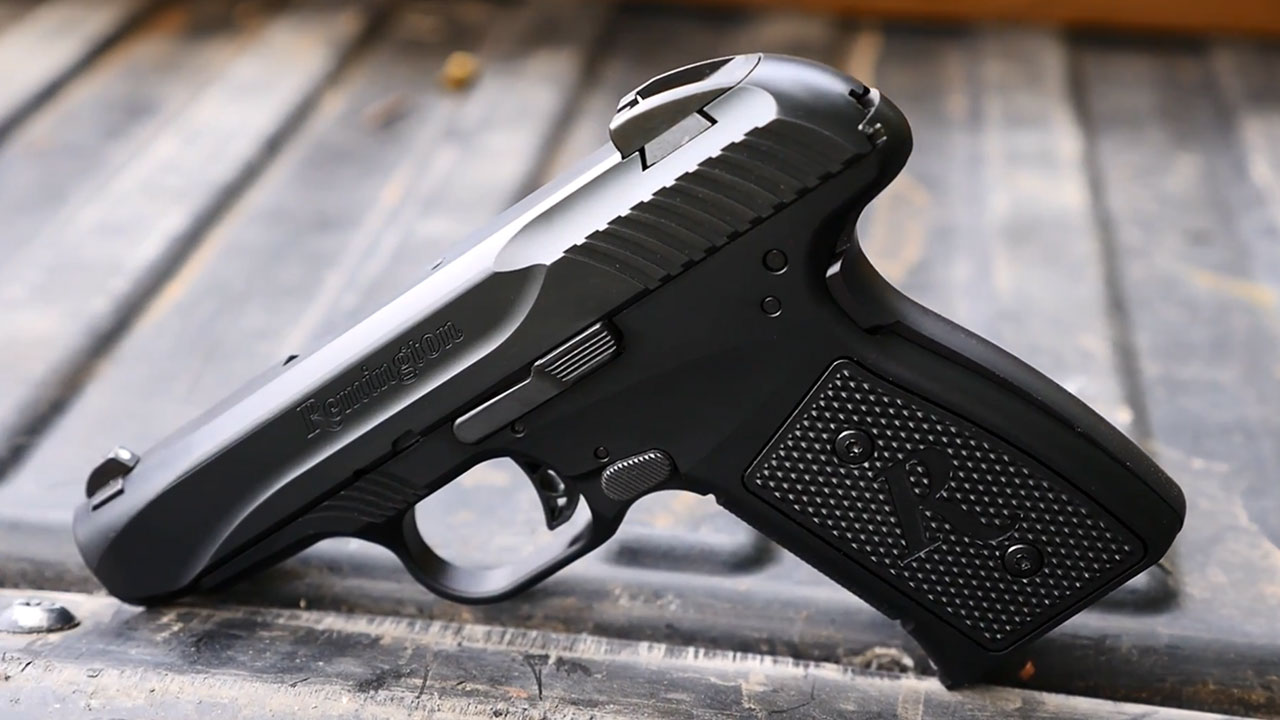
This one hurts because the idea was cool. Slim, easy to carry, and the old design had history. In reality, I’ve watched more than one become a stoppage factory with typical range ammo, even after “break-in.”
The worst part is the false confidence. It feels handy and points naturally, right up until it doesn’t go bang. If you want slim, there are too many proven options to gamble here.
3. Taurus PT111 Millennium G2
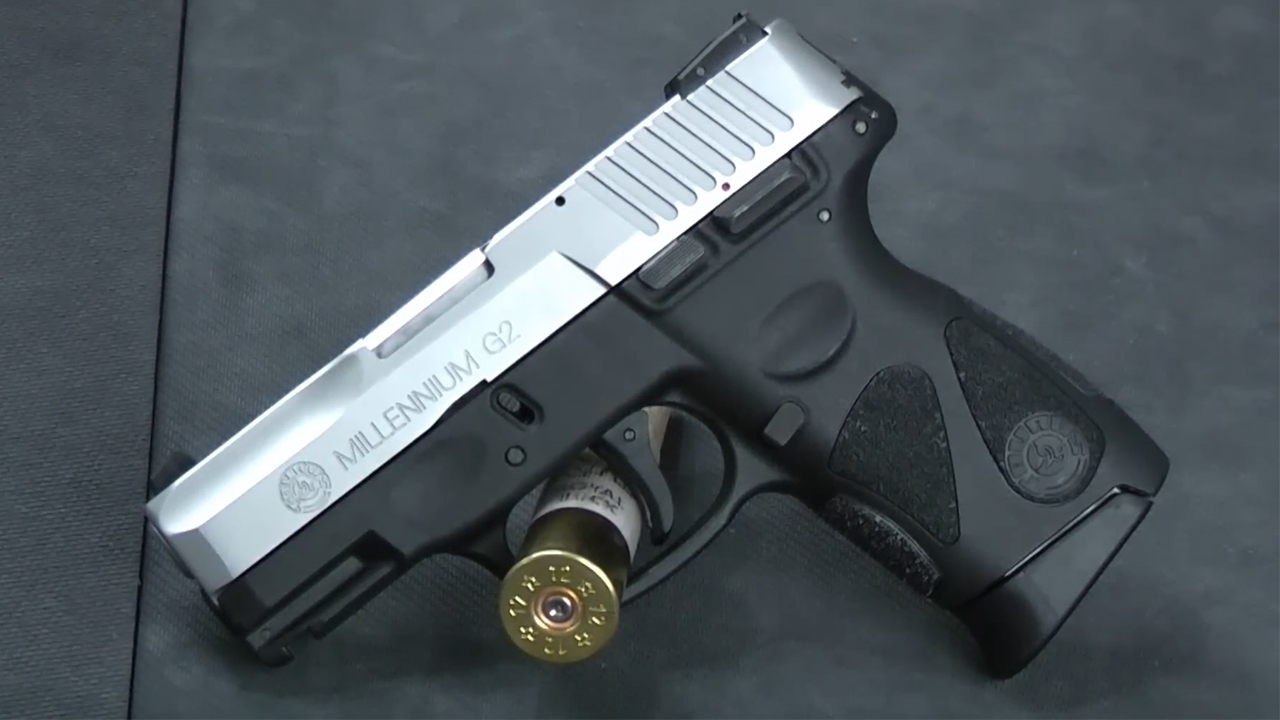
These got recommended for years as the “cheap 9mm that works.” I’ve seen enough weirdness—light strikes, broken small parts, magazines that randomly become picky—that I stopped steering new shooters toward them.
Could you get a good one? Sure. But I’m not in the business of recommending a coin flip for a carry gun. Especially not for folks who won’t put 500 rounds through it before trusting it.
4. Taurus G3C

The G3C improved some things, and I get why it’s everywhere. But the failures I’ve seen are the kind that show up when the pistol is dry, dusty, and being run hard by someone who isn’t gentle with gear.
If a gun’s reliability depends on being treated like a range toy, it’s not what I’m going to suggest for a truck gun or a nightstand pistol.
5. SCCY CPX-2
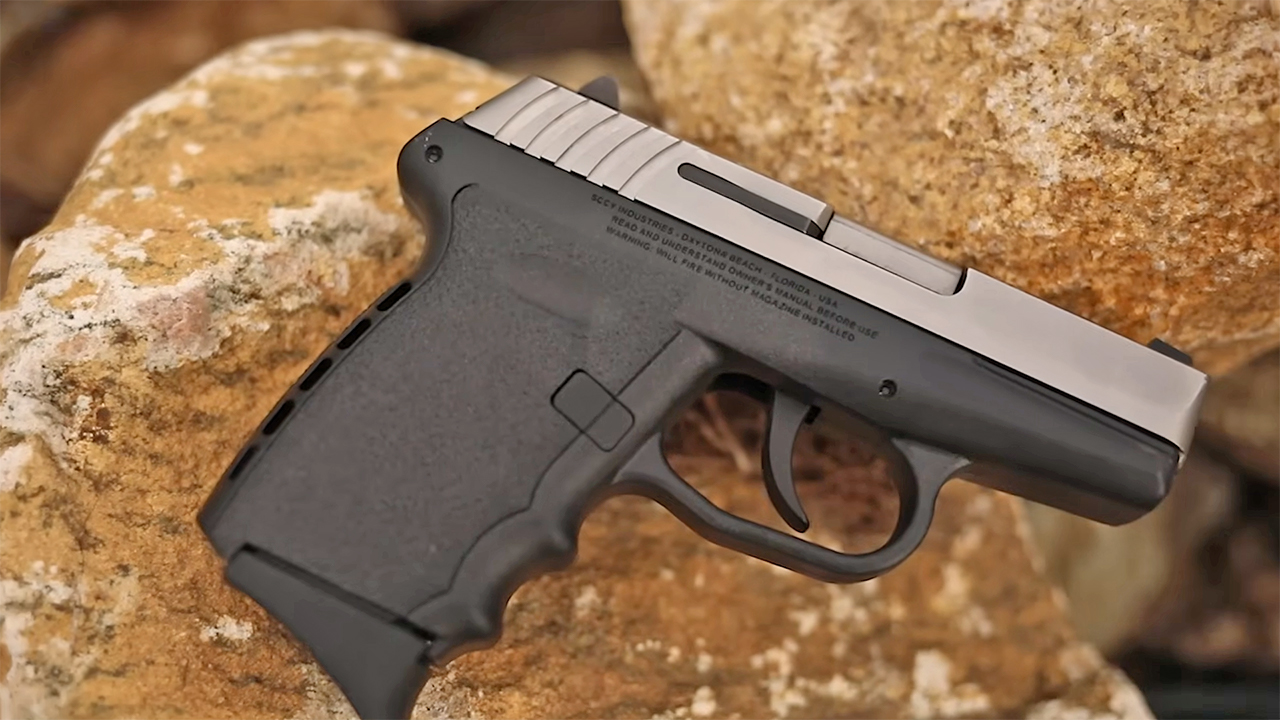
Every time one shows up at the range, I already know what the day is going to look like. Heavy trigger, sharp recoil for its size, and a steady chance of stoppages if the shooter’s grip isn’t perfect.
That last part is the deal-breaker. A defensive pistol needs to be forgiving when your hands are cold or you’re shooting from a weird angle. These aren’t.
6. SCCY DVG-1
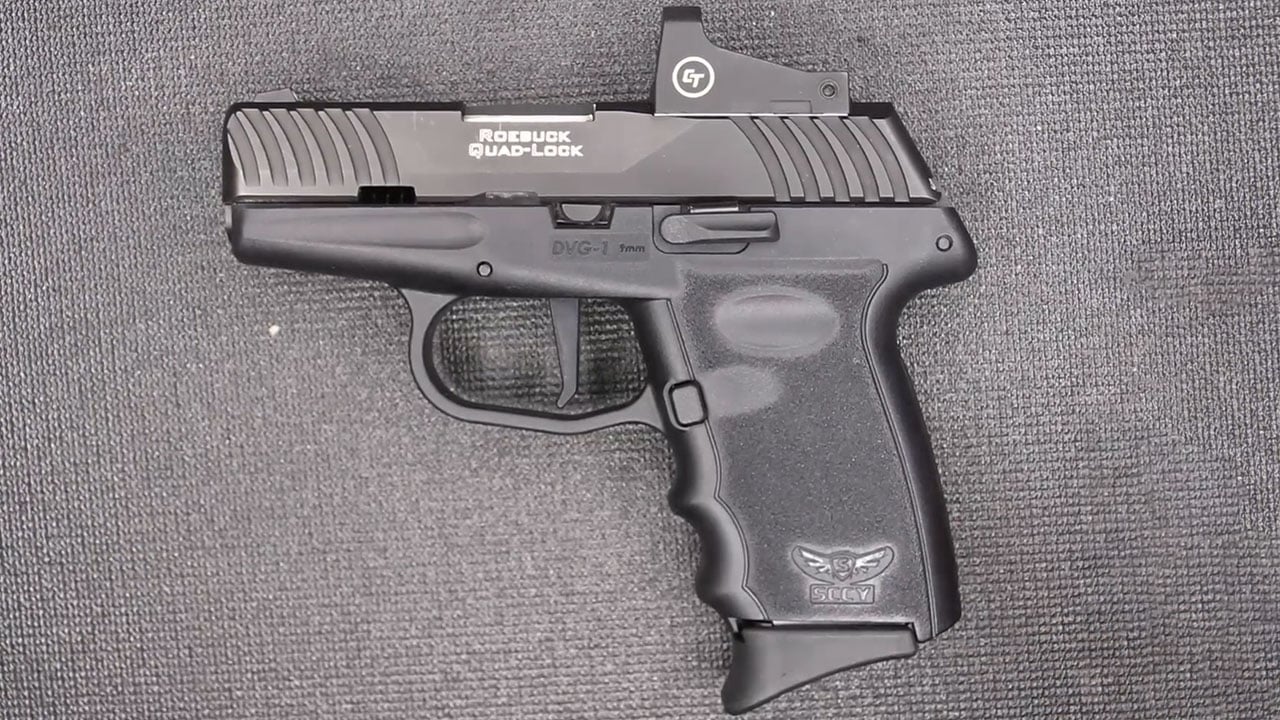
On paper, it was SCCY trying to step into the modern striker-fired world. In practice, the ones I’ve handled felt like they were built to a price first and a standard second.
I’ve seen failures that looked magazine-related and others that looked like inconsistent ignition. Either way, when the fix starts with “try different mags, try different ammo,” I’m already moving on.
7. Kahr CW9
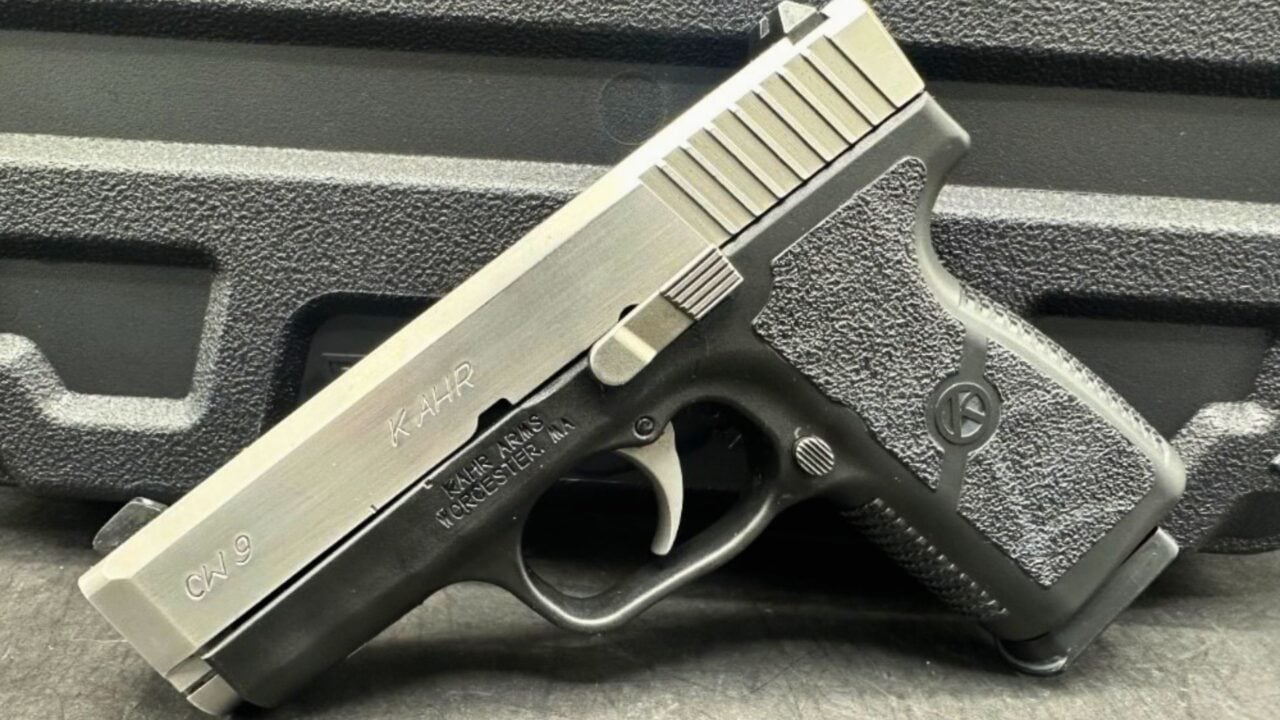
Kahr has a loyal following, and I understand why: thin, easy to conceal, and a smooth trigger when everything is right. The problem is I’ve seen too many of them demand a very particular break-in and very particular maintenance.
For a dedicated shooter who will keep it clean and run it often, fine. For the average outdoorsman who carries all season and shoots twice a year, I don’t recommend it anymore.
8. Kahr PM9
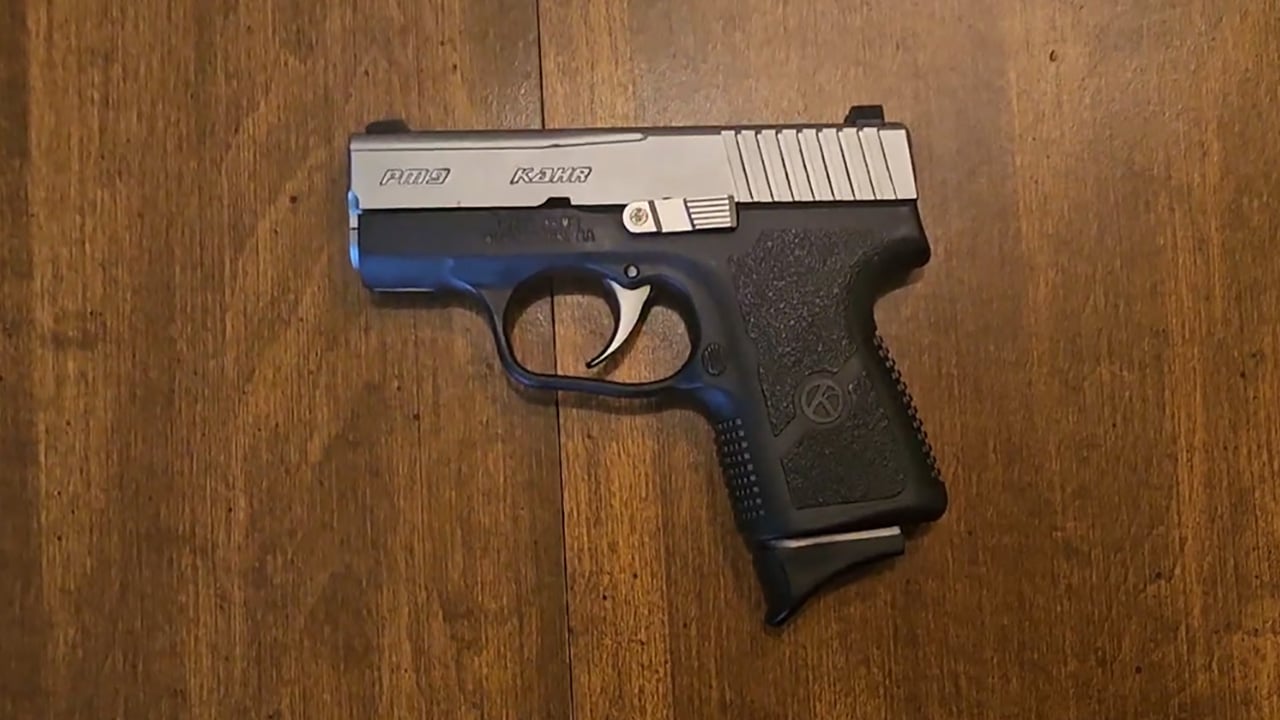
Same story as the CW9, just smaller and even less forgiving. When a micro 9 starts getting finicky, it’s miserable because you’re already dealing with small controls and snappy recoil.
I’ve watched PM9s stumble on hollow points that other pistols fed like candy. If you’re buying tiny, you’re already compromising. I’m not adding reliability roulette to the list.
9. Kimber Solo Carry

These were marketed like a premium pocket rocket, and the price tag made folks assume it had to be solid. The ones I saw were ammo sensitive to the point of being impractical, and that’s being polite.
If a pistol “requires” a narrow band of loads to run, it’s not a pistol I’m recommending to anyone who might need to grab whatever decent defensive ammo they can find.
10. Kimber Ultra Carry II (3-inch 1911)
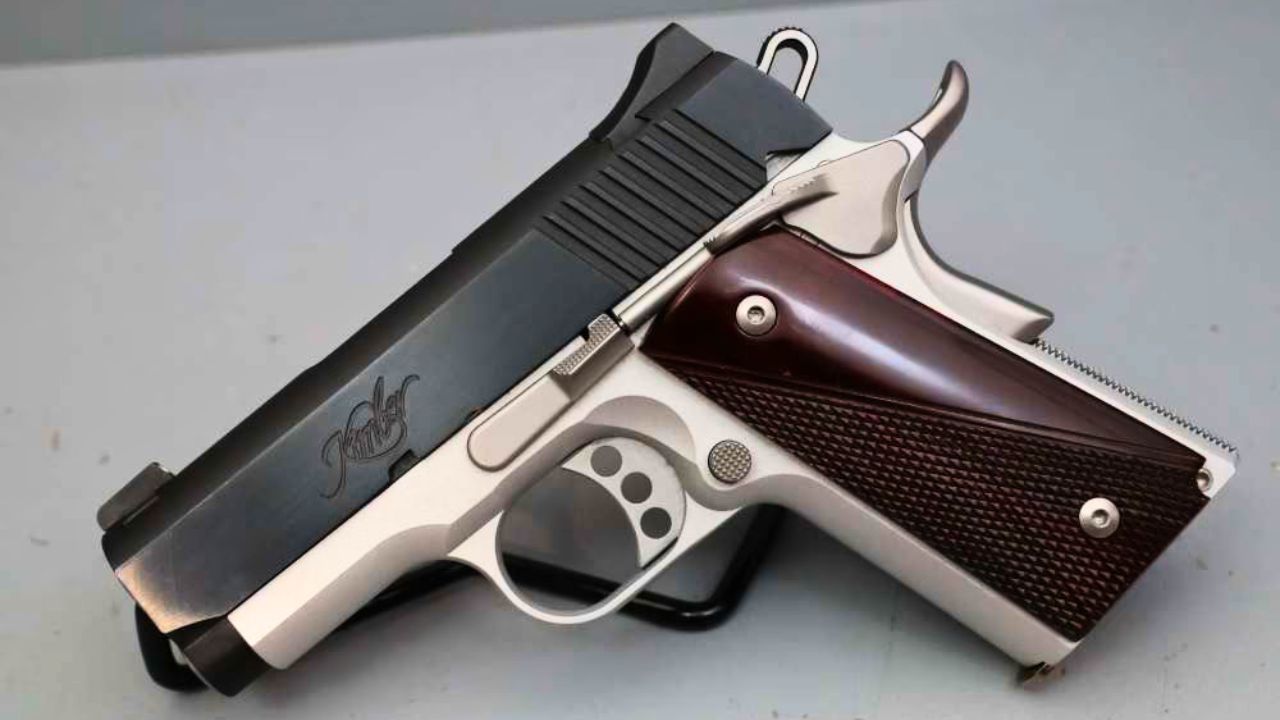
I love the way a good 1911 shoots. But chopping them down to three inches is where the trouble starts. I’ve seen enough short 1911s get temperamental—feeding issues, extractor drama, and sensitivity to magazines—that I quit pointing folks at them for serious use.
They carry nice and look sharp, but the reliability margin gets skinny. A full-size or even a Commander-length 1911 is a safer bet if you’re married to the platform.
11. Springfield Armory 911 (9mm)

Little 1911-style pistols are easy to fall for because they feel familiar and disappear in a pocket holster. I’ve seen the 911 have intermittent feeding issues, especially when the gun is new and the shooter is not running it like a sewing machine.
Small guns already magnify every little problem—limp grip, weak mags, marginal springs. For the money, I’d rather see someone in a proven micro-9 with wide support.
12. SIG Sauer P238
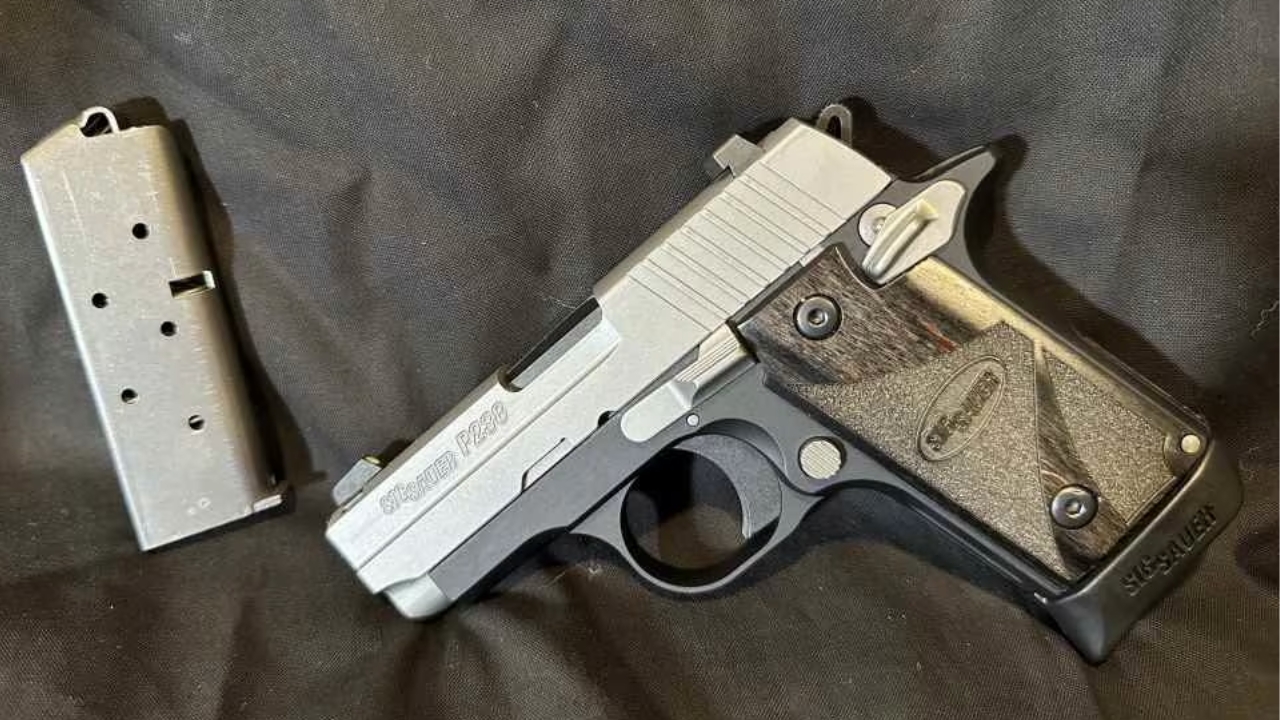
Yes, some P238s run great. I’ve also watched enough magazine-related problems and finicky behavior with certain ammo that I’m cautious about recommending them as a first carry gun.
When they’re good, they’re a joy. When they’re not, you end up chasing tiny parts and tiny mags. For someone who carries daily and tests their gear hard, it can work. For everyone else, there are simpler choices.
13. SIG Sauer P938
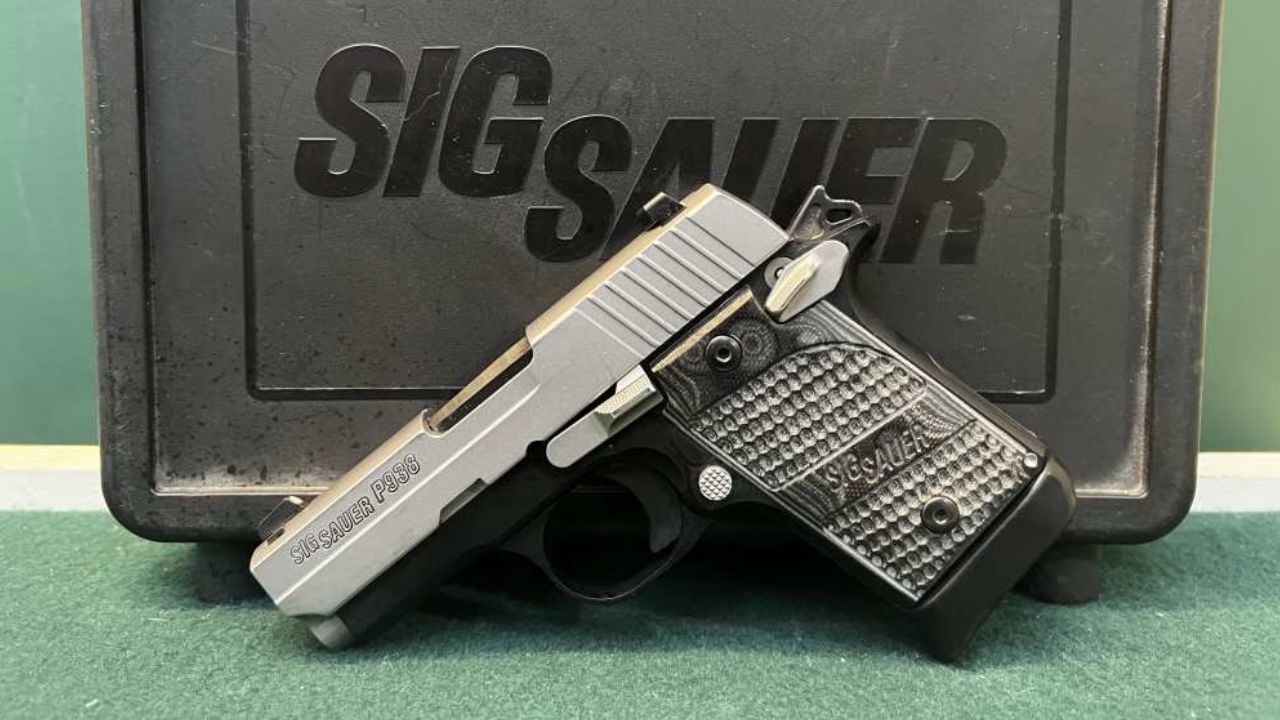
The P938 is basically the 9mm big brother to the P238, and it can be a sweet shooter for the size. But again, I’ve seen the platform be less tolerant of neglect and more sensitive to magazines than striker-fired options.
If you’re the kind of person who rotates mags, marks them, and keeps springs fresh, you’ll probably be fine. If you toss it in a drawer for six months and expect magic, you might be disappointed.
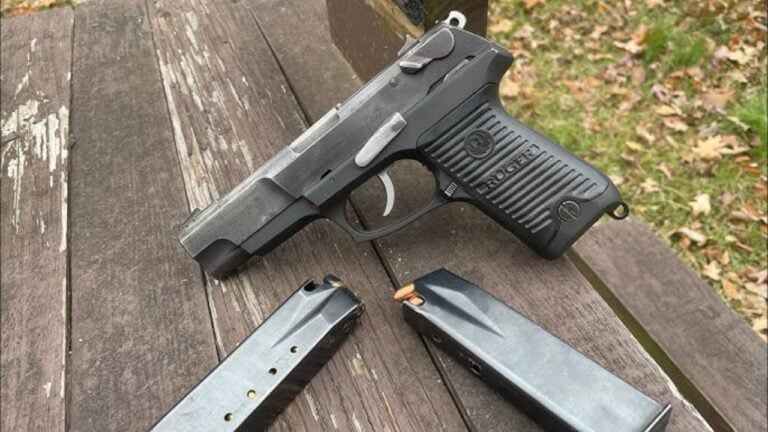
14. Ruger LC9 (original hammer-fired)
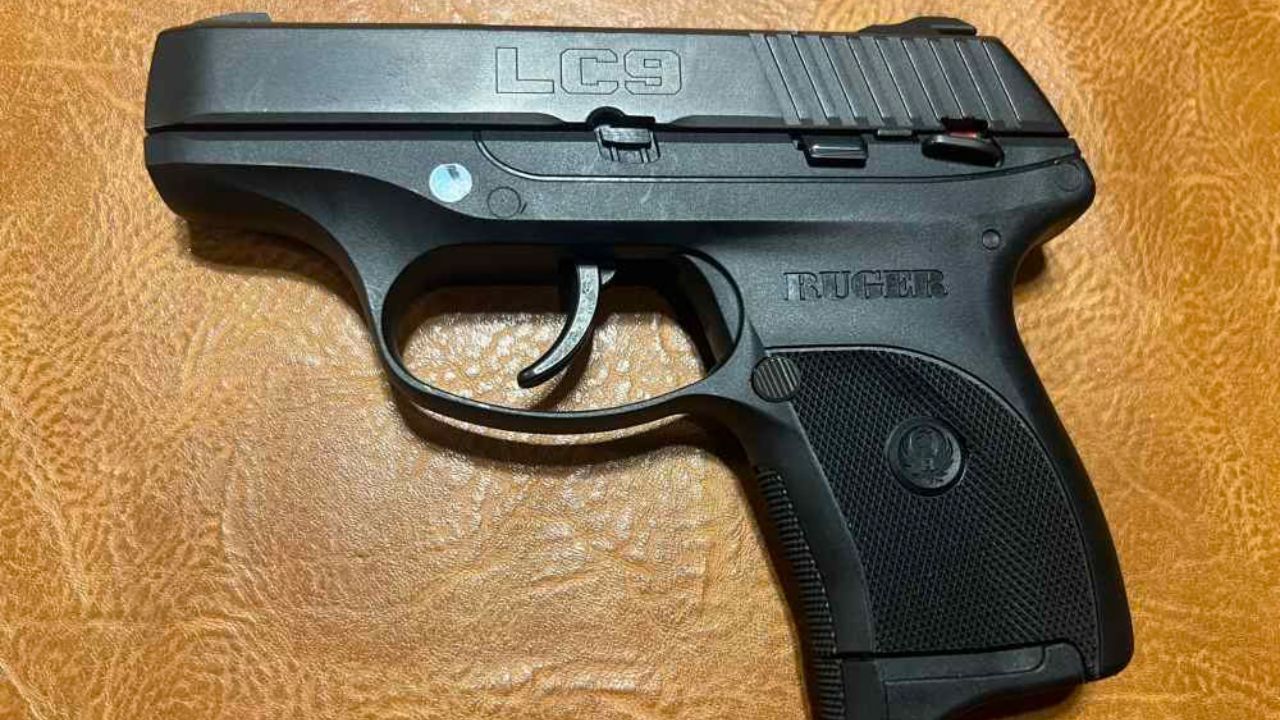
The original LC9 sold like crazy because it was thin and affordable. I’ve seen a couple choke when they got gritty and dry, and the long trigger doesn’t help new shooters stay on track when things speed up.
Ruger fixed a lot of complaints with later variants, but the early guns can be a rough “first concealed carry” recommendation. If someone already owns one, I tell them to test it hard and keep it maintained.
15. Ruger LCP (original .380)

The LCP earned its place as a “better than nothing” pocket gun. But I’ve watched enough of them get picky, especially after a lot of pocket lint living and infrequent cleaning, that I’m careful about calling them dependable.
Also, they’re hard to shoot well. When a pistol is unpleasant to practice with, practice tends not to happen. And then the first time it gets shot in a hurry is the worst time to learn what it does.
16. Walther CCP (M2)
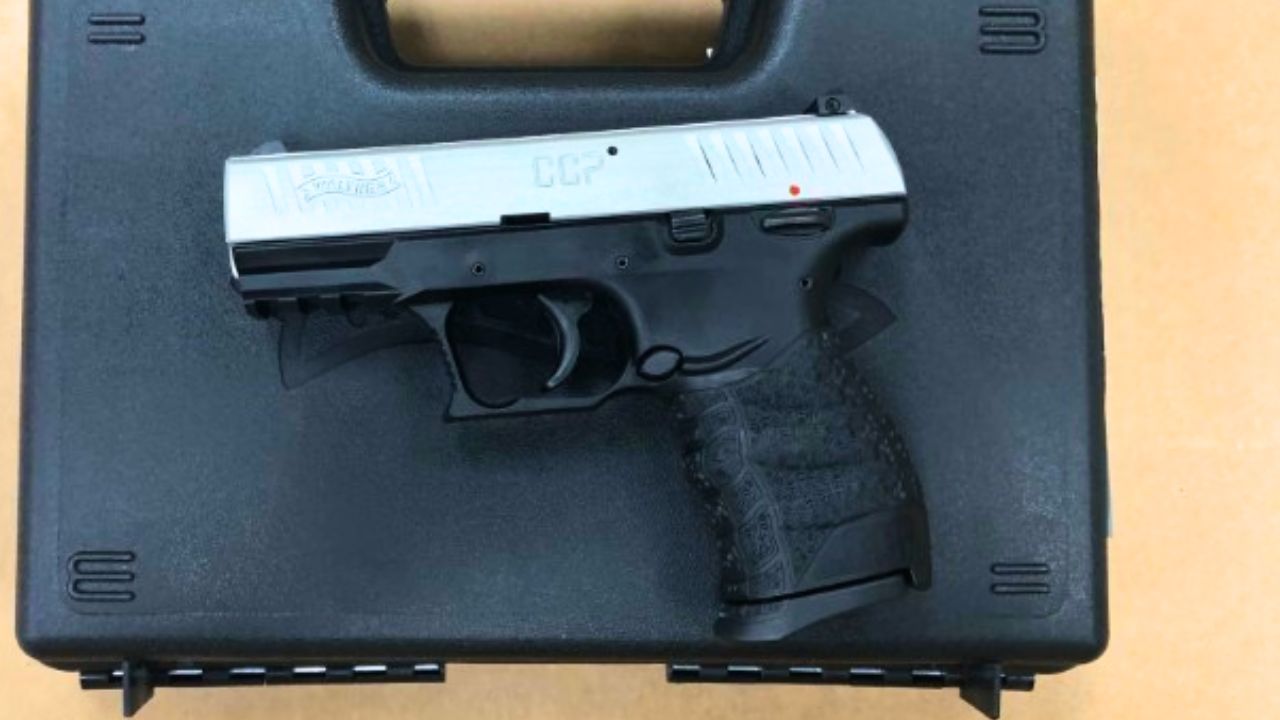
The CCP feels good in hand and the recoil impulse is pleasant for many shooters. The problems I’ve seen were frustrating: failures that popped up as the gun heated up and got dirty, and maintenance that wasn’t as straightforward as most modern pistols.
A defensive pistol shouldn’t feel like a “project.” If someone wants Walther ergonomics, there are other models that don’t bring the same baggage.
17. Beretta Nano

The Nano was one of those early micro 9s that looked slick and carried well. The issue is I’ve seen inconsistent behavior across different guns—some run, some choke—and the sights and controls aren’t what I’d call friendly under stress.
When the dust settles, the Nano feels like a design that got passed by. There’s nothing wrong with owning one if yours is proven, but I don’t point new buyers there anymore.
18. Smith & Wesson SD9VE
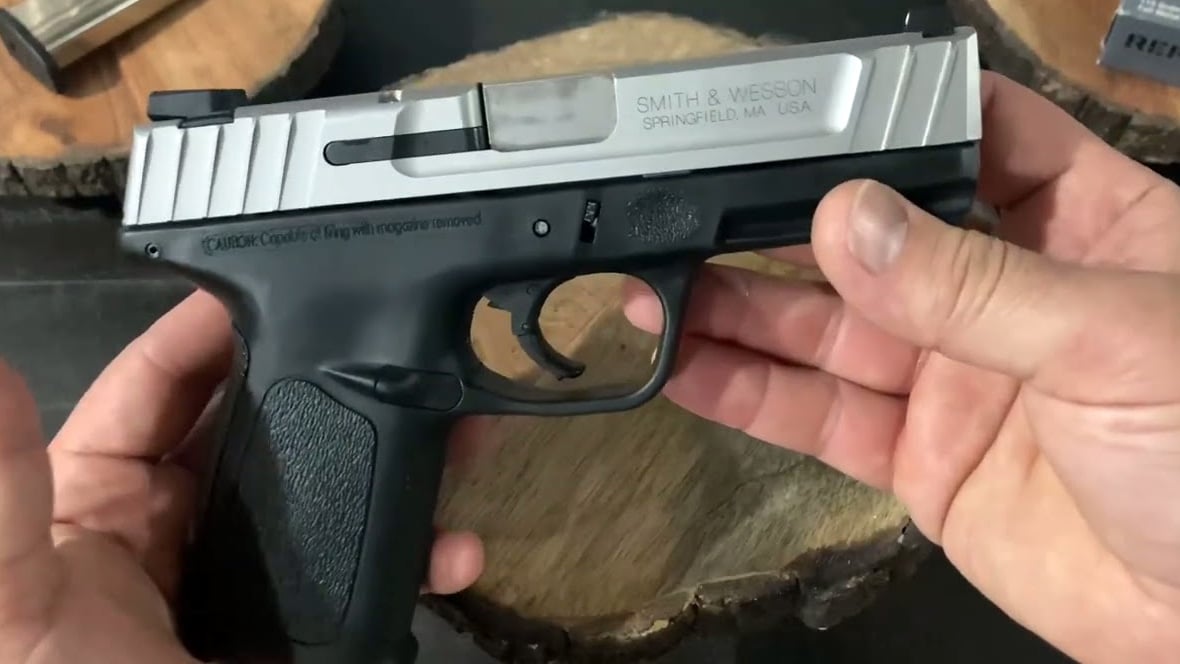
This one is controversial because plenty of SD9VEs run fine. The failures I’ve witnessed were usually tied to weak ejection and inconsistent cycling when the shooter wasn’t locked in behind the gun.
Here’s the deal: if a pistol is going to be recommended to regular working folks, it needs to run when the grip isn’t perfect and the gun is a little dry. The SD9VE can be a value, but I’ve seen enough hiccups that I’d rather suggest a used duty-grade pistol instead.
19. Glock 44
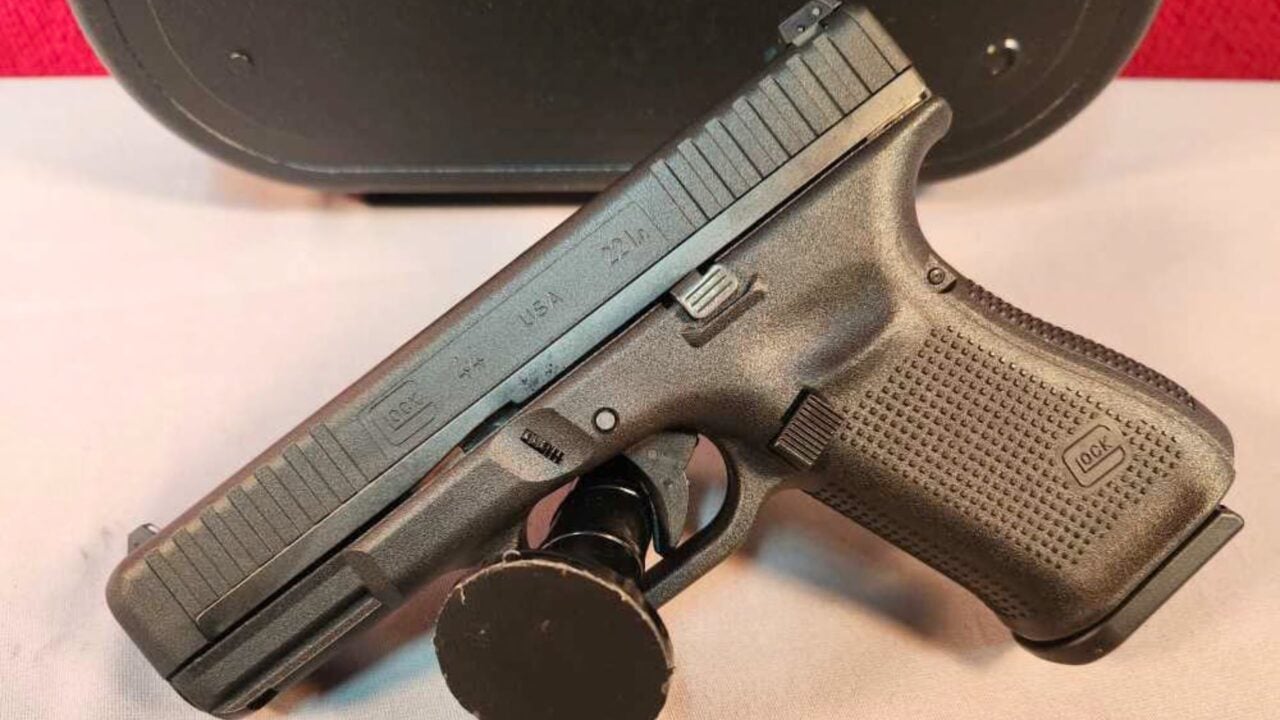
I’m not anti-Glock. I carry one more often than not. But the .22 LR Glock had early issues that showed up at exactly the wrong time for what people bought it for: cheap practice and training new shooters.
Rimfire is already a reliability challenge, and I’ve watched the Glock 44 be more ammo picky than it should be. If you want a .22 trainer, there are options that run a wider spread of bulk ammo without drama.
20. Walther P22

This pistol has introduced more new shooters to malfunctions than any “trainer” should. I’ve seen them run okay for a bit, then start choking as soon as they get dirty, or as soon as you change ammo lots.
A .22 pistol is supposed to be the easy button for practice around the farm or teaching kids (safely, with good supervision). When the gun spends more time being cleared than shot, it stops being a teaching tool and starts being a frustration machine.
I’m not saying every single one of these is junk, and I’m not saying you can’t own one that runs like a top. I’m saying I’ve seen enough wrong-moment failures that I won’t be the guy steering a buddy toward them anymore.
If you carry a pistol for real work—checking fences, walking creek bottoms, or answering the door at night—prove it with your actual magazines and your actual ammo. Boring reliability beats exciting features every time. Ask me how I know.
Like The Avid Outdoorsman’s content? Subscribe to our newsletter so you never miss an article.
Here’s more from us: