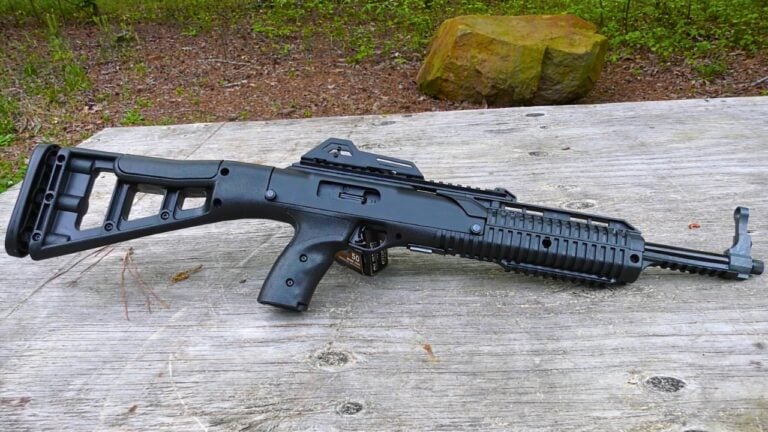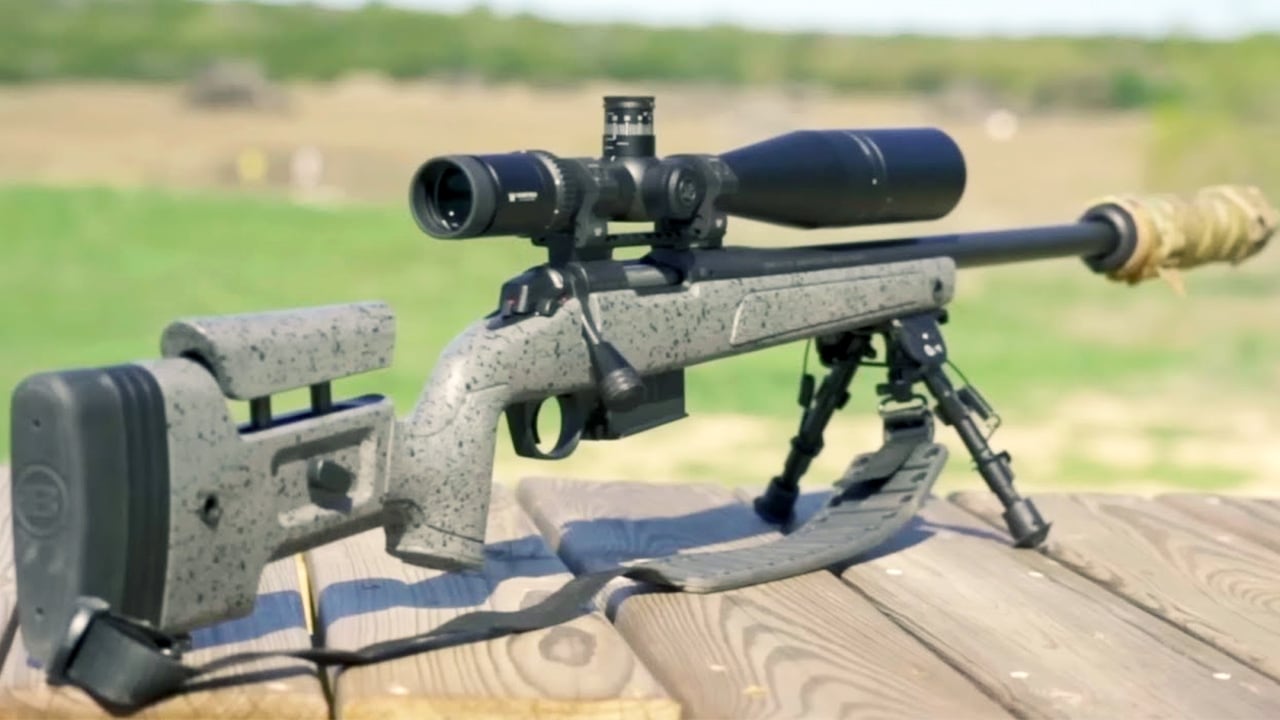
Photo credit: Texas Plinking Gear/Youtube
Every fall it happens. Somebody walks into the local shop with a pocket full of overtime money and a head full of YouTube ballistics charts, buys a shiny new rifle, and swears this is the year they’re going to “do it right.” Then November shows up, the rifle stays in the foam, and the old stand-by goes back in the truck.
It’s not always because the gun is bad. Sometimes it’s heavy, sometimes it’s loud, sometimes it’s picky, and sometimes it’s just more rifle than a normal deer season needs. Here are 20 specific rifles that get bought with big intentions and end up living a quiet life in the back of the safe.
1. Ruger American Rifle Ranch (7.62×39)
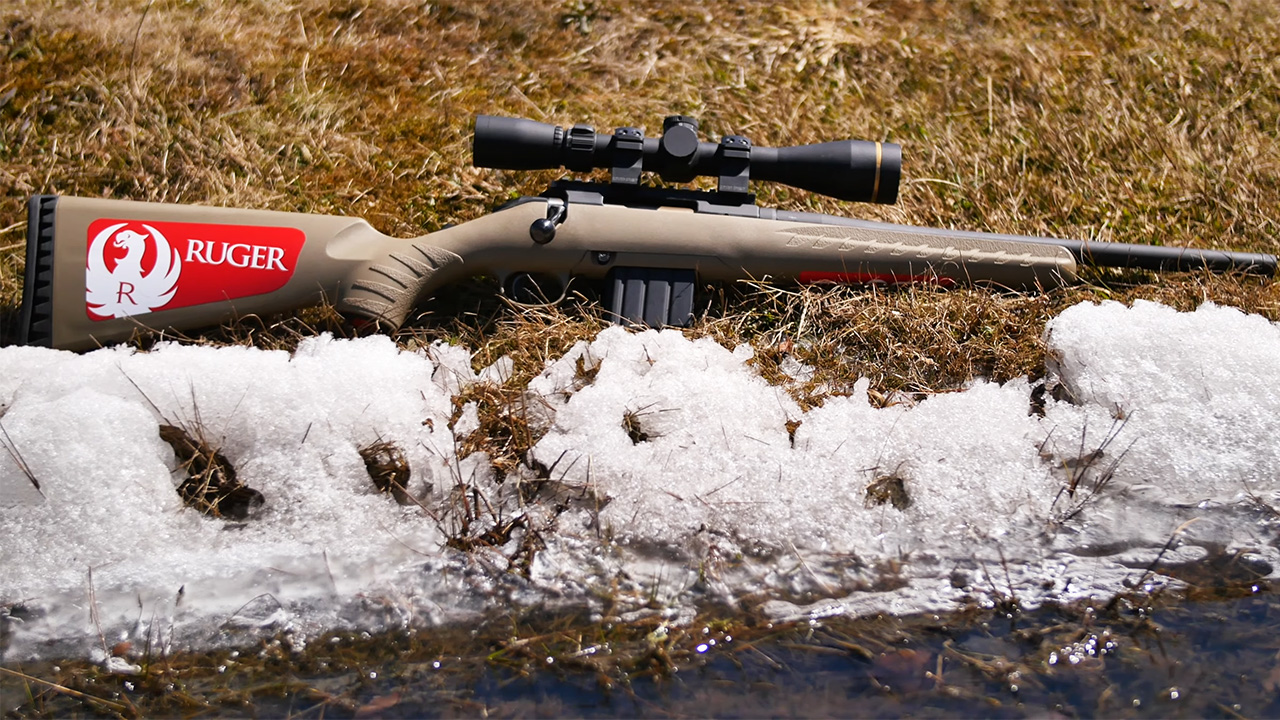
On paper, this is the perfect “cheap deer rifle” for woods ranges. In real life, it’s a roll of the dice on ammo and magazines, and that’s where the excitement dies. If your local shelves are thin or the rifle doesn’t like what you can find, you’ll end up chasing groups instead of filling tags.
When it does run, it’s handy and light. But a lot of hunters get spooked when they realize they’re relying on a detachable mag they can’t replace easily in small-town America, or they can’t get consistent soft points that actually expand the way they want.
2. Savage Axis (any flavor, especially the base model)
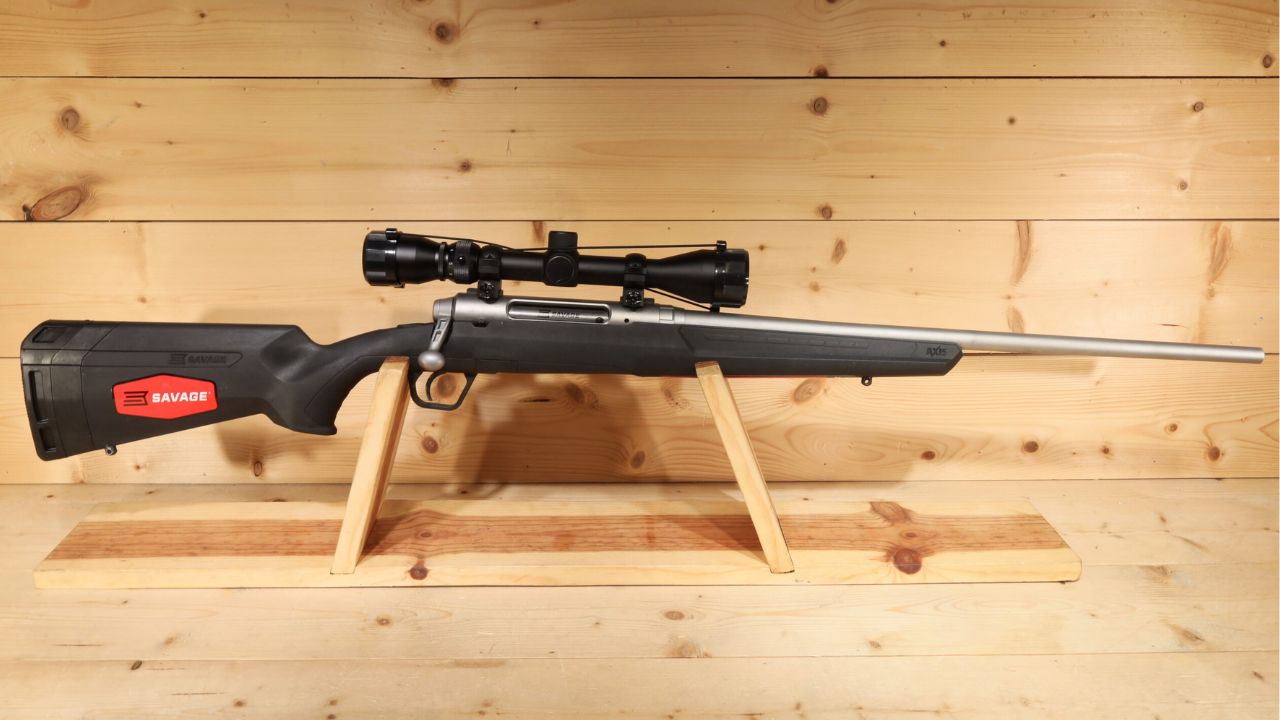
The Axis sells because it’s affordable and it usually shoots. The problem is it feels like an affordable rifle the second you start working the bolt fast with cold hands. That gritty, springy feel makes some folks nervous, even if the gun is mechanically fine.
Add a budget scope in mushy rings, and the setup becomes “good enough” in a way that doesn’t inspire confidence. A lot of these get bought, sighted once, and then the owner grabs Grandpa’s old rifle when opening morning pressure hits.
3. Remington 770
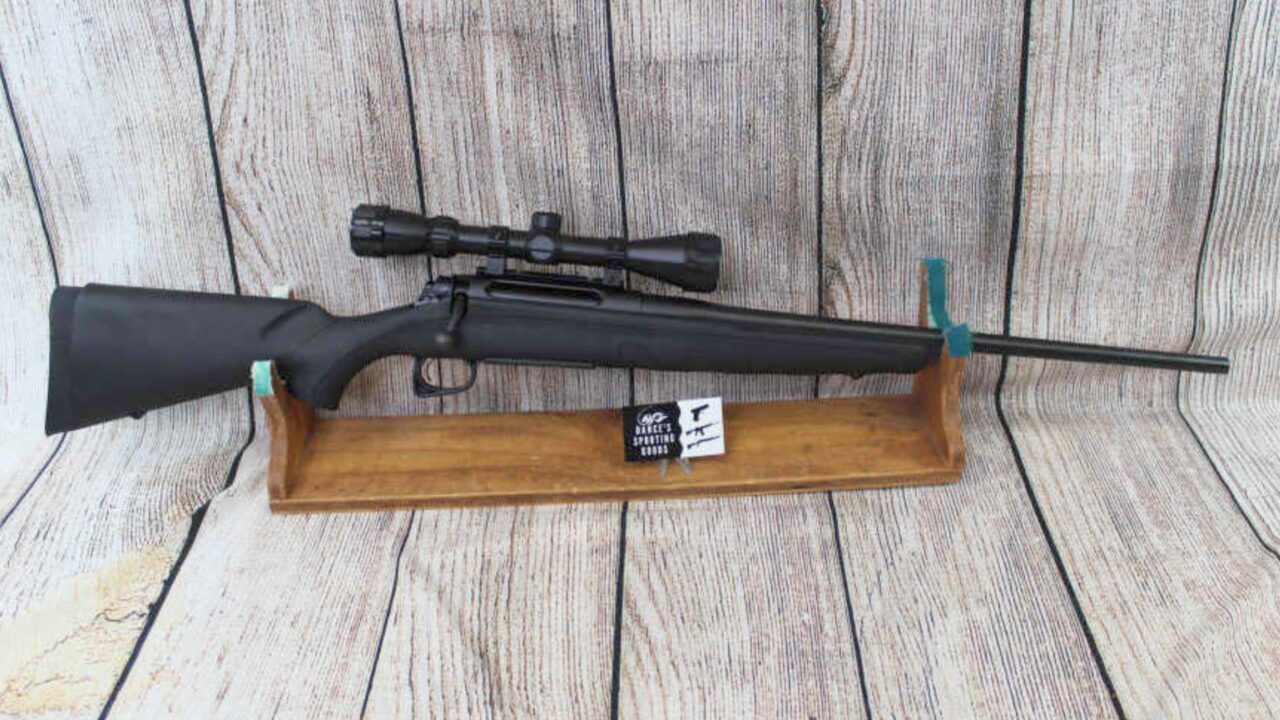
This one is famous for being a package-deal temptation. It looks like a hunting rifle should look, comes with a scope, and the price tag is hard to argue with. Then you shoot it, work the action a few times, and start wondering how it’ll feel after a wet weekend in the case.
Plenty of them have killed deer, sure. But enough have sticky extraction, clunky bolts, or scope issues that the trust isn’t there. Hunting rifles are about confidence, and the 770 often fails that test.
4. Winchester XPR (in a hard-kicking chambering like .300 Win. Mag.)
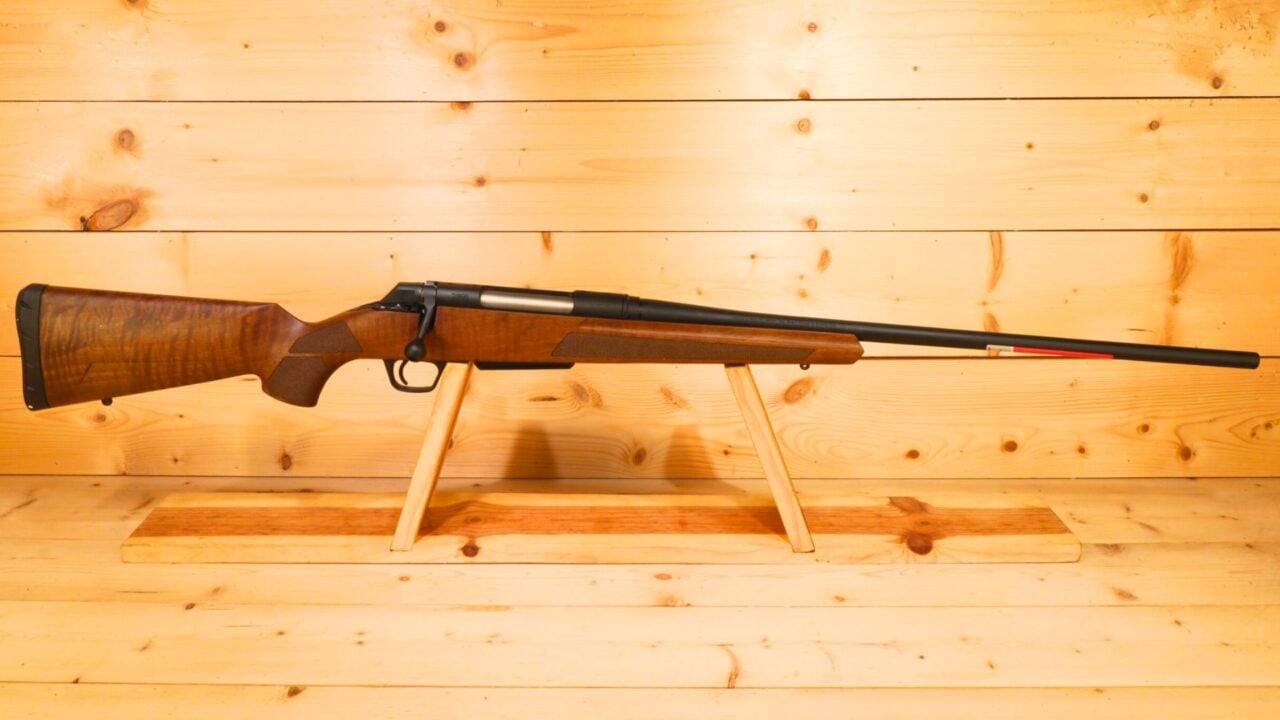
The XPR is a solid rifle, but pairing a light, budget-friendly gun with a full-power magnum is how you create a flinch in one afternoon. Guys buy it for “long range fields,” then realize most of their shots are inside 150 yards and recoil practice isn’t fun.
When you don’t enjoy shooting your rifle, you don’t practice. When you don’t practice, you don’t carry it on opening morning. That cycle is why so many magnum XPRs are still wearing factory stickers.
5. Mossberg Patriot (especially the earlier ones)

The Patriot points well and carries light, but it’s also a rifle that can feel rough around the edges depending on the example. Some triggers are fine, some feel odd, and the overall “finish” doesn’t always match what hunters expect when they pull it out in camp.
A lot of owners lose interest after the first range day when it doesn’t shoot the same with every ammo brand. It’s not a disaster rifle. It just ends up being the one that never quite earns a spot ahead of something more familiar.
6. CVA Cascade (bought as a “budget tack driver”)
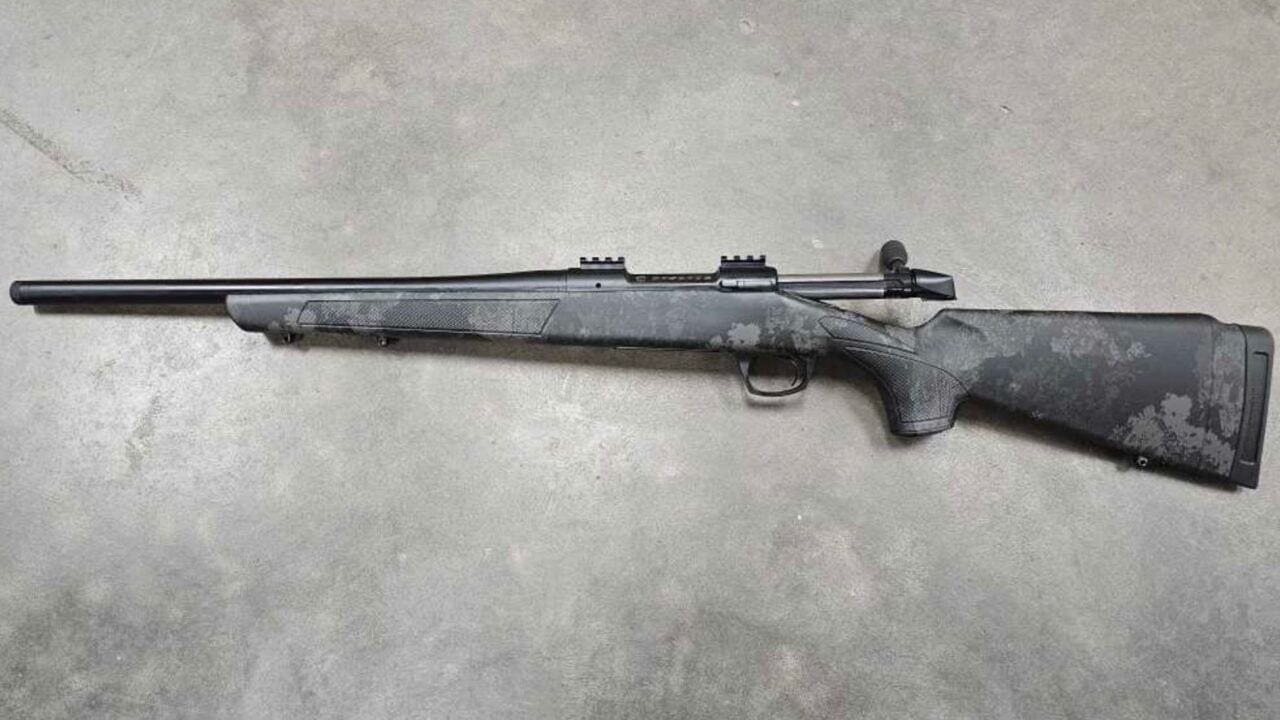
The Cascade has a good reputation, and many of them shoot great. The problem is buyers expect magic, not “good for the money.” If the first few groups aren’t impressive or the rifle is picky, it goes back in the case while the owner keeps telling himself he’ll “try different loads later.”
Later turns into next year. Then next year turns into three years. Ask me how I know.
7. Thompson/Center Compass (as a first hunting rifle)

The Compass is another one that gets purchased because it’s accessible. Then the owner learns what “budget rifle” really means: the stock feels hollow, the bolt can feel stiff, and the whole setup begs for a scope upgrade.
New hunters, especially, get overwhelmed by all the little fixes and tweaks people recommend online. Instead of building skills, they spend time second-guessing the tool. That rifle ends up stored “until I get it dialed.”
8. Ruger Precision Rifle (6.5 Creedmoor)
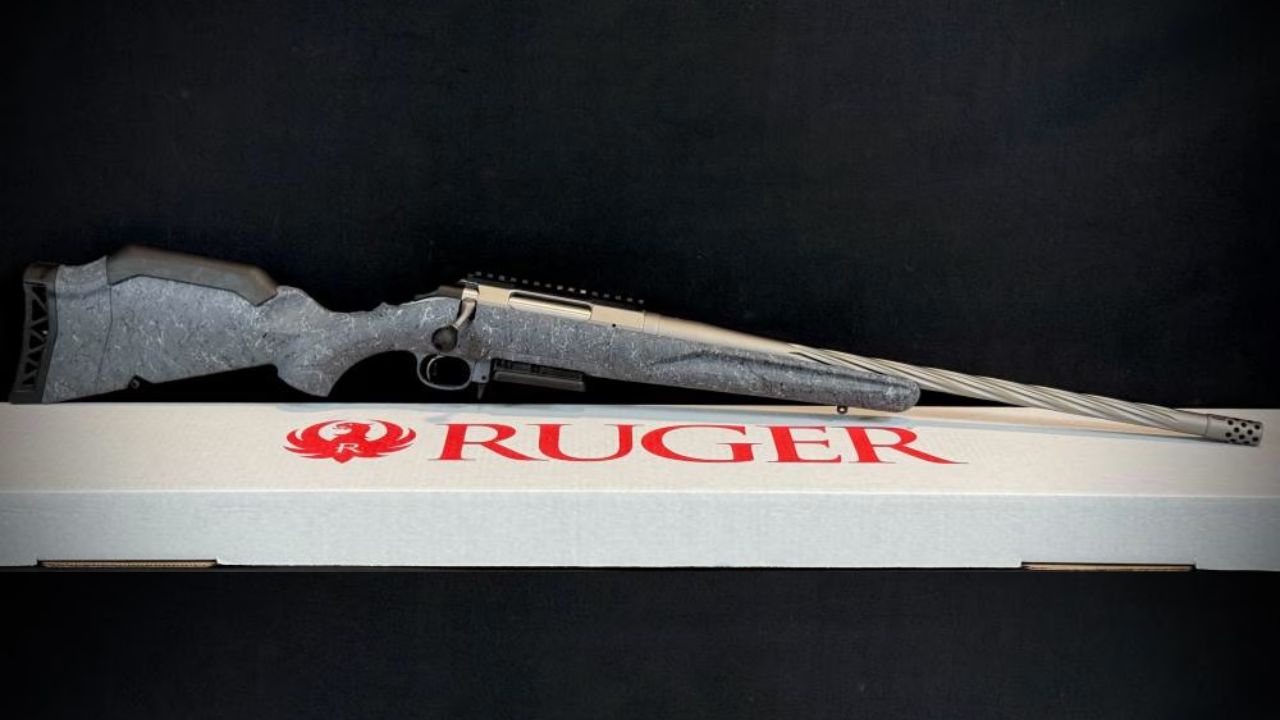
This isn’t really a “hunting rifle,” but it sure gets bought like one. Folks see 6.5 Creedmoor results and think they need a chassis rifle to be effective. Then they pick it up and realize it’s heavy, awkward in brush, and miserable for a long walk to a ridge.
It shines off a bench and on steel. Dragging it into a tree stand feels like bringing a cinder block with a trigger. Many owners keep it as a range toy, and it never sees a tag.
9. Springfield Armory M1A Scout Squad
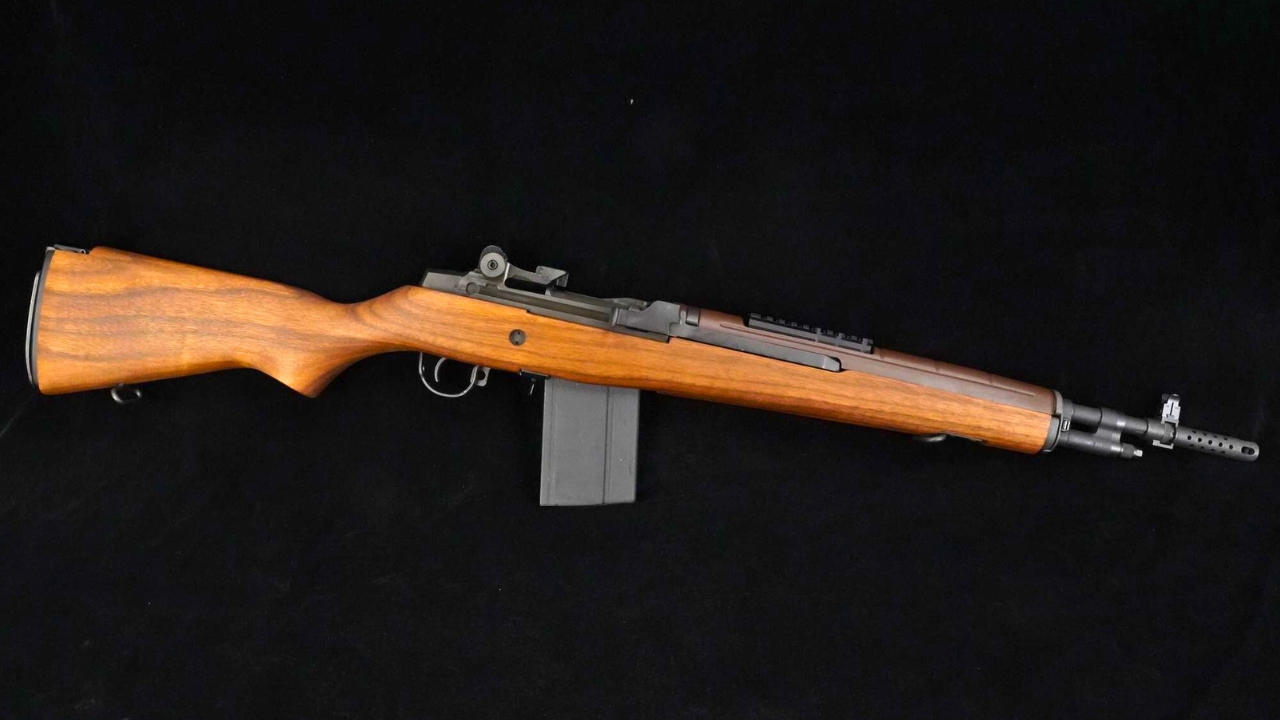
It looks tough, it sounds tough, and it has that old-school appeal. Then reality shows up: weight, length, and a setup that’s easy to spend money on and hard to perfect. Add the cost of quality magazines and a solid optic mount, and the bill climbs fast.
In the deer woods, it’s also louder and bulkier than most folks want. Plenty of M1As become safe queens that come out for “buddy range day” more than hunting season.
10. Henry Long Ranger (in .308 Win.)
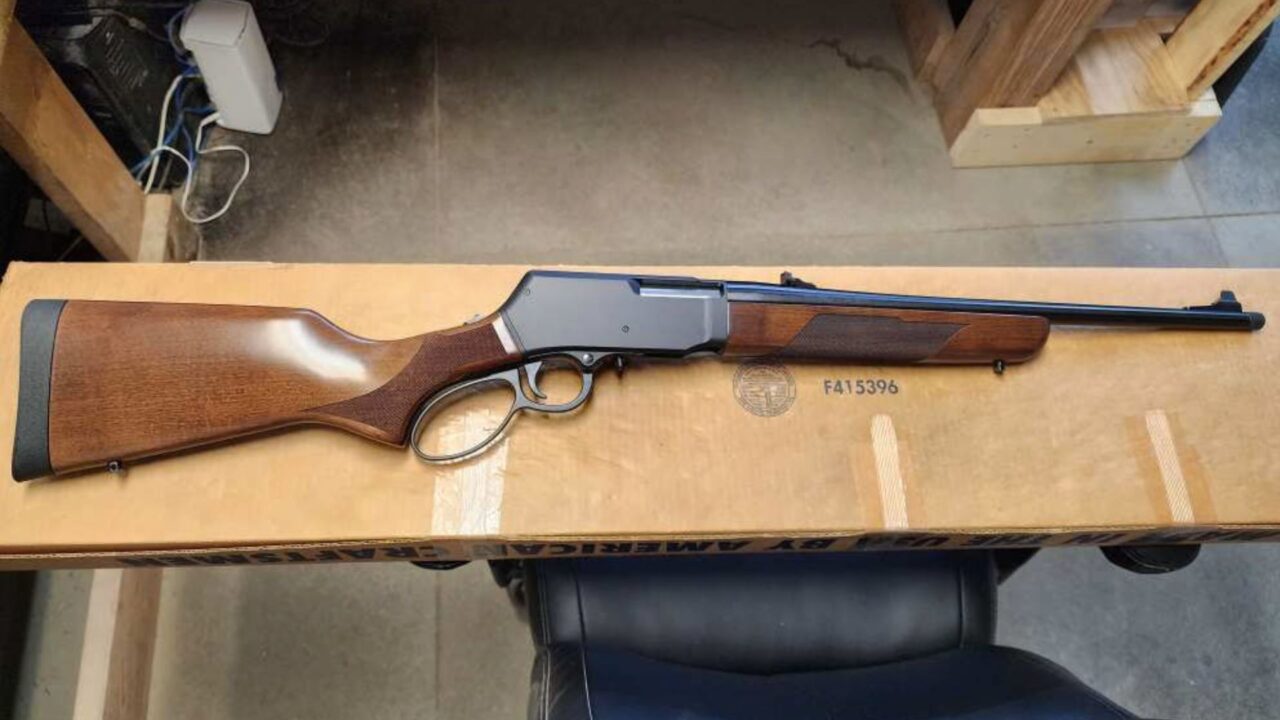
This is the rifle that gets bought with a romance novel in the buyer’s head. Smooth lever action, modern cartridge, pretty wood. Then the owner realizes it’s not a beater and it’s not cheap to scratch up climbing into a stand.
Also, while it’s accurate, it’s not the fastest reload setup for most hunters, and accessories aren’t as straightforward as a basic bolt gun. A lot of folks baby it so hard it never gets blood on it.
11. Browning BLR (in .300 WSM or another “spicy” option)

The BLR is a slick rifle, and in the right hands it’s deadly. But it’s also easy to buy in a chambering you don’t really need because you want a compact lever gun with magnum punch. That punch comes with recoil and muzzle blast, especially in lighter BLRs.
Once the new wears off, owners start grabbing a softer-shooting rifle they trust. The BLR stays pristine because it’s expensive and a little specialized.
12. Ruger Gunsite Scout Rifle (.308 Win.)
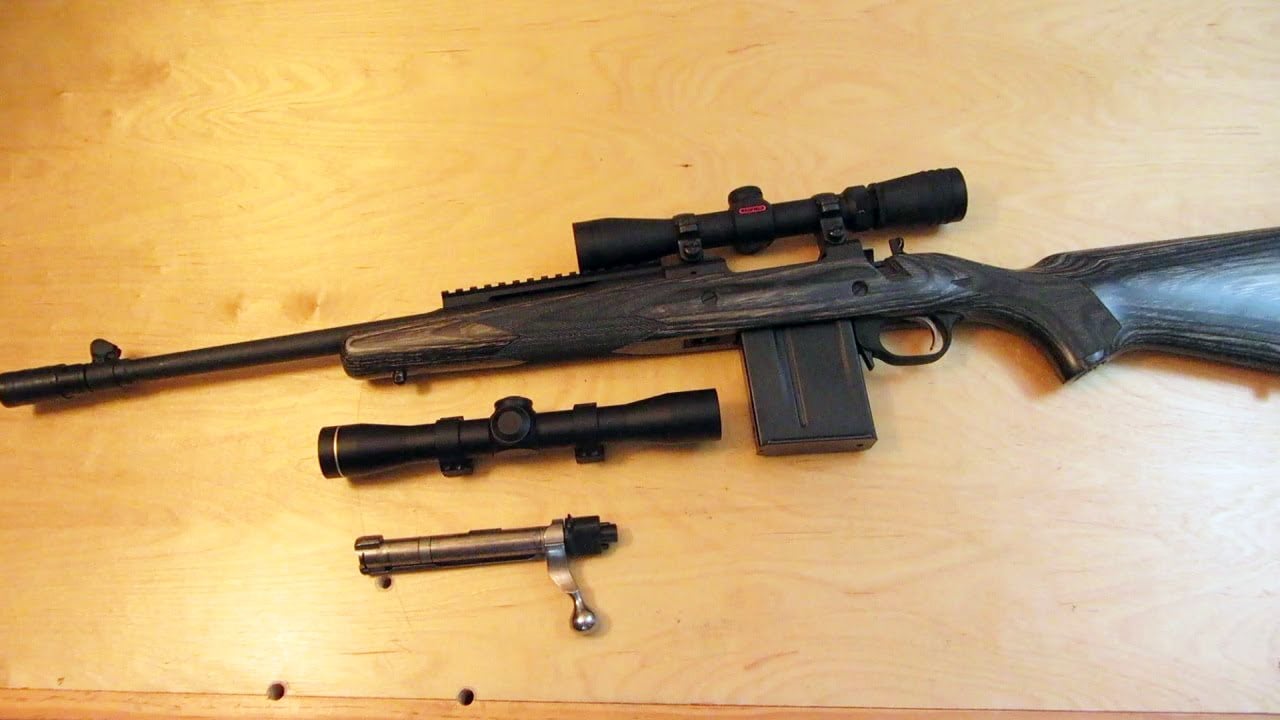
The “scout rifle” idea sells hard: handy, do-everything, rugged. Then you actually hunt with one and realize you’re carrying extra rail, extra steel, and usually a scope setup that isn’t as natural as a plain old 3-9x in standard rings.
It’s not that it can’t hunt. It’s that most hunters don’t need a concept rifle. They need a simple rifle. When the season gets close, simple wins.
13. Bergara B-14 HMR (6.5 Creedmoor)
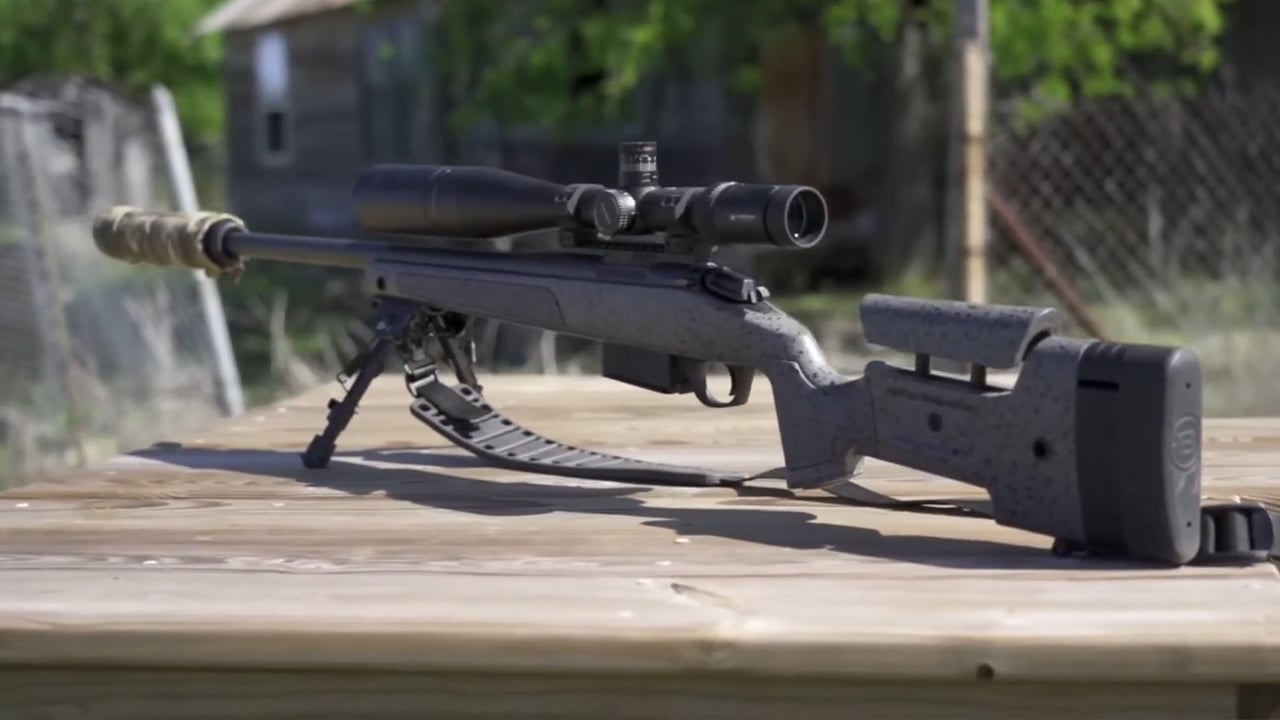
This one hurts because the B-14 HMR is legitimately good. But it’s also heavy, and it attracts buyers who think they’re going to shoot farther than they really should in hunting conditions. The rifle will do its part; the wind, field positions, and adrenaline are the problem.
A lot of owners discover they don’t enjoy hauling a 9+ pound rig plus glass and bipod. It becomes a “range rifle,” and they carry a lighter gun when they’re actually hunting.
14. Christensen Arms Mesa (in a lightweight magnum)
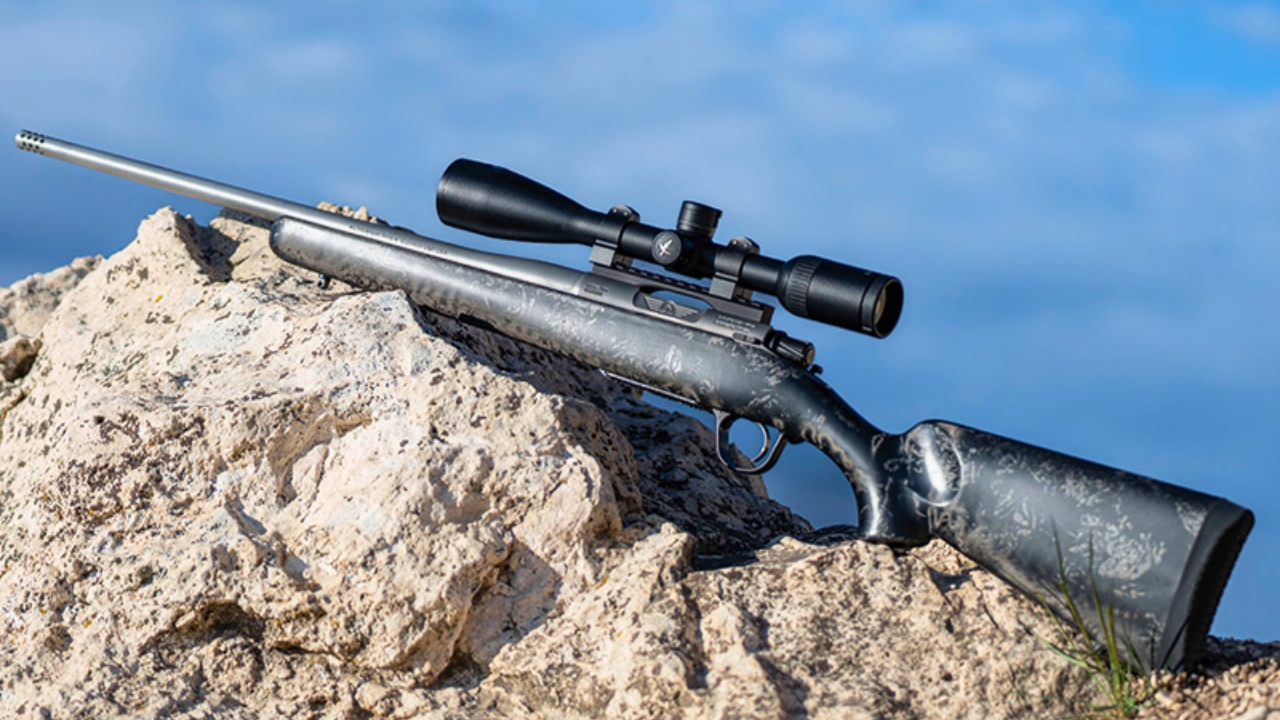
Lightweight rifles are great right up until you touch off a magnum load without a brake. Then you find out why weight exists. Some hunters buy a light carbon-adjacent rifle thinking it’s the perfect mountain answer, but they never put in the practice because it’s not fun.
The other issue is expectations. When you pay premium money, you expect premium results with normal ammo. If the rifle is even slightly picky, owners get frustrated fast and set it aside.
15. Howa 1500 (in a heavy “varmint” contour)

Howa makes solid actions, and the 1500 has earned respect. The mistake is buying the heavy-barrel version as a do-all hunting rig because it shot one-hole groups at the shop’s indoor range. In the field, weight matters more than tiny groups.
That rifle is a joy off sandbags. It’s a chore on a sling for three miles. Many end up as “coyote from the truck” rifles that never make it to a deer stand.
16. Weatherby Vanguard (chambered in .257 Weatherby Magnum)
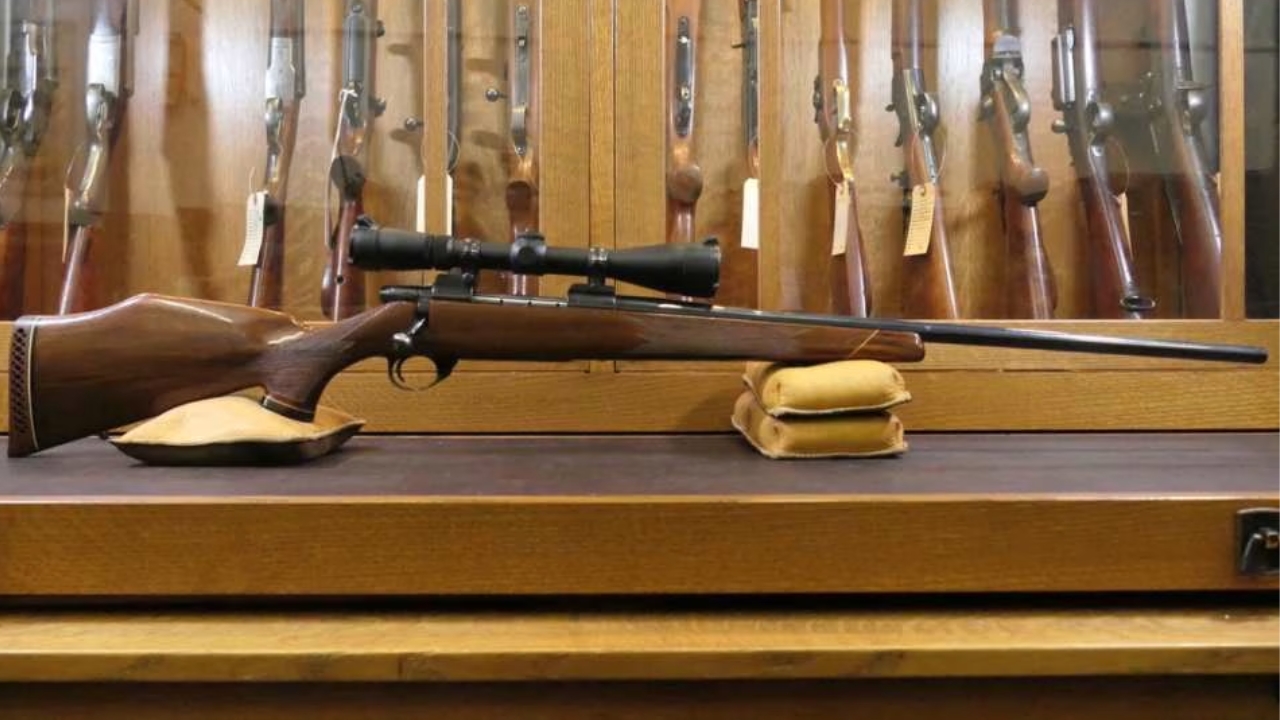
This is a classic “got talked into it” rifle. The Vanguard is dependable, but .257 Weatherby is not a cartridge you stumble into cheap and easy. Ammo availability and cost alone can turn a new owner into a once-a-year shooter.
When you don’t shoot it much, you don’t truly know it. Then the season comes and the familiar .270 or .308 gets the nod. The Weatherby stays cased because it feels like a “special occasion” rifle.
17. Savage 110 Ultralite (in 6.5 PRC)

Ultralight rifles sell to guys who dream about high ridges and big country. Then they realize their hunting life is mostly ladder stands, creek bottoms, and short walks behind the house. A featherweight rifle in a stout cartridge can be a loud, sharp experience at the range.
It’s also common to mount too much glass on it, ruining the whole point. Once it’s top-heavy and jumpy, it becomes a safe ornament that looked better in the catalog.
18. Tikka T3x (bought, scoped, and never truly fitted)

Tikkas are almost always easy to shoot well, which is why it’s funny how many get parked. The pattern I see is guys buying one because everyone says “just get a Tikka,” then slapping on whatever scope was on sale, never adjusting length of pull, never confirming drops, never really bonding with it.
They’re so smooth and accurate they feel almost too easy, and hunters sometimes stick with the rifle that has “history” instead. Still, I would not be quick to let a Tikka go once it’s set up right.
19. CZ 600 Trail (in .223 Rem. or 7.62×39)
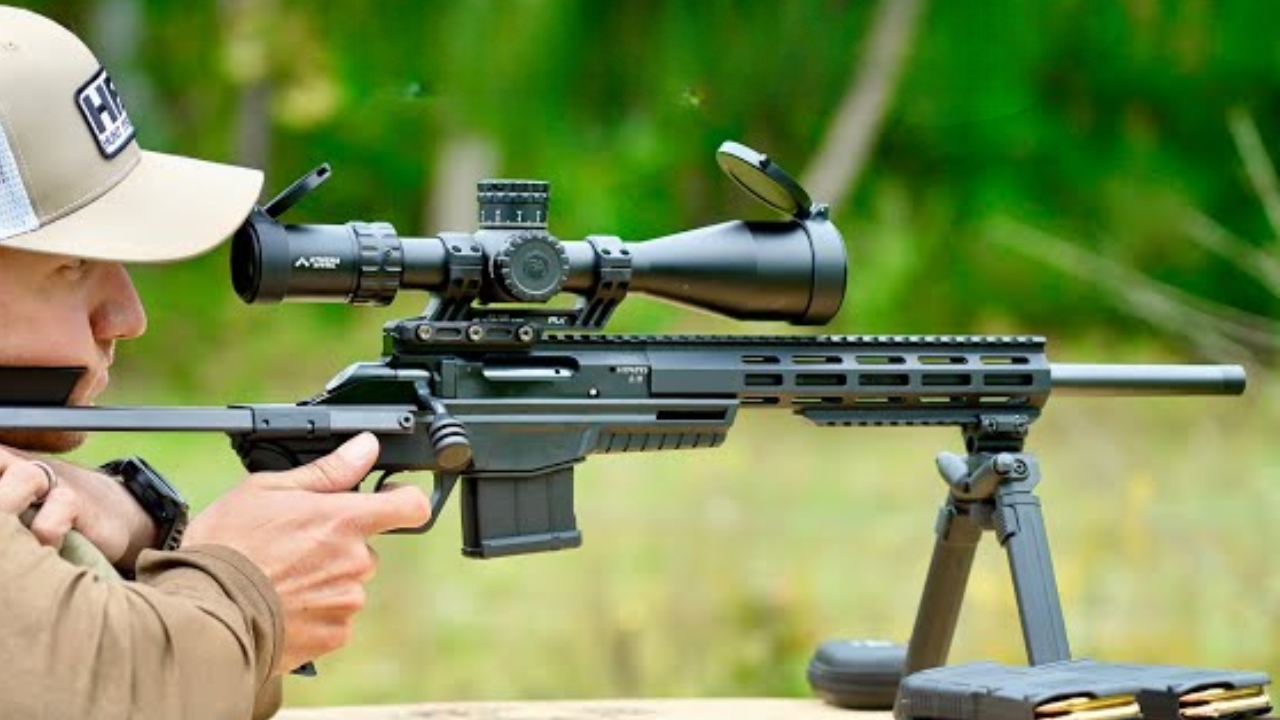
This is the handy little bolt gun that looks like it belongs behind a truck seat. Guys buy it thinking it’ll be perfect for everything from deer to predators to “camp meat.” Then hunting regs, cartridge limits, and real-world performance narrow its usefulness fast depending on where you live.
It’s also easy to over-accessorize. A compact rifle with a big optic and gadgets turns into a clunky experiment. The experiment goes back in the case.
20. Winchester Model 70 Super Grade (because it’s too pretty)

A classic Model 70 with fancy wood is a rifle you buy with your heart. Then you take it out of the box, see the shine, and start imagining it getting gouged on a stand ladder or rained on all day. That’s when “this one’s going to be my good rifle” becomes “this one’s going to stay home.”
Nothing wrong with owning a nice rifle. Just be honest about what it is. If you’re not willing to hunt it, it’s not a hunting rifle. It’s a safe queen with great taste.
If you recognized one of these sitting untouched at the back of your safe, you’re not alone. The fix is usually simple: buy boring, shoot often, and build a setup you don’t mind carrying in the rain. The deer don’t care what your bolt feels like, but you will when it’s cold, wet, and you’ve got one chance to make it count.
Like The Avid Outdoorsman’s content? Subscribe to our newsletter so you never miss an article.
Here’s more from us: