Photo credit: Gun Tests Magazine/YouTube
Every gun counter has the same story: a shiny “flagship” handgun comes in with a big price tag, fancy case, and a brochure full of promises. Then you take it to the range and it starts acting like it was rushed out the door on a Friday afternoon. I’m not talking about a lemon here and there—every maker turns one out sometimes. I mean models that got pushed hard as premium and then built a reputation for drama: breakage, stoppages, weird accuracy, or just plain bad real-world ergonomics.
This isn’t a hate list, and it’s not meant to shame anybody’s purchase. Ask me how I know. This is the kind of roundup you read before dropping serious money on something that looks “high-end” but may not be ready for the way outdoorsmen actually use handguns: cold mornings, dusty trucks, sweaty IWB carry, glove-handed manipulation, and the occasional hard knock against a stand ladder.
1. Remington R51 (Gen 1)
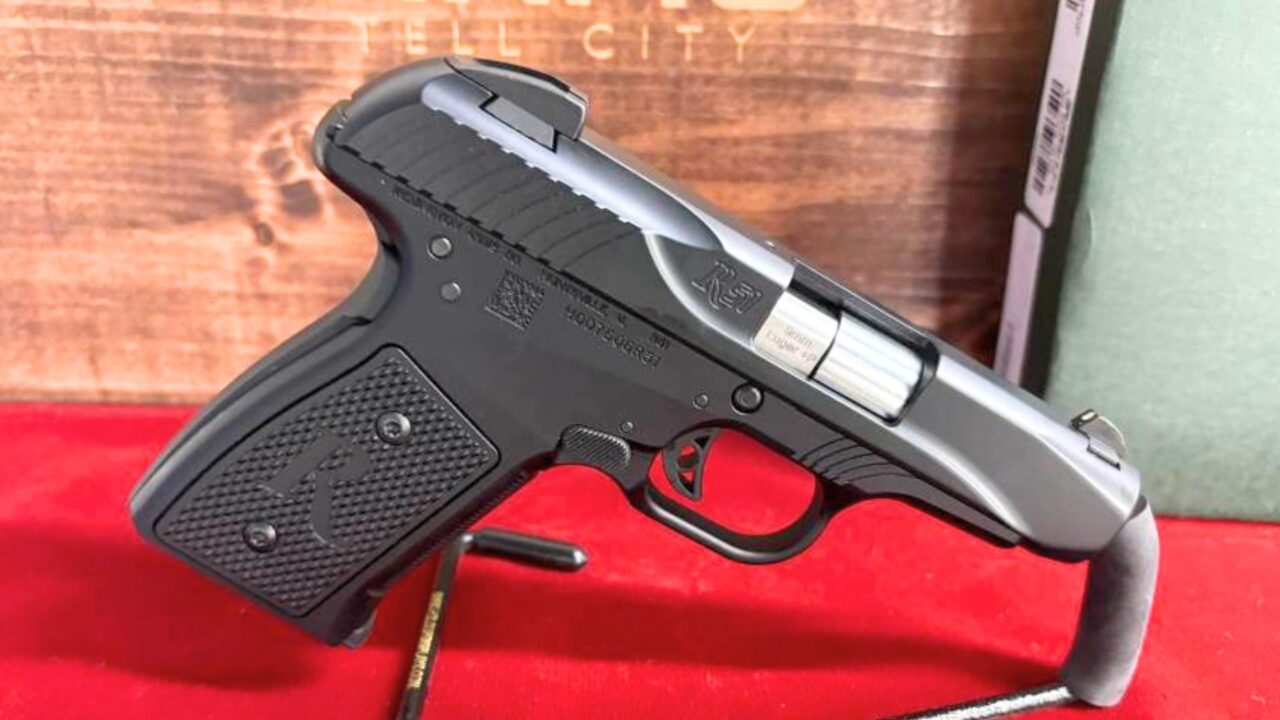
Remington tried to sell the R51 as a modern comeback story with heritage and innovation baked in. On paper it looked like a sleek carry gun with an interesting action and a “premium” feel. In the hand, a lot of them felt good enough to convince folks to buy on first impression.
Then the range reports started stacking up: inconsistent reliability, odd behavior under recoil, and a general sense that the design needed more refinement before going wide. If you got a good one, fine. Too many didn’t, and that one hurts when the price says “top shelf” but the performance says “prototype.”
2. Kimber Solo Carry
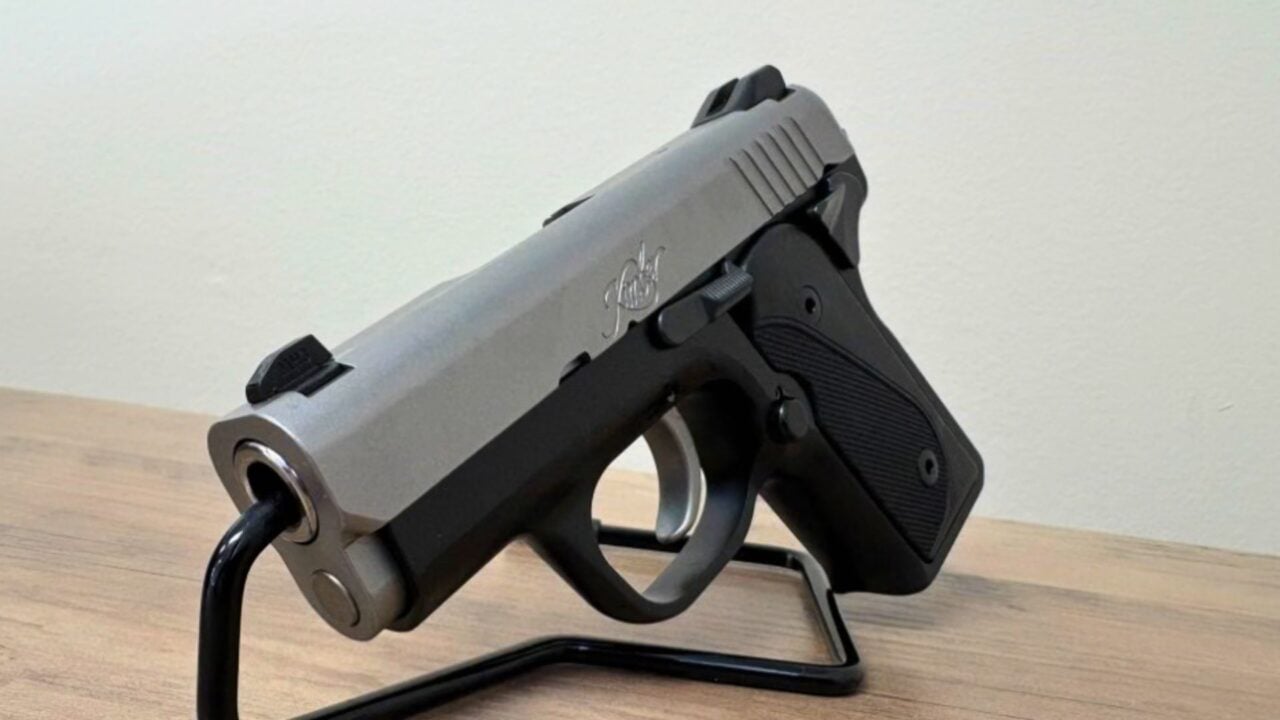
The Solo is one of those pistols that looks perfect in the display case. Kimber marketed it like a luxury micro-9 before micro-9s were everywhere. Clean lines, good branding, and that “premium” 1911-adjacent vibe even though it’s a different animal.
The problem is it earned a reputation for being picky about ammo and finicky when dirty—two traits you do not want in a small carry gun. When a handgun needs you to curate its diet like a show dog, it stops being a tool and turns into a hobby.
3. SIG Sauer P365 (early production)
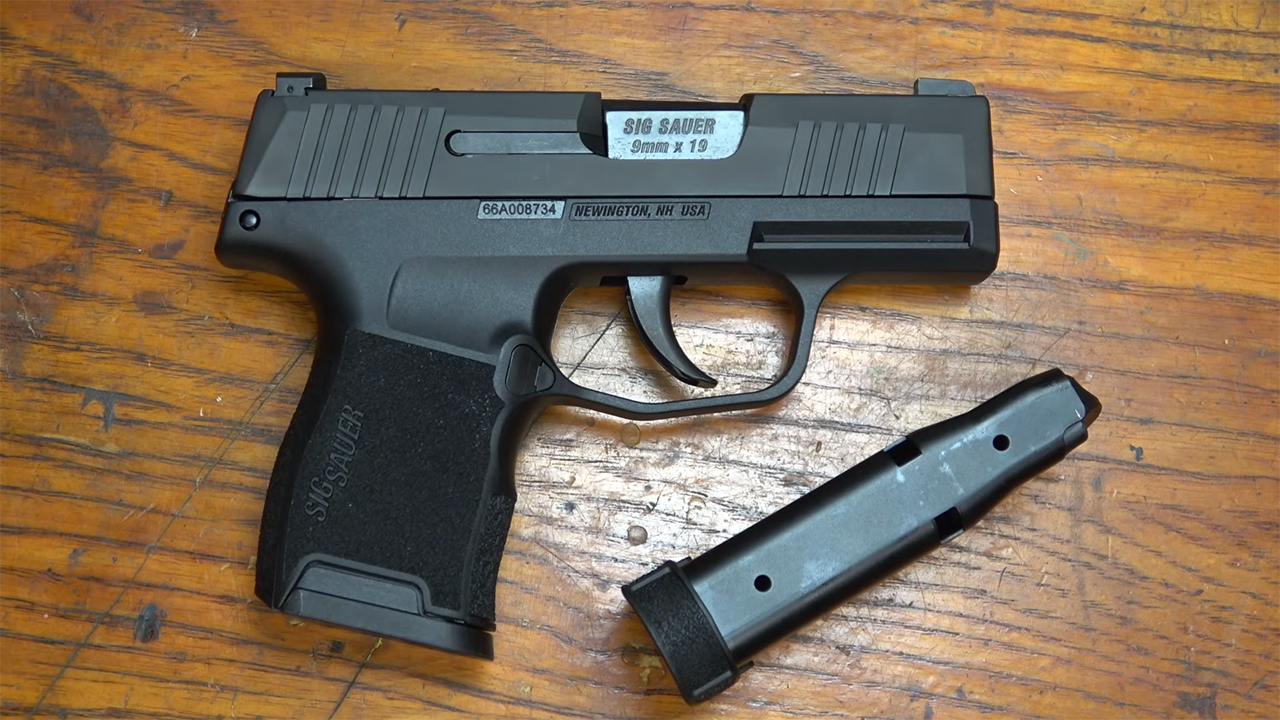
I’m not here to pretend the P365 didn’t change the carry market—it did. But those early guns had enough chatter about striker-related issues and teething problems that plenty of folks felt like unpaid beta testers. SIG’s marketing machine was rolling hard, and the demand was insane.
Later production largely smoothed things out, and today the platform is hard to ignore. Still, if you bought in the first wave, you learned an old lesson: don’t confuse “new and hot” with “proven.”
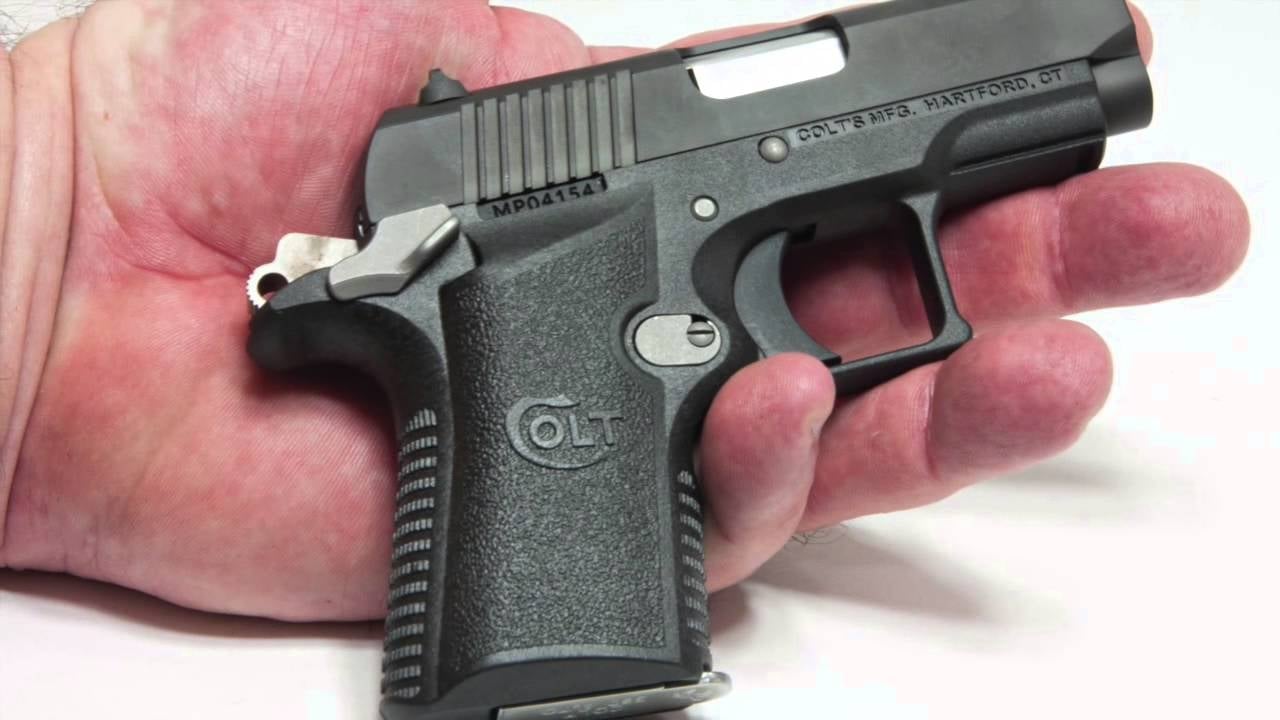
4. Colt Double Eagle
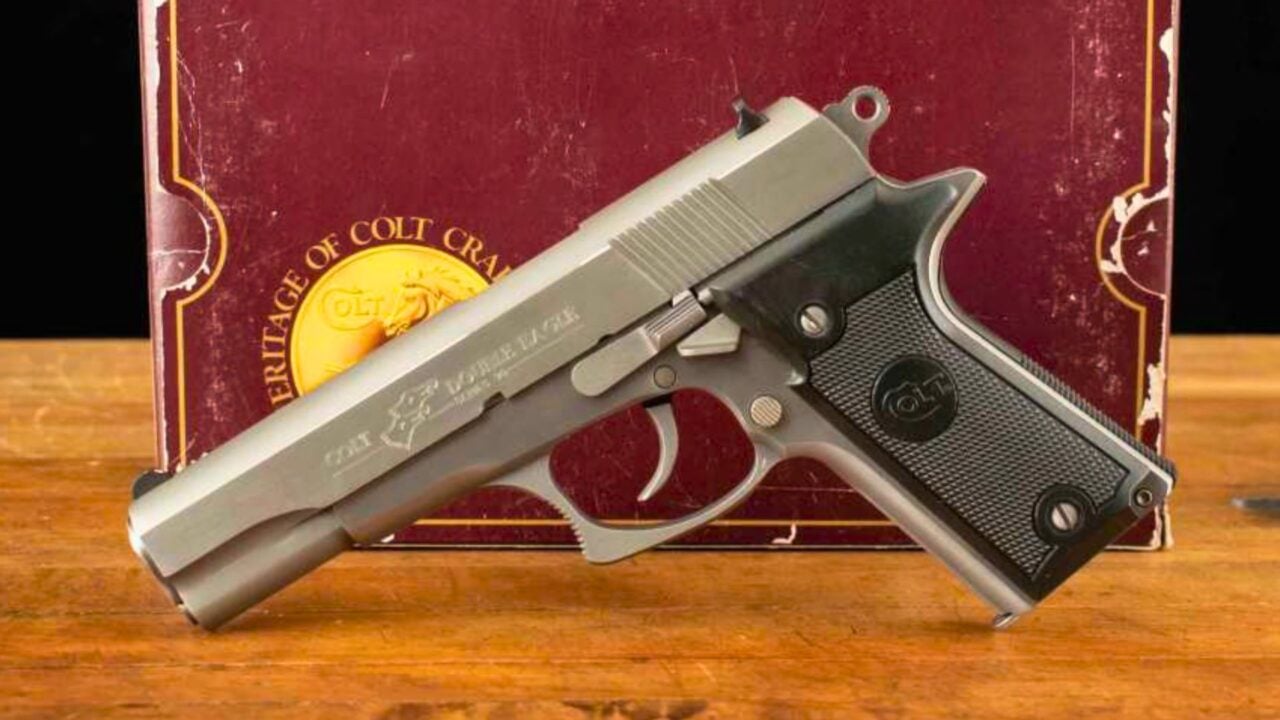
Colt stamped its name on the Double Eagle and priced it like it belonged in the upper tier. On the rack, it had that serious, all-metal presence. The idea of a Colt DA/SA pistol sounded like a sure thing.
In real use, a lot of shooters found it bulky, awkward in the hand, and not nearly as refined as the premium badge implied. It’s one of those pistols that makes you appreciate how hard it is to get DA/SA triggers and ergonomics right at the same time.
5. Kimber K6s (early reports and QC swings)
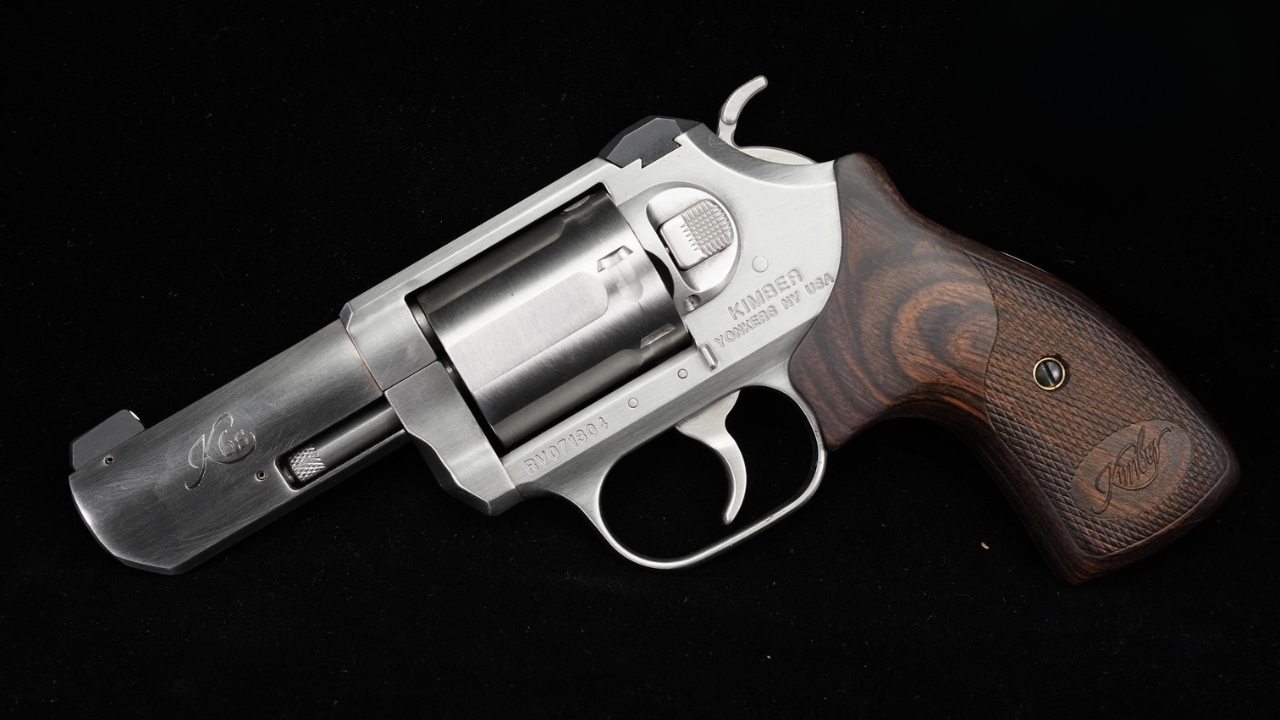
The K6s had everything going for it: a compact revolver with six rounds in a size class where five is normal, and it felt like a “nice” gun. It carried well for a steel revolver and pointed naturally for a lot of hands.
But it also collected enough complaints—timing quirks, rough spots, and inconsistent QC—that it never felt as bulletproof as its marketing suggested. Revolvers don’t get a pass just because they’re revolvers. When they’re off, they’re off.
6. Taurus Spectrum
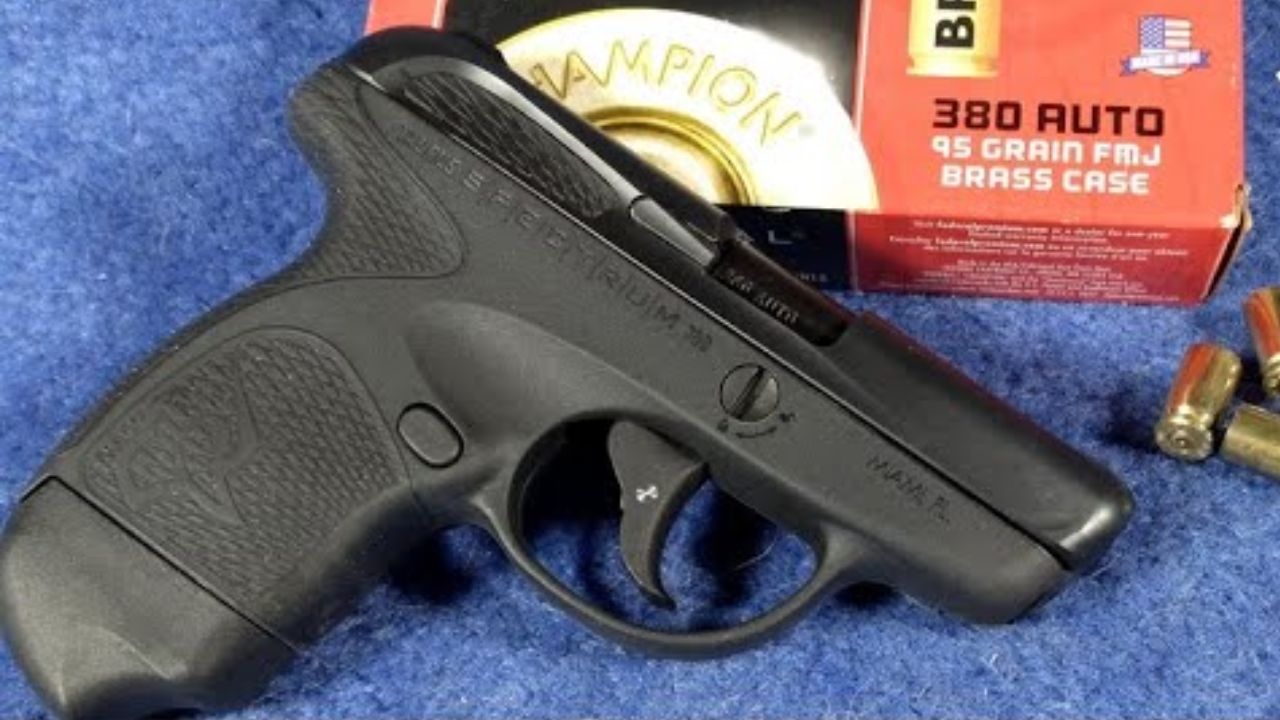
The Spectrum got pushed as a slick, modern pocket .380 with style and comfort features. It looked like a premium design study—soft contours, bright colors, the whole “carry should be easy” theme.
In practice, plenty of owners ran into reliability complaints and general dissatisfaction with how it shot and held up. Pocket pistols are already a compromise. When the compromise includes function, it’s a non-starter.
7. Springfield Armory XD-S (early recall era)

The XD-S was marketed as a serious single-stack carry answer back when that lane was crowded and competitive. It felt solid, shot decently, and Springfield knew how to sell the idea of “duty heritage” in a small package.
Then the recall period left a sour taste for some owners. Even when a fix is available, a carry gun that gets a big red flag early on can lose trust fast. Trust is the whole point.
8. Walther PK380

Walther’s name carries weight, so when the PK380 hit shelves with a “premium” European feel, folks expected an easy-shooting .380 that would just run. For some shooters, it did feel soft and approachable.
But it also built a reputation for being more complicated than it needed to be, with spotty reliability depending on ammo and magazines. A .380 meant for new shooters shouldn’t be the gun that introduces them to malfunctions.
9. SIG Sauer Mosquito
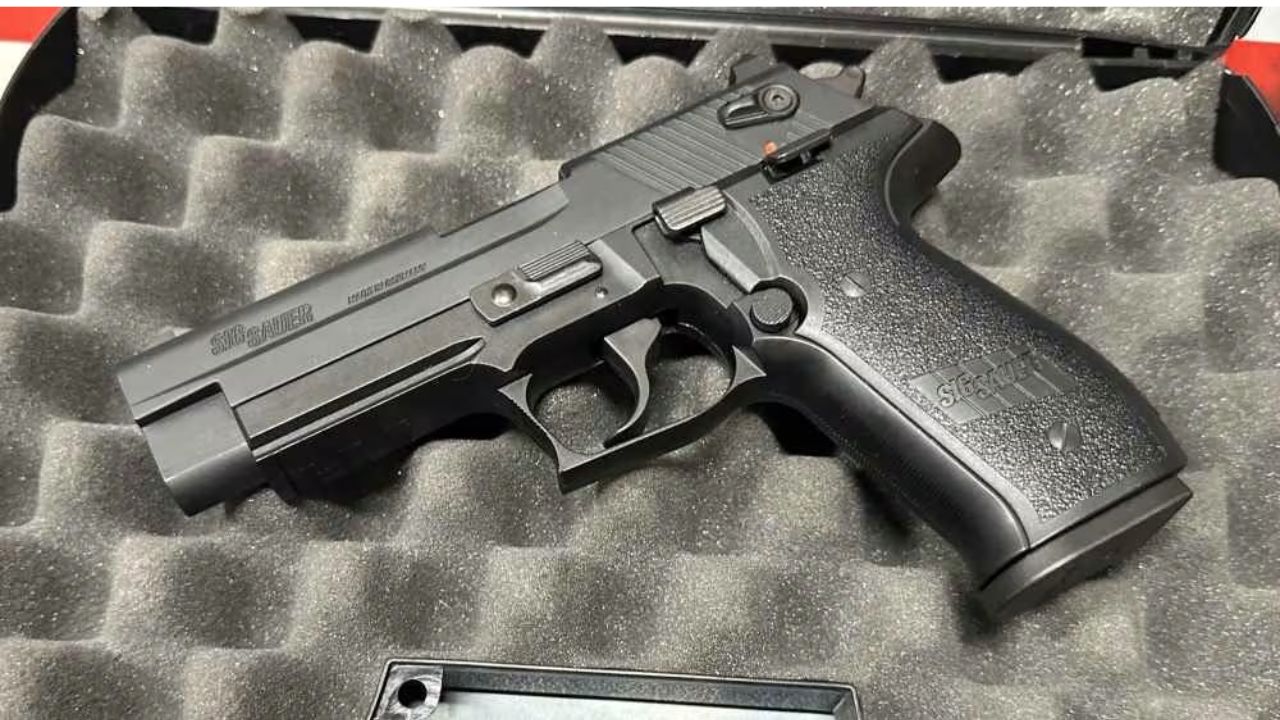
The Mosquito got sold as the fun little SIG for cheap practice. Same brand, same general look, and a price that suggested you were buying into a premium family even in .22 LR.
Reality: lots of these were jam-o-matics unless you fed them what they liked and kept them clean. A .22 pistol is supposed to be the relaxing range day gun, not the one that has you clearing stoppages every magazine.
10. Beretta U22 Neos (fit-and-finish expectations)

The Neos always looked space-age, and Beretta’s name made it feel like a classier choice than the average rimfire pistol. The marketing leaned into style and modularity, and it attracted buyers who wanted something different.
Some ran fine, but enough shooters complained about picky behavior, weird ergonomics, or inconsistent accuracy that it didn’t always feel like it was living up to the premium brand on the slide. Rimfires are already ammo-sensitive; the gun shouldn’t add extra attitude.
11. Ruger SR9 (early trigger and recall baggage)
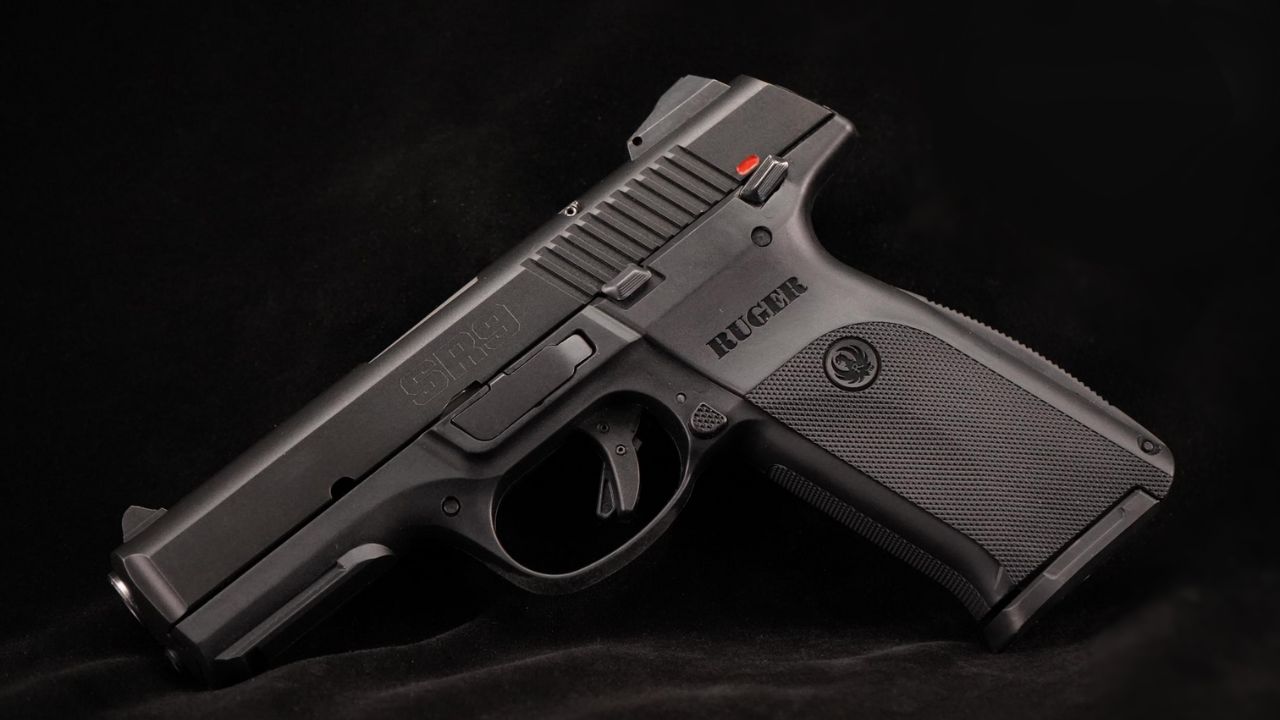
Ruger usually brings practical value, not drama, and the SR9 was a big swing at the striker-fired duty market. It looked sleek and “higher end” than Ruger’s older pistol lineup, and the capacity-to-size ratio was attractive.
Early issues and the recall history made a lot of shooters hesitant. Ruger improved things, but first impressions stick. When the pitch is “modern and refined,” buyers don’t want to feel like they’re in on version 1.0.
12. Kahr PM9 (break-in reality vs. premium price)
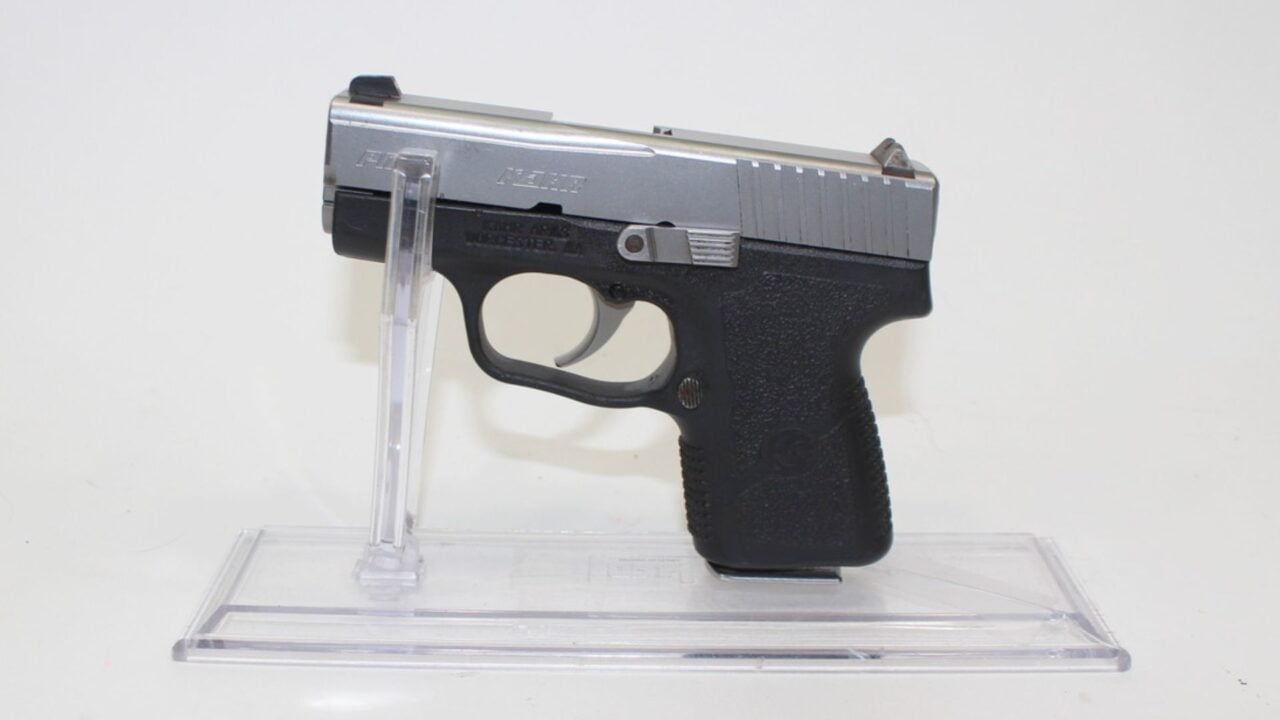
Kahr’s little pistols have a loyal following, and the PM9 was marketed as a high-quality, easy-to-carry 9mm back when that was harder to do well. It’s thin, disappears on the belt, and the trigger is smooth in that long-pull way.
The rub is the break-in expectations and occasional finickiness that owners reported. When you pay premium money for a carry gun, “it’ll probably settle in after a few hundred rounds” isn’t the sales pitch most folks want to hear.
13. Para-Ordnance P14-45 (double-stack 1911 headaches)

Double-stack 1911s are seductive: big capacity, classic trigger, and the kind of “premium” vibe that sells itself. Para made a name in that space and marketed them like a serious step up for defensive shooters.
But the platform can be temperamental when it comes to magazines, feed geometry, and tuning. Some run great. Too many didn’t without extra attention. If your handgun needs a relationship with a gunsmith to be happy, it’s not really plug-and-play.
14. Kimber Ultra Carry II (short 1911 timing issues)

Kimber sold a mountain of short 1911s, and the Ultra Carry II has been riding that wave for years. They’re easy to carry, look sharp, and the brand has a “premium” reputation that draws buyers who want something nicer than polymer.
Short-barreled 1911s can be less forgiving, and plenty of shooters have lived through the “it runs until it doesn’t” cycle. When you’re paying for a compact defensive pistol, you want boring reliability, not a gun that’s sensitive to springs and ammo.
15. Colt Mustang XSP (small-gun pickiness)
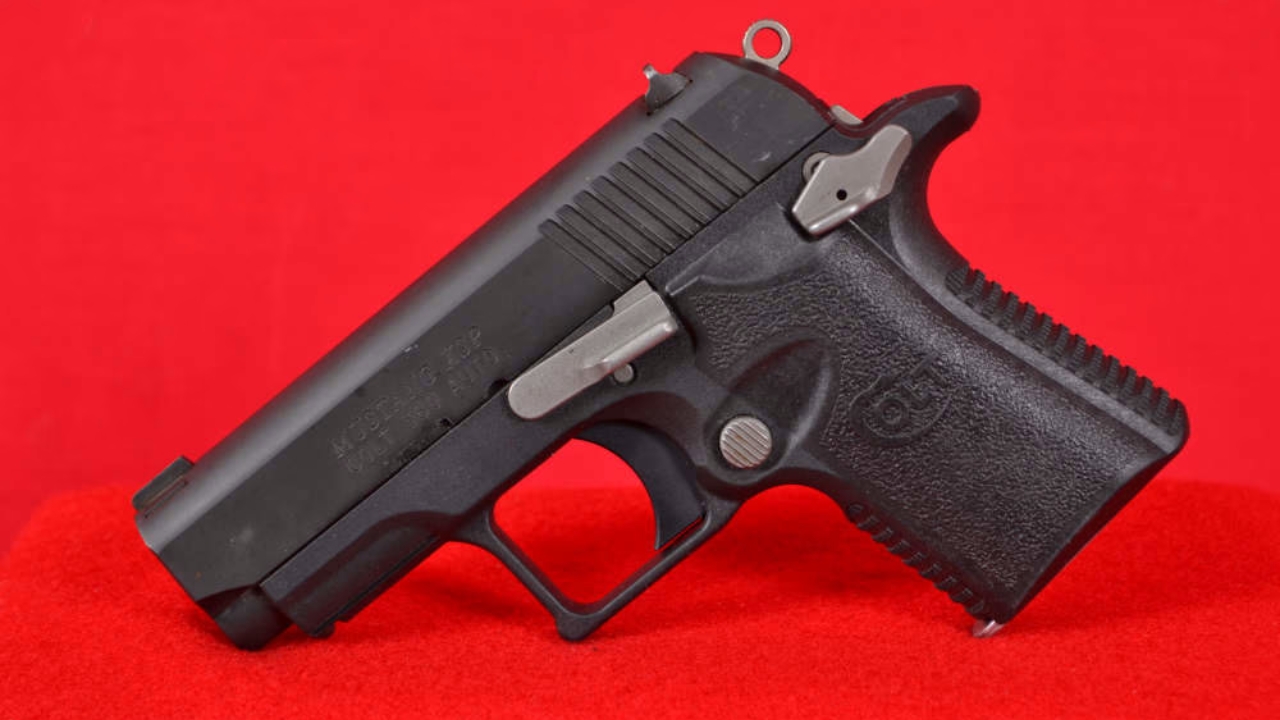
The Mustang name makes people nostalgic, and Colt knows it. The XSP looked like a classy pocket gun with that pony on the slide, and it carried like a dream when everything was going right.
But small .380s can be touchy, and some owners reported inconsistent reliability and magazine-related quirks. A pocket gun gets lint, sweat, and neglect more than any other pistol. If it can’t tolerate real life, it’s a safe queen pretending to be a tool.
16. Smith & Wesson SW1911PD (lightweight 1911 wear concerns)
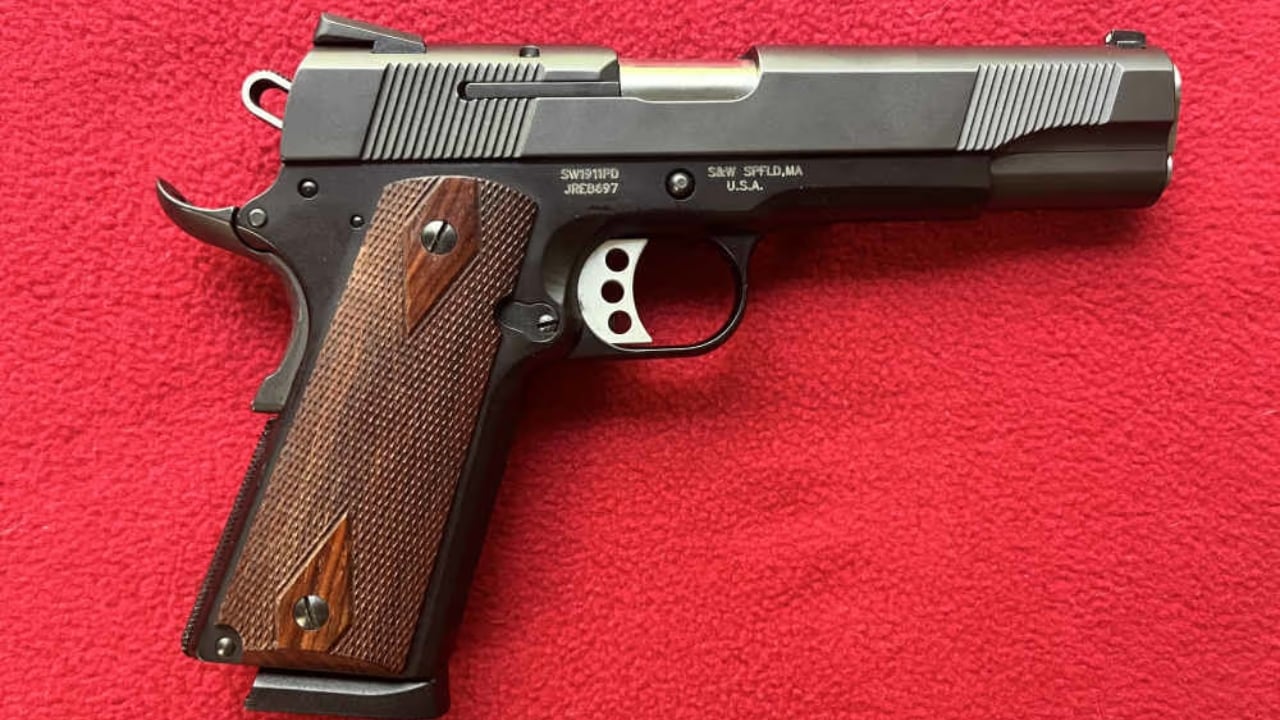
When S&W started pushing lightweight 1911 variants, they were marketed as premium carry 1911s for folks who wanted the feel without the belt-dragging weight. The SW1911PD is easy to tote, and that matters when you’re in and out of a truck all day.
But lightweight 1911s can raise long-term durability questions, and some shooters weren’t thrilled with how certain parts held up over time. It’s not that they all fail—it’s that “premium” should feel more confidence-inspiring than “keep an eye on it.”
17. Desert Tech SRS-A1 Covert pistol (niche hype, real-world handling)
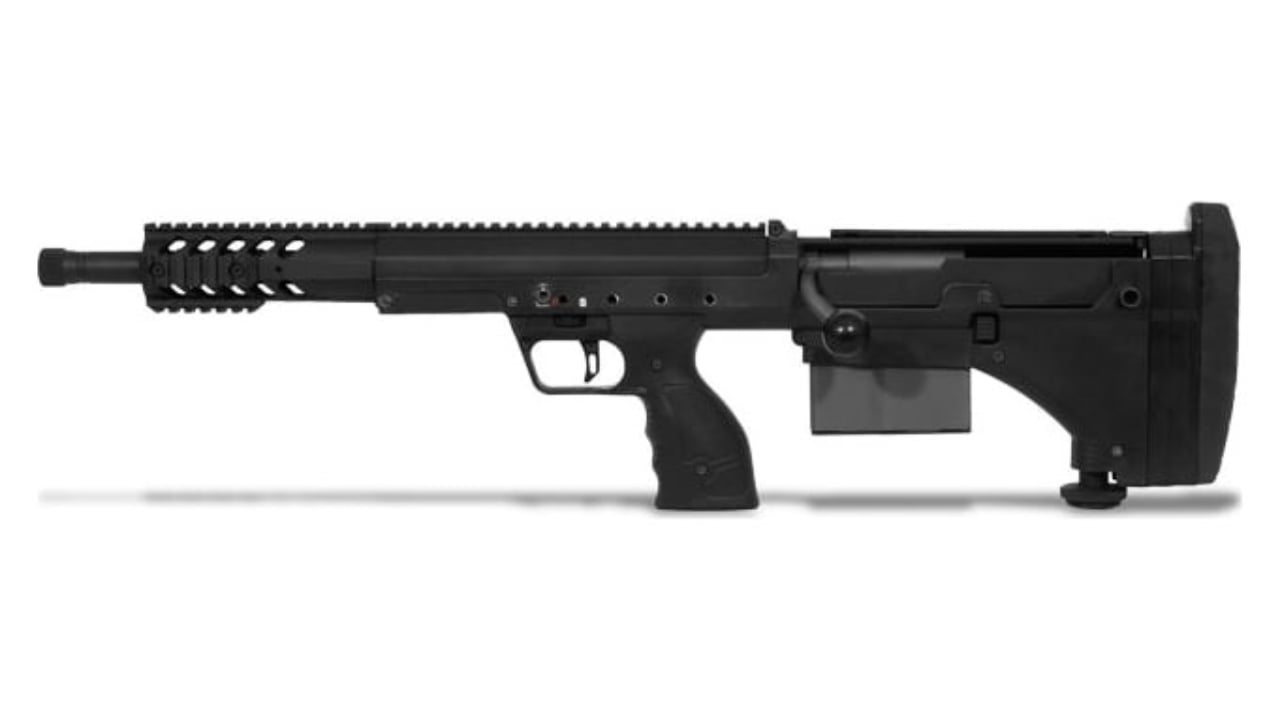
Every so often a gun hits the market that’s more about clever engineering than practical use. Desert Tech’s compact pistol projects and offshoots drew attention because they were different and priced like boutique hardware.
The issue with ultra-niche, premium-priced pistols is they can feel like concept guns once the excitement wears off—odd controls, awkward balance, limited holster support, and parts that aren’t sitting in every shop. Cool doesn’t automatically mean useful.
18. FN FNP-45 USG (early mag and finish complaints)
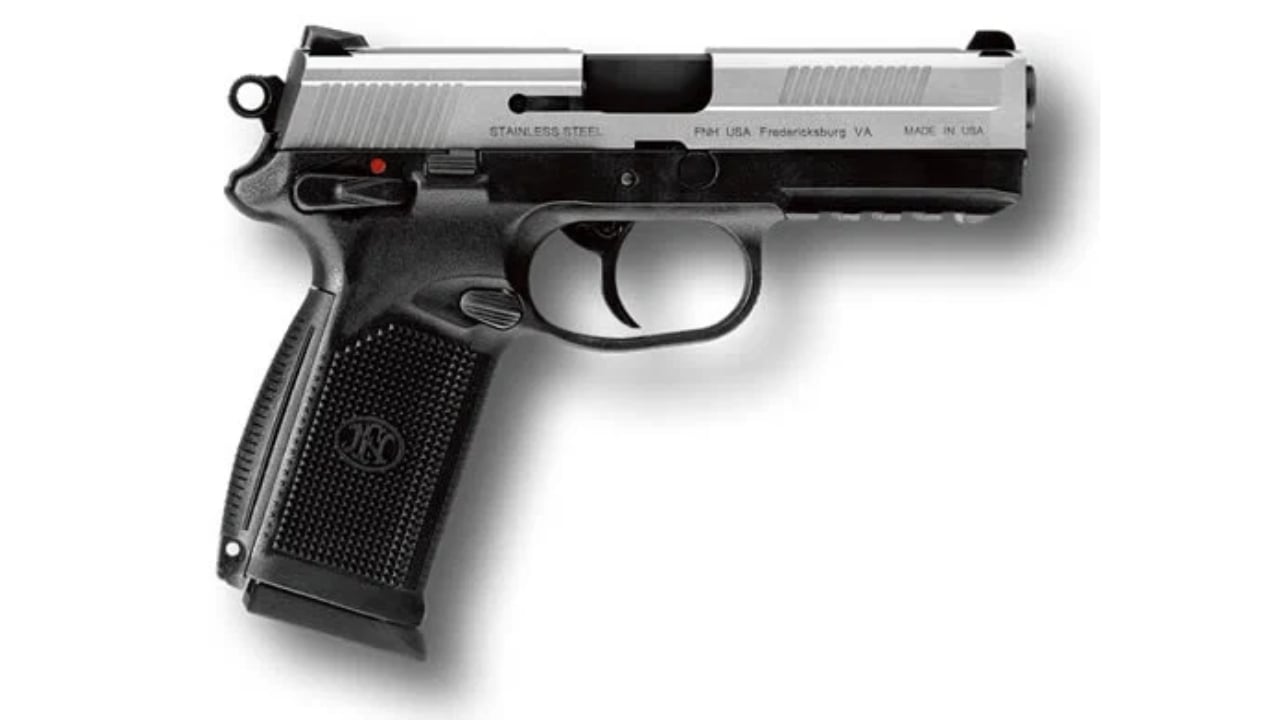
FN knows how to build serious service pistols, and the FNP-45 USG was sold like a high-end .45 built for hard use. Big capacity, good ergonomics for a large pistol, and that “duty grade” reputation.
Some owners reported magazine issues and finish wear that felt a little too fast for the price point. A big .45 is already a commitment on the belt. When it starts acting delicate, it loses its reason for existing.
19. Heckler & Koch P30 (trigger disappointment for the money)

The P30 is comfortable in the hand like few others, and HK marketed the ergonomics hard because they’re legitimately good. It’s also priced like a premium pistol, which makes sense if everything about it is top-tier.
What trips up a lot of shooters is the trigger—especially in certain configurations. It’s not unsafe, it’s not junk, but for the money it can feel underwhelming. When you pay premium, you expect the gun to help you shoot better, not make you work around it.
20. SIG Sauer P320 (early drop-safety controversy and trust gap)
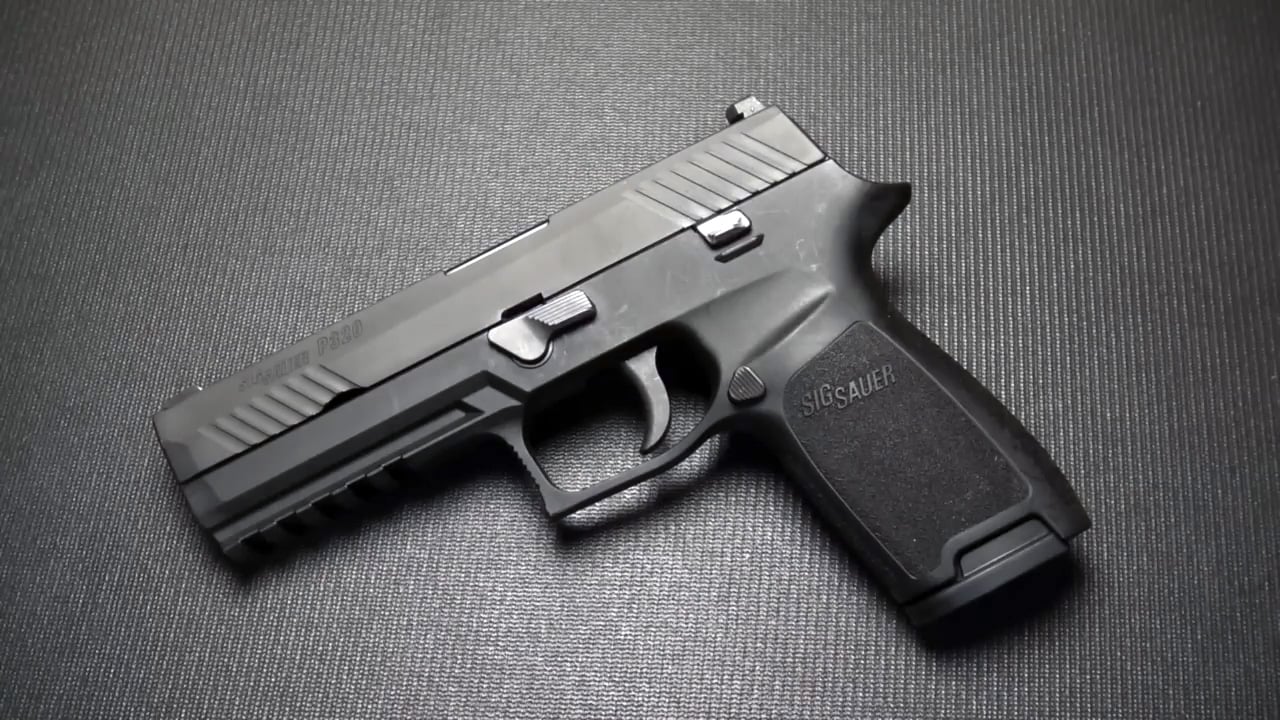
The P320 got a massive push and ended up everywhere, from gun counters to duty holsters. It’s modular, accurate enough, and the aftermarket exploded. On paper it’s the modern premium pistol story.
But the early safety controversy created a trust gap that’s hard to ignore, even with upgrades and newer production changes. Whether you think the internet overreacted or not, a defensive handgun lives and dies by confidence. If you’re second-guessing it every time you holster up, it’s not doing its job.
There’s a lesson running through all of this: marketing can make anything look like the answer, but your range bag tells the truth. If you’re shopping in the “premium” lane, don’t be afraid to wait, read real long-term reports, and put hands on the gun before you buy. A pistol that runs boring and predictable is worth more than a fancy case and a slick ad campaign.
Like The Avid Outdoorsman’s content? Subscribe to our newsletter so you never miss an article.
Here’s more from us: