

Photo credit: Mark KratzMC/YouTube
Some guns fool you with looks. They feel tight, the finish gleams, and the controls move smoothly—until you actually start putting rounds through them. That’s when things start to loosen, crack, or seize. Some manufacturers build for appearances, banking on surface-level polish to hide deeper flaws in materials or machining. Others just suffer from designs that wear faster than they should. If you’ve ever owned a firearm that felt great on the rack but broke your trust after a few trips to the range, you know the feeling. Here are the guns that look solid from the outside but crumble where it counts.
Remington R51

The Remington R51 was sleek and handsome, with lines that made it look like a premium carry pistol. Unfortunately, underneath that polished finish was a nightmare of poor machining and misaligned internals. The Pedersen-style action, a neat idea in theory, didn’t hold up in practice—parts sheared, slides jammed, and the gun refused to cycle smoothly.
Even when it functioned, the inconsistent lockup caused erratic accuracy and fast wear on critical components. It looked like a modern classic, but after a few boxes of ammo, most shooters learned why it vanished from shelves so quickly. The R51 proved that looks don’t mean much when the guts are all wrong.
Winchester 1400
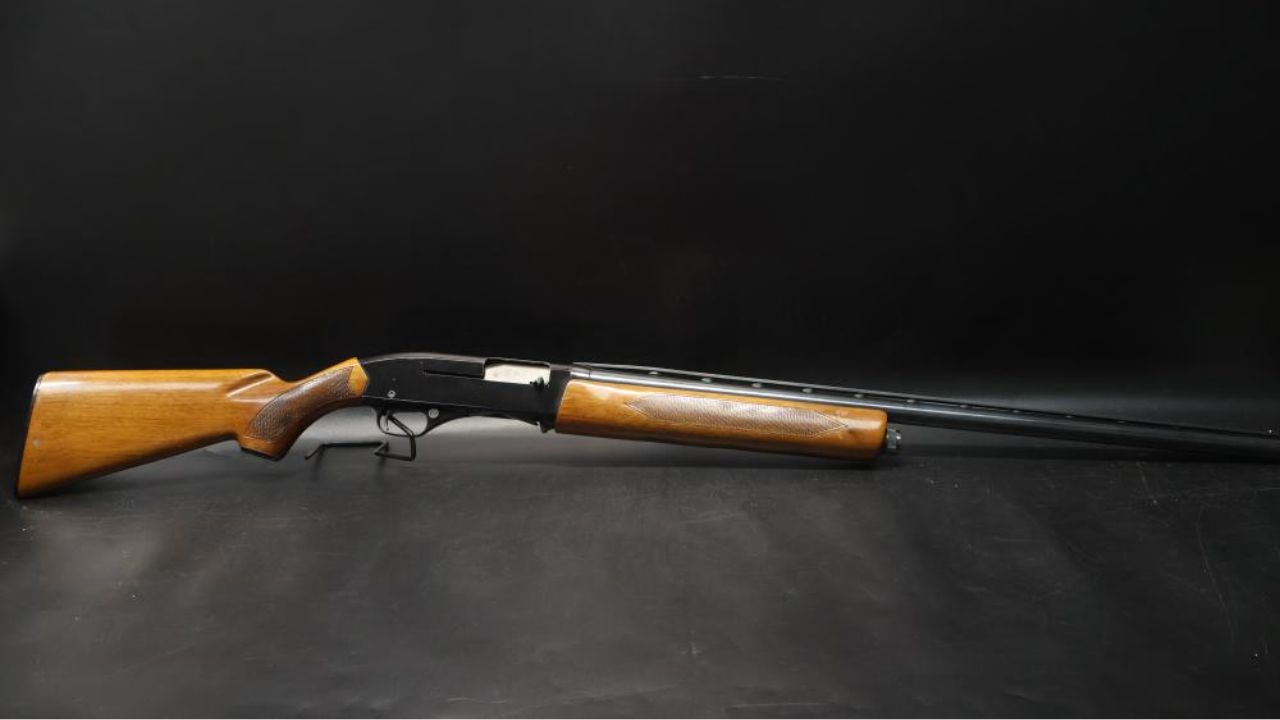
The Winchester 1400 had the looks of a well-made semi-auto shotgun, with good lines and solid heft. But once you started shooting, things changed fast. The aluminum receiver wore out under repeated cycling, and the action parts began to gall and seize with age. Gas system fouling was a constant problem, leading to sluggish cycling and broken components.
Many 1400s look fine decades later, but inside, the story’s different—cracked parts, stripped threads, and worn chambers are common. It’s a shotgun that looks tough on the rack but doesn’t take abuse well. Winchester fans learned the hard way that a pretty face doesn’t guarantee longevity.
Kimber Solo Carry
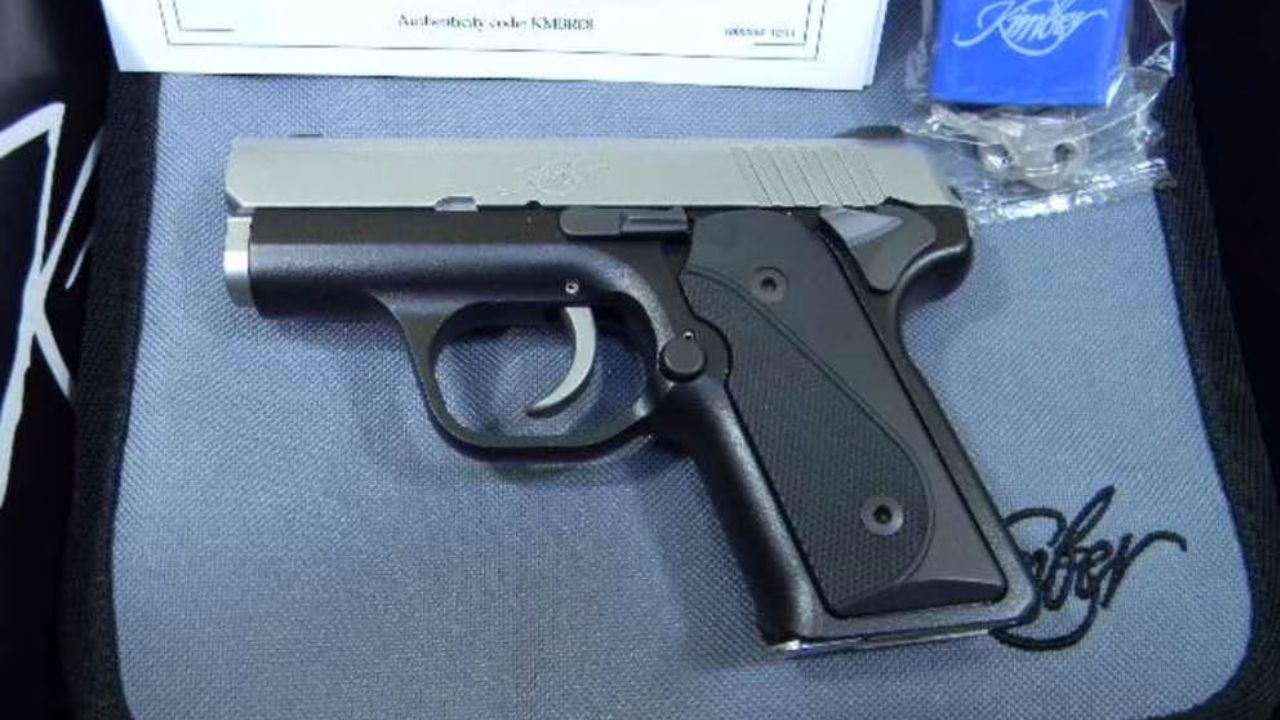
At first glance, the Kimber Solo Carry looks like a high-end micro pistol—tight tolerances, stainless finish, and a grip that fits like a glove. But internally, the design is fragile. The Solo’s tiny parts and stiff recoil spring make it extremely sensitive to ammunition type, and even mild wear can lead to feeding failures.
Owners quickly discovered that disassembly caused accelerated wear on small pins and springs, and over time, those issues added up. The Solo might feel like a luxury pocket gun, but after a few hundred rounds, the internals start showing stress. It’s one of those guns that feels solid but ages fast under pressure.
Remington 742 Woodsmaster
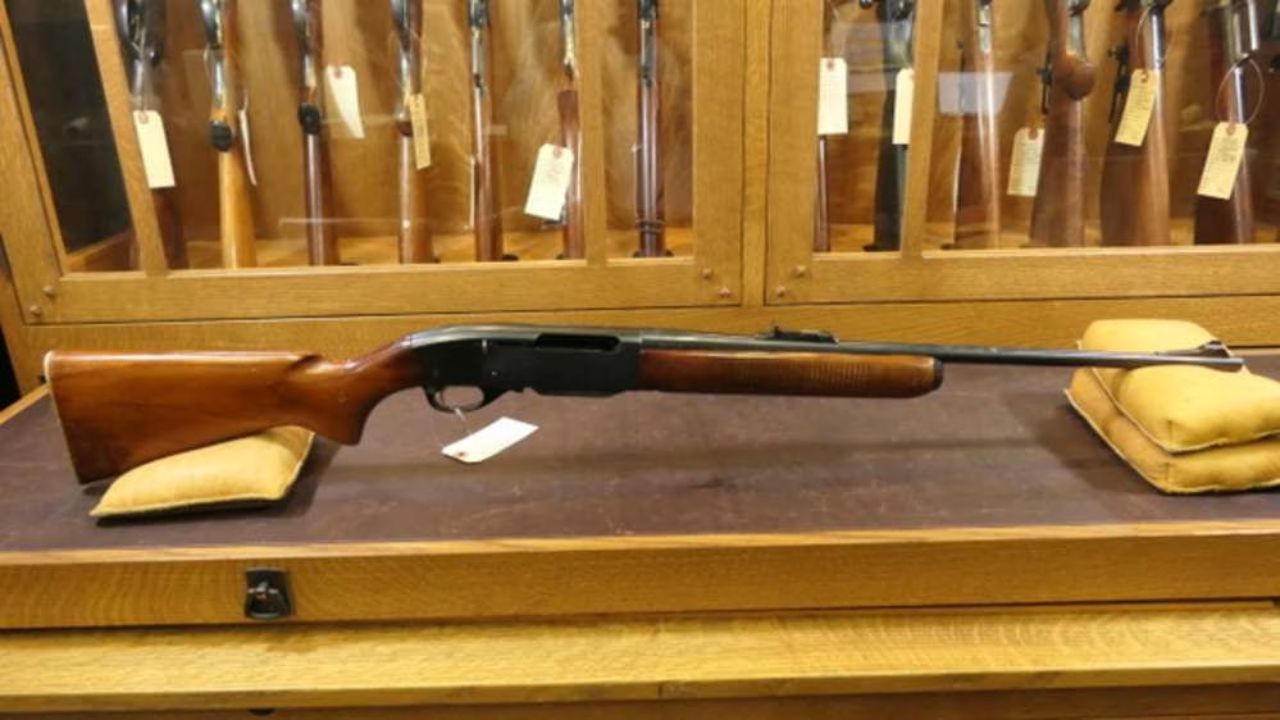
Few rifles looked as traditional and dependable as the Remington 742. Walnut stock, blued steel, and classic lines gave it a professional air. But the action rails—soft metal and poorly hardened—told another story. After enough shooting, those rails would gall or wear unevenly, locking the bolt carrier in place permanently.
Hunters who owned one often discovered too late that it was impossible to repair once the wear set in. From the outside, it still looked like a fine hunting rifle, but inside, the damage was terminal. The 742 was a fine example of how internal shortcuts can ruin an otherwise great-looking gun.
Taurus PT140 Millennium
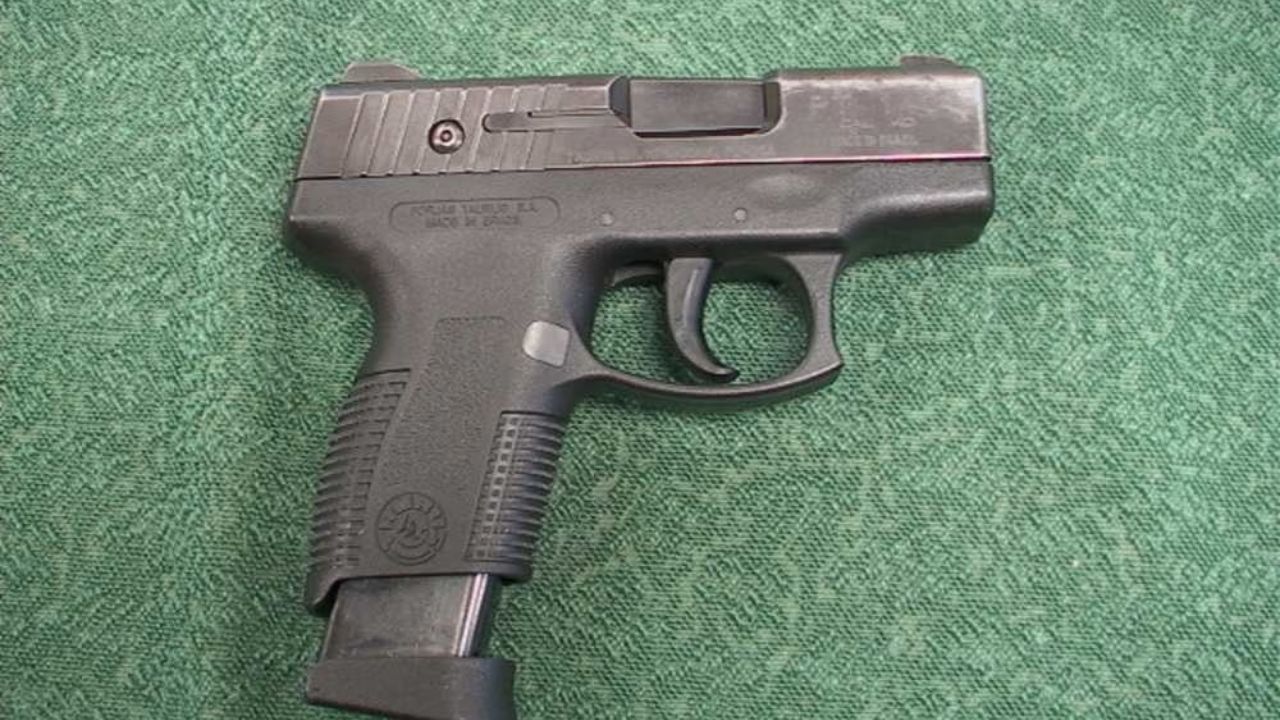
The Taurus PT140 Millennium has a strong, confident profile and feels sturdy in the hand. Unfortunately, early versions suffered from frame cracking and trigger group failures. The polymer used wasn’t up to repeated recoil cycles, and many shooters reported hairline fractures developing near the locking block.
Even after factory recalls, some of the internal trigger safeties caused malfunctions that left the gun inoperable. On the outside, it looked like a tough compact carry pistol—but on the inside, it was fragile. Taurus fixed many issues over time, but those early PT140s are a reminder that good ergonomics and a solid grip don’t make a gun mechanically sound.
Winchester 100

The Winchester 100 semi-auto rifle looked like a well-balanced hunting tool, and its styling made it seem rock solid. Yet its firing pin design was prone to breakage, which led to dangerous slam fires. Many rifles were later recalled, but by then, the model’s reputation had already suffered.
The receiver and gas system, while elegant, also wore quickly under sustained use. Externally it looked like a classic, but internally it was a delicate machine that demanded constant care. It’s a beautiful rifle that taught hunters that craftsmanship on the outside doesn’t guarantee mechanical strength inside.
Sig Sauer Mosquito
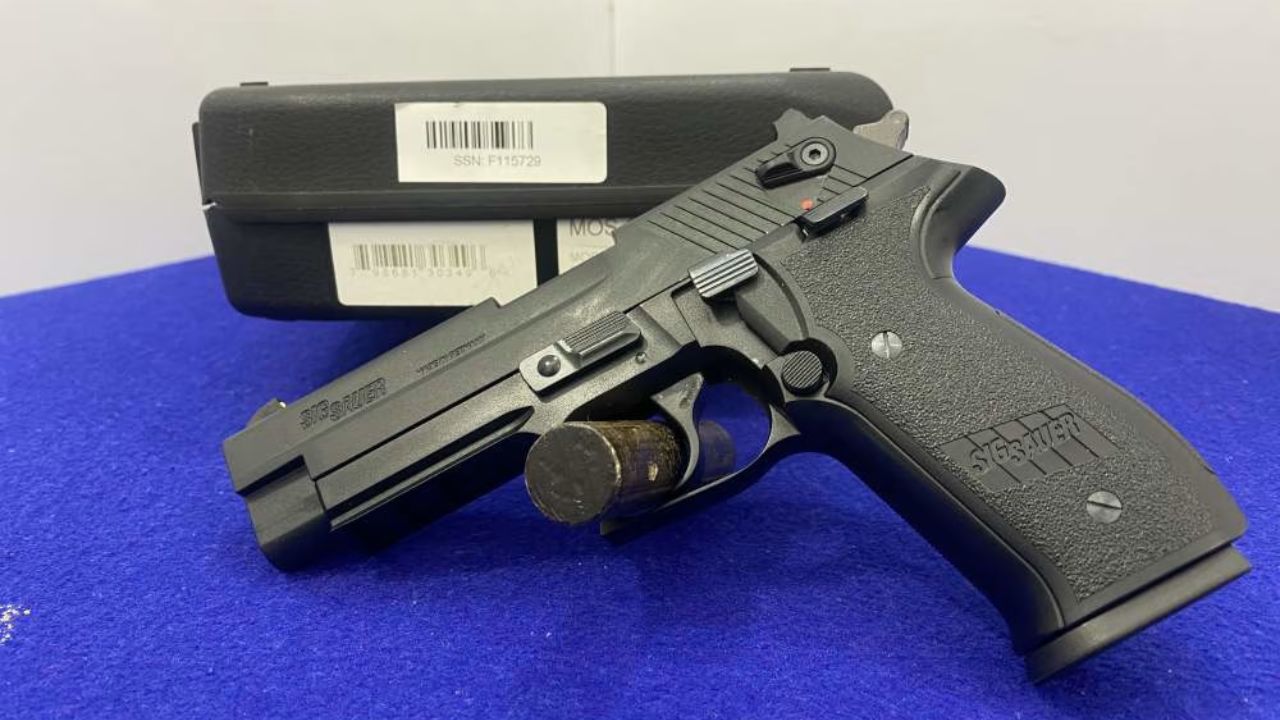
The Sig Mosquito looked like a downsized version of the legendary P226—a neat, serious-looking .22 trainer. But open it up and you find pot-metal parts, cheap machining, and springs that lose tension faster than they should. Feed issues, light strikes, and inconsistent cycling were the norm.
The gun’s appearance suggested it would be a reliable practice pistol for serious shooters, but it was anything but. The internals weren’t up to Sig’s usual standards, and it didn’t take long before shooters learned that the Mosquito was more toy than tool.
Remington 597

On the outside, the Remington 597 .22 looks like a sturdy, practical rifle. The stock feels decent, and the metal finish seems durable. Inside, though, the story changes. The guide rails and extractor system wear quickly, and tolerance stacking often leads to feeding and ejection problems.
Many owners report that after a few thousand rounds, the internals start to degrade enough that the rifle won’t cycle reliably. It’s a fine plinker when new, but its inner workings don’t match its outward promise. It’s one of those rifles that teaches you not to trust appearances.
Beretta 9000S

Beretta’s 9000S looked ahead of its time—sleek, modern, and compact. But the polymer frame and complicated locking system wore faster than expected. The trigger group and internal safeties often failed to reset properly, and long-term use revealed durability issues that Beretta hadn’t ironed out.
Shooters expected Beretta reliability and got mechanical headaches instead. For many, the 9000S was a gun that felt and looked premium but broke down faster than it should have. It’s now a cautionary tale in design over durability.
Century Arms C91
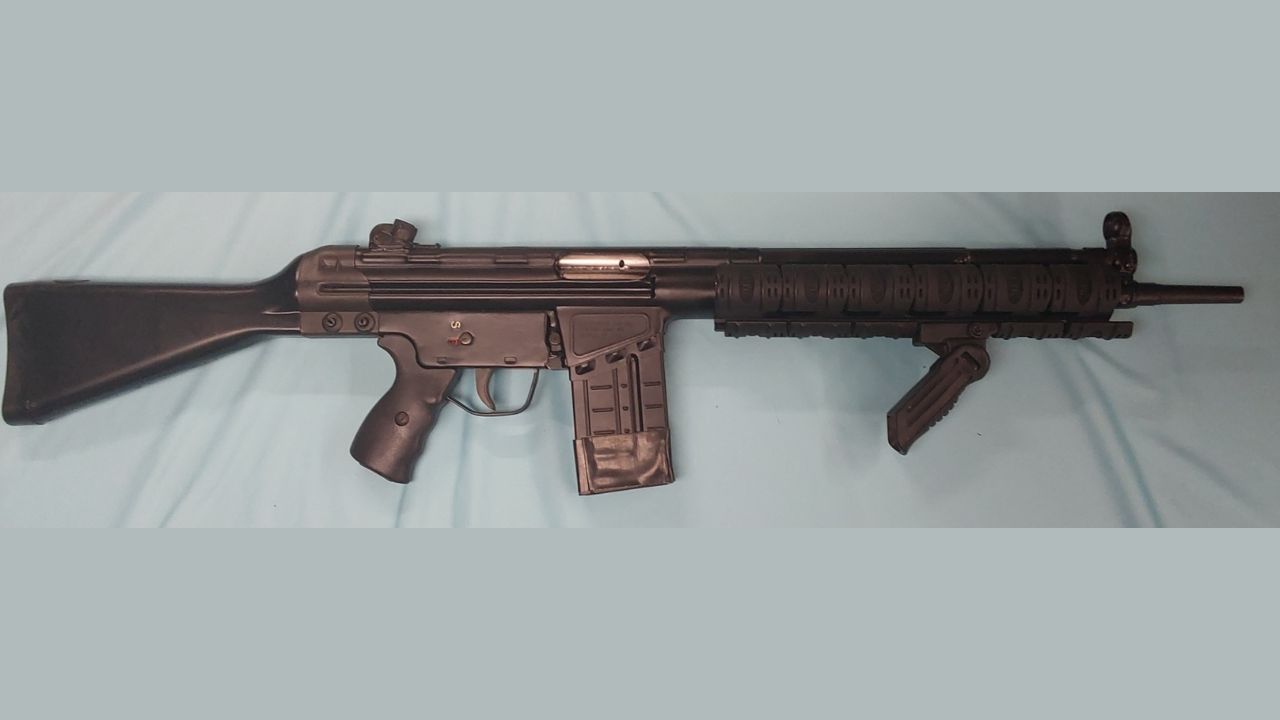
The Century Arms C91, a clone of the HK91, looked like a solid military-style rifle with its heavy receiver and classic profile. But beneath that exterior were mismatched parts and questionable assembly work. Many suffered from improper bolt gap or misaligned trunnions, which led to unreliable cycling and accelerated wear.
They look tough enough to handle abuse, but inside, they’re often a mess of uneven welds and misfit parts. Some can be tuned to run well, but out of the box, many of them shake themselves to pieces faster than a rifle that looks half as good.
Colt All American 2000

The Colt All American 2000 was designed to look futuristic and cutting-edge, and it did. Unfortunately, its internals were plagued by sloppy tolerances and fragile components. The rotating-barrel system wore down quickly, and many pistols suffered cracked locking lugs after moderate use.
It handled well, felt solid, and carried Colt’s name, but none of that could hide the internal flaws. The trigger was inconsistent, parts broke, and reliability evaporated over time. It’s the textbook definition of a gun that looks solid until you look under the hood.
Like The Avid Outdoorsman’s content? Be sure to follow us.
Here’s more from us:
The worst deer rifles money can buy
Sidearms That Belong in the Safe — Not Your Belt
*This article was developed with AI-powered tools and has been carefully reviewed by our editors.


