Photo credit: GUNSweek/YouTube
A good handgun should get smoother the more you shoot it. Tolerances settle in, springs relax, and the action starts to feel like an extension of your hand. But some pistols seem to go the other direction—wearing down faster than they ever polish up. These are the guns that start showing problems before you’ve even finished the break-in period: cracked rails, weakened springs, and components that never really “mate” the way they should. They look fine on the counter, but after a few hundred rounds, they feel tired and gritty. Here are the pistols that wear out faster than they ever get comfortable.
Remington R51
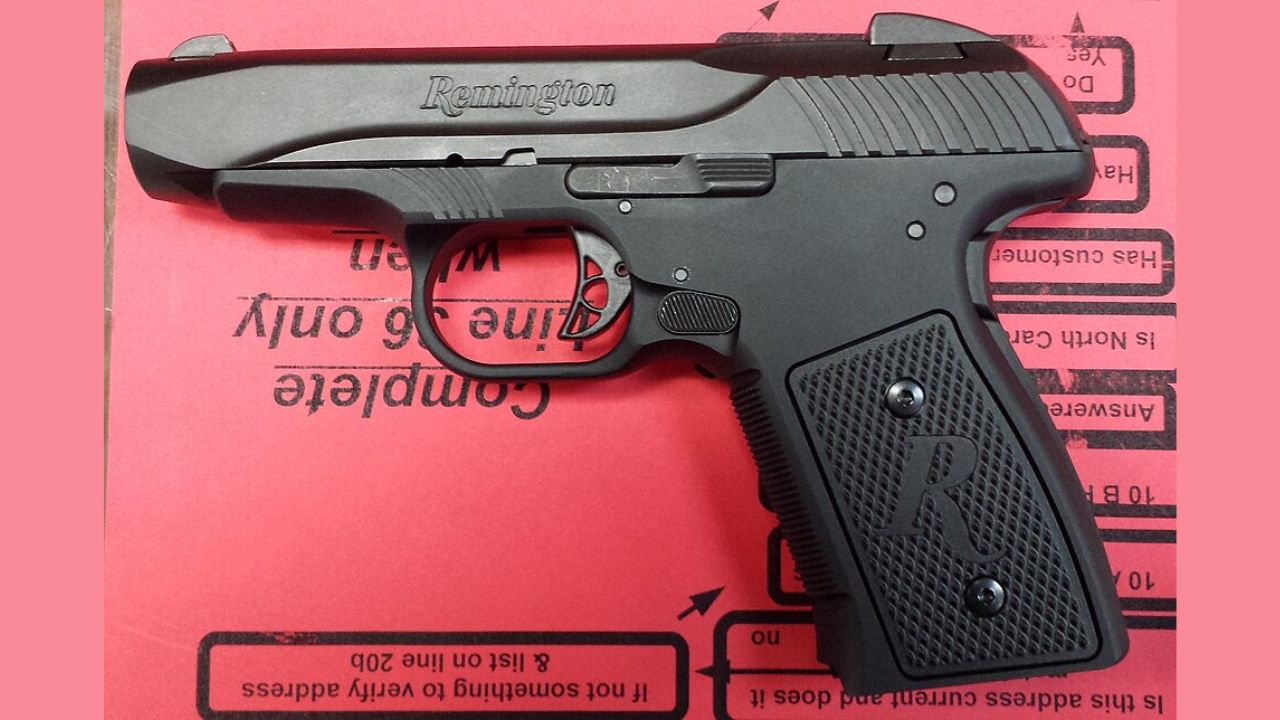
The Remington R51 looked promising—a sleek aluminum-framed carry gun with heritage and style. But the internals couldn’t handle extended firing. Many early R51s began to show peening and galling on the locking block before they’d even hit 300 rounds. The Pedersen-style action, meant to reduce recoil, ended up chewing itself to pieces under normal use.
Owners noticed heavy wear marks on the rails and frame, and slides that no longer cycled cleanly long before break-in was over. For a gun that was supposed to improve with use, it aged like milk instead of leather. It’s one of the clearest examples of a pistol that burned out before it ever smoothed out.
Kimber Solo Carry

The Kimber Solo Carry is a compact 9mm that feels premium in the hand, but it’s notoriously hard on itself. Its tight tolerances and small springs make it temperamental right out of the box. Even when fed the expensive, high-pressure ammo Kimber recommends, the internals wear rapidly.
The recoil spring assembly, in particular, loses tension early, and shooters report the slide developing roughness instead of smoothing out. Some Solo pistols begin to show frame wear at points where the slide rails ride, all before reaching a proper break-in. It’s a gun that demands the finest ammo and gentle treatment, but still seems to age too quickly to earn your trust.
Taurus PT709 Slim
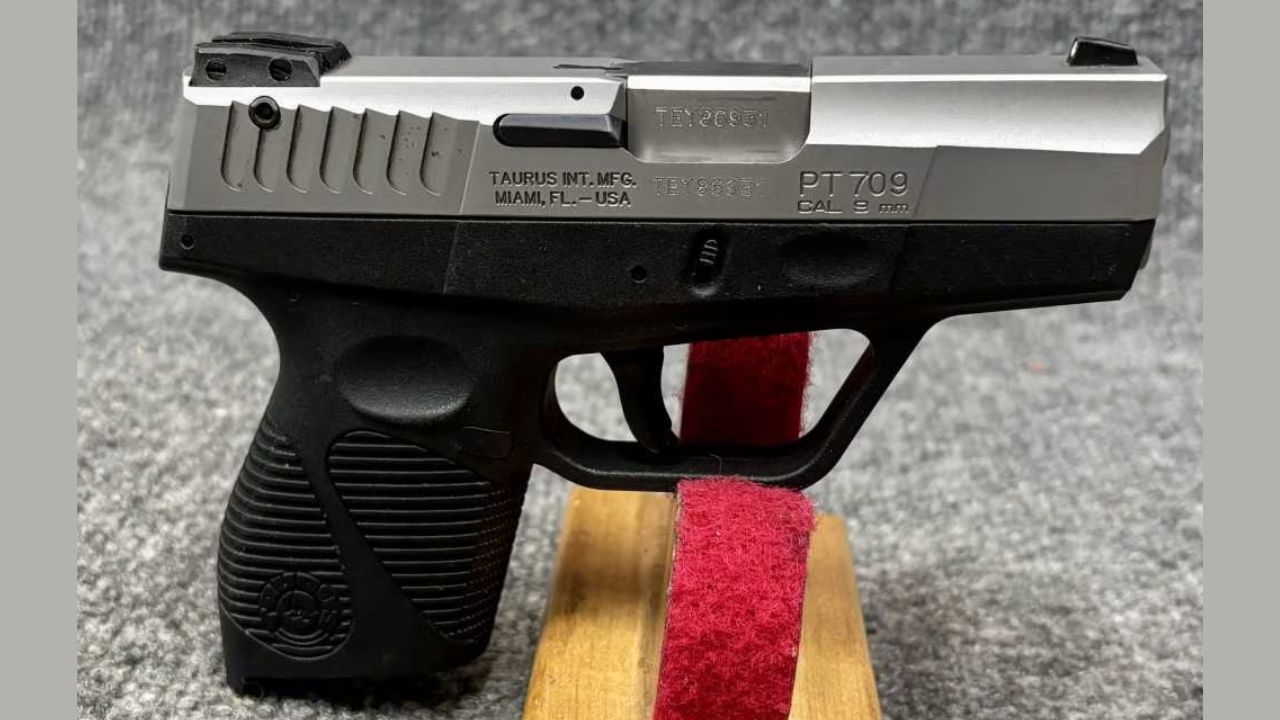
The Taurus PT709 Slim looks great, feels good, and carries easily—but longevity isn’t its strong suit. Early models developed peening on locking surfaces after just a few boxes of ammo. Springs softened prematurely, leading to light strikes and inconsistent trigger resets before the pistol was fully seasoned.
It’s one of those guns that performs well enough in the store, but once you start practicing regularly, it reveals its weaknesses fast. Many shooters retired theirs before even finishing what they’d consider a proper break-in. The PT709 was affordable and concealable, but it didn’t have the internal durability to last like it should have.
Remington 1911 R1 Enhanced Commander

Remington’s R1 Commander has the right lines and the right feel, but many shooters found the internal parts lacked the polish of better-made 1911s. Tool marks, poor heat-treating, and inconsistent fitting caused premature wear in the barrel lugs and slide stop surfaces. Some shooters saw accuracy degrade before the pistol had even settled into its rhythm.
Instead of smoothing out with use, it often felt sloppier. The trigger bow and disconnector rails tended to show wear early, and the finish on the feed ramp would chip away after a few cleanings. The R1 had the name and the look, but not the staying power to last through its own break-in cycle.
SCCY CPX-2

The SCCY CPX-2 feels great in hand—comfortable, compact, and solid—but that illusion fades fast under use. The long, heavy trigger pull wears against soft internal parts, and the recoil spring assembly tends to lose bite early. After a few hundred rounds, the gun often feels looser than it did new.
The finish on the feed ramp and chamber shows wear almost immediately, and some owners report cracked pins or worn slide rails before the gun’s fully settled. It’s inexpensive and reliable enough in the short term, but if you shoot it regularly, you’ll see the lifespan evaporate before it ever “breaks in.”
Colt All American 2000
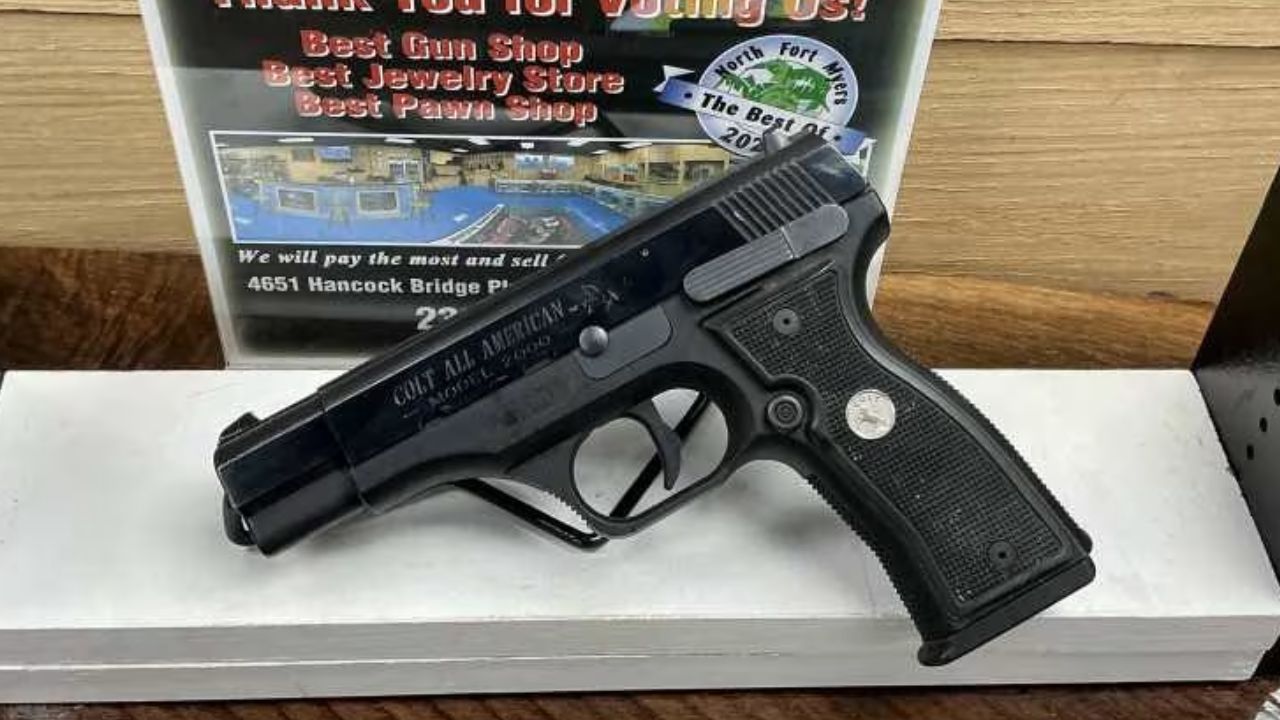
Colt’s All American 2000 was supposed to modernize the company’s pistol lineup, but the design never had the durability to back up its futuristic looks. The rotating-barrel system started to wear unevenly after minimal use, and the trigger assembly’s polymer components didn’t hold up under normal range time.
Instead of smoothing out, the gun got grittier as the round count went up. Cracked locking lugs and uneven wear patterns were common before shooters even felt comfortable with it. The All American 2000 looked like it could last forever, but in practice, it struggled to make it past a few hundred rounds without showing its age.
Beretta 9000S
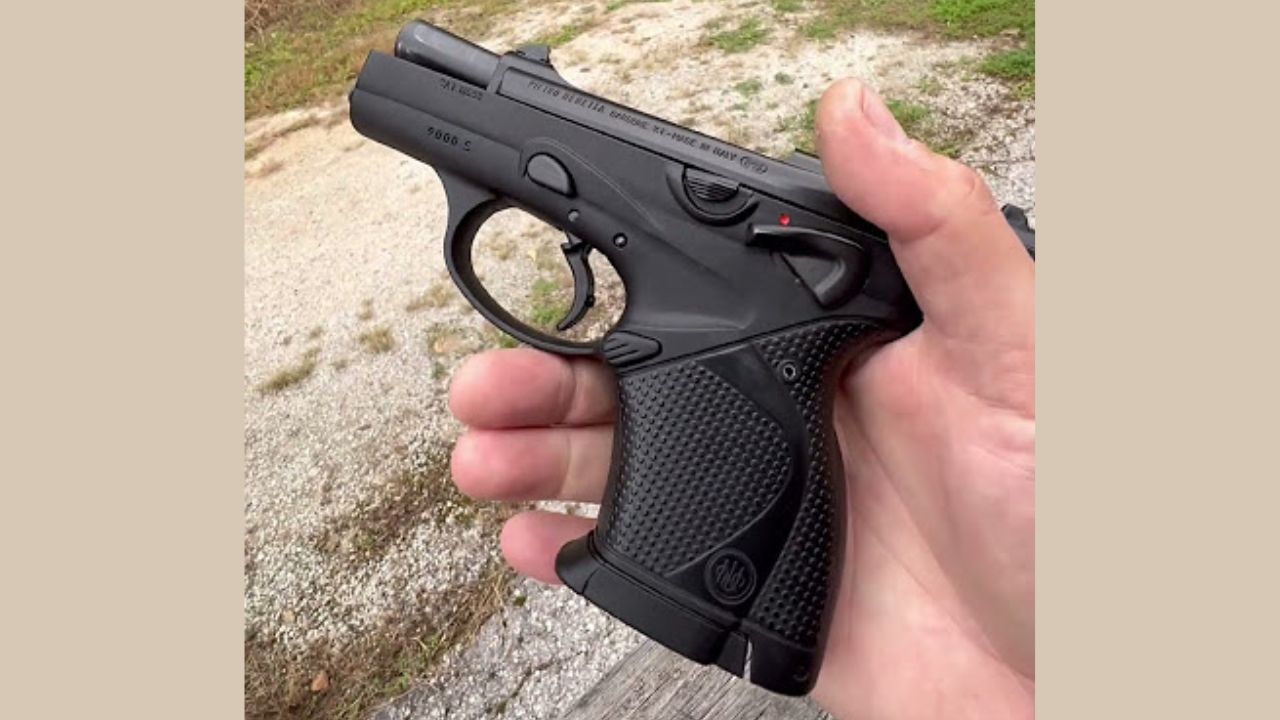
The Beretta 9000S looked like a modern, compact marvel when it debuted, but early examples had internals that wore far too quickly. The polymer frame flexed under recoil, accelerating wear on slide rails and locking surfaces. Even minor shooting sessions could leave visible scarring inside the gun.
Many owners reported their pistols feeling “used up” before they’d even finished the break-in period. Trigger return issues, frame wear, and chipped locking blocks all appeared early. Beretta fixed many of these problems in later models, but the first runs of the 9000S taught shooters that not every slick-looking pistol is built for the long haul.
Remington RP9

The Remington RP9 looked modern and solid, with a big-frame design and comfortable grip. But many shooters found it had soft internals that wore faster than expected. The slide-to-frame fit loosened early, and the trigger group developed slop before the gun had settled in.
Recoil springs often lost tension quickly, and finish wear appeared on rails within the first few hundred rounds. Some owners saw accuracy drop off before break-in was even complete. The RP9 was an ambitious design, but it’s remembered as one that seemed to age faster than it improved.
Hi-Point C9
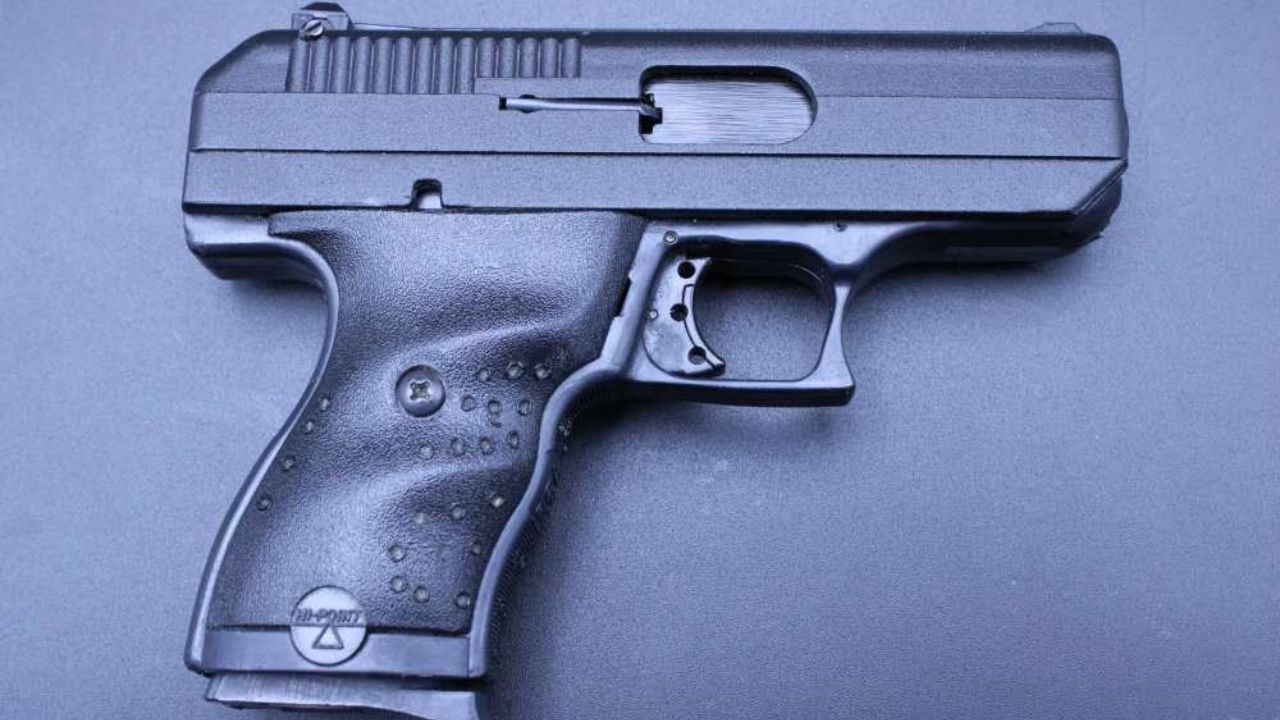
The Hi-Point C9 may be tough in some ways, but its lifespan is limited. The zinc-alloy slide wears internally faster than it looks like it should, and the feed ramp’s finish tends to degrade quickly. Many shooters find that after a few hundred rounds, the gun feels looser and less reliable than when new.
The blowback design puts heavy stress on small parts, and the gun’s heavy slide battering against inexpensive internals means it shows wear faster than most pistols. It’ll run when it has to, but it never really “settles in.” The C9 wears before it ever smooths out.
Remington RM380
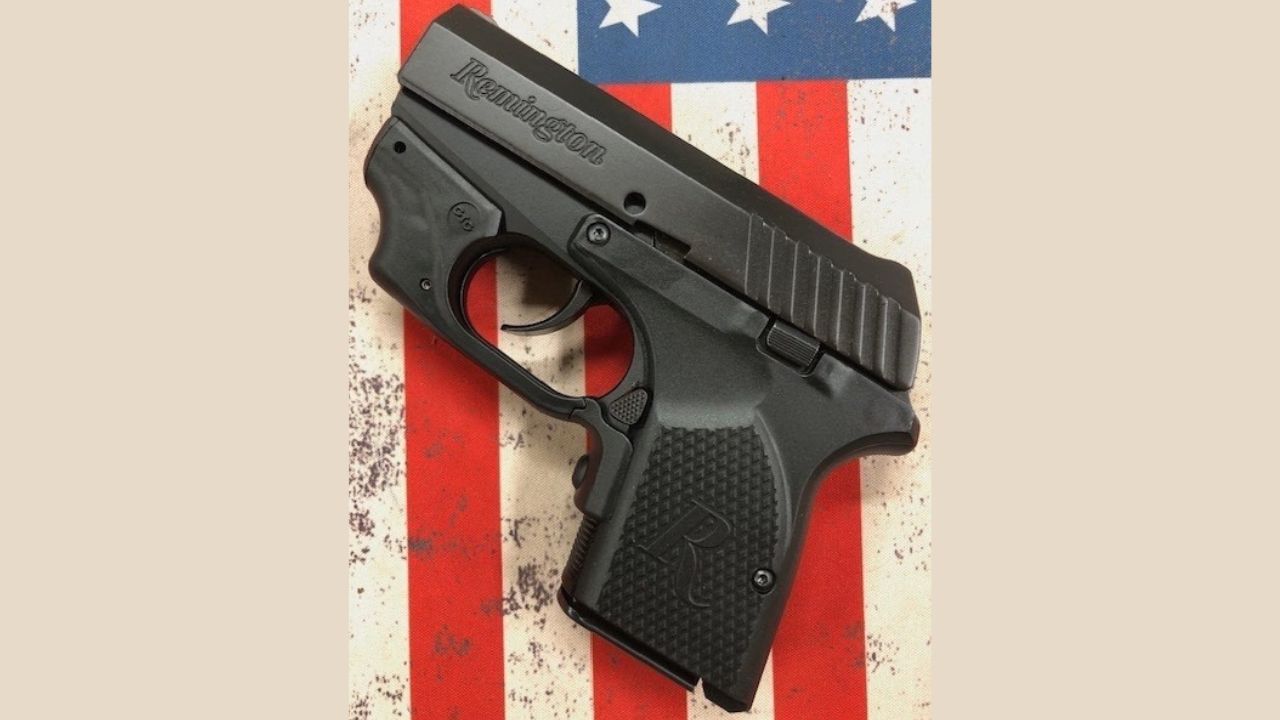
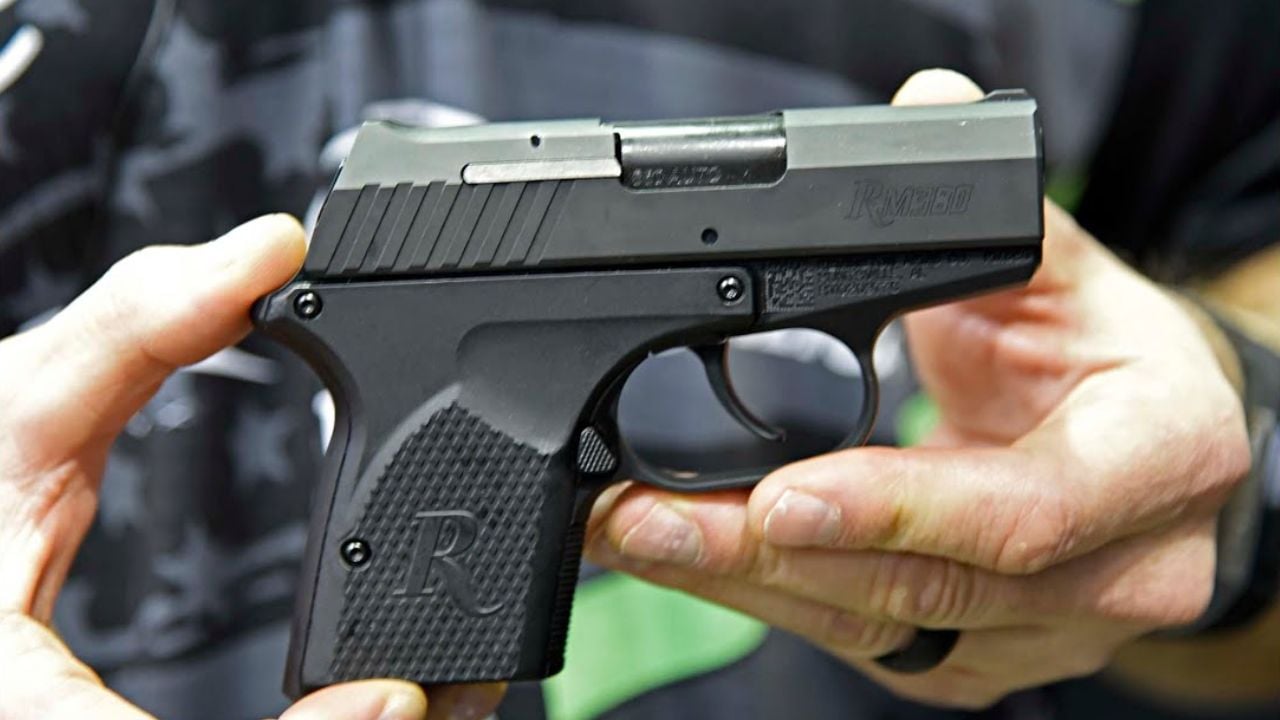
The Remington RM380 looks like a quality backup pistol, but it’s notorious for wearing itself down quickly. The small alloy frame and stiff recoil spring combine to accelerate rail wear before the pistol even hits its stride. Some shooters report trigger and hammer wear before the 500-round mark.
Even careful maintenance can’t prevent the slide from developing wobble or the action from feeling gritty. The RM380 never seems to reach a proper break-in—it skips straight to feeling tired. For a gun meant to be carried more than shot, it’s fine. But for anyone who trains regularly, it wears out before you ever get comfortable with it.
Taurus Spectrum

The Taurus Spectrum was designed to look sleek and feel comfortable, but the internals didn’t live up to the exterior. The polymer rails wear fast, the trigger mechanism loosens early, and the slide’s finish scuffs before the first box of ammo is gone. Many owners report reliability issues worsening instead of improving with use.
After a few trips to the range, the slide action feels gritty, and the trigger loses its crispness. It’s a pistol that physically ages faster than it mechanically improves. The Spectrum feels great in the store but acts like a disposable after a few hundred rounds — a true example of wearing out before breaking in.
Like The Avid Outdoorsman’s content? Be sure to follow us.
Here’s more from us:
The worst deer rifles money can buy
Sidearms That Belong in the Safe — Not Your Belt
*This article was developed with AI-powered tools and has been carefully reviewed by our editors.